Best Horror Movies of 1970, Ranked
Classic Cult Screams and Golden Era Gothic Ghetto
Explore the best gothic slashers and vampire cult classics from a pivotal year in cinema. Discover legendary titles and hidden gems of vintage horror.
About 1970 Horror Movies
The year 1970 sits at a fascinating crossroads in the history of the macabre. It was a bridge between the gothic elegance of the previous decade and the grittier, more nihilistic terror that would define the seventies. As the counterculture movement began to sour and the utopian dreams of the sixties dissolved into political cynicism, horror movies started to reflect a deeper, more internal rot. The monsters were no longer just hiding in crumbling European castles. They were moving into our houses, our churches, and our own minds.
Hammer Films, the legendary British studio that dominated the genre for years, was starting to feel the pressure of a changing world. In 1970, they released The Vampire Lovers, a film that leaned heavily into the eroticism that had previously been whispered about in subtext. It was a sign that the old guard knew they had to push boundaries to keep up with a permissive new era. Meanwhile, Scars of Dracula proved that Christopher Lee could still command the screen with a hiss, but the formula was beginning to show its age against the rising tide of psychological realism.
One of the most significant shifts of the year came from the United Kingdom in the form of folk horror. 1970 gave us The Blood on Satans Claw, a film that remains a cornerstone of the subgenre. Set in the seventeenth century, it replaced the theatricality of earlier period pieces with a sense of earthy, mud-caked dread. It suggested that evil was not an external force but something that grew out of the soil and the repressed instincts of communal life. This rural paranoia echoed the real world anxieties regarding cults and the dark side of communal living that dominated the news cycles of the time.
Across the Atlantic, the landscape was equally experimental. We saw the release of House of Dark Shadows, a feature film adaptation of the popular gothic soap opera. It was a rare instance of a television property successfully making the jump to the big screen while retaining its melancholic bite. More importantly, 1970 saw the release of Brewster McCloud and the various underground experiments that signaled a shift toward the surreal. Even if they were not strictly horror, their DNA would soon bleed into the genre.
Perhaps the most prescient film of the year was Dario Argentos directorial debut, The Bird with the Crystal Plumage. While technically a giallo thriller, its influence on the horror genre cannot be overstated. Argento introduced a visual language of heightened stylization, voyeurism, and creative violence that would eventually pave the way for the slasher boom. It took the mystery elements of Agatha Christie and doused them in neon light and black leather gloves, proving that the act of watching a crime could be just as terrifying as the crime itself.
Looking back, 1970 was a velvet-lined transition. It was the last year where the ghost of the classic monster movie felt truly comfortable before the arrival of the visceral, the religious, and the slasher icons of the later decade. It was a year of experimentation, where filmmakers were testing how much blood, sex, and psychological trauma the audience could handle as the world outside the theater grew increasingly unrecognizable.
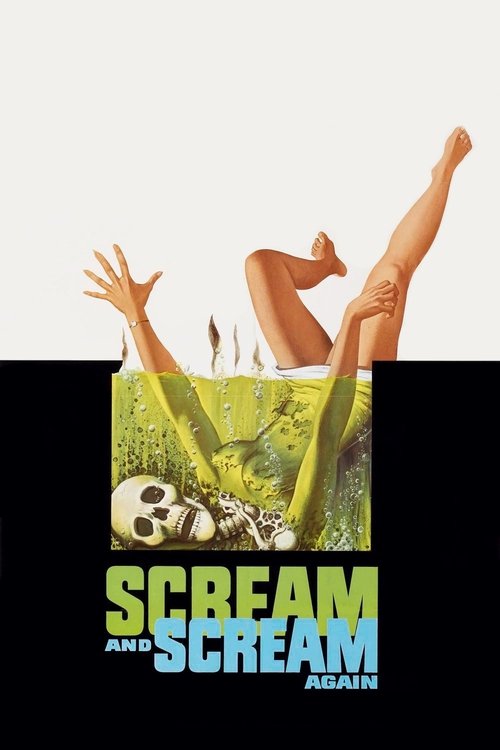
Scream and Scream Again
1970A serial killer who drains his victims for blood is on the loose and London police follow him to a house owned by an eccentric scientist.
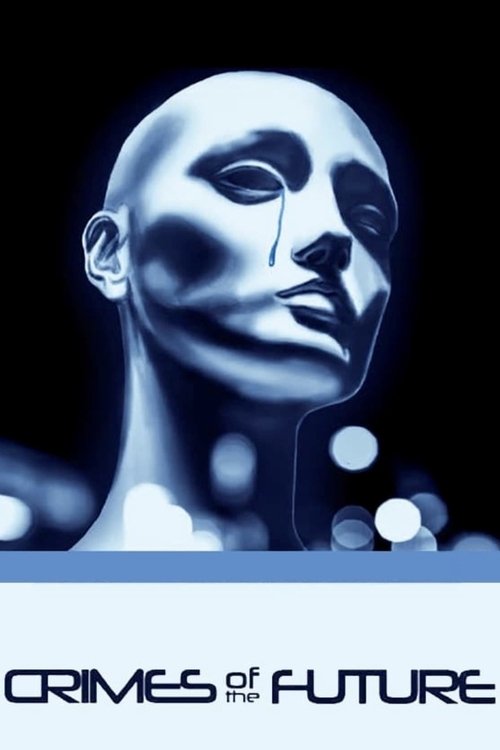
Crimes of the Future
1970Crimes of the Future is set in a future where sexually mature women appear to have been obliterated by a plague produced by the use of cosmetics. The film details the wanderings of Adrian Tripod, director of the dermatological clinic the House of Skin. Tripod seems at a loss following the disappearance of his mentor Antoine Rouge.
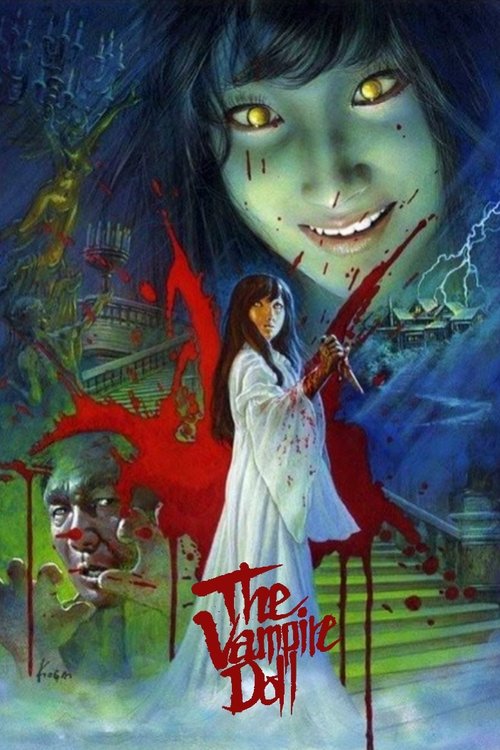
The Vampire Doll
1970A young man goes missing after visiting his girlfriend's isolated country home. His sister and her boyfriend trace him to the creepy mansion, but their search becomes perilous when they uncover a gruesome family history.
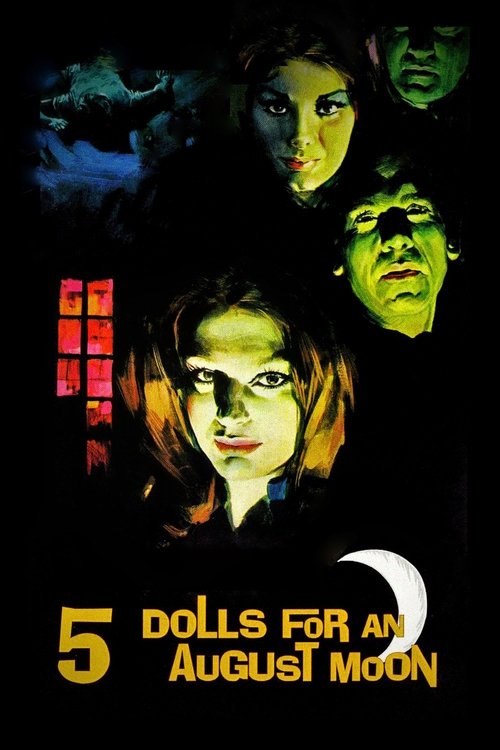
Five Dolls for an August Moon
1970A wealthy playboy gathers a group of bourgeois friends at his isolated beach house for a weekend of relaxation. When bodies start pilling up, they realize they’re trapped with a killer in their midst, sending them in a frenzy to figure out who amongst them is killing the others before they are killed next.
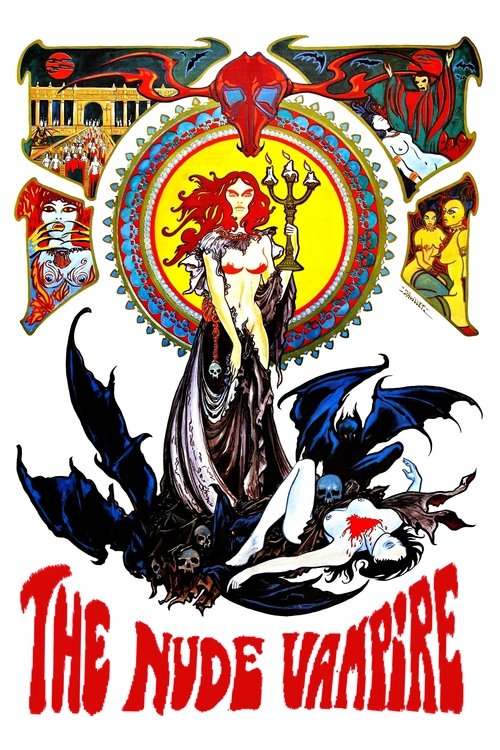
The Nude Vampire
1970A young man falls in love with a beautiful woman being chased by sinister masked figures at night. He tries to track her down, and learns she's being held captive by his father and colleagues who believe she's a vampire.
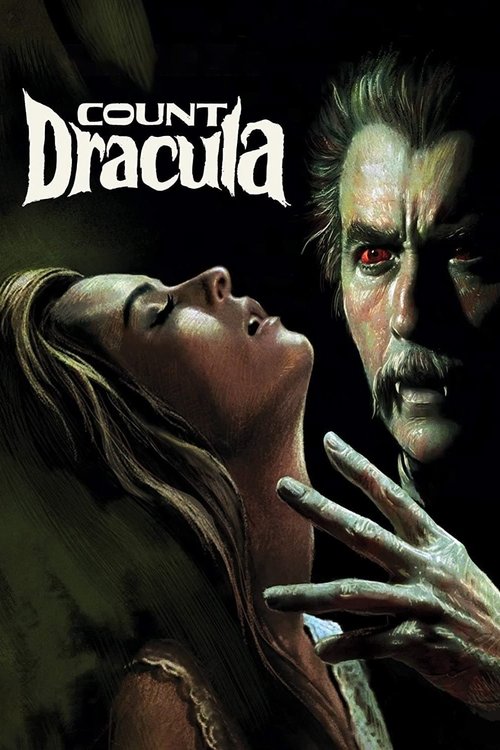
Count Dracula
1970A faithful adaptation of the classic tale portrays Dracula as an old man who grows younger whenever he dines on the blood of young maidens.
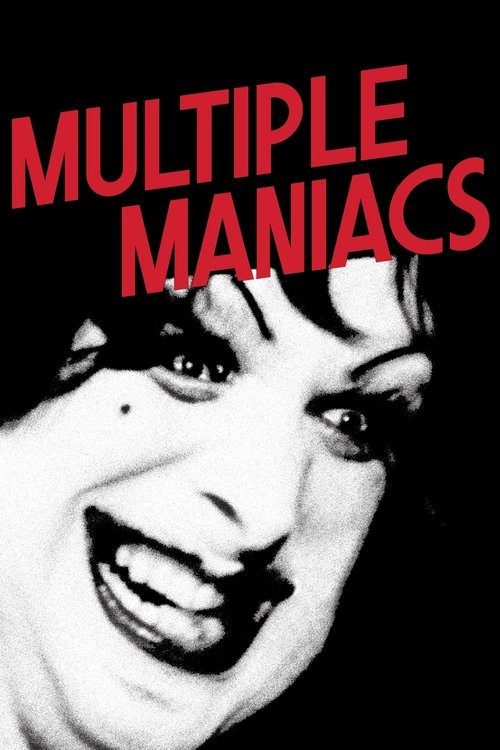
Multiple Maniacs
1970The Cavalcade of Perversion, a traveling freak show, acts as a front for Divine, who is out for blood after discovering her lover's affair.
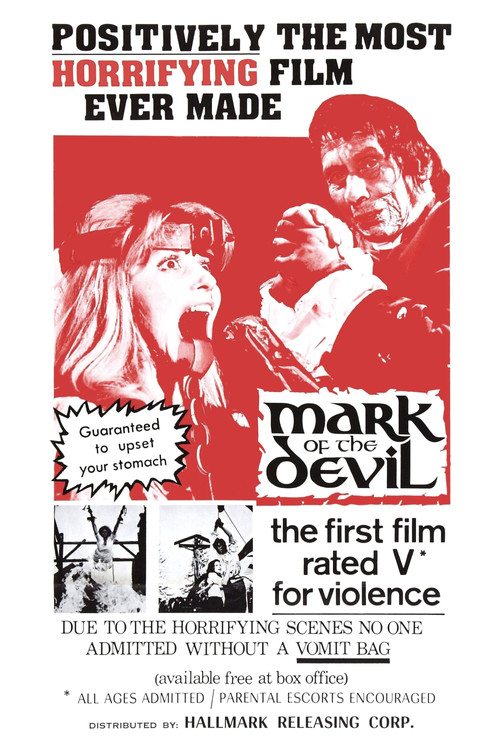
Mark of the Devil
1970In 1700s Austria, a witch-hunter's apprentice has doubts about the righteousness of witch-hunting when he witnesses the brutality, the injustice, the falsehood, the torture and the arbitrary killing that go with the job.
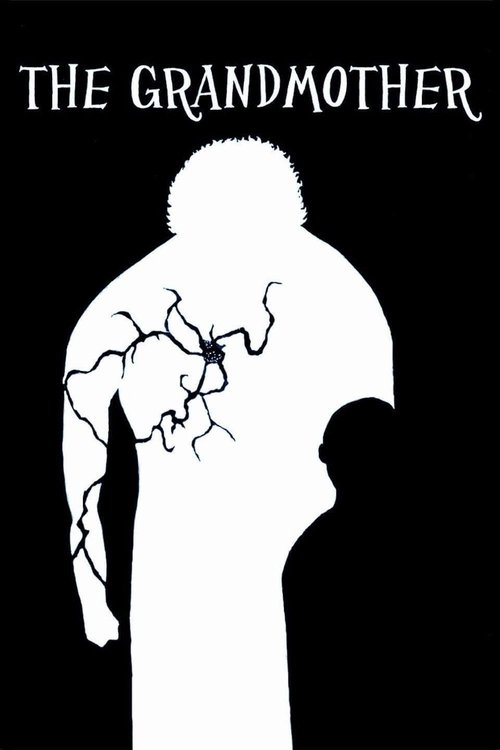
The Grandmother
1970To escape neglect and abuse from his parents, a young boy plants some strange seeds and they grow into a grandmother.
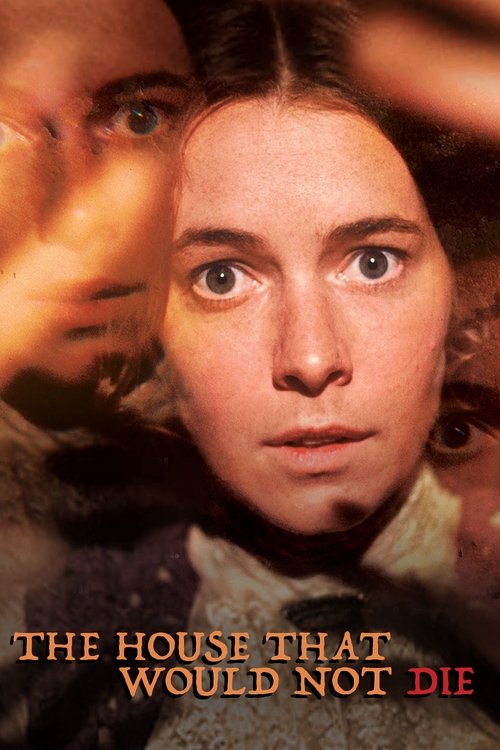
The House That Would Not Die
1970A tale of witchcraft, black magic and a haunted house in the Amish country.
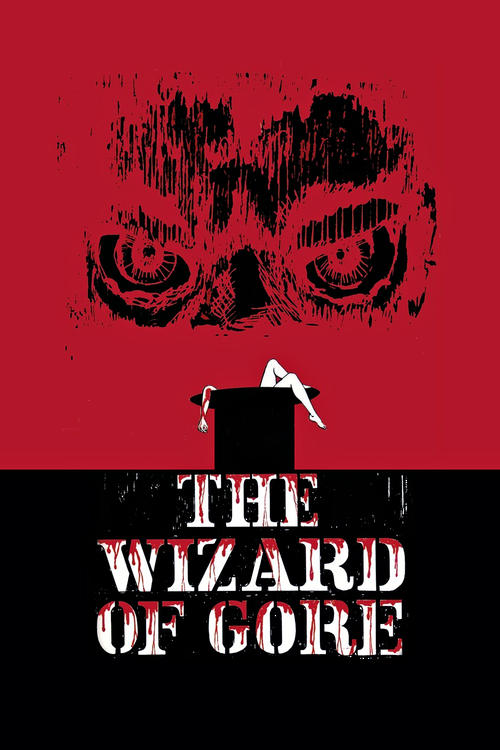
The Wizard of Gore
1970A talk show hostess and her boyfriend investigate a shady magician who has the ability to hypnotize and control people's thoughts in order to stage gory onstage illusions using his powers of mindbending.
Herschell Gordon Lewis pushes the boundaries of cinematic revulsion with a nihilistic showcase of Grand Guignol stage magic and anatomical carnage. This film remains a cornerstone of underground horror for its total commitment to the theater of the grotesque and its surreal, dissociative pacing.
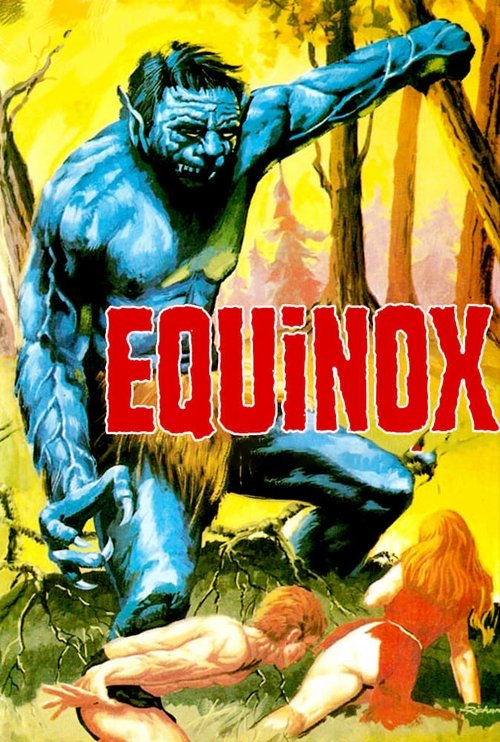
Equinox
1970Due to their possession of an ancient mystic book, four friends are attacked by a demon while on a picnic and find themselves pitched into a world of evil that overlaps their own. The film was originally made in 1967 by Dennis Muren as The Equinox: Journey into the Supernatural. Jack Woods was hired to shoot additional footage and expand on Muren's work.
A triumph of grassroots ingenuity, this low-budget marvel showcases stop-motion creature effects that punch far above their weight class. Its raw, semi-professional aesthetic lends an eerie, documentary-like quality to the unfolding interdimensional chaos.
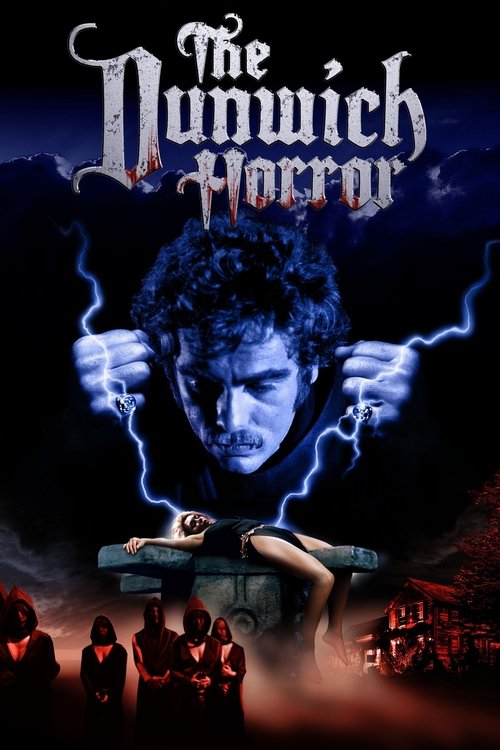
The Dunwich Horror
1970Dr. Henry Armitage, an expert in the occult, goes to the old Whateley manor in Dunwich looking for Nancy Wagner, a student who went missing the previous night. He is turned away by Wilbur, the family's insidious heir, who has plans for the young girl. But Armitage won't be deterred. Through conversations with the locals, he soon unearths the Whateleys' darkest secret — as well as a great evil.
This psychedelic interpretation of H.P. Lovecraft captures the late-sixties transition into occult horror through dizzying visuals and a haunting, drug-addled tone. It eschews literal monsters for a cosmic sense of unease that feels uniquely tethered to the era’s cultural anxieties.
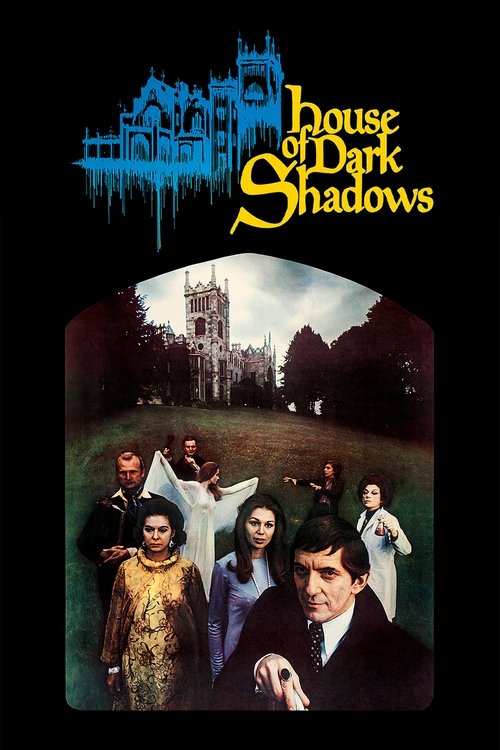
House of Dark Shadows
1970Barnabas Collins searches for a cure for vampirism in order to marry a woman resembling his long-lost fiancée Josette.
Dan Curtis successfully translates the moody atmosphere of his gothic soap opera to the big screen with a surprisingly brutal intensity. The film discards television constraints to deliver a claustrophobic family tragedy fueled by Barnabas Collins’ tragic, violent desperation.
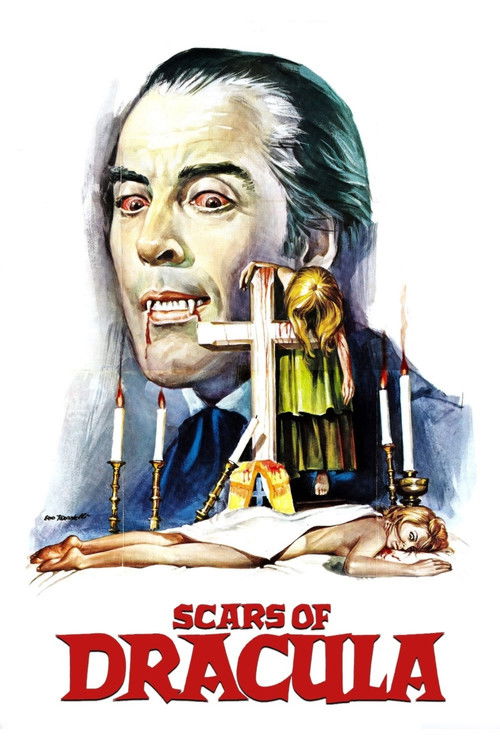
Scars of Dracula
1970The Prince of Darkness casts his undead shadow once more over the cursed village of Kleinenberg when his ashes are splashed with bat's blood and Dracula is resurrected. And two innocent victims search for a missing loved one... loved to death by Dracula's mistress. But after they discover his blood-drained corpse in Dracula's castle necropolis, the Vampire Lord's lustful vengeance begins.
Notable for its aggressive gore and the sheer cruelty of its titular antagonist, this installment strips away the romanticism often associated with the Count. It remains a visceral highlight of the Hammer era for its unflinching commitment to spectacle and supernatural spectacle.
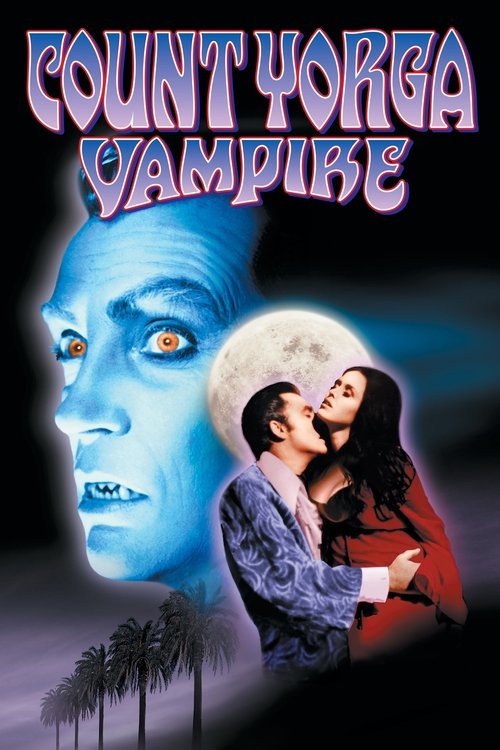
Count Yorga, Vampire
1970Posing as a hip medium, a bloodthirsty old-world undead gent attracts young lovelies to his mansion by holding séances in modern-day Los Angeles.
By transplanting a sophisticated bloodsucker into the mundanity of contemporary Los Angeles, Robert Quarry revitalized a decaying archetype. The film’s jarring juxtaposition of ancient aristocratic menace and modern suburban life creates an unexpectedly sharp, gritty tension.
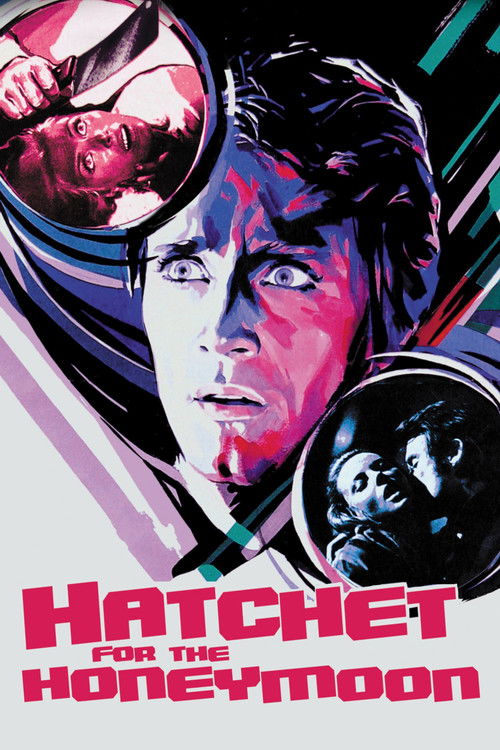
Hatchet for the Honeymoon
1970A madman haunted by the ghost of his ex-wife carves a corpse-laden trail.
Mario Bava masterfully blends high-fashion aesthetics with a fractured psychological portrait of a killer haunted by his own bridal obsessions. The film’s vibrant color palette and hallucinatory cinematography elevate a simple slasher premise into a sophisticated exercise in meta-fictional dread.
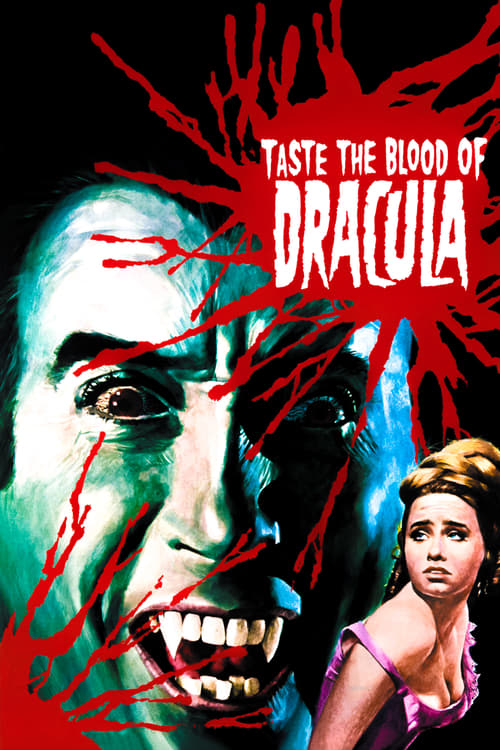
Taste the Blood of Dracula
1970Three elderly distinguished gentlemen are searching for some excitement in their boring borgoueis lives and gets in contact with one of count Dracula's servants. In a nightly ceremony they restore the count back to life. The three men killed Dracula's servant and as a revenge, the count makes sure that the gentlemen are killed one by one by their own sons.
This entry stands out for its cynical exploration of Victorian hypocrisy, pitting a bored and sadistic younger generation against the ultimate personification of evil. Christopher Lee’s Dracula serves as a terrifyingly passive force of nature that exposes the rot within the British aristocracy.
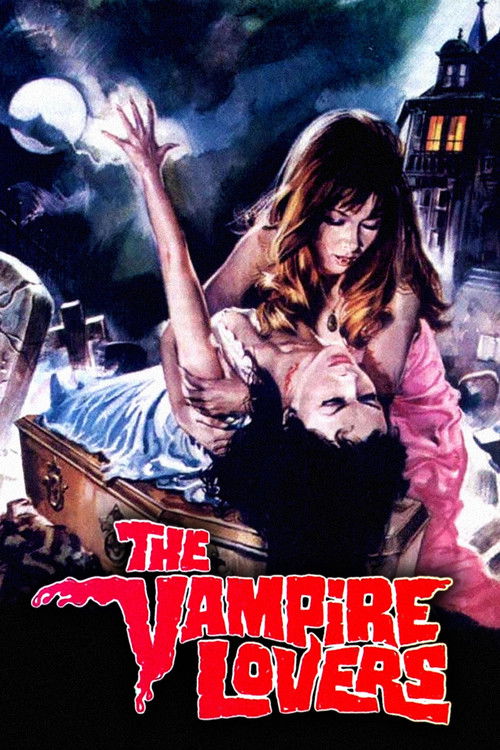
The Vampire Lovers
1970In the heart of Styria the Karnstein Family, even after their mortal deaths, rise from their tombs spreading evil in the countryside in their lust for fresh blood. Baron Hartog whose family are all victims of Karnstein vampirism, opens their graves and drives a stake through their diabolical hearts. One grave he cannot locate is that of the legendary beautiful Mircalla Karnstein. Years of peace follow that grisly night until Mircalla reappears to avenge her family's decimation and satisfy her desire for blood.
Hammer Film Productions shattered its own conservative mold with this lush and transgressive adaptation of Sheridan Le Fanu’s Carmilla. Ingrid Pitt commands the screen with a predatory magnetism that redefined the gothic vampire as a figure of overt, rebellious eroticism.
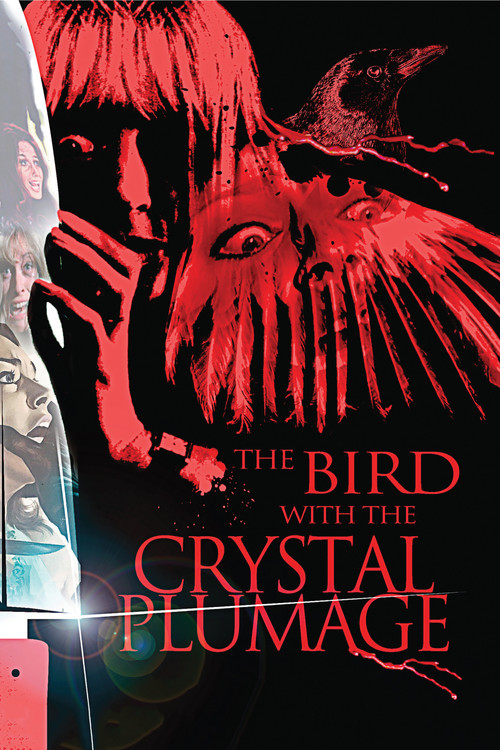
The Bird with the Crystal Plumage
1970An American writer living in Rome witnesses an attempted murder that is connected to an ongoing killing spree in the city and conducts his own investigation, despite he and his girlfriend being targeted by the killer.
Dario Argento’s directorial debut recalibrated the giallo subgenre through a lens of hyper-stylized voyeurism and surgical precision. Its intricate staging and Ennio Morricone’s dissonant score transformed the traditional whodunit into a sensory-focused nightmare of urban isolation.
Frequently Asked Questions
Everything you need to know about this list and SnakeDrafts
- The 1970 horror movies showcase themes of gothic allure combined with emerging nihilistic terror reflecting societal anxieties. Films like "The Bird with the Crystal Plumage" and "Taste the Blood of Dracula" balance classic horror motifs with psychological suspense and visceral violence.
- 1970 horror films mirrored the decline of 1960s idealism, embodying a shift towards darker, more introspective horror that exposed internal societal decay. Movies such as "Count Yorga, Vampire" and "The Dunwich Horror" illustrate this by integrating supernatural dread with contemporary fears.
- Yes, directors like Roy Ward Baker significantly influenced 1970 horror, helming both "The Vampire Lovers" and "Scars of Dracula," which helped define the vampire subgenre with atmospheric storytelling and gothic visuals.
- "The Bird with the Crystal Plumage" is notable for pioneering the giallo subgenre with its intricate mystery combined with striking stylistic violence. Directed by Dario Argento, it blends horror, thriller, and mystery elements, setting it apart from traditional gothic horrors of the era.
- 1970 horror films like "Taste the Blood of Dracula" and "Count Yorga, Vampire" updated vampire lore by adding explicit gore, eroticism, and contemporary settings, moving away from purely gothic tales to more modern, visceral stories that resonated with the era's sensibilities.
- Titles such as "Hatchet for the Honeymoon" by Mario Bava and "Multiple Maniacs" by John Waters attained cult status due to their unique blend of surreal horror, dark humor, and boundary-pushing content that challenged traditional horror conventions in 1970.
- Absolutely, several films blend genres; for instance, "House of Dark Shadows" combines drama, horror, and thriller elements, while "Multiple Maniacs" blends crime, comedy, and horror, demonstrating the genre's versatility during this period.
- Independent and low-budget films like "Equinox" and "The Grandmother" played a vital role by experimenting with unconventional narratives and styles, influencing the evolution of horror aesthetics and expanding the genre’s creative boundaries in 1970.