The Best Horror Movies of 1974, Ranked
The Gritty Evolution of Seventies Slasher Cinema
Explore the best horror films from a landmark year in terror. From chainsaw encounters to holiday slashers, discover the classics of vintage macabre.
About 1974 Horror Movies
If you want to understand the exact moment horror shed its gothic skin and crawled into the harsh light of reality, look no further than 1974. It was a year defined by a profound sense of disillusionment in the wake of the Vietnam War and the Watergate scandal. The monsters were no longer caped counts in far off castles; they were our neighbors, our families, and the very dirt beneath our fingernails. The genre took a sharp turn toward the visceral and the nihilistic, creating a landscape that forever changed how we process fear on the big screen.
The undisputed titan of the year was Tobe Hoppers The Texas Chain Saw Massacre. Even today, the title carries a weight that can make a casual viewer flinch. Hopper did something revolutionary by stripping away the supernatural entirely. He presented a group of youths falling victim to a family that had been literally left behind by industrial progress. The film is famous for its perceived gore, yet it is actually quite restrained in what it shows. The horror is found in the relentless sun, the industrial noise, and the terrifying realization that there is no logic to the violence. Leatherface did not need a motivation or a tragic backstory. He was simply a product of a decaying environment, making the film feel less like a movie and more like a feverish documentary of a nightmare.
While Hopper was redefining rural terror, Bob Clark was reinventing the slasher film in the shadows of the north. Black Christmas arrived in late 1974 and laid the structural foundation for almost every teenager in peril movie that followed in the eighties. By utilizing a first person camera to represent the killer, Clark forced the audience into a complicit, voyeuristic role. The film remains deeply unsettling because of its ambiguity and its refusal to provide a tidy resolution. It suggested that the threat could be inside the house, lurking in the attic of our most protected spaces.
Across the Atlantic, the legendary Hammer Films was gasping its final breaths as the old school style of horror began to lose its grip on the public imagination. Captain Kronos Vampire Hunter was released that year, blending swashbuckling adventure with traditional bloodletting. While charming and inventive, it felt like a gorgeous relic compared to the grit found in American cinemas. Audiences were no longer looking for escapism; they were looking for a reflection of the chaos they saw on the evening news.
The year also gave us oddities that expanded the boundaries of the grotesque and the psychological. Jeff Liebermans Deranged offered a chilling, albeit fictionalized, look at the life of Ed Gein, while Larry Cohens Its Alive turned the anxiety of parenthood into a literal monster movie about a mutant infant. These films shared a common thread of subverting the American dream. The home was no longer a sanctuary, and the family unit was often the source of the rot.
Looking back, 1974 was the year horror grew up by getting dirty. It abandoned the safety of the theatrical and embraced a raw, jagged aesthetic that prioritized atmosphere over polish. It was the year we realized that the most frightening things in the world were not ghosts or goblins, but the human capacity for madness and the indifference of the world around us. These films did not just aim to scare; they aimed to leave a permanent mark on the psyche.
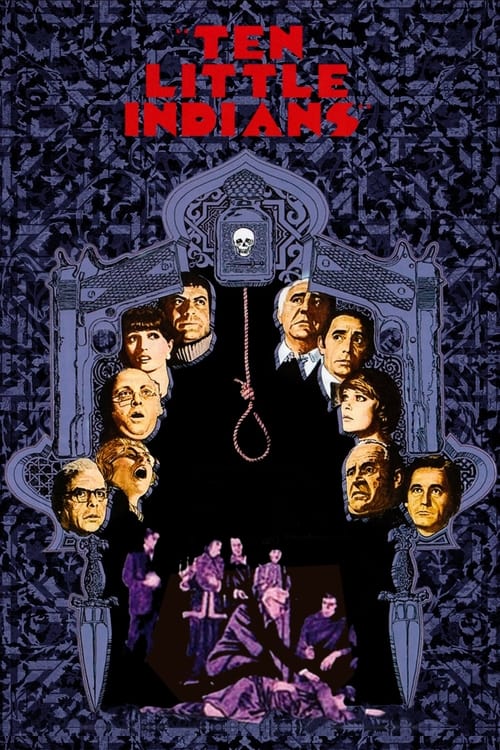
And Then There Were None
1974Ten people are invited to a hotel in the Iranian desert, only to find that an unseen person is killing them one by one. Could one of them be the killer?
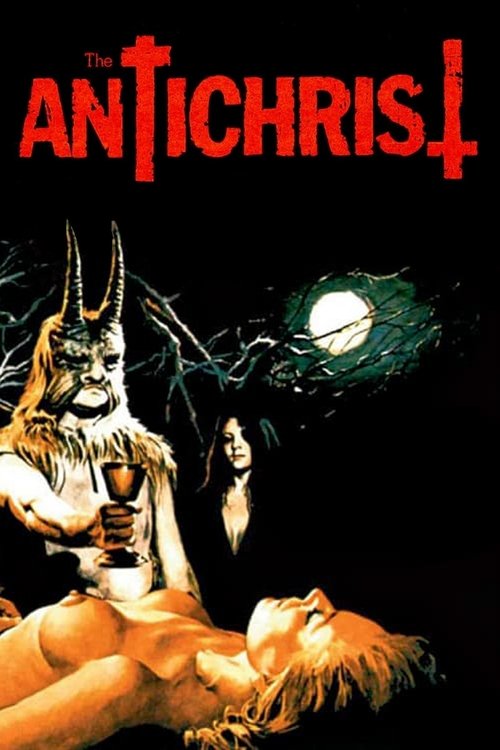
The Antichrist
1974An Italian nobleman seeks help after his paralyzed daughter becomes possessed by the spirit of a malevolent ancestress.
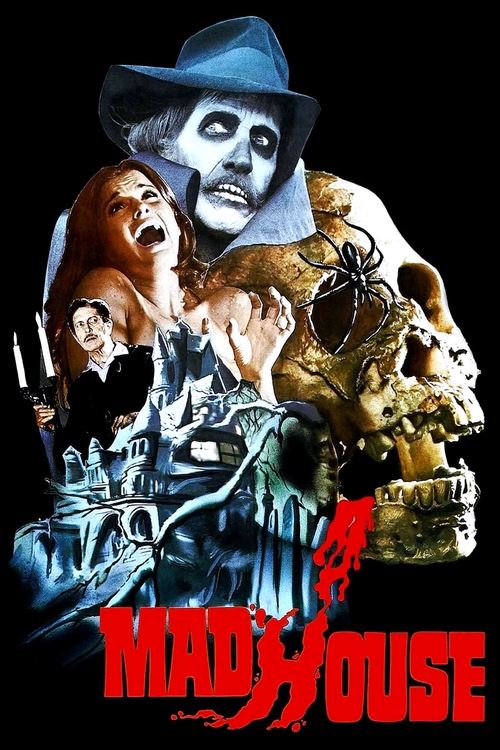
Madhouse
1974A horror movie star returns to his famous role after spending years in a mental institution, but the character seems to be committing murders independent of his will.
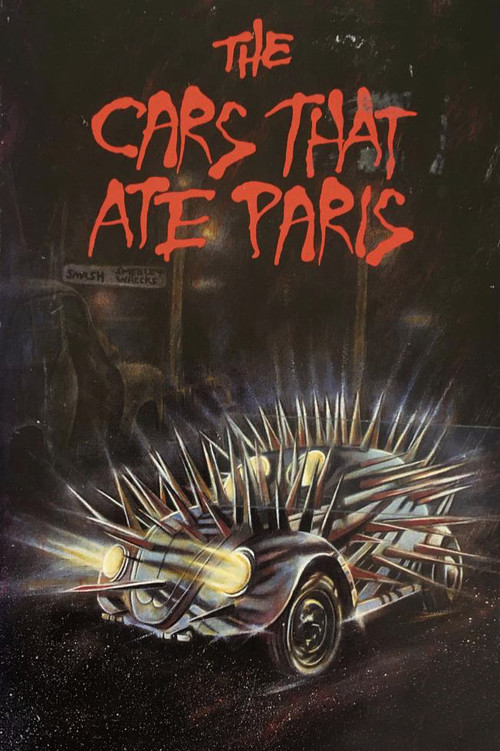
The Cars That Ate Paris
1974The small town of Paris, Australia deliberately causes car accidents, then sells/salvages all valuables from the wrecks as a means of economy.
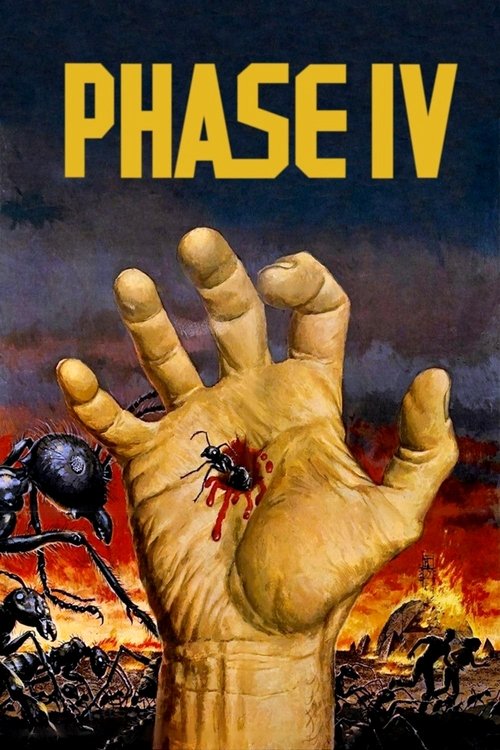
Phase IV
1974Arizona ants mock the food chain on their way to a desert lab to get two scientists and a woman.
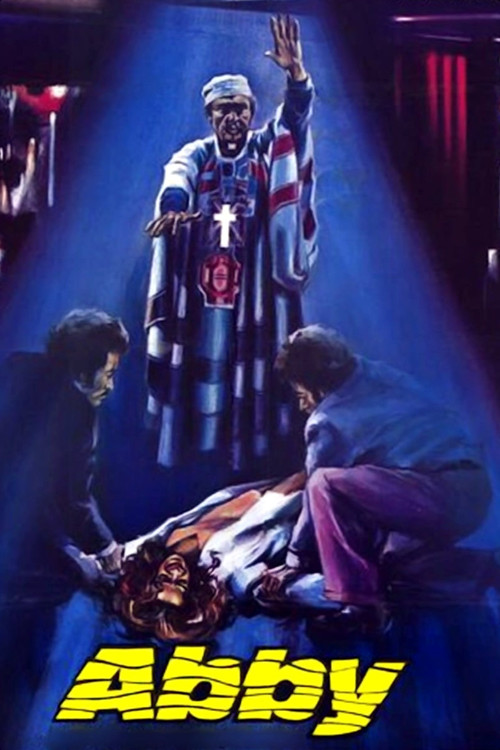
Abby
1974When a minister's wife becomes possessed by Eshu, the Nigerian god of sexuality, an exorcist is called in to drive the evil spirit away.
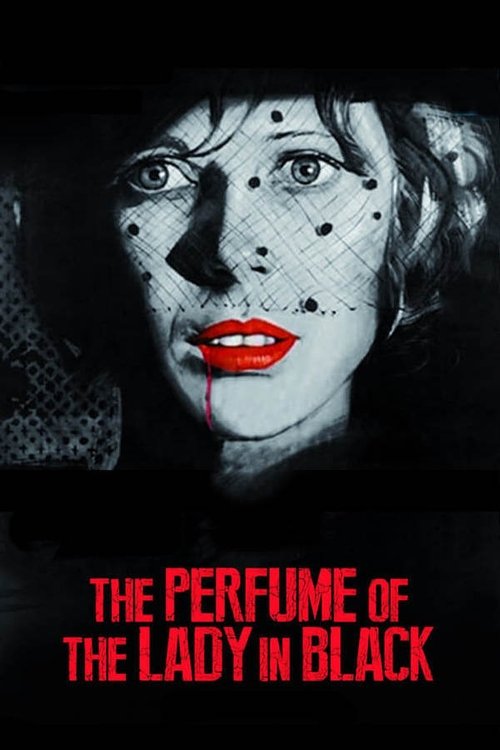
The Perfume of the Lady in Black
1974Sylvia, an industrial scientist, is troubled by strange hallucinations related to the tragic suicide of her mother.
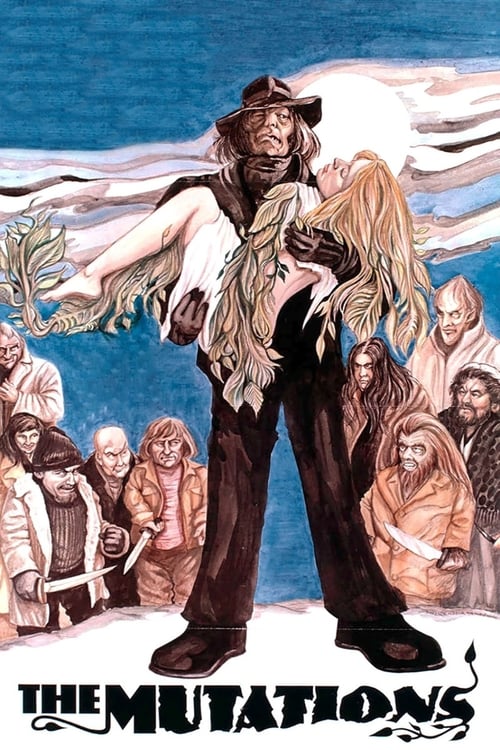
The Mutations
1974A mad scientist crosses plants with people, and the results wind up in a sideshow.
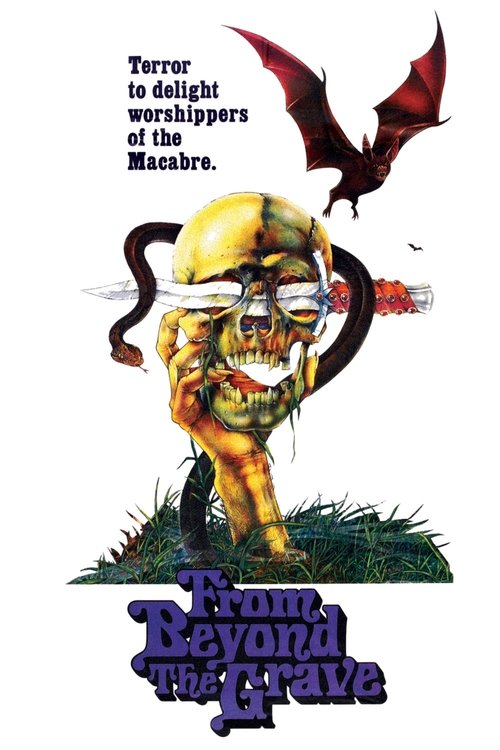
From Beyond the Grave
1974Four customers purchase (or take) items from Temptations Limited, an antiques shop whose motto is "Offers You Cannot Resist". A nasty fate awaits all of them—particularly those who cheat the shop's Proprietor.
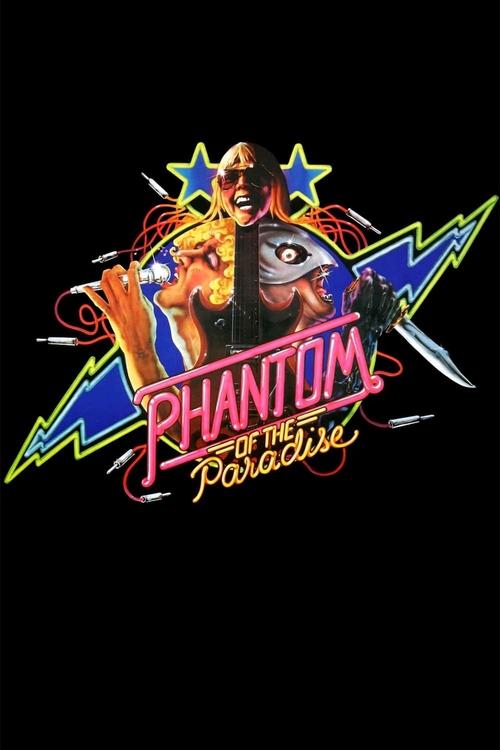
Phantom of the Paradise
1974Singer-songwriter Winslow Leach seeks revenge on the nefarious music producer Swan, who steals both Winslow's music and his favorite singer for the grand opening of Swan's new rock palace, the Paradise.
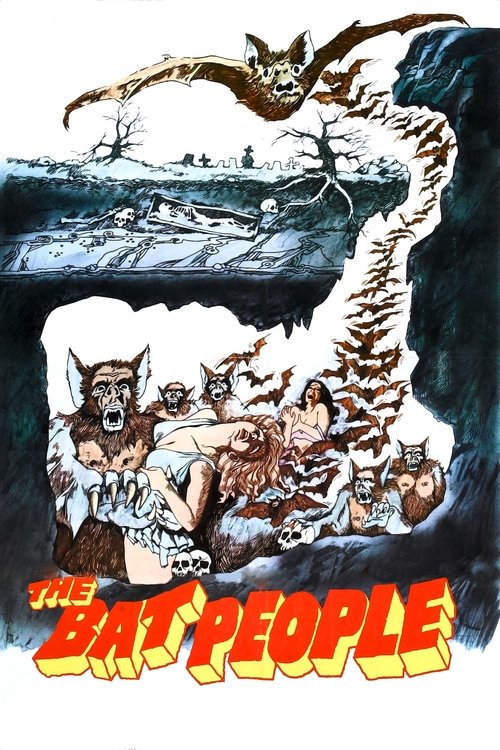
The Bat People
1974Dr. John Beck, recently married, decides to take his wife, Cathy, spelunking in Carlsbad Cavern. While there, Dr. Beck, who specializes in bats, is bitten by a fruit bat. He is then, inexplicably, transformed into a vampire bat. While he escapes and seeks help from another doctor, it is clear the treatments are not working. In fact, they are aggravating his condition. Dr. Beck unwittingly goes on a killing spree, catching the attention of Sergeant Ward.
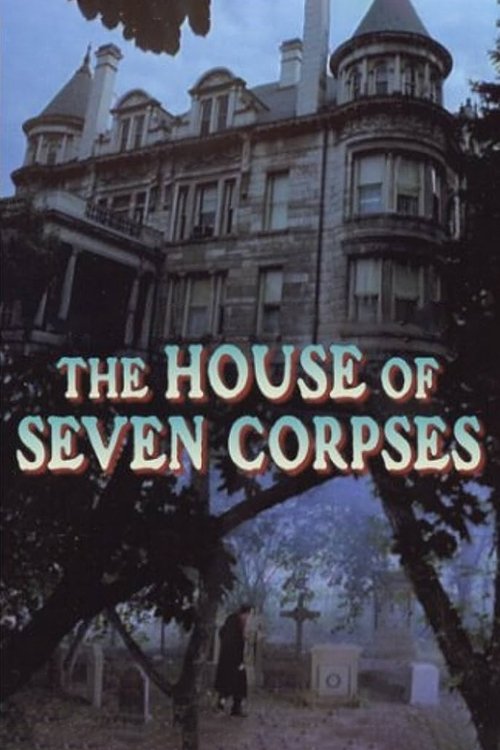
The House of Seven Corpses
1974A director is filming on location in a house where seven murders were committed. The caretaker warns them not to mess with things they do not understand (the murders were occult related), but the director wants to be as authentic as possible and has his cast re-enact rituals that took place in the house thus summoning a ghoul from the nearby cemetery to bump the whole film crew off one by one.
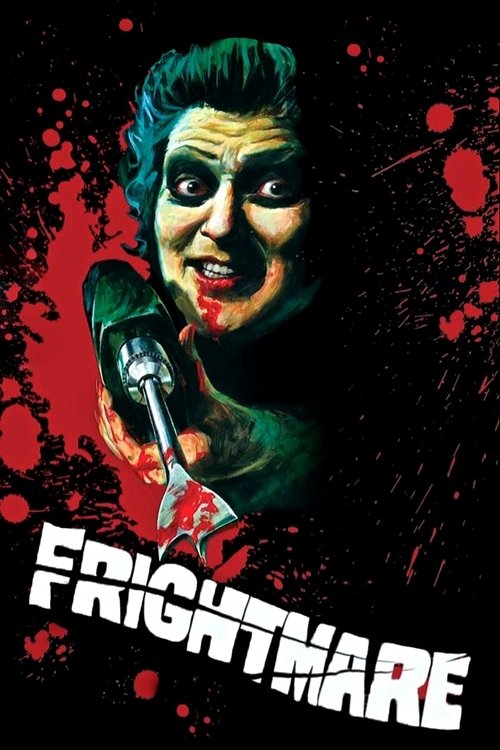
Frightmare
1974In 1957, Dorothy and Edmund Yates were committed to an institution for the criminally insane, she for acts of murder and cannibalism and he for covering up her crimes. Fifteen years later, they are pronounced fit for society and released. However, in Dorothy's case the doctors may have jumped the gun a bit. Edmund and eldest daughter, Jackie, try to discover just how far Mother's bloodlust has taken her. Meanwhile, youngest daughter Debbie begins to explore the crazy roots of her family tree as fully as possible.
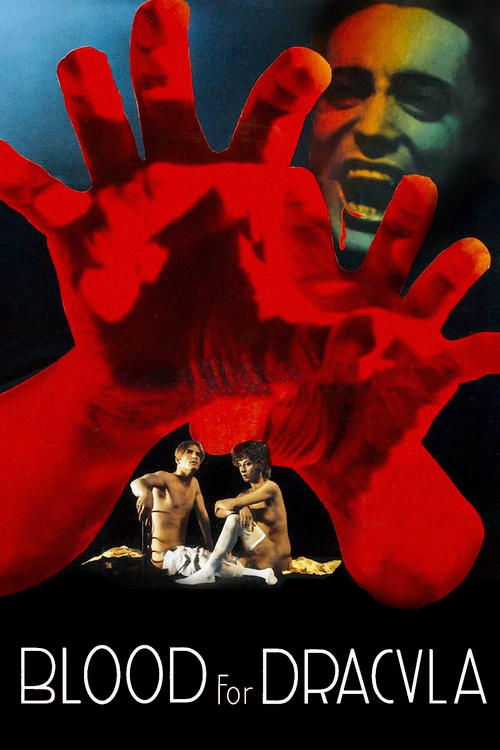
Blood for Dracula
1974Deathly ill Count Dracula and his slimy underling, Anton, travel to Italy in search of a virgin's blood. They're welcomed at the crumbling estate of indebted Marchese Di Fiore, who's desperate to marry off his daughters to rich suitors. But there, instead of pure women, the count encounters incestuous lesbians with vile blood and Marxist manservant Mario, who's suspicious of the aristocratic Dracula.
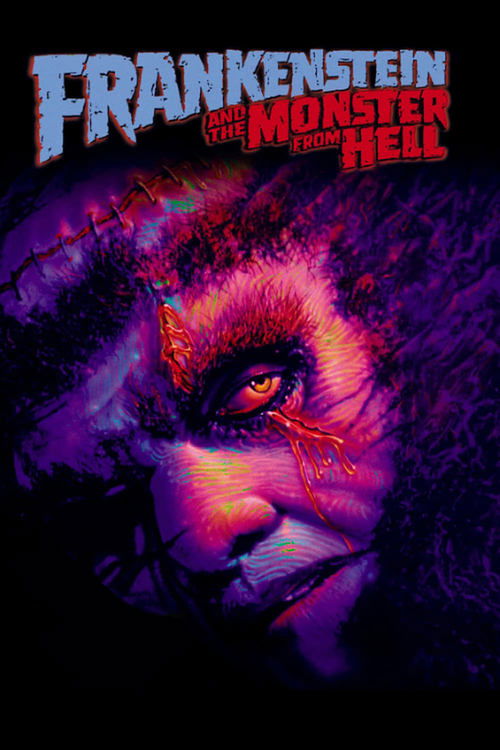
Frankenstein and the Monster from Hell
1974Dr Simon Helder, sentenced to an insane asylum for crimes against humanity, recognises its director as the brilliant Baron Frankenstein, the man whose work he had been trying to emulate before his imprisonment. Frankenstein utilises Helder's medical knowledge for a project he has been working on for some time. He is assembling a man from vital organs extracted from various inmates in the asylum. And the Baron will resort to murder to acquire the perfect specimens for his most ambitious project ever.
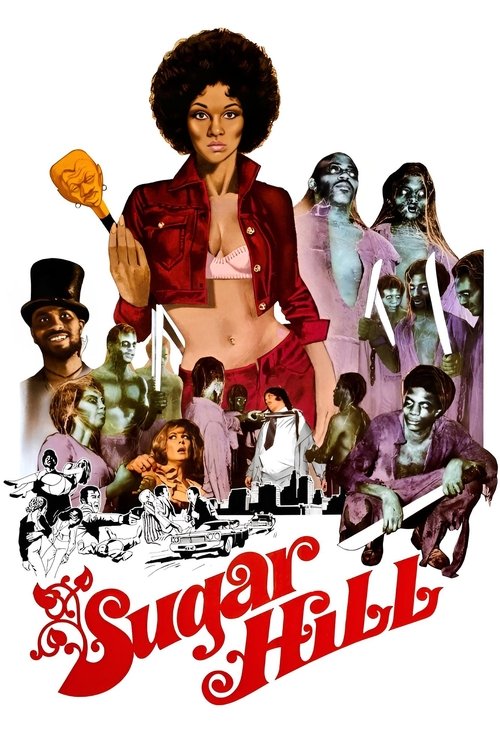
Sugar Hill
1974When a nightclub owner is murdered by gangsters after refusing to sell his business to the mob boss, his grieving fiancé enlists the help of a voodoo priestess to avenge his death.
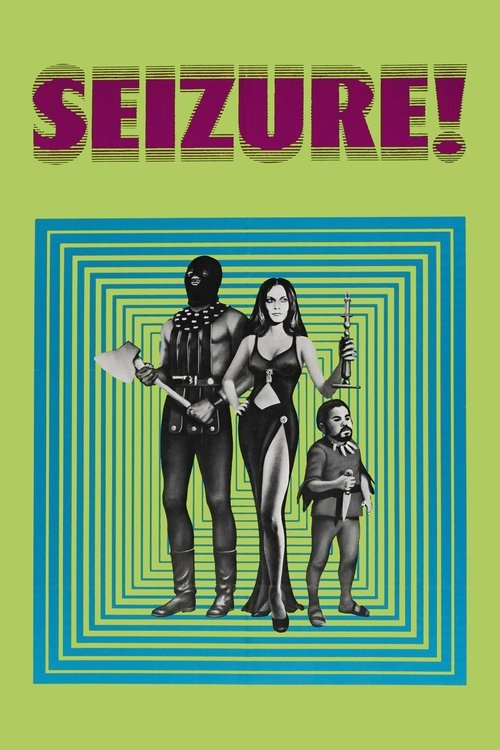
Seizure
1974A disturbed author's house party becomes a scene of carnage when three of his homicidal creations appear.
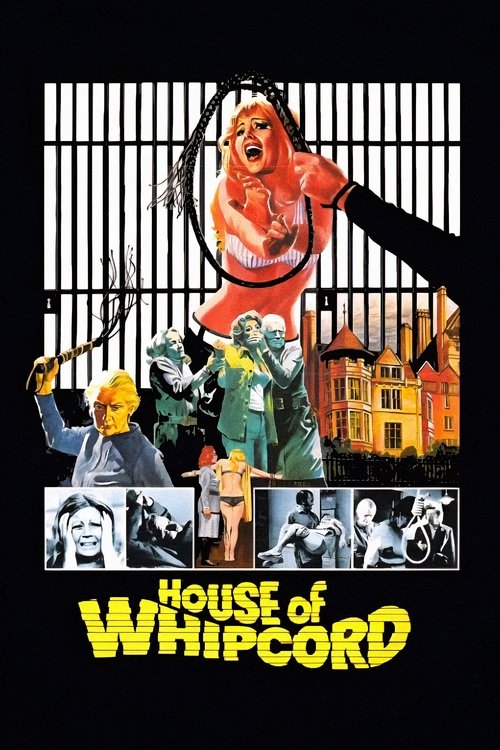
House of Whipcord
1974Somewhere in the middle of the English countryside a former judge and a group of former prison warders, including his lover, run their own prison for young women who have not been held properly to account for their crimes. Here they mete out their own form of justice and ensure that the girls never return to their old ways.
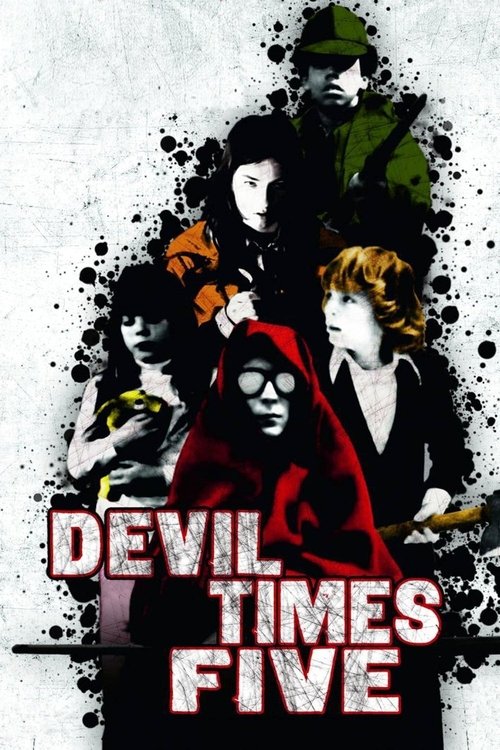
Devil Times Five
1974Five extremely disturbed, sociopathic children escape from their psychiatric transport and are taken in unwittingly by a group of adult villagers on winter vacation.
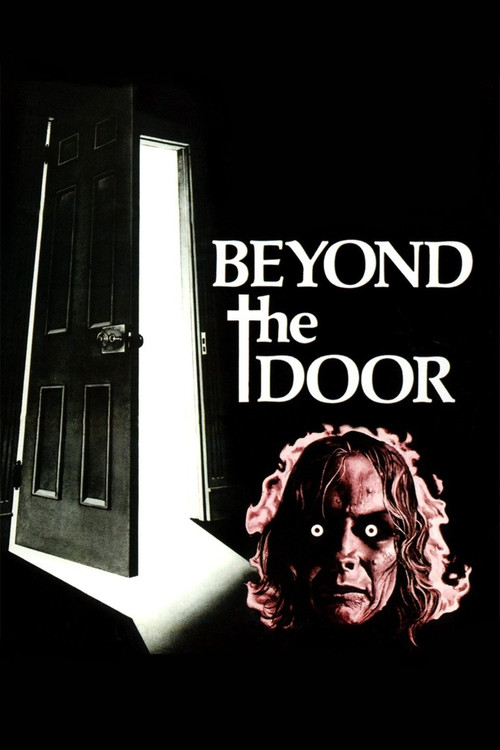
Beyond the Door
1974Jessica Barrett, wife and mother of two young children, begins to show signs of demonic possession while pregnant with her third child. As she seeks help from her husband and doctor, a mysterious man approaches her and seems to have some answers.
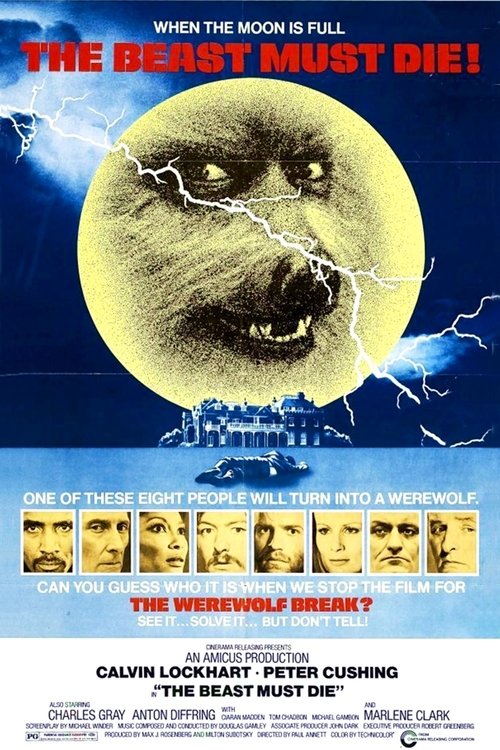
The Beast Must Die
1974Wealthy big game hunter Tom Newcliffe has tracked and killed practically every type of animal in the world. But one creature still evades him, the biggest game of all - a werewolf.
Amicus Productions experiments with form by injecting a clever whodunit structure into a traditional werewolf narrative, complete with an interactive 'werewolf break.' This playfully self-aware approach, combined with a slick seventies aesthetic, makes for a high-concept genre hybrid.
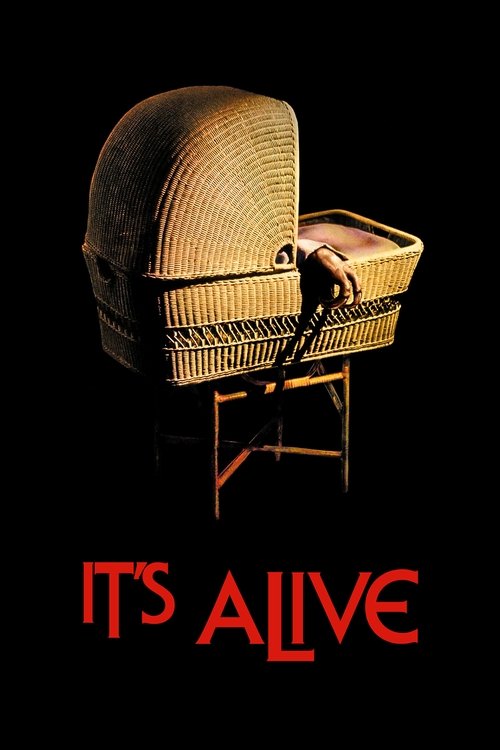
It's Alive
1974The Davises are expecting a baby, which turns out to be a monster with a nasty habit of killing people whenever scared. And it's easily scared.
Larry Cohen transforms a tabloid premise into a biting satire of the American nuclear family and medical hubris. Rick Baker’s creature work and the film's cynical worldview turn an exploitation concept into a genuinely unsettling exploration of parental anxiety.
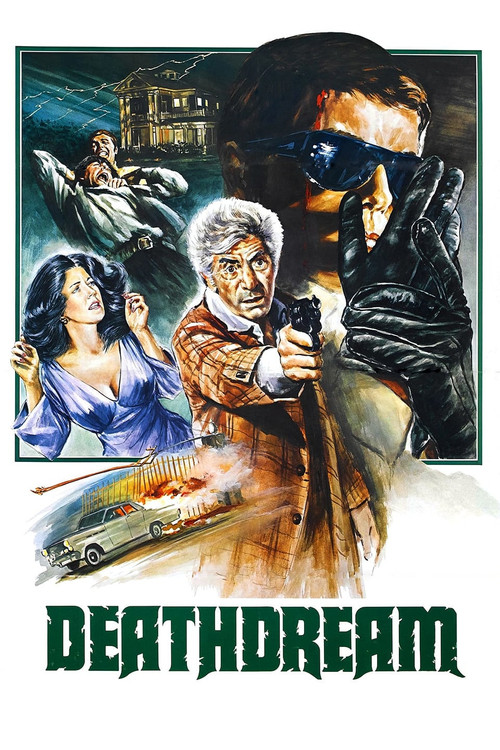
Dead of Night
1974A young soldier who was thought to be killed in Vietnam returns home and exhibits disturbing behavior, much to the confusion of his family.
Bob Clark returns to the list with a somber, allegorical take on the returning veteran that functions as both a ghost story and a stinging social critique. The film’s understated dread and tragic undertone provide a sophisticated, mournful counterpoint to the year’s louder horror offerings.
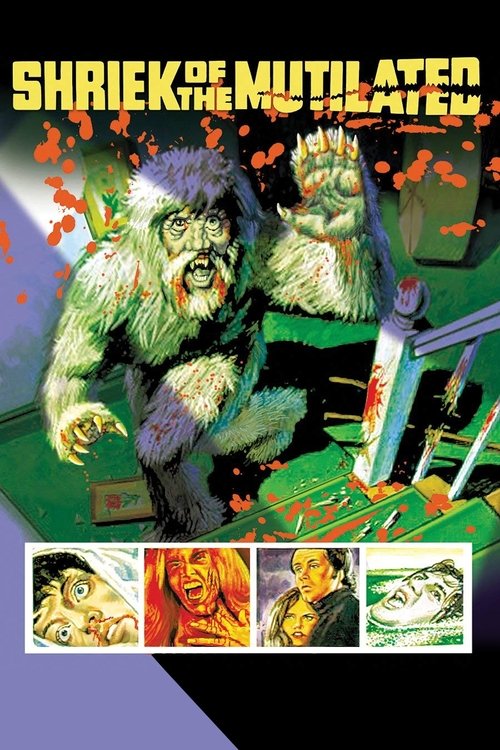
Shriek of the Mutilated
1974An anthropology professor has invited his class to a remote cabin in the mountains to research the mythical Abominable Snowman. Soon after they arrive, strange events begin to befall the students, including sightings of a huge, white, furry creature.
Despite its low-budget veneer, this oddity possesses a surreal, mean-spirited charm that makes it a fascinating artifact of the seventies grindhouse circuit. Its sharp tonal shifts and sheer audacity offer a window into the era's most uninhibited and weirdly ambitious independent filmmaking.
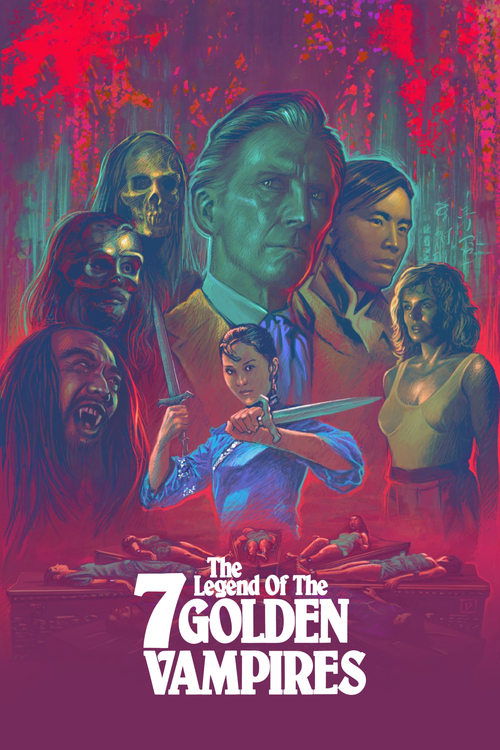
The Legend of the 7 Golden Vampires
1974Professor Van Helsing had been asked to help against the tyranny of skeletal creatures that are responsible for terror and death amongst the peasants in rural China. He is the only person qualified to deal with the cause of these phenomena, for the undead are controlled by the most diabolical force of all.... Count Dracula. But he is not alone- to aid him comes a mystical brotherhood of seven martial arts warriors.
This improbable collision of Hammer Gothic and Shaw Brothers spectacle creates a kinetic, genre-bending energy that is impossible to ignore. It is a vibrant, action-heavy curiosity that revitalizes tired tropes through stylized choreography and high-contrast visuals.
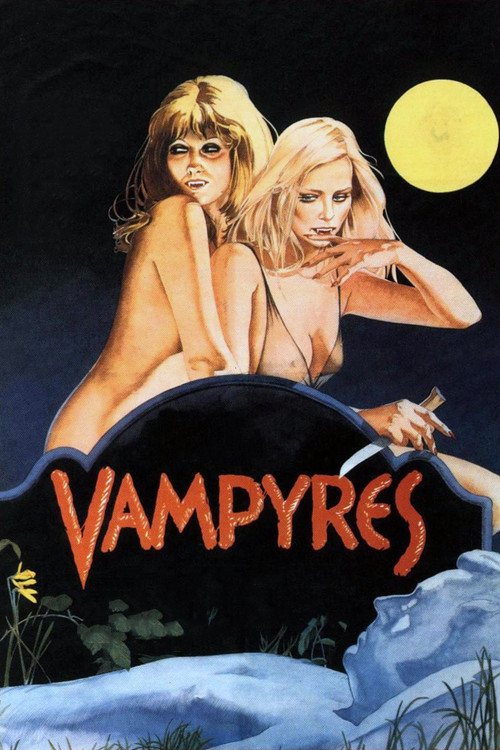
Vampyres
1974A duo of bisexual female vampires prey on passing motorists, whom they seduce and murder in the English countryside.
Jose Larraz subverts vampire mythology with an intoxicating blend of eroticism and feral violence that feels uniquely transgressive for 1974. The film’s dreamlike pacing and predatory atmosphere create a seductive, blood-soaked haze that lingers long after the credits roll.
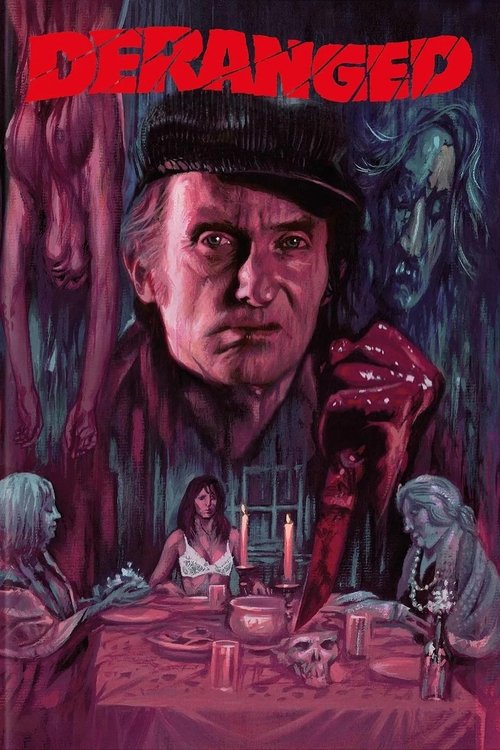
Deranged
1974A man living in rural Wisconsin takes care of his bed-ridden mother, who is very domineering and teaches him that all women are evil. After she dies, he misses her, and a year later digs her up and takes her home. He learns about taxidermy and begins robbing graves to get materials to patch her up, and inevitably begins looking for fresher sources of materials. Based loosely on the true story of Ed Gein.
Roberts Blossom delivers a hauntingly grounded performance in this tactile, grime-streaked character study of rural psychosis. It eschews theatricality in favor of a jarringly intimate look at obsession and domestic rot, making the macabre feel disturbingly mundane.
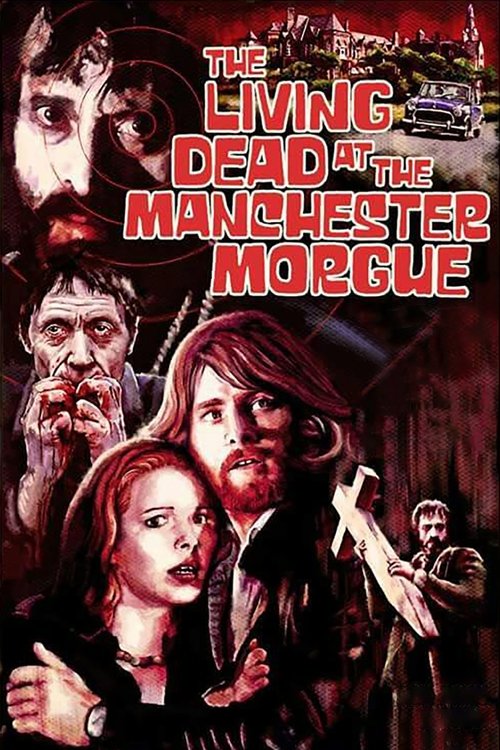
The Living Dead at Manchester Morgue
1974When a series of murders hit the remote English countryside, a detective suspects a pair of travelers when it is actually the work of the undead, jarred back to life by an experimental ultra-sonic radiation machine used by the Ministry of Agriculture to kill insects.
This eco-conscious nightmare stands out for its grim aesthetic and brutalist approach to the undead, bridging the gap between Romero and the looming Italian splatter movement. The film’s bleak, rain-slicked atmosphere elevates it far above the standard zombie fare of the mid-seventies.
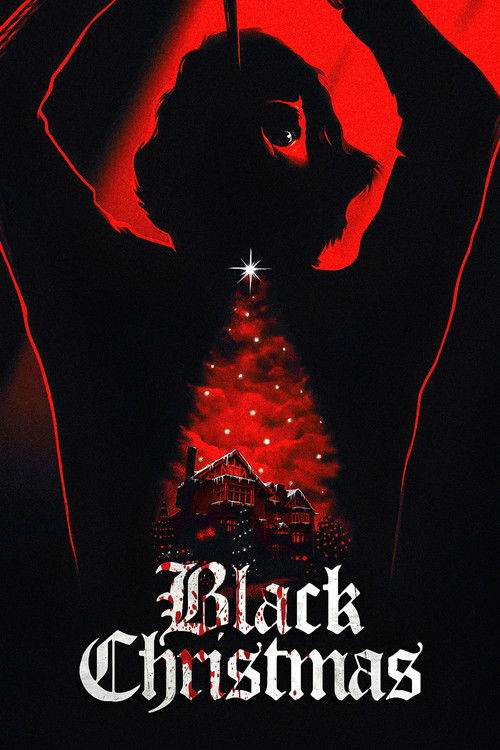
Black Christmas
1974As the residents of the Pi Kappa Sigma sorority house prepare for the festive season, a stranger begins to harass them with a series of obscene phone calls.
Bob Clark’s chilling proto-slasher weaponizes the domestic space, using voyeuristic camerawork and disturbing audio to craft a definitive study in urban isolation. It is an exquisitely cold exercise in tension that understands the most terrifying threats are the ones already inside the house.
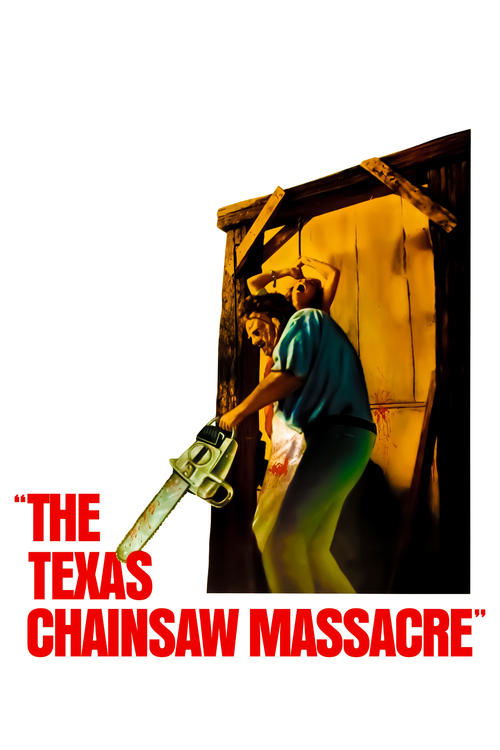
The Texas Chain Saw Massacre
1974Five friends head out to rural Texas to visit the grave of a grandfather. On the way, they stumble across what appears to be a deserted house, only to discover something sinister within. Something armed with a chainsaw.
Tobe Hooper’s masterpiece remains a singular assault on the senses, trading cheap gore for a suffocating atmosphere of industrial decay and sun-bleached nihilism. It redefined the genre by presenting horror as an inescapable, rhythmic madness that feels dangerously close to a documentary of a nightmare.
Frequently Asked Questions
Everything you need to know about this list and SnakeDrafts
- The horror films of 1974 are notable for their shift away from traditional gothic horror to a grittier, more realistic and visceral style. This year saw movies that focused on terrifying everyday settings and characters, reflecting societal disillusionment post-Vietnam War and Watergate scandal. Classics like The Texas Chain Saw Massacre exemplify this raw, nihilistic approach.
- 'Black Christmas' is often credited as one of the earliest holiday-themed slasher films, predating more famous titles like Halloween. Its mix of mystery, crime, and horror elements helped set the tone for suspenseful stalk-and-kill narratives that became a staple in 1970s horror cinema.
- Yes, the list includes international titles like 'The Living Dead at Manchester Morgue' directed by Jorge Grau, which is a Spanish-Italian production. This diversification highlights how the horror genre in 1974 was developing dynamically across different countries, incorporating unique cultural elements into the macabre.
- Several movies from 1974 blend horror with supernatural elements, such as 'Vampyres' and 'The Legend of the 7 Golden Vampires.' These films mix traditional vampire lore with more modern horror sensibilities, often adding action or erotic undertones to the genre.
- 'It's Alive' is notable for merging horror and science fiction by telling the story of a monstrous baby born under mysterious, horrifying circumstances. This blending adds a unique angle to 1974's horror scene, emphasizing themes of unnatural creation and parental fear.
- Several 1974 horror films, including 'Deranged' and 'House of Whipcord,' integrate psychological thrills and crime drama with horror. This combination creates tension through character-driven narratives exploring disturbed minds and moral decay, marking a trend towards more complex storytelling in horror of that era.
- Yes, 'Seizure' directed by Oliver Stone stands out for its experimental and surreal approach to horror. Its avant-garde storytelling and visual style make it a unique cult classic from 1974, pushing the boundaries of conventional horror cinema.
- Themes prevalent in 1974 horror films include societal alienation, the breakdown of family and community, and the intrusion of terror into familiar domestic spaces. These films often portray the monster as an everyday figure, reflecting cultural anxieties of the time and emphasizing a more nihilistic outlook on horror.