Best Horror Movies of 1971, Ranked
Classic Chills and cult Terrors From a Golden Year
Explore the best cult horror films of the year, featuring gothic vampires, early slashers, and haunting psychological thrillers for true genre fans.
About 1971 Horror Movies
By the time 1971 rolled around, the landscape of horror was undergoing a profound and somewhat chaotic identity crisis. The gothic elegance that had defined the previous decade was beginning to decay, making room for a gritty, cynical realism that reflected the social unrest of the new decade. It was a year where the monsters stopped hiding in crumbling castles and started moving into our living rooms, our churches, and our own bloodlines.
If you want to understand the state of horror in 1971, you have to look at the death rattles of Hammer Film Productions. The studio was still churning out hits, but the formula was curdling into something more transgressive. This was the year of Twins of Evil and Lust for a Vampire, movies that leaned heavily into the eroticism that had previously only been hinted at. Hammer was trying to compete with a more permissive ratings board, resulting in a strange hybrid of Victorian aesthetics and seventies exploitation. Yet, amidst this transition, they produced one of their most haunting works in Dr. Jekyll and Sister Hyde, a film that used the familiar trope of the split personality to explore gender and identity in ways that were shockingly ahead of its time.
Across the Atlantic, American horror was finding its footing by embracing a bleak, almost documentary-like nihilism. This was most evident in The Mephisto Waltz, an occult thriller that felt like a direct descendant of Rosemary’s Baby. It traded jump scares for an atmosphere of creeping, bourgeois dread. However, the real seismic shift in 1971 came from the outskirts of the studio system. Willard proved that horror could be found in the mundane corners of a lonely man’s life, turning a swarm of rats into a box office sensation and kicking off a decade-long obsession with nature-run-amok cinema.
The most enduring masterpiece of the year, however, came from the United Kingdom but felt like it belonged to another world entirely. The Wicker Man was still a couple of years away, but 1971 gave us The Blood on Satans Claw. Along with Witchfinder General and the later Wicker Man, it formed the unholy trinity of folk horror. It showcased a terrifying vision of rural England where the soil itself seemed to pulse with ancient, malevolent power. It was a film that suggested our modern, rational world was merely a thin veneer over something much older and far more cruel.
In the realm of the avant-garde, 1971 also saw the release of Let’s Scare Jessica to Death. This remains one of the most poetic and unsettling films of its era. It blurred the lines between psychological breakdown and supernatural haunting, using a soft-focus lens and a dreamlike score to keep the audience permanently off-balance. It was horror as a sensory experience rather than a series of plot points.
Looking back, 1971 was the bridge between the old world and the new. It was the year horror became self-aware, realizing that the shadows weren't just in the corners of the room but in the very fabric of our society. It was a year of transition that gave us some of the most unique, experimental, and genuinely frightening films in the history of the genre. We weren't just watching movies anymore. We were watching the birth of a new kind of nightmare.
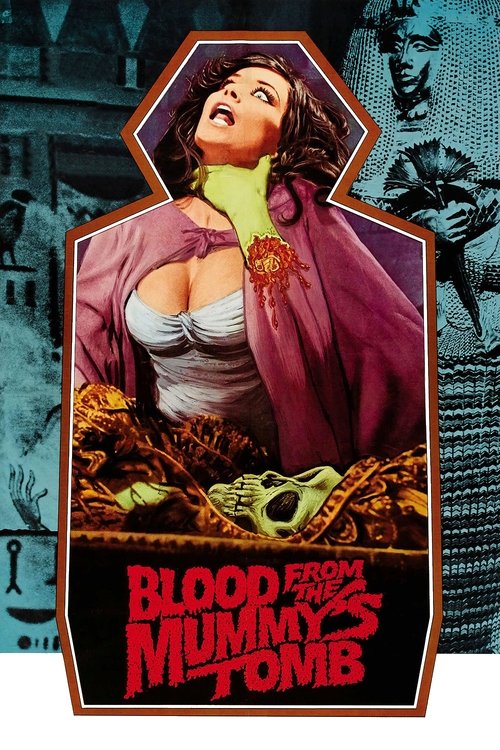
Blood from the Mummy's Tomb
1971Two Egyptologists, Professor Fuchs and Corbeck, are instrumental in unleashing unmitigated horror by bringing back to England the mummified body of Tara, the Egyptian Queen of Darkness. Fuchs’s daughter becomes involved in a series of macabre and terrifying incidents, powerless against the forces of darkness, directed by Corbeck, that are taking possession of her body and soul to fulfill the ancient prophesy that Queen Tara will be resurrected to continue her reign of unspeakable evil.
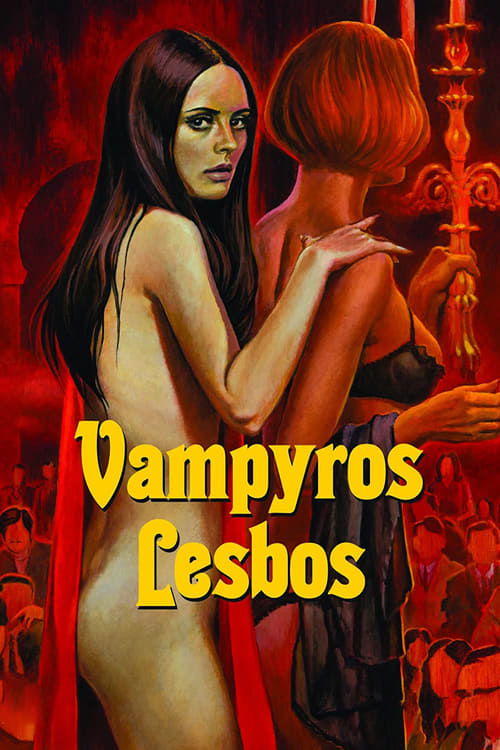
Vampyros Lesbos
1971An erotic horror tale about a vixen vampiress seducing and killing women to appease her insatiable thirst for female blood.
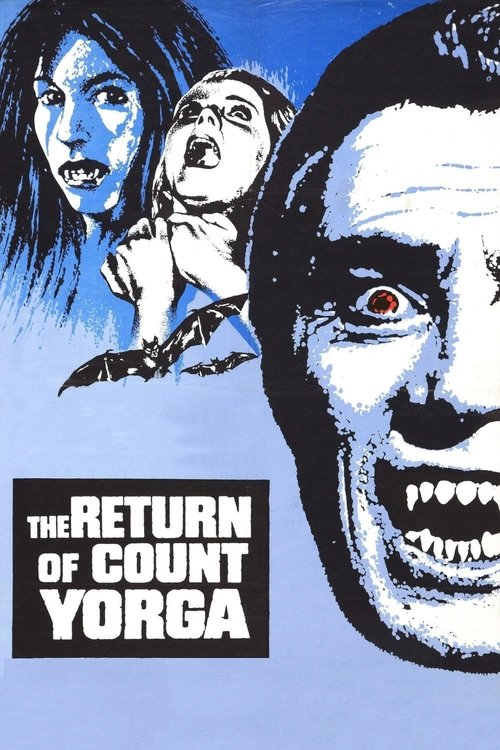
The Return of Count Yorga
1971Count Yorga continues to prey on the local community while living by a nearby orphanage. He also intends to take a new wife, while feeding his bevy of female vampires.
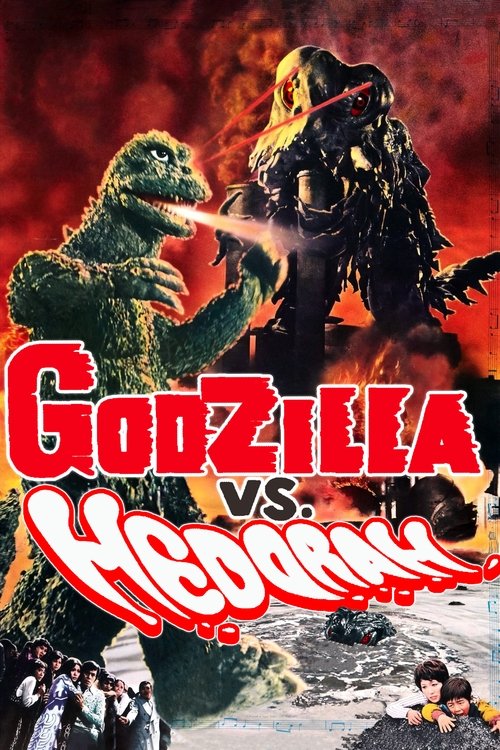
Godzilla vs. Hedorah
1971An ever evolving alien life-form arrives on a comet from the Dark Gaseous Nebula and proceeds to consume pollution. Spewing mists of sulfuric acid and corrosive sludge, neither humanity nor Godzilla may be able to defeat this toxic menace.
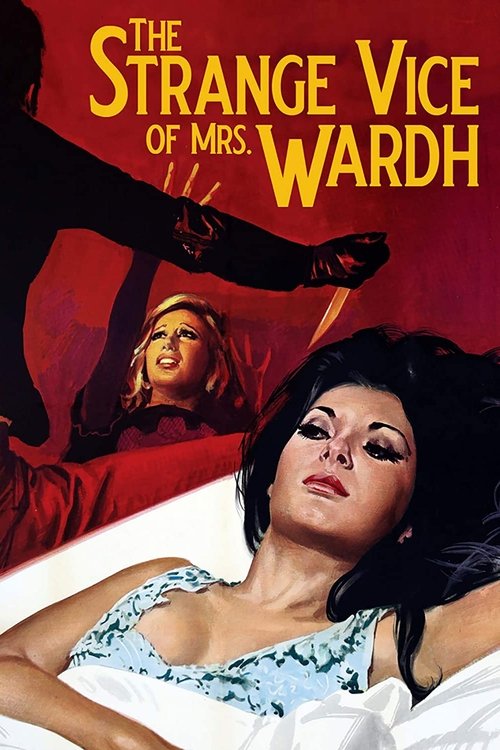
The Strange Vice of Mrs Wardh
1971When socialite and heiress Julie Wardh begins receiving blackmail letters attributed to a mysterious serial killer, she suspects her cruel and sadistic former lover Jean is behind them. With her husband Neil frequently out of town, she falls into the arms of her friend's cousin George, and as the unknown assassin begins to make his move, she fears that one of the three men in her life may be the killer.
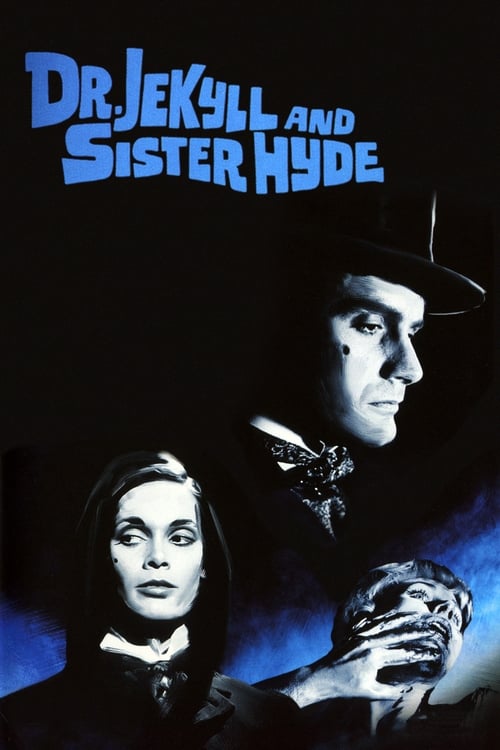
Dr. Jekyll & Sister Hyde
1971In foggy London Dr Jekyll experiments on newly deceased women determined to discover an elixir for immortal life. Success enables his spectacular transformation into the beautiful but psychotic Sister Hyde who stalks the dark alleys of Whitechapel for young, innocent, female victims, ensuring continuation of the bloodstained research. With each transformation Sister Hyde becomes the more dominant personality, determined to eventually suppress the frail, ineffectual Dr Jekyll forever.
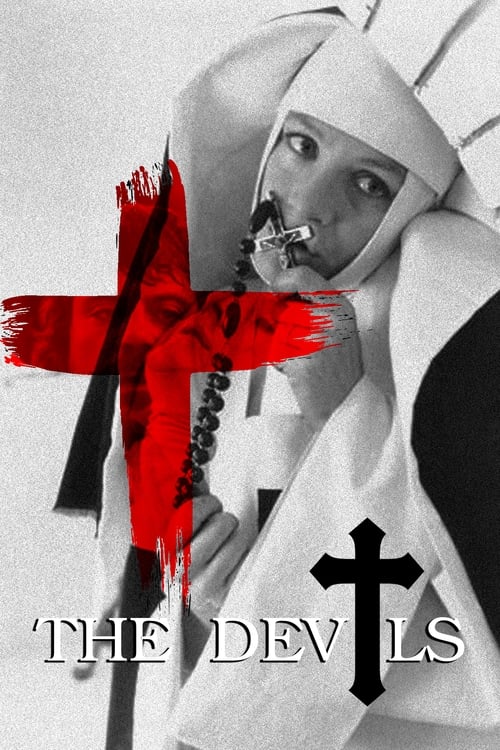
The Devils
1971Father Urbain Grandier’s unorthodox views of sex and religion make him a polarizing figure in 17th-century France. His outspokenness has amassed a passionate following of nuns and a respected reputation for protecting the city of Loudon from corruption. Grandier’s influence is then undermined following a sexually repressed nun’s accusation of witchcraft.
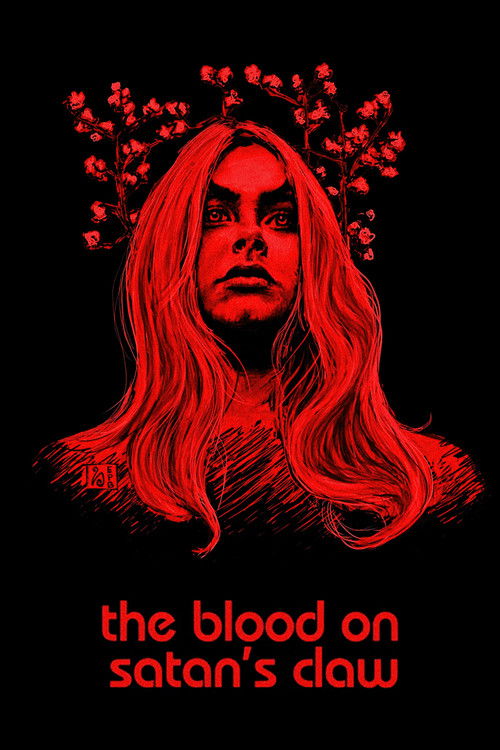
The Blood on Satan's Claw
1971After a landsman in 18th century England discovers a corpse covered in fur buried in a field, the town becomes infected by "the devil's skin," leading the local children to engage in demonic rituals and criminal behavior.
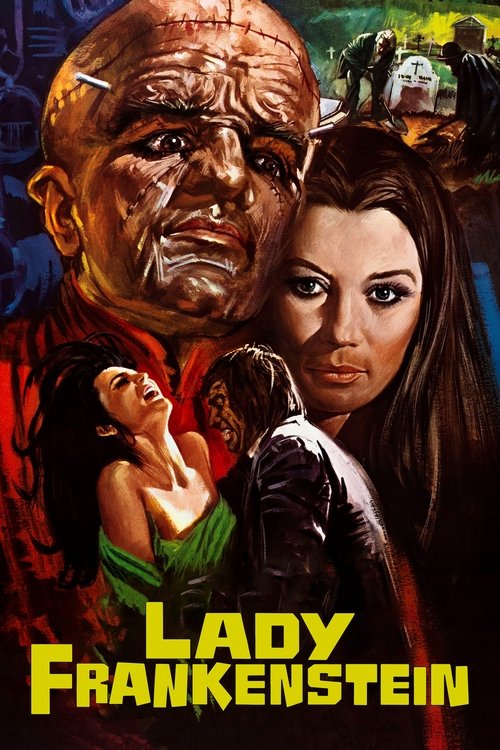
Lady Frankenstein
1971When Dr. Frankenstein is killed by a monster he created, his daughter and his lab assistant continue his experiments.
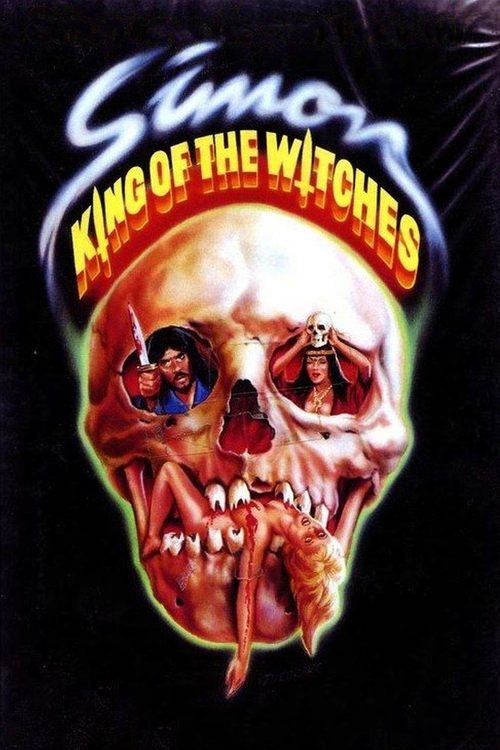
Simon, King of the Witches
1971Simon is a modern day warlock. Though he lives in a storm drain and sometimes talks to trees, he's deadly serious about his witchcraft. After being picked up for vagrancy, Simon spends a night in jail with Turk, a young hustler with connections to powerful people such as Hercules, an aging hipster who hires Simon to work one of his groovy parties. There he meets Linda, the DA's pill-popping daughter. In between romanic dalliances and colorful sex magic ceremonies, Simon must contend with those who dare to challenge his magical prowess causing him to summon the dark world for his revenge.
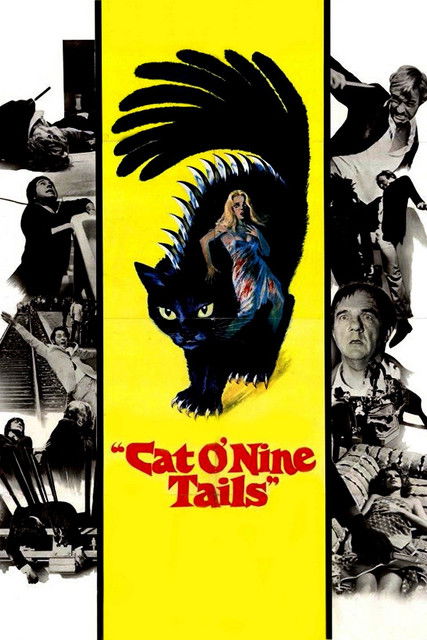
The Cat o' Nine Tails
1971A newsman works with a blind puzzle-solver to uncover a deadly conspiracy linked to a genetic research facility.
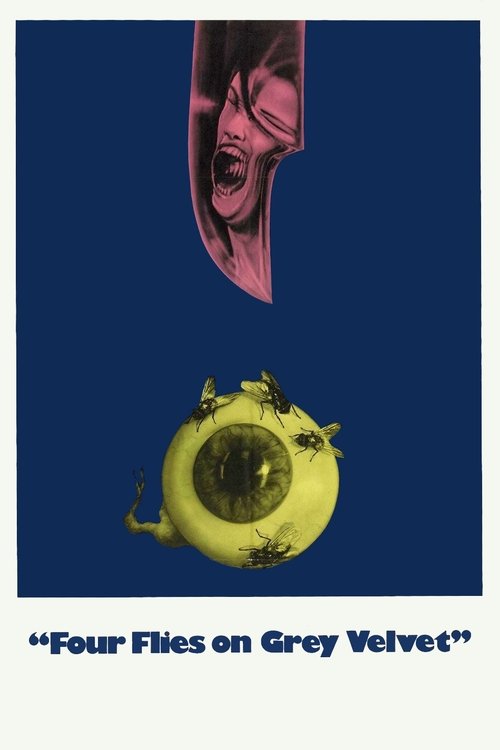
Four Flies on Grey Velvet
1971Roberto, a drummer in a rock band, keeps receiving weird phone calls and being followed by a mysterious man. One night he manages to catch up with his persecutor and tries to get him to talk but in the ensuing struggle he accidentally stabs him. He runs away, but he understands his troubles have just begun when the following day he receives an envelope with photos of him killing the man. Someone is killing all his friends and trying to frame him for the murders.
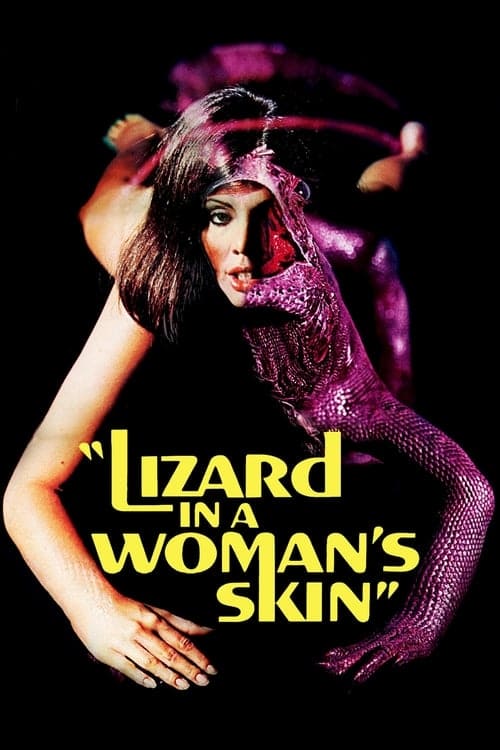
A Lizard in a Woman's Skin
1971Carol Hammond, daughter of a politician, has vivid nightmares involving sex orgies and LSD. In a dream, she murders a neighbor she envies and wakes up to a real investigation into her neighbor's murder.
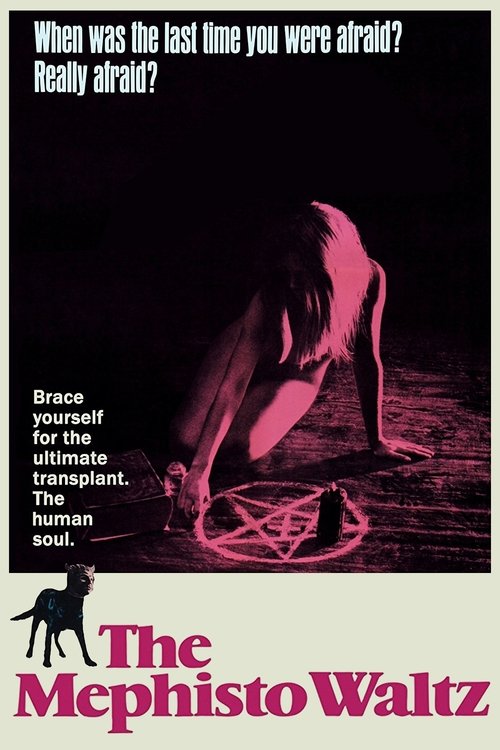
The Mephisto Waltz
1971A frustrated pianist himself, music journalist Myles Clarkson is thrilled to interview virtuoso Duncan Ely. Duncan, however, is terminally ill and not much interested in Myles until noticing that Myles' hands are ideally suited for piano. Suddenly, he can't get enough of his new friend, and Myles' wife, Paula, becomes suspicious of Duncan's intentions. Her suspicions grow when Duncan dies and Myles mysteriously becomes a virtuoso overnight.
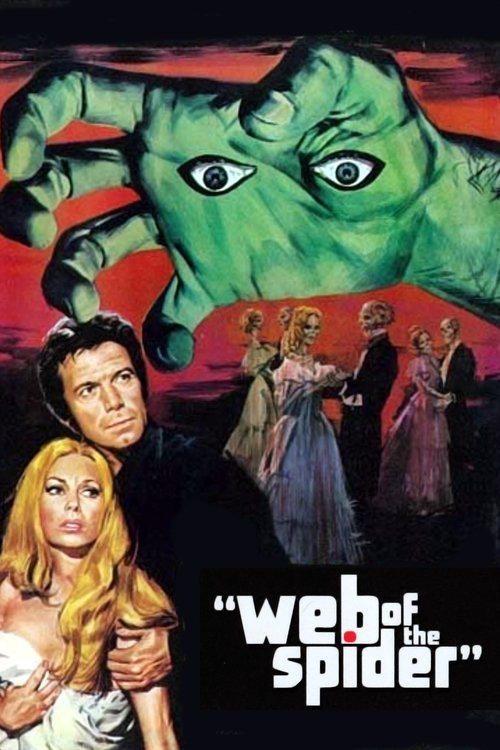
Web of the Spider
1971Alan Foster, a professional American journalist, travels to London to meet with Edgar Allan Poe for an interview. While in London, Alan soon finds himself in the company of Lord Blackwood, and Alan accepts a bet to spend a night in his castle
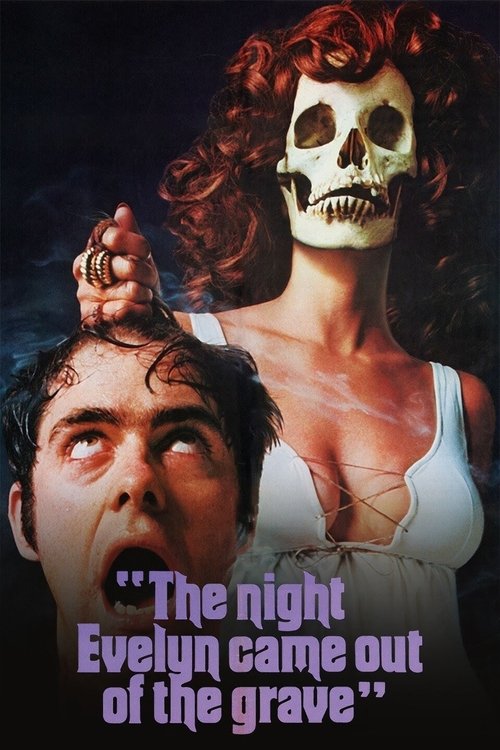
The Night Evelyn Came Out of the Grave
1971A rich, mentally-unstable man with a penchant for playing deadly S&M games with women who resemble his dead wife, sparks off a chain of bizarre events after getting remarried.
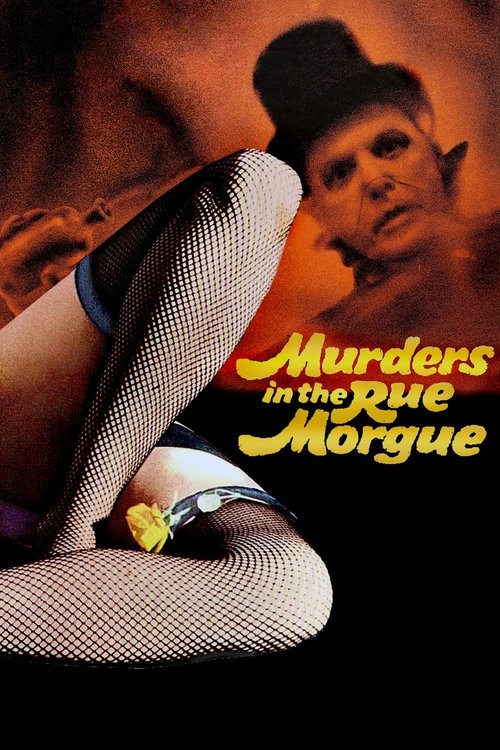
Murders in the Rue Morgue
1971In Paris, in the beginning of the Twentieth Century, Cesar Charron owns a theater at the Rue Morgue where he performs the play "Murders in the Rue Morgue" with his wife Madeleine Charron, who has dreadful nightmares. When there are several murders by acid of people connected to Cesar, the prime suspect of Inspector Vidocq would be Cesar's former partner Rene Marot. But Marot murdered Madeleine's mother many years ago and committed suicide immediately after.
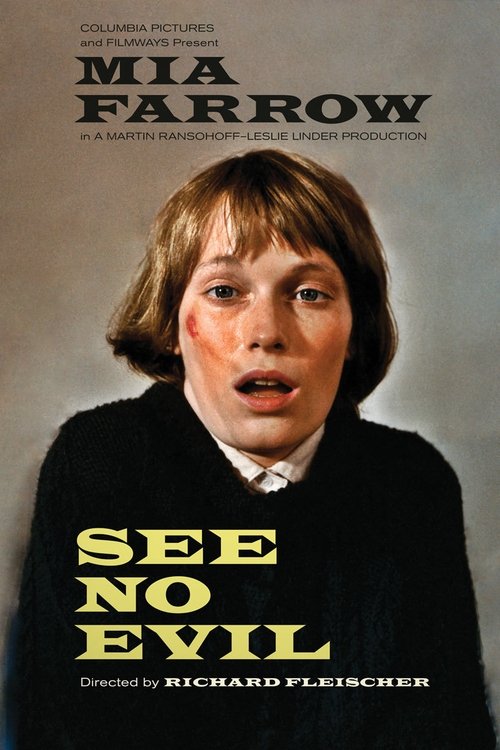
See No Evil
1971In the English countryside, Sarah Rexton, recently blinded in a horse riding accident, moves in with her uncle's family and gallantly adjusts to her new condition, unaware that a killer stalks them.
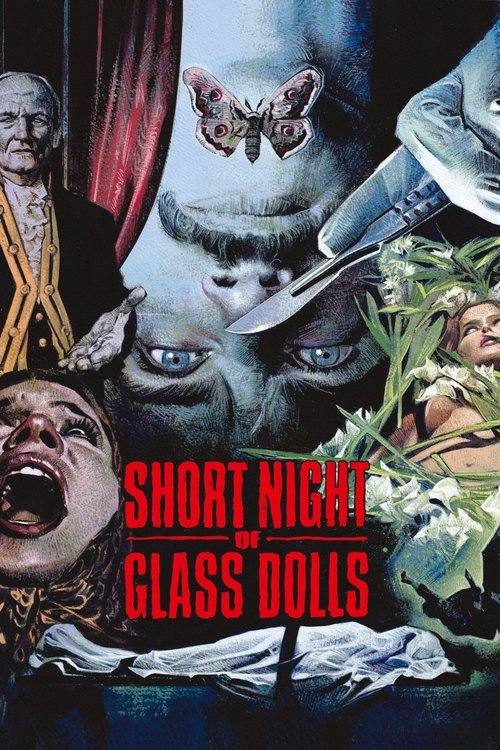
Short Night of Glass Dolls
1971An American journalist in Prague searches for his girlfriend who has suddenly disappeared.
Aldo Lado crafts a high-concept Giallo that functions as a suffocating exercise in paralysis and paranoia. By trapping the viewer within the consciousness of a helpless protagonist, it delivers a masterful critique of political corruption and societal apathy.
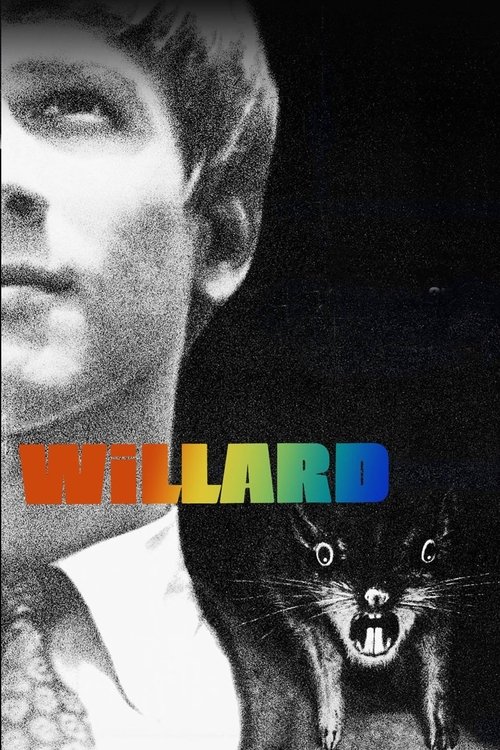
Willard
1971A social misfit, Willard is made fun of by his co-workers, and squeezed out of the company started by his deceased father by his boss. His only friends are a couple of rats he raised at home, Ben and Socrates. However, when one of them is killed at work, he goes on a rampage using his rats to attack those who have been tormenting him.
A surprising box-office juggernaut, this film weaponizes social isolation and vermin-phobia into a potent metaphor for generational rage. It eschews traditional monsters for a gritty, naturalist approach to terror that feels uncomfortably intimate.
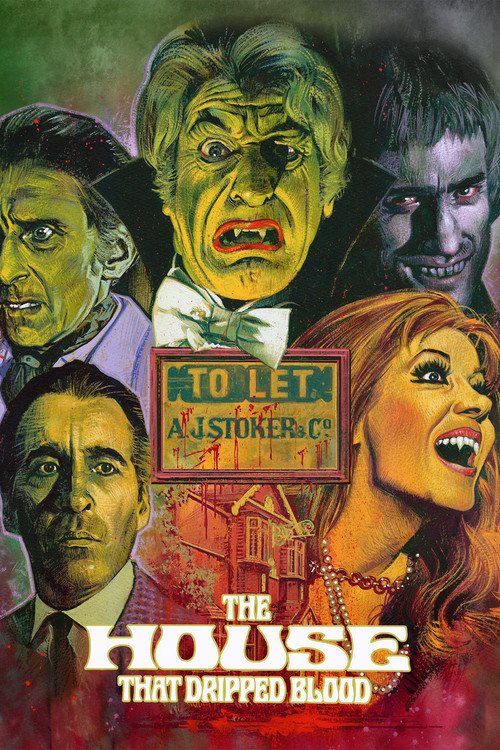
The House That Dripped Blood
1971A Scotland Yard investigator looks into four mysterious cases involving an unoccupied house.
This Amicus anthology thrives on its literate scripts and a distinguished cast that brings an air of Shakespearean gravity to the portmanteau format. Its clever framing device and tonal shifts between irony and dread represent the peak of the British multi-story tradition.
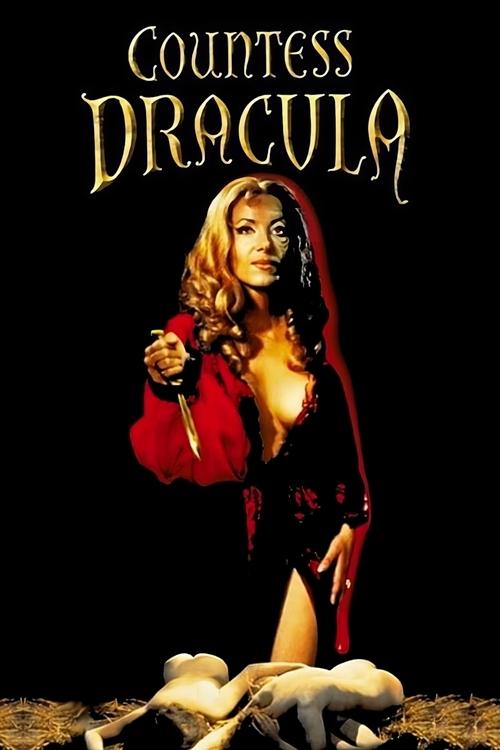
Countess Dracula
1971Hungary, XVII century. After being widowed, the old countess Elizabeth Nádasdy, of the Báthory lineage, fortunately discovers a way to become young again; but the price to be paid by those around her will be high and bloody.
Ingrid Pitt delivers a ferocious performance in this historical horror piece that prioritizes psychological obsession over supernatural tropes. It remains a standout for its bleak depiction of the vanity of power and the visceral toll of aging.
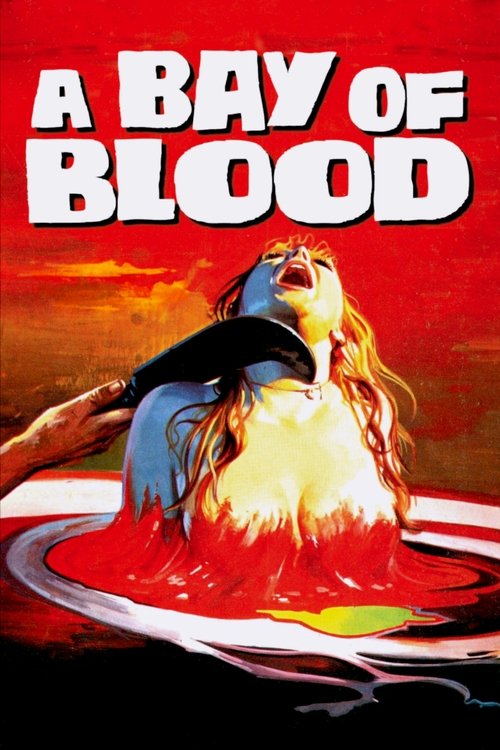
A Bay of Blood
1971An elderly heiress is killed by her husband who wants control of her fortunes. What ensues is an all-out murder spree as relatives and friends attempt to reduce the inheritance playing field, complicated by some teenagers who decide to camp out in a dilapidated building on the estate.
Mario Bava essentially blueprints the slasher subgenre here with his cynical, ultra-violent vision of human greed. The film’s inventive camera work and unapologetic ruthlessness make it a pivotal bridge between classic mystery and the visceral body horror of the coming decade.
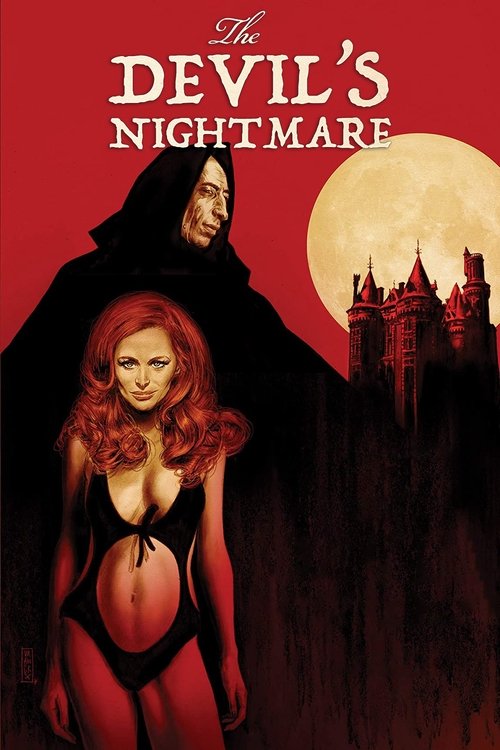
The Devil's Nightmare
1971Seven tourists sent by Satan to a castle are caught by a ghastly woman as they commit deadly sins.
This Belgian-Italian co-production offers a surrealistic, morality-play structure that feels both ancient and experimental. Its creative deployment of the Seven Deadly Sins within a claustrophobic castle setting provides a uniquely grim atmosphere that defines the year's Euro-horror output.
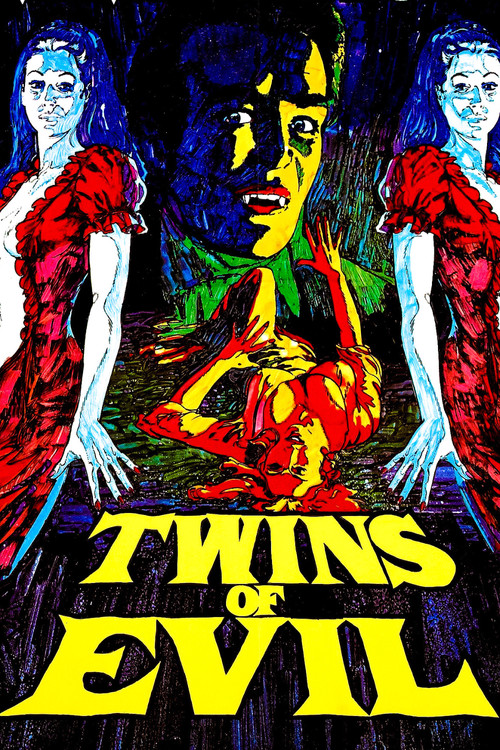
Twins of Evil
1971While dabbling in Satanism, Count Karstein resurrects Mircalla Karnstein who initiates him into vampirism. As a rash of deaths afflicts the village, Gustav the head of Puritan group leads his men to seek out and destroy the pestilence. One of his twin nieces has become inflicted with the witchcraft but Gustav's zeal and venom has trapped the innocent Maria, threatening her with a tortuous execution, whilst Frieda remains free to continue her orgy of evil.
Hammer Film Productions achieved a late-period triumph by successfully clashing puritanical fanaticism against traditional Gothic vampirism. The result is a visually sumptuous and surprisingly transgressive exploration of religious extremism and corrupted innocence.
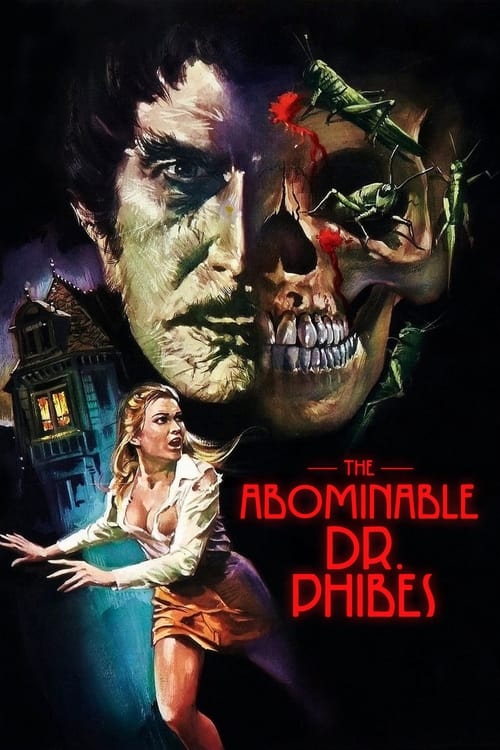
The Abominable Dr. Phibes
1971After a team of surgeons botches his beloved wife's operation, the distraught Dr. Phibes unleashes a score of Old-Testament atrocities on his enemies.
Vincent Price reaches a career zenith in this grand guignol spectacle that marries Art Deco aesthetics with inventive, darkly comedic carnage. The film remains a singular achievement for its vibrant production design and its ability to balance camp sensibility with genuine rhythmic tension.
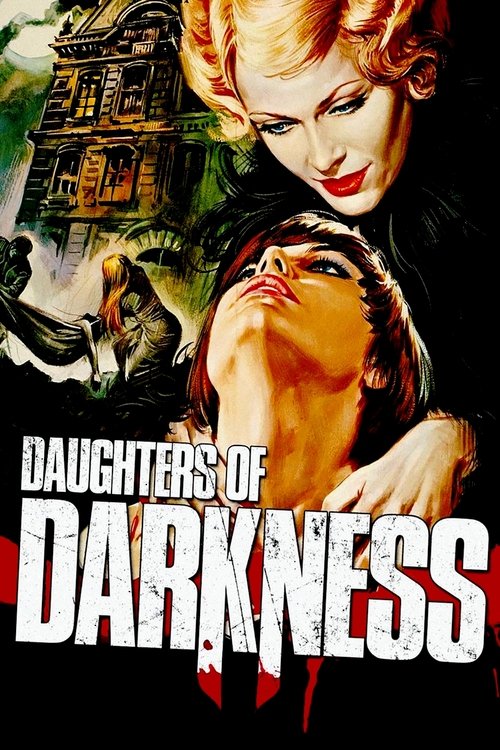
Daughters of Darkness
1971Ostend, Belgium. In a decadent seaside hotel, Stefan and Valerie, a newlywed couple, meet the mysterious Countess Báthory and Ilona, her secretary.
Harry Kümel transcends the vampire subgenre with this stylish, icy exercise in high-fashion eroticism and European art-house dread. Its symmetrical framing and Delphine Seyrig’s hypnotic presence elevate the narrative into a sophisticated meditation on timeless predation.
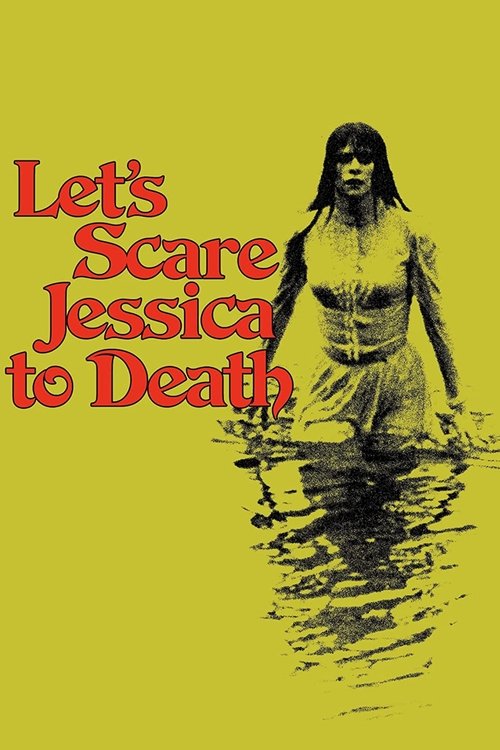
Let's Scare Jessica to Death
1971Newly released from a mental ward, Jessica hopes to return to life the way it was before her nervous breakdown. But when Jessica moves to a country house with her husband and a close friend, she finds a mysterious girl living in there. Jessica's terror and paranoia resurface as evil forces surround her.
A masterpiece of psychological ambiguity, this film captures a fragile, post-hippie malaise through its dreamlike cinematography and unsettling, whispered soundscape. It stands as 1971's most poetic descent into madness, where the line between internal fracturing and external threat remains hauntingly blurred.
Frequently Asked Questions
Everything you need to know about this list and SnakeDrafts
- The 1971 horror films in this list commonly explore themes such as gothic vampirism, psychological terror, and emerging slasher elements, reflecting the genre's transition from classic horror to more modern, gritty narratives. Films like 'Daughters of Darkness' and 'Twins of Evil' emphasize gothic and vampiric lore, while 'A Bay of Blood' introduces early slasher motifs.
- These films exemplify the shift from traditional gothic horror to stories infused with social commentary and more visceral scares. For instance, 'Let's Scare Jessica to Death' blends psychological mystery with horror, illustrating a move towards introspective storytelling, whereas 'The Abominable Dr. Phibes' combines horror with dark comedy, showcasing genre experimentation.
- 'A Bay of Blood' is considered a precursor to the modern slasher genre, influencing later films with its graphic kills and suspenseful plotting. Additionally, 'Willard' brought a psychological horror element involving human-animal relationships, which was innovative for its time and remains influential in horror storytelling.
- Yes, several films incorporate supernatural and fantasy themes, such as 'The Devil's Nightmare,' which features demonic lore, and 'Countess Dracula,' centered on the vampiric curse and immortality. These movies blend fantasy with horror to deepen the atmospheric dread typical of the early 1970s.
- Female characters are often central to the narrative and thematic exploration, particularly in 'Daughters of Darkness' and 'Countess Dracula,' where female vampires drive the plot with complex, darkly seductive roles. This focus reflects a broader trend in 1971 horror toward exploring female agency and terror within gothic and psychological contexts.
- Many movies blend horror with mystery and thriller elements to heighten suspense and offer layered storytelling. 'The House That Dripped Blood' and 'Short Night of Glass Dolls' expertly combine eerie horror with intricate mysteries, creating a richer narrative texture that keeps audiences engaged on multiple levels.
- Unlike many of its contemporaries, 'The Abominable Dr. Phibes' integrates dark comedy into its horror framework, giving it a unique campy and theatrical tone. This blend of humor and macabre elements set it apart and influenced future horror-comedy hybrids.
- 1971 marked a shift where horror films began embracing more diverse and experimental approaches, from psychological thrillers to gothic vampire tales and proto-slashers. This eclectic mix, as seen in movies like 'Willard' and 'Twins of Evil,' helped lay the groundwork for cult classics that resonate with hardcore genre fans today.