Janet Leigh Movies Ranked Definitively
From Hitchcock's Muse to Hollywood's Golden Age Icon
Discover the essential filmography of Janet Leigh, featuring her iconic performances in Psycho, Touch of Evil, and golden age Hollywood classics.
About Janet Leigh
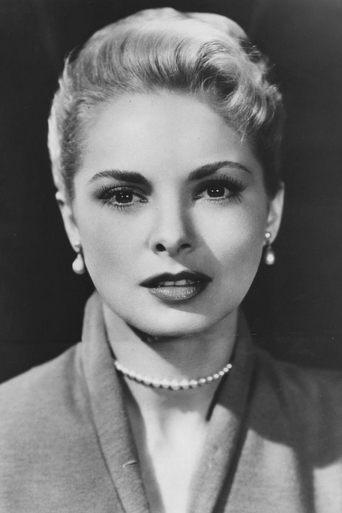
In the velvet-lined history of Hollywood, few figures managed to bridge the gap between the wholesome girl next door and the haunted siren as effectively as Janet Leigh. She possessed a grounded, radiant quality that made her an immediate favorite during the sunset of the studio system, yet she harbored a restless talent that eventually pushed her toward some of the most experimental and darker corners of American cinema. While many actresses of her generation were content to remain static archetypes, Leigh evolved, trading the sunny optimism of her early years for a complex, sometimes frantic interiority that reflected a changing nation.
Her early presence was marked by a sweetness that felt genuine rather than practiced. In the 1949 version of Little Women, she embodied the traditional grace required of a budding starlet, a charm she carried into the seasonal warmth of Holiday Affair. She was the quintessential Technicolor heroine, whether swirling through the swordplay of Scaramouche or providing the heart for the adventurous spirit of The Naked Spur. Audiences connected with her because she never seemed untouchable. Even when starring alongside her husband Tony Curtis in spectacles like Houdini or The Black Shield of Falworth, she maintained a relatable spark, a sense that she was invited into the frame by the viewer rather than looming over them.
The late fifties saw a fascinating shift in her reputation. She began to strip away the artifice, delivering a raw, vulnerable performance in Orson Welles' noir masterpiece Touch of Evil. It was a precursor to the role that would permanently etch her into the cultural consciousness. In 1960, she took a monumental gamble by accepting the role of Marion Crane in Psycho. By allowing herself to be killed off in the first act, she upended every rule of movie stardom. Those few minutes in the shower became the most analyzed sequence in film history, and she became the face of modern cinematic suspense. Her brilliance in that film lay in her ability to make a thief feel like a victim of fate, grounding the horror in a very human desperation.
She did not let the shadow of the Bates Motel define her entirely, however. She displayed a sharp, modern edge in The Manchurian Candidate and proved her versatility in the vibrant, comedic world of Bye Bye Birdie. Whether she was navigating the musical charm of My Sister Eileen or the gritty detective world of Harper, she remained a steady, professional force. Later in her career, she even embraced her legacy by appearing in John Carpenter’s The Fog alongside her daughter, Jamie Lee Curtis, signaling a torch-passing that solidified the family name as horror royalty.
Janet Leigh was more than a scream queen or a pin-up. She was a technician of emotion who understood that the most compelling characters are those with secrets. By the time she returned to the franchise that made her an icon for a cameo in Psycho II, she had already proven that her staying power was built on a foundation of intelligence and fearlessness. She remains the rare actress who could make a romantic comedy feel vital and a nightmare feel devastatingly real, occupying a space in the audience's heart that is both comforting and deeply unsettling.
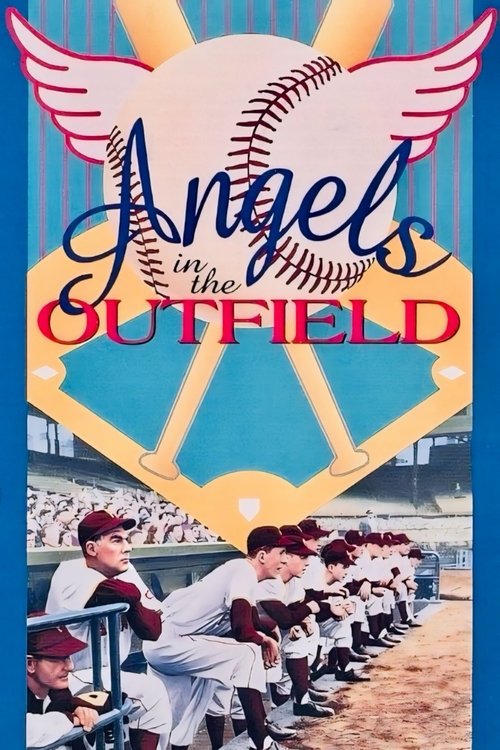
Angels in the Outfield
1951The short-tempered manager of the Pittsburgh Pirates mends his ways in return for a little divine assistance.
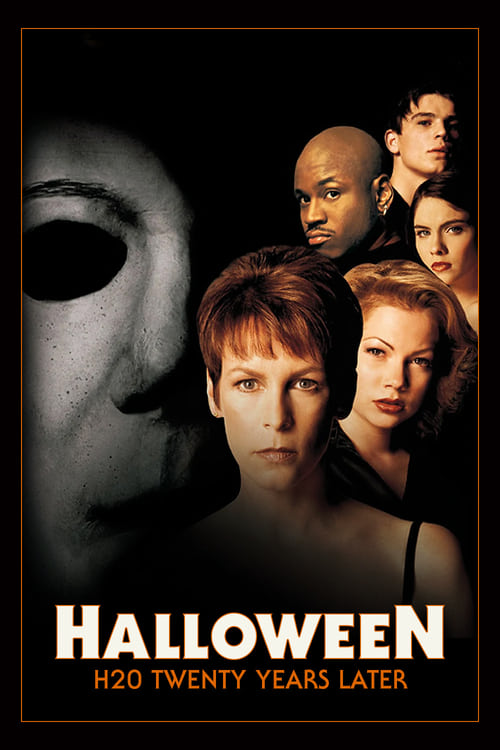
Halloween H20: 20 Years Later
1998Two decades after surviving a massacre on October 31, 1978, former baby sitter Laurie Strode finds herself hunted by persistent knife-wielder Michael Myers. Laurie now lives in Northern California under an assumed name, where she works as the headmistress of a private school. But it's not far enough to escape Myers, who soon discovers her whereabouts. As Halloween descends upon Laurie's peaceful community, a feeling of dread weighs upon her -- with good reason.
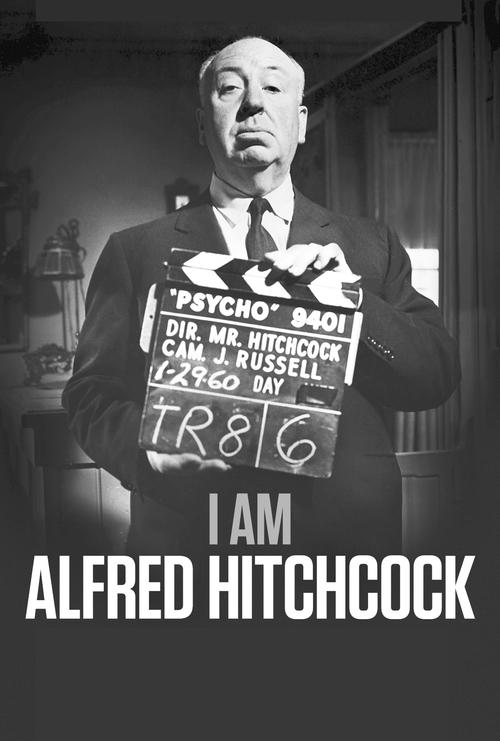
I Am Alfred Hitchcock
2021Interviews and archival footage weave together to tell the story of the Master of Suspense, one of the most influential and studied filmmakers in the history of cinema.
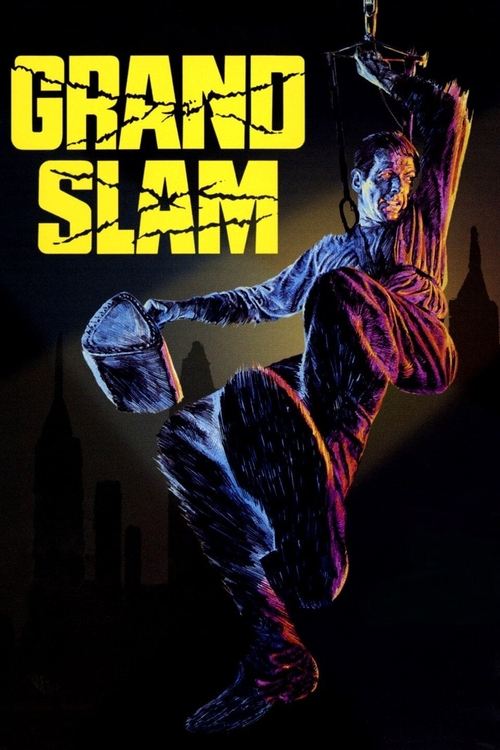
Grand Slam
1967Professor James Anders is a seemingly mild-mannered teacher, an American working in Rio De Janeiro. Anders, bored with years of teaching, decides to put together a team to pull off a diamond heist during the Rio Carnival. Four international experts are brought together to carry out the robbery: a safe cracking expert, a master thief, a mechanical genius, and a playboy.
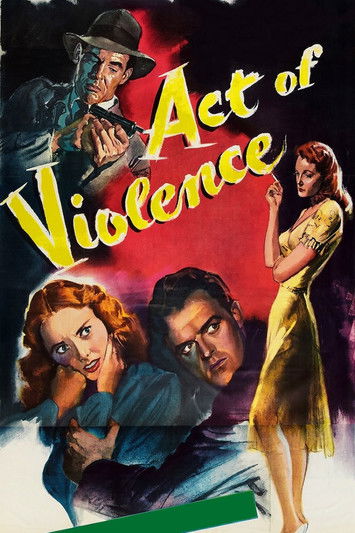
Act of Violence
1949A former prisoner of war, Frank Enley is hailed as a hero in his California town. However, Frank has a shameful secret that comes back to haunt him when fellow survivor Joe Parkson emerges, intent on making Frank pay for his past deeds.
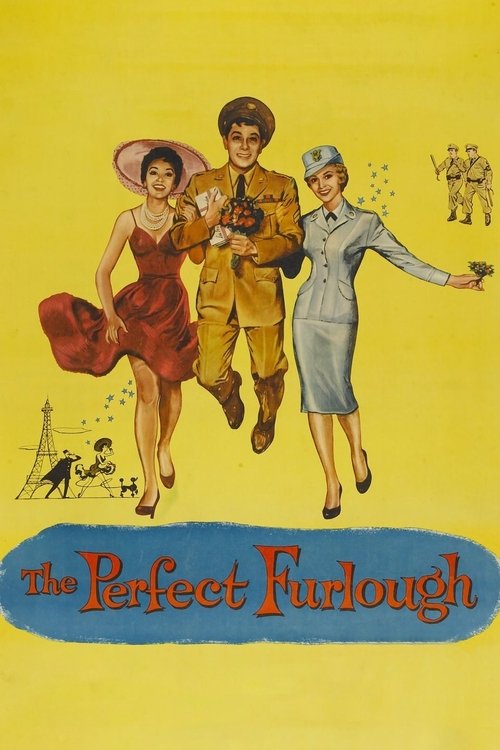
The Perfect Furlough
1958A love-starved soldier stationed at an Arctic base wins a furlough in Paris, but a pretty, no-nonsense military psychologist is ordered to accompany him as chaperone to keep him out of trouble.
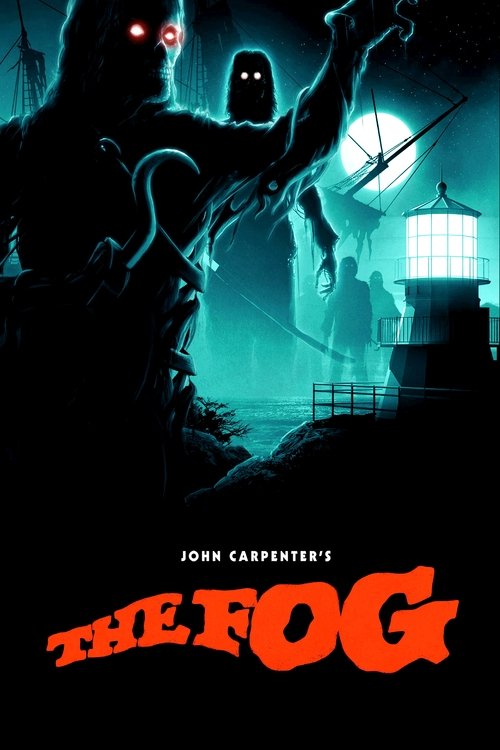
The Fog
1980Strange things begin to occur as a tiny California coastal town prepares to commemorate its centenary. Inanimate objects spring eerily to life; Rev. Malone stumbles upon a dark secret about the town's founding; radio announcer Stevie witnesses a mystical fire; and hitchhiker Elizabeth discovers the mutilated corpse of a fisherman. Then a mysterious iridescent fog descends upon the village, and more people start to die.
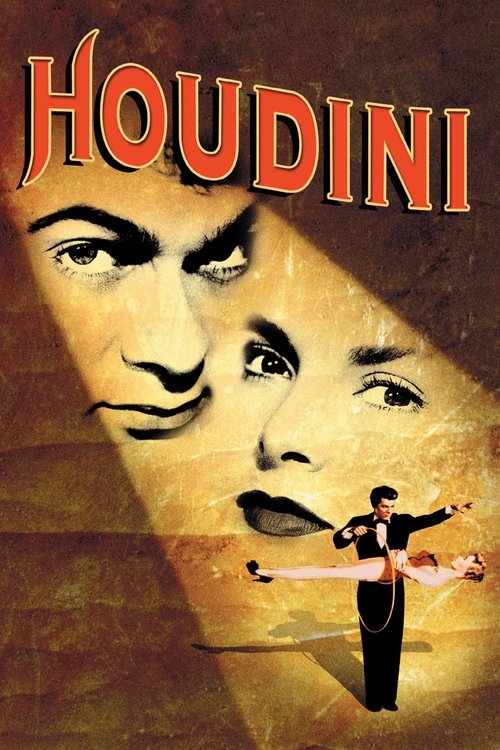
Houdini
1953By the early 1900s, the extraordinary Houdini earned an international reputation for his theatrical tricks and daring feats of extrication from shackles, ropes, handcuffs and... Scotland Yard's jails.
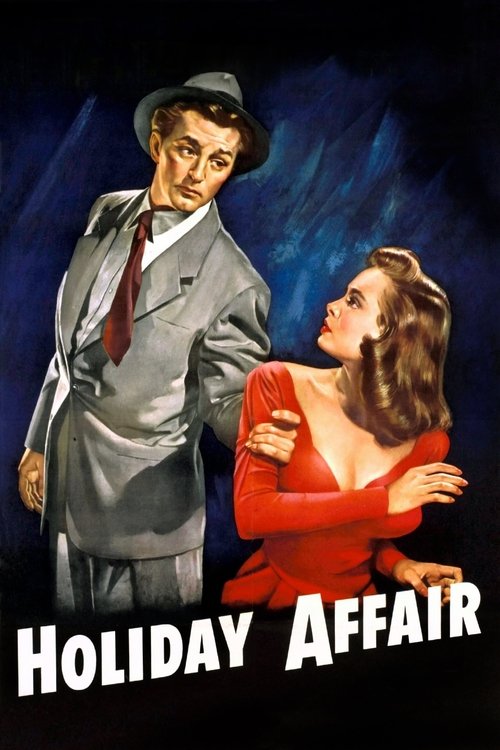
Holiday Affair
1949Just before Christmas, department store clerk Steve Mason meets big spending customer Connie Ennis, who's actually a comparison shopper sent by another store. Steve lets her go, which gets him fired. They spend the afternoon together, which doesn't sit well with Connie's steady suitor, Carl, when he finds out, but delights her young son Timmy, who quickly takes to Steve.
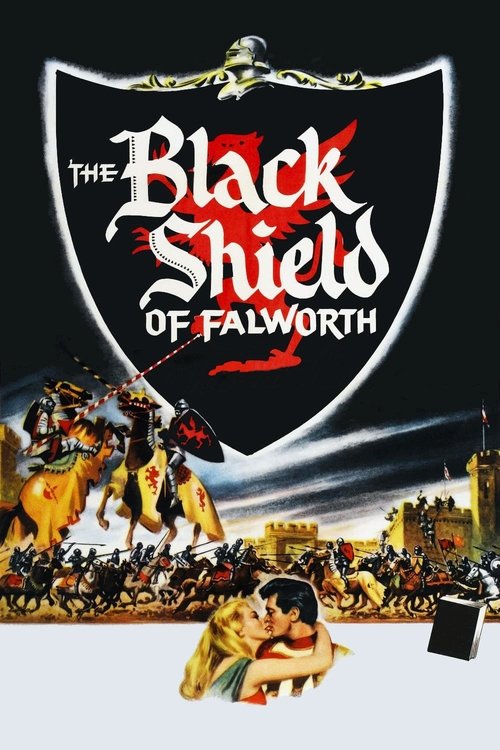
The Black Shield of Falworth
1954In the days of King Henry IV, stalwart young Myles and his sister Meg have been raised as peasants, without any knowledge of who their father really was. But one day, they journey to Macworth Castle. There, Myles falls in love with Lady Anne Macworth, makes friends and enemies, and learns to be a knight.
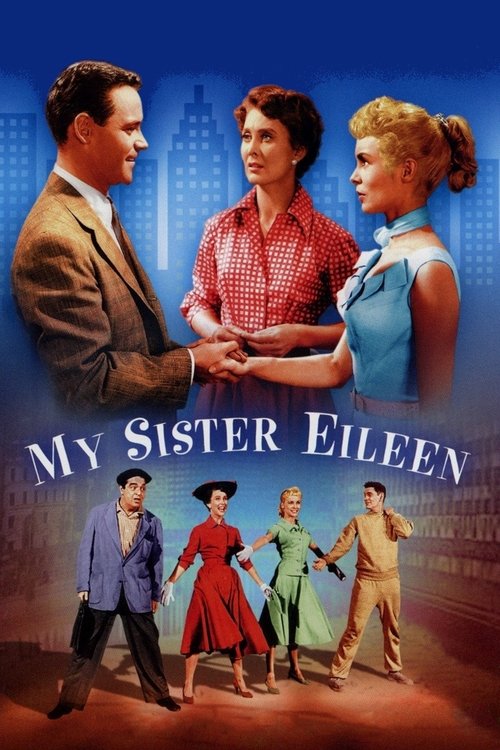
My Sister Eileen
1955Ruth and her beautiful sister Eileen come to New York's Greenwich Village looking for "fame, fortune and a 'For Rent' sign on Barrow Street". They find an apartment, but fame and fortune are a lot more elusive. Ruth gets the attention of playboy publisher Bob Baker when she submits a story about her gorgeous sister Eileen. She tries to keep his attention by convincing him that she and the gorgeous, man-getting Eileen are one and the same person.
Leigh showcases a bubbly, synchronized energy that highlights her technical proficiency in the musical comedy format. Despite the lighthearted material, her disciplined performance prevents the film from drifting into mere whimsy, anchoring the sisterly dynamic with genuine sincerity.
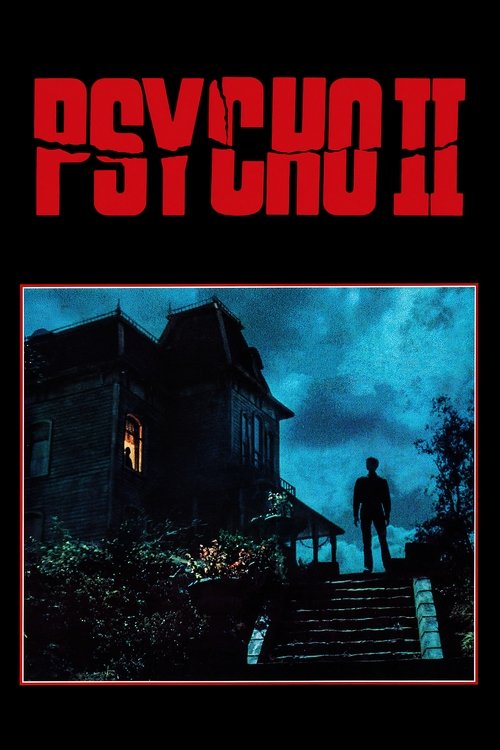
Psycho II
1983Norman Bates is declared sane and released from the facility in which he was being held, despite the complaints of Lila Loomis, sister of his most famous victim. Is he really cured, or will he kill again?
Appearing via archival footage and haunting the narrative through her character's legacy, Leigh maintains a palpable weight over this sequel without filmed action. Her original portrayal remains so potent that it dictates the psychological architecture of the entire production decades later.
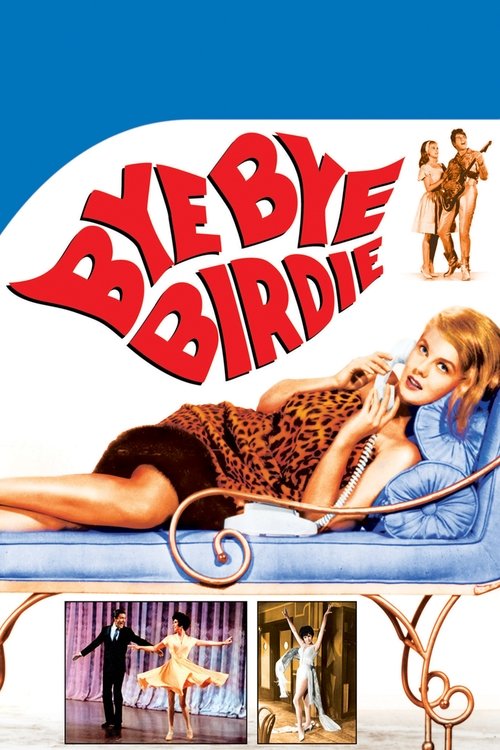
Bye Bye Birdie
1963A singer goes to a small town for a performance before he is drafted.
Leigh demonstrated unexpected comedic timing and vibrant physicality in this saturation-heavy musical satire. By embracing the camp tenors of the era, she proved her versatility could extend far beyond the shadows of the suspense thrillers that defined her peak.
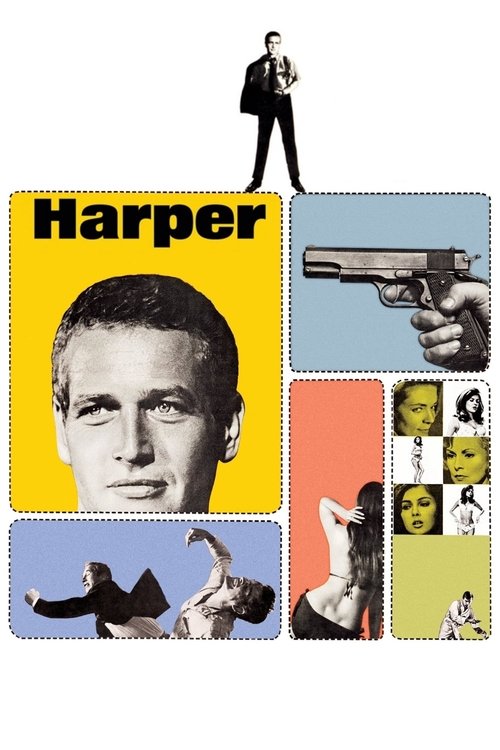
Harper
1966Harper is a cynical private eye in the best tradition of Bogart. He even has Bogie's Baby hiring him to find her missing husband, getting involved along the way with an assortment of unsavory characters and an illegal-alien smuggling ring.
Bringing a sardonic edge to this neo-noir, Leigh crafts a portrait of a woman defined by cynical independence rather than romantic longing. It is a brief but potent exhibition of her ability to modernize her screen presence for the gritty sensibilities of the late sixties.
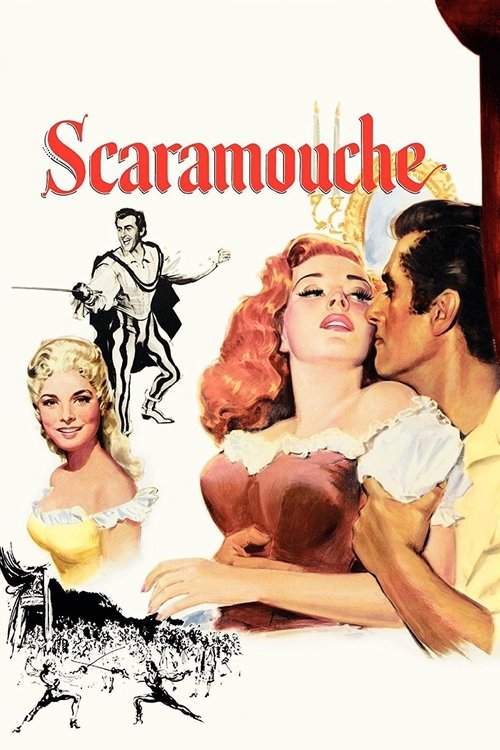
Scaramouche
1952In 18th-century France, a young man masquerades as an actor to avenge his friend's murder.
Leigh serves as the radiant emotional core of this swashbuckling epic, balancing the film's frenetic choreography with her innate grace. Her portrayal of Aline de Gavrillac crystallized her status as the quintessential period piece heroine of the 1950s.
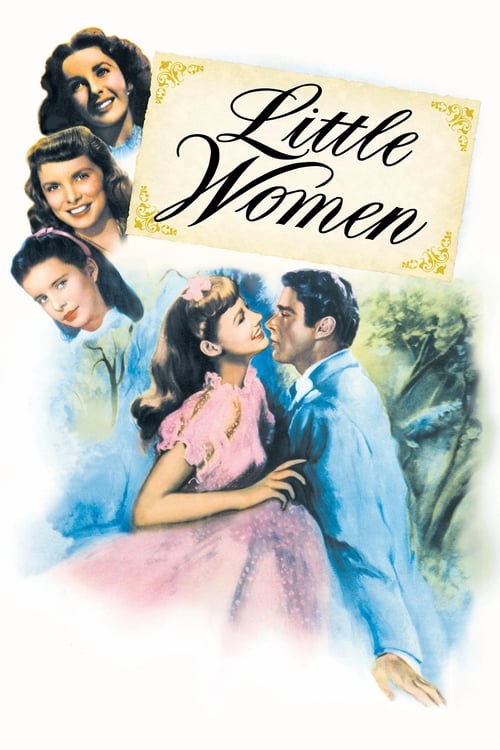
Little Women
1949Four sisters come of age in America in the aftermath of the Civil War.
As the refined Amy March, Leigh captured the delicate transition from vanity to maturity with a poise that outshone her contemporaries. This early showcase of her traditional charm established her as a pillar of the late Golden Age studio system.
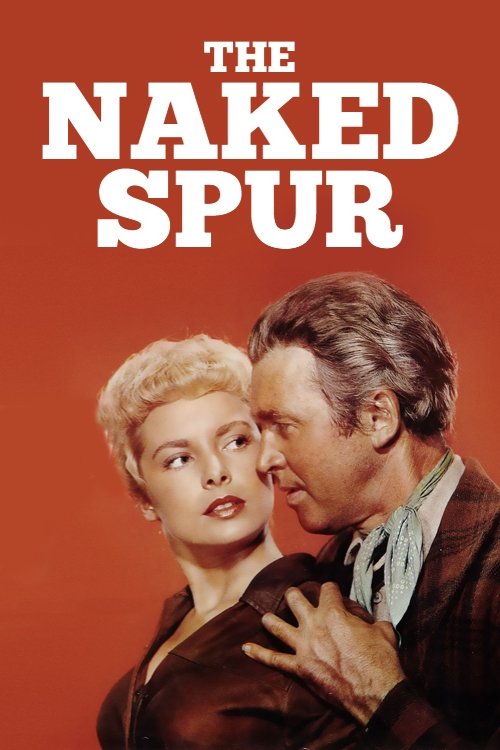
The Naked Spur
1953A bounty hunter trying to bring a murderer to justice is forced to accept the help of two less-than-trustworthy strangers.
Breaking away from studio artifice, Leigh adopted a rugged, unglamorous intensity that proved her mettle within Anthony Mann's psychological Western landscape. This performance signaled her transition into more complex, adult territory by holding her own against the genre’s most seasoned heavyweights.
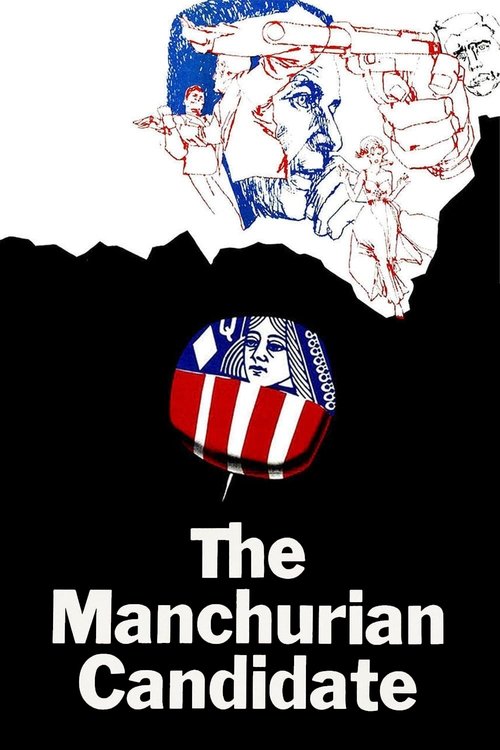
The Manchurian Candidate
1962Near the end of the Korean War, a platoon of U.S. soldiers is captured by communists and brainwashed. Following the war, the platoon is returned home, and Sergeant Raymond Shaw is lauded as a hero by the rest of his platoon. However, the platoon commander, Captain Bennett Marco, finds himself plagued by strange nightmares and soon races to uncover a terrible plot.
Leigh provides a cool, enigmatic presence in this Cold War fever dream, acting as a vital tether to reality amidst the escalating paranoia. Her sharp, intellectual chemistry with Frank Sinatra elevates what could have been a decorative role into something far more sophisticated and unsettling.
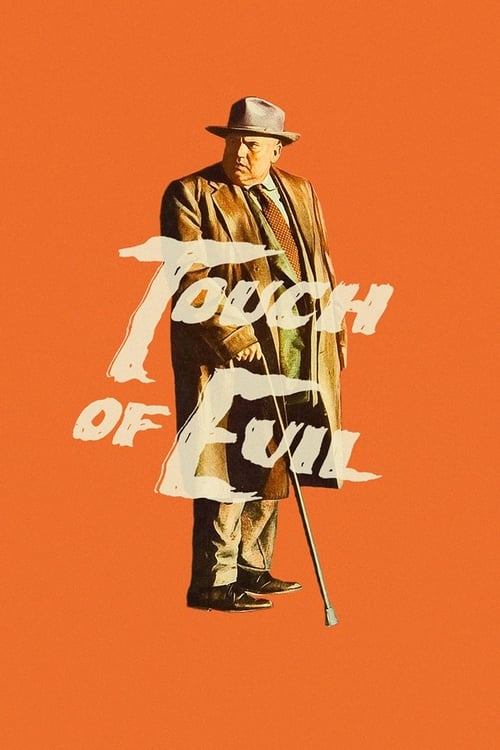
Touch of Evil
1958A border-town bombing draws Mexican investigator Miguel Vargas into a corruption-ridden police investigation led by crooked captain Hank Quinlan, setting off a deadly struggle over power, justice, and truth.
In Welles’ labyrinthine masterpiece, Leigh navigates a claustrophobic nightmare with a gritty resilience that challenged her previously polished persona. She serves as the film’s moral and physical pawn, providing a grounded counterpoint to the surrounding baroque corruption.
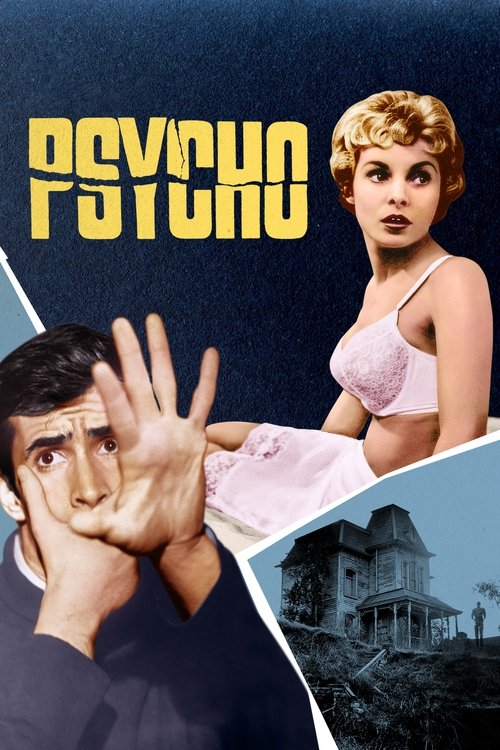
Psycho
1960When larcenous real estate clerk Marion Crane goes on the lam with a wad of cash and hopes of starting a new life, she ends up at the notorious Bates Motel, where manager Norman Bates cares for his housebound mother.
Leigh anchored cinematic history through a radical subversion of leading lady expectations, weaponizing her vulnerability to leave an indelible mark on the thriller genre. Her brief but seismic screen time transformed a standard noir protagonist into an eternal icon of Hitchcockian terror.
Frequently Asked Questions
Everything you need to know about this list and SnakeDrafts
- Janet Leigh's most iconic performance is widely regarded as her role in Alfred Hitchcock's Psycho (1960), where her portrayal of Marion Crane became a defining moment in horror cinema and established her as a legendary figure in Hollywood.
- Janet Leigh excelled in thriller genres with standout roles in films like Psycho and The Manchurian Candidate. These performances showcased her versatility and ability to portray complex characters facing intense psychological and physical danger, helping cement her status as a leading actress in suspenseful narratives.
- Beyond thrillers, Janet Leigh demonstrated remarkable range by starring in Westerns such as The Naked Spur, romantic dramas like Little Women, and comedies including Bye Bye Birdie. This diversity highlighted her adaptability and appeal across multiple film genres in Hollywood's golden age.
- Yes, Janet Leigh collaborated with several acclaimed directors including Alfred Hitchcock in Psycho, Orson Welles in Touch of Evil, and John Frankenheimer in The Manchurian Candidate. These partnerships played a significant role in delivering some of her most memorable and artistically respected performances.
- Certainly, Bye Bye Birdie (1963) features Janet Leigh in a vibrant musical comedy setting, contrasting her often more serious roles and showcasing her ability to thrive in lighthearted and entertaining films.
- In Touch of Evil, Janet Leigh starred as Susan Vargas, a character caught in a gritty crime drama directed by Orson Welles. Her performance is significant because it highlights her talent in portraying morally complex and emotionally nuanced roles within classic noir storytelling.
- In her later career, Janet Leigh revisited her iconic Psycho role in Psycho II (1983), demonstrating her lasting connection to the character and the thriller genre. Additionally, she appeared in horror classics like The Fog (1980), maintaining her presence in genre films while embracing new cinematic trends.