Best 1960s Action Movies Ranked
Classic Thrills and Cinematic Legends of a Golden Era
Explore the best action cinema from the Sixties. Discover iconic spy thrillers, epic war stories, and gritty westerns that redefined the genre forever.
About 1960s Action Movies
The 1960s represent the moment when the action genre finally shed its stagebound theatricality and learned to move with a dangerous, modern kineticism. At the start of the decade, the concept of an action hero was still largely defined by the clean-cut moralism of the 1950s western or the epic grandeur of the sword and sandal flick. By 1969, the screen was soaked in nihilism, sweat, and slow motion blood. This evolution was not merely a change in camera technology, but a direct reflection of a world tilting on its axis as the Cold War intensified and social revolutions took hold.
The foundational shift arrived in 1962 with a martini and a Walther PPK. Dr. No introduced James Bond to the world, and with him, a new template for the cinematic protagonist. Sean Connery did not play a dusty cowboy or a noble soldier; he played a high-fashion assassin who leaned into the moral ambiguity of intelligence work. The Bond franchise brought a slick, international scale to action, replacing simple fistfights with intricate gadgetry and high-stakes stunt work. For the first time, action became synonymous with lifestyle, travel, and a certain cold-blooded sophistication.
While Bond refined the surface of the genre, the mid-sixties saw a harder, more cynical edge developing under the influence of global cinema. In Italy, Sergio Leone was busy deconstructing the American West. A Fistful of Dollars and its sequels replaced the clear-cut heroics of John Wayne with the squinting, mercenary silence of Clint Eastwood. This shift toward the anti-hero fundamentally changed the stakes of action cinema. Violence was no longer a tool for justice; it was a matter of survival. The choreography became more stylish, the editing more rhythmic, and the moral landscape significantly grayer.
The cultural upheaval of the late sixties pushed the genre into its most radical territory. As the Vietnam War played out on nightly news broadcasts, the stylized violence of the past began to feel dishonest. Filmmakers responded with a visceral intensity that shocked contemporary audiences. Arthur Penn’s Bonnie and Clyde proved that audiences would embrace tragic, violent criminals, but it was Sam Peckinpah’s The Wild Bunch in 1969 that truly broke the seal. Its use of rapid-fire editing and graphic slow motion during the final shootout redefined what a camera could capture. It was messy, chaotic, and beautiful in a way that felt terrifyingly real.
We also cannot ignore the birth of the modern car chase, a staple that was perfected in 1968’s Bullitt. Steve McQueen’s silent, stoic performance reflected a new kind of urban cool, but it was the ten-minute pursuit through the streets of San Francisco that signaled the future. It proved that machines could be just as expressive as actors, provided the editing was sharp enough.
By the time the decade closed, action movies had evolved from simple morality plays into complex, often cynical explorations of masculinity and power. The era moved from the tuxedo-clad elegance of Bond to the dusty, blood-spattered reckoning of the frontier. It was the decade that taught us that action was not just about the fight itself, but about the specific, stylish way in which a world in chaos decides to blow itself apart.
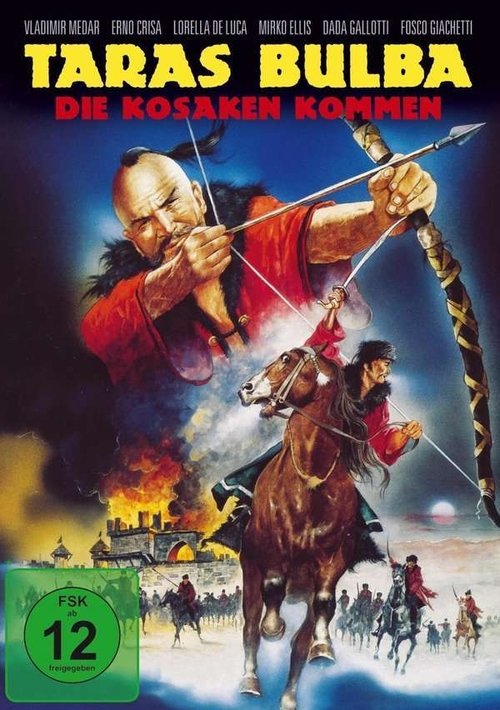
Taras Bulba
1962Italian adaptation of the historical novella of the same name by Nikolai Gogol.
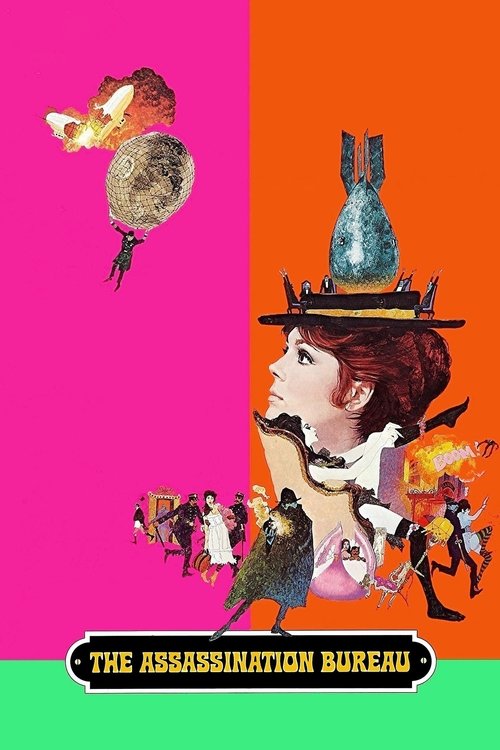
The Assassination Bureau
1969In 1908 London, a women's rights campaigner discovers the Assassination Bureau Limited, an organization that kills for justice. When its motives are called into question, she commissions the assassination of its chairman. Knowing that his colleagues have recently become more motivated by greed than morality, he turns the situation into a challenge for his board members: kill him or be killed.
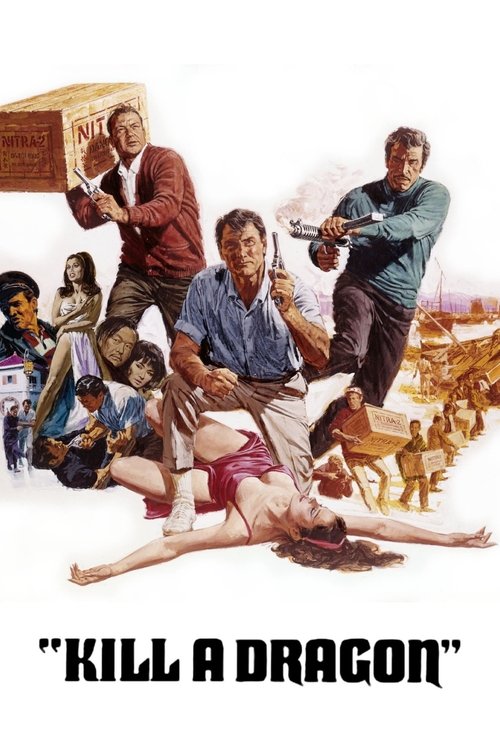
Kill a Dragon
1967Chinese villagers hire a mercenary and his team of karate experts to help rid them of a gangster and his henchman who are threatening their island.
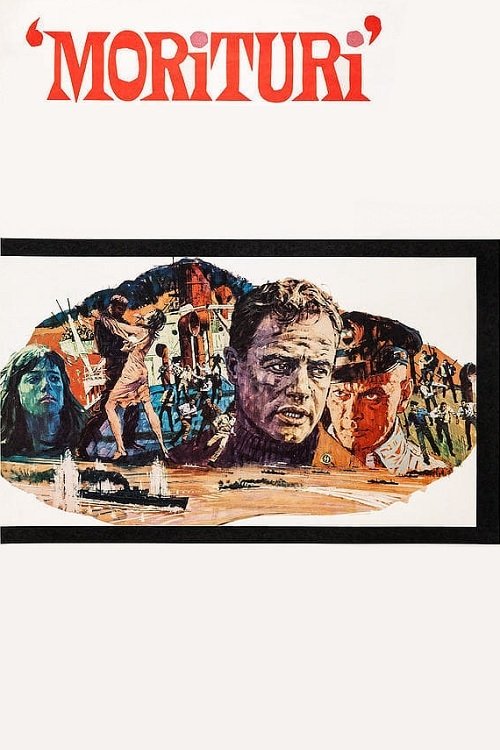
Morituri
1965A German living in India during World War II is blackmailed by the English to impersonate an SS officer on board a cargo ship leaving Japan for Germany carrying a large supply of rubber for tyres. His mission is to disable the scuttling charges so the captain cannot sink the ship if they are stopped by English warships.
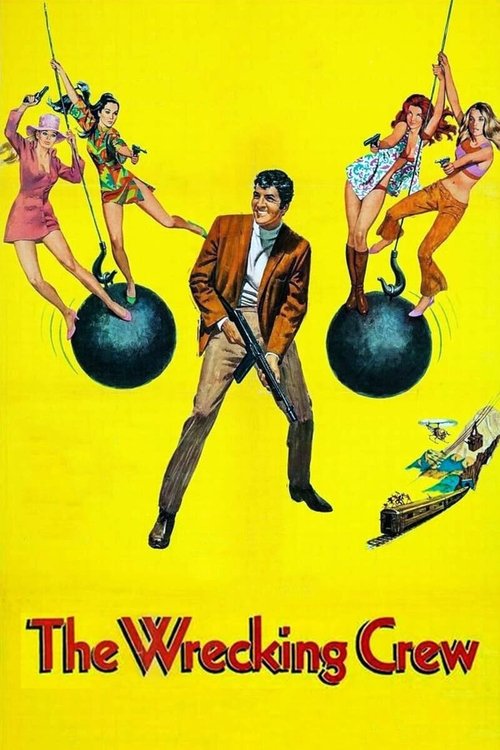
The Wrecking Crew
1968When Count Contini attempts to destroy the world's economy by masterminding the theft of $1 billion in U.S. gold, ICE chief MacDonald summons secret agent Matt Helm to stop him.
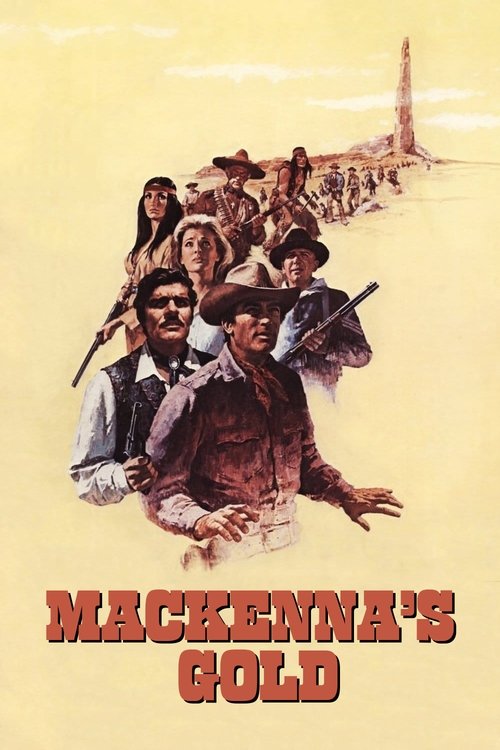
Mackenna's Gold
1969A bandit kidnaps a Marshal who has seen a map showing a gold vein on Indian lands, but other groups are looking for it too, while the Apache try to keep the secret location undisturbed.
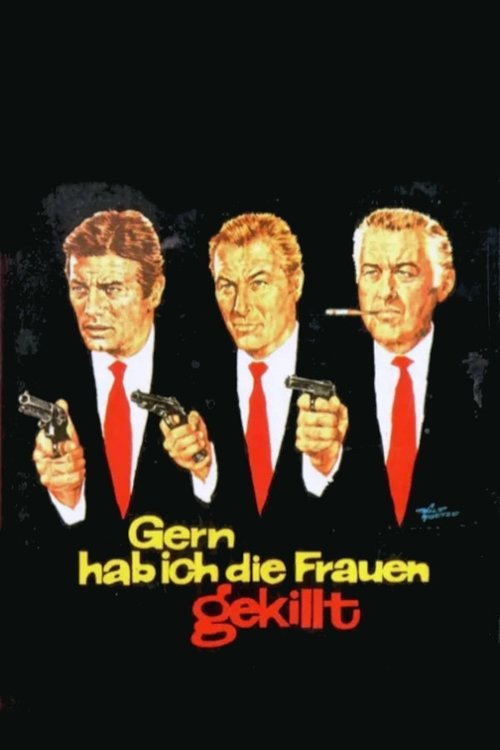
Where Are You Taking That Woman
1966A lady killer tracked by the police, takes refuge at a psychiatrist's home, and the doctor tells him three stories, to convince him that crime does not pay
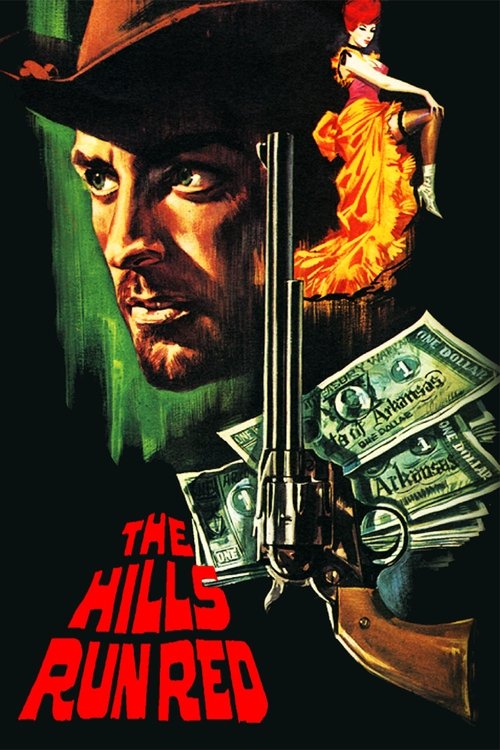
The Hills Run Red
1966After the Civil War ends, two soldiers return home with a cache of stolen money. They are caught by Union troops. One escapes, but the other is sent to prison for five years. When he gets out and goes home, he finds that his wife has died in poverty because his partner kept all the money, and is now a major power in the area with an army of deadly gunmen to back him up.
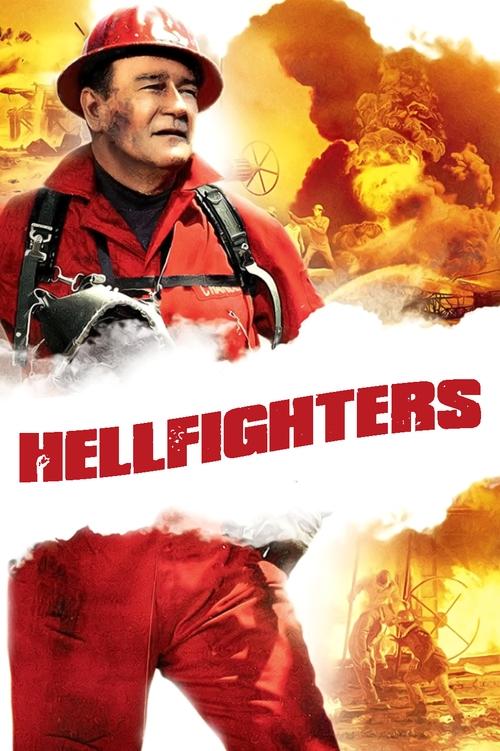
Hellfighters
1968The adventures of oil well fire specialist Chance Buckman (based on real-life Red Adair), who extinguishes massive fires in oil fields around the world.
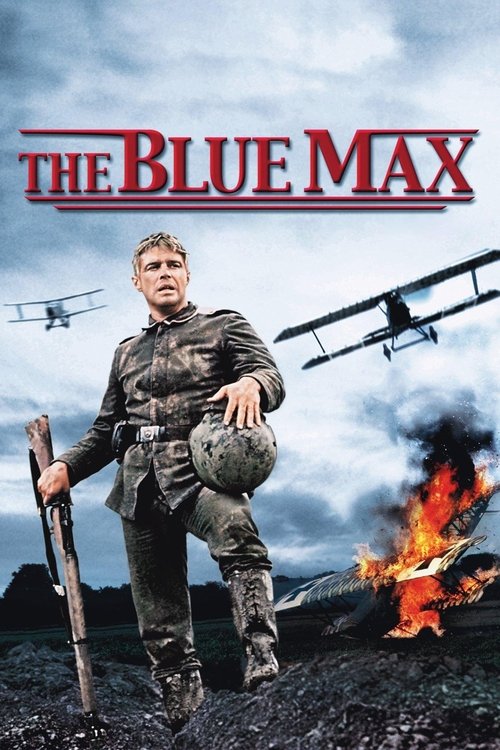
The Blue Max
1966A young pilot in the German air force of 1918, disliked as lower-class and unchivalrous, tries ambitiously to earn the medal offered for 20 kills.
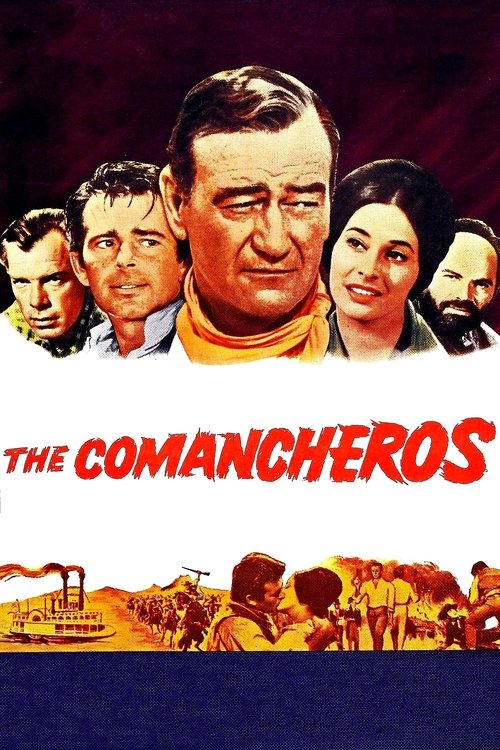
The Comancheros
1961Texas Ranger Jake Cutter arrests gambler Paul Regret, but soon finds himself teamed with his prisoner in an undercover effort to defeat a band of renegade arms merchants and thieves known as Comancheros.
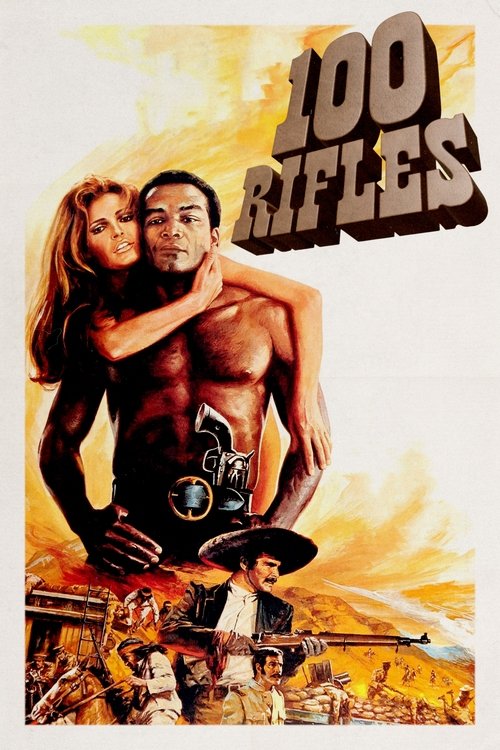
100 Rifles
1969When half-breed Indian Yaqui Joe robs an Arizona bank, he is pursued by dogged lawman Lyedecker. Fleeing to Mexico, Joe is imprisoned by General Verdugo, who is waging a war against the Yaqui Indians. When Lyedecker attempts to intervene, he is thrown into prison as well. Working together, the two escape and take refuge in the hills, where Lyedecker meets beautiful Yaqui freedom fighter Sarita and begins to question his allegiances.
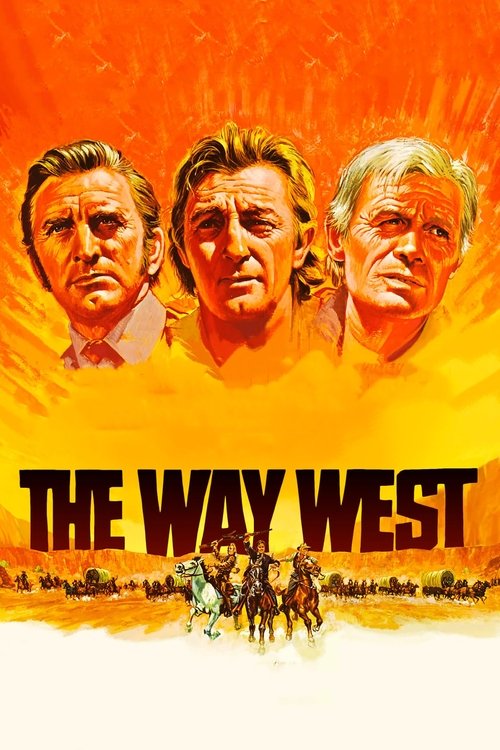
The Way West
1967In the mid-19th century, Senator William J. Tadlock leads a group of settlers overland in a quest to start a new settlement in the Western US. Tadlock is a highly principled and demanding taskmaster who is as hard on himself as he is on those who have joined his wagon train. He clashes with one of the new settlers, Lije Evans, who doesn't quite appreciate Tadlock's ways. Along the way, the families must face death and heartbreak and a sampling of frontier justice when one of them accidentally kills a young Indian boy.
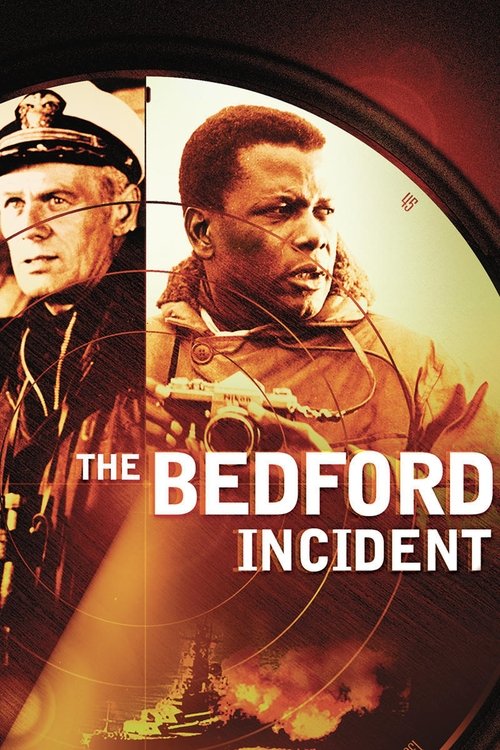
The Bedford Incident
1965During a routine patrol, a reporter is given permission to interview a hardened cold-war warrior and captain of the American destroyer USS Bedford. The reporter gets more than he bargained for when the Bedford discovers a Soviet sub and the captain begins a relentless pursuit, pushing his crew to breaking point.
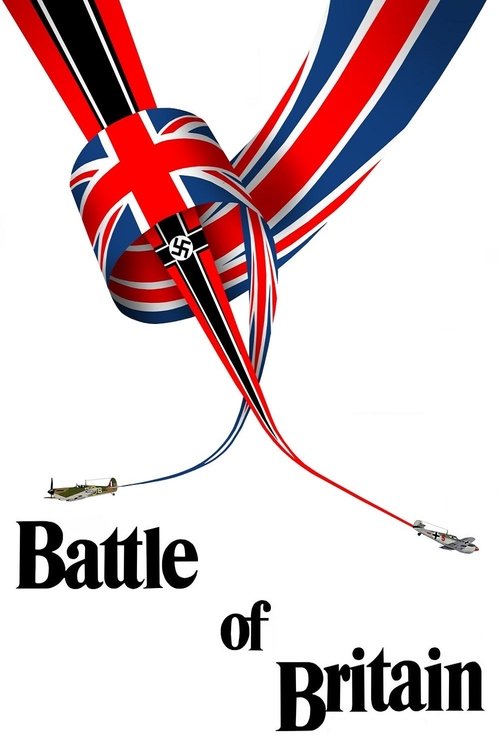
Battle of Britain
1969In 1940, the Royal Air Force fights a desperate battle against the might of the Luftwaffe for control of the skies over Britain, thus preventing an attempted Nazi invasion.
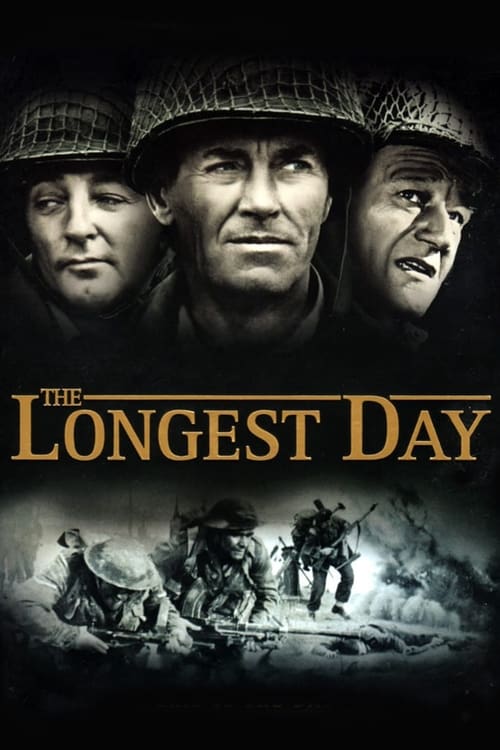
The Longest Day
1962The retelling of June 6, 1944, from the perspectives of the Germans, US, British, Canadians, and the Free French. Marshall Erwin Rommel, touring the defenses being established as part of the Reich's Atlantic Wall, notes to his officers that when the Allied invasion comes they must be stopped on the beach. "For the Allies as well as the Germans, it will be the longest day"
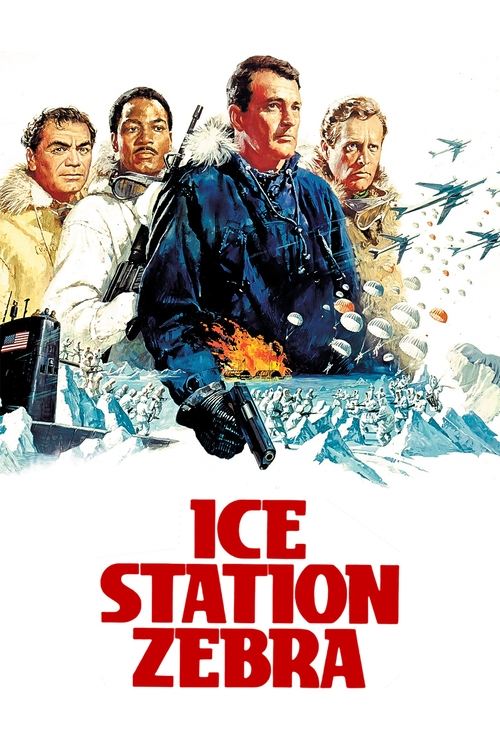
Ice Station Zebra
1968A top-secret Soviet spy satellite -- using stolen Western technology -- malfunctions and then goes into a descent that lands it near an isolated Arctic research encampment called Ice Station Zebra, belonging to the British, which starts sending out distress signals before falling silent. The atomic submarine Tigerfish, commanded by Cmdr. James Ferraday (Rock Hudson), is dispatched to save them.
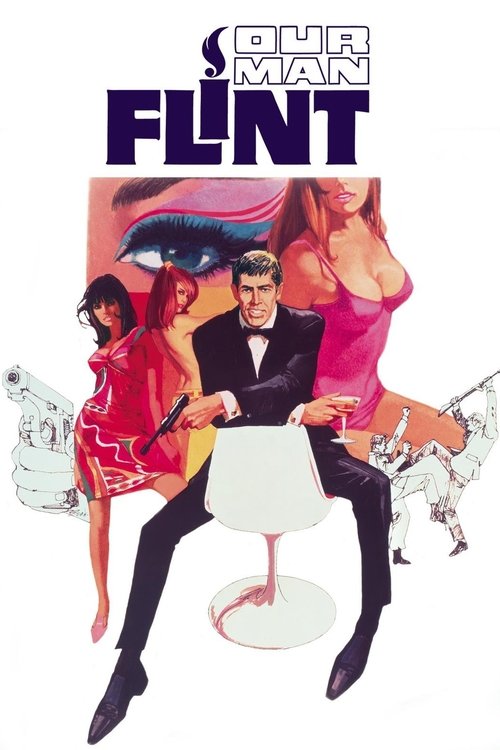
Our Man Flint
1966When scientists use eco-terrorism to impose their will on the world by affecting extremes in the weather, Intelligence Chief Cramden calls in top agent Derek Flint.
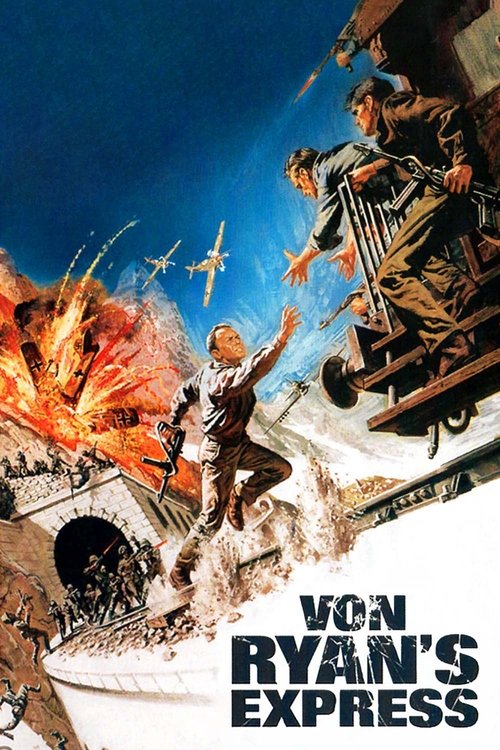
Von Ryan's Express
1965Von Ryan's Express stars Frank Sinatra as a POW colonel who leads a daring escape from WWII Italy by taking over a freight train, but he has to win over the British soldiers he finds himself commanding.
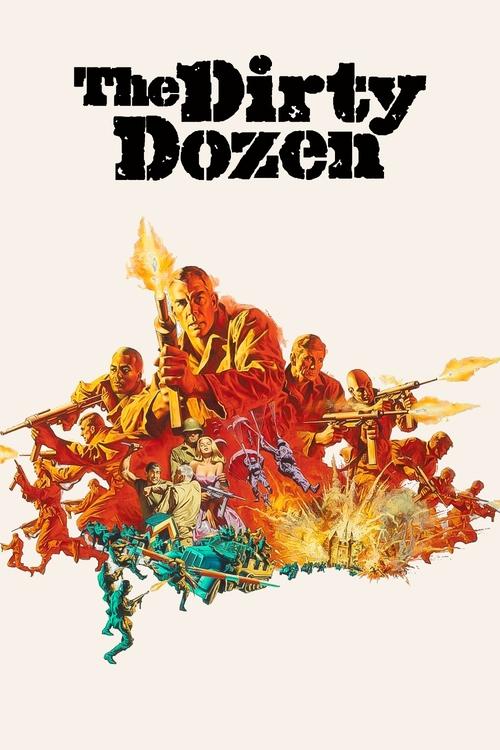
The Dirty Dozen
196712 American military prisoners in World War II are ordered to infiltrate a well-guarded enemy château and kill the Nazi officers vacationing there. The soldiers, most of whom are facing death sentences for a variety of violent crimes, agree to the mission and the possible commuting of their sentences.
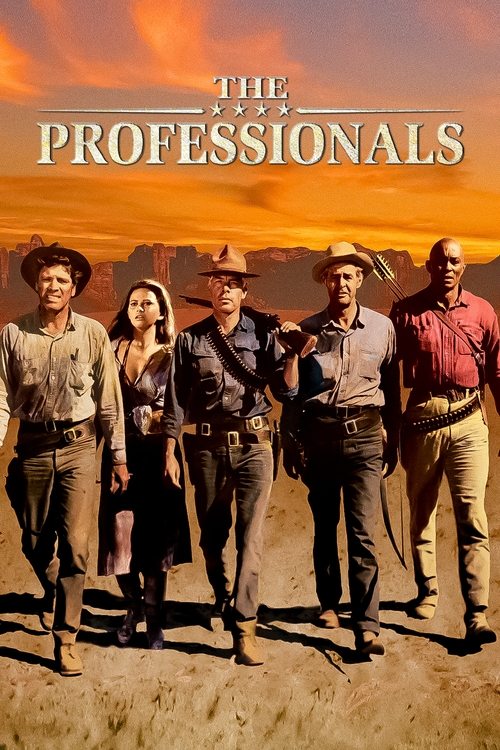
The Professionals
1966An arrogant Texas millionaire hires four adventurers to rescue his kidnapped wife from a notorious Mexican bandit.
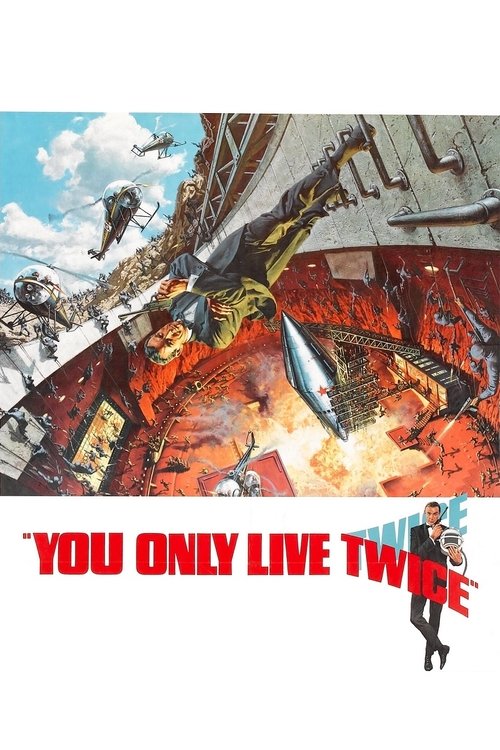
You Only Live Twice
1967A mysterious spacecraft captures Russian and American space capsules and brings the two superpowers to the brink of war. James Bond investigates the case in Japan and comes face to face with his archenemy Blofeld.
Sean Connery's fifth outing as Bond trades European glamour for Japanese intrigue, delivering one of the franchise's most visually ambitious entries with its iconic volcano lair and aerial dogfights that set the template for blockbuster action spectacle.
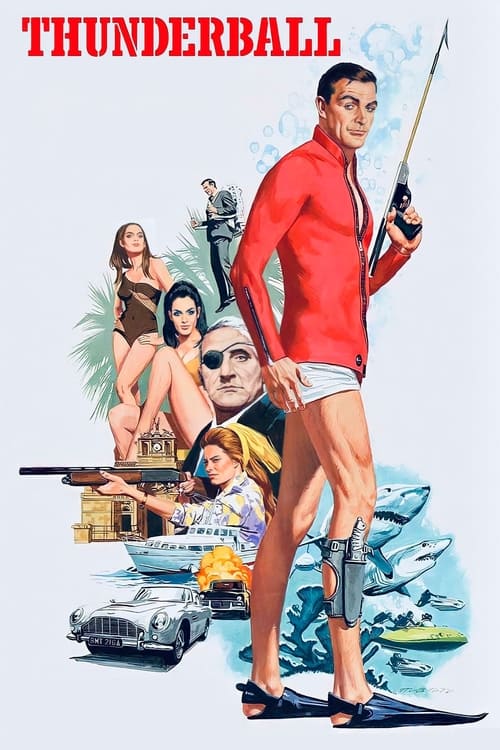
Thunderball
1965A criminal organization has obtained two nuclear bombs and are asking for a 100 million pound ransom in the form of diamonds in seven days or they will use the weapons. The secret service sends James Bond to the Bahamas to once again save the world.
Pushing the boundaries of technical ambition, this aquatic extravaganza utilized pioneering underwater photography to expand the horizons of the action frame. It represents the 1960s' fascination with technological excess and the birth of the blockbuster scale.
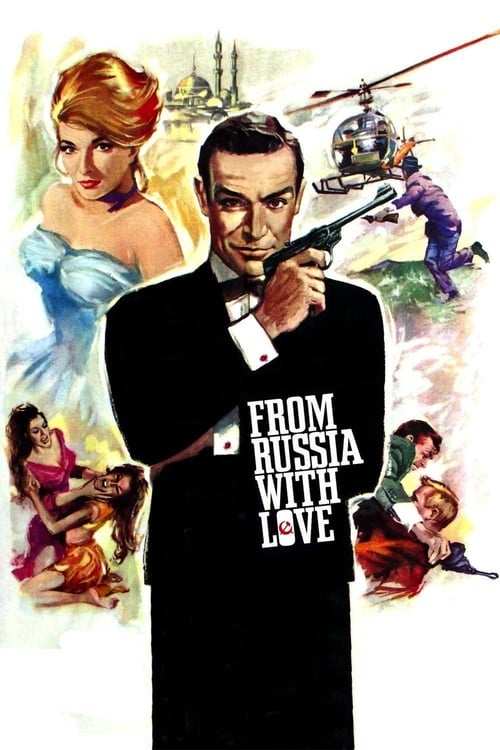
From Russia with Love
1963Agent 007 is back in the second installment of the James Bond series, this time battling a secret crime organization known as SPECTRE. Russians Rosa Klebb and Kronsteen are out to snatch a decoding device known as the Lektor, using the ravishing Tatiana to lure Bond into helping them. Bond willingly travels to meet Tatiana in Istanbul, where he must rely on his wits to escape with his life in a series of deadly encounters with the enemy.
Perhaps the most sophisticated entry of the decade, this film functions as a taut, Hitchcockian thriller masquerading as an action flick. The bone-crunching train compartment skirmish remains a high-water mark for intimate, claustrophobic stunt work.
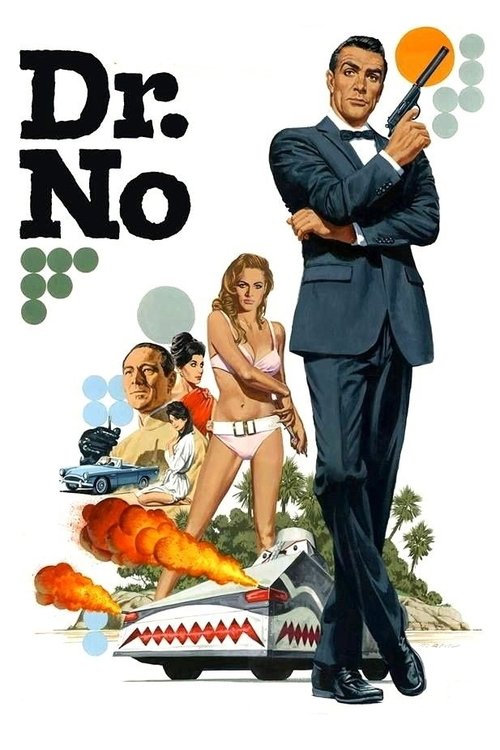
Dr. No
1962Agent 007 battles mysterious Dr. No, a scientific genius bent on destroying the U.S. space program. As the countdown to disaster begins, Bond must go to Jamaica, where he encounters beautiful Honey Ryder, to confront a megalomaniacal villain in his massive island headquarters.
This inaugural outing established a lean, dangerous template for the cinematic hero before the series succumbed to camp. Its brilliance lies in its grounded, noirish tension and the introduction of a seductive, lethal world that felt entirely fresh to a 1960s audience.
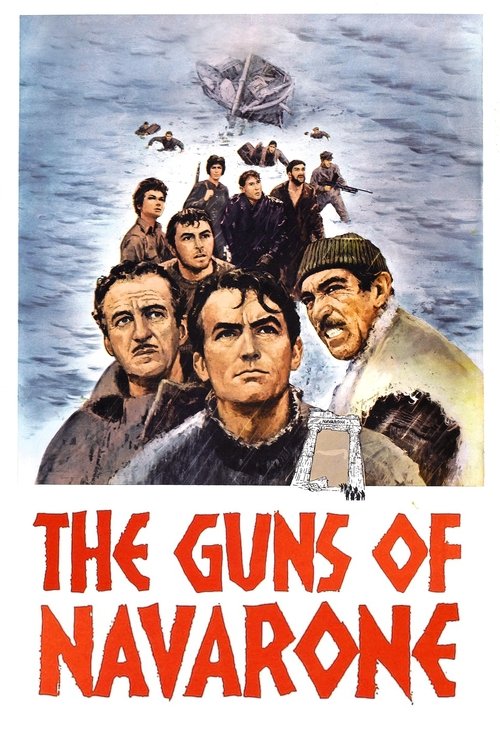
The Guns of Navarone
1961A team of allied saboteurs are assigned an impossible mission: infiltrate an impregnable Nazi-held island and destroy the two enormous long-range field guns that prevent the rescue of 2,000 trapped British soldiers.
By wedding grand-scale pyrotechnics with psychological friction between its leads, this production elevated the 'Big Mission' format to operatic heights. The sheer mechanical majesty of the titular artillery creates an early peak for the hardware-driven action subgenre.
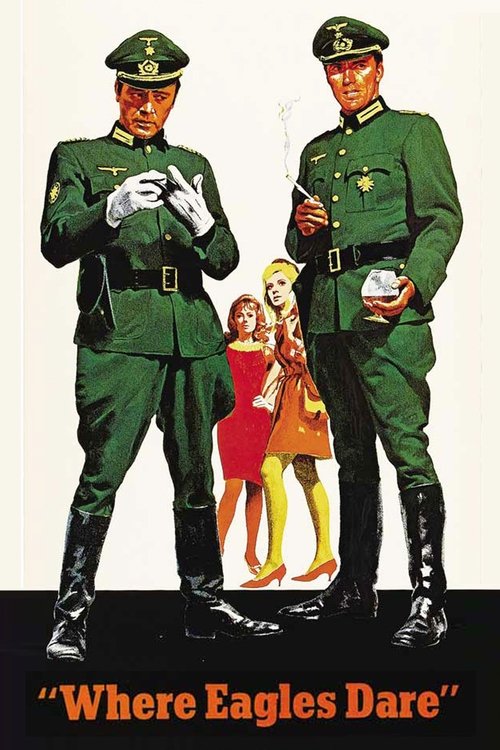
Where Eagles Dare
1968World War II is raging, and an American general has been captured and is being held hostage in the Schloss Adler, a Bavarian castle that's nearly impossible to breach. It's up to a group of skilled Allied soldiers to liberate the general before it's too late.
Alistair MacLean’s twist-heavy narrative is served with a cold, relentless efficiency that prioritizes atmosphere and impossible odds. It is a vertigo-inducing masterpiece of alpine suspense, showcasing a brutal, wintry texture that set a new standard for international espionage.
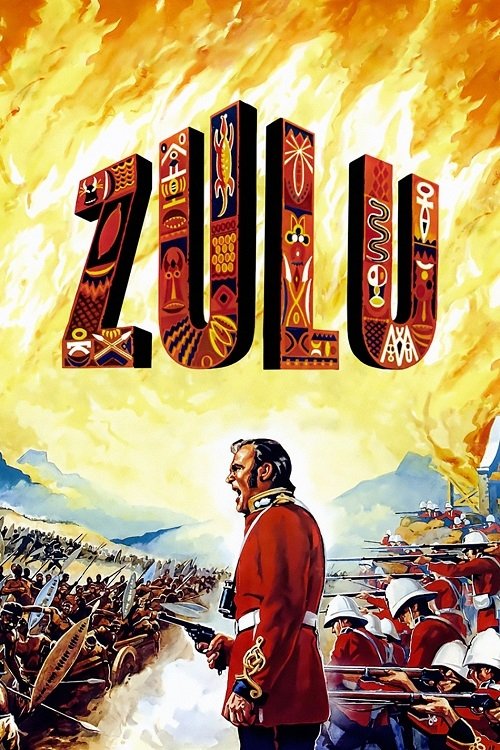
Zulu
1964In 1879, during the Anglo-Zulu War, man-of-the-people Lt. Chard and snooty Lt. Bromhead are in charge of defending the isolated and vastly outnumbered Natal outpost of Rorke's Drift from tribal hordes.
A staggering exercise in defensive choreography, this film captures the visceral, rhythmic terror of colonial warfare through sheer scale. It remains unparalleled in its ability to sustain white-knuckle tension through repetitive, waves-of-attack pacing and disciplined cinematography.
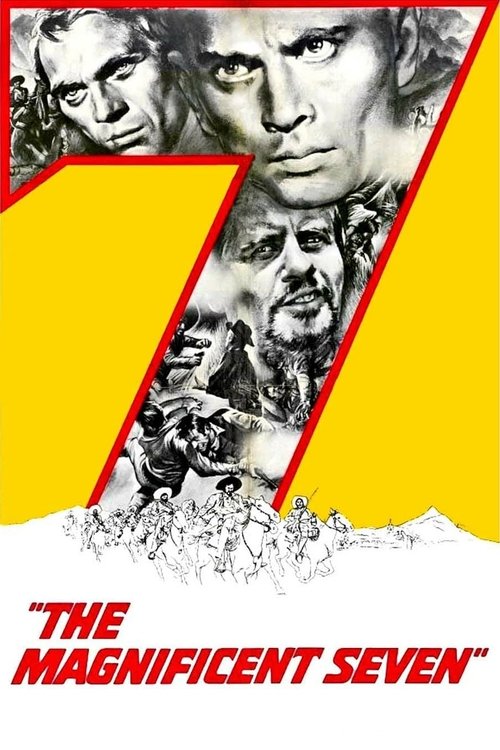
The Magnificent Seven
1960An oppressed Mexican peasant village hires seven gunfighters to help defend their homes.
John Sturges' foundational ensemble piece recalibrates Kurosawa's samurai DNA into a quintessential American mythos of dust and gunpowder. The film perfected the 'men on a mission' archetype, propelled by Elmer Bernstein’s iconic staccato score and a masterclass in stoic charisma.
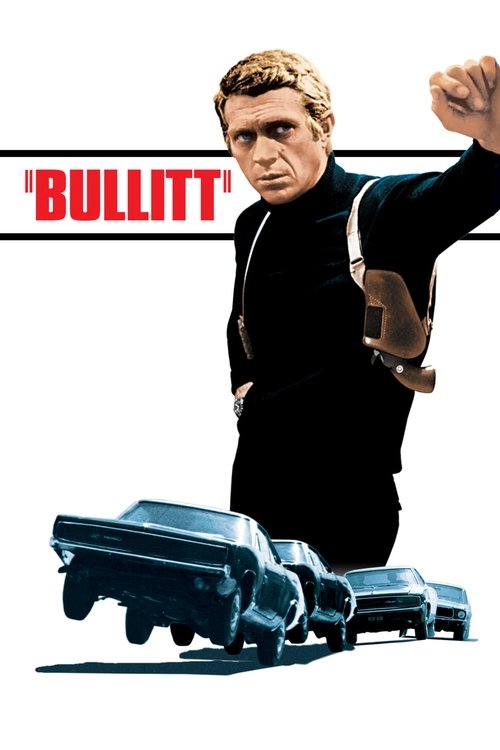
Bullitt
1968Senator Walter Chalmers is aiming to take down mob boss Pete Ross with the help of testimony from the criminal's hothead brother Johnny, who is in protective custody in San Francisco under the watch of police lieutenant Frank Bullitt. When a pair of mob hitmen enter the scene, Bullitt follows their trail through a maze of complications and double-crosses. This thriller includes one of the most famous car chases ever filmed.
Rejecting the theatricality of its peers, this gritty procedural essentially invented the modern car chase through the vertical geometry of San Francisco. Steve McQueen’s minimalist performance mirrors the film's lean, unsentimental approach to kinetic violence.
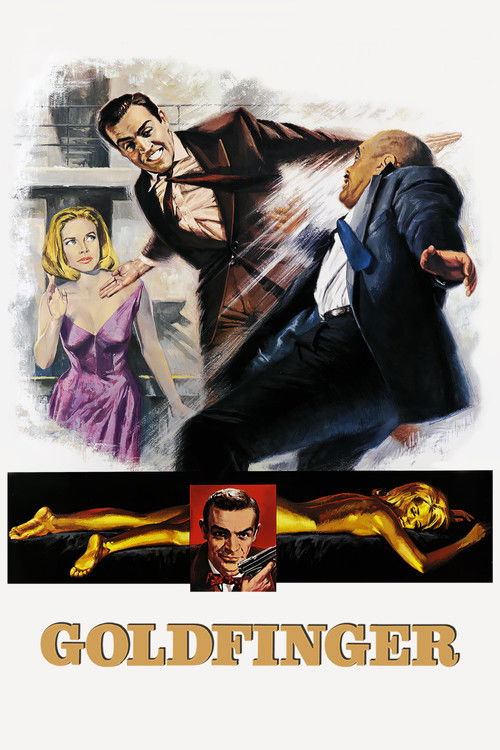
Goldfinger
1964Special agent 007 comes face to face with one of the most notorious villains of all time, and now he must outwit and outgun the powerful tycoon to prevent him from cashing in on a devious scheme to raid Fort Knox -- and obliterate the world's economy.
The moment the spy genre crystallized into a global phenomenon, this installment introduced a level of aesthetic opulence and gadgetry that redefined visual spectacle. It is a masterwork of pacing that balances lethal urbanity with a sense of high-stakes playfulness.
Frequently Asked Questions
Everything you need to know about this list and SnakeDrafts
- 1960s action movies broke away from the theatrical style of the 1950s, introducing kinetic camera work and grittier narratives. This decade saw the rise of morally complex heroes and visceral action sequences, reflecting changing social attitudes and cinematic technology.
- Spy thrillers like "Goldfinger," "Dr. No," and "From Russia with Love" directed by Guy Hamilton and Terence Young exemplify the decade's fascination with espionage, featuring suave agents, intricate plots, and innovative gadgets that defined the genre during the Cold War era.
- War films such as "Zulu," "Where Eagles Dare," and "The Guns of Navarone" blended intense combat scenes with adventure storytelling, highlighting strategy and heroism while showcasing large-scale battle sequences that pushed the boundaries of 1960s action cinema.
- Westerns like "The Magnificent Seven" and "The Professionals" carried forward traditional themes of justice and rugged individualism, but infused with more dynamic action and morally ambiguous characters, reflecting the decade's evolving cinematic tone.
- Yes, films such as "Our Man Flint" ingeniously combined action with comedy and science fiction, illustrating the decade's experimentation within action storytelling to attract diverse audiences and add fresh elements to the genre.
- Directors like Terence Young, Peter Yates, and John Sturges greatly shaped the 1960s action landscape, each bringing their unique style to seminal films like "Thunderball," "Bullitt," and "Ice Station Zebra," pushing the genre towards more sophisticated and thrilling narratives.
- 1960s action movies laid the foundation for contemporary action cinema by pioneering fast-paced editing, complex protagonists, and stylish visuals. Their legacy is evident in today's genre with the continued popularity of spy thrillers, war epics, and dynamic westerns.
- Common themes include espionage and Cold War conflict, wartime heroism, and the fight between good and evil in surfacing moral ambiguity. These films often explore courage, loyalty, and survival against increasingly complex adversaries and environments.