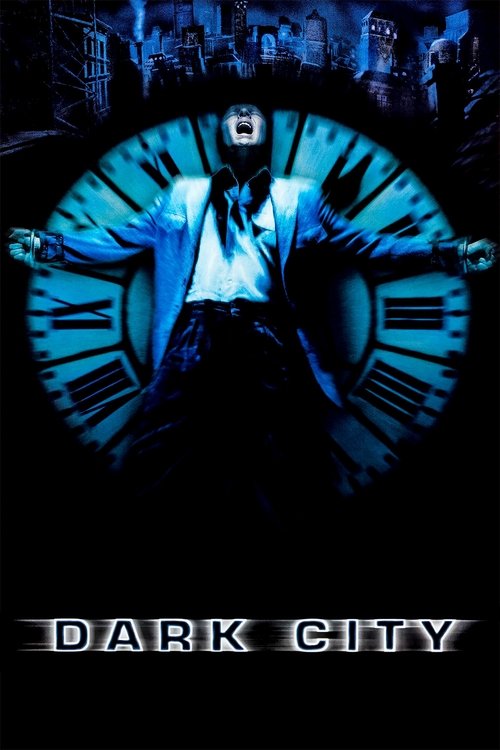
Dark City
In a world where the sun never rises and memories are a manufactured luxury, Dark City plunges viewers into a labyrinthine sci-fi noir that challenges the very nature of reality and identity. This visually stunning and intellectually provocative film remains a cornerstone of neo-noir cinema, inviting audiences to question what truly defines existence.
Director
Alex Proyas
Release Year
1998
Runtime
101 minutes
Genres
Mystery, Science Fiction
Main Cast
Rufus Sewell, William Hurt, Kiefer Sutherland, Jennifer Connelly, Richard O'Brien
About Dark City
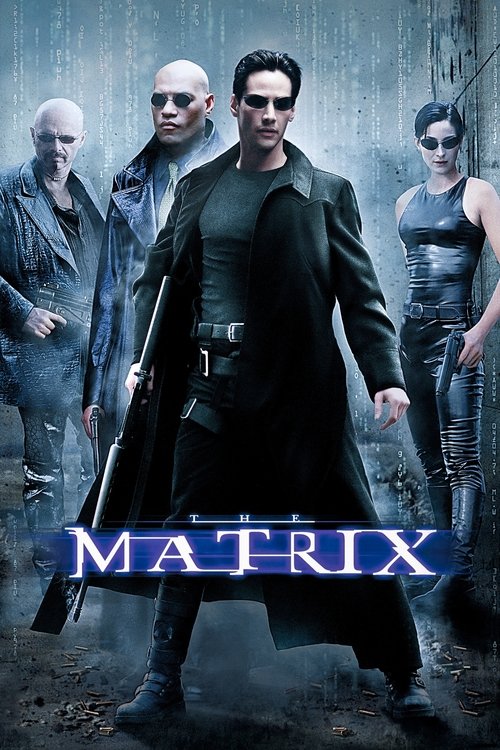
Alex Proyas's 1998 cult classic, Dark City, arrived as a visually arresting and a thematically profound science fiction mystery, carving out a unique niche in the rich landscape of late 20th-century cinema. Predating and often cited as an influence on The Matrix, the film's distinctive aesthetic, blending noir sensibilities with a dystopian future, captivated critics and audiences alike, establishing its reputation as a thought-provoking mind-bender.
The premise introduces John Murdoch, who awakens with amnesia to find himself implicated in a series of gruesome murders in a city where night is perpetual. As he unravels the mystery of his past and the true nature of his surroundings, he discovers a horrifying truth about the city's enigmatic rulers, known as the Strangers, who possess the power to manipulate the city's architecture and the memories of its inhabitants. This existential struggle for self-discovery forms the core of a narrative that is as thrilling as it is philosophical, exploring themes of free will, identity, and simulated realities without resorting to easy answers or conventional plot structures.
Critically, Dark City was lauded for its breathtaking production design, evocative cinematography, and its audacious narrative ambition. While not a box office smash upon its initial release, its influence has steadily grown, cementing its status as a seminal work within the sci-fi genre. Its bold exploration of philosophical questions, coupled with its striking visual style, has led to numerous academic interpretations and a dedicated fanbase, reinforcing its legacy as a film that dared to ask profound questions about the human condition within a meticulously crafted, shadowy world.
Dark City's enduring cultural impact lies in its sophisticated blending of genre elements and its prescient exploration of themes that would become central to science fiction in the decades that followed. Its intricate world-building and narrative depth offer a rich viewing experience that encourages repeated watches, revealing new layers of meaning with each engagement. The film doesn't just tell a story; it creates an immersive experience that stays with the viewer long after the credits roll, inspiring countless discussions and solidifying its place as a cornerstone of intelligent, visually driven science fiction.
Drafts Featuring Dark City
Every SnakeDrafts listicle where this movie appears
Similar Movies
Movies related to Dark City

Frequently Asked Questions
Everything you need to know about Dark City
- The Strangers manipulate human memories to try and understand the human soul, believing it holds the key to their own survival. They frequently 'tune' the city and its inhabitants, implanting new pasts in people to observe how these changes affect their essence.
- John Murdoch develops the Strangers' ability to 'tune' or manipulate reality, initially without understanding how. This power signifies his unique position as a hybrid, a human who can wield the Strangers' abilities, which ultimately allows him to challenge their control and restore a more natural order to his world.
- The perpetually dark and shifting city symbolizes the characters' entrapment and the manufactured nature of their existence. It's a physical manifestation of the Strangers' control and the absence of natural life, representing a world where truth and reality are constantly being altered.
- Dr. Daniel Schreber's motivations are complex; while he appears to be an antagonist working with the Strangers, he subtly aids John Murdoch throughout the film. His actions are a desperate attempt to use Murdoch to defeat the Strangers, demonstrating a deeper, albeit morally ambiguous, commitment to humanity's liberation.
- The film's ending, with John Murdoch creating a sunlit world, signifies the triumph of human free will and the ability to define one's own reality. It represents the potential for a new beginning, where genuine connections and memories can flourish, free from the manipulation of the Strangers.

