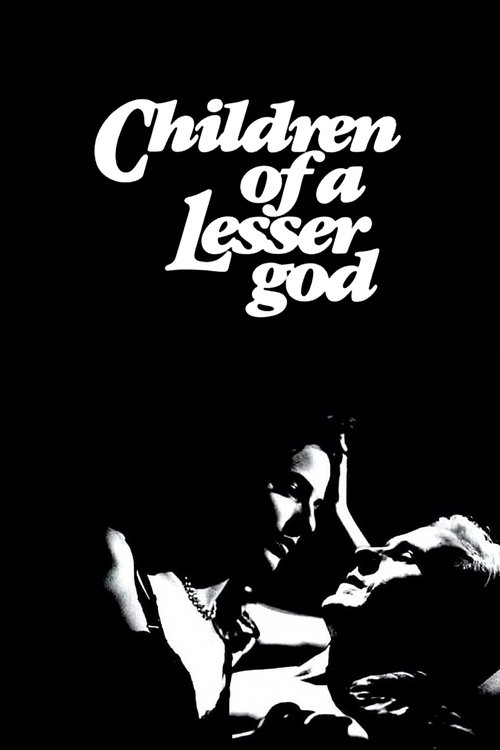
Children of a Lesser God
In Randa Haines's poignant 1986 drama "Children of a Lesser God," a dedicated teacher at a school for the deaf finds his world irrevocably changed by a fiercely independent, hearing-impaired woman. This powerful film explores profound themes of communication, love, and identity, earning critical acclaim and an Academy Award for its groundbreaking performances.
Director
Randa Haines
Release Year
1986
Runtime
119 minutes
Main Cast
William Hurt, Marlee Matlin, Piper Laurie, Philip Bosco, Allison Gompf
About Children of a Lesser God
"Children of a Lesser God" made a significant cultural impact by bringing the world of the deaf community to mainstream cinema with an unprecedented level of authenticity and respect. It challenged conventional narratives about disability, presenting deaf characters not as objects of pity, but as individuals with rich inner lives, complex emotions, and a strong sense of self. The film’s success helped to foster greater understanding and awareness of Deaf culture.
The film centers on James Leeds (William Hurt), a charismatic and unconventional speech teacher who arrives at a school for the deaf. He soon becomes drawn to Sarah Norman (Marlee Matlin), a headstrong and deeply resilient deaf woman who works as a custodian at the school and refuses to speak, communicating solely through American Sign Language. Their burgeoning romantic relationship is complicated by their differing perspectives on communication, hearing, and the world at large, forcing them both to confront their assumptions and vulnerabilities.
Critically, "Children of a Lesser God" was lauded for its sensitive direction, compelling screenplay, and, most notably, its extraordinary performances. Marlee Matlin, in her debut role, delivered a captivating portrayal of Sarah, earning her an Academy Award for Best Actress – making her the first deaf performer to win an Oscar. The film also received nominations for Best Picture, Best Actor (William Hurt), Best Supporting Actress (Piper Laurie), and Best Adapted Screenplay, cementing its place as a significant work in cinematic history.
The legacy of "Children of a Lesser God" endures as a landmark film for its representation of the deaf community and its enduring exploration of love across communication barriers. It opened doors for deaf actors and stories in Hollywood and continues to resonate with audiences for its heartfelt narrative and powerful message about finding common ground and celebrating individual identity. The film remains a touchstone for discussions on inclusivity and the profound ways in which people connect.
Drafts Featuring Children of a Lesser God
Every SnakeDrafts listicle where this movie appears
Similar Movies
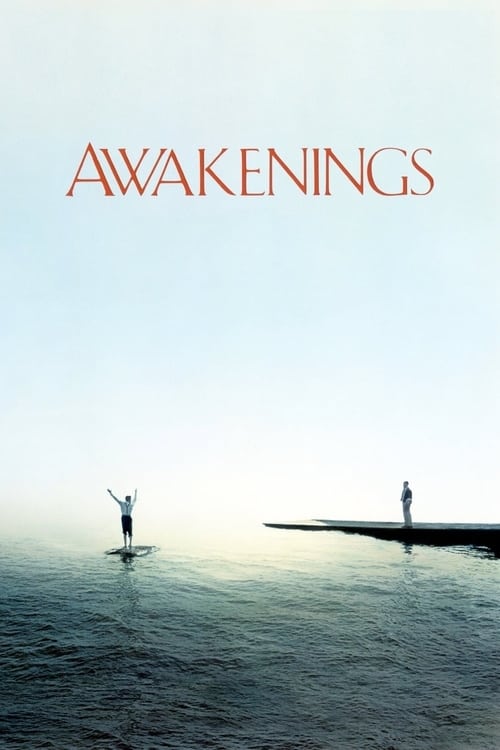
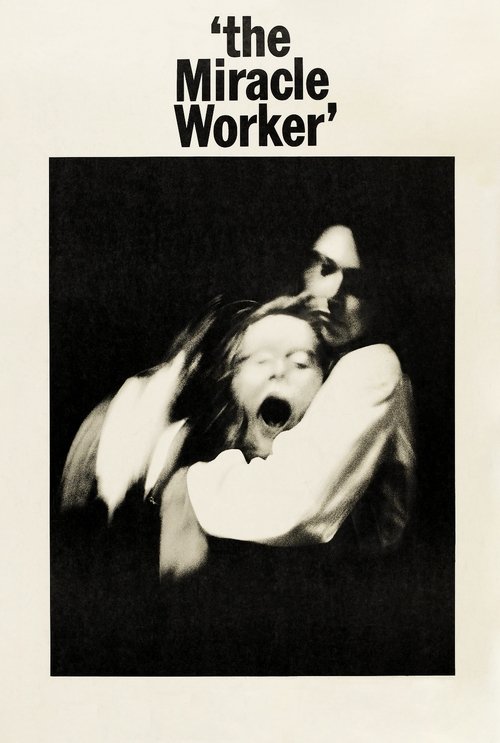
Movies related to Children of a Lesser God

Frequently Asked Questions
Everything you need to know about Children of a Lesser God
- Sarah's refusal to vocalize is a central tenet of her identity and a powerful symbol of her resistance to societal pressures. It represents her assertion of Deaf culture and her insistence on communicating in her native language, American Sign Language, rather than conforming to hearing norms.
- The film masterfully explores communication through non-verbal cues, body language, and, most profoundly, American Sign Language. It highlights how true understanding and intimacy can be forged even when spoken language is absent, emphasizing the depth and expressiveness of ASL.
- James and Sarah grapple with significant challenges stemming from their distinct experiences of the world – one hearing, one deaf. Their struggles often revolve around misunderstandings, differing expectations of communication, and Sarah's fierce independence clashing with James's desire to 'help' her, leading to poignant conflicts.
- The ending of the film offers a powerful resolution that signifies mutual understanding and acceptance. It suggests that true love doesn't demand assimilation but celebrates individuality, with both characters finding a way to bridge their worlds while respecting their unique identities and ways of being.
- Marlee Matlin's authentic and deeply moving performance as Sarah was crucial to the film's success and its powerful impact. As a deaf actress, her portrayal brought unparalleled depth and realism to the character, resonating with audiences and critics alike, and earning her a historic Academy Award.

