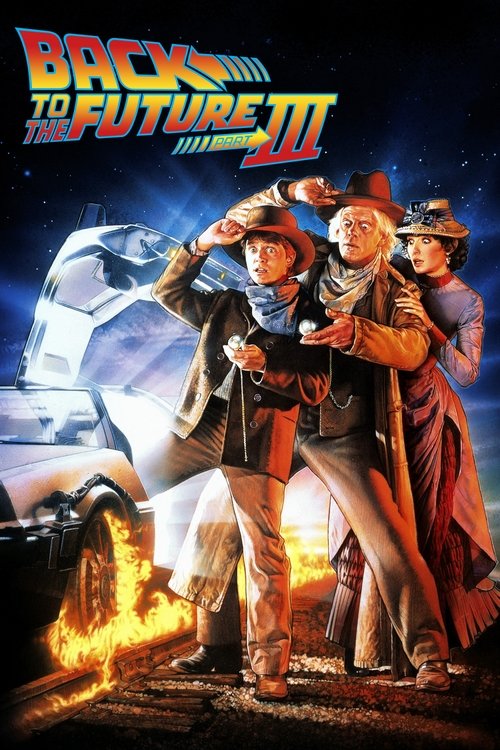
Back to the Future Part III
Get ready for a wild ride as Marty McFly and Doc Brown go back to the Old West in "Back to the Future Part III," a thrilling conclusion to the iconic time-travel saga. This adventure-comedy blends sci-fi spectacle with classic Western charm, delivering a satisfying and unforgettable cinematic experience. Witness the duo navigate the dangers of 1885, desperately trying to fix their DeLorean and return to their own time.
Director
Release Year
1990
Runtime
119 minutes
Genres
Adventure, Comedy, Science Fiction
Main Cast
Michael J. Fox, Christopher Lloyd, Mary Steenburgen, Thomas F. Wilson, Lea Thompson
About Back to the Future Part III
Long before it became a beloved classic, "Back to the Future Part III" arrived as the epic conclusion to one of cinema's most iconic trilogies. Released in 1990, this film masterfully blends science fiction with the quintessential American Western, offering a fresh yet familiar adventure for fans. Its enduring popularity stems from its clever storytelling, memorable characters, and the sheer joy of seeing Marty and Doc in a completely new, historically rich setting.
The plot of "Back to the Future Part III" takes a fascinating turn, stranding Marty McFly in 1885 in pursuit of Doc Brown. After discovering Doc's letter and learning of his intention to remain in the past, Marty must not only convince his eccentric friend to return to 1985 but also help him escape a perilous situation involving Buford "Mad Dog" Tannen. The narrative skillfully weaves together elements of romance, danger, and classic time-travel paradoxes, all while maintaining the series' signature humor and heart.
Critically, "Back to the Future Part III" was well-received for its inventive script and strong performances from Michael J. Fox and Christopher Lloyd. Many praised its satisfying resolution to the overarching narrative of the trilogy, a rare feat for a third installment. While some critics debated its place compared to the first two films, its critical reception was largely positive, celebrating its successful genre-bending and genuine emotional resonance.
Beyond its critical success, the film solidified the "Back to the Future" franchise's place in pop culture history. Its exploration of destiny, love across time, and the consequences of altering the past left a lasting impression. The image of the DeLorean as a time machine, now reimagined as a train in the Old West, became an iconic visual. "Back to the Future Part III" also contributed to the enduring legacy of Western-themed sci-fi, influencing subsequent works and continuing to delight audiences decades later.
Drafts Featuring Back to the Future Part III
Every SnakeDrafts listicle where this movie appears
Similar Movies
Movies related to Back to the Future Part III
Wild Wild West
1999
Indiana Jones and the Last Crusade
1989
A Million Ways to Die in the West
2014
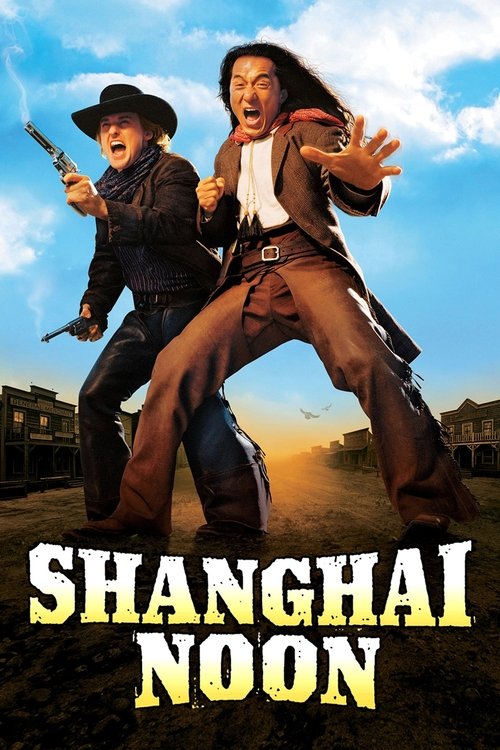
Shanghai Noon
2000
Frequently Asked Questions
Everything you need to know about Back to the Future Part III
- Clara Clayton represents a significant turning point for Doc Brown, as she is the first person with whom he genuinely falls in love. Her presence forces him to confront his lifelong dedication to science over personal relationships, ultimately leading to a profound shift in his priorities and his decision to remain in the past.
- Marty's interactions with Buford Tannen mirror his previous encounters with Biff Tannen, highlighting his family's long-standing rivalry with the Tannen clan. This confrontation allows Marty to directly face and overcome the fear of being perceived as a 'chicken,' a trait that has historically plagued his ancestors, thereby changing his personal destiny.
- For its 1885 setting, the DeLorean undergoes several significant modifications. Most notably, its original internal combustion engine is damaged, necessitating a conversion to run on steam power and be pushed by a locomotive. These changes underscore the film's blend of futuristic technology with historical context.
- The film continually grapples with the interplay between destiny and free will through Doc Brown's attempts to avoid altering the past and Marty's choices that impact his future. Doc's initial reluctance to change events, combined with his eventual willingness to embrace a new life, emphasizes the notion that while certain events might be predetermined, individuals still possess agency to shape their paths.
- The final scene, featuring Doc, Clara, and their children arriving in a new time-traveling train, symbolizes Doc Brown's complete embrace of his new life and family. It reinforces the idea that even without the DeLorean, the spirit of scientific adventure and the wonders of time travel endure, now shared with his loved ones.

