The Best Malcolm McDowell Movies
From Ultra-Violence to Cinematic Authority
Explore the definitive ranking of Malcolm McDowell's most iconic film roles, from Stanley Kubrick's masterpieces to legendary cult classics.
About Malcolm McDowell
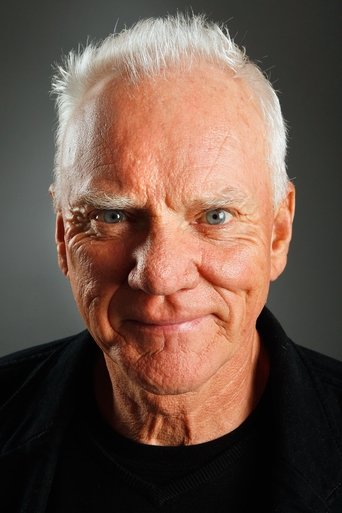
There is a specific brand of lightning that Malcolm McDowell captured over fifty years ago, a jagged and unpredictable energy that he has never quite allowed to dim. To look into those pale, piercing eyes is to see the history of British cinema’s most rebellious era reflecting back at you. He arrived not as a traditional leading man but as a disruption, a sneering force of nature who made the establishment flinch. Whether he is playing a sociopath, a king, or a grandfather, he carries a dangerous charisma that suggests he knows a secret the rest of us aren't quite ready to hear.
His ascent was defined by a trilogy of collaborations with director Lindsay Anderson, beginning with the searing schoolboy revolt of if.... and continuing through the picaresque journey of O Lucky Man! These films established the persona of the Everyman pushed to the brink, yet it was Stanley Kubrick who weaponized that intensity. As Alex DeLarge in A Clockwork Orange, McDowell created a cultural icon out of pure, stylized malice. He made the monstrous feel magnetic, dancing through scenes of ultra violence with a grin that felt both terrifying and undeniably cool. It remains one of the most polarizing performances in film history, a masterclass in how to make an audience fall in love with a villain.
While many actors might have spent the rest of their careers chasing that same shadow, he pivoted into an eclectic landscape of genre and prestige. He moved from the romantic earnestness of a time traveling H.G. Wells in Time After Time to the erotic horror of Cat People, proving he could play vulnerability just as effectively as venom. Even when he stepped into the blockbusters of the eighties and nineties, he brought a sharp intelligence to roles that could have been cardboard. He achieved a different kind of immortality in Star Trek Generations by doing the unthinkable: killing Captain Kirk. It was a move that cemented his status as the man you love to hate, a reputation he polished further in the high stakes aerial thrills of Blue Thunder and the gritty, visceral underworld of Gangster No. 1.
The true magic of his longevity lies in his ability to age into a sophisticated, playful statesman of the screen. In recent decades, his presence has become a sort of shorthand for wit and authority. He can steal a scene in a silent masterpiece like The Artist, play the cynical industry titan in The Player, or lend gravitas to modern dramas like Bombshell and Father Stu. Younger audiences might recognize him as the wry, wise principal in Easy A or the post-apocalyptic shepherd in The Book of Eli, but the underlying bite remains the same. He has survived the flux of Hollywood by never being boring. Whether he is riding across the desert in Hidalgo or providing a voice for a cult favorite animation, he treats every frame as an opportunity for mischief. We connect with him because he represents the ultimate survivor, an actor who stared down the giants of the twentieth century and came out the other side with his sharp edges perfectly intact.

Suck
2009The film follows a petty rock band called the Winners, consisting of vocalist Joey Winner, bassist Jennifer, guitarist Tyler, drummer Sam, and French-Canadian roadie Hugo, along with their sleazy manager Jeff, as they tour across Canada and the USA after Jennifer is turned into a vampire by Queeny. Meanwhile, a vampire hunter who is afraid of the dark named Eddie Van Helsing quickly chases them down.

Antiviral
2012Syd March is an employee at a clinic that sells injections of live viruses harvested from sick celebrities to obsessed fans. When he becomes infected with the disease that kills super sensation Hannah Geist, Syd becomes a target for collectors and rabid fans. He must unravel the mystery surrounding her death before he suffers the same fate.
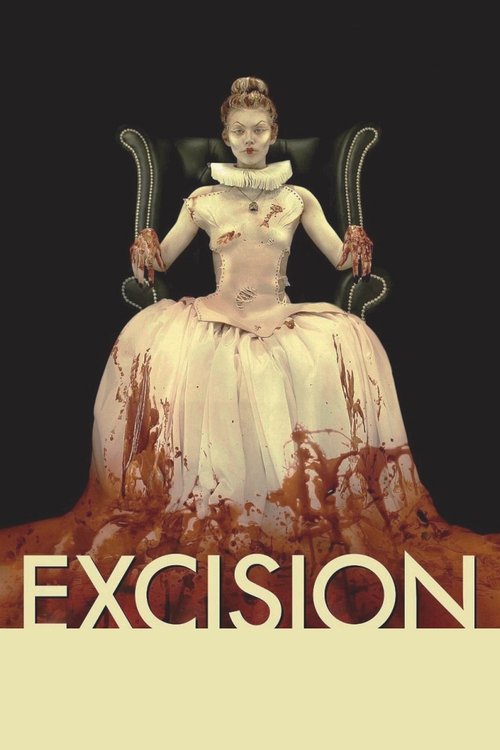
Excision
2012An outcast teenager, Pauline, practices surgical skills and harbors increasingly violent psychosexual fantasies.
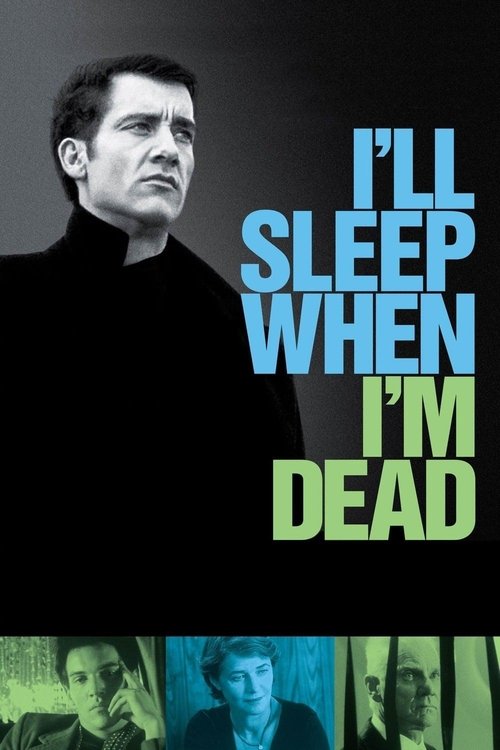
I'll Sleep When I'm Dead
2003Will Graham is a former London crime boss who has left his former life to live as a recluse in the forest. Haunted by the blood of those he has murdered, Will wishes never to return. But when his brother commits suicide following a sexual assault at the hands of a volatile car dealer, Will returns to London to discover the cause of his brother's death and administer justice to those responsible.
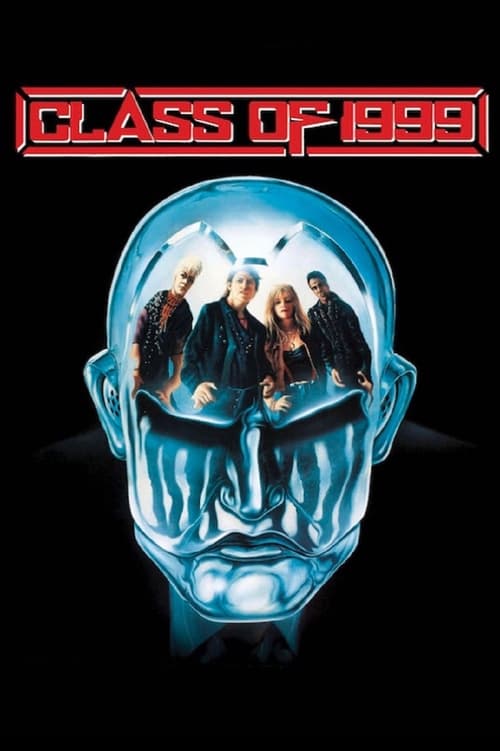
Class of 1999
1990The time is in the future and the youth gang violence is so high that the areas around some schools have become "free-fire zones", into which not even the police will venture. When Miles Langford, the head of Kennedy High School, decides to take his school back from the gangs, robotics specialist Dr. Robert Forrest provides "tactical education units". These are amazingly human-like androids that have been programmed to teach and are supplied with devastatingly effective solutions to discipline problems. So when the violent, out-of-control students of Kennedy High report for class tomorrow, they're going to get a real education... in staying alive!
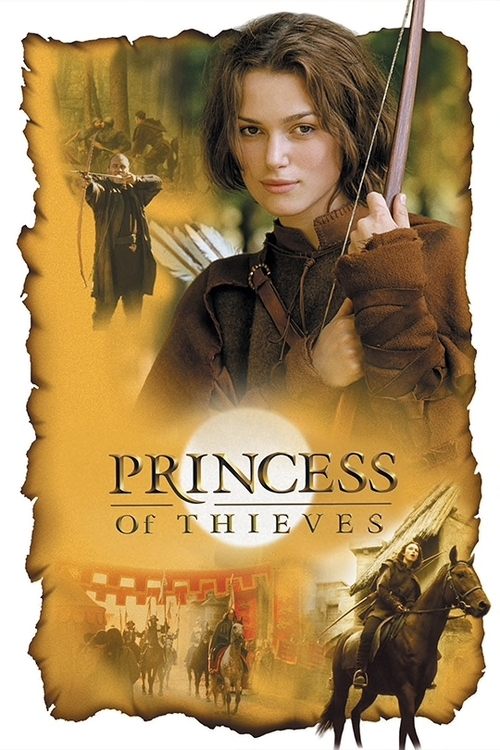
Princess of Thieves
2001Sherwood forest has a courageous new hero - Gwyn, the daughter of Robin Hood. Possessing the cunning skills of her legendary father and the beauty and intelligence of her mother Maid Marian, Gwyn is anxious to follow in her father's footsteps. King Richard nears death and Robin Hood and his Merry Men are summoned to help bring Richard's son Philip to his rightful place on the throne before the evil Prince John can assume power. Robin Hood's life and that of the future King of England soon lies in Gwyn's hands when Robin is captured and sentenced to death.
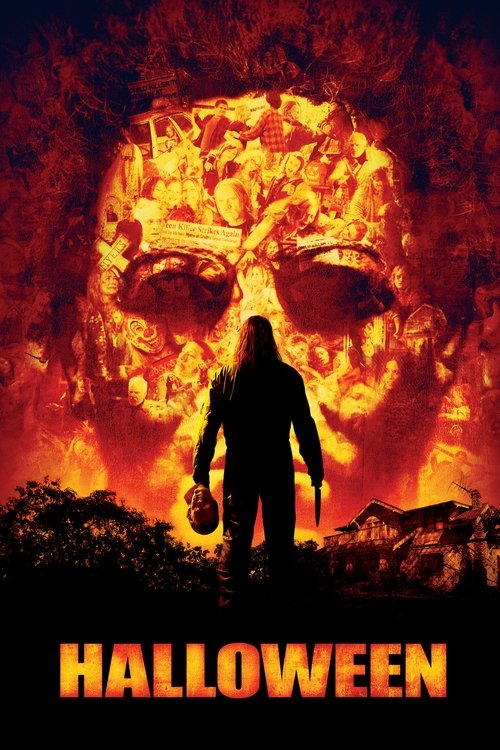
Halloween
2007The early years of young Michael Myers and the events leading up to his fateful Halloween night murder rampage in the quiet town of Haddonfield, Illinois.
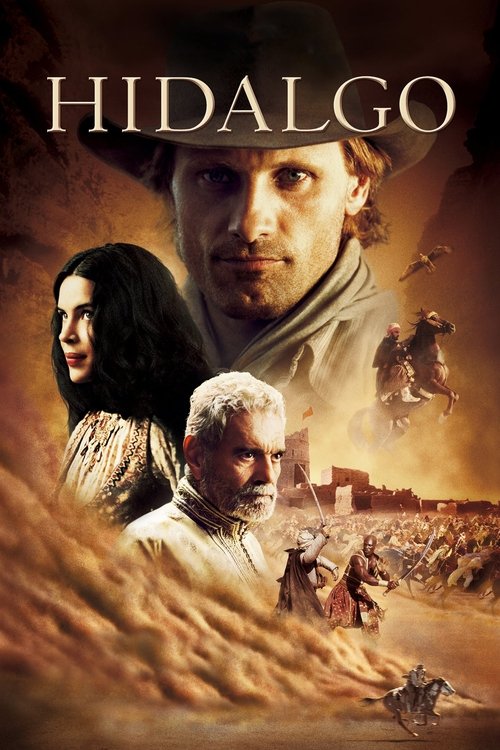
Hidalgo
2004Set in 1890, this is the story of a Pony Express courier who travels to Arabia to compete with his horse, Hidalgo, in a dangerous race for a massive contest prize, in an adventure that sends the pair around the world...
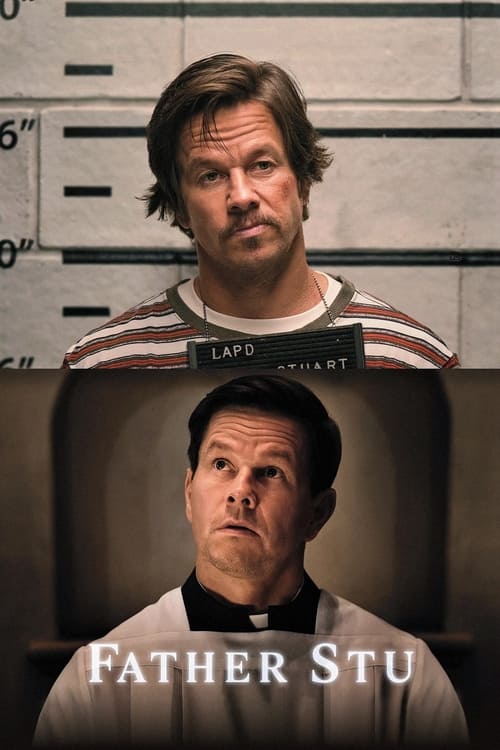
Father Stu
2022The true-life story of boxer-turned-priest. When an injury ends his amateur boxing career, Stuart Long moves to Los Angeles to find money and fame. While scraping by as a supermarket clerk, he meets Carmen, a Sunday school teacher who seems immune to his bad-boy charm. Determined to win her over, the longtime agnostic starts going to church to impress her. However, a motorcycle accident leaves him wondering if he can use his second chance to help others, leading to the surprising realization that he's meant to be a Catholic priest.
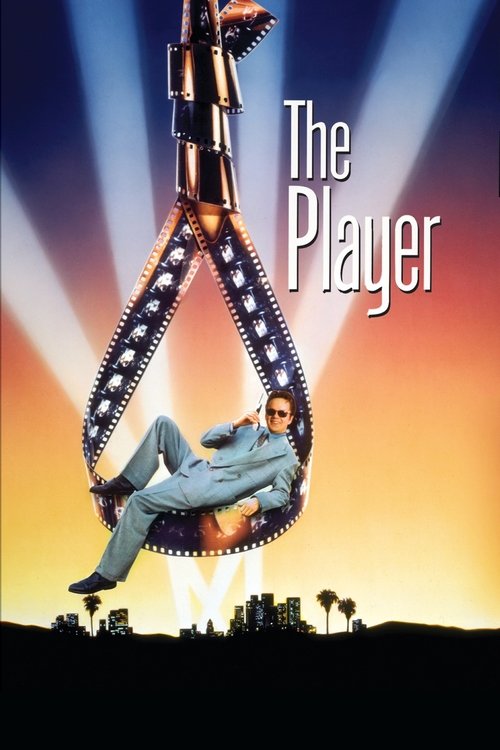
The Player
1992A Hollywood studio executive is being sent death threats by a writer whose script he rejected - but which one?
Appearing as a sharp, self-aware version of himself, McDowell leans into his own industry reputation with a playful, meta-textual wink. This cameo reinforces his status as a quintessential fixture of the Hollywood firmament within Robert Altman’s scathing industry satire.
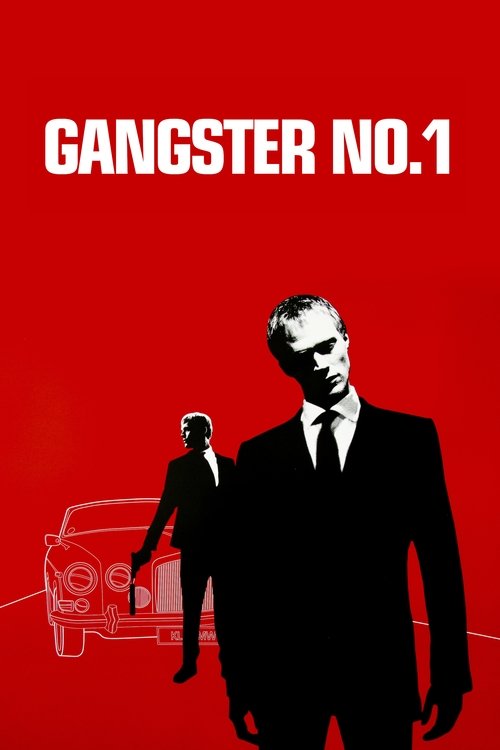
Gangster No. 1
2000An old gangster is advised that Freddie Mays would leave jail after thirty years in prison. His mood changes and he recalls when he was a young punk and who joined Freddie's gang—a man he both envied and ultimately betrayed.
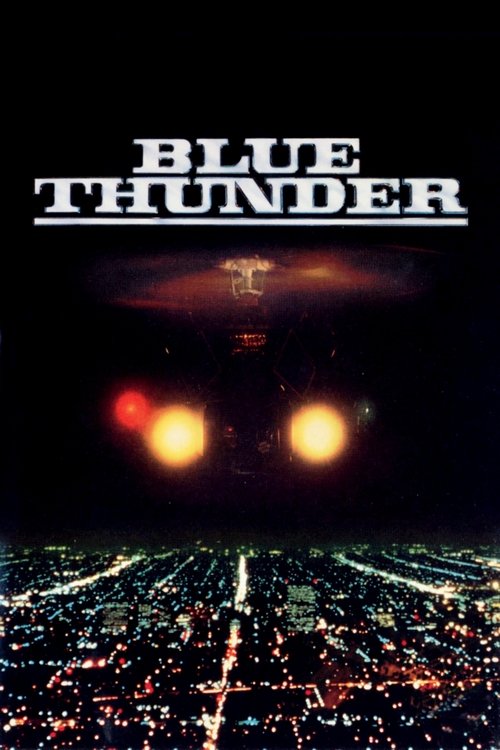
Blue Thunder
1983Los Angeles, California. Officer Murphy, a veteran Metropolitan Police helicopter pilot suffering from severe trauma due to his harsh experiences during the Vietnam War, and Lymangood, his resourceful new partner, are tasked with testing an advanced and heavily armed experimental chopper known as Blue Thunder.
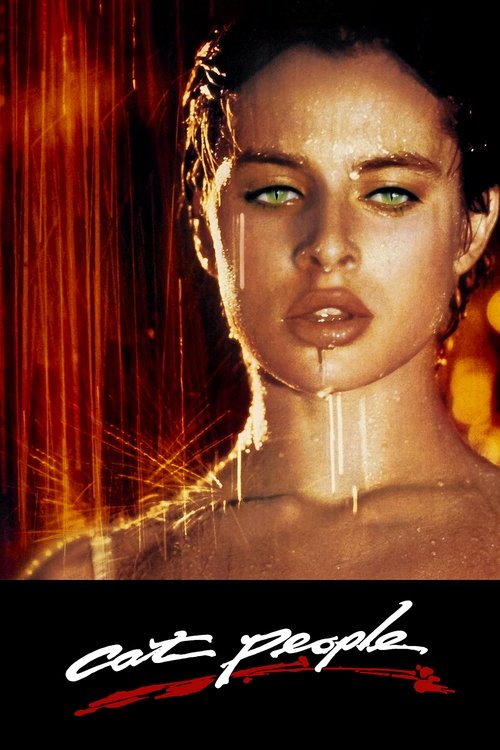
Cat People
1982After years of separation, Irena Gallier and her minister brother, Paul, reunite in New Orleans. When zoologists capture a wild panther, Irena is drawn to the cat – and zoo curator Oliver to her. Soon, Paul will have to reveal the family secret: that when sexually aroused, they revert into predatory jungle cats.
McDowell radiates a predatory, incestuous heat, trading his trademark hooliganism for a sleek and feline menace. He weaponizes his pale intensity to anchor the film's erotic weirdness, proving he could master a refined, soulful villainy far removed from the anarchic energy of his youth. It remains one of his most hauntingly physical turns, capturing a man perpetually coiled to strike.
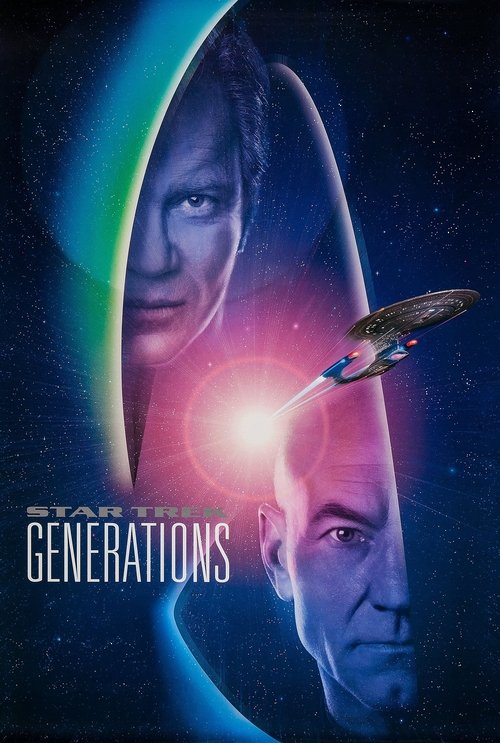
Star Trek: Generations
1994Captain Jean-Luc Picard and the crew of the Enterprise-D find themselves at odds with the renegade scientist Soran who is destroying entire star systems. Only one man can help Picard stop Soran's scheme...and he's been dead for seventy-eight years.
By technicality of being the man who slew a sci-fi legend, McDowell cemented his legacy as a formidable antagonist capable of Disrupting massive franchises. His Dr. Soran is fueled by a desperate, nihilistic grief that provides a grounded emotional weight to the film's cosmic stakes.
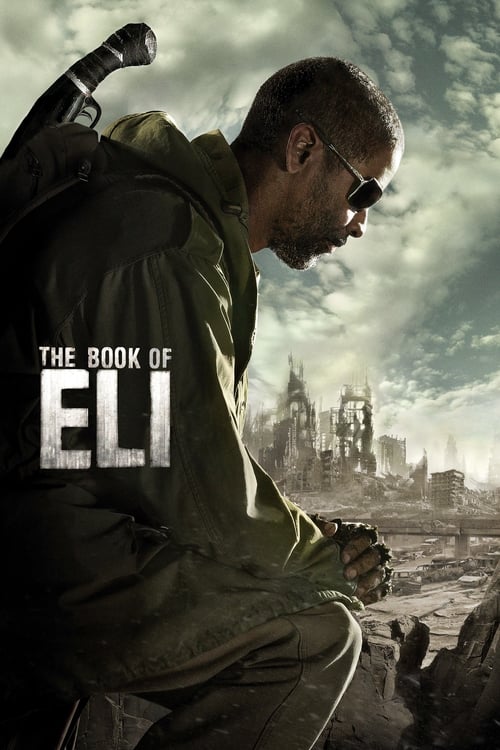
The Book of Eli
2010A post-apocalyptic tale, in which a lone man fights his way across America in order to protect a sacred book that holds the secrets to saving humankind.
McDowell brings a refined, obsessive quality to his role as a librarian of the apocalypse, making his intellectual hunger just as palpable as the physical violence surrounding him. He elevates the pulp material by portraying a man desperate to preserve the world's vanishing history.

Easy A
2010Olive, an average high school student, sees her below-the-radar existence turn around overnight once she decides to use the school's gossip grapevine to advance her social standing. Now her classmates are turning against her and the school board is becoming concerned, including her favorite teacher and the distracted guidance counselor. With the support of her hilariously idiosyncratic parents and a little help from a long-time crush, Olive attempts to take on her notorious new identity and crush the rumor mill once and for all.
As the sardonic voice of reason, McDowell provides the film with a necessary dry wit and paternal gravitas that grounds the chaotic energy of the high school setting. He proves that even in a supporting comedic capacity, his verbal precision remains unmatched.

Bombshell
2019Bombshell is a revealing look inside the most powerful and controversial media empire of all time; and the explosive story of the women who brought down the infamous man who created it.
Undergoing a startling physical transformation into Rupert Murdoch, McDowell suppresses his natural kinetic energy to embody the sluggish, calculated power of a media mogul. It is a masterclass in stillness and the quiet menace of institutional control.

The Artist
2011Hollywood, 1927: As silent movie star George Valentin wonders if the arrival of talking pictures will cause him to fade into oblivion, he sparks with Peppy Miller, a young dancer set for a big break.
Contributing to this silent-era homage, McDowell offers a seasoned, dignified presence that anchors the transition between Hollywood’s golden age and its modern evolution. His brief but textured appearance highlights his stature as a respected elder statesman of the screen.
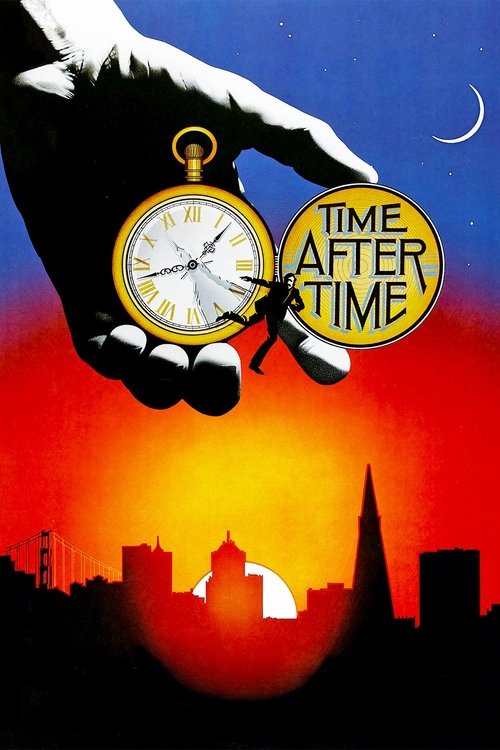
Time After Time
1979Writer H. G. Wells pursues Jack the Ripper to modern day San Francisco after the infamous serial killer steals his time machine to escape the 19th century.
Shedding his sinister mantle, McDowell radiates a surprising, soulful warmth as a fish-out-of-water H.G. Wells. This rare romantic turn demonstrated his ability to anchor a high-concept genre piece with genuine vulnerability and whimsical curiosity.
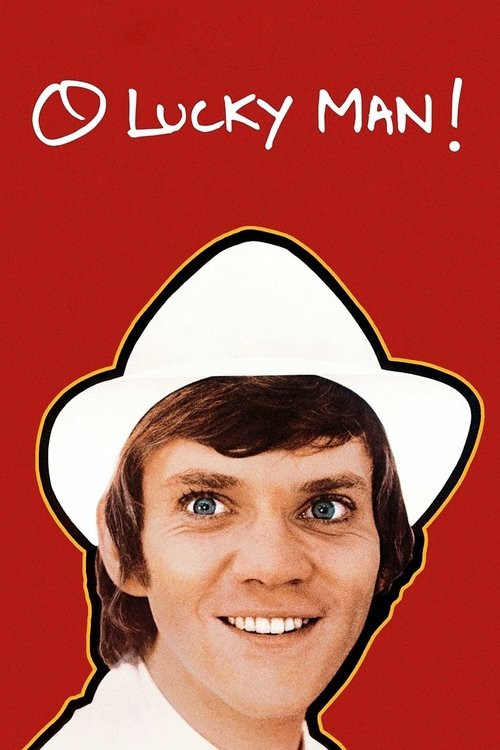
O Lucky Man!
1973An ambitious coffee salesman has a series of improbable and ironic adventures seemingly designed to challenge his naive idealism.
Spanning a picaresque odyssey of surrealist capitalism, McDowell navigates this three-hour epic with a nimble, wide-eyed adaptability that proves his range far exceeds mere villainy. His portrayal of Mick Travis’s evolution from naive salesman to enlightened cynic serves as the backbone of his most ambitious collaboration with Lindsay Anderson.
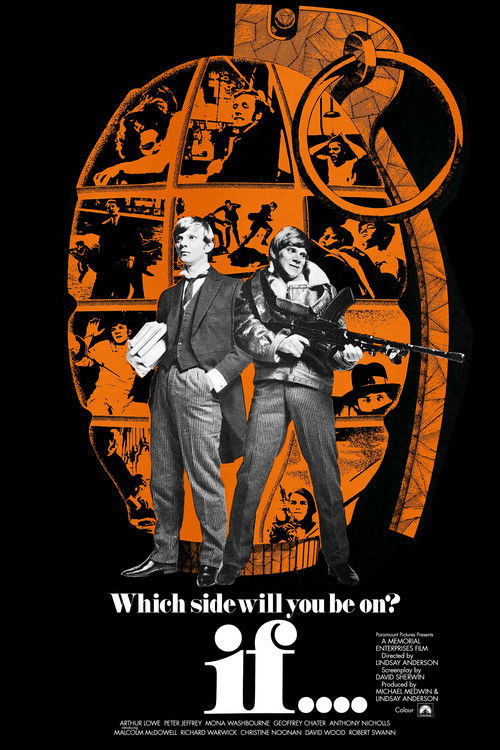
if....
1968In an English boys' boarding school, social hierarchy reigns supreme and power remains in the hands of distanced and ineffectual teachers and callously vicious prefects in the Upper Sixth. Three Lower Sixth students, Wallace, Johnny and leader Mick Travis decide on a shocking course of action to redress the balance of privilege once and for all.
In his incendiary breakout role, McDowell embodies the spirit of youthful insurrection with a cold, rebellious intensity that captures the boiling point of the late sixties. It is the crucial genesis of his career-long fascination with high-stakes defiance against stifling British institutions.
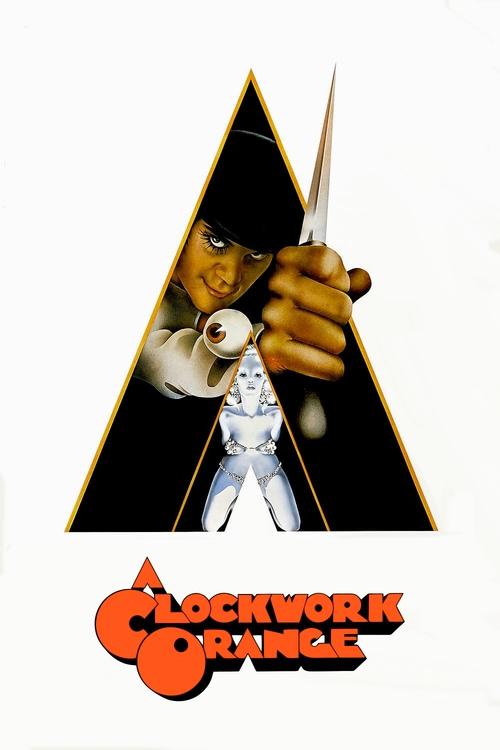
A Clockwork Orange
1971In a near-future Britain, young Alexander DeLarge and his pals get their kicks beating and raping anyone they please. When not destroying the lives of others, Alex swoons to the music of Beethoven. The state, eager to crack down on juvenile crime, gives an incarcerated Alex the option to undergo an invasive procedure that'll rob him of all personal agency. In a time when conscience is a commodity, can Alex change his tune?
McDowell’s Alex DeLarge remains the definitive portrait of the charismatic sociopath, a role that weaponized his piercing gaze and transformed him into a counterculture icon of choreographed ultraviolence. This performance did more than launch a career; it established a new, disturbing visual language for the cinematic antihero.
Frequently Asked Questions
Everything you need to know about this list and SnakeDrafts
- Malcolm McDowell's role in 'A Clockwork Orange,' directed by Stanley Kubrick, is a definitive masterpiece in both science fiction and crime genres. His portrayal of Alex DeLarge remains iconic for its unsettling and rebellious energy.
- Malcolm McDowell's work in Lindsay Anderson's films 'if....' and 'O Lucky Man!' showcased his versatility across drama, comedy, and fantasy. These films helped cement his reputation as a dynamically unpredictable actor willing to challenge traditional narratives.
- Malcolm McDowell stars in the adventure thriller 'Time After Time,' where he portrays a complex character in a story revolving around time travel and suspense. This film highlights his ability to blend drama with science fiction elements effectively.
- Yes, Malcolm McDowell has appeared in contemporary films like 'The Artist,' a critically acclaimed drama and comedy highlighting silent-era Hollywood, and 'Easy A,' a modern comedy showcasing his adaptability to diverse genres and audiences.
- In thrillers and action genres, Malcolm McDowell has portrayed characters in movies such as 'The Book of Eli,' an action-packed sci-fi thriller, and 'Blue Thunder,' which blends drama and intense action sequences. His performances often bring depth and a hint of menace to these roles.
- Indeed, films like 'O Lucky Man!' and 'The Player' feature Malcolm McDowell in roles that merge comedy, drama, mystery, and thriller elements. These films highlight his skill in navigating complex, multi-genre narratives with ease.
- Malcolm McDowell stars in 'Cat People,' a film that delves into horror and psychological thriller territory. His presence adds to the movie's eerie and suspenseful atmosphere, showcasing his ability to evoke tension and intrigue.