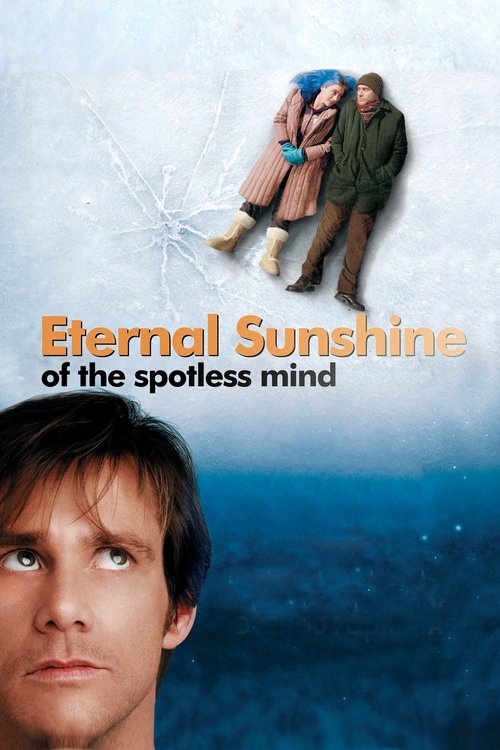
Eternal Sunshine of the Spotless Mind
"Eternal Sunshine of the Spotless Mind" is a visually inventive and emotionally profound exploration of love and memory, where cutting-edge science meets human vulnerability. This 2004 cult classic merges romance, science fiction, and drama to challenge how we perceive relationships and the pain of heartbreak.
Director
Michel Gondry
Release Year
2004
Runtime
108 minutes
Main Cast
Jim Carrey, Kate Winslet, Kirsten Dunst, Mark Ruffalo, Elijah Wood
About Eternal Sunshine of the Spotless Mind
Michel Gondry's "Eternal Sunshine of the Spotless Mind" stands out as a culturally significant film that delves into the complexities of romantic relationships through an unconventional narrative structure and imaginative visual storytelling. By blending surrealistic elements with grounded emotional performances, it opened up new possibilities for how love stories could be told on screen.
The film follows Joel Barish as he discovers his ex-girlfriend Clementine underwent a procedure to erase memories of him from her mind. In response, Joel elects to undergo the same process, only to find himself resisting the fading of their shared past as he relives their memories in reverse. This premise invites viewers to consider the remnants of love and regret that persist even after we try to forget.
Critically acclaimed for its innovative screenplay by Charlie Kaufman and the heartfelt performances by Jim Carrey and Kate Winslet, the movie has been praised for its emotional depth and originality. Its thoughtful exploration of memory and identity garnered numerous accolades, including an Academy Award for Best Original Screenplay. Over time, it has grown in stature as a touchstone for films blending genre and emotional resonance.
The legacy of "Eternal Sunshine of the Spotless Mind" endures through its impact on both filmmaking and popular culture. It revolutionized how stories about memory and relationships could be told, inspiring a generation of filmmakers to experiment with narrative form while maintaining emotional authenticity. Its iconic imagery and memorable quotes continue to resonate with audiences worldwide.
Drafts Featuring Eternal Sunshine of the Spotless Mind
Every SnakeDrafts listicle where this movie appears
The Best Jim Carrey Movies Ranked
Ranked #6
The Definitive Kirsten Dunst Movie Ranking
Ranked #1
The Best Kate Winslet Movies Ranked
Ranked #2
The Best Mark Ruffalo Movies Ranked
Ranked #8
The Essential Elijah Wood Movie Ranking: From Child Star to Genre Icon
Ranked #4
Top Romance Movies Ranked
Ranked #4
Top Drama Movies Ranked
Ranked #15
Top 2000s Movies Ranked
Ranked #9
Best 2004 SciFi Movies Ranked
Ranked #1
The Greatest Films of 2004
Ranked #1
The Best 2000s SciFi Movies Ranked
Ranked #5
Similar Movies
Movies related to Eternal Sunshine of the Spotless Mind



Frequently Asked Questions
Everything you need to know about Eternal Sunshine of the Spotless Mind
- The title "Eternal Sunshine of the Spotless Mind" is derived from Alexander Pope's poem, symbolizing the peaceful state of forgetting painful memories. It reflects the film's central theme of whether erasing memories can truly bring happiness or if the pain of love is an essential part of the human experience.
- The film employs surreal and fragmented visuals to mimic the experience of memory erasure and distortion. These creative visual effects reinforce the emotional confusion Joel experiences as his memories of Clementine are systematically deleted, deepening the audience's immersion in his inner world.
- Joel and Clementine’s relationship embodies the complexities and imperfections of love. Their journey highlights themes of pain, forgiveness, and the desire to hold on to memories despite their hardships, suggesting that love is worth preserving even with its flaws.
- Memory is depicted as a double-edged sword; while it preserves moments of joy and identity, it also traps individuals in pain and regret. The film explores whether erasing painful memories truly frees people or strips away elements of self and connection.
- There are no major controversies associated with "Eternal Sunshine of the Spotless Mind." However, some viewers have debated the ethical implications of memory erasure depicted in the story, sparking philosophical discussions about consent and identity.
- Supporting characters like Mary, Stan, and Patrick add depth by showcasing different perspectives on love and memory. They also illustrate how interpersonal dynamics can be complicated by ethical choices related to the memory-erasing technology.
- The ending is intentionally ambiguous, suggesting that Joel and Clementine may choose to try their relationship again despite knowing their flaws. This openness reflects the film's message that love involves risks and acceptance rather than perfect memories.
- By using the concept of a scientific procedure to erase memories, the film grounds its emotional drama in speculative technology. This blend allows it to explore psychological themes like heartbreak and self-identity in a fresh, imaginative context.
- Memorable lines include Clementine’s reflection, "Meet me in Montauk," and the philosophical "Blessed are the forgetful, for they get the better even of their blunders," which encapsulate the film’s contemplative tone on memory and love.
- Yes, the film won the Academy Award for Best Original Screenplay, highlighting Charlie Kaufman’s inventive storytelling and the film’s lasting impact on narratives about relationships and memory.

