The Best James Stewart Movies Ranked
The Definitive Filmography of an American Icon
Explore the finest films of James Stewart, from Hitchcock thrillers and Capra classics to grit-filled Westerns that defined Hollywood's Golden Age.
About James Stewart
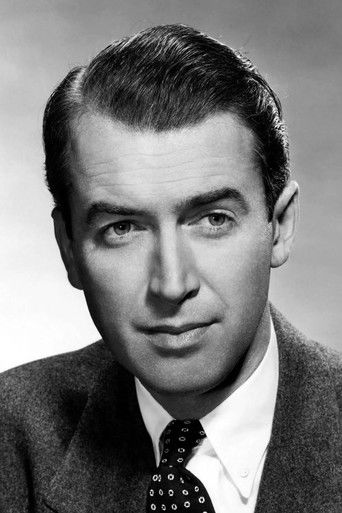
In the golden era of the Hollywood studio system, James Stewart occupied a space that no other leading man could quite touch. He was the tall, gangly personification of the American conscience, a performer who turned a hesitant drawl and a nervous hitch into a visual language of decency. While contemporaries like Gable or Grant played characters who reigned over their worlds, he played men who were often just trying to survive them. He became the audience's surrogate, the man we trusted to tell us the truth even when his voice cracked under the pressure of it.
That sincerity defined the first act of his career, peaking with his portrayal of idealistic crusaders. In Mr. Smith Goes to Washington, he transformed a political thriller into a grueling marathon of the spirit, proving that a lone voice could hold the floor against a corrupt machine. His early collaborations with Frank Capra, including the whimsical You Can't Take It with You, solidified his status as a champion of the common person. Even when he pivot towards sophisticated comedy, as he did alongside Katharine Hepburn in The Philadelphia Story or in the delicate, letter-writing romance of The Shop Around the Corner, he retained a grounded humanity that made him accessible. He wasn't a distant god; he was the neighbor you hoped would win.
The post war years shifted something behind those famous blue eyes. After returning from real world combat, Stewart traded his boyish optimism for a haunting complexity that redefined his legacy. This dark evolution found its perfect match in Alfred Hitchcock. In Rear Window, he became a voyeuristic observer trapped by his own physical limitations, and in Vertigo, he delivered a performance of terrifying obsession that stripped away his nice guy persona. He was no longer just the hero; he was a man frayed at the edges, dealing with psychological ghosts. This grit extended into his Westerns too. Films like Winchester 73 and The Man from Laramie abandoned the glossy tropes of the genre in favor of a hard bitten realism, showing a man capable of violence when pushed to his limit.
Despite this flirtation with the shadows, the world will always return to him as George Bailey in It is a Wonderful Life. It is perhaps the most enduring performance in cinema history because it captures the totality of his range: the frustrated ambition, the suicidal despair, and the eventual, tearful redemption. He had a unique ability to make the act of being an ordinary man feel like an epic struggle. Whether he was defending a murderer in Anatomy of a Murder, debating an invisible rabbit in Harvey, or standing his ground against the lawlessness of the old west in The Man Who Shot Liberty Valance, he remained the emotional anchor of the story. Stewart did not just act out a script. He invited the world to experience the quiet dignity of a life well lived, leaving behind a body of work that feels less like a filmography and more like a collective memory of the American heart.
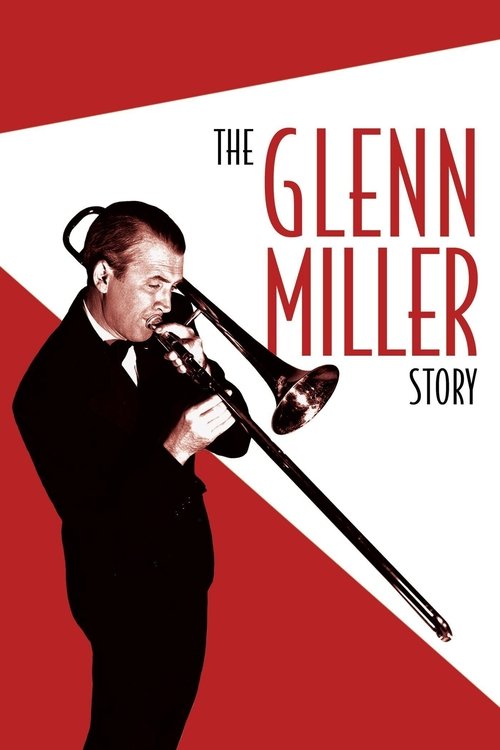
The Glenn Miller Story
1954A vibrant tribute to one of America's legendary bandleaders, charting Glenn Miller's rise from obscurity and poverty to fame and wealth in the early 1940s.
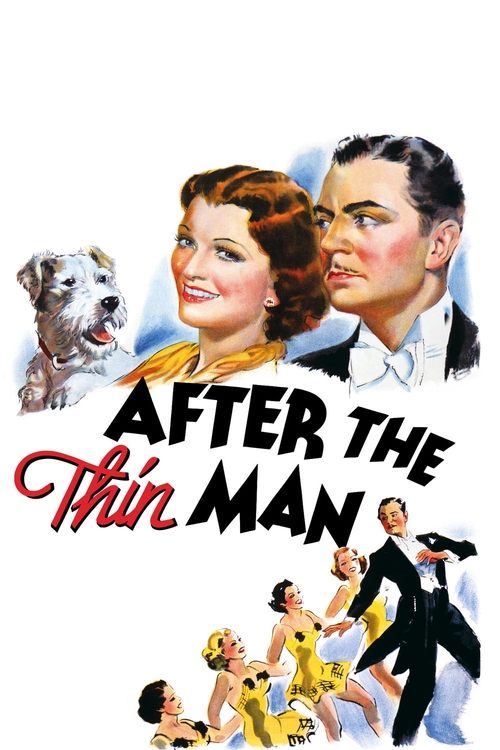
After the Thin Man
1936Nick and Nora Charles investigate when Nora's cousin reports her disreputable husband is missing, and find themselves in a mystery involving the shady owners of a popular nightclub, a singer and her dark brother, the cousin's forsaken true love, and Nora's bombastic and controlling aunt.
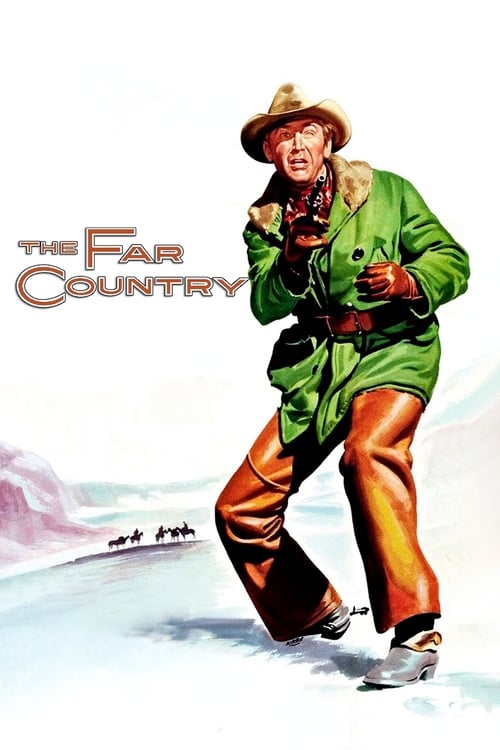
The Far Country
1954During the Klondike Gold Rush, a misanthropic cattle driver and his talkative elderly partner run afoul of the law in Alaska and are forced to work for a saloon owner to take her supplies into a newly booming but lawless Candian town.
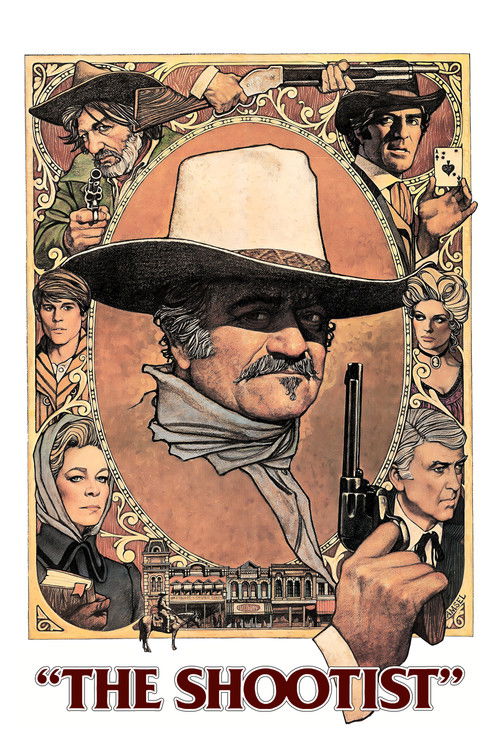
The Shootist
1976Afflicted with a terminal illness John Bernard Books, the last of the legendary gunfighters, quietly returns to Carson City for medical attention from his old friend Dr. Hostetler. Aware that his days are numbered, the troubled man seeks solace and peace in a boarding house run by a widow and her son. However, it is not Books' fate to die in peace, as he becomes embroiled in one last valiant battle.
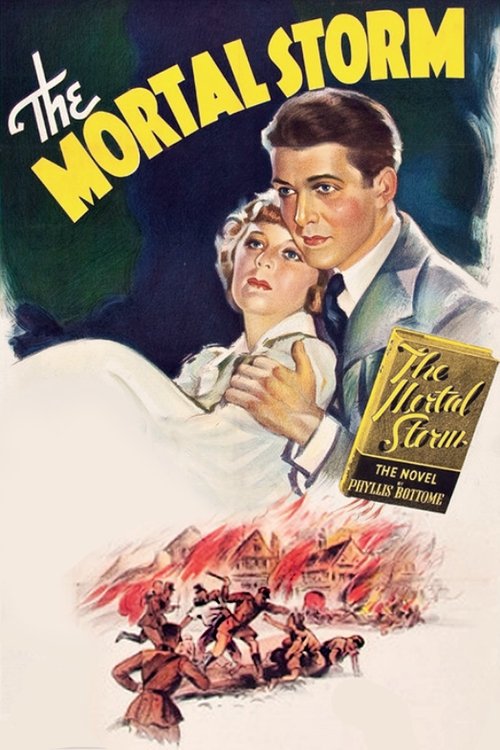
The Mortal Storm
1940The Roth family leads a quiet life in a small village in the German Alps during the early 1930s. After the Nazis come to power, the family is divided and Martin Breitner, a family friend, is caught up in the turmoil.
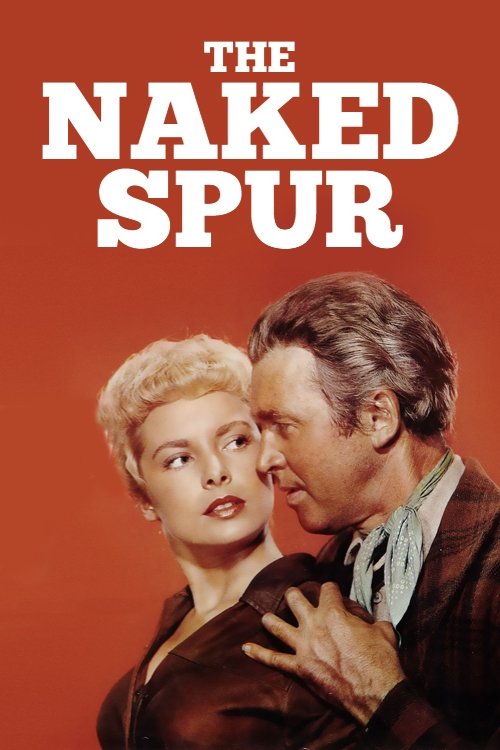
The Naked Spur
1953A bounty hunter trying to bring a murderer to justice is forced to accept the help of two less-than-trustworthy strangers.
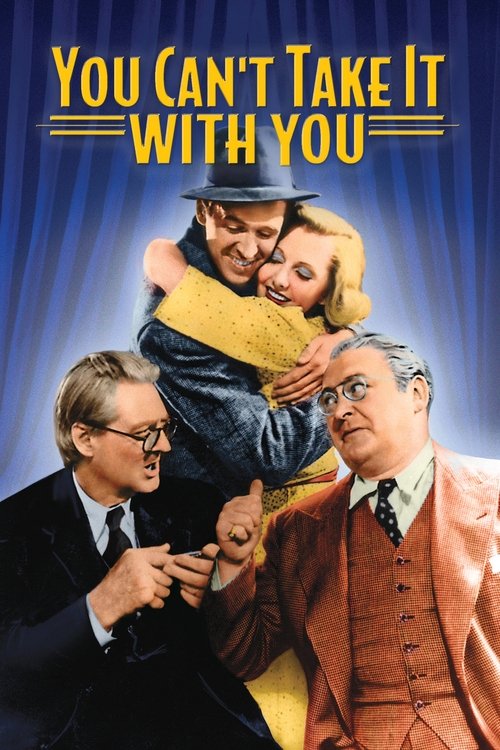
You Can't Take It with You
1938Alice, the only relatively normal member of the eccentric Sycamore family, falls in love with Tony Kirby, but his wealthy banker father and snobbish mother strongly disapprove of the match. When the Kirbys are invited to dinner to become better acquainted with their future in-laws, things don't turn out the way Alice had hoped.
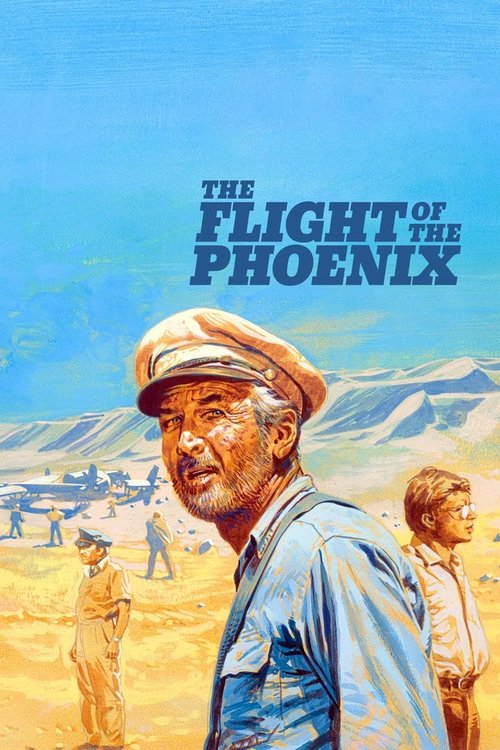
The Flight of the Phoenix
1965A cargo aircraft crashes in a sandstorm in the Sahara with less than a dozen men on board. One of the passengers is an airplane designer who comes up with the idea of ripping off the undamaged wing and using it as the basis for a replacement aircraft they need to build before their food and water run out.
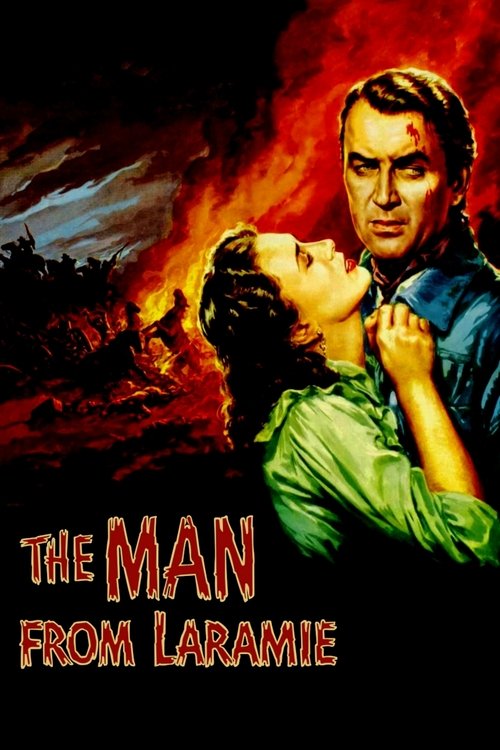
The Man from Laramie
1955Will Lockhart arrives in Coronado, an isolated town in New Mexico, in search of someone who sells rifles to the Apache tribe, finding himself unwillingly drawn into the convoluted life of a local ranching family whose members seem to have a lot to hide.
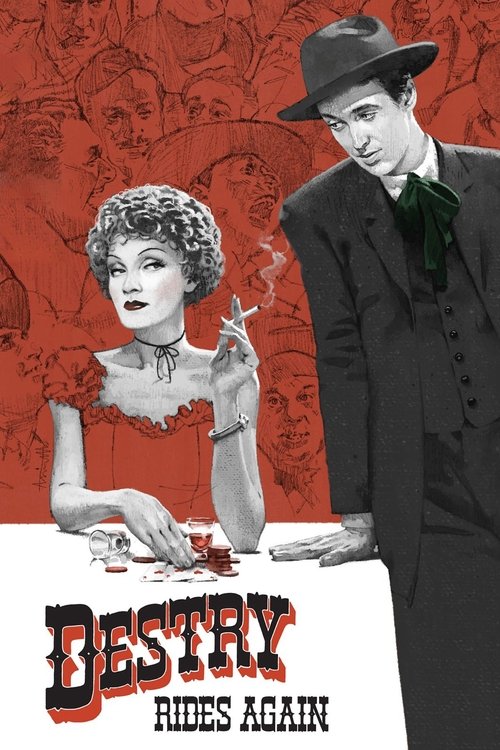
Destry Rides Again
1939Tom Destry, son of a legendary frontier peacekeeper, doesn’t believe in gunplay. Thus he becomes the object of widespread ridicule when he rides into the wide-open town of Bottleneck, the personal fiefdom of the crooked Kent.
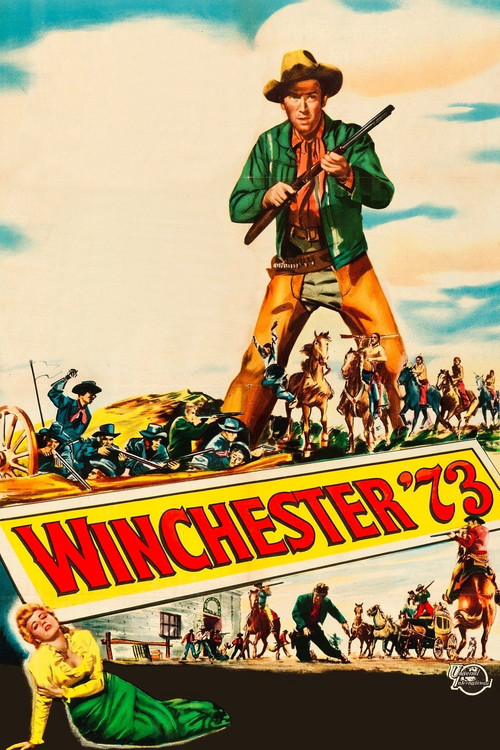
Winchester '73
1950Lin McAdam rides into town on the trail of Dutch Henry Brown, only to find himself in a shooting competition against him. McAdam wins the prize, a one-in-a-thousand Winchester rifle, but Dutch steals it and leaves town. McAdam follows, intent on settling his old quarrel, while the rifle keeps changing hands and touching a number of lives.
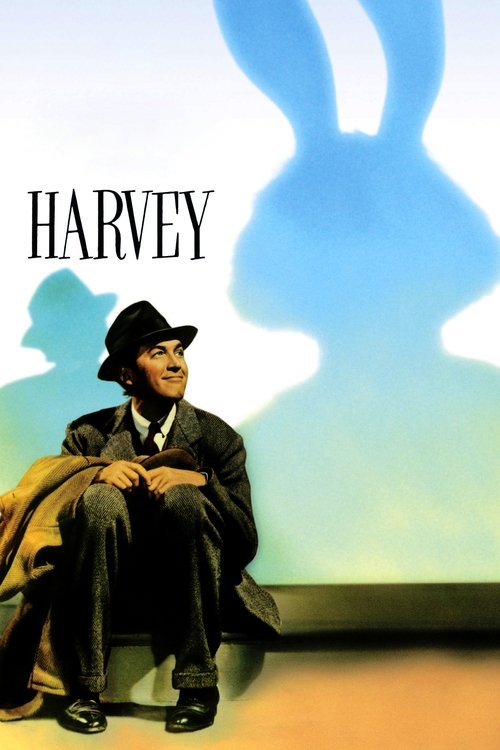
Harvey
1950The story of Elwood P. Dowd who makes friends with a spirit taking the form of a human-sized rabbit named Harvey that only he sees (and a few privileged others on occasion also.) After his sister tries to commit him to a mental institution, a comedy of errors ensues. Elwood and Harvey become the catalysts for a family mending its wounds and for romance blossoming in unexpected places.
Stewart brings an ethereal, gentle quality to a role that could have easily become a caricature of eccentricity. His unwavering conviction makes the invisible tangible, asserting his unique power to evoke profound empathy through pure technical sincerity.
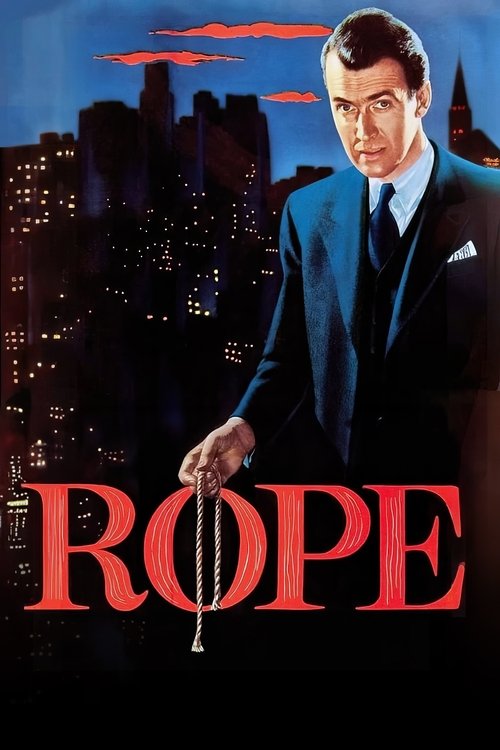
Rope
1948Two young men attempt to prove they committed the perfect murder by hosting a dinner party for the family of a classmate they just strangled to death.
Casting Stewart as the progenitor of an intellectual murder plot was a bold subversion of his perceived moral compass. He navigates the claustrophobic setting with a growing sense of horrified realization that highlights his capacity for internal drama.
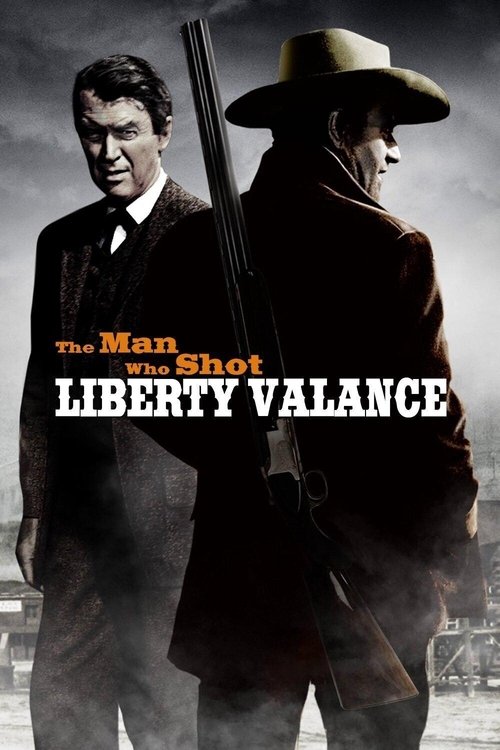
The Man Who Shot Liberty Valance
1962Questions arise when Senator Stoddard attends the funeral of a local man named Tom Doniphon in a small Western town. Flashing back, we learn Doniphon saved Stoddard, then a lawyer, when he was roughed up by a crew of outlaws terrorizing the town, led by Liberty Valance. As the territory's safety hung in the balance, Doniphon and Stoddard, two of the only people standing up to him, proved to be very important, but different, foes to Valance.
The film utilizes Stewart's aging features to represent the civilizing force of law in a dying frontier. He provides the intellectual weight necessary to challenge the traditional myths of the Western genre through a performance of quiet dignity.
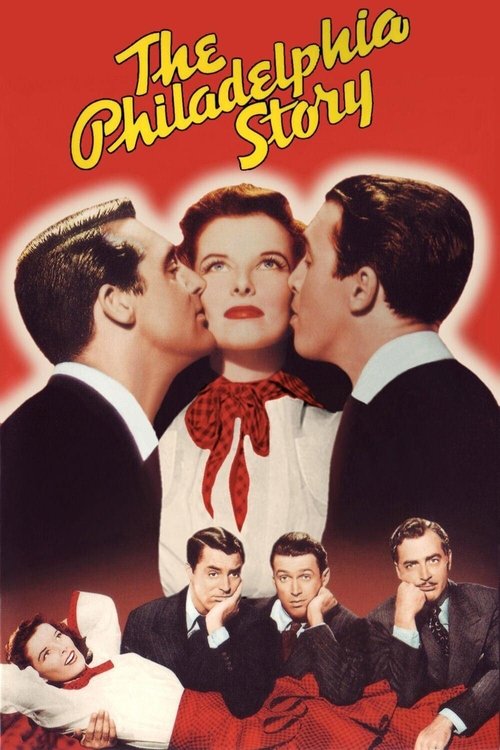
The Philadelphia Story
1940When a rich woman's ex-husband and a tabloid-type reporter turn up just before her planned remarriage, she begins to learn the truth about herself.
Stewart proves his versatility as a fast-talking, skeptical reporter, a role that earned him an Oscar for his ability to hold his own against Hollywood's most formidable wits. His drunk scene is a particular highlight, showcasing a loose and improvisational side to his screen persona.
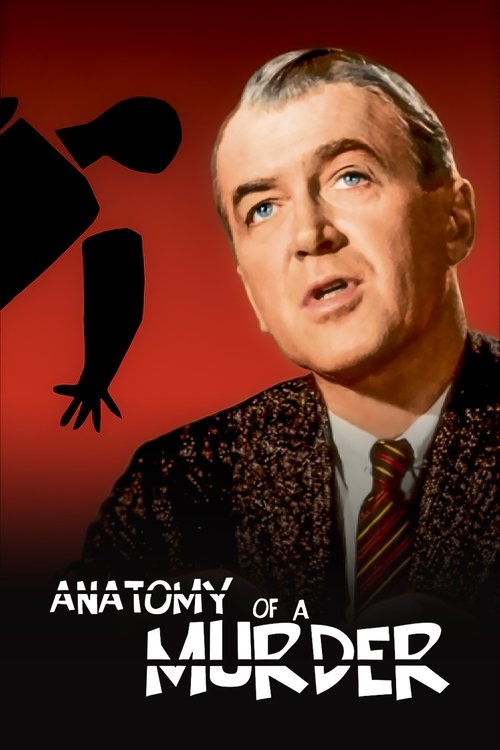
Anatomy of a Murder
1959Semi-retired Michigan lawyer Paul Biegler takes the case of Army Lt. Manion, who murdered a local innkeeper after his wife claimed that he raped her. Over the course of an extensive trial, Biegler parries with District Attorney Lodwick and out-of-town prosecutor Claude Dancer to set his client free, but his case rests on the victim's mysterious business partner, who's hiding a dark secret.
As a clever small-town lawyer, Stewart trades sentimentality for a shrewd, calculating intellect that keeps the audience guessing. This role marked his transition into mature, authoritative figures who commanded the screen with a weary but sharp precision.
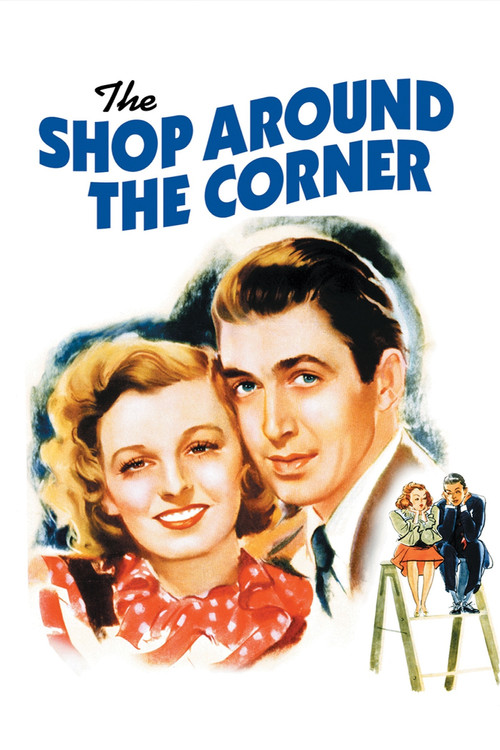
The Shop Around the Corner
1940Two employees at a gift shop can barely stand one another, without realising that they are falling in love through the post as each other's anonymous pen pal.
In this exercise in understated charm, Stewart highlights his impeccable comedic timing through small gestures and subtle vocal inflections. He balances romantic frustration and genuine warmth without ever sliding into melodrama.
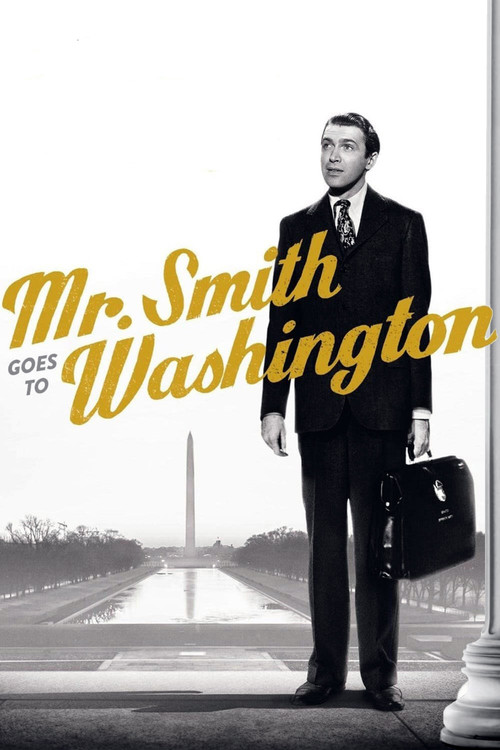
Mr. Smith Goes to Washington
1939After the death of a United States Senator, idealistic Jefferson Smith is appointed as his replacement in Washington. Soon, the naive and earnest new senator has to battle political corruption.
Stewart captures the frantic energy of a political novice with a stammering, wide-eyed sincerity that became his early career trademark. His grueling final monologue stands as a quintessential display of sheer exhaustion and righteous indignation.
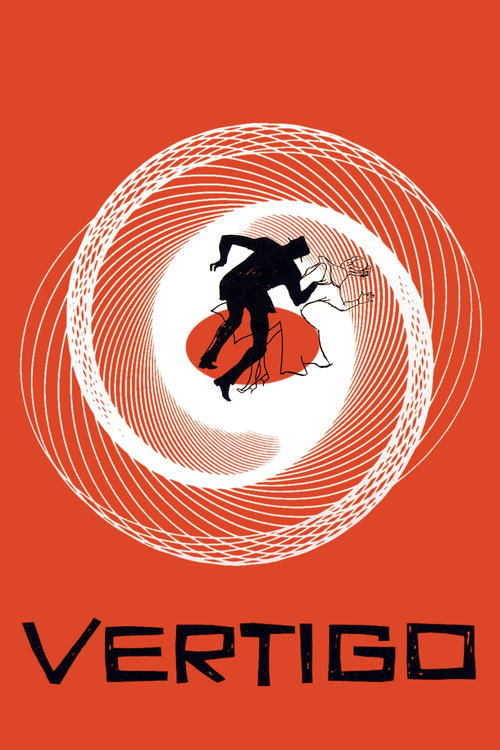
Vertigo
1958A retired San Francisco detective suffering from acrophobia investigates the strange activities of an old friend's wife, all the while becoming dangerously obsessed with her.
The actor shatters his own wholesome image by leaning into a disturbing, manic fixatedness that revealed a new psychological depth. It is a haunting turn that forced audiences to reconcile their favorite Everyman with the chilling reality of a fractured psyche.
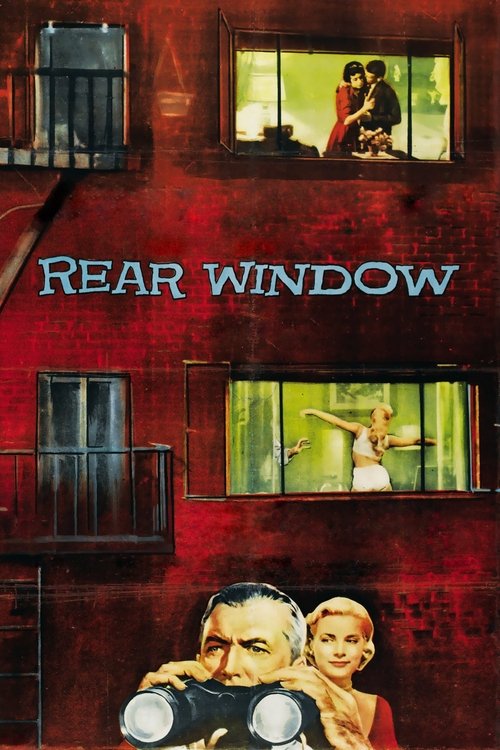
Rear Window
1954A wheelchair-bound photographer spies on his neighbors from his apartment window and becomes convinced one of them has committed murder.
Confined to a wheelchair, Stewart demonstrates incredible physical restraint by channeling his entire performance through a voyeuristic gaze. His ability to project mounting obsession and vulnerability solely through facial reactions remains a masterclass in reactionary acting.
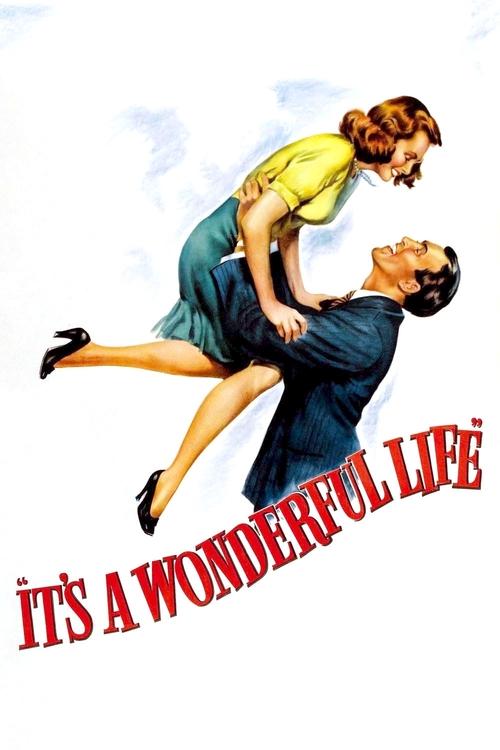
It's a Wonderful Life
1946George Bailey has spent his entire life giving to the people of Bedford Falls. All that prevents rich skinflint Mr. Potter from taking over the entire town is George's modest building and loan company. But on Christmas Eve the business's $8,000 is lost and George's troubles begin.
Stewart weaponizes his natural affability to portray a man pushed to the brink of spiritual exhaustion. This performance serves as the definitive bridge between his youthful idealism and the darker, more cynical gravitas that would define his post-war career.
Frequently Asked Questions
Everything you need to know about this list and SnakeDrafts
- It's a Wonderful Life is widely regarded as a quintessential Christmas movie due to its heartwarming story of community, sacrifice, and hope. Directed by Frank Capra, it showcases Stewart's everyman charm and emotional depth, making it a timeless holiday favorite.
- Stewart's work with Hitchcock, especially in films like Rear Window and Vertigo, elevated his status as a versatile actor capable of suspense and psychological complexity. These thrillers highlighted his ability to portray vulnerability and tension, distinguishing him from his earlier, more straightforwardly heroic roles.
- In his Westerns such as The Man Who Shot Liberty Valance and Winchester '73, Stewart often played characters grappling with justice, morality, and change in the Old West. These films blend grit with introspection, reflecting broader American ideals and the complexities of frontier life.
- Films like Mr. Smith Goes to Washington and The Philadelphia Story demonstrate Stewart's ability to navigate both comedic timing and dramatic intensity. These performances reveal his talent for portraying earnest, relatable characters who engage audiences emotionally and intellectually.
- Anatomy of a Murder is notable for its mature and nuanced portrayal of the legal system, with Stewart delivering a compelling performance as an inquisitive defense lawyer. This film blends crime, drama, and mystery, showcasing Stewart's skill in more serious, layered roles beyond his earlier heroic image.
- Stewart's authentic, relatable portrayals brought a sense of sincerity and moral complexity to classic films, resonating with audiences across generations. His contributions in a range of genres—from fantasy and comedy to thrillers and Westerns—helped define the Golden Age of Hollywood cinema.
- In Harvey, Stewart plays Elwood P. Dowd, a man whose best friend is an invisible six-foot-tall rabbit. This role highlights Stewart's talent for blending whimsy with sincerity, contributing to the film's status as a beloved fantasy-comedy classic.