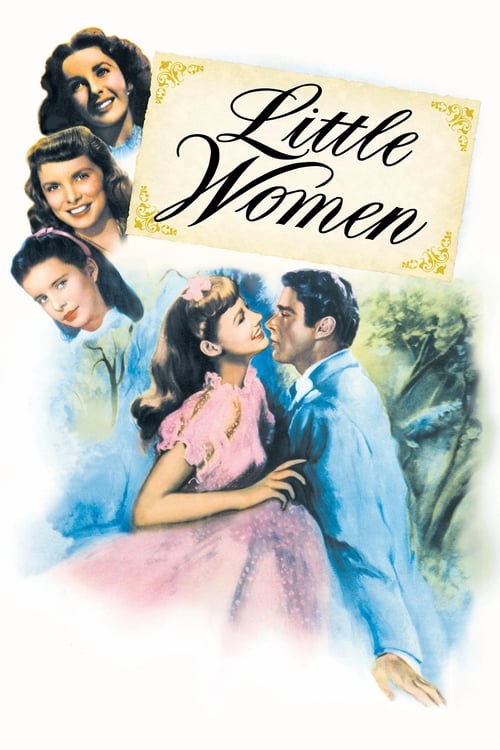
Little Women
Immerse yourself in the heartwarming world of the March sisters as they navigate love, loss, and self-discovery in post-Civil War America. This timeless adaptation of Louisa May Alcott's beloved novel beautifully captures the spirit of family, ambition, and the enduring power of dreams. Experience a classic tale brought to life with an all-star cast, offering a poignant and inspiring cinematic journey for all ages.
Director
Mervyn LeRoy
Release Year
1949
Runtime
121 minutes
Main Cast
June Allyson, Peter Lawford, Margaret O'Brien, Elizabeth Taylor, Janet Leigh
About Little Women
Mervyn LeRoy's 1949 adaptation of "Little Women" stands as a vibrant cornerstone in the cinematic history of Louisa May Alcott's enduring novel. Released by MGM, this Technicolor production brought the beloved March sisters to a new generation, solidifying the story's place in popular culture. The film's rich visual style and heartfelt performances contributed significantly to its initial success and continued appeal, capturing the essence of 19th-century New England life with both charm and gravitas.
The film centers on the lives of four sisters—Meg, Jo, Beth, and Amy March—as they grow from adolescence into womanhood during and after the American Civil War. With their father away at war, the girls, under the guidance of their strong and loving Marmee, learn valuable lessons about charity, love, and independence. The narrative explores their individual dreams and personalities: Jo's aspirations as a writer, Meg's desire for a traditional family, Beth's quiet devotion, and Amy's artistic ambitions. The story unfolds with a gentle pacing, allowing audiences to become deeply invested in the sisters' everyday joys and sorrows without revealing specific plot points.
Upon its release, "Little Women" garnered widespread critical acclaim, particularly for its lush production design and the performances of its ensemble cast, which included rising stars like Elizabeth Taylor and established talents such as June Allyson and Peter Lawford. The film was praised for its faithful rendition of Alcott's classic, effectively translating the novel's themes of domesticity, female empowerment, and moral fortitude to the big screen. Its commercial success further cemented the story's status as a perennial favorite.
Beyond its initial reception, the 1949 "Little Women" has maintained a significant legacy, often cited as one of the most iconic adaptations of the novel. It received nominations for several Academy Awards, winning for Best Art Direction-Set Decoration, Color. Its enduring appeal lies in its sincere portrayal of familial bonds, the challenges of growing up, and the pursuit of individual passions against societal expectations. The film continues to resonate with audiences, offering a comforting and inspiring vision of sisterhood and the pursuit of a meaningful life.
Drafts Featuring Little Women
Every SnakeDrafts listicle where this movie appears
Similar Movies
Movies related to Little Women


Frequently Asked Questions
Everything you need to know about Little Women
- In the 1949 adaptation, Jo March's passionate pursuit of a writing career and her disdain for conventional female roles were portrayed as both admirable and a source of internal conflict. Her desire for independence and literary success stood in contrast to the era's expectations for women, making her a relatable figure for audiences who championed breaking barriers. The film highlights her struggle to reconcile her artistic aspirations with societal pressures.
- The initial Christmas scene in the 1949 "Little Women" beautifully establishes the March family's strong moral compass and their spirit of generosity despite their limited means. By selflessly donating their Christmas breakfast to a poorer family, the sisters exemplify Marmee's teachings on compassion and kindness. This pivotal moment sets the tone for their values and foreshadows their compassionate nature throughout the film.
- Beth March, portrayed with gentle sincerity, embodies quiet strength through her unwavering kindness, musical talent, and selfless nature. Despite her delicate health, her spirit of unconditional love and her devotion to her family serve as a profound emotional anchor. Her presence profoundly influences her sisters, particularly Jo, highlighting the often-understated power of gentle souls.
- Laurie, the charming and wealthy neighbor, acts as a catalyst for the March sisters' self-discovery, particularly for Jo. His close friendship and eventual marriage proposals force Jo to confront her own desires for independence versus companionship, ultimately solidifying her commitment to her artistic path. For Amy, his character represents both a youthful crush and later, a mature understanding of love and partnership.
- The 1949 "Little Women" powerfully conveys the message that sisterhood is a complex yet unwavering bond built on shared experiences, mutual support, and unconditional love. Despite their distinct personalities and occasional disagreements, the March sisters consistently prioritize each other's well-being and happiness. The film emphasizes that their collective strength and individual growth are inextricably linked to their familial ties.

