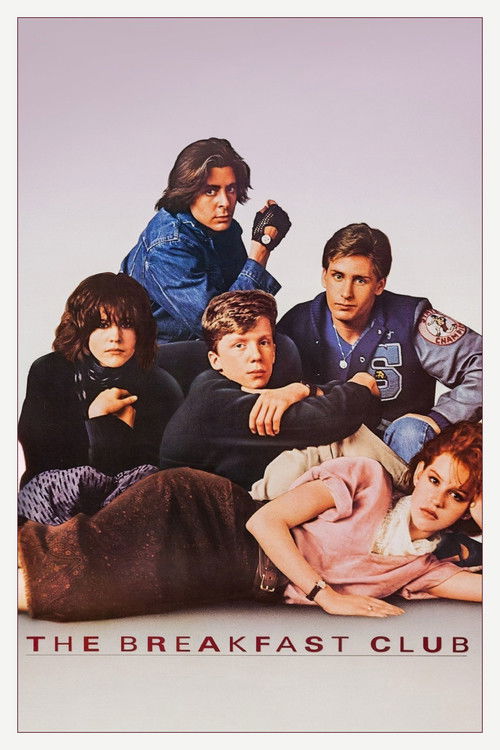
The Breakfast Club
Explore the enduring appeal of "The Breakfast Club," a quintessential 80s film that masterfully dissects the cliques and anxieties of high school life. This iconic John Hughes creation continues to resonate, offering a timeless look at self-discovery and the unexpected bonds forged in unlikely circumstances. Discover why this cinematic touchstone remains a must-watch for generations grappling with identity and belonging.
Director
John Hughes
Release Year
1985
Runtime
98 minutes
About The Breakfast Club
John Hughes’ "The Breakfast Club," released in 1985, transcends its simple premise of Saturday detention to become a cultural phenomenon. It masterfully captures the essence of adolescent angst and the rigid social structures within high school. The film's influence is undeniable, shaping how subsequent generations and filmmakers depicted teen life and struggles.
The narrative unfolds as five seemingly disparate students—a brain, an athlete, a basket case, a princess, and a criminal—are forced to spend a day together in detention. Through their raw and honest interactions, the film strips away their preconceived notions and reveals the shared vulnerabilities beneath their social facades. This premise allows for a deeply human exploration of identity, peer pressure, and the yearning for understanding without resorting to typical teen movie tropes.
Critically acclaimed for its sharp dialogue and poignant performances, "The Breakfast Club" garnered significant praise for its realistic portrayal of teenage emotions. It was lauded for giving a voice to the often-misunderstood youth, with critics highlighting its ability to tackle serious themes like parental pressure, self-worth, and social alienation with both humor and sensitivity. The film’s lasting legacy includes its induction into the National Film Registry due to its cultural, historical, and aesthetic significance.
The movie's enduring impact can be seen in its continuous relevance to new audiences. Its exploration of identity and the breaking down of stereotypes remains powerful. "The Breakfast Club" isn't just a film about a single Saturday; it's a timeless commentary on the universal experience of growing up and realizing that everyone, regardless of their social label, carries their own burdens and desires. Its clever blend of comedy and drama ensures its place as a cherished classic in cinematic history.
Drafts Featuring The Breakfast Club
Every SnakeDrafts listicle where this movie appears
The Best Emilio Estevez Movies
Ranked #1
The Best Anthony Michael Hall Films
Ranked #1
The Best Ally Sheedy Movies Ranked
Ranked #1
The Best Molly Ringwald Movies
Ranked #1
Best Judd Nelson Movies Ranked
Ranked #1
1985's Best Movies Ranked
Ranked #2
The Greatest 1980s Comedy Movies Ranked
Ranked #19
The Best Movies of the 1980s Ranked
Ranked #11
Similar Movies
Movies related to The Breakfast Club

Ferris Bueller's Day Off
1986
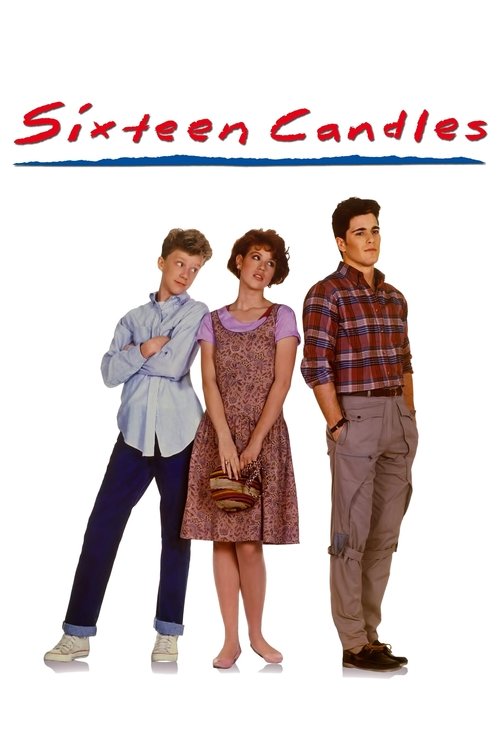
Sixteen Candles
1984
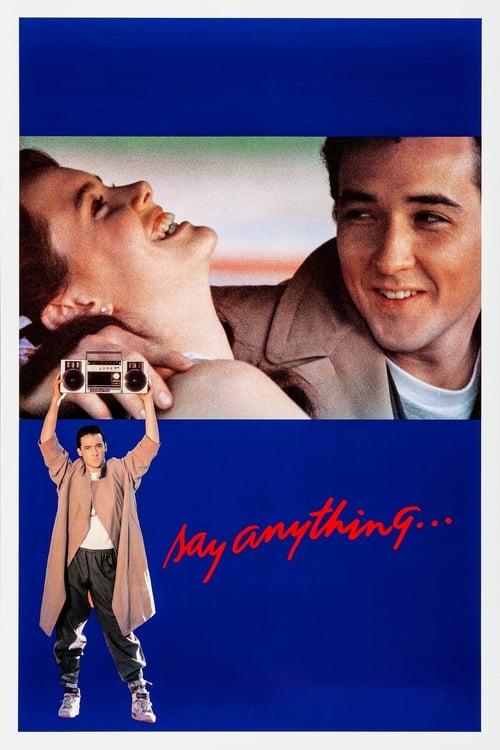
Say Anything...
1989
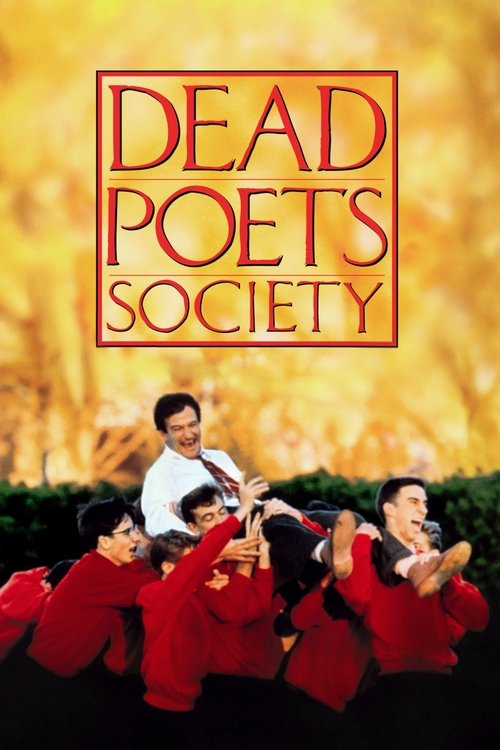
Dead Poets Society
1989
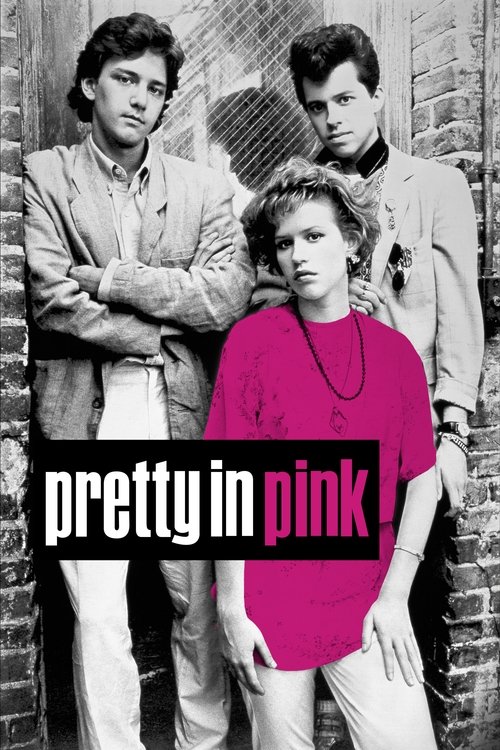
Pretty in Pink
1986
Frequently Asked Questions
Everything you need to know about The Breakfast Club
- The film deliberately uses archetypes—the Brain, Athlete, Basket Case, Princess, and Criminal—to represent common high school stereotypes. However, it then deconstructs these roles, showing the complexities and insecurities hidden beneath each facade, highlighting that people are more than their labels.
- The library acts as a crucible, a contained environment where the characters are forced to confront each other and themselves without the distractions of their usual social settings. This isolation fosters introspection and allows for the breaking down of social barriers, emphasizing the film's themes of confinement and eventual liberation through understanding.
- Allison's makeover isn't necessarily about conforming, but rather about challenging perceptions. It symbolizes her willingness to engage with the others and her desire to be seen in a different light, though some interpretations view it as a problematic message about needing to change for acceptance. It sparks conversation about authenticity versus societal expectations.
- Bender's aggressive behavior towards Principal Vernon stems from a deep-seated resentment of authority figures, likely fueled by his own abusive home life. His constant defiance is a way of asserting his independence and striking back at a system he feels has unfairly judged and labeled him.
- The final essay, read by Brian, encapsulates the film's core message: that beneath the superficial labels and social divisions, all adolescents share common struggles and hopes. It's a plea for adults to recognize the complexity of teenage identity and a powerful statement on the importance of empathy and understanding among peers.

