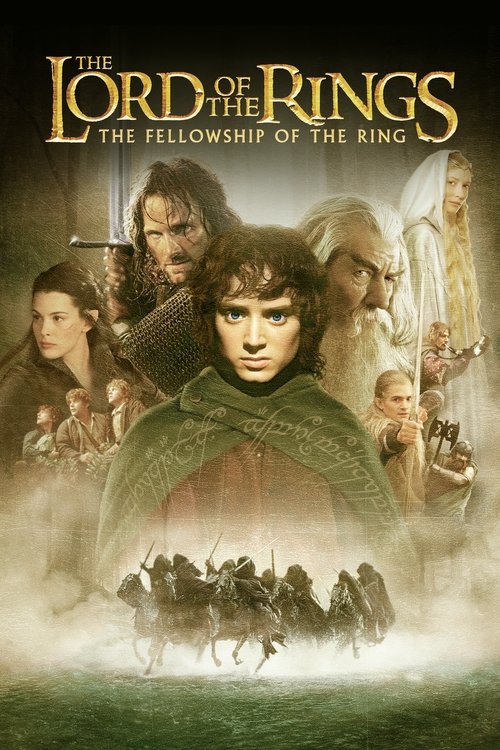
The Lord of the Rings: The Fellowship of the Ring
Embark on an epic journey to Middle-earth, where a seemingly simple hobbit is thrust into a monumental quest to save all free peoples. "The Lord of the Rings: The Fellowship of the Ring" is an unparalleled cinematic achievement that redefines the fantasy genre and sets the stage for an unforgettable saga. Discover how an ancient power, a fellowship of diverse heroes, and the bonds of friendship ignite a timeless battle against encroaching darkness.
Director
Release Year
2001
Runtime
179 minutes
Genres
Adventure, Fantasy, Action
Main Cast
Elijah Wood, Ian McKellen, Viggo Mortensen, Sean Astin, Ian Holm
About The Lord of the Rings: The Fellowship of the Ring
Peter Jackson's "The Lord of the Rings: The Fellowship of the Ring" exploded onto screens in 2001, forever changing the landscape of fantasy cinema. This initial installment of the beloved trilogy, based on J.R.R. Tolkien's seminal work, masterfully translates the sprawling mythology of Middle-earth into a visually stunning and emotionally resonant film. Its release was not just a movie premiere; it was a cultural event, drawing in millions who were eager to witness the impossible brought to life.
The film meticulously introduces audiences to a rich tapestry of characters and lore. At its heart is Frodo Baggins, a humble hobbit burdened with the One Ring, an artifact of immense power forged by the Dark Lord Sauron. The narrative expertly weaves together themes of good versus evil, friendship, sacrifice, and the corrupting influence of power, as Frodo and his companions, the Fellowship, embark on their perilous quest to destroy the Ring in the fires of Mount Doom. The world-building is extraordinary, from the idyllic Shire to the majestic elven city of Rivendell and the treacherous Mines of Moria, each location imbued with a sense of history and wonder.
Critically, "The Fellowship of the Ring" was met with widespread acclaim. Reviewers lauded its faithful adaptation of Tolkien's vision, its groundbreaking visual effects, sweeping score by Howard Shore, and the compelling performances of its ensemble cast. It garnered numerous accolades, including four Academy Awards, and was praised for its ability to appeal to both ardent fans of the books and newcomers to the fantasy genre. Its commercial success was equally monumental, solidifying its place as a box office giant and paving the way for the subsequent films in the trilogy.
The legacy of "The Fellowship of the Ring" is profound and enduring. It not only set a new benchmark for fantasy filmmaking but also demonstrated the potential for epic storytelling on the big screen. The film's influence can be seen in countless subsequent fantasy productions, and its exploration of universal themes ensures its continued relevance. It remains a cherished classic, a testament to the power of storytelling and the enduring magic of Middle-earth, inviting new generations to embark on this extraordinary adventure.
Drafts Featuring The Lord of the Rings: The Fellowship of the Ring
Every SnakeDrafts listicle where this movie appears
The Best Cate Blanchett Movies Ranked
Ranked #11
The Best Orlando Bloom Movies Ranked
Ranked #3
The Complete Ranking of Ian McKellen Movies
Ranked #2
The Essential Sean Astin: Definitive Filmography & Career Best Performances
Ranked #2
The Essential Dominic Monaghan Movie Ranking: Career-Defining Roles
Ranked #2
Hugo Weaving's Greatest Performances: From Agent Smith to Elrond
Ranked #2
Best Andy Serkis Movies Ranked: Gollum, Caesar, and Beyond
Ranked #2
The Definitive Viggo Mortensen Movie Ranking
Ranked #2
The Essential Elijah Wood Movie Ranking: From Child Star to Genre Icon
Ranked #2
The Definitive Billy Boyd Movie Ranking: Pippin and Beyond
Ranked #2
The Essential Liv Tyler Movie Career Ranking
Ranked #2
Ranking the Best Peter Jackson Directed Movies
Ranked #2
Top 2000s Movies Ranked
Ranked #11
Best 2001 Movies of All Time
Ranked #1
The Greatest Action Movies of 2001
Ranked #19
Best Christopher Lee Films of All Time
Ranked #1
Similar Movies
Movies related to The Lord of the Rings: The Fellowship of the Ring
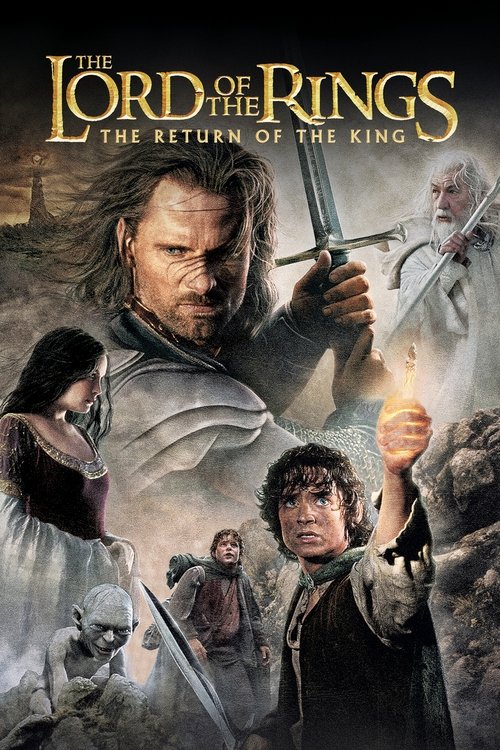
The Lord of the Rings: The Return of the King
2003
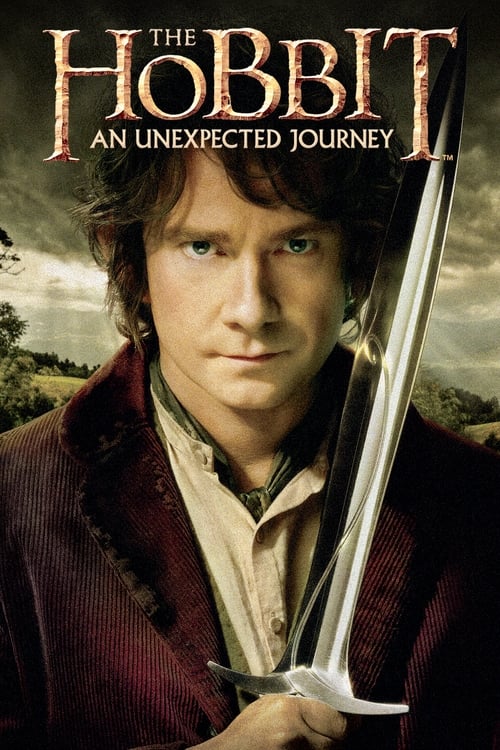
The Hobbit: An Unexpected Journey
2012
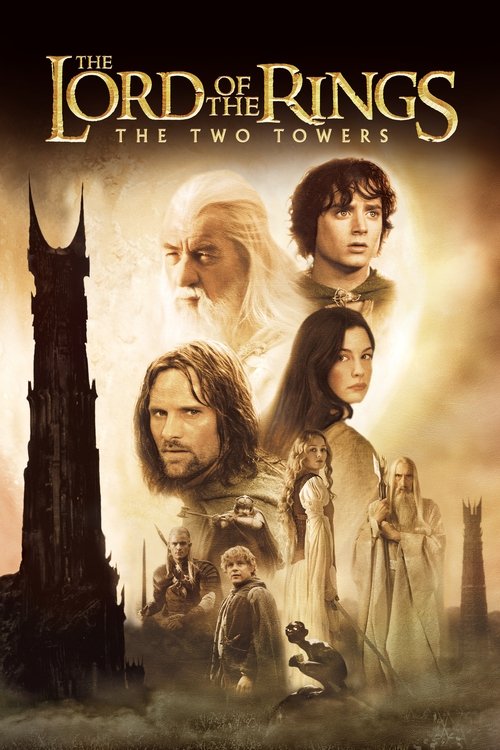
The Lord of the Rings: The Two Towers
2002
Frequently Asked Questions
Everything you need to know about The Lord of the Rings: The Fellowship of the Ring
- The One Ring corrupts its bearers by amplifying their deepest desires and slowly twisting their moral compass, ultimately enslaving them to Sauron's will. Frodo possesses a unique resilience and purity of spirit that allows him to resist the Ring's immediate corrupting influence more effectively than others, though he is not immune to its power over time. His inherent goodness and the constant support of his companions are crucial in his struggle.
- The Council of Elrond is a pivotal meeting of representatives from all free peoples of Middle-earth, convened in Rivendell to address the growing threat of the One Ring and Sauron. Its significance lies in its role in establishing solidarity among diverse races and in the ultimate decision to form the Fellowship. The Council is formed out of necessity to devise a plan for the Ring's destruction, as its continued existence threatens to plunge all of Middle-earth into darkness.
- The Elves, having encountered Sauron before, understand the Ring's insidious power and advocate for its destruction, seeing it as an existential threat to all life. The Dwarves, while acknowledging the danger, often possess a more pragmatic view, sometimes prioritizing their own interests or treasures. Men, due to their shorter lifespans and susceptibility to temptation, are often more easily swayed by the Ring's power, as seen in Isildur's failure to destroy it.
- Boromir attempts to seize the One Ring from Frodo out of a misguided belief that it can be used as a weapon to defend Gondor and save his people from Sauron. This desperate act reveals his vulnerability to the Ring's corrupting influence, despite his noble intentions, and highlights the immense psychological toll it takes on even the strongest wills. His struggle underscores the theme of the Ring's universal temptation.
- This memorable quote by Gandalf speaks to his mysterious nature, wisdom, and profound understanding of timing and destiny. It signifies that his actions are deliberate and calculated, implying a deeper awareness of the unfolding events and his role within them. The line also injects a touch of humor and emphasizes that events, particularly those guided by fate or higher powers, often unfold according to their own intricate schedule.
- Gandalf's staff is not merely a walking stick; it is a conduit for his magical abilities and a symbol of his authority as an Istari (wizard). It allows him to channel spells, cast light, and even engage in physical combat. The staff is essential to his power, shattered when facing the Balrog in Moria, symbolizing his temporary loss of power and subsequent spiritual transformation.

