Ranking the Best Joe Dante Directed Movies
Master of Subversive Satire and Creature Features
Explore the definitive filmography of Joe Dante, from the chaos of Gremlins to the cult satire of The Burbs and the creature horror of The Howling.
About Joe Dante
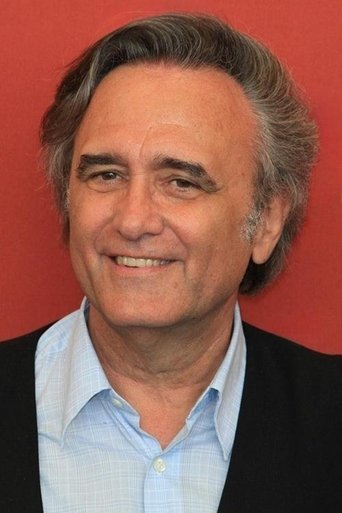
In the pantheon of eighties superstars, Joe Dante remains the resident trickster. While his contemporaries chased high-concept sincerity or polished spectacle, he built a career out of subverting the very blockbusters he was hired to create. To watch one of his films is to witness a collision between the golden age of Looney Tunes and the shivering paranoia of Cold War B-movies. His work thrives on a specific kind of anarchic energy, a feeling that the lunatics have finally taken over the asylum and they are having a hell of a time rearranging the furniture.
His breakthrough with Piranha proved that a low-budget rip-off could possess more wit than its inspiration, but it was The Howling that cemented his visual signature. He didn't just give audiences a werewolf movie; he gave them a satire of the self-help era dripping with practical effects that still outshine modern digital shortcuts. This fascination with the elastic, the physical, and the grotesque defines his directorial eye. He treats the frame like a toy box, stuffing every corner with insider references and sight gags that reward the obsessive viewer.
Gremlins remains his definitive statement on the American suburban dream. Under the protection of Steven Spielberg, he took a holiday fable and infused it with a mean-spirited, hilarious streak that felt genuinely dangerous. It is a film that hates the mundane, a theme he revisited with even more bite in The 'Burbs. That masterpiece of neighborhood claustrophobia turned the white-picket fence into a cage, utilizing Tom Hanks as a vessel for a jittery, caffeine-fueled breakdown. He excels at capturing the moment when middle-class stability curdles into madness.
Nowhere is his creative defiance more visible than in Gremlins 2: The New Batch. Rather than delivering a safe sequel, he delivered a deconstruction of the entire concept of sequels. It is perhaps the most expensive experimental film ever made, breaking the fourth wall and mocking its own existence while flooding the screen with creature designs that push the limits of biological logic. This same love for the impossible fueled Innerspace and Explorers, films that feel like love letters to the wide-eyed wonder of a kid sitting too close to the television set.
Even when shifting toward historical nostalgia in Matinee, he kept his edge. He celebrated the tacky showmanship of the nuclear age while acknowledging the genuine dread underneath. His legacy is one of beautiful friction. He is a devotee of the old masters who used their techniques to dismantle the status quo. Whether he is pitting sentient toys against each other in Small Soldiers or paying homage to high-concept sci-fi, he maintains a singular, frantic pulse. He is the director who taught us that the monsters under the bed are real, but if you look at them from the right angle, they are actually pretty funny.
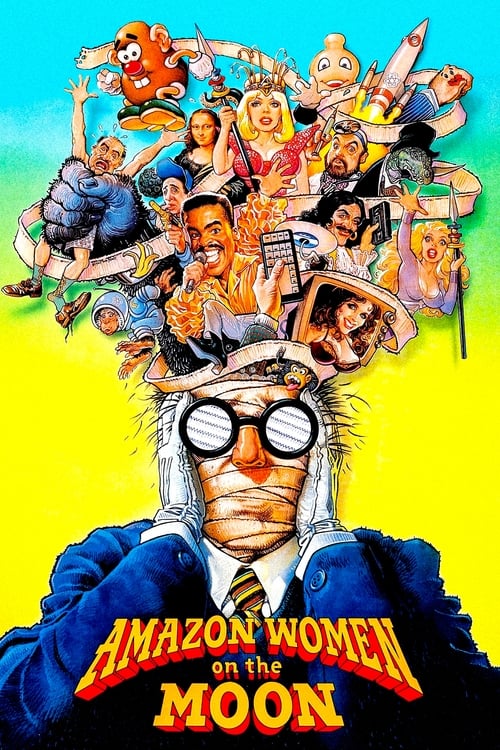
Amazon Women on the Moon
1987Centered around a television station which features a 1950s-style sci-fi movie interspersed with a series of wild commercials, wacky shorts and weird specials, this lampoon of contemporary life and pop culture skewers some of the silliest spectacles ever created in the name of entertainment.
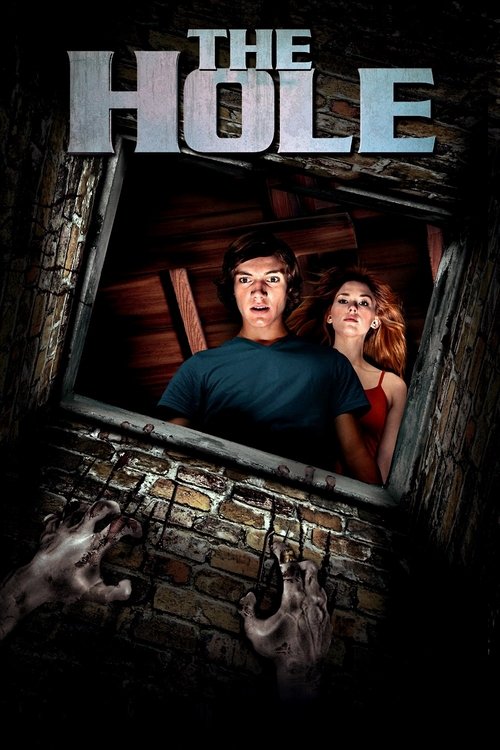
The Hole
2009After moving into a new neighbourhood, brothers Dane & Lucas and their neighbour Julie discover a bottomless hole in the basement of their home. They find that once the hole is exposed, evil is unleashed. With strange shadows lurking around every corner and nightmares coming to life, they are forced to come face to face with their darkest fears to put an end to the mystery of THE HOLE.
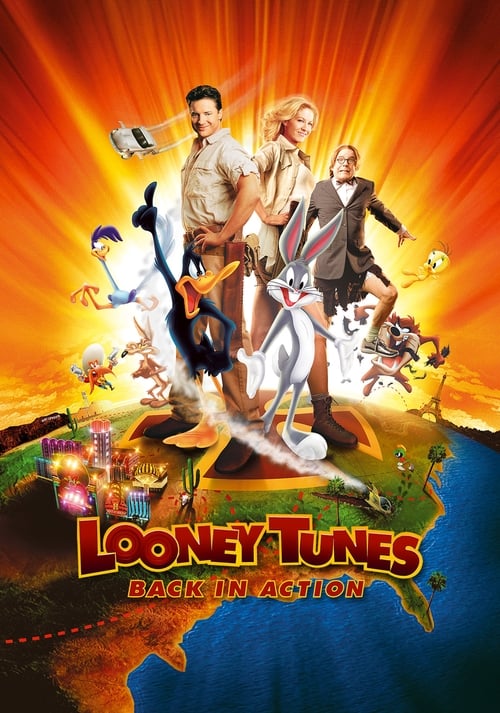
Looney Tunes: Back in Action
2003Fed up with all the attention going to Bugs Bunny, Daffy Duck quits Hollywood, teams up with recently-fired stuntman Damien Drake Jr. and embarks on a round-the-world adventure, along with Bugs and The VP of Warner Bros. Their mission? Find Damien's father, and the missing blue diamond... and stay one step ahead of The Acme Corp., who wants the diamond for their own purposes.
This ambitious collision of mediums finds Dante returning to his roots as a student of animation logic and slapstick tradition. Despite its production hurdles, the film stands as a vibrant, chaotic tribute to the Chuck Jones aesthetic, filtered through the director’s own lens of relentless meta-textual irreverence.
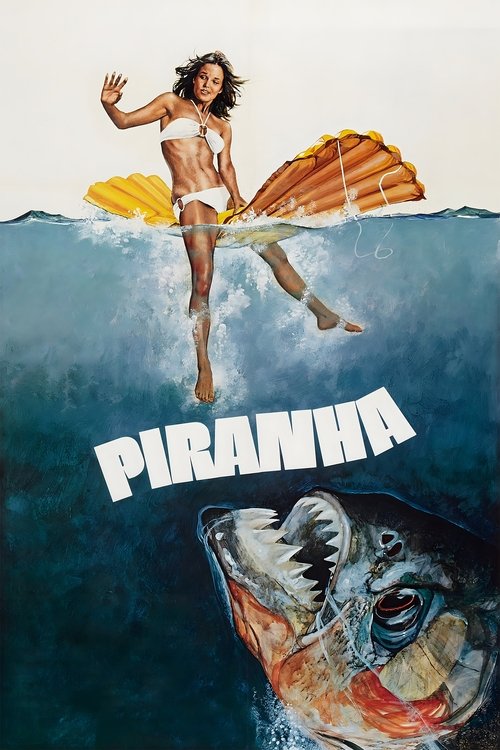
Piranha
1978When flesh-eating piranhas are accidentally released into a summer resort's rivers, the guests become their next meal.
While originally conceived as a low-budget imitation, this film showcases the director’s early genius for elevating exploitation material through sheer wit and stylistic flair. It is the birthplace of his trademark blend of gore and social humor, proving that even a Roger Corman production could hold genuine artistic merit.
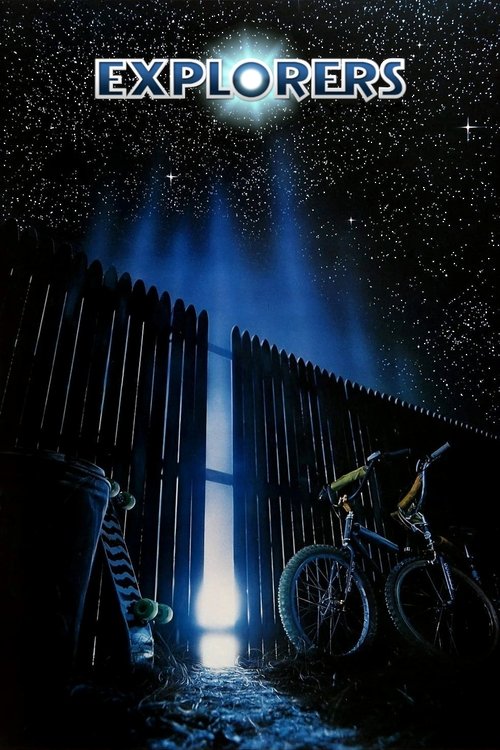
Explorers
1985Middle schooler Ben spends his free time watching sci-fi films, playing video games and reading comic books. Surprisingly, his affinity for all things fantastical yields a real result – when he has a vivid dream about technology, his prodigy best friend Wolfgang manages to create a working spacecraft. Joined by their buddy Darren, the boys take off into outer space and encounter some very odd extraterrestrial life.
Even while battling studio interference, Dante captures the quintessential ache of childhood wonder and the bittersweet curiosity of the unknown. It remains a poignant entry in his career, trading his usual cynical bite for a more lyrical exploration of imagination and the cosmic mysteries of adolescence.
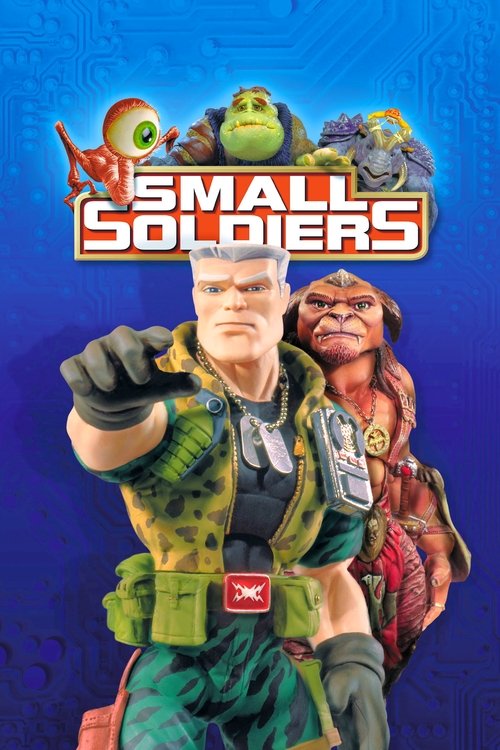
Small Soldiers
1998When missile technology is used to enhance toy action figures, the toys soon begin to take their battle programming too seriously.
Dante pivots his critical lens toward the military-industrial complex by manifesting it within the world of sentient action figures. The film excels as a biting critique of toxic masculinity and consumerism, all disguised within a high-stakes thrill ride that showcases his flair for integrating live action with complex puppetry.
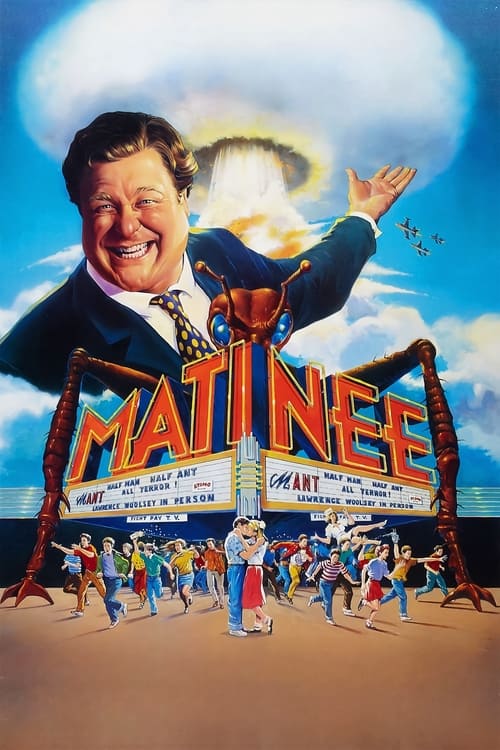
Matinee
1993A showman introduces a small coastal town to a unique movie experience and capitalizes on the Cuban Missile crisis hysteria with a kitschy horror extravaganza combining film effects, stage props and actors in rubber suits in this salute to the B-movie.
Widely considered his most personal work, this love letter to B-movie hucksterism serves as a profound meditation on the power of cinematic spectacle during times of national anxiety. Dante perfectly reconstructs a specific era of showmanship, proving that his fascination with monsters is rooted in a deep, scholarly affection for the medium itself.
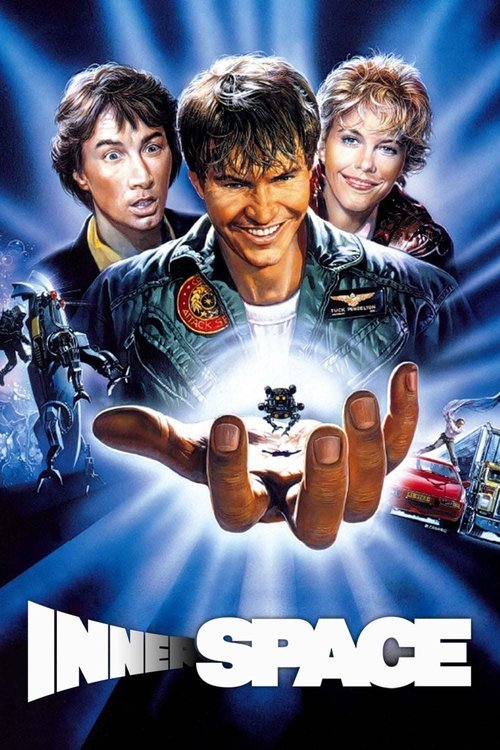
Innerspace
1987Test pilot Tuck Pendleton volunteers to test a special vessel for a miniaturization experiment. Accidentally injected into a neurotic hypochondriac, Jack Putter, Tuck must convince Jack to find his ex-girlfriend, Lydia Maxwell, to help him extract Tuck and his ship and re-enlarge them before his oxygen runs out.
A marvel of high-concept craftsmanship that shrinks a classic adventure down to a microscopic level without losing any of its director’s signature kinetic bravado. It demonstrates Dante’s mastery of technical ingenuity and his rare ability to elevate a blockbuster premise with eccentric characterizations and frantic comedic timing.
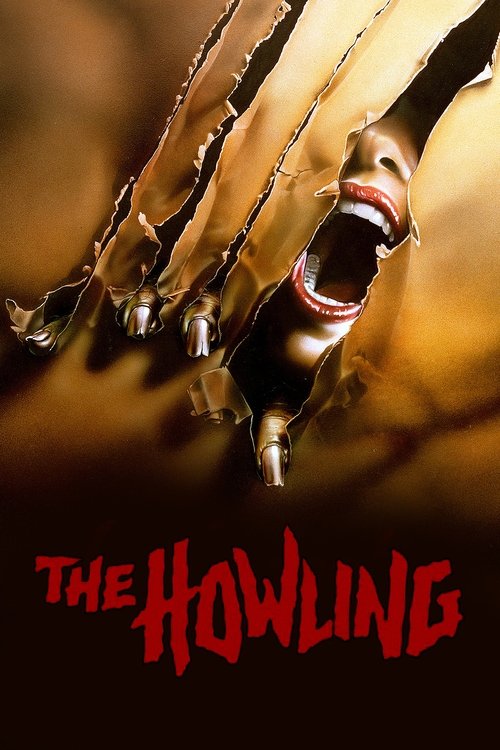
The Howling
1981After a bizarre and near fatal encounter with a serial killer, a newswoman is sent to a rehabilitation center whose inhabitants may not be what they seem.
Dante revitalized the werewolf mythos by infusing classical gothic horror with a modern, self-aware irony and groundbreaking practical effects. This film solidified his reputation as a scholar of the genre who could seamlessly blend genuine terror with a satirical eye on lifestyle fads and media culture.
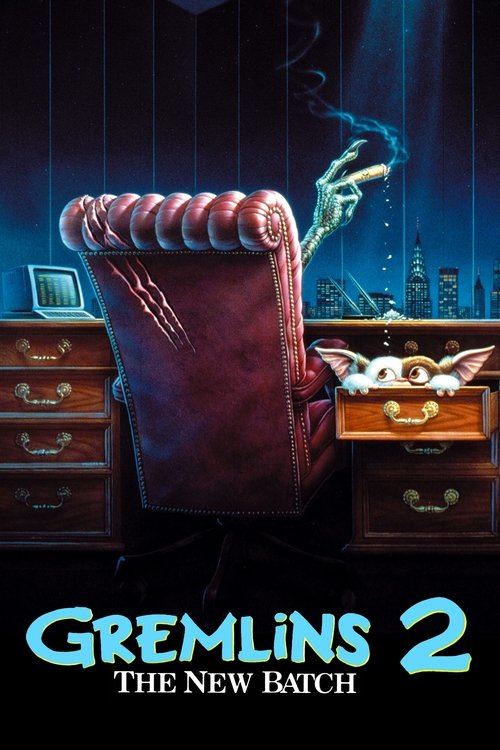
Young sweethearts Billy and Kate move to the Big Apple, land jobs in a high-tech office park and soon reunite with the friendly and lovable Gizmo. But a series of accidents creates a whole new generation of Gremlins. The situation worsens when the devilish green creatures invade a top-secret laboratory and develop genetically altered powers, making them even harder to destroy!
This anarchic sequel represents the director’s purest creative liberation, functioning as a high-budget avant-garde assault on the very concept of franchises. It is a brilliant, self-reflexive laboratory where Dante dismantles logic in favor of pure, hallucinogenic slapstick and biting media criticism.
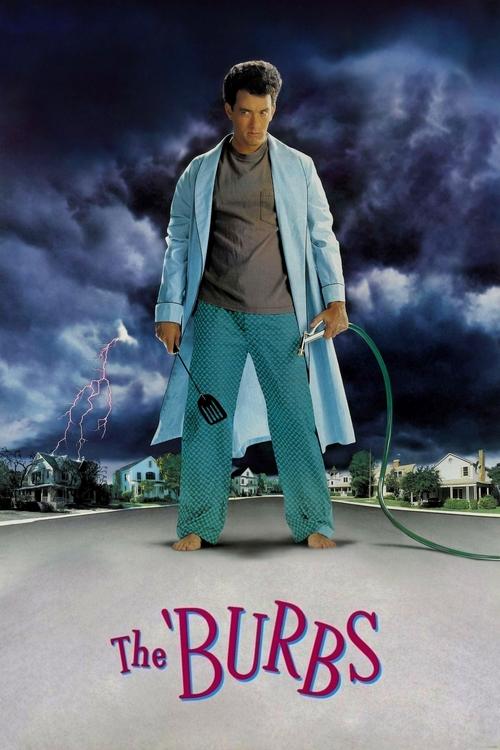
The 'Burbs
1989When secretive new neighbors move in next door, suburbanite Ray Peterson and his friends let their paranoia get the best of them as they start to suspect the newcomers of evildoings and commence an investigation. But it's hardly how Ray, who much prefers drinking beer, reading his newspaper and watching a ball game on the tube expected to spend his vacation.
A paranoid, pitch-black masterpiece of architectural satire that captures Dante at his most cynical and visually inventive. By turning a cul-de-sac into a claustrophobic battlefield, he exposes the rot beneath middle-class normalcy through frantic pacing and a relentless, cartoonish energy.
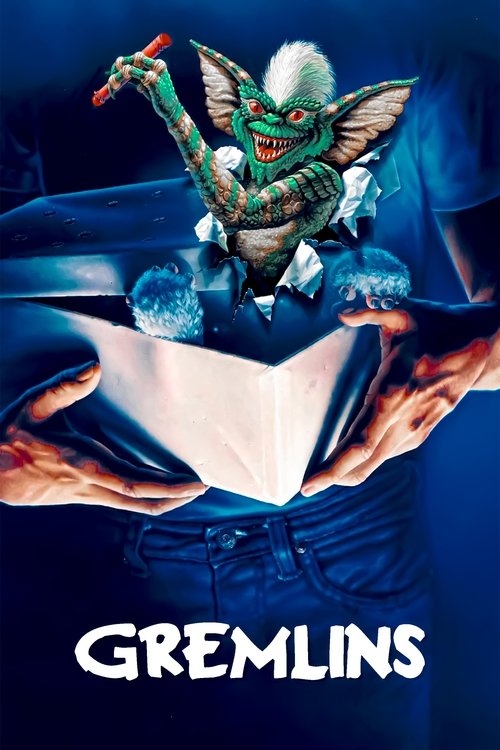
Gremlins
1984After receiving an exotic small animal as a Christmas gift, a young man inadvertently breaks three important rules concerning his new pet, which unleashes a horde of malevolently mischievous creatures on a small town.
Joe Dante’s magnum opus serves as the definitive deconstruction of Americana, weaponizing suburban nostalgia to create a chaotic masterpiece of creature horror. It remains the ultimate testament to his ability to balance Amblin whimsy with a subversive, mean-spirited wit that permanently altered the landscape of family entertainment.
Frequently Asked Questions
Everything you need to know about this list and SnakeDrafts
- Joe Dante's films consistently explore a blend of horror, comedy, and fantasy, often incorporating satirical and subversive elements. His works like Gremlins and The 'Burbs juxtapose chaotic creature horror with dark humor, reflecting his signature anarchic style that critiques suburban life and pop culture.
- While both films feature mischievous creatures and blend horror with comedy, Gremlins focuses on introducing the chaos in a small town setting, whereas Gremlins 2 leans into satire and meta-humor, amplifying the absurdity with a more self-aware and exuberantly anarchic tone.
- The Howling is notable as Joe Dante's early work that solidified his command of horror, specifically werewolf lore, setting the tone for his future films. Its atmospheric tension and creature effects showcase his skill in blending traditional horror with his distinct playful energy.
- The 'Burbs combines suburban paranoia with dark comedy and thriller elements, highlighting Dante's talent for satirizing middle-class American life. Its quirky characters and offbeat narrative contribute to its enduring cult status among fans of genre-bending films.
- Joe Dante integrates science fiction seamlessly with other genres as seen in movies like Innerspace, Explorers, and Small Soldiers. These films combine sci-fi concepts with comedy and adventure, often utilizing imaginative storytelling and special effects to enhance the entertainment value.
- Nostalgia is a central element in Dante’s films like Matinee and Looney Tunes: Back in Action, where he pays homage to classic cinema and animation. These films evoke a sense of retro charm by referencing the golden age of Hollywood and classic cartoons, while appealing to both older and younger audiences.
- Small Soldiers stands out for its innovative mix of comedy, adventure, and sci-fi with action elements, centering on toy soldiers brought to life with high-tech weaponry. The film melds playful fantasy with sharp social commentary, showcasing Dante’s flair for blending genres with an edge.