Ranking Grace Kelly's Greatest Movies
The Definitive Guide to a Hollywood Icon's Filmography
Explore the most essential films of Grace Kelly, from Hitchcock masterpieces to Academy Award-winning dramas and classic MGM musicals.
About Grace Kelly
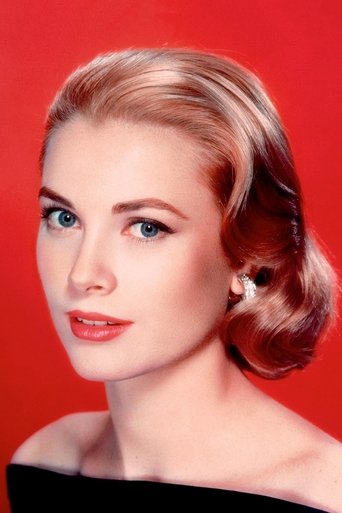
In the mid fifties, Hollywood discovered a specific kind of alchemy in the person of a Philadelphia socialite who refused to act like one. Grace Kelly did not arrive on screen with the heavy handed theatricality of her peers. Instead, she brought a cool, architectural stillness that suggested she was the smartest person in any room, even when she was being chased by a killer or scaling an apartment balcony.
Her ascent was less of a climb and more of a vertical takeover. She emerged in Fourteen Hours and High Noon as a striking but somewhat reserved presence, yet it was her partnership with Alfred Hitchcock that weaponized her particular brand of elegance. Hitchcock understood that her porcelain features were a mask for a daring, almost mischievous interiority. In Rear Window, she managed to make high fashion look like tactical gear, transforming from a socialite into a housebreaker with a wink that suggested she found danger more intoxicating than a glass of sherry. It was this tension between her polished exterior and her gritty capability that made audiences lean in. She was the woman who could match wits with Cary Grant in the cat and mouse games of To Catch a Thief or maintain a chilling composure while reaching for a pair of scissors in Dial M for Murder.
She possessed a rare ability to pivot from the stylized thrillers of the era into the sweaty, high stakes drama of Mogambo, holding her own against Clark Gable in the African heat without losing her poise. While many viewed her as a figure of unattainable ice, she shattered that perception with her Oscar winning turn in The Country Girl. Stripped of her Dior gowns and glowing lighting, she played a weary, embittered wife with a raw intensity that proved her talent was not dependent on her beauty. She grounded the war drama of The Bridges at Toko-Ri and the lush adventure of Green Fire with a quiet authority that suggested she was the moral anchor of every story she inhabited.
Part of her lasting grip on the cultural imagination stems from the briefness of her tenure. She dominated the industry for barely six years, yet her influence remains the gold standard for cinematic sophistication. In her final swan song, High Society, she displayed a buoyant, comedic lightness that made her departure from the screen feel like a genuine loss to the craft. She possessed a regal quality long before she ever set foot in Monaco, a natural gravity that made her the centerpiece of The Swan and every other frames she occupied. Audiences were drawn to her because she never begged for their attention. She commanded it through a mix of sharp intelligence and an impenetrable sort of mystery, leaving behind a body of work that feels just as vital and modern today as it did when she first stepped onto a soundstage. Her legacy is not just one of glamour, but of a woman who completely understood the power of her own image and used it to redefine what a leading lady could be.
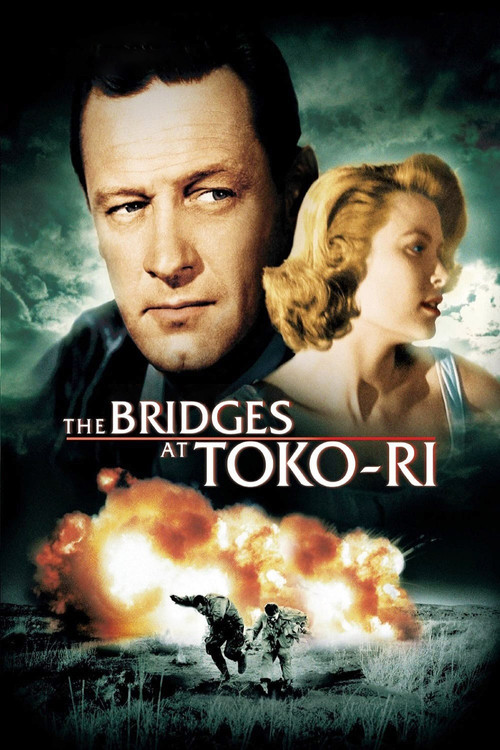
The Bridges at Toko-Ri
1954A U.S. Navy pilot and his squad are assigned to bomb a group of heavily defended bridges deep behind enemy lines during the Korean War.
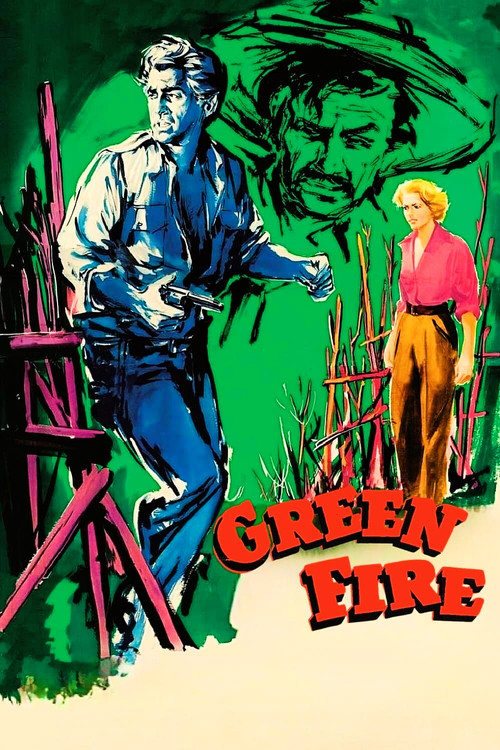
Green Fire
1954In Colombia, mining engineer Rian Mitchell discovers Carrero, the lost emerald mine of the Conquistadors, but has to contend with notorious local bandit El Moro's gang and with coffee planter Catherine Knowland's love.
While the film leans into high-adventure camp, Kelly remains remarkably disciplined in her portrayal of a frustrated plantation owner. This rare excursion into the jungle melodrama highlights her professional commitment to grounding even the most uneven material with dignity.
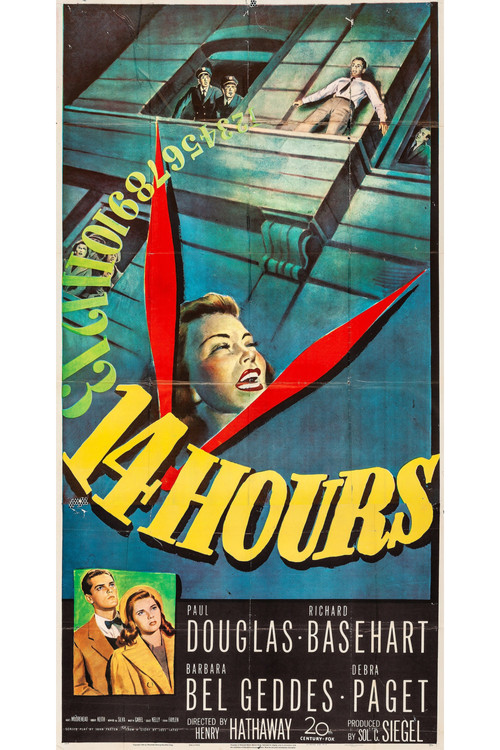
Fourteen Hours
1951A young man, morally destroyed by his parents not loving him and by the fear of being not capable to make his girlfriend happy, rises on the ledge of a building with the intention of committing suicide. A policeman makes every effort to argue him out of it.
In her brief screen debut, Kelly manage to register an immediate impact despite her limited minutes. Even in this minor role, the camera captures that specific, luminous quality that would soon make her the signature face of the 1950s.
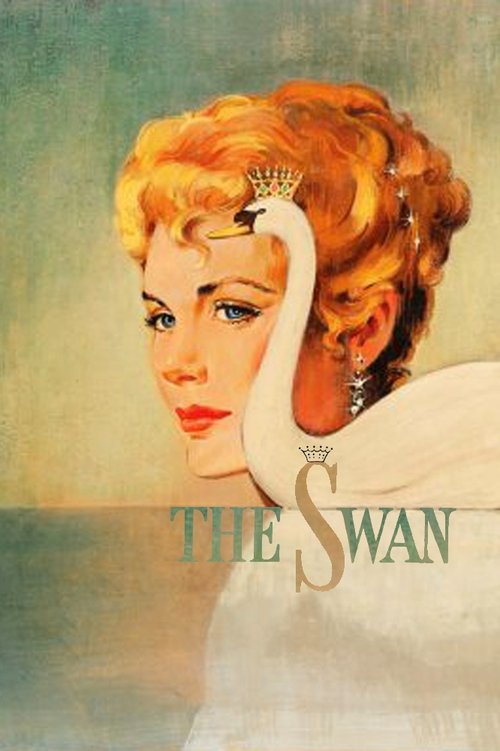
The Swan
1956Princess Beatrice's days of enjoying the regal life are numbered unless her only daughter, Princess Alexandra, makes a good impression on a distant cousin when he pays a surprise visit to their palace. Prince Albert has searched all over Europe for a bride and he's bored by the whole courtship routine. He is more interested in the estate's dairy than Alexandra's rose garden. And then he starts playing football with the tutor and Alexandra's brothers. Invite the tutor to the ball that night and watch how gracefully Alexandra dances with him.
The film acts as a meta-textual bridge between Kelly's Hollywood stardom and her future as a princess. Her portrayal of a sheltered royal-to-be is imbued with a quiet, tragic understanding of the weight and duty that comes with a title.
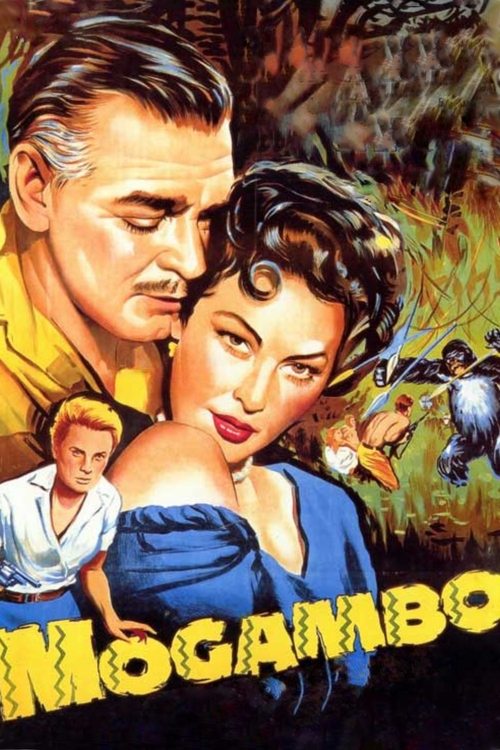
Mogambo
1953On a Kenyan safari, white hunter Victor Marswell has a love triangle with seductive American socialite Eloise Kelly and anthropologist Donald Nordley's cheating wife Linda.
Amidst the sweltering heat of the African safari, Kelly provides a cool, cerebral contrast to the rugged landscape. Her ability to project simmering inner turmoil through a mask of propriety garnered her first Academy Award nomination and solidified her status as a global star.
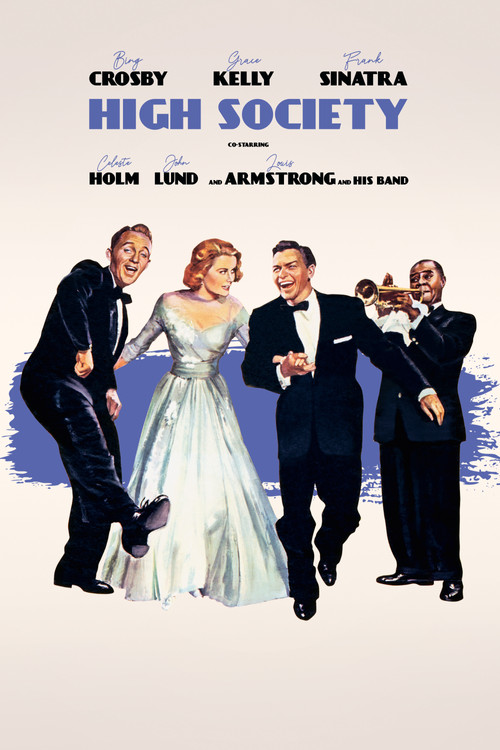
High Society
1956With socialite Tracy Lord about to remarry, her ex-husband - with the help of a sympathetic reporter - has 48 hours to convince her that she really still loves him.
As her final major screen appearance before her real-life transition to royalty, Kelly offers a glowing farewell to Hollywood. She navigates this musical comedy with a light, effervescent touch that highlights her rarely seen ability to thrive in a large ensemble of entertainers.
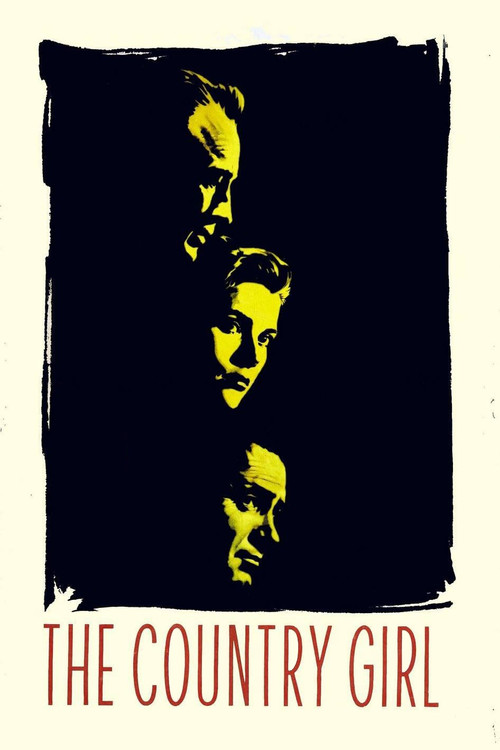
The Country Girl
1954An actor on the skids is given one more chance to regain his stardom, as well as his self-respect, yet his alcoholism may prevent that from happening.
De-glamorized and raw, Kelly secured an Oscar by shedding her regal polish to play a weary, embittered wife. The role shattered the industry's narrow perception of her, demonstrating a range that extended far beyond the polished interiors of her usual habitats.
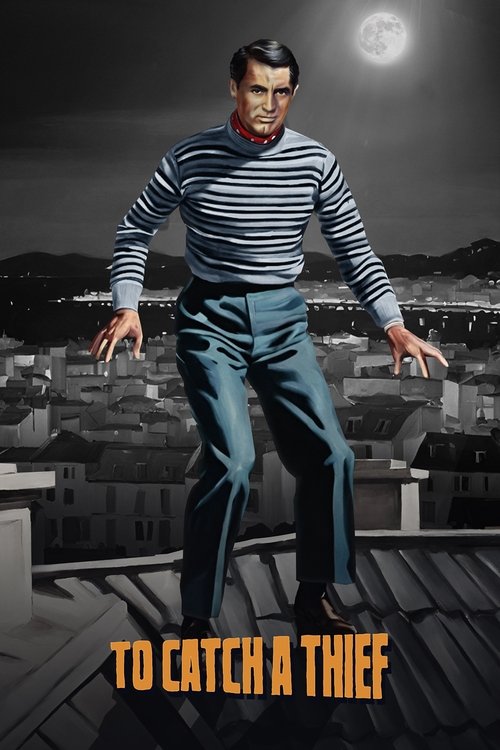
To Catch a Thief
1955When a string of jewel robberies hits the French Riviera, suspicion falls on retired thief John “The Cat” Robie. To clear his name, he sets out to trap the copycat himself—entangling a wealthy widow and her beguiling daughter in a seductive game of pursuit, deception, and desire.
This performance is a masterclass in playful flirtation and icy wit, set against the backdrop of the French Riviera. Kelly weaponizes her persona as an unattainable aristocrat, revealing a mischievous, driving energy that proved her comedic timing was as sharp as her dramatic instincts.
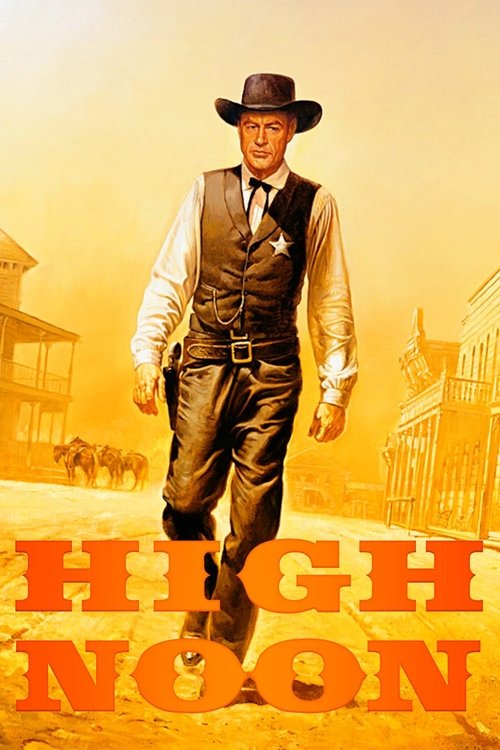
High Noon
1952Will Kane, the sheriff of a small town in New Mexico, learns a notorious outlaw he put in jail has been freed, and will be arriving on the noon train. Knowing the outlaw and his gang are coming to kill him, Kane is determined to stand his ground, so he attempts to gather a posse from among the local townspeople.
In this tense Western, Kelly provides the moral friction necessary to ground the film's philosophical stakes. Her presence acts as a stark, Quaker-influenced counterpoint to the genre's inherent violence, marking her early ability to hold her own against established titans like Gary Cooper.
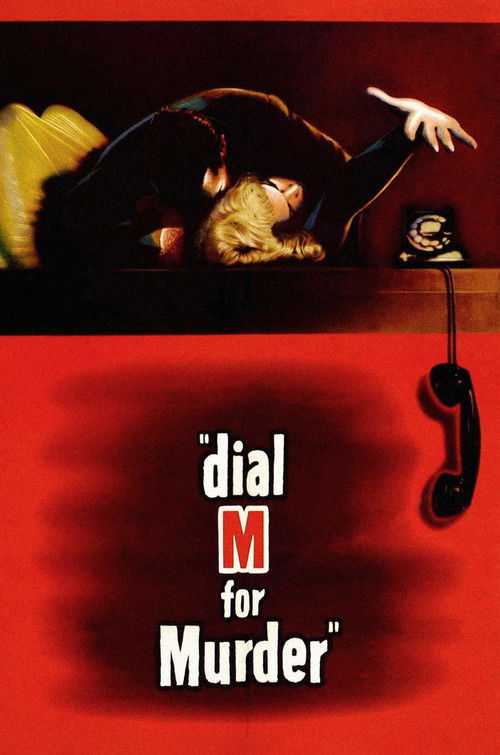
Dial M for Murder
1954When her American lover visits London, a wealthy woman’s jealous husband hatches a plan to murder her and inherit her fortune.
Casting aside her usual air of invulnerability, Kelly portrays a woman trapped in a psychological vice. This role serves as a crucial study in vulnerability, proving she could command the screen even when stripped of her typical social armor.
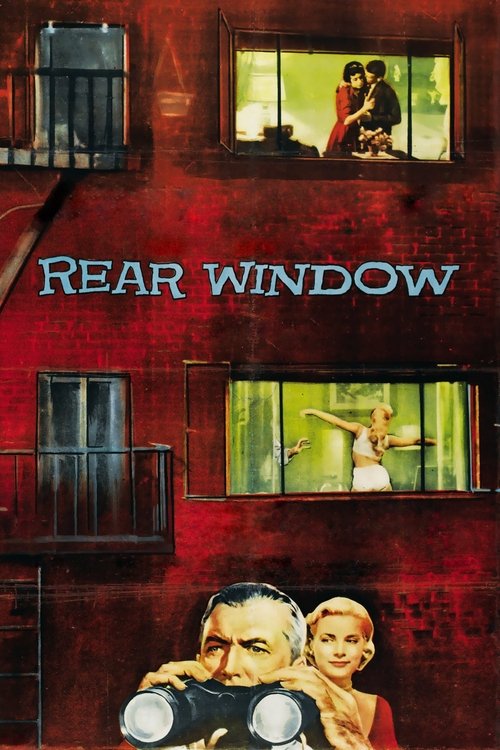
Rear Window
1954A wheelchair-bound photographer spies on his neighbors from his apartment window and becomes convinced one of them has committed murder.
Kelly reaches the zenith of her collaboration with Hitchcock, transforming from a high-society fashion plate into a daring investigator. Her performance masterfully balances fragile elegance with a gritty, proactive intelligence that redefined the quintessential blonde heroine.
Frequently Asked Questions
Everything you need to know about this list and SnakeDrafts
- "Rear Window" tops the ranking due to Grace Kelly's captivating performance in Alfred Hitchcock's iconic thriller. Her role as Lisa Fremont perfectly showcases her cool, architectural stillness and chemistry with James Stewart, solidifying her status as a leading lady in suspense cinema.
- In "The Country Girl," Kelly delivers a deeply emotional and dramatic performance that earned her an Academy Award. Unlike her poised, glamorous roles in Hitchcock thrillers, this film highlights her ability to portray vulnerability and complex human emotions.
- "High Society" stands out as a charming MGM musical that showcases Kelly's versatility. Her talent shines not just in suspense and drama but also in lighthearted music and comedy, broadening her appeal beyond Hitchcock thrillers.
- Alfred Hitchcock played a pivotal role in Kelly's career, casting her in several iconic roles that defined her screen persona. Films like "Rear Window," "Dial M for Murder," and "To Catch a Thief" highlight the enduring collaboration and her knack for playing elegant, intelligent women caught in thrilling situations.
- Yes, "Fourteen Hours" is one of Grace Kelly's earlier films where she began developing her trademark cool and poised screen presence. This drama-thriller allowed her to make a strong impression even before her rise to major stardom.
- "Mogambo" is included for showcasing Kelly's versatility in a different genre alongside stars like Clark Gable and Ava Gardner. It highlights her ability to bring grace and depth to an adventurous romantic drama set in exotic locations.
- While the list covers Kelly's most essential films, some might note the absence of lesser-known projects or television appearances. However, the focus stays on her major cinematic achievements that best represent her legacy as a Hollywood icon.
- Kelly's top films often blend elements of romance, drama, and suspense, emphasizing her portrayal of intelligent, poised women facing high-stakes or emotionally charged situations. This dynamic range underscores the sophistication and timeless appeal she brought to mid-century Hollywood.