Best 2005 SciFi Movies Ranked
Relive the Best Interstellar Battles and Futuristic Worlds
Explore top science fiction films from a classic year. Discover iconic space operas, alien invasions, and dystopian thrillers in our ranked collection.
About 2005 SciFi Movies
In the long view of cinema history, 2005 often feels like a bridge between the analog past and the digital future. It was a year defined by massive pivots. We saw the conclusion of one of the most significant sagas in film history while simultaneously witnessing the birth of a gritty, grounded aesthetic that would define the next decade of blockbusters. If the early 2000s were characterized by a certain neon-soaked optimism or early CGI experimentation, 2005 was the year the genre decided to get serious, dark, and remarkably cynical.
The undisputed heavyweight champion of the year was Star Wars: Episode III Revenge of the Sith. For fans who had spent years grappling with the polarizing prequels, George Lucas finally delivered the tragedy he had promised. It was a film that traded the trade disputes and senate debates of previous entries for a visceral, lava-drenched descent into hell. It served as a definitive closing of a circle, cementing the transition of Anakin Skywalker into Darth Vader. Even today, it remains the most visually arresting and emotionally heavy lifting of that entire trilogy, proving that space opera could still command the global conversation.
However, while George Lucas was finishing his epic, Steven Spielberg was busy reinventing the alien invasion subgenre with War of the Worlds. This was sci-fi as collective trauma. Coming just four years after the events of 2001, Spielberg utilized the imagery of dust-covered survivors and senseless urban destruction to tap into a very specific American anxiety. It was a loud, terrifying, and deeply claustrophobic film that stripped away the wonder of Close Encounters of the Third Kind and replaced it with cold, mechanical dread. It remains one of the most effective examples of how big-budget genre filmmaking can reflect the zeitgeist of its era.
Away from the massive studios, 2005 also gave us Serenity, the big-screen resurrection of Joss Whedon’s short-lived television series Firefly. It was a rare victory for fan culture, proving that a dedicated audience could actually will a defunct property back into existence. On the other end of the stylistic spectrum, we had Seraphim Falls and the underrated The Island, which allowed Michael Bay to play with high-concept clones and ethical dilemmas before he fully committed to the world of transforming robots.
Even the cult hits of the year carried a sense of intellectual ambition or stylistic daring. Shane Black’s Kiss Kiss Bang Bang might have played with noir, but the true outlier was the bizarre and colorful adaptation of The Hitchhiker’s Guide to the Galaxy. It captured a dry, British absurdity that felt remarkably fresh against the backdrop of more self-serious American offerings.
The landscape of 2005 was one of transitions. It was the year we said goodbye to the Jedi but welcomed a new wave of darker, more reflective stories that asked what it meant to survive in a world that felt increasingly unstable. The genre was moving away from the bright vistas of the nineties and toward something more textured and complicated. Looking back, it was a vintage year that offered a little bit of everything: the end of an era, the reimagining of a legend, and a glimpse into the paranoid future of the genre.
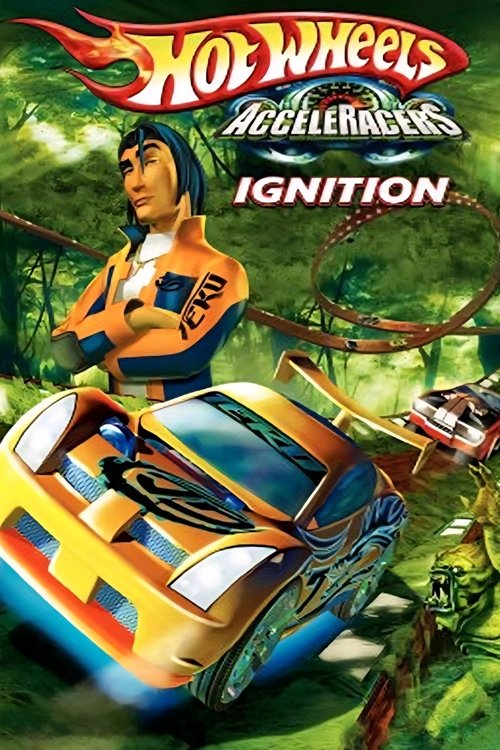
Hot Wheels AcceleRacers: Ignition
2005Two rival race teams, the Teku and the Metal Maniacs, are recruited by Dr. Peter Tezla to race in the fantastic Racing Realms and retrieve the all-powerful AcceleChargers before they fall into the hands of the deadly Racing Drones. Our drivers race through the Storm and Swamp Realms.
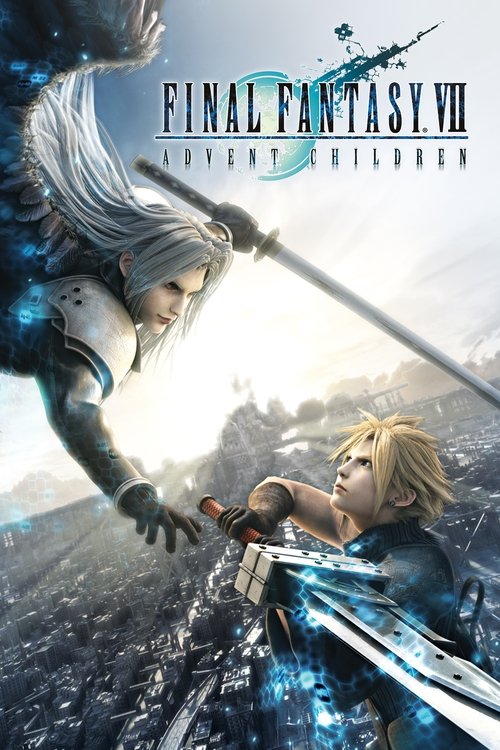
Final Fantasy VII: Advent Children
2005Two years have passed since the final battle with Sephiroth. Though Midgar, city of mako, city of prosperity, has been reduced to ruins, its people slowly but steadily walk the road to reconstruction. However, a mysterious illness called Geostigma torments them. With no cure in sight, it brings death to the afflicted, one after another, robbing the people of their fledgling hope.
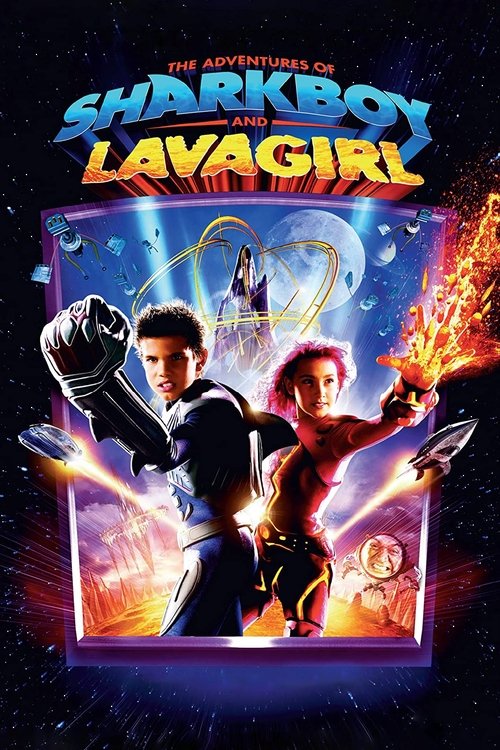
The Adventures of Sharkboy and Lavagirl
2005Everyone always knew that Max had a wild imagination, but no one believed that his wildest creations -- a boy raised by watchful great white sharks and a girl with the force of a volcano -- were real. Now, these two pint-sized action masters will show Max that even an ordinary kid has what it takes to be extraordinary.
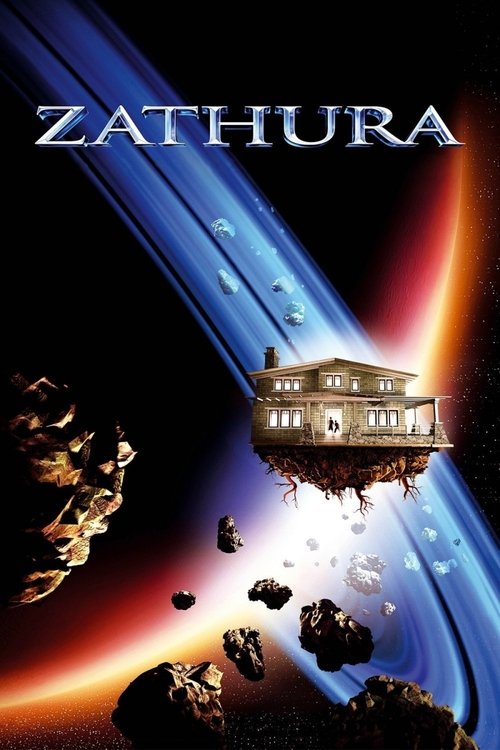
Zathura: A Space Adventure
2005After their father is called into work, two young boys, Walter and Danny, are left in the care of their teenage sister, Lisa, and told they must stay inside. Walter and Danny, who anticipate a boring day, are shocked when they begin playing Zathura, a space-themed board game, which they realize has mystical powers when their house is shot into space. With the help of an astronaut, the boys attempt to return home.
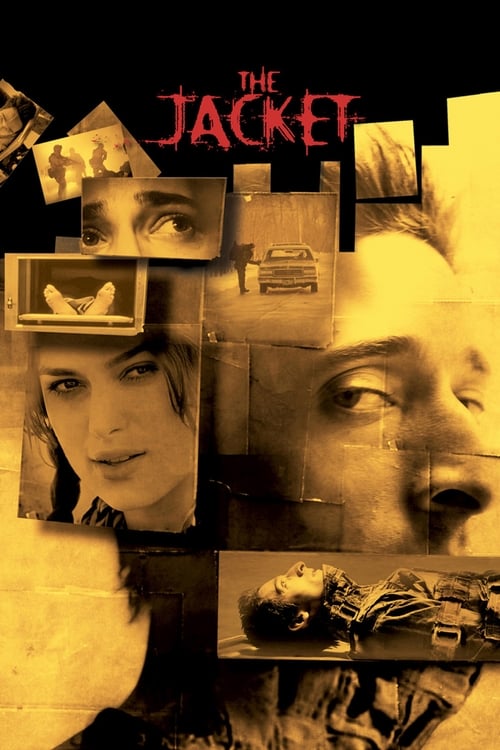
The Jacket
2005A military veteran goes on a journey into the future, where he can foresee his death and is left with questions that could save his life and those he loves.
This cerebral, cold-toned thriller pushes sci-fi into the realm of psychological disorientation and temporal displacement. Its claustrophobic atmosphere and experimental editing create a haunting portrait of a mind fractured by trauma and medical experimentation.
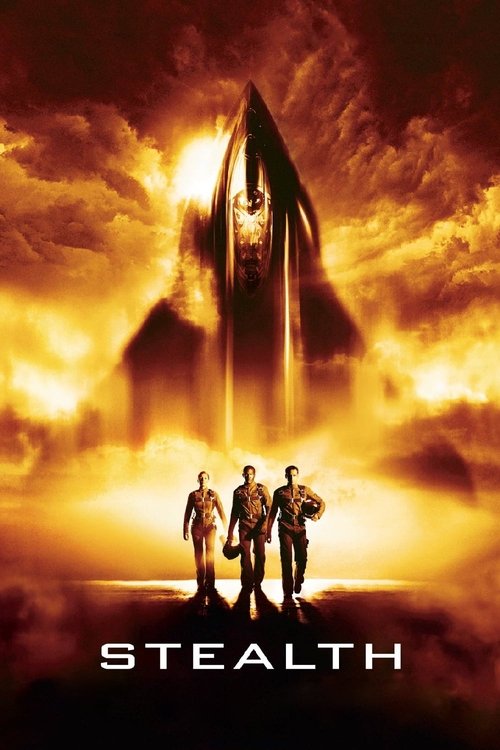
Stealth
2005Deeply ensconced in a top-secret military program, three pilots struggle to bring an artificial intelligence program under control ... before it initiates the next world war.
A high-octane projection of aerial warfare where artificial intelligence becomes the ultimate unpredictable antagonist. The film pushes the limits of digital cinematography to capture the sheer velocity of autonomous combat in a shrinking sky.
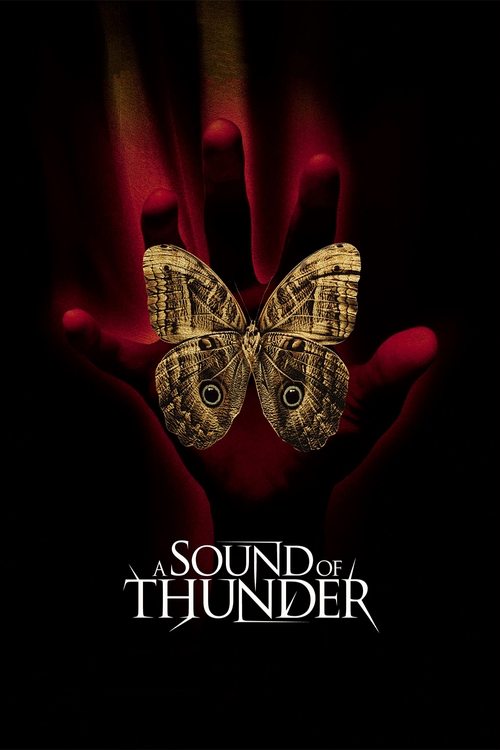
A Sound of Thunder
2005When a hunter sent back to the prehistoric era runs off the path he must not leave, he causes a chain reaction that alters history in disastrous ways.
Despite its fractured production, the film explores the terrifying fragility of the space-time continuum through bold, evolutionary creature designs. It serves as a fascinatingly chaotic reminder of how small ripples in the past can trigger catastrophic temporal waves.
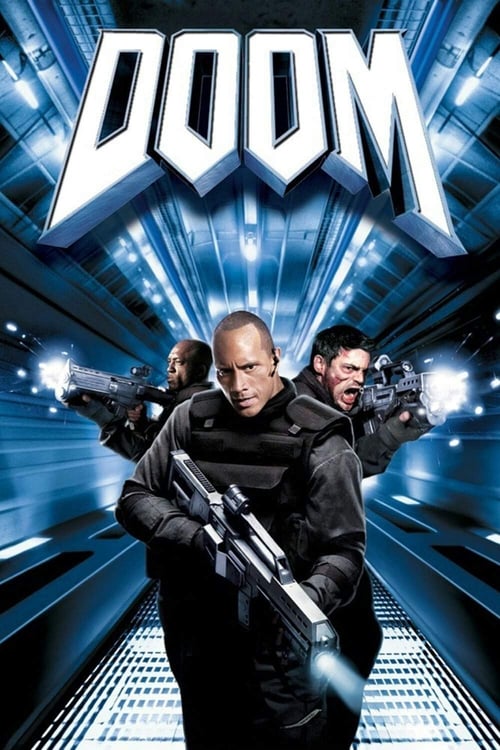
Doom
2005A team of space marines known as the Rapid Response Tactical Squad, led by Sarge, is sent to a science facility on Mars after somebody reports a security breach. There, they learn that the alert came after a test subject, a mass murderer purposefully injected with alien DNA, broke free and began killing people. Dr. Grimm, who is related to team member Reaper, informs them all that the chromosome can mutate humans into monsters -- and is highly infectious.
While leaning into the brutalist aesthetics of its source material, the film finds its pulse during a daring first-person sequence that reshapes the cinematic language of action. It is a loud, unapologetic fusion of survival horror and industrial science fiction.
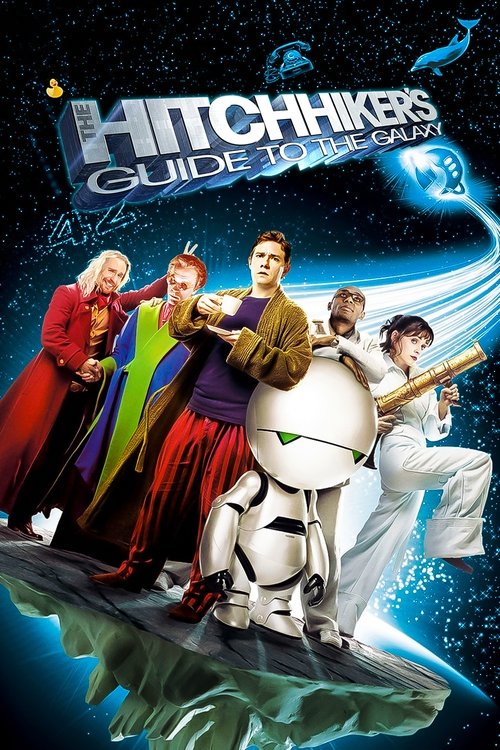
The Hitchhiker's Guide to the Galaxy
2005Mere seconds before the Earth is to be demolished by an alien construction crew, Arthur Dent is swept off the planet by his friend Ford Prefect, a researcher penning a new edition of "The Hitchhiker's Guide to the Galaxy."
The film captures Douglas Adams’ singular brand of cosmic absurdity through inspired practical effects and a delightfully dry British wit. It remains a rare example of a blockbuster that values philosophical playfulness and bureaucratic satire over typical genre tropes.
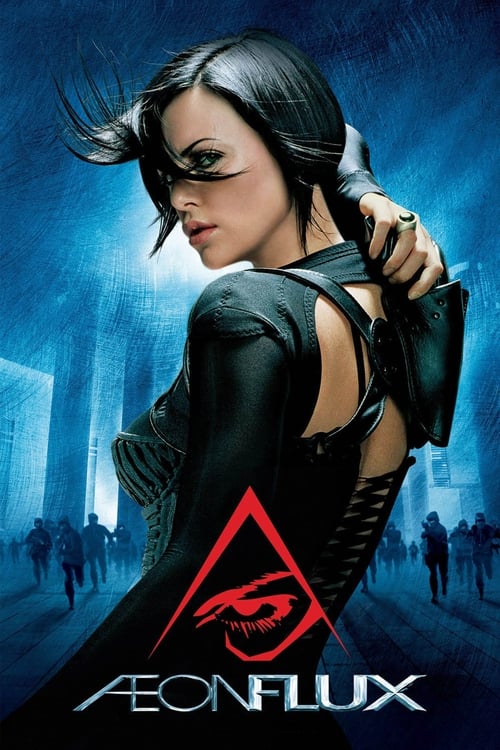
Æon Flux
2005400 years into the future, disease has wiped out the majority of the world's population, except one walled city, Bregna, ruled by a congress of scientists. When Æon Flux, the top operative in the underground 'Monican' rebellion, is sent on a mission to kill a government leader, she uncovers a world of secrets.
A hyper-stylized exercise in architectural futurism and avant-garde fashion that prioritizes visual texture over traditional narrative beats. Its sleek, antiseptic world-building offers a unique aesthetic counterpoint to the grit of its contemporary peers.
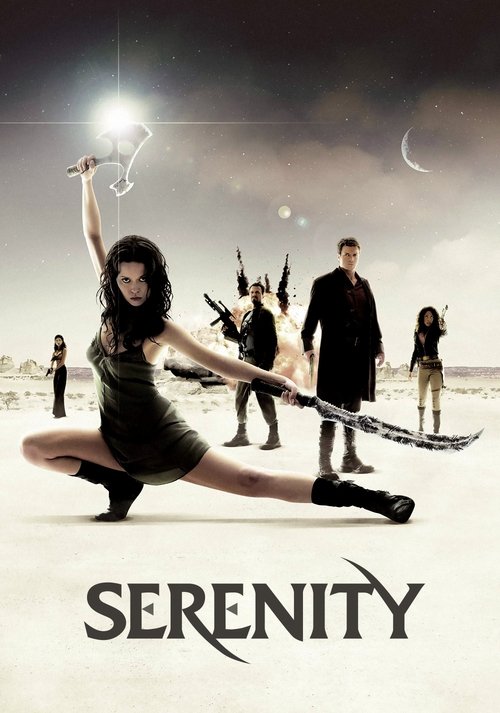
Serenity
2005When the renegade crew of Serenity agrees to hide a fugitive on their ship, they find themselves in an action-packed battle between the relentless military might of a totalitarian regime who will destroy anything – or anyone – to get the girl back and the bloodthirsty creatures who roam the uncharted areas of space. But... the greatest danger of all may be on their ship.
This scrappy space-western serves as a defiant middle finger to network cancellation, prioritizing character chemistry and sharp, rhythmic dialogue. It successfully scales the intimacy of television into a high-stakes kinetic odyssey that feels both lived-in and revolutionary.
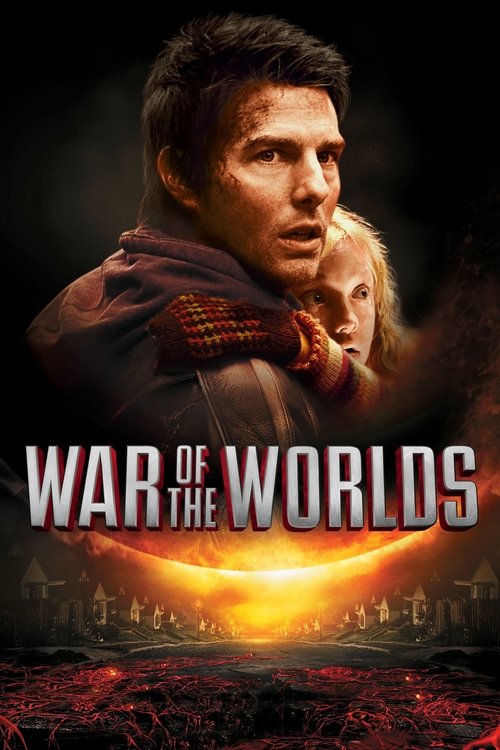
War of the Worlds
2005Ray Ferrier is a divorced dockworker and less-than-perfect father. Soon after his ex-wife and her new husband drop off his teenage son and young daughter for a rare weekend visit, a strange and powerful lightning storm touches down.
Spielberg reimagines the alien invasion as a visceral, street-level nightmare reflecting post-9/11 anxieties. Its sound design and terrifyingly indifferent tripod imagery elevate the spectacle into a harrowing masterclass of suspense and primal fear.
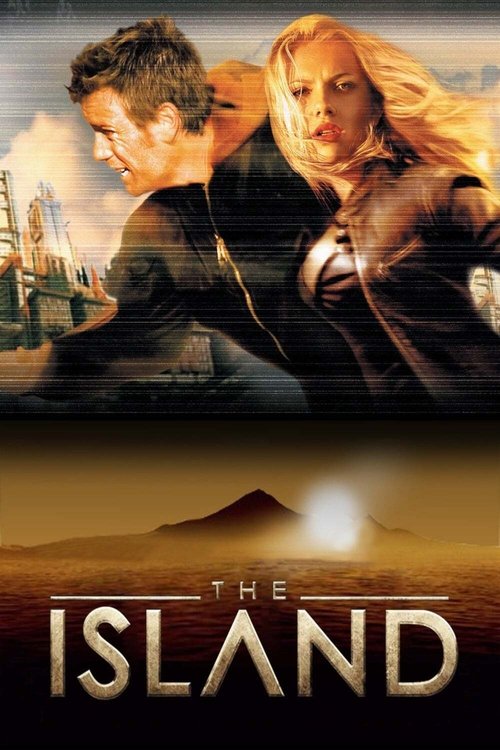
The Island
2005In 2019, Lincoln Six-Echo is a resident of a seemingly "Utopian" but contained facility. Like all of the inhabitants of this carefully-controlled environment, Lincoln hopes to be chosen to go to The Island — reportedly the last uncontaminated location on the planet. But Lincoln soon discovers that everything about his existence is a lie.
Michael Bay delivers a slick, high-concept meditation on identity and bioethics wrapped in the veneer of a chase thriller. The film excels as a paranoiac exploration of the commodified human body, balancing clinical aesthetics with explosive momentum.
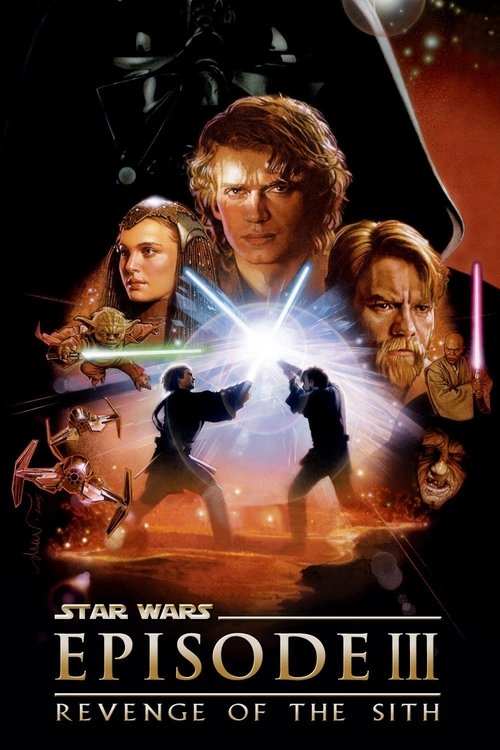
When the sinister Sith unveil a thousand-year-old plot to rule the galaxy, the Republic crumbles and from its ashes rises the evil Galactic Empire. Jedi hero Anakin Skywalker must choose a side.
Lucas finally achieves the operatic visual grandeur and emotional devastation long promised by the prequel trilogy. This closing chapter functions as a pyrotechnic bridge between eras, defined by its Shakespearean tragedy and a palpable sense of cosmic dread.
Frequently Asked Questions
Everything you need to know about this list and SnakeDrafts
- Star Wars: Episode III - Revenge of the Sith concluded one of cinema's most iconic space operas in 2005, showcasing the transformation of Anakin Skywalker. Directed by George Lucas, it blends adventure, action, and rich science fiction lore.
- The 2005 sci-fi movies frequently delve into futuristic technology, dystopian futures, alien invasions, and human identity crises, exemplified by films like War of the Worlds and Serenity. These themes reflect the genre's pivot towards more grounded and gritty narratives during that year.
- Michael Bay's The Island uniquely combines thriller and action genres with science fiction, focusing on the ethical and existential dilemmas of cloning in a high-stakes narrative.
- Serenity, directed by Joss Whedon, stands out in 2005's sci-fi lineup by blending space adventure with thriller elements, continuing the story from the cult TV series Firefly. It exemplifies genre fusion that appeals to both dedicated sci-fi fans and general audiences.
- Zathura: A Space Adventure and The Adventures of Sharkboy and Lavagirl are notable 2005 sci-fi films that mix adventure and family-friendly storytelling. Their inclusion highlights the genre's versatility in appealing to younger viewers while maintaining imaginative sci-fi themes.
- The 2005 sci-fi movies showcase a transition in CGI, with films like Final Fantasy VII: Advent Children pushing animation boundaries alongside live-action blockbusters. This period marks a blend of emerging CGI sophistication and traditional filmmaking techniques.
- 2005 saw several sci-fi films based on existing properties, such as The Hitchhiker's Guide to the Galaxy and Doom, revealing a trend of reimagining beloved stories for new audiences. These adaptations underscore the genre's reliance on established fan bases while exploring new creative directions.