The Best 2006 SciFi Movies Ranked
Essential Sci-Fi Classics and Hidden Cult Gems
Explore the best science fiction cinema from a landmark year. From dystopian masterpieces to mind-bending thrillers and animated adventures.
About 2006 SciFi Movies
Science fiction has always served as a mirror for our collective anxieties, but in 2006, that mirror felt particularly jagged and cold. It was a year where the genre stepped away from the neon-soaked fantasies of the nineties and the sterile digital sheen of the early aughts, opting instead for a gritty, tactile realism. If 2005 was about the blockbuster spectacle of Star Wars prequels ending, 2006 was about the genre growing up, looking at the world around it, and realizing that the future didn't look like chrome. It looked like rust.
The undisputed heavyweight champion of the year was Alfonso Cuaron with Children of Men. Even nearly two decades later, its impact remains seismic. By stripping away the traditional gadgets and aliens of the genre, Cuaron delivered a masterpiece of speculative fiction that felt uncomfortably close to home. The film presented a world plagued by infertility and crumbling borders, shot with a frantic, documentary-style urgency. It reimagined the sci-fi aesthetic as something muddy, crowded, and desperate. Clive Owen’s reluctant hero didn't save the world with a laser gun; he did it by navigating bureaucratic nightmares and war zones. It remains one of the most technical and emotional triumphs of the century, proving that science fiction is at its best when it focuses on the human soul under pressure.
While Children of Men looked at the collapse of society, Danny Boyle’s Sunshine took a more philosophical, though no less grueling, look at our place in the cosmos. Though it was released slightly later in some territories, its 2006 production cycle marked a return to the high-concept mission movie. It blended hard science with a slasher-flick intensity, exploring the psychological toll of deep space travel to a dying sun. The visuals were scorching and hypnotic, anchoring the genre in a sense of awe that bordered on the religious.
Animation also pushed boundaries that year with Richard Linklater’s A Scanner Darkly. Using interpolated rotoscoping to capture the jittery, paranoid energy of Philip K. Dick’s prose, Linklater created a drug-addled dystopia that felt more authentic than any live-action adaptation before it. It captured the surveillance state anxieties of the mid-2000s perfectly, using Keanu Reeves and Robert Downey Jr. as vessels for a story about identity loss and government overreach.
Even the more mainstream offerings leaned into darker, more complex territory. The Fountain, Darren Aronofsky’s ambitious triptych of love and immortality, divided critics but showed a willingness to use science fiction for poetic, non-linear storytelling. Meanwhile, Mike Judge gave us Idiocracy, a film that was largely ignored upon release but has since become the most cited prophecy in modern pop culture. What was intended as a broad comedy about the dumbing down of America eventually transformed into a chillingly accurate social commentary.
In retrospect, 2006 was the year science fiction stopped looking at the stars and started looking at the cracks in our own foundation. The genre landscape shifted from escapism to confrontation. Whether it was the suffocating atmosphere of a world without children or the hallucinogenic fog of a narcotics investigation, the films of 2006 demanded that the audience pay attention. They weren't just movies about what might happen; they were warnings about what was already beginning to unfold. It was a landmark year that traded the comfort of fantasy for the harsh light of a dying sun.
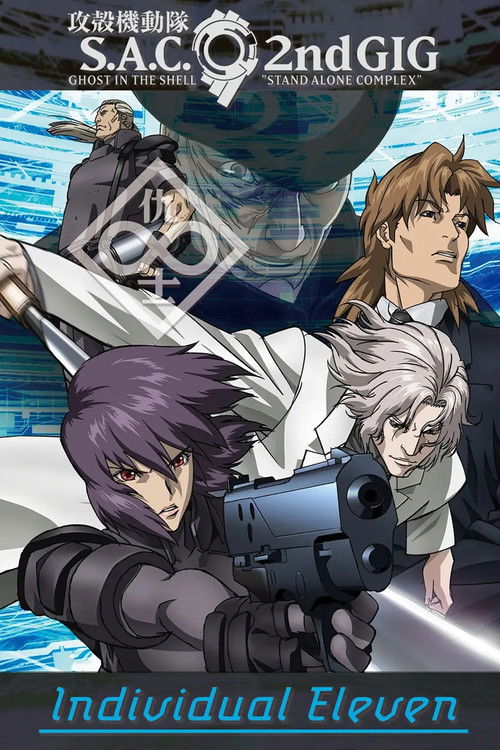
Ghost in the Shell: S.A.C. 2nd GIG - Individual Eleven
2006The year is 2030, and an influx of refuges have effortlessly transformed themselves into a terrorist organization known as the "Individual Eleven." With a sadistic intent of mass destruction, will they triumph in victory or discover the gloomy pitfalls of defeat?
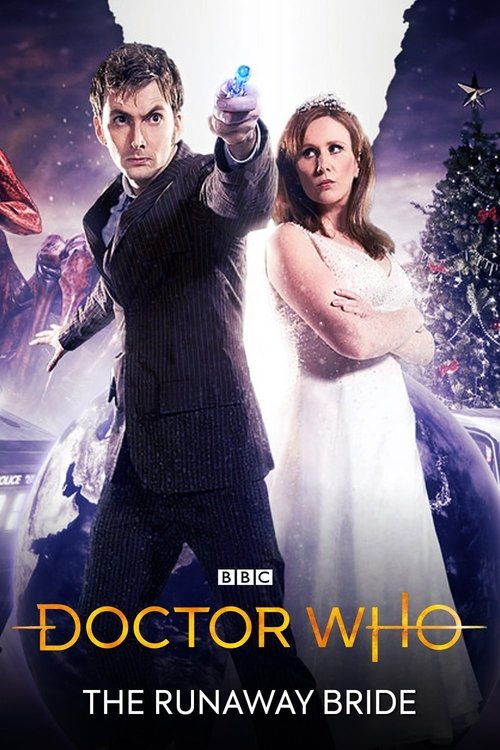
Doctor Who: The Runaway Bride
2006A young bride in the midst of her wedding finds herself mysteriously transported to the TARDIS. The Doctor must discover what her connection is with the Empress of the Racnoss's plan to destroy the world.
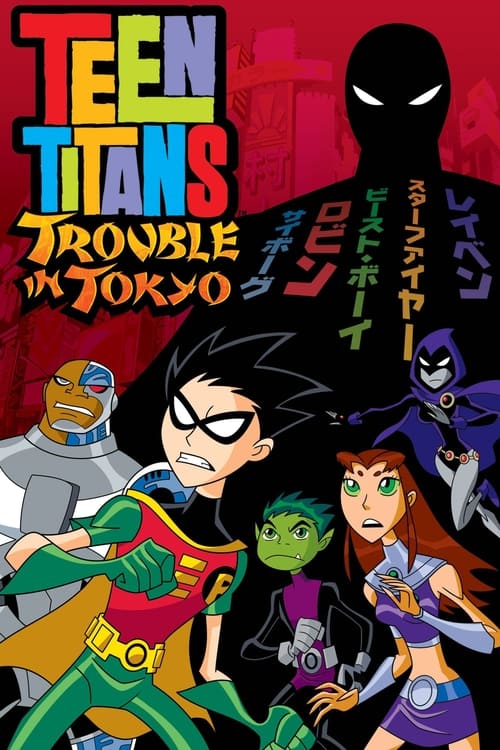
Teen Titans: Trouble in Tokyo
2006After a battle with a high-tech villain named, Saiko-Tek, the Teen Titans travel to the city of Tokyo where they find themselves embroiled in a conflict with an ancient enemy.

V for Vendetta
2006In a world in which Great Britain has become a fascist state, a masked vigilante known only as “V” conducts guerrilla warfare against the oppressive British government. When V rescues a young woman from the secret police, he finds in her an ally with whom he can continue his fight to free the people of Britain.
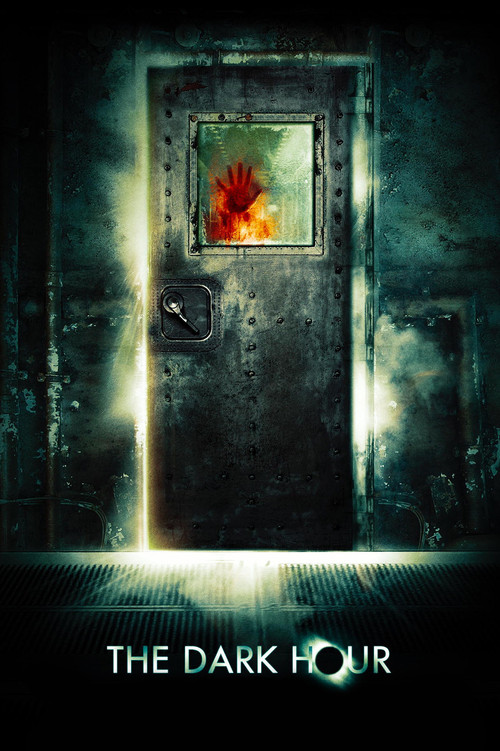
The Dark Hour
2006The eight years boy Jesús has been living in a crumbling underground facility since he was born with eight survivors of an apocalyptical war: the leader Maria and her lover Pablo; the gays Lucas and Mateo; the astronomer Magdalena and the teenager Ana; the soldier Pedro and the lonely Judas. They are permanently is state of surveillance, threatened by the contaminated mutants The Strangers and once a day they have to lock themselves in their rooms without heating to protect against the dangerous ghosts The Invisibles that attack in the Cold Hour. They cannot go to the surface, destroyed by a nuclear war. When they need supplies, medications and ammunitions, they organize expeditions to a store. When the menace of The Invisibles affects the safety of the group of survivors, they need to reach the surface. Written by Claudio Carvalho, Rio de Janeiro, Brazil

Codename: Kids Next Door: Operation Z.E.R.O.
2006The villains of the Kids Next Door, lead by Father, join forces to resurrect the Ultimate Evil, Grandfather, a tyrant who once ruled the world many years ago when most of the villains were themselves kids. However, Father disgraced him that he can't even try to destroy the KND and the Villains were quickly betrayed when they are turned into Senior Citizombies, creatures that are immortal and can transform any living creature into one of them and slaves who are forced to make Tapioca to refuel Grandfather so he can find and destroy the Book of K.N.D.

The Girl Who Leapt Through Time
2006When 17-year-old Makoto Konno gains the ability to 'leap' backwards through time, she immediately sets about improving her grades and preventing personal mishaps. However, she soon realises that changing the past isn't as simple as it seems, and eventually, will have to rely on her new powers to shape the future of herself and her friends.
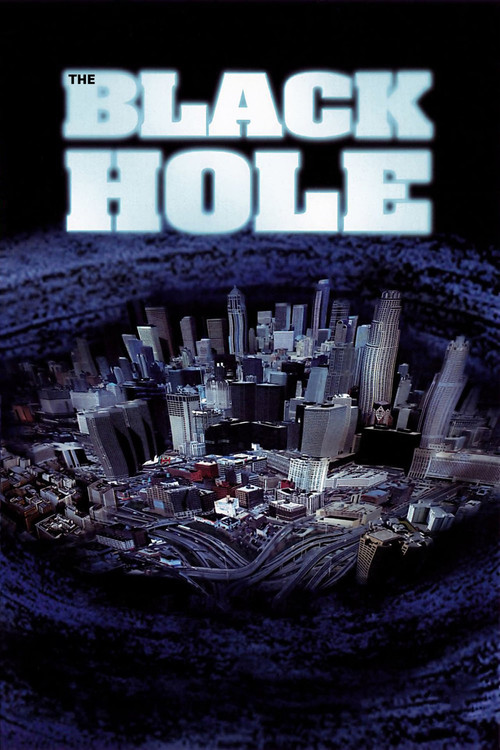
The Black Hole
2006It's 2 A.M. in St. Louis when a routine scientific experiment goes terribly wrong and an explosion shakes the city. A scientific team investigates, clashing with an intergalactic, voltage-devouring creature that vaporizes them.
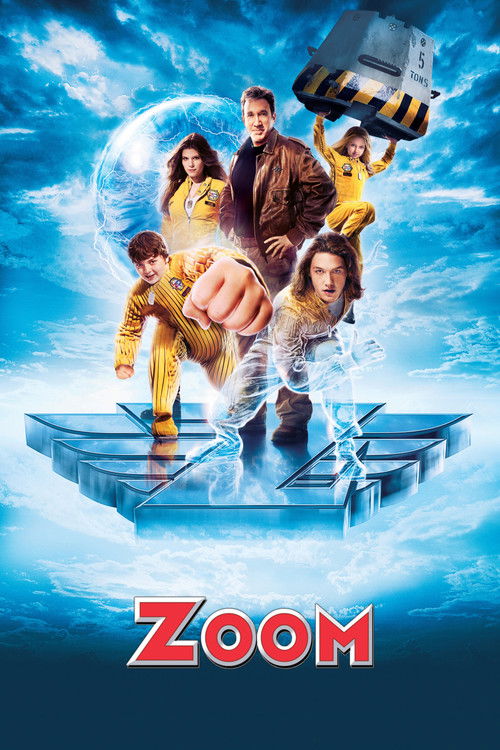
Zoom
2006Jack Shepard is an out-of-shape auto shop owner, far removed from the man who once protected the world's freedom. Reluctantly called back into action by the government, Jack is tasked with turning a ragtag group of kids with special powers into a new generation of superheroes to save the world from certain destruction.
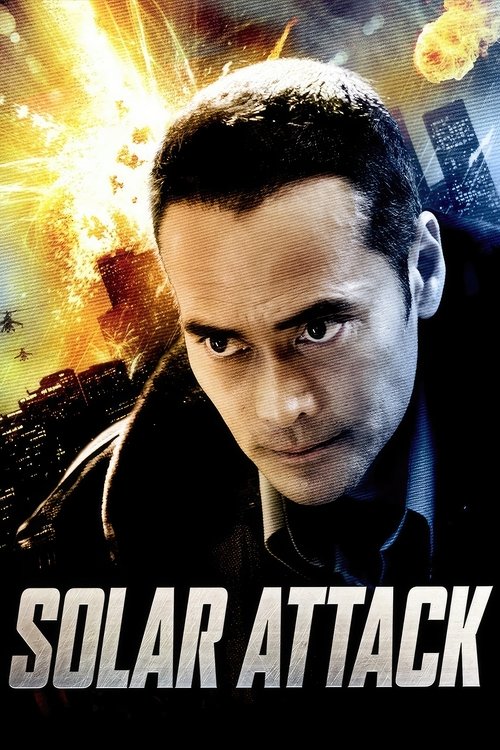
Solar Attack
2006When the sun's increasing expulsions of plasma threaten to ignite methane in our atmosphere, international tensions rise while scientists race for a solution to avoid natural disaster.
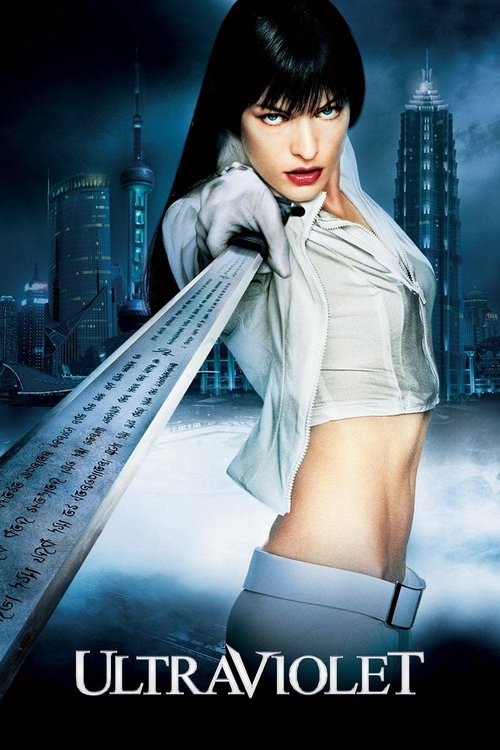
Ultraviolet
2006In the late 21st century, a subculture of humans have emerged who have been modified genetically by a vampire-like disease, giving them enhanced speed, incredible stamina and acute intelligence. As they are set apart from "normal" and "healthy" humans, the world is pushed to the brink of worldwide civil war aimed at the destruction of the "diseased" population. In the middle of this crossed-fire is - an infected woman - Ultraviolet, who finds herself protecting a nine-year-old boy who has been marked for death by the human government as he is believed to be a threat to humans.
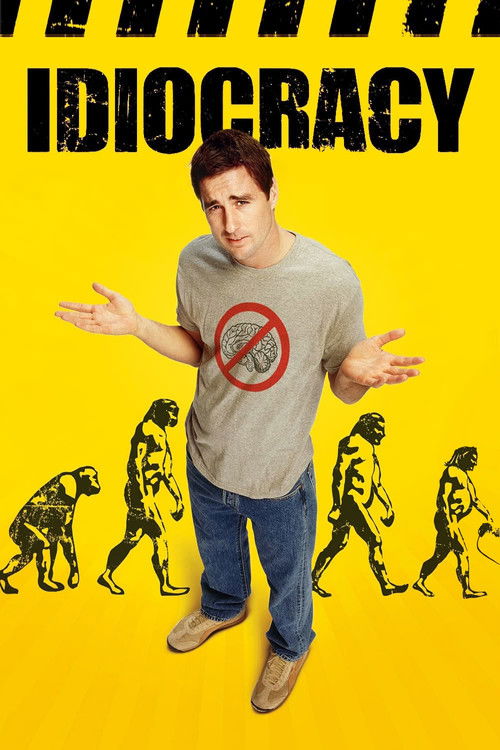
Idiocracy
2006To test its top-secret Human Hibernation Project, the Pentagon picks the most average Americans it can find - an Army private and a prostitute - and sends them to the year 2505 after a series of freak events. But when they arrive, they find a civilization so dumbed-down that they're the smartest people around.
Mike Judge’s scathing satire has transitioned from a crude comedy into a prophetic chillingly accurate sociology lesson. By exaggerating the decay of language and intellect, it functions as a terrifyingly plausible projection of a commercialized future.
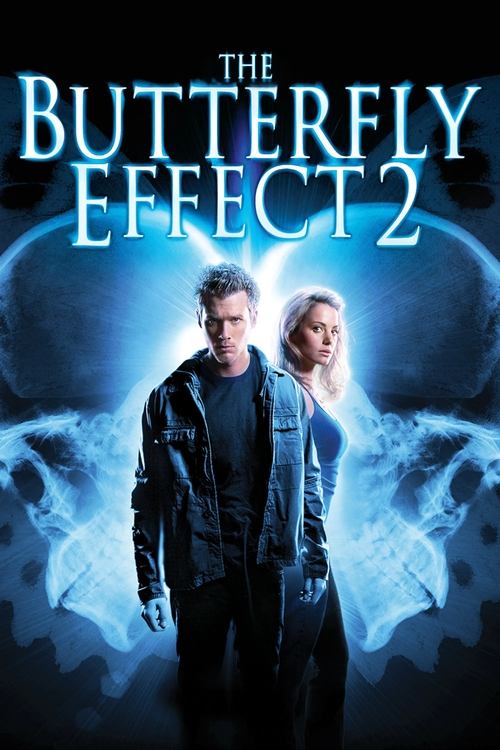
The Butterfly Effect 2
2006After his girlfriend, Julie, and two best friends are killed in a tragic auto accident, Nick struggles to cope with his loss and grief. Suffering from migraine-like seizures, Nick soon discovers that he has the power to change the past via his memories. However, his time-traveling attempts to alter the past and save his one true love have unexpected and dire consequences.
While lacking the philosophical weight of its predecessor, this sequel lean into the cruel irony and chaotic ripples inherent to the genre’s time-travel tropes. It serves as a gritty, low-fidelity exploration of how personal desperation inevitably corrupts any mastery over the past.

Renaissance
2006To find Ilona and unlock the secrets of her disappearance, Karas must plunge deep into the parallel worlds of corporate espionage, organized crime and genetic research - where the truth imprisons whoever finds it first and miracles can be bought but at a great price.
This French neo-noir utilizes a stark, high-contrast motion capture aesthetic to simulate a living graphic novel. It offers a chilly, sophisticated interrogation of corporate immortality set against a beautifully rendered monochrome Paris.

Paprika
2006When a machine that allows therapists to enter their patient's dreams is stolen, all hell breaks loose. Only a young female therapist can stop it and recover it before damage is done: Paprika.
Satoshi Kon’s kaleidoscopic fever dream obliterates the barrier between collective subconscious and digital reality through restless, inventive transitions. This animation is a dizzying celebration of psychological fluidity that challenges the viewer to maintain their footing in an ever-shifting dreamscape.
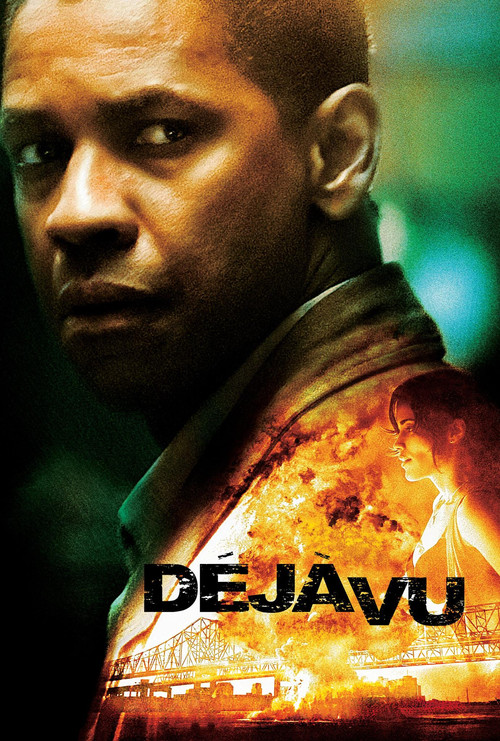
Déjà Vu
2006Called in to recover evidence in the aftermath of a horrific explosion on a New Orleans ferry, Federal agent Doug Carlin gets pulled away from the scene and taken to a top-secret government lab that uses a time-shifting surveillance device to help prevent crime.
Tony Scott fuses high-concept temporal physics with his signature kinetic maximalism to elevate a standard procedural into a soulful meditation on the ethics of the gaze. It is a rare high-budget thriller that treats its speculative technology with both romantic longing and forensic precision.
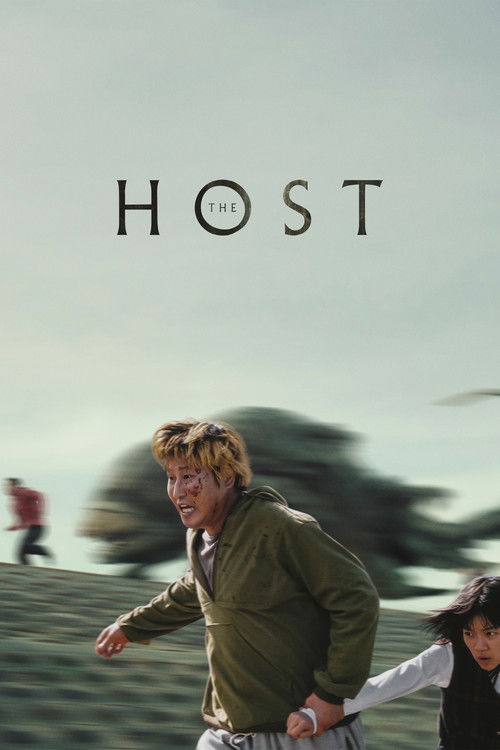
The Host
2006A teenage girl is captured by a giant mutated squid-like creature that appears from Seoul's Han River after toxic waste was dumped in it, prompting her family into a frantic search for her.
Bong Joon-ho weaponizes the creature feature to deliver a sharp, subversive critique of bureaucratic apathy and environmental negligence. This film revitalizes the monster genre by grounding its horrific spectacle in the messy, endearing dynamics of a dysfunctional family.
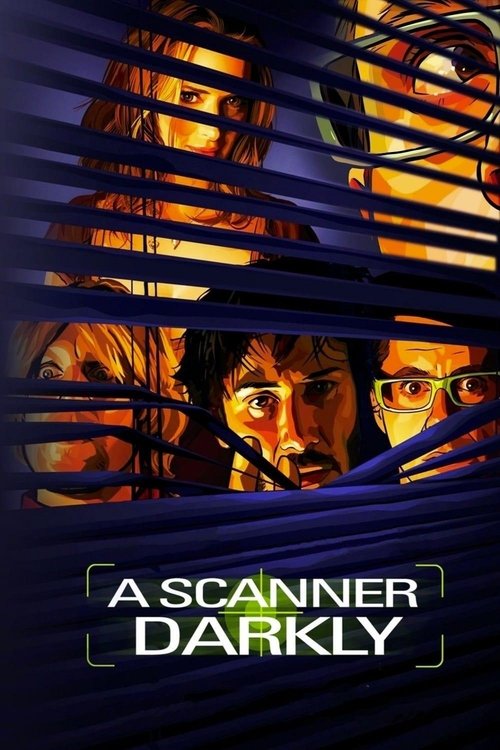
A Scanner Darkly
2006An undercover cop in a not-too-distant future becomes involved with a dangerous new drug and begins to lose his own identity as a result.
By layering interpolated rotoscoping over Philip K. Dick’s paranoid prose, Richard Linklater captures the jittery, hallucinogenic dissolution of the self. It remains a singular achievement in animation that perfectly mirrors the fractured psyche of a surveillance state.
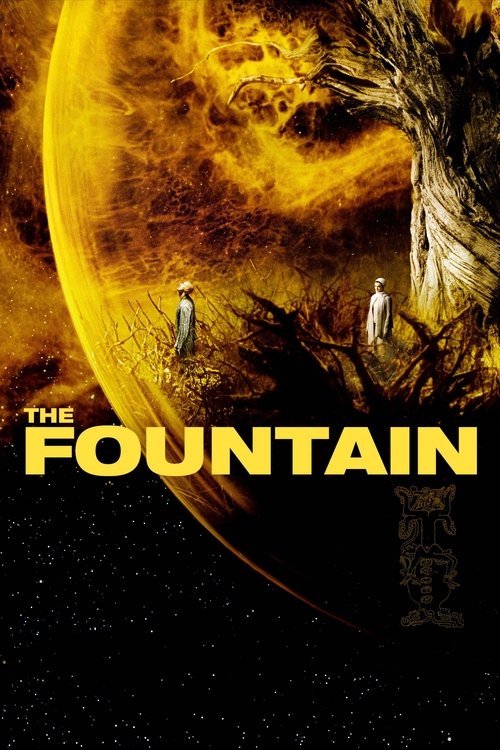
The Fountain
2006Spanning over one thousand years, and three parallel stories, The Fountain is a story of love, death, spirituality, and the fragility of our existence in this world.
Darren Aronofsky ignores traditional narrative boundaries to deliver a lush, cosmic meditation on mortality that feels more like a visual prayer than a standard space odyssey. The film’s reliance on practical macro-photography creates a timeless, shimmering aesthetic that CGI simply cannot replicate.
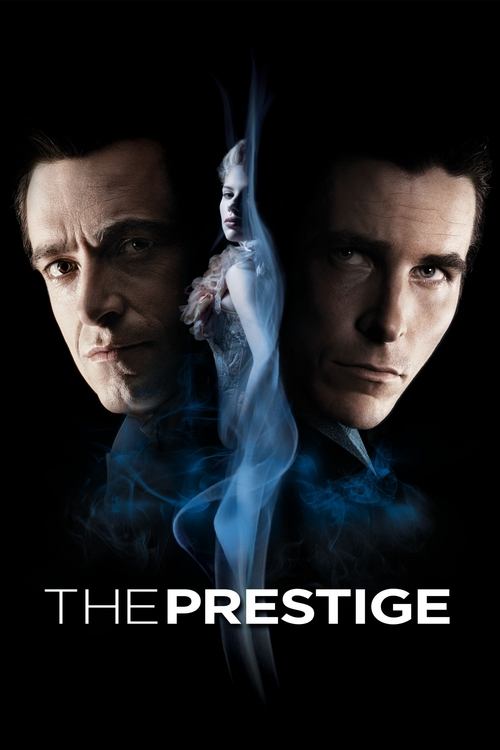
The Prestige
2006A mysterious story of two magicians whose intense rivalry leads them on a life-long battle for supremacy -- full of obsession, deceit and jealousy with dangerous and deadly consequences.
Christopher Nolan crafts a rigorous clockwork puzzle that treats Victorian sleight-of-hand as a precursor to terrifying quantum duplication. It is a cynical, intellectually demanding exploration of the lethal cost behind true scientific disruption.
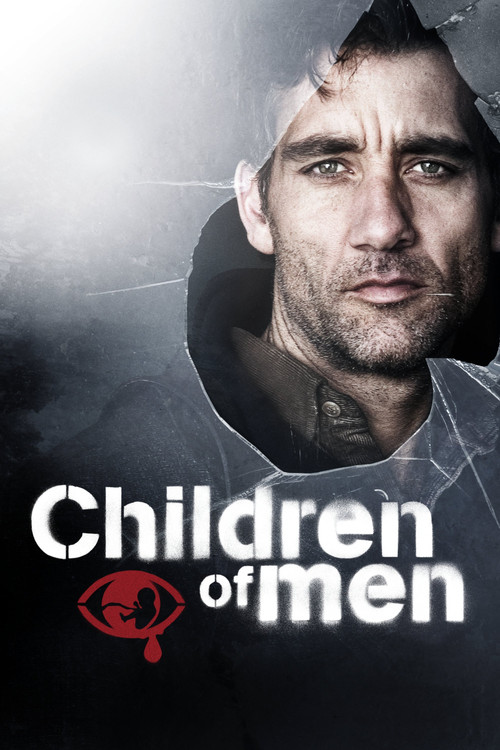
Children of Men
2006In 2027, in a chaotic world in which humans can no longer procreate, a former activist agrees to help transport a miraculously pregnant woman to a sanctuary at sea, where her child's birth may help scientists save the future of humankind.
Alfonso Cuarón’s masterpiece redefine’s the genre's visual language through visceral, single-take immersions into a breathless sociopolitical collapse. It prioritizes texture and immediate tactile dread over exposition, solidifying its place as the definitive dystopian document of the new millennium.
Frequently Asked Questions
Everything you need to know about this list and SnakeDrafts
- The best 2006 science fiction movies often explore themes like dystopia, identity, and the human condition, evident in films like 'Children of Men' and 'A Scanner Darkly.' These movies reflect a gritty realism and introspection, moving away from purely futuristic fantasies.
- Animation plays a significant role in 2006's sci-fi landscape with films such as 'A Scanner Darkly,' 'Paprika,' and 'Renaissance.' These movies use innovative visual styles to deepen psychological themes and surreal storytelling, pushing the boundaries of traditional sci-fi narratives.
- Many 2006 sci-fi movies hybridize genres, like 'The Prestige,' which combines science fiction with mystery and drama, or 'The Host,' which fuses horror elements. This blending enriches the storytelling by broadening emotional and thematic scope beyond typical sci-fi tropes.
- 'Children of Men' by Alfonso Cuarón and 'The Prestige' by Christopher Nolan stand out for their visionary direction, employing innovative techniques that enhance immersion and narrative complexity. Their distinct styles helped redefine how sci-fi could be presented cinematically.
- Dystopian settings in 2006's sci-fi films, like in 'Children of Men,' reflect societal anxieties and encourage critical thought about the future. This setting creates a compelling backdrop for exploring themes of survival, hope, and the consequences of humanity's choices.
- While 'The Butterfly Effect 2' continues the concept of time manipulation found in its predecessor, many original 2006 sci-fi films like 'The Fountain' and 'Déjà Vu' offer fresh narratives and stylistic innovation. These originals often have deeper thematic resonance and more complex storytelling.
- Technology is a critical element that drives plot and thematic depth in many 2006 sci-fi movies, from the futuristic surveillance in 'A Scanner Darkly' to the advanced scientific concepts in 'The Prestige.' It serves both as a tool and a source of conflict, reflecting contemporary concerns about its impact on society.
- Yes, 2006 offers a diverse range of sci-fi films that appeal to both newcomers and seasoned fans. Films like 'Idiotocracy' provide accessible humor and social satire, while others like 'The Girl Who Leapt Through Time' offer emotionally engaging animated storytelling that can introduce viewers to the genre's richness.