The Best 2007 SciFi Movies Ranked
Futuristic Thrillers and Space Odysseys
Explore the top rated science fiction films released during a landmark year for the genre. From alien invasions to mind-bending time travel tales.
About 2007 SciFi Movies
In the long arc of cinema history, 2007 stands out as a fascinating pivot point for science fiction. It was a year where the genre seemed to split into two distinct directions. On one side, we saw the birth of the modern mega blockbuster with the first Transformers film, a movie that signaled the arrival of toy based intellectual property as a dominant box office force. On the other side, we witnessed a profound return to contemplative, high concept storytelling that prioritized atmosphere and existential dread over simple pyrotechnics. Looking back, it was the year that sci fi truly grew up for the twenty first century.
The most enduring masterpiece of that year remains Danny Boyle’s Sunshine. Despite a third act that often divides audiences with its shift into slasher territory, the film is a visual and sonic marvel. It recaptured the awe of space travel, portraying the sun not just as a celestial body but as a terrifying, god like entity. Alex Garland’s script explored the psychological toll of deep space isolation, grounding the cosmic stakes in human fragility. It was a film that felt ancient and futuristic at once, proving that the genre still had room for original visions that didn’t rely on established comic book tropes.
While Sunshine looked to the stars, Alfonso Cuaron’s Children of Men, which had its wide release creep into early 2007, and the harrowing adaptation of The Mist looked at the collapse of society on the ground. Frank Darabont’s The Mist remains one of the gutsiest studio films of the decade. While it wears the skin of a creature feature, it is actually a brutal study of social breakdown and religious extremism under pressure. That unforgettable, soul crushing ending served as a reminder that science fiction is often at its best when it refuses to give the audience an easy out. It used the cover of a monster movie to deliver a stinging critique of human nature.
The year also gave us the ultimate high concept puzzle in the form of The Man from Earth. Written by Jerome Bixby on his deathbed, the film takes place entirely in one room as a man claims to his colleagues that he has been alive for fourteen thousand years. It is a movie that functions entirely on dialogue and ideas, stripped of all special effects. In a year that gave us the sprawling spectacle of Spider Man 3, the quiet brilliance of a film like The Man from Earth proved that a great sci fi premise only needs a compelling question to hold an audience captive.
Meanwhile, the arrival of Cloverfield's marketing campaign late in the year signaled a shift in how movies would be sold in the digital age, blending mystery with a gritty, first person perspective of urban destruction. Even I Am Legend, despite its controversial CGI, tapped into a global anxiety about biological collapse that felt increasingly relevant.
Looking back, 2007 was a bridge. It carried the torch of the thoughtful 1970s intellectual sci fi tradition while simultaneously building the foundation for the spectacle driven decade that followed. It was a year that respected the intelligence of the viewer, offering stories that stayed in the mind long after the credits rolled. Whether it was the burning light of a dying star or the terrifying fog of a small town, the science fiction of 2007 reminded us that the genre is the perfect mirror for our own deepest fears and highest aspirations.
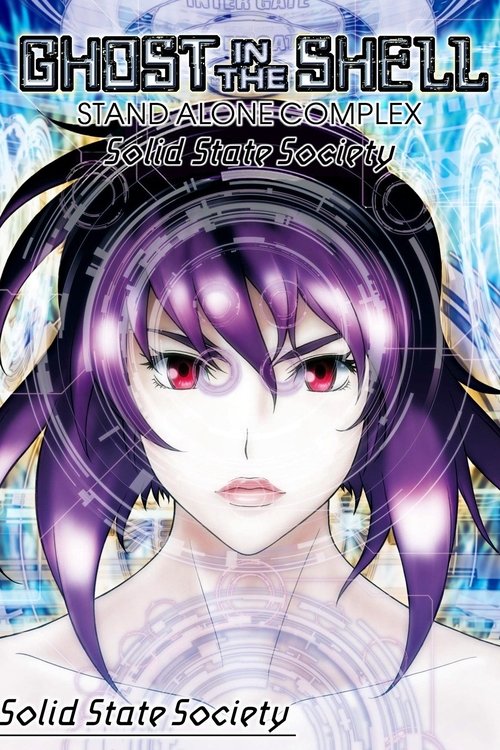
Ghost in the Shell: Stand Alone Complex - Solid State Society
2007The story takes place in the year 2034, two years after the events in Ghost in the Shell: S.A.C. 2nd GIG. Female cyborg Major Motoko Kusanagi has left Public Security Section 9, an elite counter-terrorist and anti-crime unit specializing in cyber-warfare, which has expanded to a team of 20 field operatives with Togusa acting as the field lead.
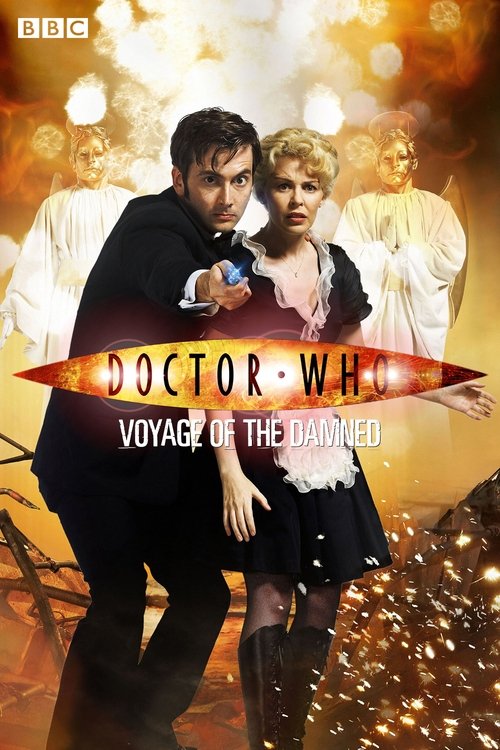
Doctor Who: Voyage of the Damned
2007When disaster hits the Titanic, the Doctor uncovers a threat to the whole human race. Battling alongside aliens, saboteurs, robot Angels and a new friend called Astrid, can he stop the Christmas inferno?
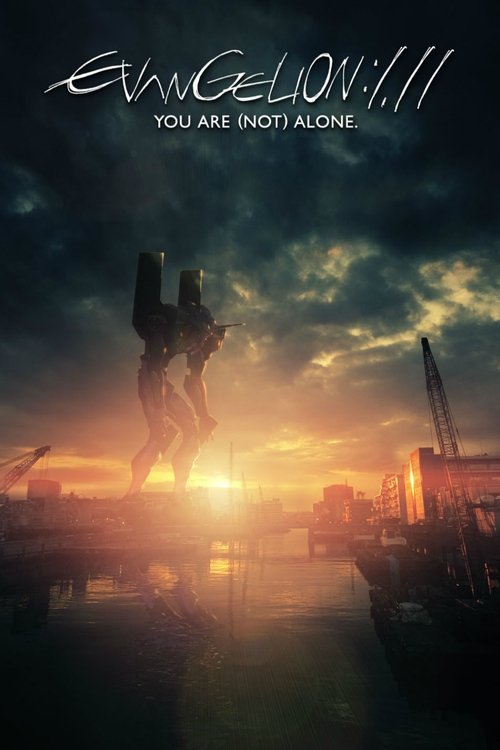
Evangelion: 1.0 You Are (Not) Alone
2007After the Second Impact, Tokyo-3 is being attacked by giant monsters called Angels that seek to eradicate humankind. The child Shinji’s objective is to fight the Angels by piloting one of the mysterious Evangelion mecha units. A remake of the first six episodes of GAINAX’s famous 1996 anime series. The film was retitled “Evangelion: 1.01” for its DVD release and “Evangelion: 1.11” for a release with additional scenes.
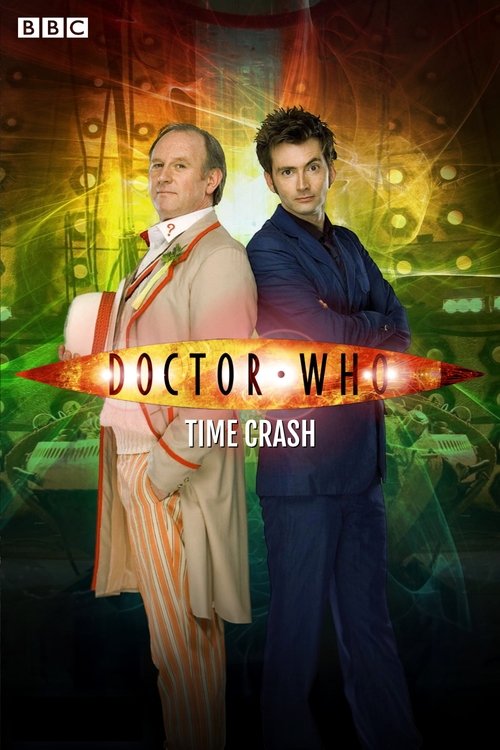
Doctor Who: Time Crash
2007After Martha Jones parts company with the Doctor, his TARDIS collides with another, and he comes face to face with one of his previous incarnations.
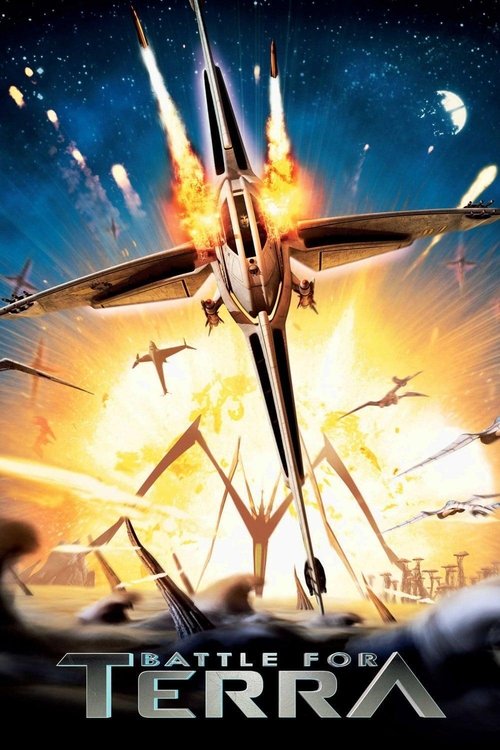
Battle for Terra
2007A peaceful alien planet faces annihilation, as the homeless remainder of the human race sets its eyes on Terra. Mala, a rebellious Terrian teenager, will do everything she can to stop it.
This animated feature daringly flips the perspective of the colonial narrative, forcing viewers to reckon with the morality of planetary conquest. It stands out for its sophisticated environmental themes and an alien design language that feels genuinely otherworldly.
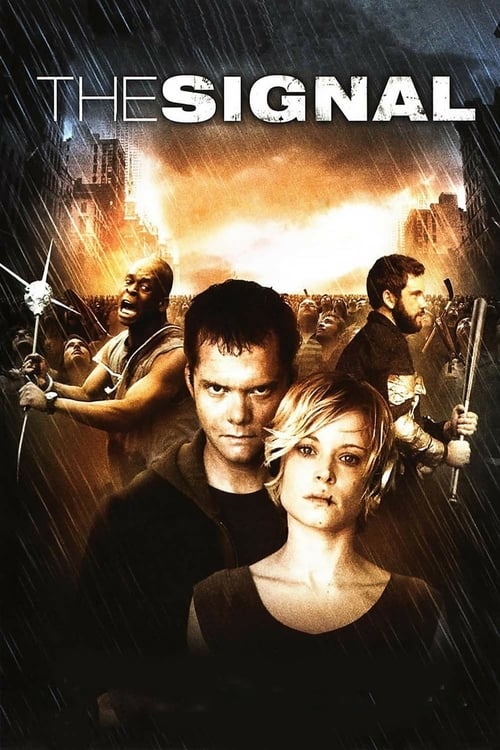
The Signal
2007A horror film told in three parts, from three perspectives, in which a mysterious transmission that turns people into killers invades every cell phone, radio, and television.
This triptych of madness explores the fragility of the psyche when confronted with a digital psychic assault. Its tonal shifts between pitch-black comedy and visceral carnage offer a fragmented, experimental take on the standard apocalypse.
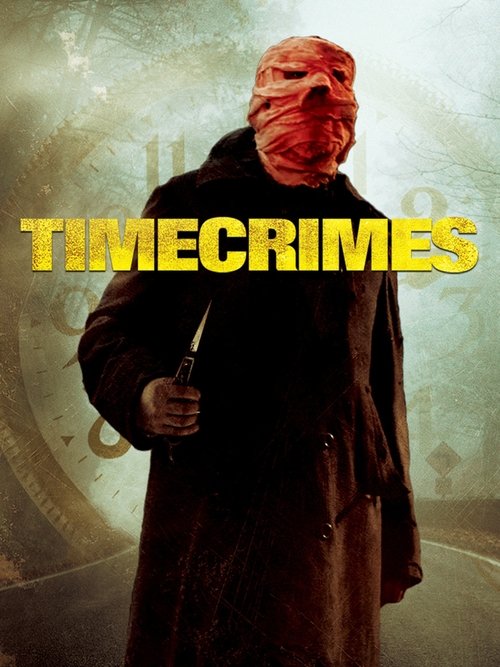
Timecrimes
2007A man accidentally gets into a time machine and travels back in time nearly an hour. Finding himself will be the first of a series of disasters of unforeseeable consequences.
Nacho Vigalondo constructs a clockwork nightmare that subverts time-loop tropes with brutal, low-budget ingenuity. It is a dizzying exercise in narrative causality where every mundane detail eventually snaps into a terrifying larger picture.
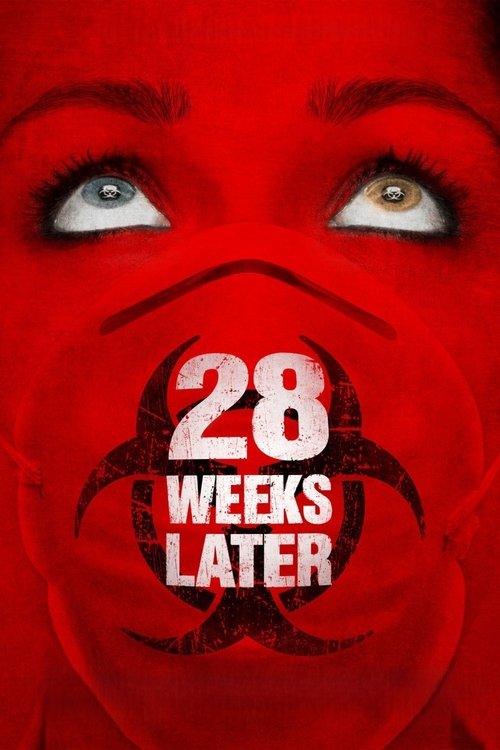
28 Weeks Later
2007Twenty-eight weeks after the spread of a deadly rage virus, the inhabitants of the British Isles have lost their battle against the onslaught, as the virus has killed everyone there. Six months later, a group of Americans dare to set foot on the Isles, convinced the danger has passed. But it soon becomes all too clear that the scourge continues to live, waiting to pounce on its next victims.
Juan Carlos Fresnadillo sustains a punishing level of adrenaline by focusing on the systemic collapse of a fragile quarantine. This sequel weaponizes the cinematic language of panic, proving that the true horror lies in the failure of institutions during a crisis.
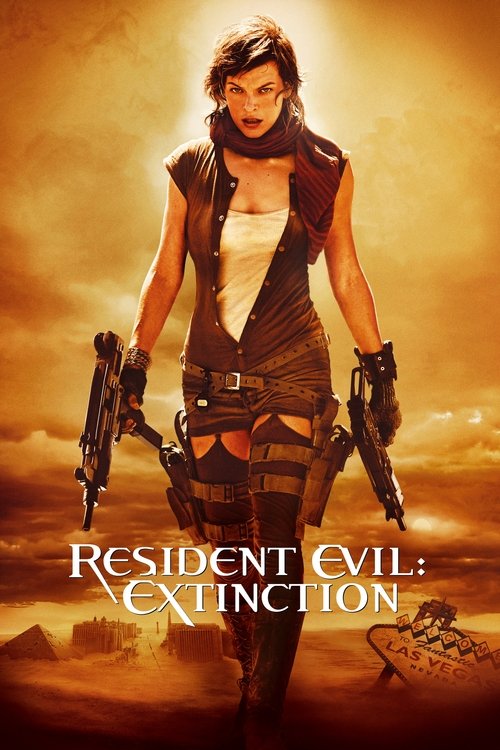
Resident Evil: Extinction
2007Years after the Racoon City catastrophe, survivors travel across the Nevada desert, hoping to make it to Alaska. Alice joins the caravan and their fight against hordes of zombies and the evil Umbrella Corp.
The franchise pivots into a scorched-earth western, trading claustrophobic corridors for the blinding glare of a desert wasteland. Its commitment to a Mad Max inspired aesthetic revitalizes the series with a gritty, sun-bleached nihilism.
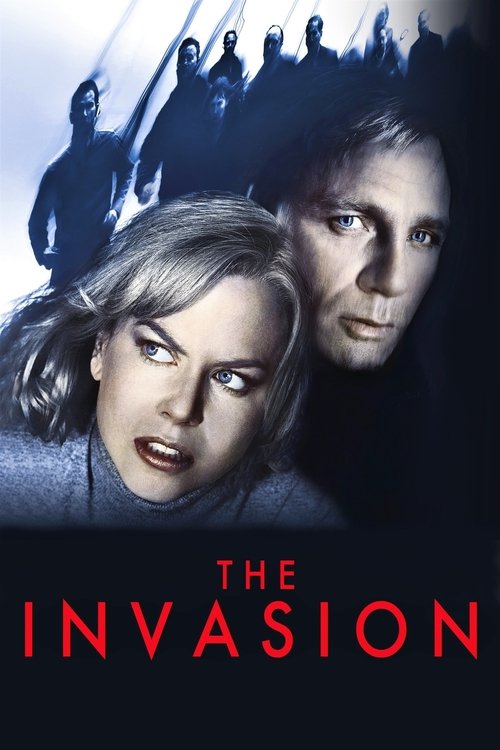
The Invasion
2007Washington, D.C. psychologist Carol Bennell and her colleague Dr. Ben Driscoll are the only two people on Earth who are aware of an epidemic running rampant through the city. They discover an alien virus aboard a crashed space shuttle that transforms anyone who comes into contact with it into unfeeling drones while they sleep. Carol realizes her son holds the key to stopping the spread of the plague and she races to find him before it is too late.
Nicole Kidman anchors this icy, paranoid reinterpretation of a classic genre trope with clinical precision. It replaces the camp of its predecessors with a sleek, cold-blooded look at the erosion of human emotion in a modern social landscape.
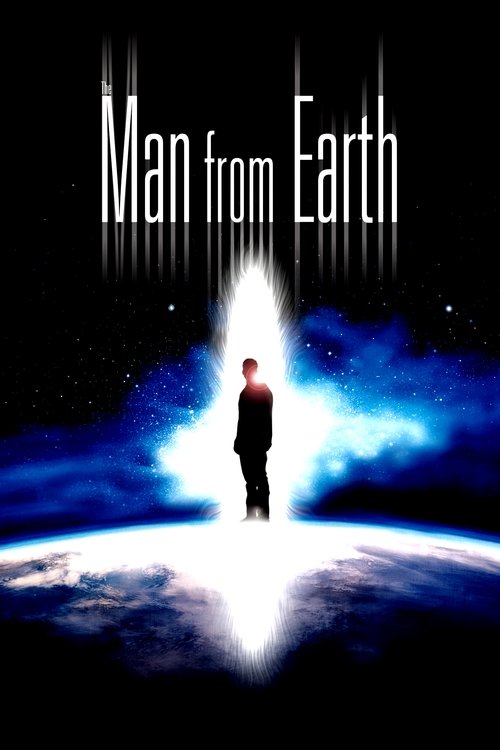
The Man from Earth
2007A departing professor gathers his closest colleagues for an intimate farewell, but the night takes an unexpected turn when he shares a stunning secret about his past. As the conversation unfolds, skepticism and curiosity collide, challenging everything they thought they knew about history, science, and belief.
Proving that intellectual friction is more explosive than any pyrotechnics, this chamber piece relies entirely on the power of speculative dialogue. It is a triumph of pure concept, challenging the audience to reconsider the entire breadth of human history within a single living room.
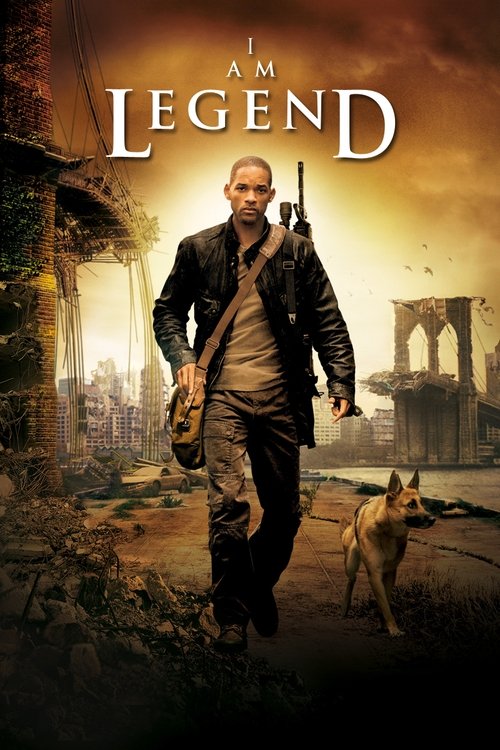
I Am Legend
2007Robert Neville is a scientist who was unable to stop the spread of the terrible virus that was incurable and man-made. Immune, Neville is now the last human survivor in what is left of New York City and perhaps the world. For three years, Neville has faithfully sent out daily radio messages, desperate to find any other survivors who might be out there. But he is not alone.
This haunting portrait of urban isolation thrives on the claustrophobia of a hollowed-out Manhattan. Will Smith delivers a masterclass in reactionary acting, grounding the high-concept biological apocalypse in raw, singular grief.
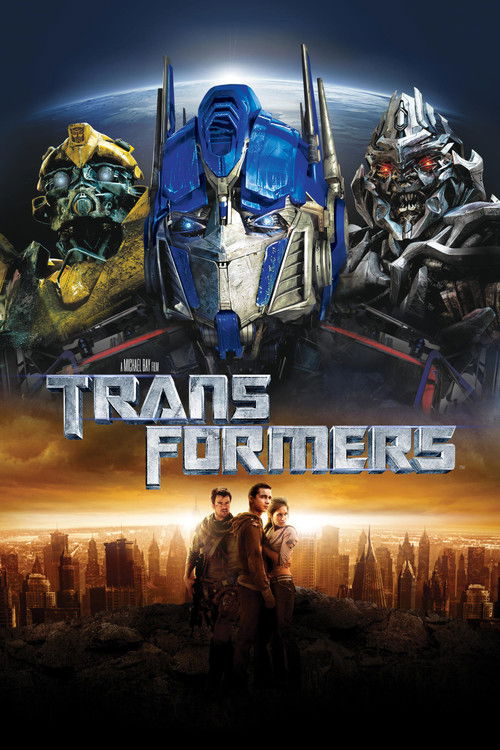
Transformers
2007Young teenager Sam Witwicky becomes involved in the ancient struggle between two extraterrestrial factions of transforming robots – the heroic Autobots and the evil Decepticons. Sam holds the clue to unimaginable power and the Decepticons will stop at nothing to retrieve it.
Michael Bay defines the maximalist aesthetic of the decade with a kinetic symphony of metal and chrome. The sheer technical achievement of its seamless, heavy mechanical transformations set a new high-water mark for digital spectacle.
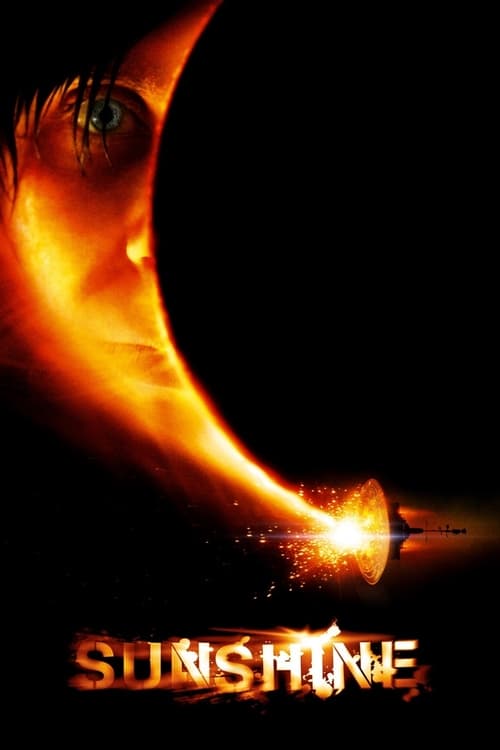
Sunshine
2007Fifty years into the future, the sun is dying, and Earth is threatened by arctic temperatures. A team of astronauts is sent to revive the Sun — but the mission fails. Seven years later, a new team is sent to finish the mission as mankind’s last hope.
Danny Boyle transforms a desperate solar mission into a tactile, hallucinatory descent into madness and spiritual awe. Its fusion of hard science and slinking psychological horror remains the gold standard for modern celestial cinema.
Frequently Asked Questions
Everything you need to know about this list and SnakeDrafts
- The 2007 sci-fi films often delve into themes like alien invasions, dystopian futures, and mind-bending time travel. Movies like 'Transformers' showcase epic alien battles, while 'Timecrimes' focuses on complex time travel paradoxes.
- Science fiction in 2007 split into blockbuster spectacle and high-concept storytelling. For instance, 'Transformers' highlighted big-budget action and special effects, whereas 'Sunshine' and 'The Man from Earth' offered contemplative, atmospheric narratives.
- Yes, many 2007 sci-fi films blend horror and thriller aspects. Titles like 'The Invasion,' '28 Weeks Later,' and 'Resident Evil: Extinction' incorporate suspense and horror alongside science fiction themes.
- 2007 featured notable sci-fi animations such as 'Evangelion: 1.0 You Are (Not) Alone' and 'Battle for Terra.' These films combined stunning visuals with complex storytelling, appealing to fans of both animation and science fiction.
- Yes, sci-fi TV movies like 'Doctor Who: Time Crash' and 'Doctor Who: Voyage of the Damned' were significant in 2007. These episodes brought the beloved series' science fiction themes to a broader audience through special event programming.
- 'Sunshine' is distinguished by its intense psychological thriller elements set within a science fiction framework. Directed by Danny Boyle, it explores humanity's survival mission in space with a strong atmospheric tone.
- Films like 'I Am Legend' and 'Ghost in the Shell: Stand Alone Complex - Solid State Society' examine the impact of technology on society and identity. These movies explore futuristic technology intertwined with drama and thriller elements.
- Time travel is a key motif in films like 'Timecrimes,' which uses it to build suspense and explore paradoxes. This focus on time manipulation reflects the year's trend towards thoughtful, mind-bending narratives in science fiction.