The Best 1998 SciFi Movies Ranked
Cosmic Chaos and Cult Classics of the Late Nineties
Explore the best science fiction films from the end of the millennium, featuring alien encounters, deep space missions, and urban dystopias.
About 1998 SciFi Movies
In the cultural rearview mirror, 1998 often feels like a peculiar waiting room for the millennium. It was the year before The Matrix fundamentally rewired our cinematic DNA and the year before Star Wars returned to theaters. Yet, looking back at the science fiction landscape of that specific twelve month span reveals a genre in a fascinating state of flux. It was a time when Hollywood was obsessed with the sky falling, while indie directors were busy exploring the darker corners of the human mind.
The year was dominated by the battle of the space rocks. In what remains one of the most famous examples of twin film development, we received both Deep Impact and Armageddon. These two movies perfectly illustrated the divide in 90s blockbuster filmmaking. Deep Impact, released first, tried to ground the apocalypse in human emotion and scientific logistics. It was a melancholy disaster film that focused on how society prepares for the end. Then came Michael Bay with Armageddon, a loud, sweaty, and unashamedly patriotic spectacle that prioritized lens flares and power ballads over physics. While critics rolled their eyes at the latter, it became a massive cultural touchstone, proving that the public wanted their sci-fi served with high-octane explosive energy rather than quiet contemplation.
However, the real soul of 1998 lived in the shadows of its smaller, more cerebral offerings. Alex Proyas delivered Dark City, a neo-noir masterpiece that arguably perfected the simulated reality trope before Neo ever took the red pill. With its shifting architecture and pale, trench-coated antagonists, Dark City was a visual marvel that interrogated the nature of memory and identity. It was a box office disappointment that found its immortality on DVD, becoming a mandatory watch for anyone interested in the intersection of philosophy and genre.
Similarly, Peter Weir gave us The Truman Show. While often categorized as a dramedy, it remains one of the most prophetic works of social science fiction ever produced. In an age before YouTube or reality television saturation, it predicted a world where every moment of a human life is commodified for an audience. It used sci-fi elements to examine the ethics of surveillance and the fragility of a manufactured world, anchored by a career-best performance from Jim Carrey.
Even the summer blockbusters that were not about asteroids felt experimental. The X-Files movie attempted the difficult feat of bridging the gap between prestige television and the silver screen, succeeding in heightening the paranoiac atmosphere that defined the decade. Andrew Niccol followed up the genetic dystopia of Gattaca by writing the aforementioned Truman Show, solidifying himself as the era's premier architect of high-concept social commentary.
The year was rounded out by oddities like the big-budget adaptation of Lost in Space and the monster-shambles that was the American Godzilla. Neither hit the mark artistically, but they showed an industry desperate to turn old intellectual property into new digital spectacle. Looking back, 1998 was the calm before a digital storm. It provided a diverse mix of existential dread, planet-killing anxiety, and the first hints of the reality-bending narratives that would come to define the early 2000s. It was a year that dared us to look at the stars in fear and at our own lives with deep suspicion.
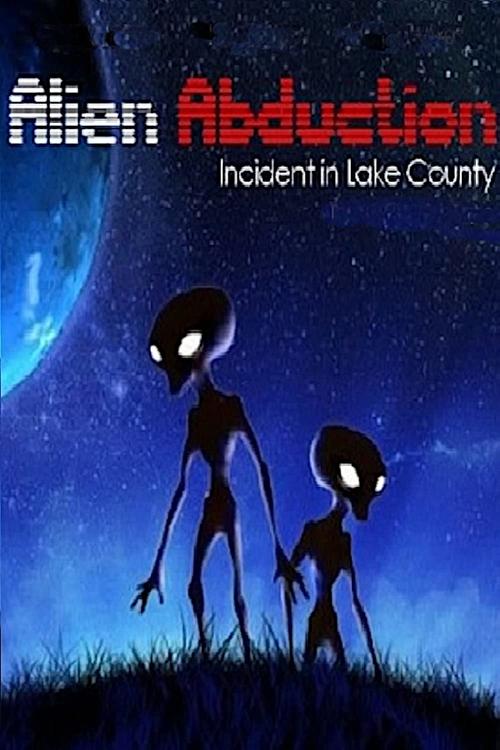
Alien Abduction: Incident in Lake County
1998After a mysterious blackout, a son goes out to investigate and captures footage of actual aliens. When the aliens follow he and his brothers back to their home all hell breaks lose.
This early experiment in the found-footage subgenre weaponizes home-video aesthetics to create a raw, unsettling documentary realism. Its success stems from a commitment to grainy, chaotic authenticity that tapped into the public's burgeoning fascination with digital-age voyeurism.
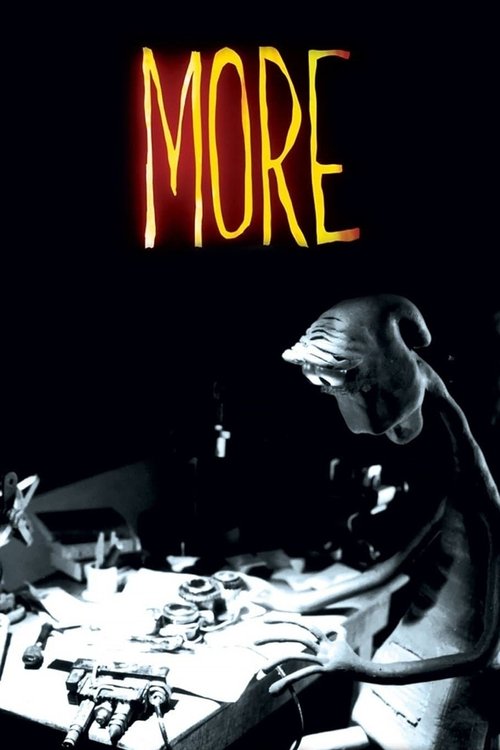
More
1998A factory worker in a dark, gray world assembles devices that promise happiness. In his spare time he tinkers to create something better, and finally succeeds in perfecting his invention, which allows people to see life through rose-colored glasses, but he has to pay a price for his success.
Mark Osborne’s stop-motion short is a staggering achievement in tactile storytelling, utilizing a unique large-format process to evoke profound melancholy. It is a hauntingly beautiful allegory about the industrialization of joy and the loss of the creative soul.
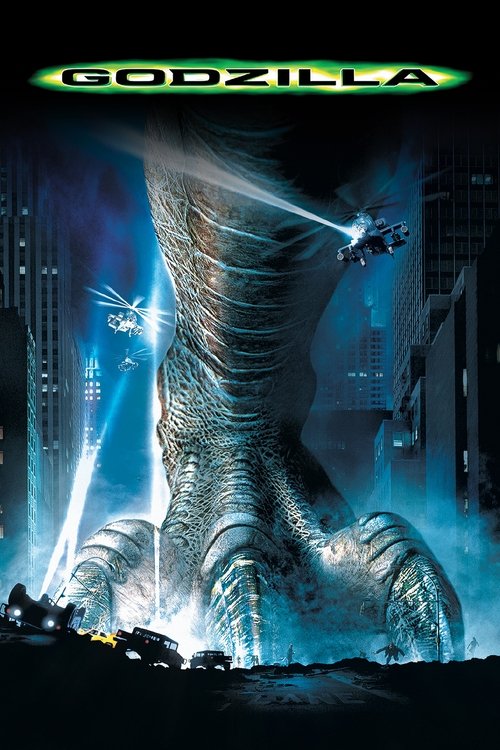
Godzilla
1998French nuclear tests irradiate an iguana into a giant monster that viciously attacks freighter ships in the Pacific Ocean. A team of experts, including Niko Tatopoulos, conclude that the oversized reptile is the culprit. Before long, the giant lizard is loose in Manhattan as the US military races to destroy the monster before it reproduces and it's spawn takes over the world.
Roland Emmerich recontextualizes the atomic nightmare as a sleek, urban disaster epic of staggering proportions. Its reimagining of a legend focuses on the sheer terror of biological displacement within a vertical concrete jungle, punctuated by a groundbreaking sense of scale.
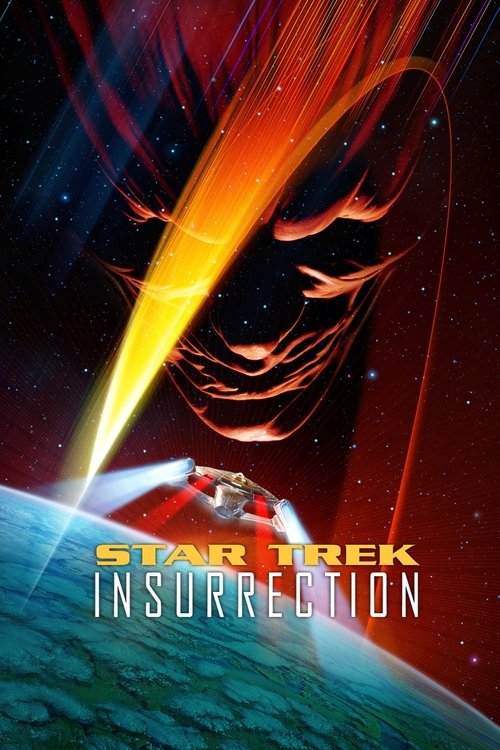
Star Trek: Insurrection
1998When an alien race and factions within Starfleet attempt to take over a planet that has "regenerative" properties, it falls upon Captain Picard and the crew of the Enterprise to defend the planet's people as well as the very ideals upon which the Federation itself was founded.
Trading the existential stakes of the Borg for a lush, ethical debate, this installment functions as a polished philosophical vignette. It excels by leaning into the franchise's humanistic roots, opting for pastoral beauty and moral complexity over mindless interstellar warfare.
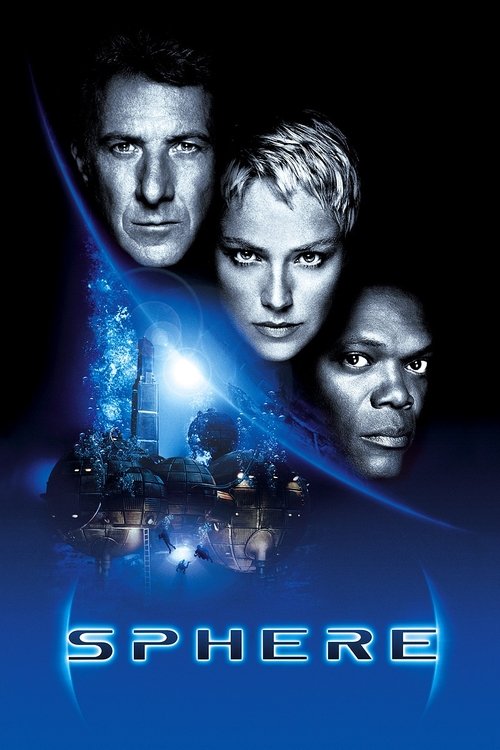
Sphere
1998A spacecraft is discovered at the bottom of the Pacific Ocean, presumed to be at least 300 years old and of alien origin. A crack team of scientists and experts is assembled and taken to the ocean floor to investigate. However, the ship is not as it seems and when a giant perfect sphere is discovered in the cargo bay, things begin to fall apart.
Barry Levinson delivers a claustrophobic psychological study that prioritizes cerebral tension over traditional underwater action. The film’s greatest strength lies in its oppressive atmosphere, forcing the audience to grapple with the terrifying manifestations of the human subconscious.
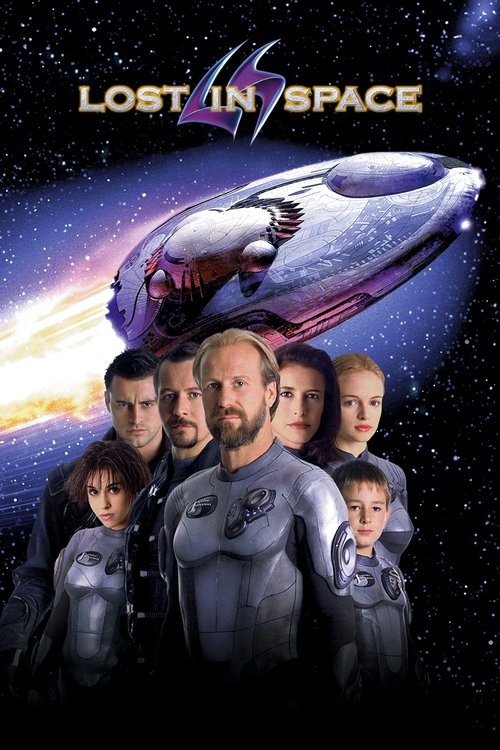
Lost in Space
1998The prospects for continuing life on Earth in the year 2058 are grim. So the Robinsons are launched into space to colonize Alpha Prime, the only other inhabitable planet in the galaxy. But when a stowaway sabotages the mission, the Robinsons find themselves hurtling through uncharted space.
This reboot ditches camp for a gritty, chronologically fractured odyssey through the celestial unknown. The film’s pioneering use of digital environments and its focus on a dysfunctional family dynamic provide a fascinating, high-stakes pivot for a classic space-opera property.
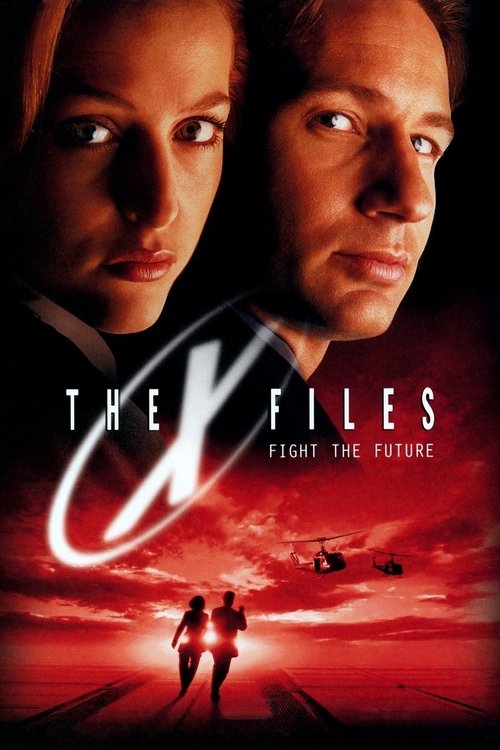
The X-Files
1998Mulder and Scully, now taken off the FBI's X Files cases, must find a way to fight the shadowy elements of the government to find out the truth about a conspiracy that might mean the alien colonization of Earth.
Leaping from the small screen with cinematic poise, this conspiracy thriller successfully scales its paranoid intimacy into a global catastrophe. It captures a specific cultural zeitgeist where government skepticism and extraterrestrial mythology collide under an elegantly menacing lens.
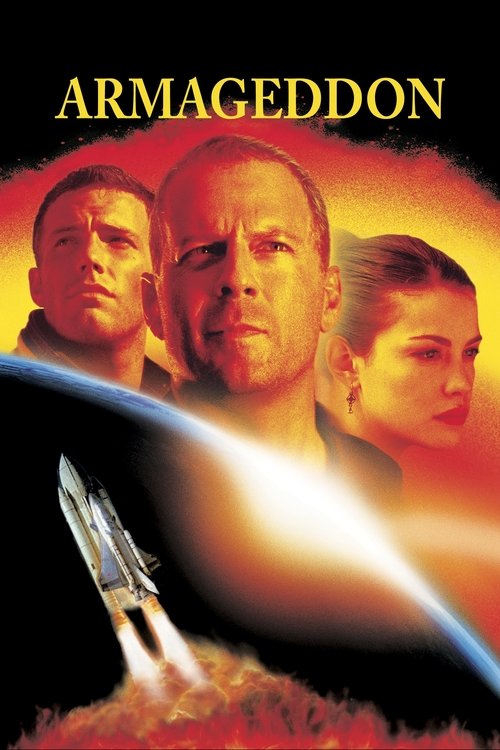
Armageddon
1998When an asteroid threatens to collide with Earth, NASA honcho Dan Truman determines the only way to stop it is to drill into its surface and detonate a nuclear bomb. This leads him to renowned driller Harry Stamper, who agrees to helm the dangerous space mission provided he can bring along his own hotshot crew. Among them is the cocksure A.J. who Harry thinks isn't good enough for his daughter, until the mission proves otherwise.
Michael Bay’s unapologetic spectacle pushes industrial-scale filmmaking to its absolute kinetic limit. It remains a masterclass in hyper-stylized blue-collar heroism, defined by a saturated aesthetic and a relentless, percussive editing rhythm that demands total sensory surrender.
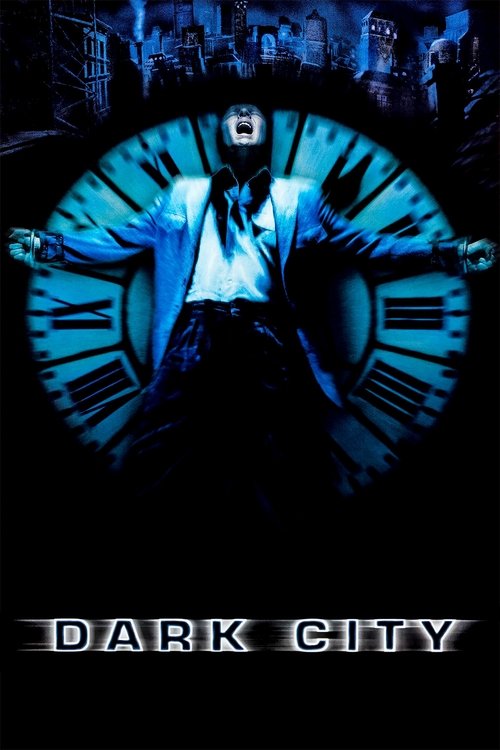
Dark City
1998A man struggles with memories of his past, including a wife he cannot remember, in a nightmarish world with no sun and run by beings with telekinetic powers who seek the souls of humans.
Alex Proyas crafts a breathtaking neo-noir labyrinth that predates the digital revolution, trading sleek code for a haunting, tactile expressionism. Its architectural fluidity and existential dread solidify it as the year's most intellectually ambitious vision of a shifting reality.
Frequently Asked Questions
Everything you need to know about this list and SnakeDrafts
- The 1998 sci-fi movies often explore themes of alien encounters, deep space missions, and dystopian urban environments. Films like Dark City delve into mysterious urban dystopias, while Armageddon and Lost in Space focus on space-based adventures and survival.
- 'Dark City' is renowned for its unique blend of mystery and science fiction, presenting a noir-style urban dystopia that delves deeply into human identity and memory. Its atmospheric storytelling and visual style set it apart from more action-oriented films of the year.
- 1998 sci-fi movies capture a sense of anticipation and unease prevalent before the millennium, often depicting impending disasters or profound existential questions. Films like Armageddon showcase global threats, while movies such as The X-Files emphasize mysteries and conspiracies reflecting societal anxieties.
- Yes, the list includes 'More,' an animated science fiction film directed by Mark Osborne. It offers a visually compelling and thematic exploration of human desires and the cost of progress, distinguishing itself from traditional live-action sci-fi movies of the year.
- 'The X-Files' film expands on the television series' exploration of government conspiracies and extraterrestrial phenomena, blending mystery and science fiction. It provides fans with a cinematic experience that deepens the show's iconic themes of skepticism and the search for truth.
- Space missions are central to several 1998 sci-fi films, highlighting humanity's struggle and ambition in the cosmos. 'Armageddon' and 'Lost in Space' emphasize action-packed narratives involving space survival, while 'Sphere' integrates psychological thriller elements within a deep-sea sci-fi context.
- The 1998 sci-fi films represent a transitional phase, combining traditional disaster and adventure motifs with more cerebral and stylistic storytelling. This period paved the way for future innovation in the genre, seen in the approach to narrative complexity and visual effects that would be fully realized in the following years.