Best Horror Movies of 1977
Classic Chills and Cult Favourites From a Golden Year
Explore the best horror cinema from this iconic year. Read our ranked list featuring supernatural slashers, cult classics, and terrifying creature features.
About 1977 Horror Movies
The year 1977 exists in the popular imagination as the moment the galaxy far, far away changed everything. While Star Wars was rewriting the blockbuster playbook, horror was undergoing a quieter but equally profound transformation. It was a year where the genre felt caught between two worlds, shedding the gothic trappings of the past to embrace a visceral, psychological, and often surreal future. Looking back, 1977 was less about a single trend and more about several masters of the craft hitting their stride simultaneously.
No discussion of this era is complete without Dario Argento and his magnum opus, Suspiria. Released in early 1977 in Italy before bleeding across the globe, it represented a radical departure from the traditional whodunit tropes of the giallo subgenre. Argento traded logical plotting for a sensory assault of primary colors and a deafening, progressive rock score by Goblin. By turning a dance academy into a technicolor nightmare, Argento proved that horror could be high art. It beckoned the audience into a dreamworld where the architecture was as threatening as the razor blades.
While Argento was painting with blood and neon in Europe, David Lynch was introducing American audiences to a different kind of fever dream. Eraserhead finally saw the light of day in 1977, marking the arrival of a director who viewed the domestic sphere as a source of industrial dread. The film defied easy categorization, but its influence on body horror and atmospheric tension cannot be overstated. It captured a specific post-industrial anxiety that resonated in the grime of the late seventies, proving that the most terrifying monsters were often the ones birthed from our own anxieties about fatherhood and biology.
At the same time, the legendary Wes Craven was moving away from the raw cruelty of his debut to something more structured but no less mean. The Hills Have Eyes arrived as a stark reminder that the American wilderness remained a site of primal violence. By pitting a civilized nuclear family against a feral clan in the desert, Craven tapped into a societal fear of class warfare and the breakdown of the suburban dream. It was lean, mean, and helped cement the backwoods horror trope that would dominate the drive-in circuit for years to come.
The year also showcased how horror was beginning to blend with high-concept prestige. David Cronenberg continued his fascination with medical evolution in Rabid, while Michael Winner gave us The Sentinel, a star-studded supernatural thriller that felt like a bridge between the religious hysteria of the early seventies and the more exploitative slasher boom on the horizon. Even small-scale releases like the cult classic Death Bed: The Bed That Eats hinted at a genre willing to try absolutely anything.
If 1977 belonged to the Jedi, the shadows belonged to the innovators. It was a year that lacked a single monolithic hit like The Exorcist or Jaws, but it offered something far more valuable for the longevity of the genre: variety. From the stylized sorcery of Italy to the industrial rot of Lynchian dreams, 1977 was the year horror became weirder, bolder, and more beautiful. It was the definitive proof that the genre thrived best when it stopped trying to follow the rules and started trying to break the viewer.
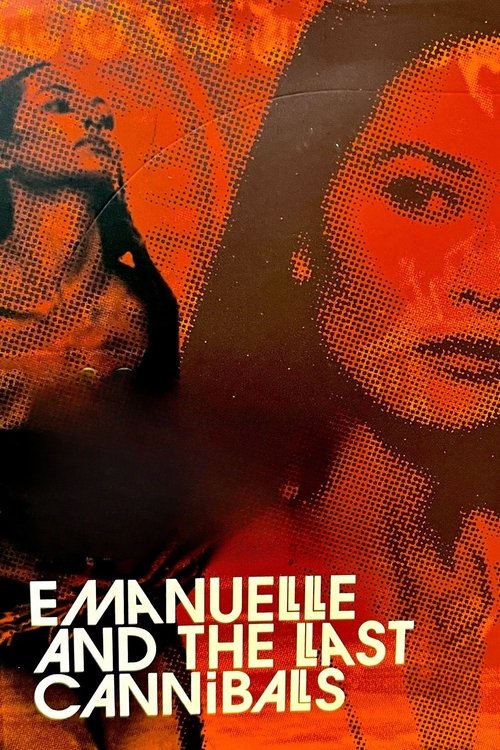
Emanuelle and the Last Cannibals
1977Intrepid photographer Emanuelle is taken deep into the Amazonian jungle to search for a cannibalistic tribe long believed to be extinct.
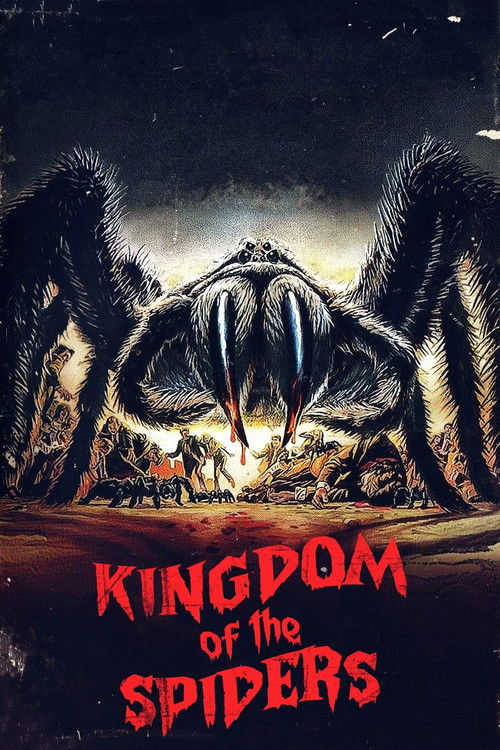
Kingdom of the Spiders
1977Investigating the mysterious deaths of a number of farm animals, vet Rack Hansen discovers that his town lies in the path of hordes of migrating tarantulas. Before he can take action, the streets are overrun by killer spiders, trapping a small group of townsfolk in a remote hotel.
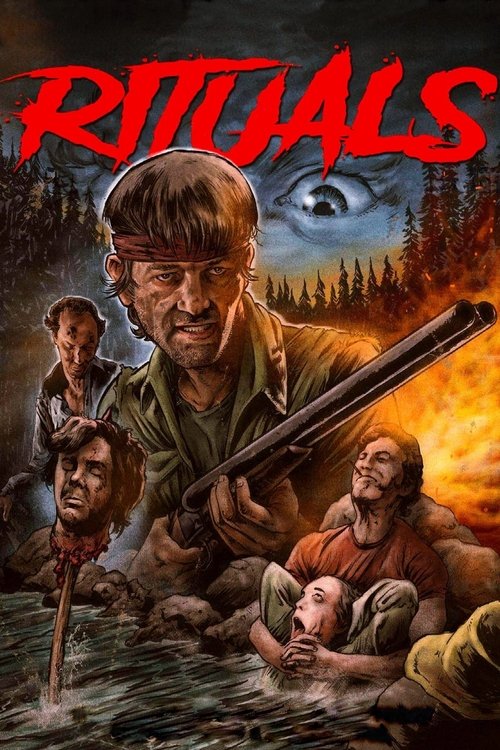
Rituals
1977Five doctors go camping in the remote woods of Northern Ontario. When their boots are stolen they begin to suspect they are being stalked.
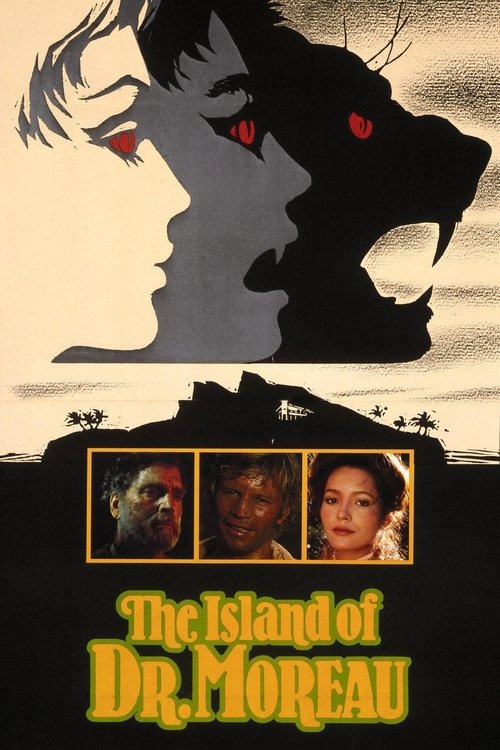
The Island of Dr. Moreau
1977A ship-wrecked man floats ashore on an island in the Pacific Ocean. The island is inhabited by a scientist, Dr. Moreau, who in an experiment has turned beasts into human beings.
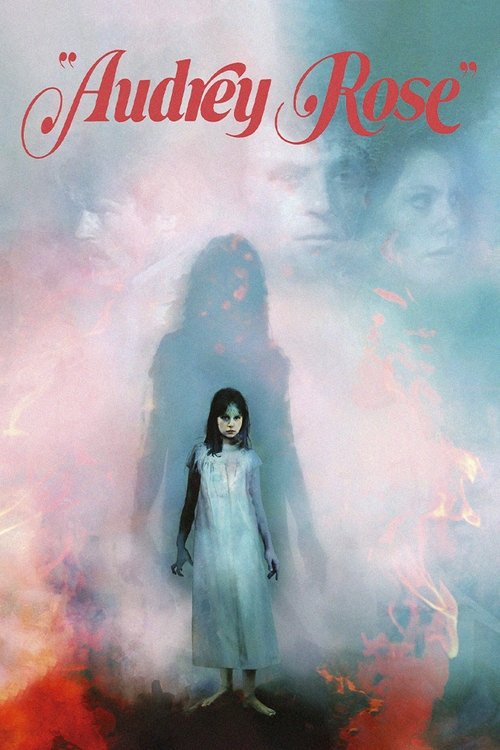
Audrey Rose
1977A man is convinced that 11-year old girl, Ivy, is the reincarnation of his own daughter Audrey Rose, who died in a fiery car accident, along with his wife, two minutes before Ivy was born.
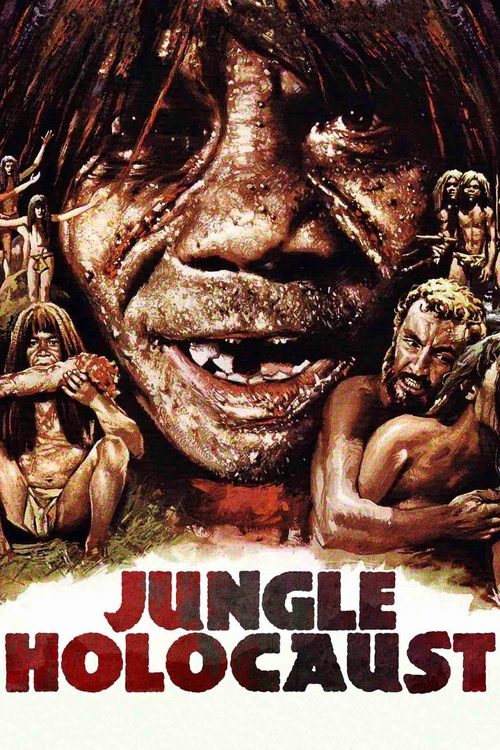
Last Cannibal World
1977An oil prospector escapes from capture by a primitive cannibal tribe in the Philippine rain forest and heads out to locate his missing companion and their plane to return home.
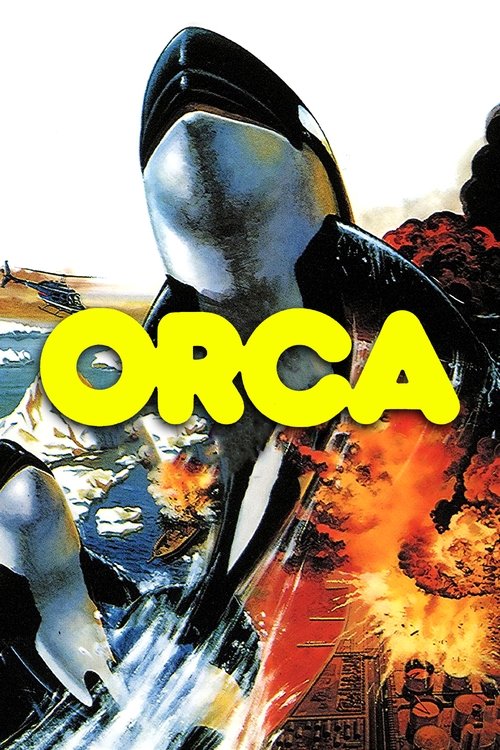
Orca
1977After witnessing the killing of his mate and offspring at the hands of a reckless Irish captain, a vengeful killer whale rampages through the fisherman's Newfoundland harbor. Under pressure from the villagers, the captain, a female marine biologist, and an Indigenous tribalist venture after the great beast, who will meet them on its own turf.
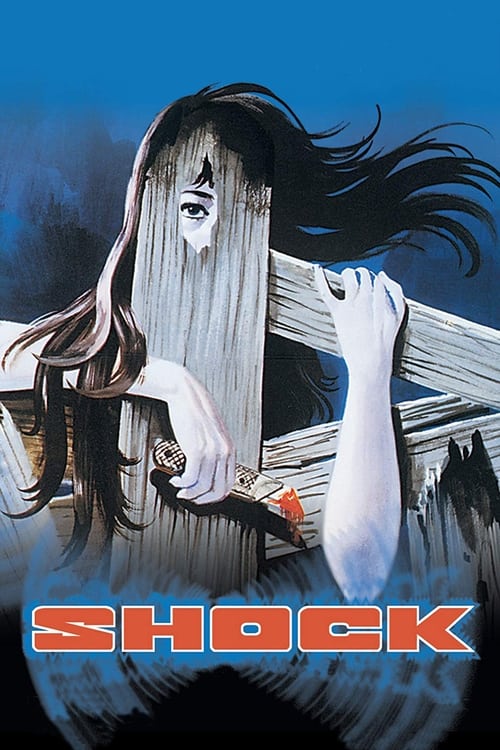
Shock
1977A couple is terrorized in their new house haunted by the vengeful ghost of the woman's former husband who possesses her young son.
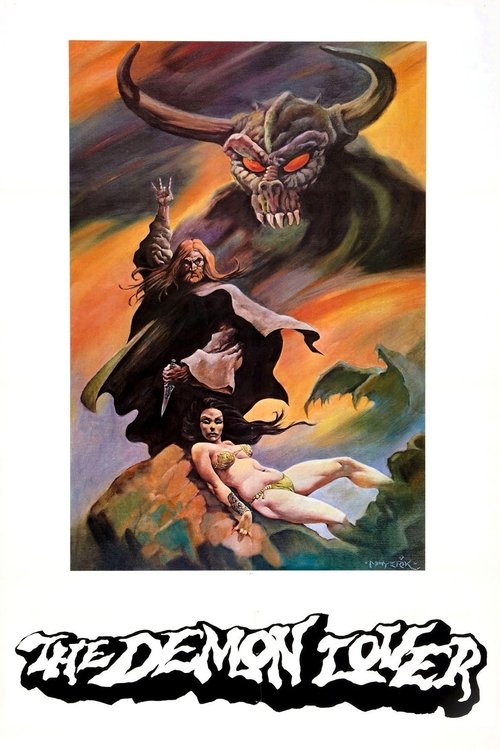
The Demon Lover
1977A group of teenagers hanging around a cemetery get involved with a satanic priest who calls up a demon from hell.
Demon Seed
1977A scientist creates Proteus, an organic supercomputer with artificial intelligence which becomes obsessed with human beings, and in particular the creator's wife.
Alucarda
1977A young girl's arrival at a convent after the death of her parents marks the beginning of a series of events that unleash an evil presence on the girl and her mysterious new friend, an enigmatic figure known as Alucarda. Demonic possession, Satan worship, and vampirism follows.
Death Bed: The Bed That Eats
1977In a one-room stone building near a dilapidated mansion, a demon has condemned an artist to living behind a painting in a state of limbo, forcing him to watch in vain as trespassers' lives are taken by a ravenous bed.
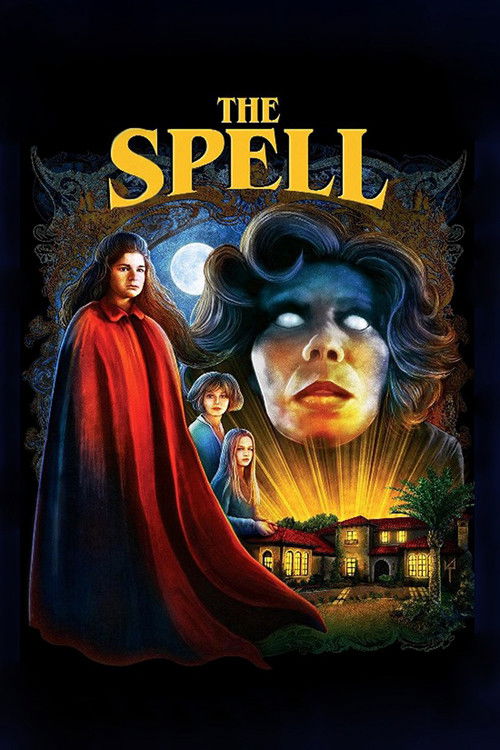
The Spell
1977A distraught mother must cope with her embittered daughter who has the ability to cause "accidents" to happen.
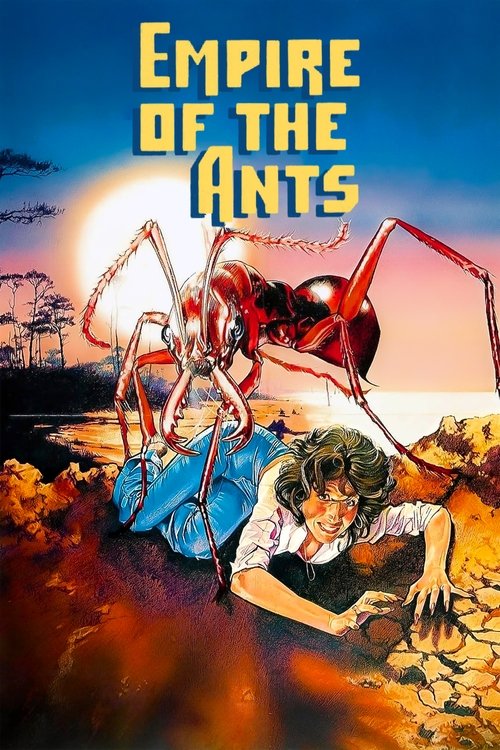
Empire of the Ants
1977A Florida real estate developer and her captain lure investors to a property in the Everglades called Dreamland Shores, under false pretenses that the swampland will soon be developed. After the group arrives on a small island, they find it has been overrun by giant mutated ants, brought on by the dumping of toxic waste in the area.
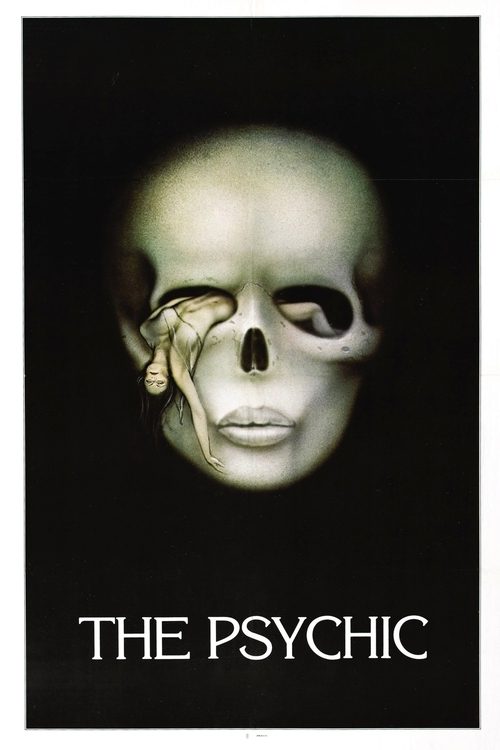
The Psychic
1977A woman with psychic powers has a vision of a murder that took place in a house owned by her husband.
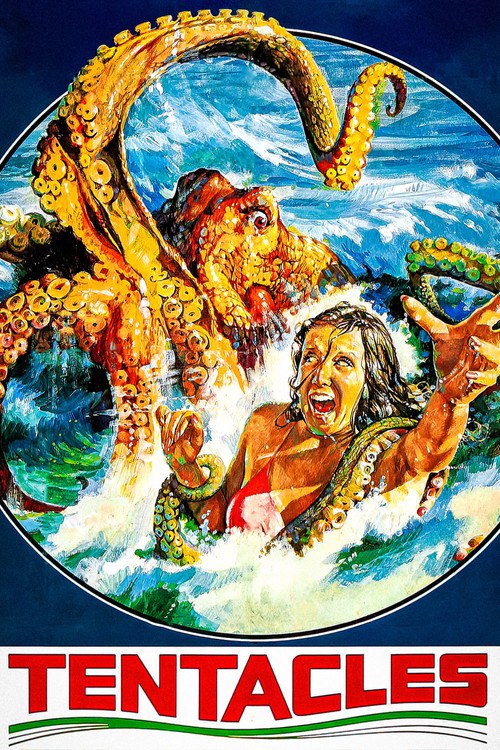
Tentacles
1977Several people disappear from and at the sea. Their bodies are found gnawed to the skeleton, even the marrow is missing. The scientists have no idea which animal could do such things. Dr. Turner begins to suspect that the company which builds a tunnel beneath the bay might have poisoned the environment and caused an octopus to mutate to giant dimensions...
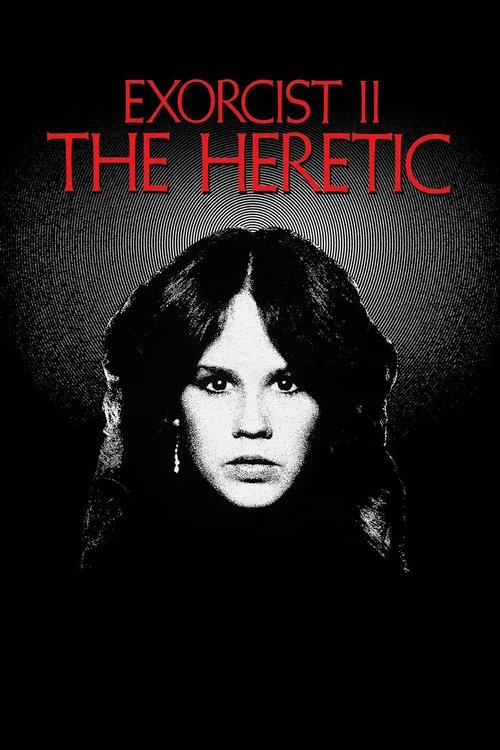
Exorcist II: The Heretic
1977Bizarre nightmares plague Regan MacNeil four years after her possession and exorcism. Has the demon returned? And if so, can the combined faith and knowledge of a Vatican investigator and a research specialist free her from its grasp?
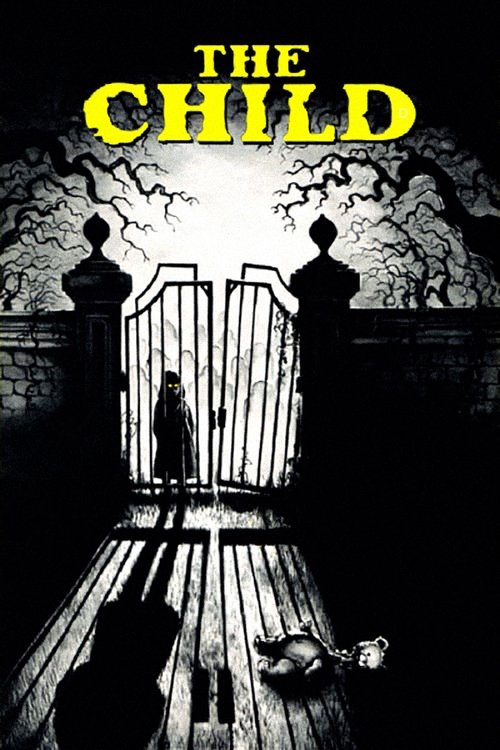
The Child
1977In early 20th century California, a young woman, Alicianne, takes a job as a nanny to a young girl, Rosalie Nordon, whose mother has recently died. On her way to the rural, secluded Nordon home, Alicianne meets a neighbor who warns her of the family's reputation. She soon meets the crabby, morbid Mr. Nordon, his awkward son Len, and the aloof Rosalie, who can seemingly animate objects when she is angry.
A gritty, low-budget anomaly that utilizes its rural setting to cultivate a thick sense of regional rot and supernatural malice. It earns its place through a hauntingly nihilistic final act that stands as one of the year's most unsettling conclusions.
The Pack
1977The residents of vacation spot Seal Island find themselves terrorized by a pack of dogs -- the remnants of discarded pets by visiting vacationers.
This grim exercise in animal revolt avoids the camp common to the genre, instead opting for a bleak and grounded depiction of nature’s vengeance. The film’s tension is built on the frighteningly believable behavior of its abandoned canine antagonists.
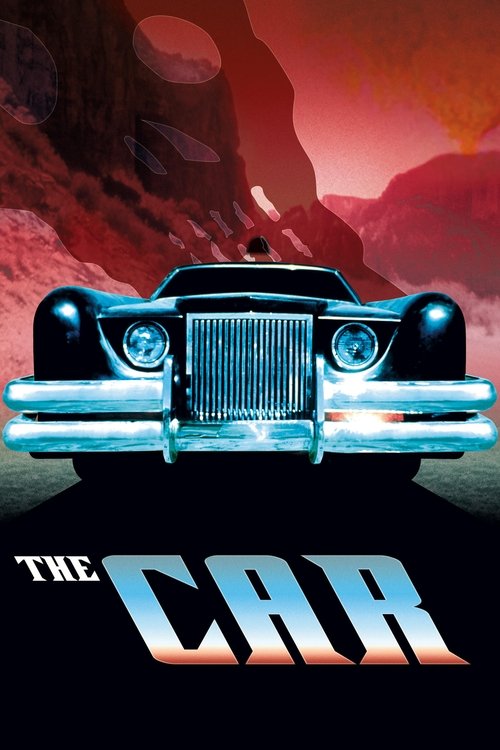
The Car
1977The Utah community of Santa Ynez is being terrorized by a mysterious black coupe that appears out of nowhere and begins running people down. After the car kills off the town sheriff, Captain Wade Parent is determined to stop the murderous driver.
Transforming a customized Lincoln Continental into an unstoppable, soulless predator, this film remains a masterclass in vehicular menace. Its minimalist execution and the predatory choreography of the titular machine create a relentless sense of pursuit.
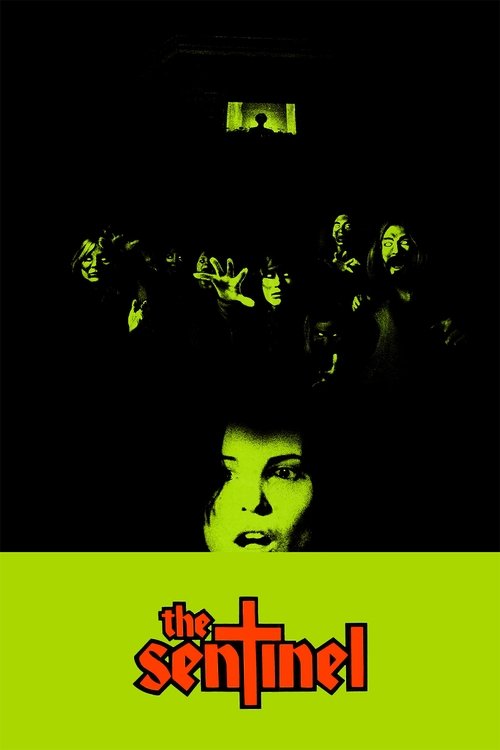
The Sentinel
1977As a young girl, Alison Parker attempted suicide after being traumatized by her father's sexual exploits. Now an elite fashion model, she moves to a Brooklyn Heights apartment building where she encounters a number of bizarre, eccentric tenants and attempts to uncover the building's sinister secret.
A lavish, star-studded descent into Brooklyn Heights brownstone hell, this film excels by blending Catholic paranoia with genuinely shocking practical effects. It achieves a unique brand of ecclesiastical dread that rivals the most famous religious horrors of its decade.
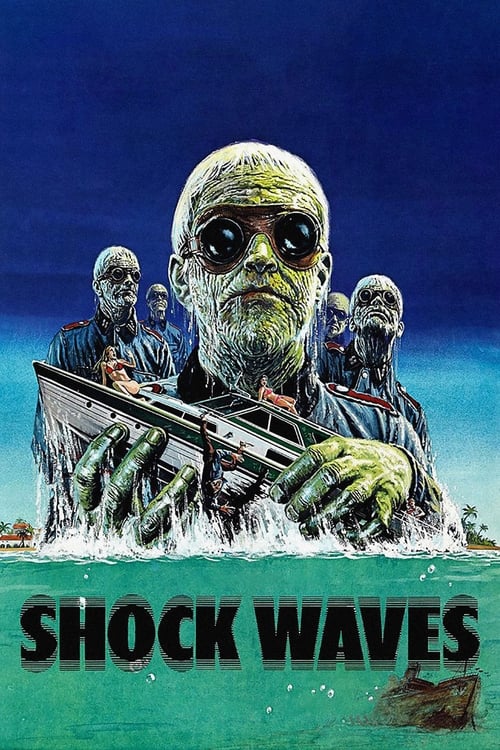
Shock Waves
1977Visitors to a remote island discover that a reclusive Nazi commandant has been breeding a group of zombie soldiers.
This cult oddity stands out for its chilling underwater cinematography and the eerie, disciplined silence of its aquatic Nazi zombies. It eschews typical exploitation tropes in favor of a lingering, humid atmosphere that feels genuinely unnerving.
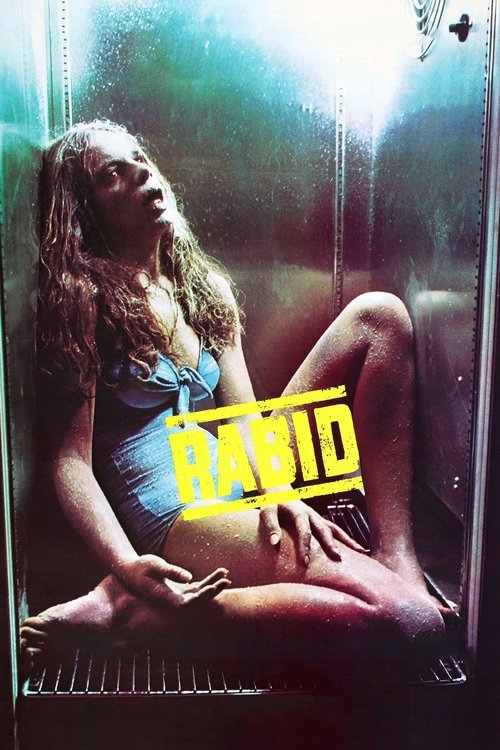
Rabid
1977After undergoing radical surgery for injuries from a motorcycle accident, a young woman develops a retractable, vampiric stinger in her armpit and a thirst for human blood.
David Cronenberg’s cold, clinical examination of biological catastrophe explores the intersection of eroticism and infection with disturbing precision. By grounding its vampiric evolution in a grounded urban landscape, the film crafts a uniquely modern sense of medical dread.
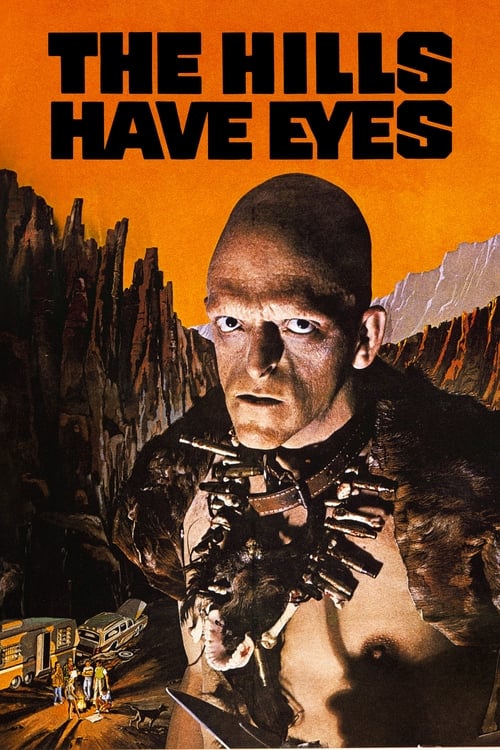
The Hills Have Eyes
1977Taking an ill-advised detour en-route to California, the Carter family soon run into trouble when their RV breaks down in the middle of the desert. Stranded, they find themselves at the mercy of monstrous cannibals lurking in the surrounding hills.
Wes Craven stripped away the civility of the American nuclear family to reveal the primal savagery beneath in this grueling excursion into desert isolation. Its raw, documentary-style grit and unflinching brutality set a new, terrifying standard for the survivalist subgenre.
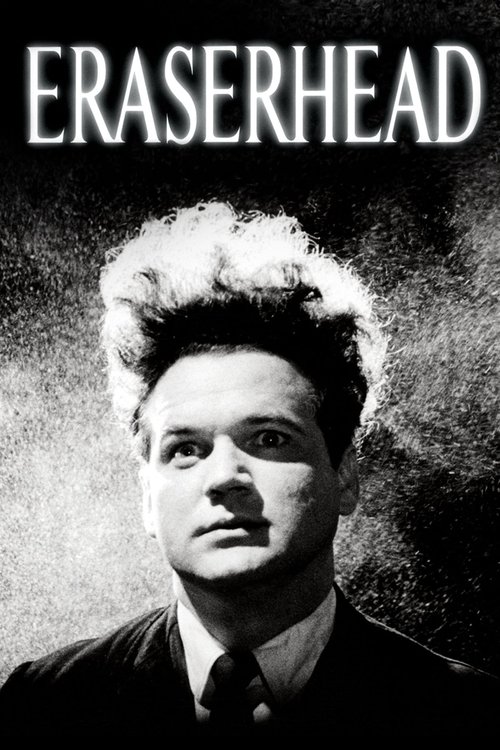
Eraserhead
1977First-time father Henry Spencer tries to survive his industrial environment, his angry girlfriend, and the unbearable screams of his newly born mutant child.
David Lynch’s industrial nightmare captures the suffocating anxiety of fatherhood through haunting monochromatic imagery and a revolutionary, drone-heavy soundscape. It is a singular achievement in body horror that lingers long after the final frame, deeply rooted in the uncanny and the grotesque.
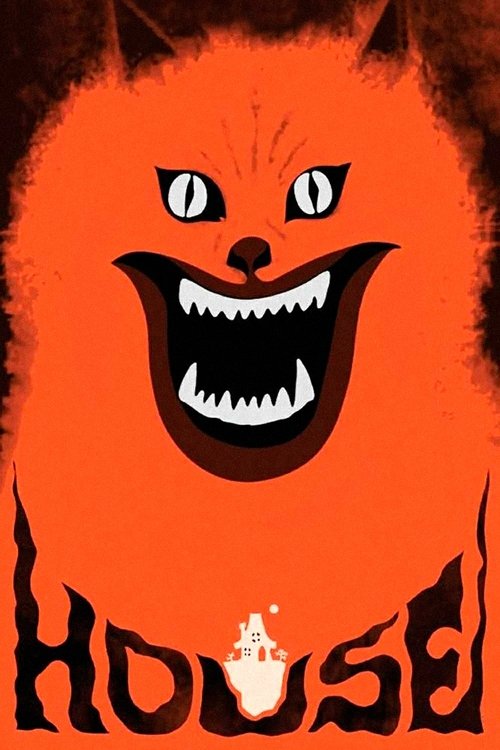
House
1977Hoping to find a sense of connection to her late mother, Gorgeous takes a trip with her friends to visit her aunt's ancestral house in the countryside. The girls soon discover that there is more to the old house than meets the eye.
Nobuhiko Obayashi’s psychedelic debut defies categorization by blending experimental pop-art visuals with a playful yet grotesque sense of the macabre. This is a kinetic explosion of avant-garde editing and toy-box terror that transforms a haunted house tale into a surrealist carnival.
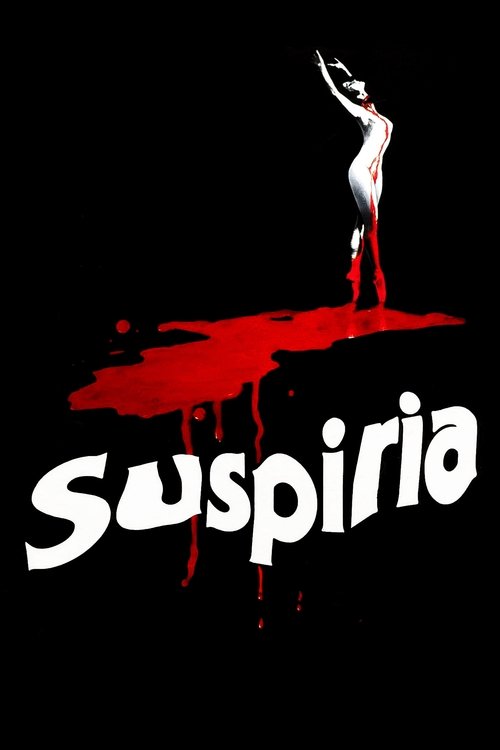
Suspiria
1977An American newcomer to a prestigious German ballet academy comes to realize that the school is a front for something sinister amid a series of grisly murders.
Dario Argento’s masterpiece functions as a sensory assault, weaponizing a neon-soaked palette and a thunderous Goblin score to redefine the aesthetic possibilities of the supernatural slasher. It remains the ultimate fever dream of Italian horror, prioritizing visceral, hallucinatory atmosphere over traditional logic.
Frequently Asked Questions
Everything you need to know about this list and SnakeDrafts
- The 1977 horror movies blend supernatural elements with visceral psychological horror and surrealism, as seen in films like Suspiria and Eraserhead. This year marked a shift from classic gothic horror toward more experimental and intense storytelling.
- Several 1977 horror films, including Rabid and Empire of the Ants, mix horror with science fiction. These movies explore themes of mutation, body horror, and strange creatures, reflecting the genre’s increasing interest in blending genres to heighten tension and fear.
- House (1977), directed by Nobuhiko Obayashi, stands out for its unique blend of horror, comedy, and fantasy. It is renowned for its surreal visuals, playful tone, and a storyline that balances scares with quirky humor.
- 1977 saw emerging talents like Wes Craven and David Cronenberg redefining horror with innovative narratives. Films such as The Hills Have Eyes and Rabid showcase their ability to blend raw horror with psychological depth and social commentary.
- Yes, movies like Tentacles and The Pack exemplify the creature feature subgenre of 1977 horror. These films often center around monstrous animals or unnatural creatures wreaking havoc, providing thrilling and suspenseful experiences.
- The Sentinel combines horror with fantasy and mystery, creating an eerie atmosphere of supernatural guardianship and apocalyptic stakes. Its blend of these genres adds a complex layer to the traditional haunted house theme.
- Exorcist II: The Heretic attempts to expand the mythology of the original Exorcist with a more psychological and less visceral approach. While it received mixed reviews, it reflects the trend in 1977 of pushing horror boundaries towards deeper thematic exploration.