Best Horror Movies of 1975, Ranked
Classic Chills and Cult Favourites From a Landmark Year
Explore the best horror cinema from Jaws to Deep Red. Discover cult classics, slasher origins, and supernatural thrillers in our definitive ranked guide.
About 1975 Horror Movies
In the long arc of horror history, 1975 is often remembered for a single, jagged dorsal fin cutting through the Atlantic. While Steven Spielberg’s Jaws is frequently categorized as the first true summer blockbuster, its cultural DNA is pure creature feature. It was the film that moved horror from the decaying gothic mansions of the sixties into the bright, terrifying sunlight of the modern vacation. But if you look past the shores of Amity Island, 1975 reveals itself as a fascinating transition point for the genre. It was a year where the visceral shocks of the New Hollywood era began to blend with camp, high concept surrealism, and a growing obsession with the disintegration of the suburban dream.
If Jaws taught us to fear the water, David Cronenberg’s Shivers taught us to fear our own neighbors and our own bodies. Released that same year, Shivers marked the arrival of a director who would redefine horror through the lens of biological anxiety. By placing a parasitic outbreak inside a luxury high rise apartment complex, Cronenberg took the primal terror of infection and married it to a biting critique of modern sexual liberation. It was cold, clinical, and deeply upsetting, signaling a shift toward a more intellectual and internal form of dread.
While Cronenberg was exploring the laboratory of the body, the midnight movie circuit was being birthed by a high heels and fishnets revolution. The Rocky Horror Picture Show debuted in 1975, and though it flopped initially, it eventually became the ultimate testament to horror’s flexibility. It proved that the genre could be a sanctuary for the marginalized, a place where the iconography of RKO monster movies could be repurposed into a celebration of queer identity and rock and roll. It remains the most successful act of genre subversion in history, turning the scary castle trope into a flamboyant playground.
Over in the United Kingdom, the folk horror movement was reaching its zenith with works like The Stepford Wives. Although filmed in America and often labeled as a thriller, the movie functions as a chilling piece of social horror that mirrors the isolation found in British classics like The Wicker Man. It tapped into the era’s anxieties regarding the feminist movement and the terrifying pushback of the patriarchy. The image of the hollow eyed, perfectly groomed housewife became a new kind of monster, one that suggested the most horrific things are often those that look the most perfect on the surface.
The international scene was equally vibrant. In Italy, Dario Argento released Deep Red, which is arguably the pinnacle of the gialli movement. With its soaring goblin score and meticulously choreographed murder set pieces, it proved that horror could be high art. Argento’s use of color and geometry turned the slasher template into a dreamlike hallucination, influencing the visual language of the genre for decades to come.
Looking back, 1975 was the year the genre truly moved outdoors and into the light. From the beach to the suburbs to the luxury penthouse, the monsters were no longer relegated to the shadows of the past. They were living next door, they were swimming under our feet, or they were hiding in our own bloodstreams. It was a year that proved horror could be anything: a blockbuster, a musical, a political statement, or a nightmare in red. Most importantly, it was the year we realized that nowhere, not even a sunny day at the beach, was truly safe.
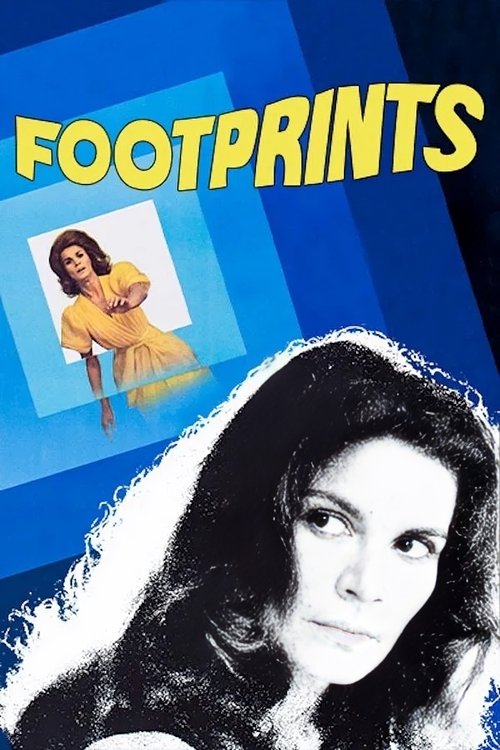
Footprints on the Moon
1975Alice, a young translator, finds the real world slowly merging with her recurring nightmares as she tries to solve the puzzle of her recent memory loss. A postcard leads her to the island of Garma where the locals seems to know her. Is she who she thinks she is? And what significance does her dream of an astronaut abandoned on the moon have?
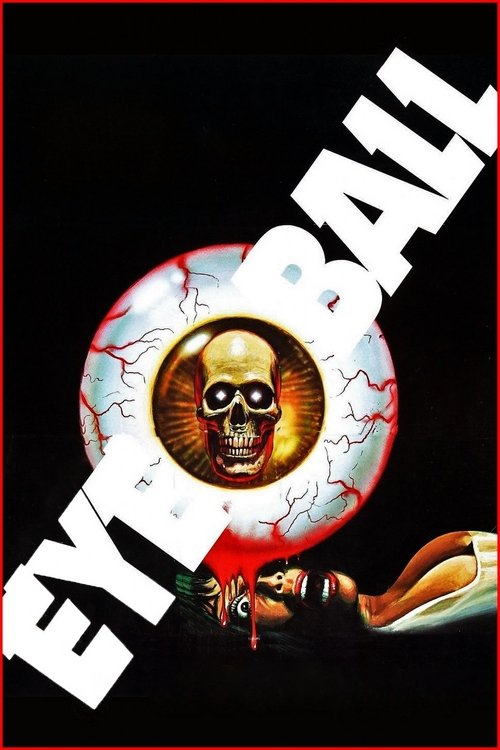
Eyeball
1975A group of American tourists is traveling through Spain when two of them are murdered by a mysterious serial killer who removes an eyeball from every one of its victims. The tour presses on as the murders continue, with the travelers and the police trying to deduce which one of them is the killer.
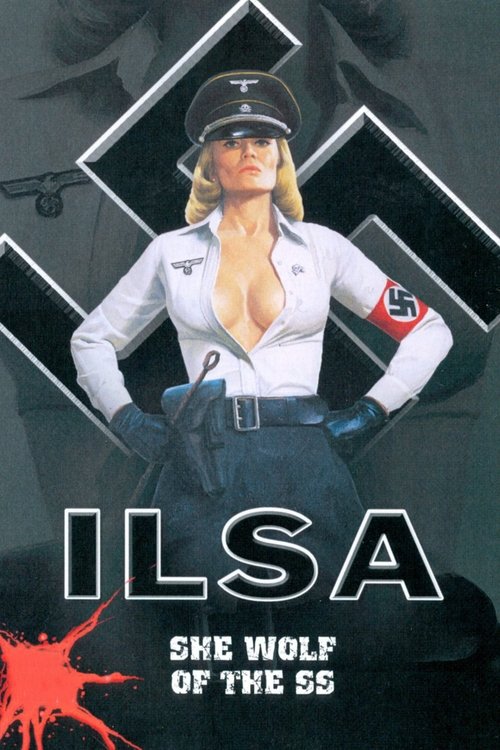
Ilsa: She Wolf of the SS
1975Ilsa, a warden at a Nazi death camp that conducts experiments on prisoners, strives to prove that women can withstand more pain and suffering than men, and therefore should be allowed to fight on the frontlines.
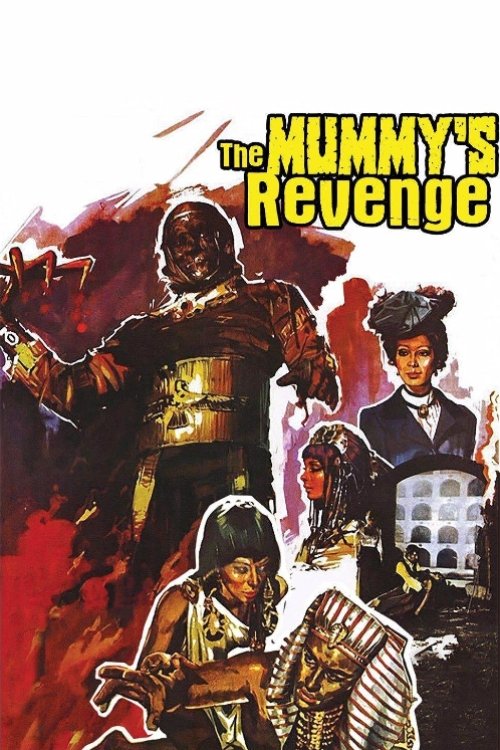
The Mummy's Revenge
1975Paul Naschy has a duel role as Amenhotep/Assad Bey, an ancient egyptian mummified Pharaoh, and the high priest who brought him back to life. In order For Amenhotep to achieve immortality, Assad Bey has to kidnap nubile young virgins in Victorian London for blood sacrifices.
Black Moon
1975There is a global civil war between men and women. A teenage girl tries to escape this reality and arrives at a hidden place where a strange unicorn lives with a family: sister, brother, many children and an old, bedridden woman who stays in contact with the world through her radio.
The Killer Must Kill Again
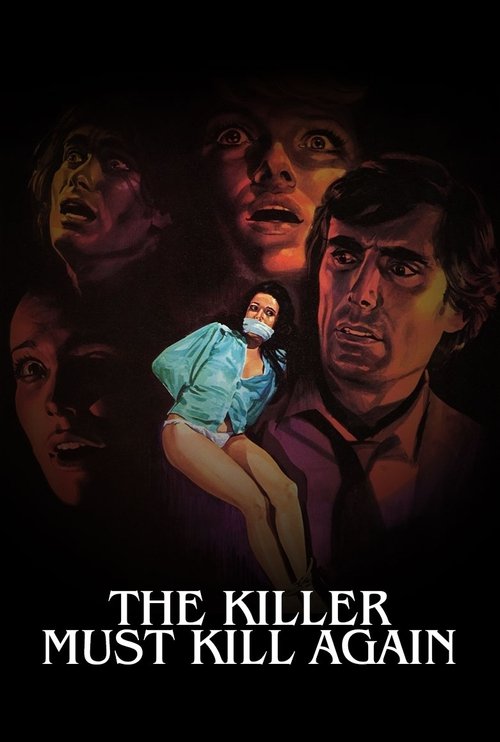
1975Giorgio Mainardi, a womanizer, plans to rid himself of his wealthy wife Norma. He happens to see a sinister figure disposing of a body and seizes the opportunity to make a deal in which the killer will murder Norma. The deed is done but a young couple, Luca and Laura, unwittingly steal the killer's car, complete with Norma's corpse in the boot. They head for the beach and break into an abandoned old house. The killer tracks them down and while Luca is out having sex with a blonde stranger, he terrorises and rapes Laura. When the young man and the blonde turn up for a threesome they are both quickly despatched. After a struggle, Laura manages to fatally wound her attacker. Back in the city, the police become increasingly suspicious of Giorgio Mainardi...
Late Night Trains
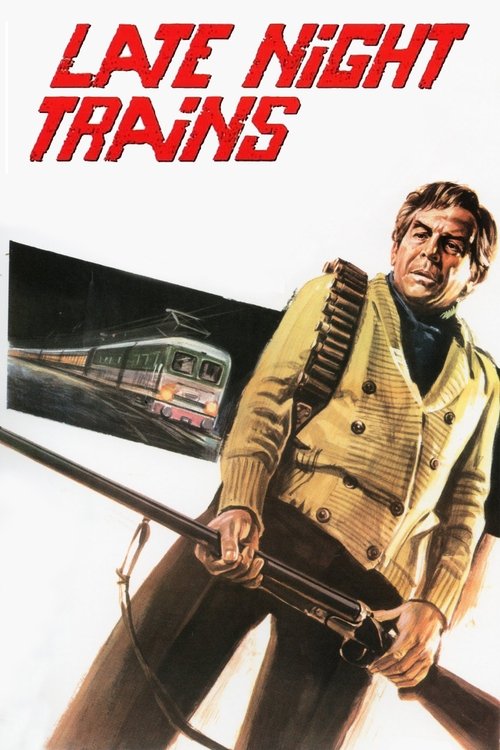
1975Two young women, Margaret and Lisa, are set to take the overnight train from Munich in Germany to stay with Lisa's parents in Italy for Christmas. Unfortunately a pair of psychotic hoodlums and an equally demented nymphomaniac woman terrorize the pair.
Messiah of Evil
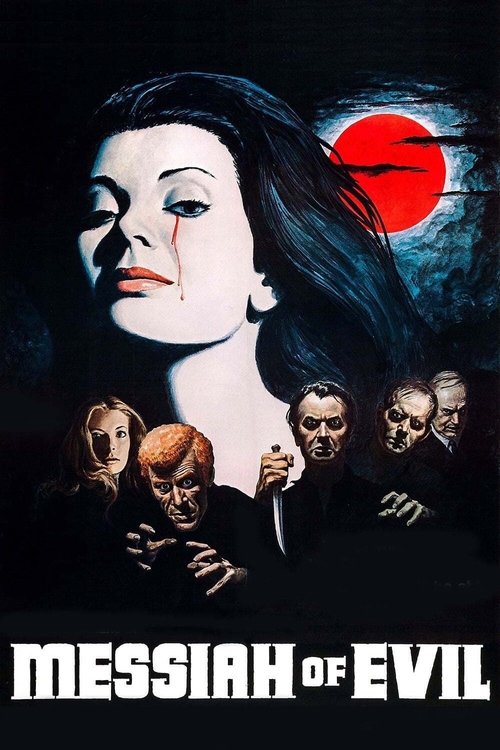
1975A young woman searching for her missing artist father finds herself in the strange seaside town of Point Dune, which seems to be under the influence of a mysterious undead cult.
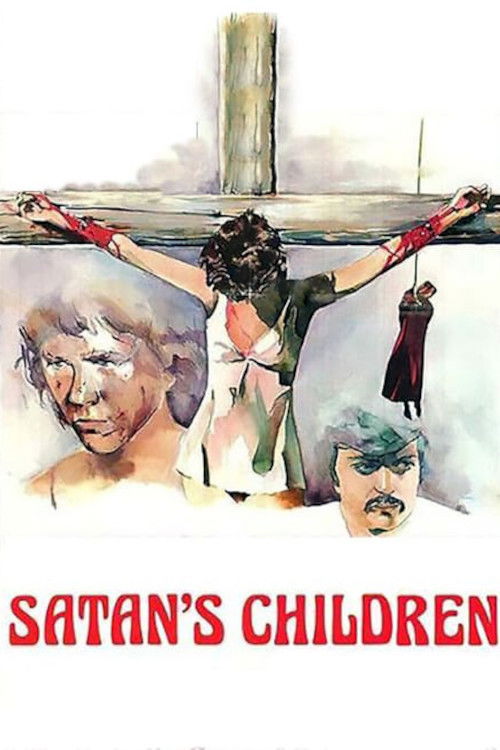
Satan's Children
1975Bobby is a troubled teen with problems. After deflecting his father’s insults and his stepsister’s come-ons, Bobby unknowingly ends up at a gay bar. Before long, he’s assaulted by four guys in the back seat of a car. With nowhere else to turn, Bobby joins a cult of Satanists to enact his murderous revenge, but his presence leads to conflicts within Satan's Children, especially after a lesbian member is damned to Hell. But Bobby proves to be one sick puppy, which he demonstrates in ways that would even make the devil smile. So hilarious, and just plain insane, you'd think Lucifer himself was personally involved!
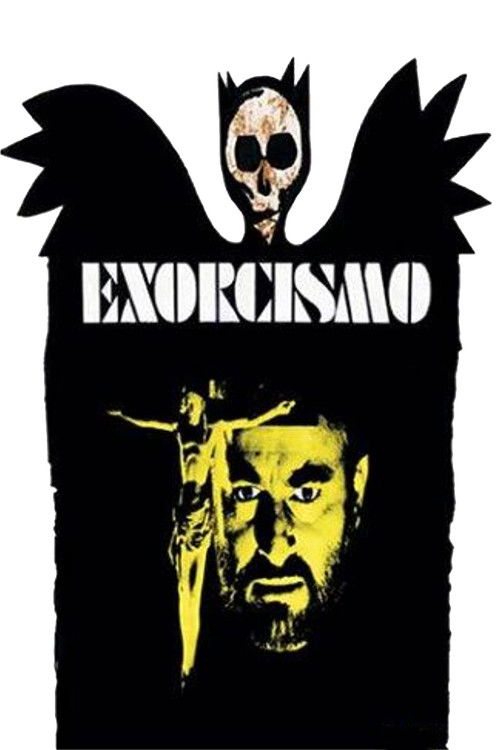
Exorcismo
1975A young woman participates (unknowingly) in a satanic ceremony and gets possessed by the spirit of her late father.
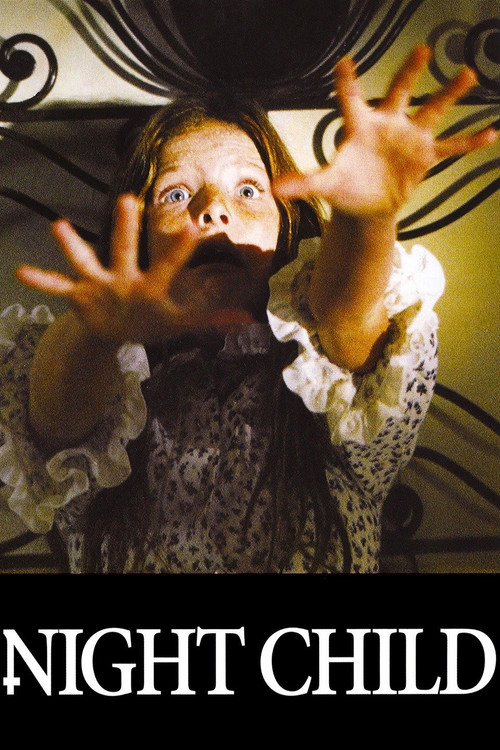
The Night Child
1975The titular medallion is a gift presented to young Nicole Elmi. Once the girl places the gift around her neck, she is possessed by the spirit of a dead child who was a murderess.
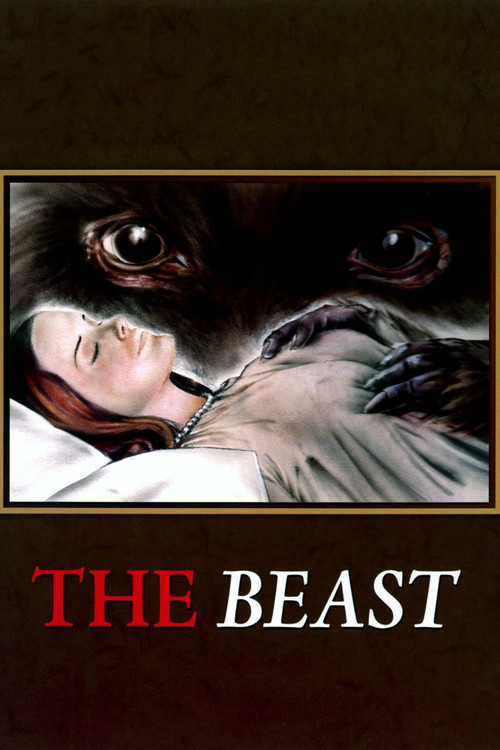
The Beast
1975The head of a failing French family thinks that fate has smiled down on him when the daughter of a wealthy man agrees to be married to his son. The daughter and her aunt then travel out to the French countryside to meet with the family, unaware that a mysterious 'beast' is stalking the vicinity.
Walferian Borowczyk pushed the boundaries of the genre by merging eroticism with fairytale nightmare logic. Its transgressive imagery and dreamlike pacing challenge the viewer's comfort, standing as a provocative intersection of high art and creature feature.
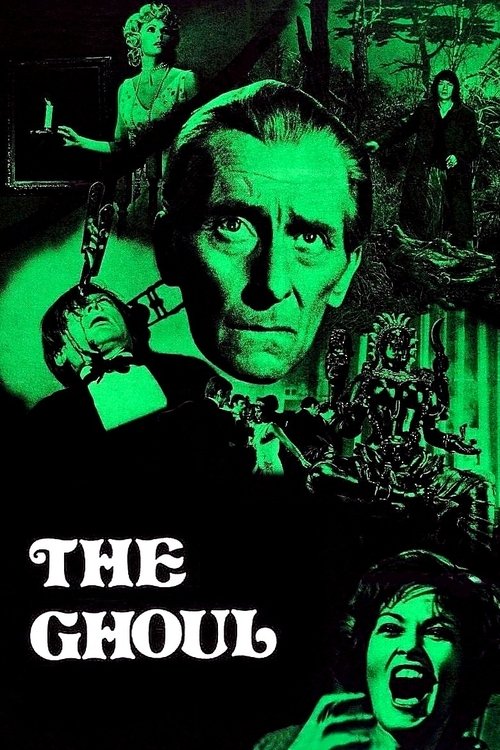
The Ghoul
1975In 1920s England, former clergyman Dr Lawrence keeps his cannibal son locked in the attic after the young man is exposed to savage practices in India. When an auto race is held at the estate, Lawrence worries that his son may escape and terrorise the youth.
A grim exercise in British Gothic, this atmospheric piece leans heavily on the gravitas of Peter Cushing to sell its macabre secrets. It excels by leaning into a dusty, claustrophobic aesthetic that feels like a decaying relic of a bygone era of fright.
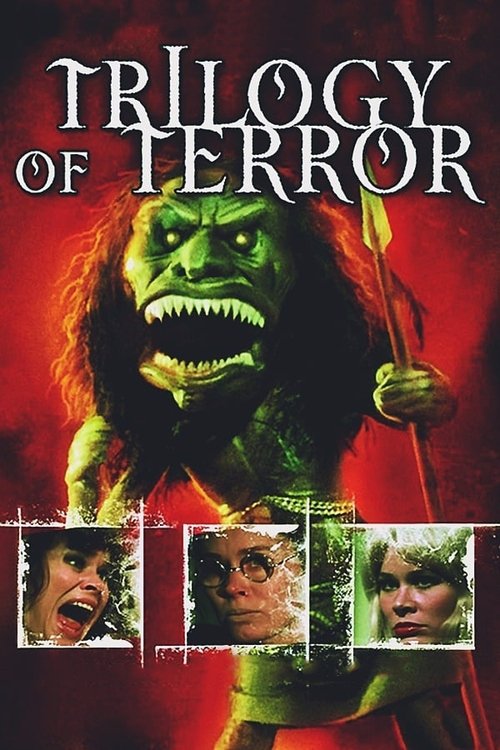
Trilogy of Terror
1975A horror anthology containing three stories: a female college professor is aggressively pursued by one of her students; a prudish brunette determines that her free-spirited blonde sister is evil; and a woman's night turns upside down after she purchases an ancient Zuni fetish doll.
Despite its television origins, the feral intensity of the final segment's Zuni doll sequence set a new high bar for domestic suspense. Karen Black's versatile performance anchors the disparate tales, proving that psychological depth can coexist with sheer, frantic terror.
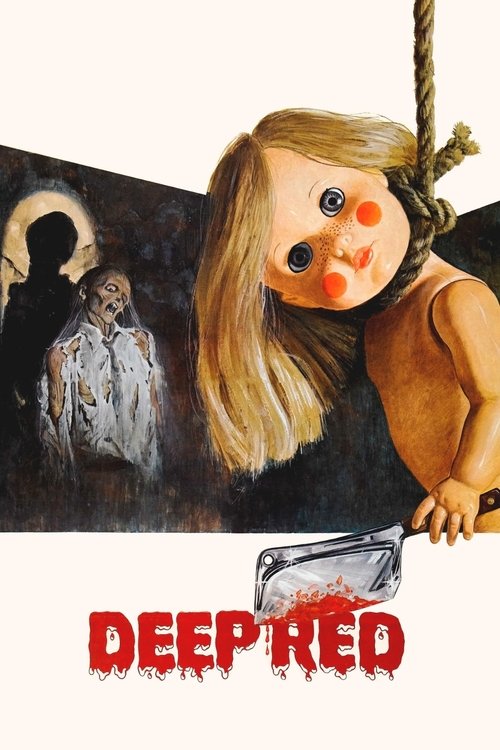
Deep Red
1975An English pianist living in Rome witnesses the brutal murder of his psychic neighbor. With the help of a tenacious young reporter, he tries to discover the killer using very unconventional methods. The two are soon drawn into a shocking web of dementia and violence.
Dario Argento perfected the Giallo form here, using bravura camera movements and a haunting prog-rock score to create a sensory assault. Every frame serves as a violent painting, cementing the director as a premier architect of stylish, operatic slaughter.
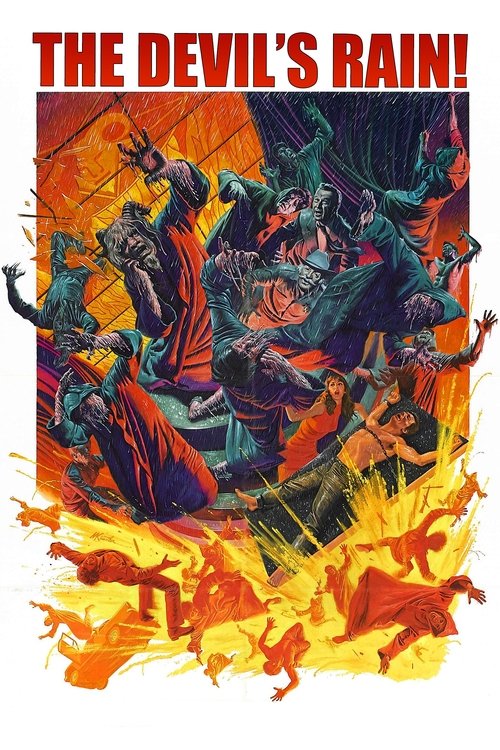
The Devil’s Rain
1975A Satanist cult leader is burnt alive by the local church. He vows to come back to hunt down and enslave every descendant of his congregation, by the power of the book of blood contracts, in which they sold their souls to the devil.
Noted for its surreal atmosphere and a commitment to occult aesthetics, this film thrives on its melting practical effects and grandiose depictions of satanic ritual. It occupies a lurid, psychedelic space in the decade's fascination with the supernatural.
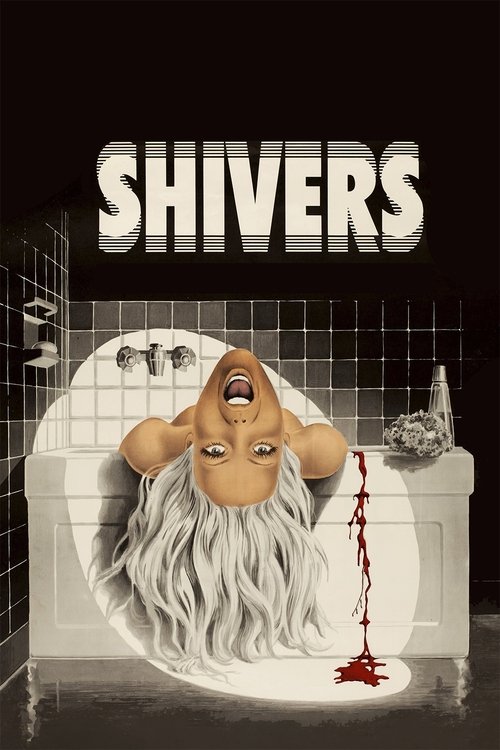
Shivers
1975The residents of a suburban high-rise apartment building are infected by parasites that turn them into mindless nymphomaniac fiends.
David Cronenberg arrived with this visceral exploration of biological terror, effectively marrying sexual liberation with parasitic decay. It remains a foundational work of body horror that finds profound unease in the violation of the human form.
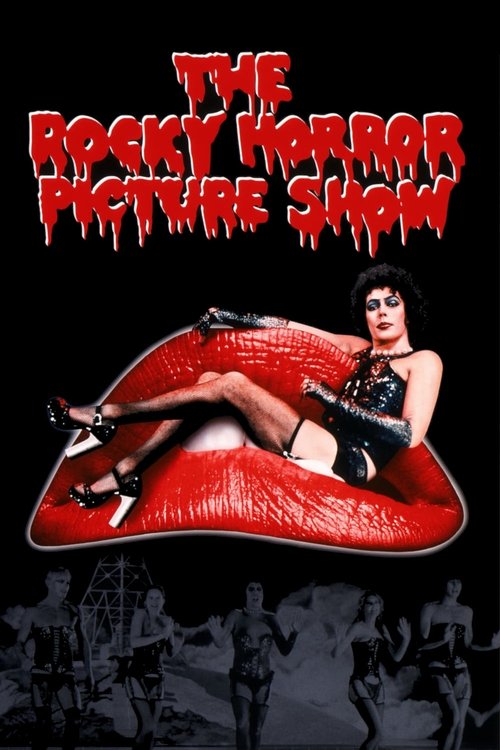
The Rocky Horror Picture Show
1975After getting a flat tire in the middle of nowhere, newly engaged couple Brad and Janet encounter the eerie mansion of the flamboyant, seductive Dr. Frank-N-Furter and a variety of eccentric characters. Through elaborate dance and rock music, the mad scientist unveils his latest creation: a perfect, muscular man.
This subversive gem dismantled traditional horror tropes through a lens of glam-rock decadence and queer liberation. By celebrating the monstrous and the camp, it transformed the midnight movie experience into a communal ritual of joyful defiance.
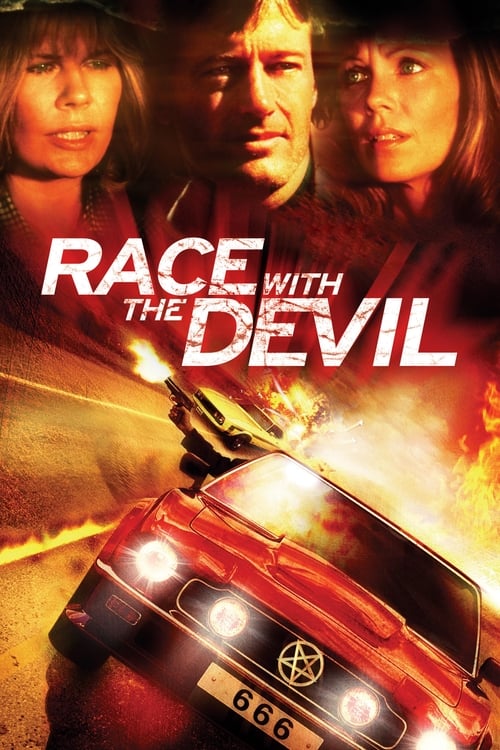
Race with the Devil
1975Two couples vacationing together in an R.V. from Texas to Colorado are terrorized after they witness a murder during a Satanic ritual.
Blending high octane action with occult paranoia, this hybrid nightmare captures a uniquely American fear of the rural unknown. The relentless highway pursuit sequences elevate the film beyond standard exploitation into a claustrophobic vision of inescapable conspiracy.
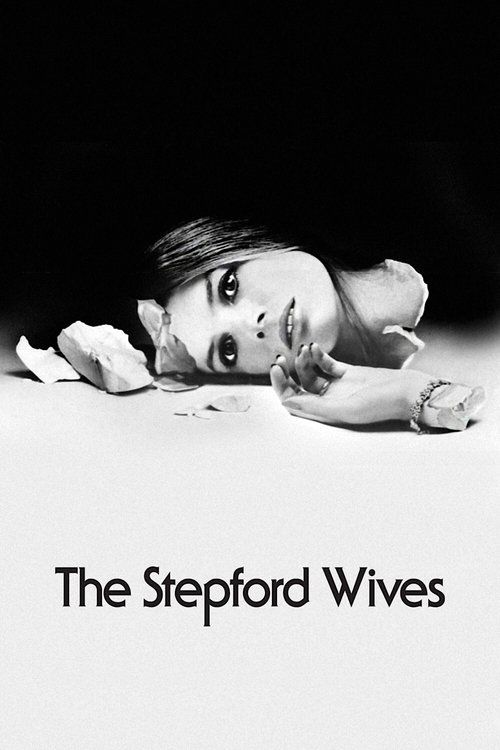
The Stepford Wives
1975Joanna Eberhart comes to the town of Stepford, Connecticut with her family, but soon discovers there lies a sinister truth in the all too perfect behavior of the female residents.
This chilling critique of suburban complacency weaponizes domestic perfection to explore the erasure of feminine identity. Its slow burn psychological horror resonates through a sterile, sun-drenched lens that makes the loss of autonomy feel terrifyingly inevitable.
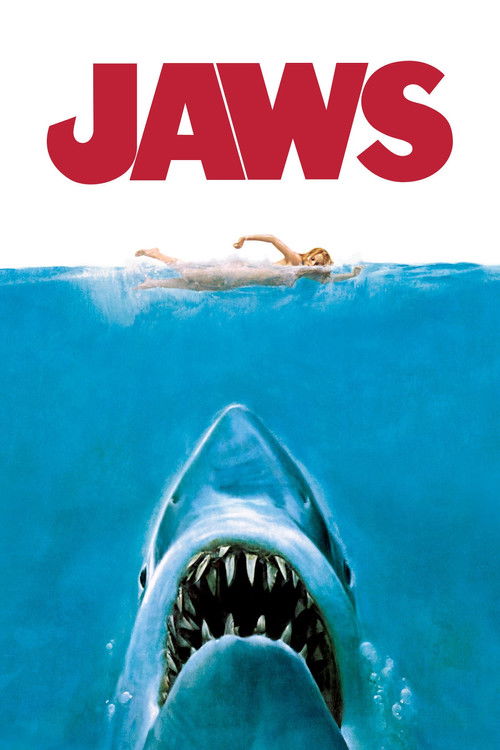
Jaws
1975When the seaside community of Amity finds itself under attack by a dangerous great white shark, the town's chief of police, a young marine biologist, and a grizzled shark hunter embark on a desperate quest to kill the beast before it strikes again.
Steven Spielberg reinvented the blockbuster by weaponizing the unseen, turning a mechanical malfunction into a masterclass in primal, minimalist suspense. Its jagged John Williams score and relentless pacing transformed the ocean into a theater of collective dread.
Frequently Asked Questions
Everything you need to know about this list and SnakeDrafts
- Jaws revolutionized horror by blending creature feature thrills with summer blockbuster appeal, transforming the genre's setting from gothic mansions to sunny vacation spots. Steven Spielberg's direction created enduring suspense that shaped future monster and thriller films.
- The Stepford Wives uses horror to explore unsettling themes of conformity and loss of identity, blending science fiction with psychological terror. Its portrayal of eerily perfect suburban spouses adds a chilling layer to its mysterious plot.
- Shivers showcased Cronenberg's signature body horror and sci-fi fusion, distinguishing itself with themes of parasitic infection and societal breakdown. Its graphic and intense approach pushed boundaries in horror cinema that year.
- Deep Red, directed by Dario Argento, typifies giallo with its intricate murder mystery, vivid stylistic violence, and suspenseful atmosphere. Its complex plot and striking visuals helped define the European horror aesthetic of the era.
- Many 1975 horror films delve into psychological terror, social commentary, and science fiction elements, reflecting societal fears like loss of control and identity. This thematic depth is evident in films like The Stepford Wives and Shivers, enriching the horror experience.
- Yes, The Rocky Horror Picture Show uniquely blends horror with comedy, musical, and science fiction genres, creating a cult classic celebrated for its camp and satire. Its playful approach contrasts with the more serious tones of other 1975 horror films.
- 1975 horror movies laid groundwork for slasher, body horror, and supernatural thriller subgenres through innovative storytelling and stylistic techniques. Films like Shivers and Deep Red inspired later filmmakers with their thematic boldness and aesthetic choices.
- Supernatural themes appear prominently, such as in The Devil's Rain and Exorcismo, embodying fears of evil forces and demonic possession. These films contributed to the era’s fascination with occult and paranormal horror.