Best Horror Movies of 1979, Ranked
Classic Chills and Cult Favorites from a Golden Year
Discover the best horror cinema from late seventies classics. From space terrors to vampire legends, explore the top scary movies released in this era.
About 1979 Horror Movies
As the seventies drew to a close, the horror genre was caught in a fascinating state of transition. It was a year that refused to be defined by a single trend, instead offering a chaotic and brilliant crossroads where the gritty nihilism of the early decade met the polished, high budget spectacle of the eighties. Looking back at 1979, we can see the exact moment when the shadows grew deeper and the monsters became more sophisticated.
The undisputed heavyweight of the year arrived from the depths of space. Ridley Scott released Alien, a film that redefined the intersection of science fiction and terror. By taking a haunted house premise and placing it aboard the industrial, grime covered Nostromo, Scott tapped into a new kind of cosmic dread. The H.R. Giger creature design remains perhaps the most terrifying entity ever committed to celluloid, but the true brilliance of Alien was its patience. It respected the audience enough to build atmosphere before unleashing the gore. It proved that horror could be prestigious, artistic, and technically flawless.
While Alien looked toward the stars, a new subgenre was sharpening its knives back on Earth. The phenomenal success of Halloween the previous year led to a surge in the slasher formula, but in 1979, things got much grittier. When A Stranger Calls turned a simple urban legend about a babysitter into a masterclass in tension. The opening twenty minutes of that film remain some of the most nerve wracking in cinema history. This was also the year of Phantasm, a dreamlike and bizarre odyssey that introduced the world to the Tall Man. It was proof that independent horror did not need to follow a linear path to be effective; it could be surreal, confusing, and deeply unsettling.
Traditional supernatural horror also saw a massive shift toward domestic anxiety. The Amityville Horror took a polarizing real life story and turned it into a box office juggernaut. It leaned into the idea that the greatest threat was not a monster in the woods, but the very home you bought to protect your family. This resonated deeply with a public facing economic uncertainty. Meanwhile, Werner Herzog gave us Nosferatu the Vampyre, a hauntingly beautiful reimagining of the Murnau classic. It reminded audiences that even the oldest monsters could still find a way to break your heart and chill your blood.
The year also signaled a changing of the guard in the realm of practical effects. David Cronenberg released The Brood, a disturbing exploration of psychological trauma manifested through physical deformity. It was a landmark for body horror, a genre that would come to dominate the next decade. Similarly, Lucio Fulci brought us Zombie, featuring an infamous underwater battle between a shark and an undead corpse. It was a messy, glorious end to the decade that signaled a future where the spectacle of the kill was just as important as the story.
In 1979, horror was daring and experimental. It was a year where auteurs were allowed to play with big budgets, and indie filmmakers were allowed to be weird. It was the bridge between the psychological weight of the disco era and the neon drenched slashers of the coming decade. If you want to understand where modern horror found its soul, look no further than that final, blood stained year of the seventies.
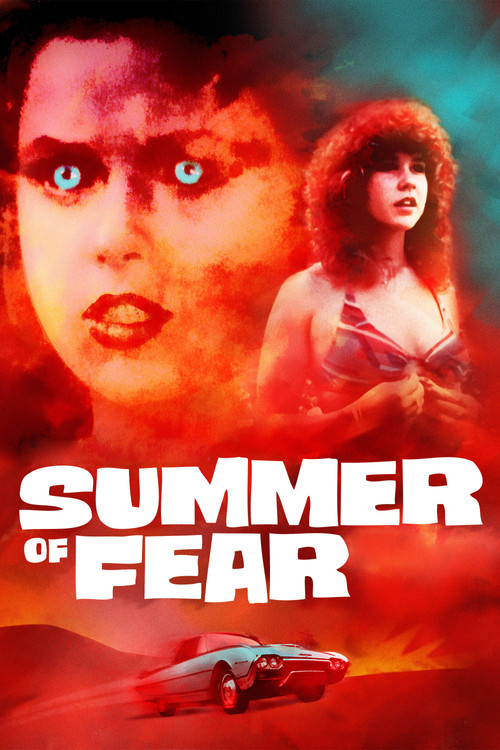
Stranger in Our House
1979A country family of five take in charming cousin Julie, whose parents recently died in a car crash, though teenaged daughter Rachel grows suspect that she has an alternative agenda; one that possibly includes witchcraft.
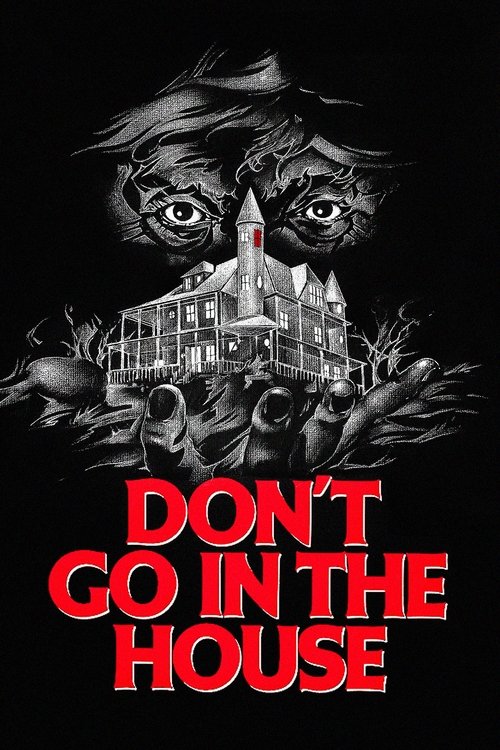
Don't Go in the House
1979As a child, Donald was tormented by his mother who used fire as a punishment. Now a deranged adult, Donald stalks women at clubs, then takes them home where he kills them with a flamethrower.
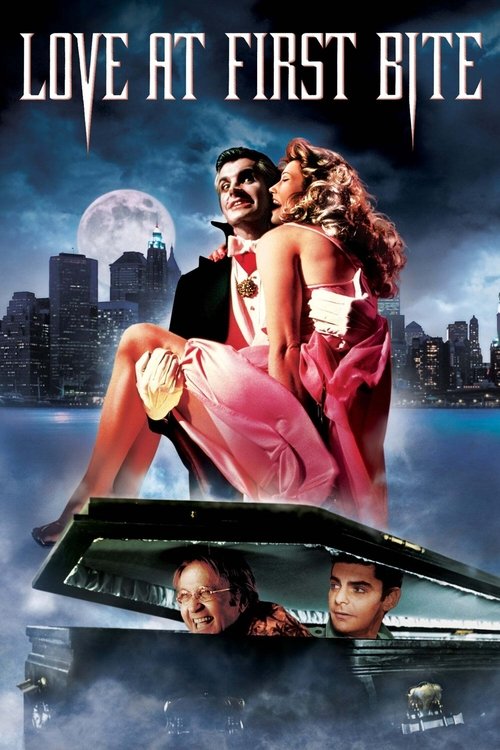
Love at First Bite
1979Dracula and Renfield relocate to '70s era New York in search of Cindy Sondheim, the reincarnation of Dracula's one true love, Mina Harker. "Trouble adjusting" is a wild understatement for the Count as he battles Cindy's psychiatrist, Jeffrey Rosenberg, a descendant of Van Helsing, who may be in love with Cindy too.
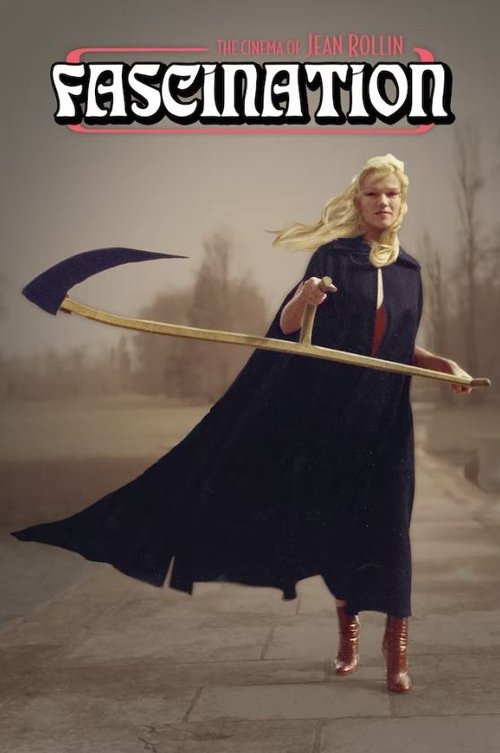
Fascination
1979A runaway criminal breaks into an eerie chateau, taking its two frightened chambermaids hostage. As night falls, a group of mysterious aristocratic women arrive and the criminal begins to realize the women are hiding a sinister secret.
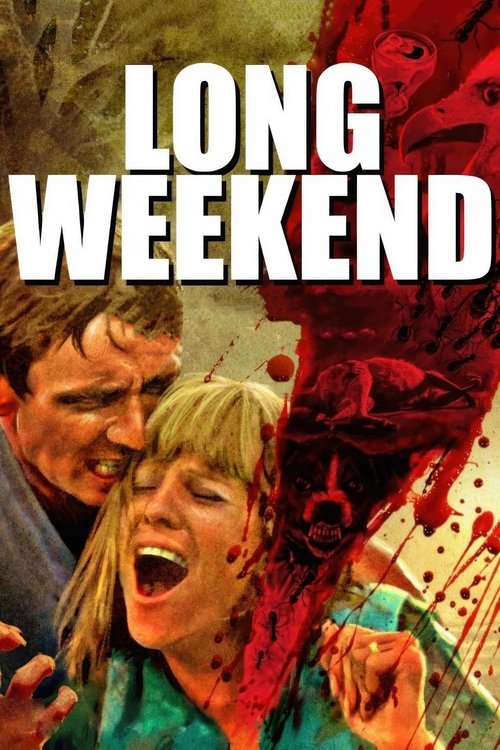
Long Weekend
1979When a suburban couple goes camping for the weekend at a remote beach, they discover that nature isn't in an accommodating mood.
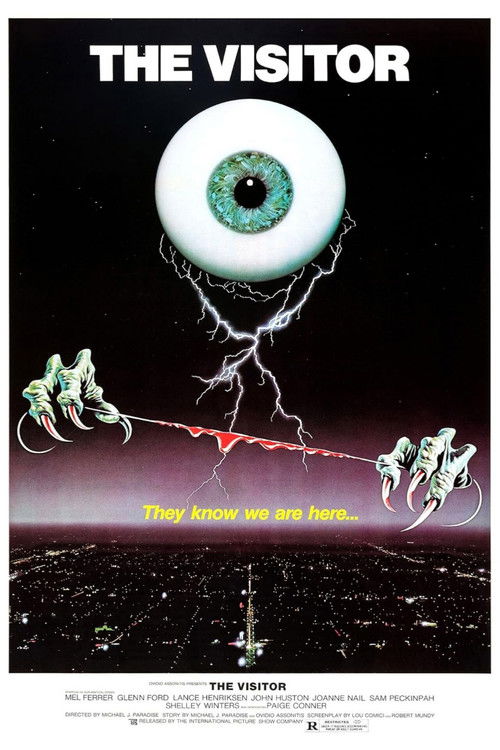
The Visitor
1979An ancient intergalactic warrior arrives on Earth to put a stop to a demonic child's plot to reproduce Satan's next generation of evil.
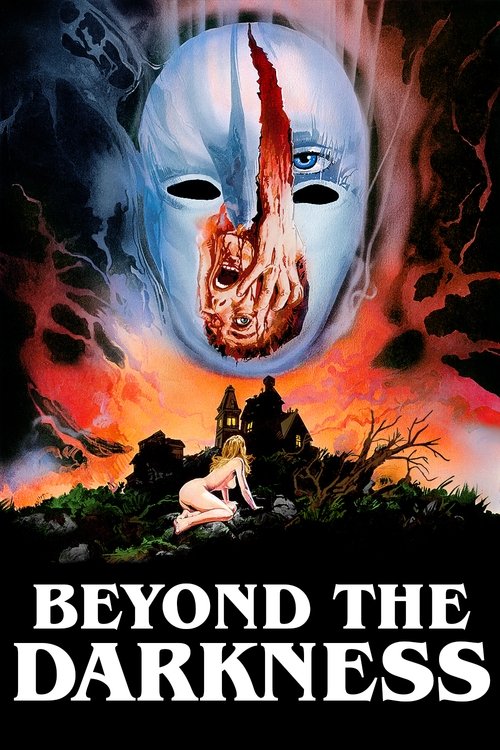
Beyond the Darkness
1979A disturbed young embalmer digs the grave of his recently deceased girlfriend and brings her body to his family villa with help from his strange housekeeper. But his bouts of insanity are just beginning.
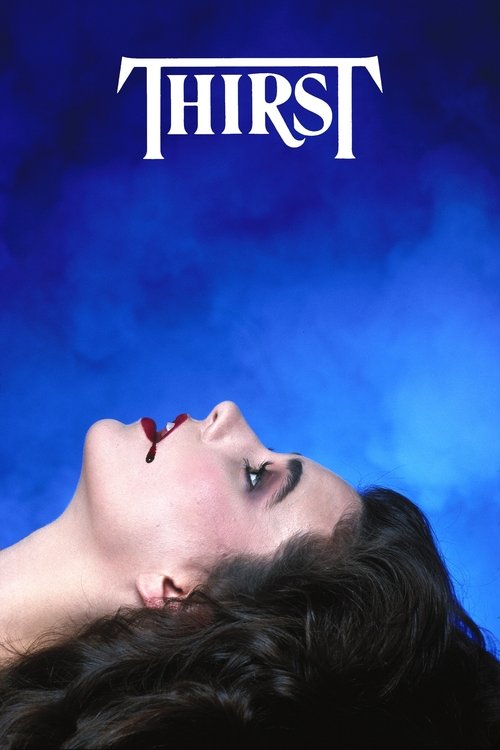
Thirst
1979The descendant of Elizabeth Bathory is abducted by a cult of self-proclaimed supermen who achieve this state of superiority by drinking from the "blood cows" kept at the "dairy farm", and they try to get her to join them.
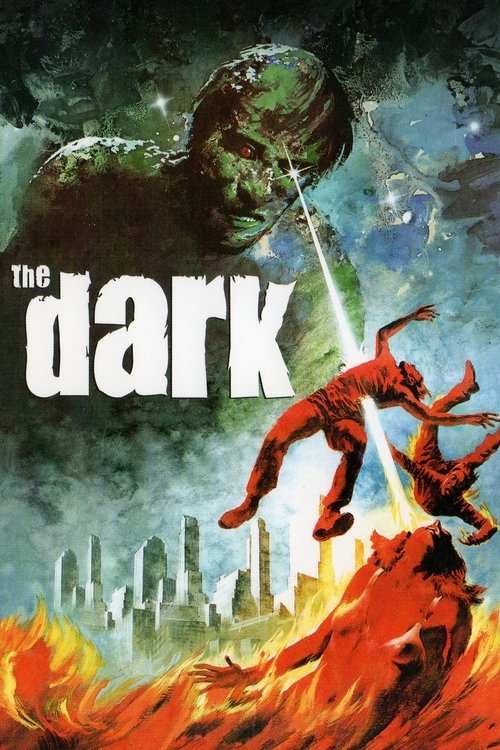
The Dark
1979At night the Mangler stalks the streets of Los Angeles, killing and mutilating random victims. On the trail are a TV reporter, the father of one of the victims, and a police detective, but despite their efforts only the mysterious psychic DeRenzy knows what the killer is and how to stop it.
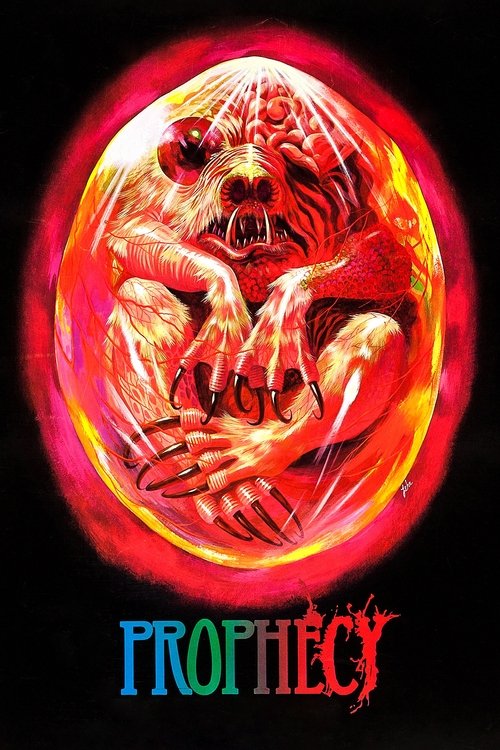
Prophecy
1979When a dispute occurs between a logging operation and a nearby Native American tribe, Dr. Robert Verne and his wife, Maggie, are sent in to mediate. Chief John Hawks insists the loggers are poisoning the water supply, and, though company man Isley denies it, the Vernes can't ignore the strangely mutated wildlife roaming the woods. Robert captures a bear cub for testing and soon finds himself the target of an angry mutant grizzly.
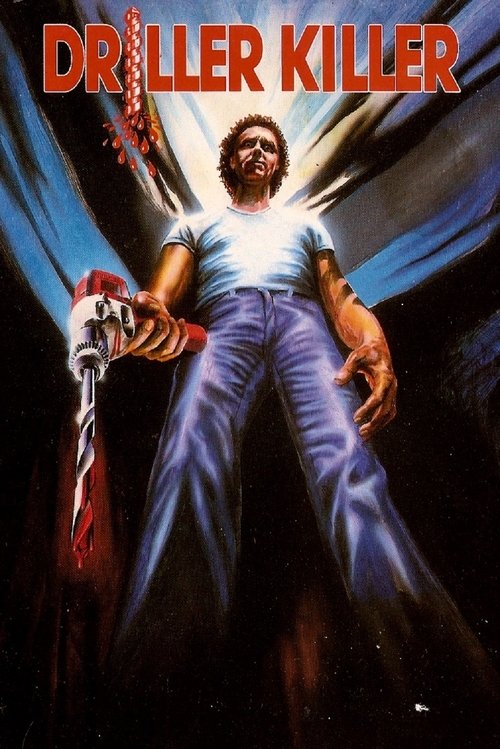
The Driller Killer
1979An artist slowly goes insane while struggling to pay his bills, work on his paintings, and care for his two female roommates, which leads him taking to the streets of New York after dark and randomly killing derelicts with a power drill.
Abel Ferrara’s raw, lo-fi descent into urban madness captures the decaying spirit of New York City with a jarring, documentary-style grit. It is a jagged piece of punk-rock cinema that prioritizes psychological disintegration over narrative tidiness.
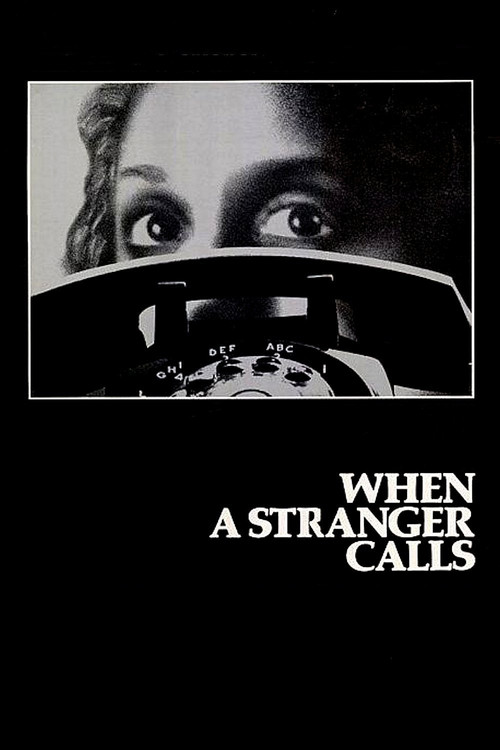
When a Stranger Calls
1979A student babysitter has her evening disturbed when the phone rings. So begins a series of increasingly terrifying and threatening calls that lead to a shocking revelation.
The legendary opening sequence remains a crystalline example of escalating suspense and urban legend execution. By centering on the vulnerability of the domestic space, it pioneered a specific brand of grounded, telephone-tethered paranoia.
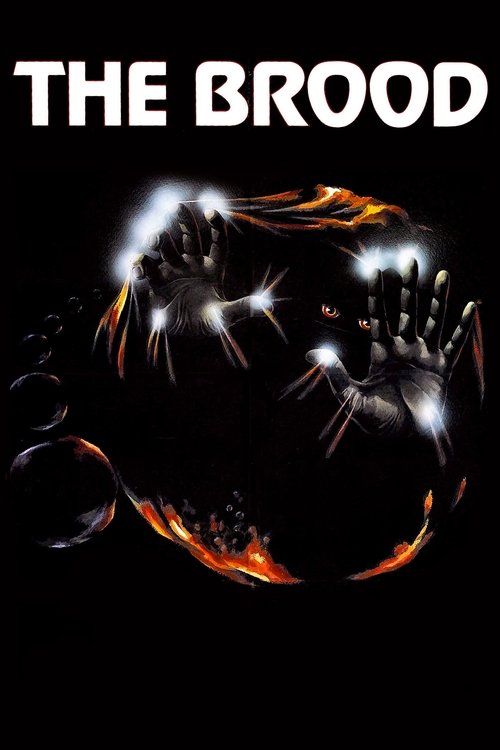
The Brood
1979A man tries to uncover an unconventional psychologist's therapy techniques on his institutionalized wife, while a series of brutal attacks committed by a brood of mutant children coincides with the husband's investigation.
David Cronenberg’s most biting exploration of somatic manifestation turns the trauma of divorce into a literal, flesh-and-blood monstrosity. It is a cold, clinical, and profoundly disturbing examination of how psychological scars can mutate into physical threats.
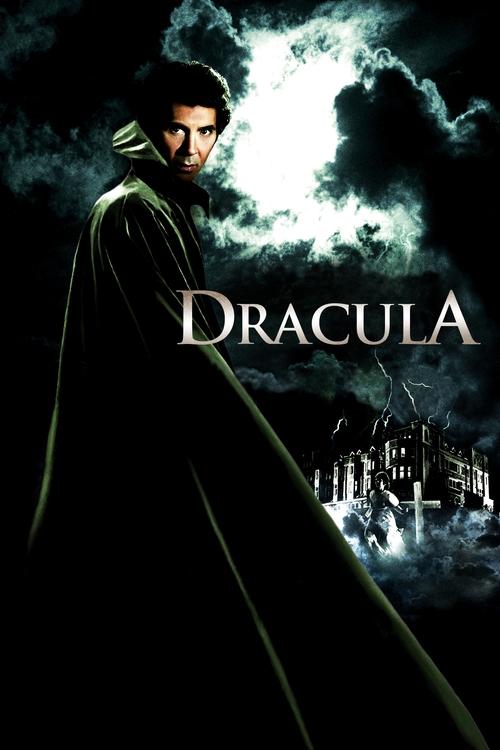
Dracula
1979Romanticized adaptation of Bram Stoker's 1897 classic. Count Dracula is a subject of fatal attraction to more than one English maiden lady, as he seeks an immortal bride.
John Badham’s lavish production leans into a lush, Edwardian sensuality that pivots away from Hammer’s theatricality toward a more melancholic romanticism. The film is a visual feast defined by Frank Langella’s magnetic presence and a sweeping, operatic scale.
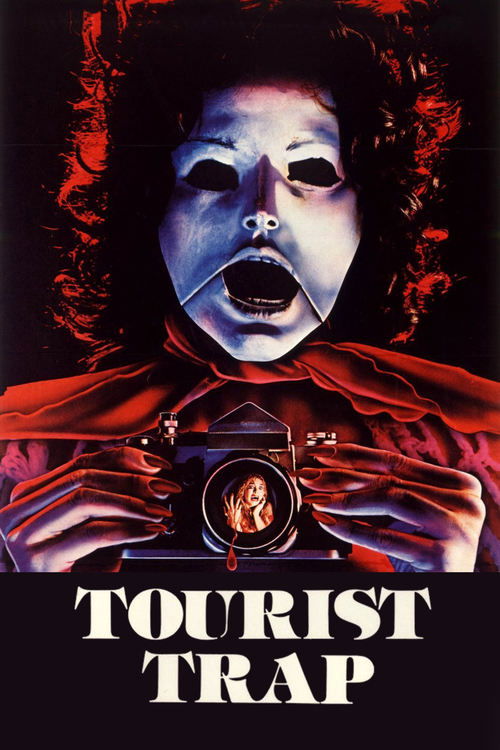
Tourist Trap
1979After their car breaks down, a group of young travelers find themselves stranded at a roadside museum run by the enigmatic Mr. Slausen and populated by his collection of life-like wax mannequins.
Vastly more sophisticated than its title implies, this eerie gem utilizes stillness and uncanny valley puppetry to induce profound discomfort. It occupies a strange crossroads between traditional slasher tropes and supernatural telekinesis, anchored by a truly unsettling score.
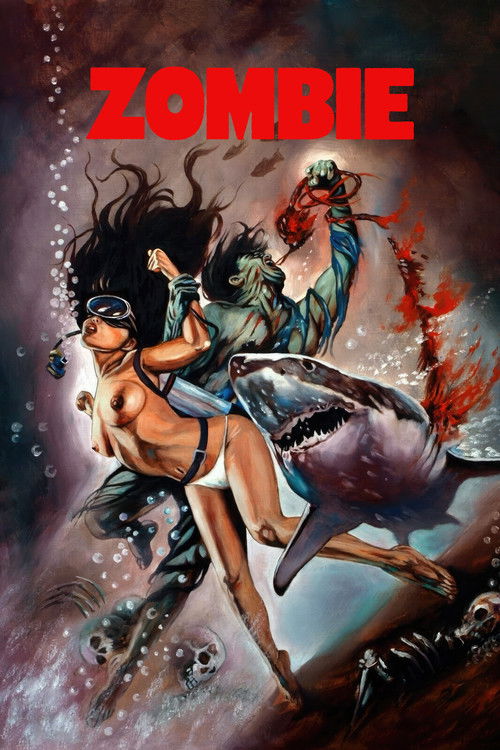
Zombie Flesh Eaters
1979After an abandoned boat sails into New York harbor with a zombie aboard, a reporter teams up with the daughter of the boat's missing owner to investigate the island where he was last seen conducting research—the site of an alleged zombie outbreak.
Lucio Fulci’s visceral assault on the senses elevated the undead subgenre through sheer anatomical obsession and humid, tropical nihilism. The film’s commitment to practical effects and its relentless, rhythmic pacing create an unrelenting hallucinatory experience.
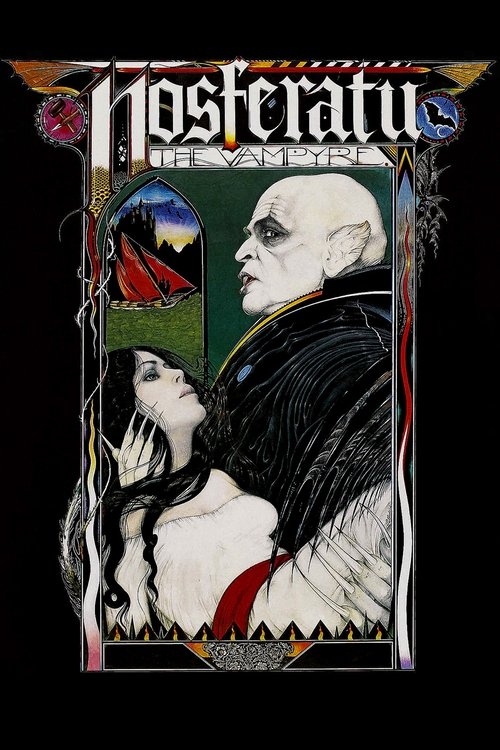
Nosferatu the Vampyre
1979A real estate agent leaves behind his beautiful wife to go to Transylvania to visit the mysterious Count Dracula and formalize the purchase of a property in Wismar.
Werner Herzog’s hypnotic reimagining replaces traditional melodrama with a profound, soul-crushing sense of isolation and plague-ridden despair. Klaus Kinski delivers a transformative performance that reimagines the vampire as a wretched, weary victim of its own immortality.
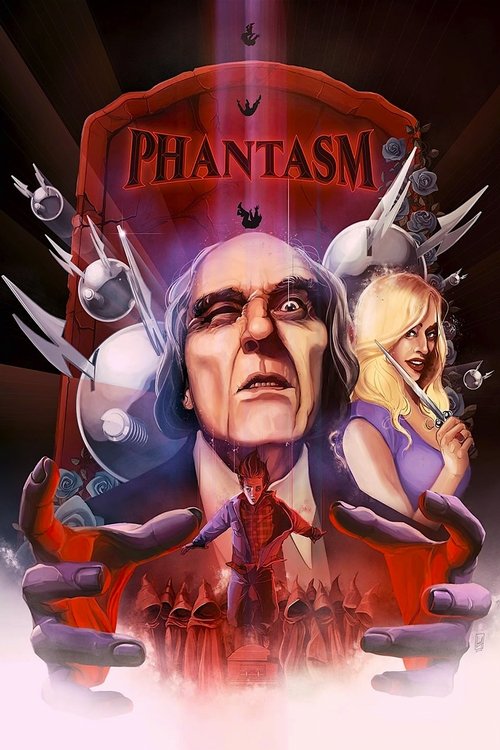
Phantasm
1979A teenage boy and his friends face off against a mysterious grave robber, known only as the Tall Man, who employs a lethal arsenal of unearthly weapons.
Don Coscarelli’s dream-logic odyssey operates on a unique, ethereal frequency that blurs the line between childhood grief and interdimensional surrealism. It is a wildly imaginative work of folk-horror craft fueled by iconic, chrome-plated imagery.
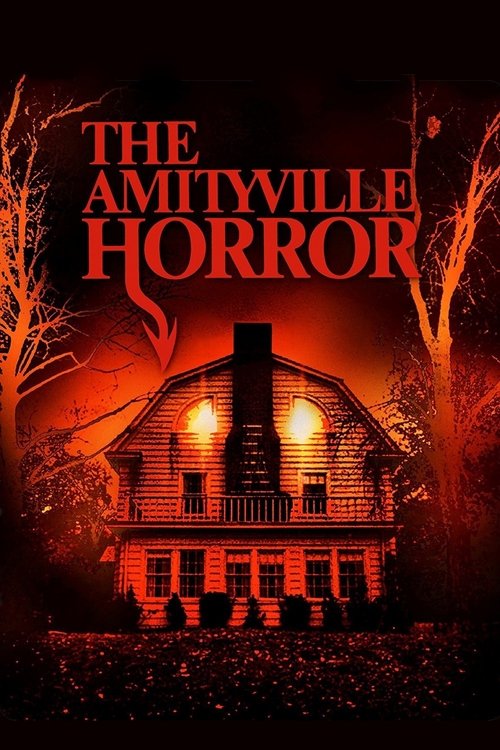
The Amityville Horror
1979George Lutz, his wife Kathy, and their three children have just moved into a beautiful, and improbably cheap, Victorian mansion nestled in the sleepy coastal town of Amityville, Long Island. However, their dream home is concealing a horrific past and soon each member of the Lutz family is plagued with increasingly strange and violent visions and impulses.
This definitive haunted house entry weaponized domestic anxieties and economic dread, turning the American dream into a claustrophobic pressure cooker. Its focus on psychological degradation amidst supernatural rot solidified its status as a cultural phenomenon.
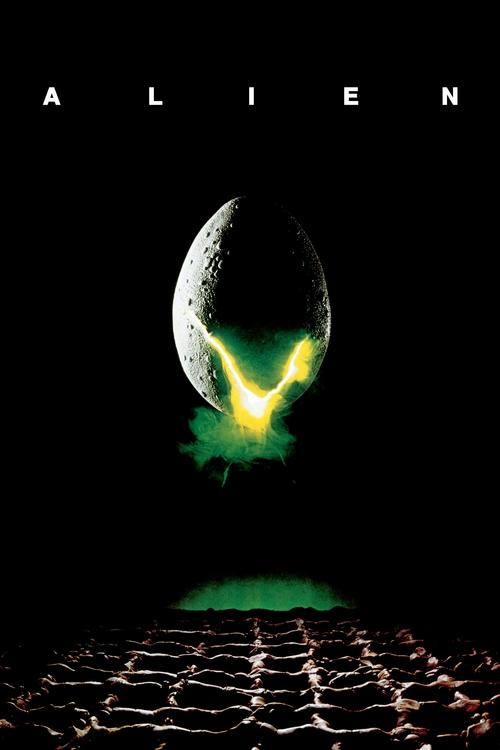
Alien
1979During its return to the earth, commercial spaceship Nostromo intercepts a distress signal from a distant planet. When a three-member team of the crew discovers a chamber containing thousands of eggs on the planet, a creature inside one of the eggs attacks an explorer. The entire crew is unaware of the impending nightmare set to descend upon them when the alien parasite planted inside its unfortunate host is birthed.
Ridley Scott’s masterpiece redefined the genre by嫁ing blue-collar industrial grit with an elegant, biomechanical nightmare. Its suffocating atmosphere and clinical tension established a high-water mark for sci-fi terror that remains unsurpassed.
Frequently Asked Questions
Everything you need to know about this list and SnakeDrafts
- The horror movies of 1979 uniquely blend gritty nihilism with emerging high-budget spectacles, marking a transitional moment where classic horror themes evolved into more sophisticated and polished narratives. This year produced iconic films that mix science fiction, supernatural elements, and psychological horror, showcasing diversity and creativity in the genre.
- Ridley Scott's 'Alien' revolutionized horror by merging it with science fiction, creating a chilling space terror that balances suspense, gore, and atmospheric tension. It set a new standard for creature design and survival horror, influencing countless films in and beyond the genre.
- Yes, two notable vampire-themed films are 'Nosferatu the Vampyre' by Werner Herzog and John Badham’s 'Dracula.' Both movies reinterpret vampire mythology with distinct artistic styles, blending horror with drama and romance elements.
- Several films from 1979 mix horror with science fiction, including 'Alien,' 'Phantasm,' 'The Brood,' 'Prophecy,' and 'The Dark.' These movies explore themes like extraterrestrial threats, supernatural technology, and mutated creatures, enriching the horror experience with futuristic and speculative concepts.
- The 1979 horror list features a wide range of subgenres such as psychological horror ('The Brood'), supernatural hauntings ('The Amityville Horror'), zombie gore ('Zombie Flesh Eaters'), slashers ('The Driller Killer'), and fantasy horror ('Tourist Trap'), reflecting the genre's versatility during this period.
- 'The Amityville Horror' dramatizes the alleged paranormal experiences of a family living in a house with a violent past, blending true crime with supernatural horror. Its popularity helped popularize the haunted house trope and spawned numerous sequels and adaptations.
- Don Coscarelli's 'Phantasm' is revered for its surreal narrative, eerie atmosphere, and innovative use of the mysterious Tall Man antagonist. Its unique blend of horror and science fiction elements, combined with inventive low-budget filmmaking, earned it a dedicated cult following.
- The horror films of 1979 introduced groundbreaking special effects, complex characters, and hybrid genres that shaped the future of horror cinema. Their legacy evident in modern horror includes the iconic monster designs of 'Alien,' psychological terror of 'The Brood,' and the narrative innovation found in cult classics like 'Phantasm.'