Best Horror Movies of 1976, Ranked
Classic Chills and Cult Flicks from a Golden Era
Discover the best horror films of the late seventies. From supernatural thrillers to cult slashers, explore the top scary movies released this year.
About 1976 Horror Movies
If you look back at the calendar of 1970s cinema, there is a tendency to let the massive shadows of 1973 and 1974 eclipse everything else. We focus on the high art of The Exorcist or the raw, sun bleached terror of The Texas Chain Saw Massacre. Yet, looking back from the distance of nearly half a century, 1976 emerges as the year when horror truly grew up and moved into the neighborhood. It was a year defined by polish, prestige, and a palpable sense of theological dread that dominated the domestic box office.
The heavy hitter of the year was undoubtedly Richard Donner’s The Omen. While it owed a clear debt to the religious panic established by William Friedkin a few years prior, The Omen traded the gritty realism of Georgetown for the sleek, cold corridors of political power. It turned Gregory Peck, an icon of American integrity, into a father tasked with murdering his own son. The film succeeded because it treated its pulp premise with absolute gravity. Jerry Goldsmith’s Academy Award winning score brought a black mass energy into mainstream theaters, making it clear that horror was no longer confined to the grindhouse. It was a glossy, high stakes event.
While The Omen looked at the horror of the nuclear family from the top down, Brian De Palma’s Carrie looked at it from the lockers of a high school gym. Carrie remains the definitive adaptation of Stephen King’s work because it captured the specific, wet heat of teenage cruelty. It was a beautiful, split screen nightmare that introduced the world to Sissy Spacek’s haunting vulnerability. The film did something remarkable by making the audience sympathize with the monster right up until the point she burned the world down. It proved that horror could be deeply emotional and visually experimental without losing its ability to make an entire theater jump at a final, reaching hand.
Beyond these two titans, 1976 offered a strange variety of flavors that suggested the genre was fracturing into fascinating subcategories. We saw the arrival of Alice, Sweet Alice, a proto slasher that mixed Catholic guilt with a raincoated killer, predating the masked killer craze that would soon follow Halloween. In the world of independent film, there was its own kind of quiet revolution. The Town That Dreaded Sundown used a semi documentary style to tell the story of the Phantom Killer, blending true crime aesthetics with traditional suspense in a way that feels incredibly modern today.
Looking at the landscape of 1976, you see a genre that was no longer satisfied with being a niche attraction. These were films that demanded critical attention and earned massive commercial returns. They dealt with the fragility of the soul, the cruelty of peers, and the terrifying possibility that evil could be born into a position of privilege. It was a year of incredible technical craft where directors like De Palma and Donner proved that a scary movie could be as well made as any prestige drama. If the early seventies broke the rules of horror, 1976 was the year the genre learned how to dress those broken rules in a tuxedo and march them straight to the Oscars.
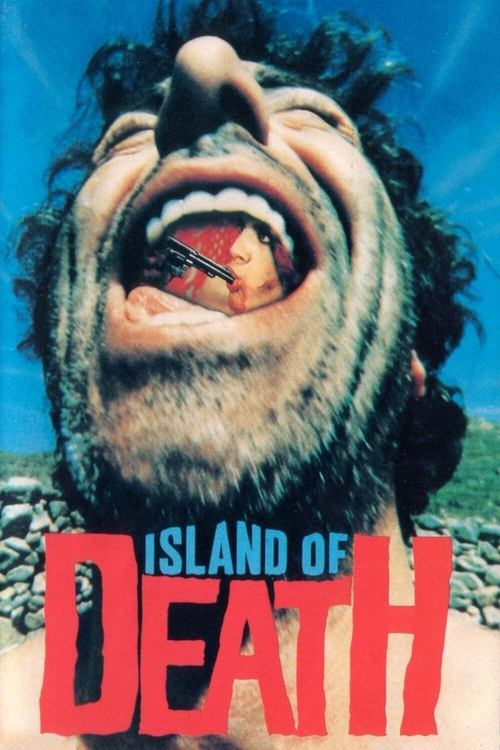
Island of Death
1976A British couple on a break on a small Greek Island spreads terror beyond anything the Islanders could ever have imagined, only stopping every once in a while to shag anything that moves, be it man, woman or animal. But will they go unpunished, or will the inspector from London be able to put an end to their killing spree?
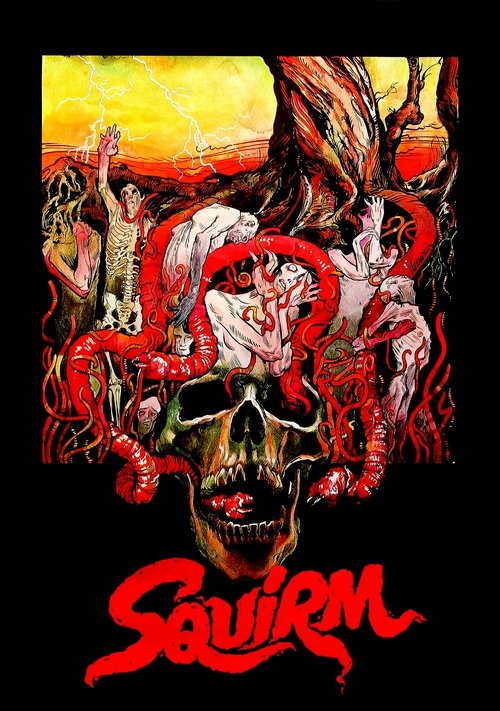
Squirm
1976A violent electrical storm topples power lines into the rain soaked earth that is home for an aggressive breed of worms. The high voltage causes the worms to mutate into larger, hostile hordes of man-eating worms that lie in wait for the residents of Fly Creek.
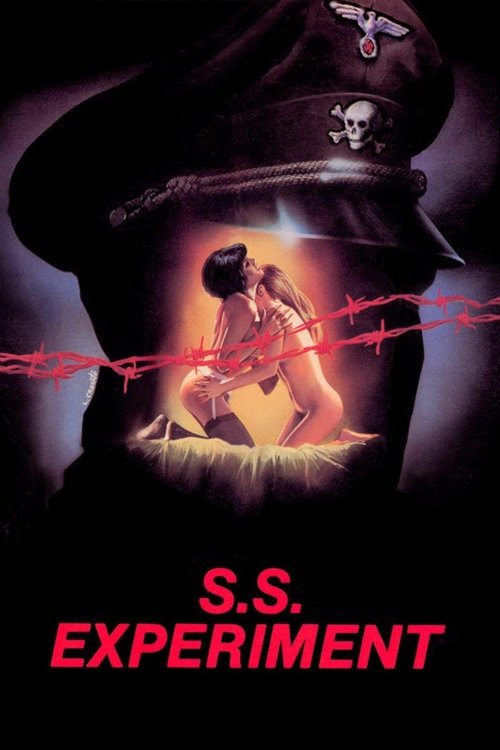
SS Experiment Love Camp
1976Near the end of WW2, prisoners of war are used in experiments to perfect the Arian race.
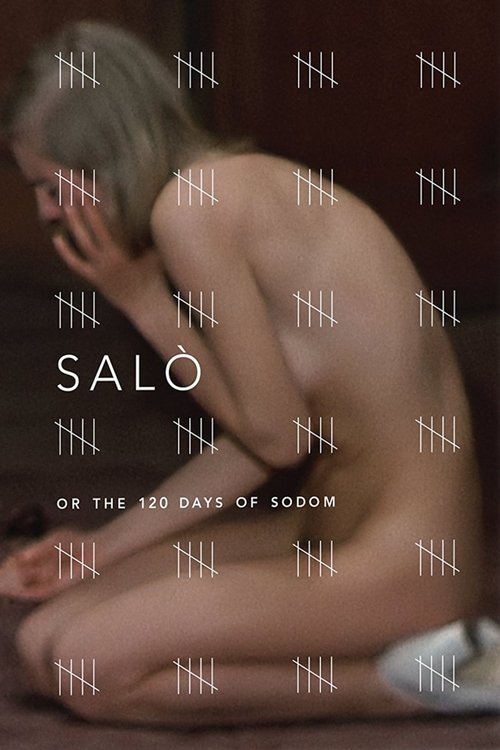
Salò, or the 120 Days of Sodom
1976Four corrupted fascist libertines round up 9 teenage boys and girls and subject them to 120 days of sadistic physical, mental and sexual torture.
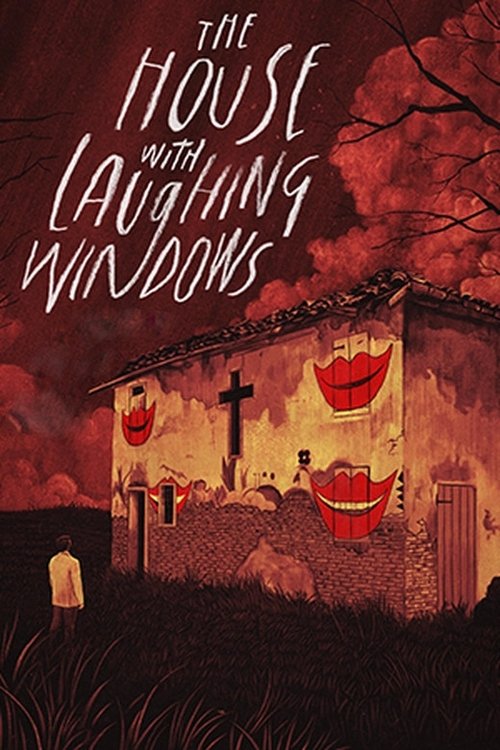
The House with Laughing Windows
1976Stefano, a young restorer, is commissioned to save a controversial mural located in the church of a small, isolated village.
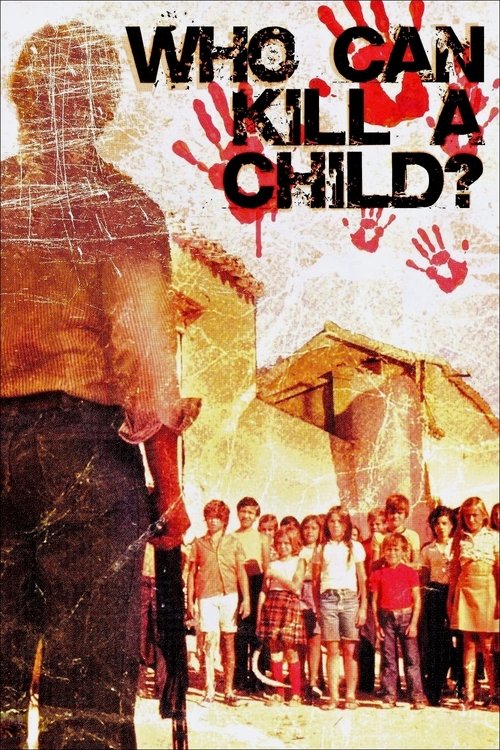
Who Can Kill a Child?
1976A couple of English tourists arrive at the island of Almanzora, off the Spanish Mediterranean coast, where they discover that there are no adults in a small fishing village, only some children who stare at them and smile mysteriously.
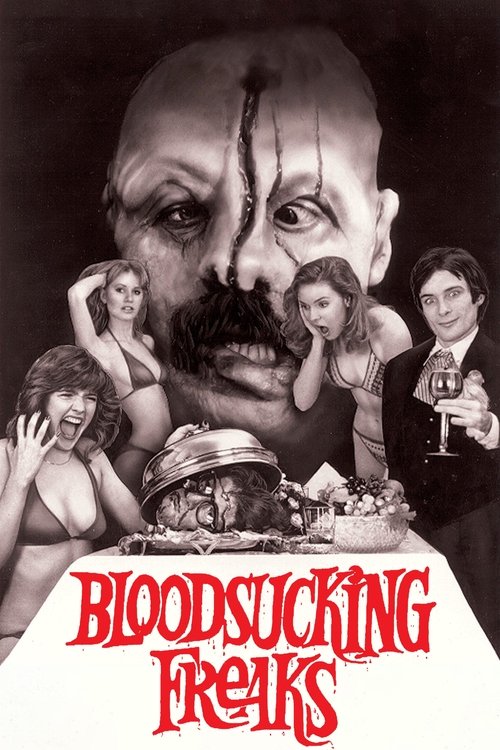
The Incredible Torture Show
1976Sardu, master of the Theatre of the Macabre, and his assistant Ralphus run a show in which, under the guise of 'magic', they torture and murder people in front of their audience. But what the punters see as a trick is actually real.
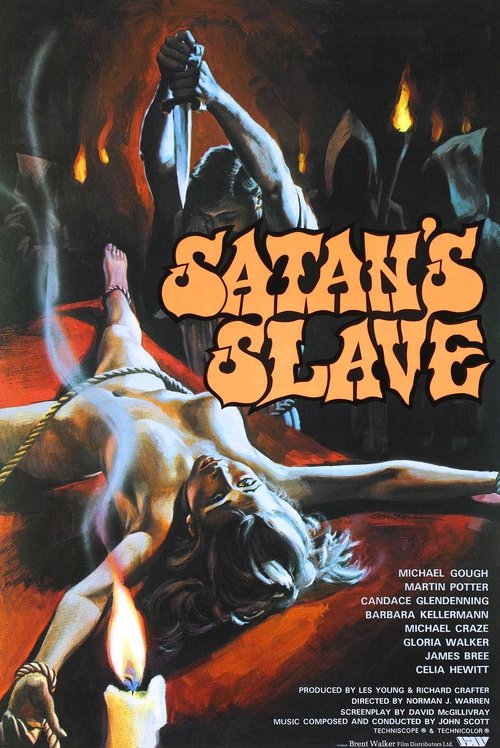
Satan's Slave
1976A young girl is caught up in a devil cult run by her wicked uncle and cousin. She can trust no one and even those she thought were dead return to haunt her.
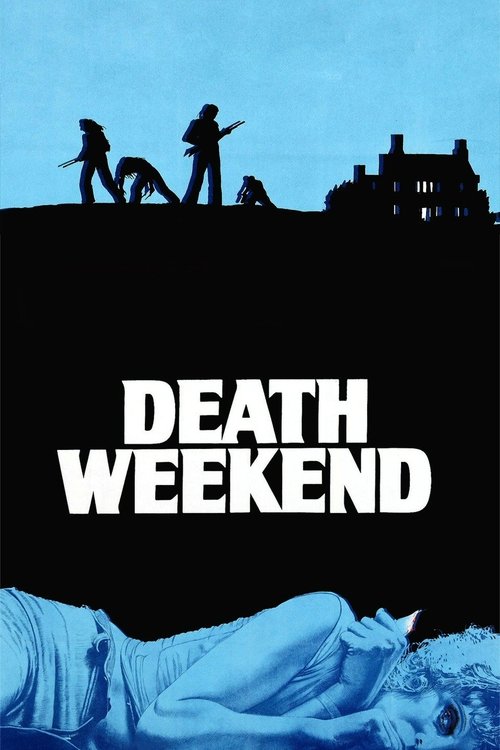
The House by the Lake
1976Harry is a rich dentist who often brings women up to his rural lakehouse. One weekend, he invites Diane, a former fashion model. On their way to the house, Diane runs a gang of thugs off the road. Humiliated, the thugs track down the couple for revenge.
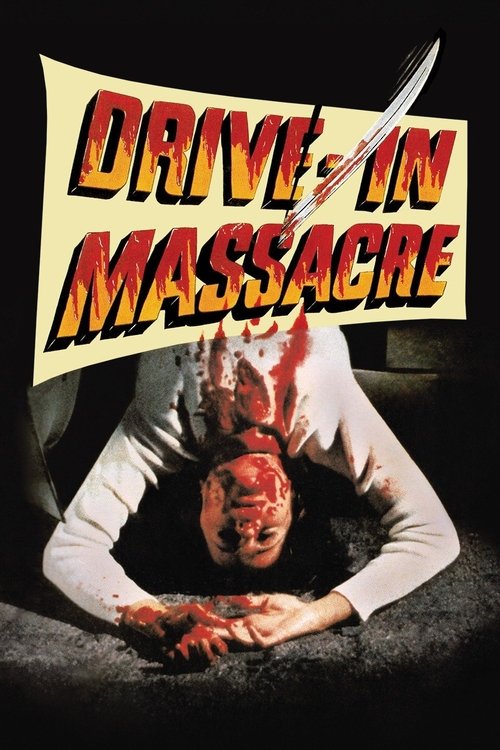
Drive-In Massacre
1976Two police detectives try to catch a serial killer who is stalking a rural California drive-in theater, randomly killing people with a sword.
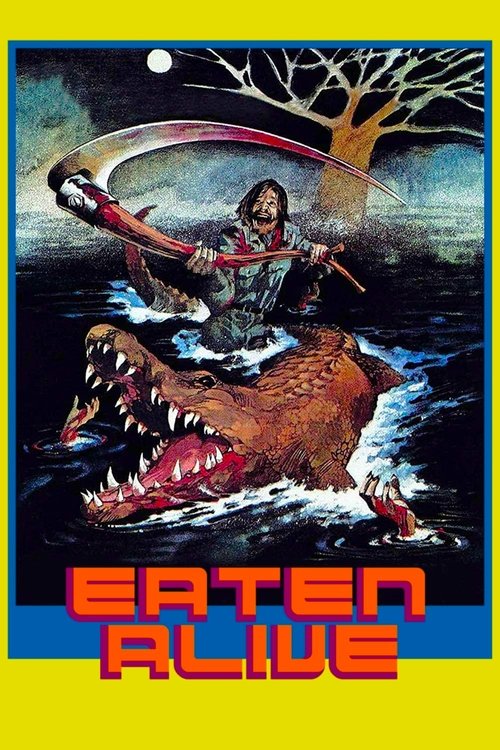
Eaten Alive
1976A psychotic redneck owns a dilapidated hotel in rural East Texas, where he murders those who upset him or his business, and then feeds their remains to his pet crocodile in the swamp beside his hotel.
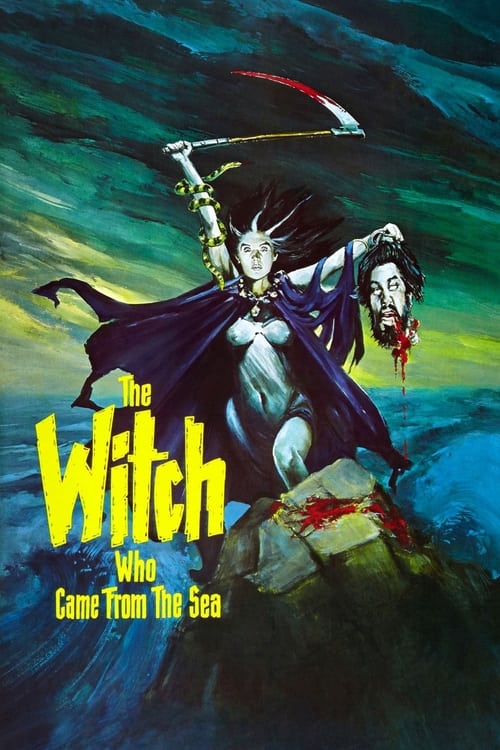
The Witch Who Came from the Sea
1976Anger stemming from being abused as a child drives an alcoholic's daughter to kill as an adult.
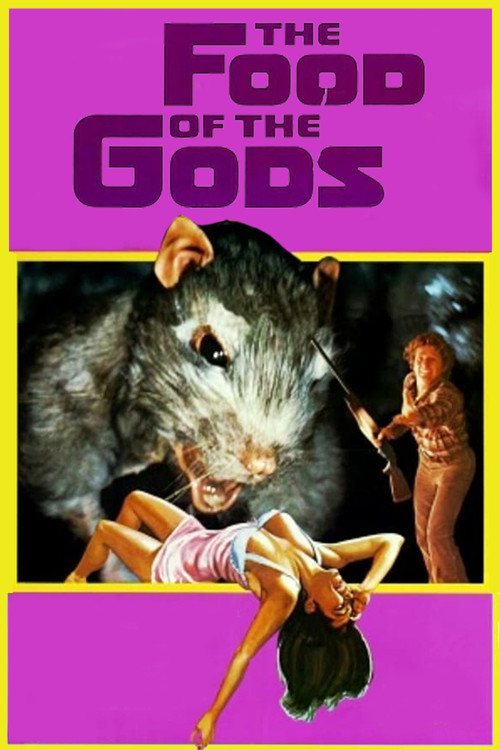
The Food of the Gods
1976Morgan and his friends are on a hunting trip on a remote Canadian island when they are attacked by a swarm of giant wasps. Looking for help, Morgan stumbles across a barn inhabited by an enormous killer chicken. After doing some exploring, they discover the entire island is crawling with animals that have somehow grown to giant size. The most dangerous of all of these, however, are the rats, who are mobilizing to do battle with the human intruders.
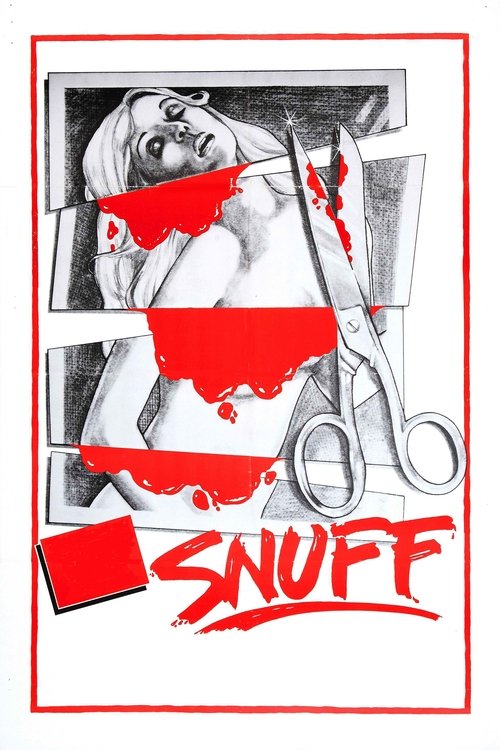
Snuff
1976The followers of a charismatic cult leader set out to murder a pregnant actress.
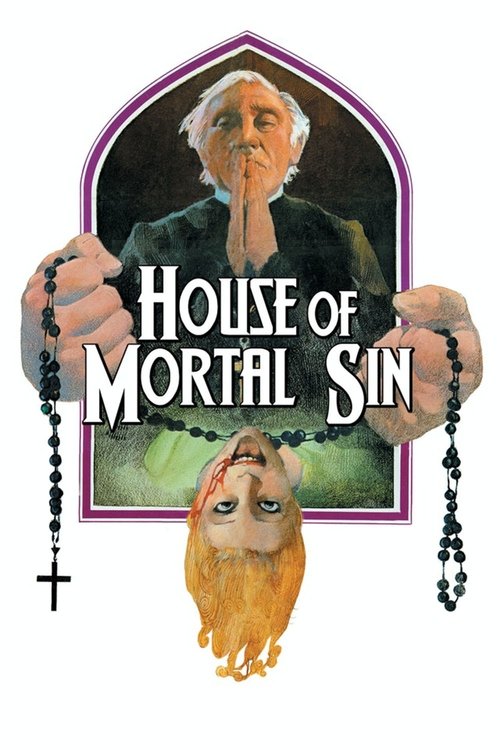
House of Mortal Sin
1976A troubled young girl goes to confession at the local church. Unfortunately, the sexually frustrated priest she confesses to becomes obsessed with her. At first, the priest stalks the girl, but later it is revealed that he will stop at nothing, including blackmail and murder, just to get close to her.
Pete Walker delivers a biting critique of ecclesiastical authority, wrapping his social commentary in the trappings of a traditional British thriller. The film’s cold, cynical edge and its focus on the perversion of the confessional make for a deeply disturbing exploration of power and piety.
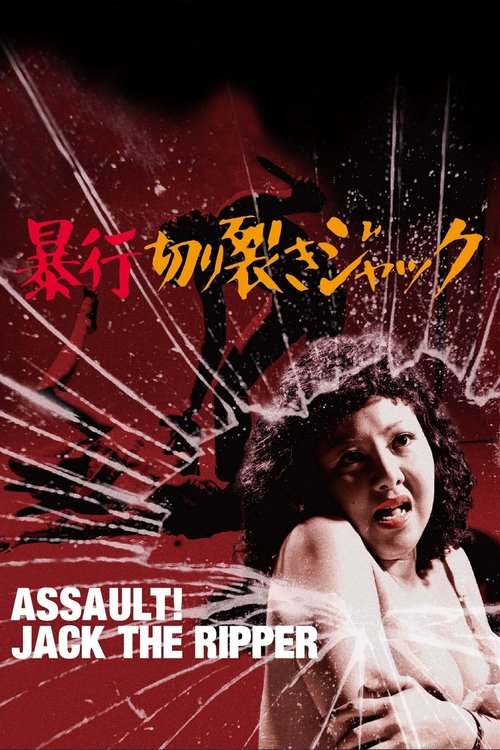
Assault! Jack the Ripper
1976Two restaurant employees begin a sexual killing spree after they accidentally kill a hitch hiker and find that murder and mutilation is their mutual aphrodisiac.
This provocative reimagining of the Whitechapel murders filters historical horror through a lens of stylized violence and psychological obsession. It stands as a jarring, experimental deconstruction of the slasher archetype that prioritizes visceral impact and disorienting camera work.
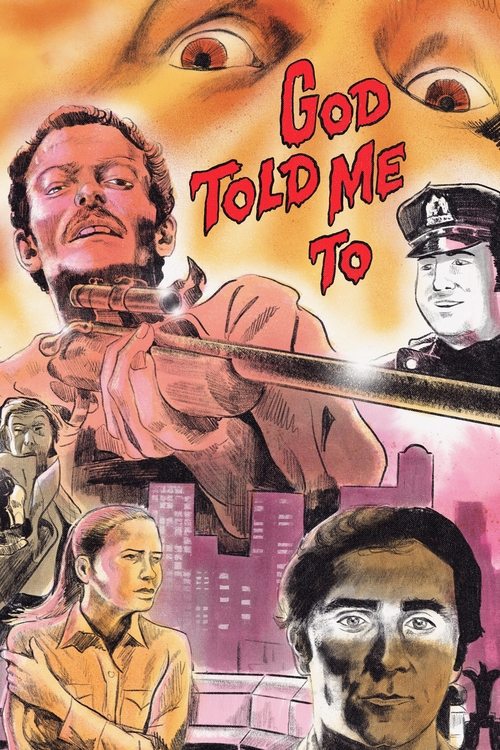
God Told Me To
1976A New York detective investigates a series of murders committed by random citizens who claim that 'God told them to'.
Larry Cohen’s genre-defying odyssey merges procedural grit with high-concept science fiction and religious blasphemy. This is an audacious, hallucinatory work that challenges the viewer's intellect as much as it assaults their nerves with its bizarre, escalating stakes.
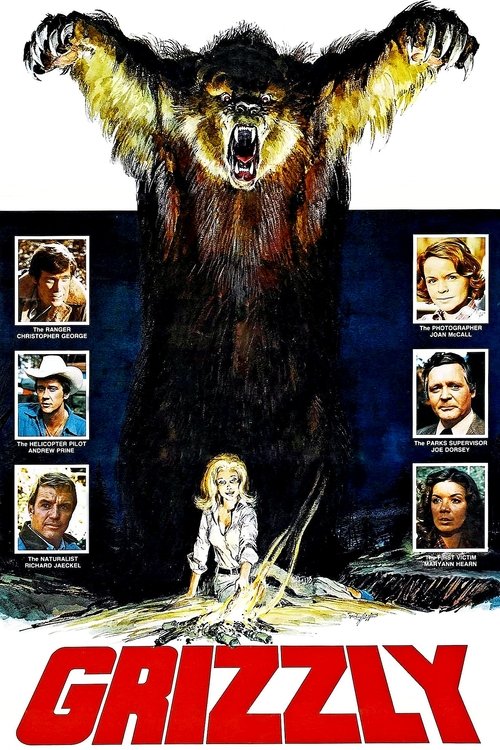
Grizzly
1976An eighteen-foot grizzly bear figures out that humans make for a tasty treat. As a park ranger tries rallying his men to bring about the bear's capture or destruction, his efforts are thwarted by the introduction of dozens of drunken hunters into the area.
This quintessential creature feature effectively transplants the suspense of the open sea into the dense, shadowed woods of Georgia. It maximizes the practical scale of its central predator to deliver a high-altitude thrill ride that remains a high-water mark for the decade's nature-run-amok subgenre.
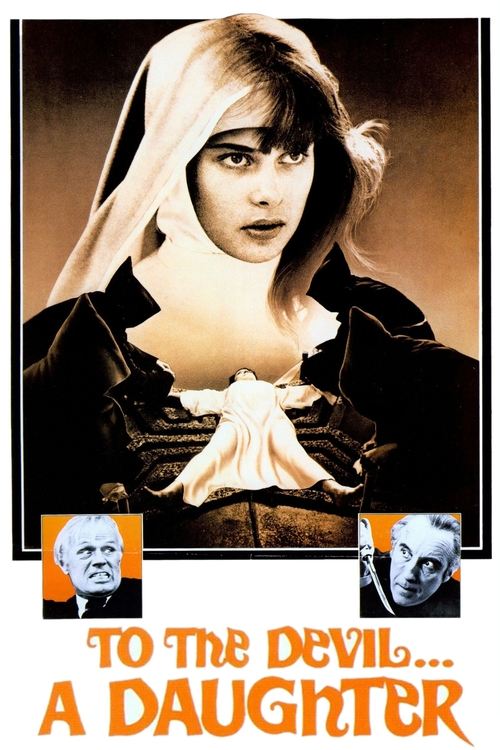
To the Devil a Daughter
1976An American occult novelist battles to save the soul of a young girl from a group of Satanists, led by an excommunicated priest, who plan on using her as the representative of the Devil on Earth.
Hammer’s final foray into the occult succeeds through its grim, uncompromising tone and a towering performance by Christopher Lee. It marks a sophisticated transition from gothic sensibilities to the grimy, taboo-breaking territory of late seventies satanic cinema.
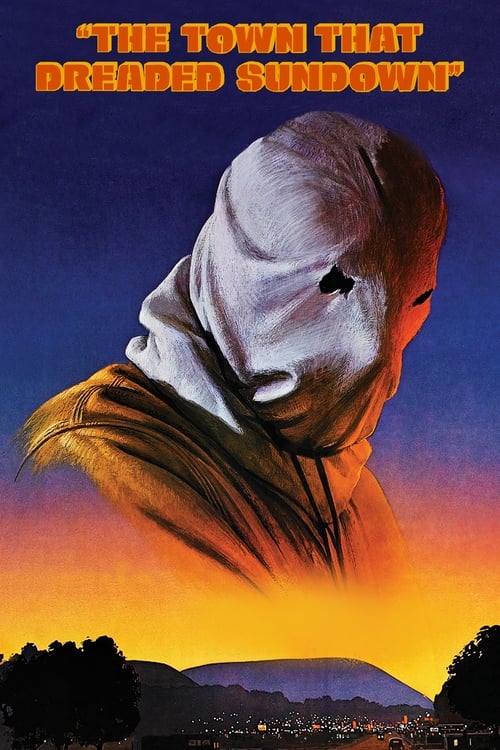
The Town That Dreaded Sundown
1976When two young lovers are savagely beaten and tortured on a back country road in Texarkana, local police are baffled and must find "the Phantom Killer" before he can kill again.
Blending proto-slasher mechanics with a documentary-style narration, this film captures a uniquely regional sense of paranoia. Its stark, drive-in aesthetic and the sheer brutality of the moonlit attacks provide a gritty realism that feels uncomfortably close to home.
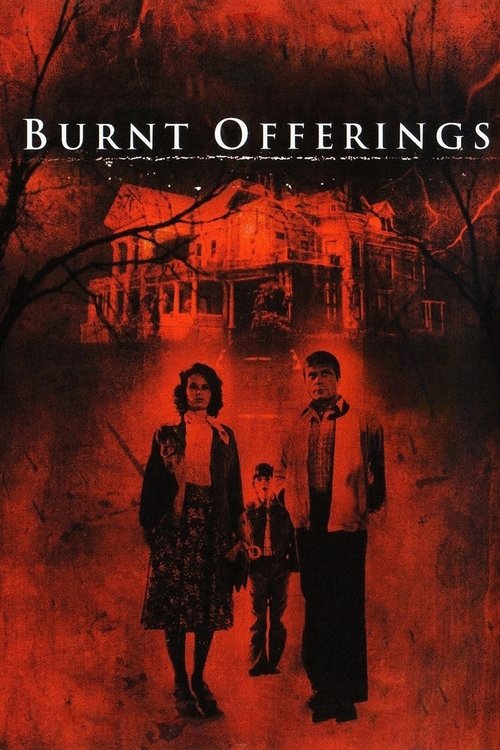
Burnt Offerings
1976A couple and their twelve-year-old son move into a giant house for the summer where things aren’t quite what they seem. Every time someone gets hurt on the grounds, the beat-up house seems to repair itself…
Bypassing standard haunted house tropes, the film focuses on a slow-burn psychological erosion that mirrors the crumbling of the nuclear family unit. The suffocating summer heat and Oliver Reed’s escalating mania create a claustrophobic pressure cooker that lingers long after the credits roll.
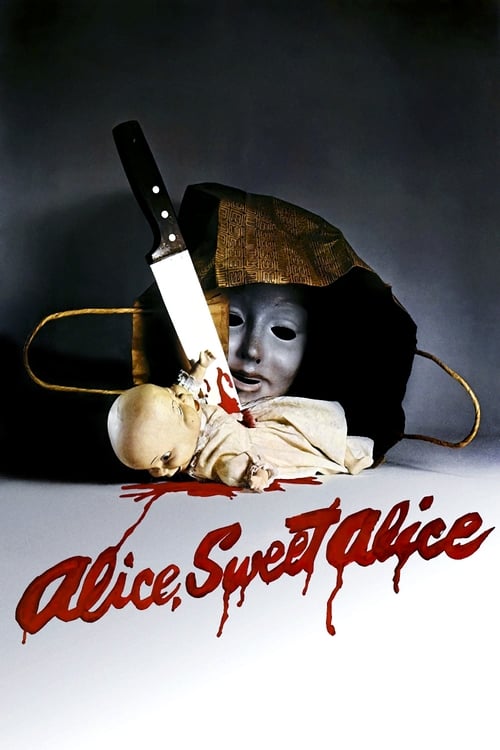
Alice, Sweet Alice
1976Alice is a withdrawn 12-year-old who lives with her mother and her younger sister, Karen, who gets most of the attention from her mother, leaving Alice out of the spotlight. When Karen is found brutally murdered in a church, suspicions start to turn toward Alice. But could a 12-year-old girl really be capable of such savagery?
A masterpiece of American giallo, this film thrives on its suffocating atmosphere of Catholic guilt and urban decay. The translucent yellow raincoat remains a terrifying visual motif in a narrative that subverts audience expectations through unsettling religious iconography and genuine psychosexual tension.
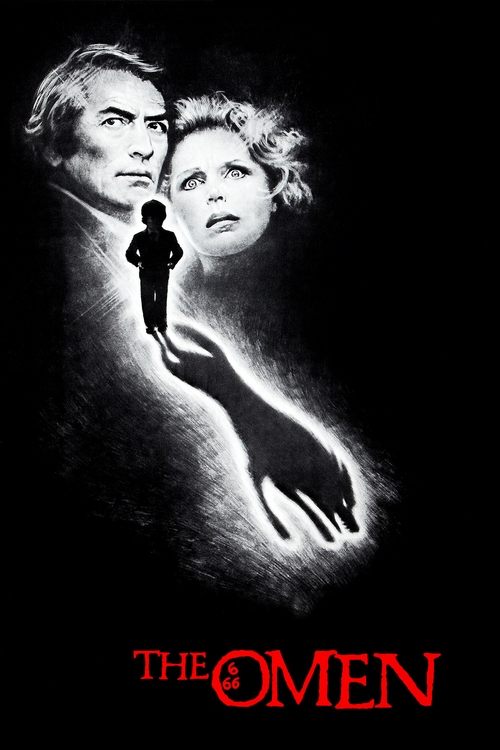
The Omen
1976Immediately after their miscarriage, the US diplomat Robert Thorn adopts the newborn Damien without the knowledge of his wife. Yet what he doesn’t know is that their new son is the son of the devil.
This landmark of religious dread weaponizes Jerry Goldsmith’s choral intensity to transform domestic unease into a global apocalypse. Its clinical approach to escalating accidental deaths lends a chilling, inevitable weight to the rise of the ultimate theological antagonist.
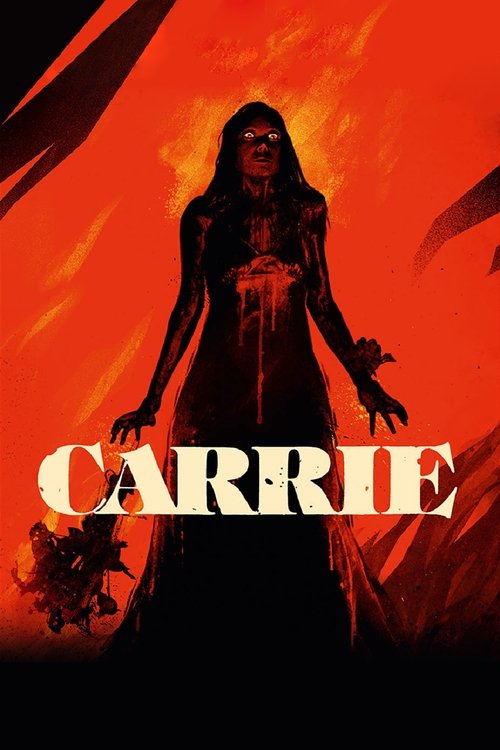
Carrie
1976Withdrawn and sensitive teenager Carrie White faces bullying from classmates and abuse from her fanatically pious mother. When she begins to suspect that she has supernatural powers, things take a dark and violent turn.
Brian De Palma crafts a masterclass in cinematic kineticism, utilizing split screens and a saturated palette to elevate high school cruelty into a grand, operatic tragedy. Sissy Spacek delivers a performance of heartbreaking fragility that curdles into one of the most iconic displays of visceral, telekinetic wrath in film history.
Frequently Asked Questions
Everything you need to know about this list and SnakeDrafts
- The 1976 horror films showcase themes of supernatural terror, psychological thriller elements, and cult slasher motifs. Movies like "The Omen" delve into theological dread, while "Alice, Sweet Alice" and "The Town That Dreaded Sundown" explore mystery and crime intertwined with horror.
- The listicle highlights that 1976 was a pivotal year where horror films gained polish and prestige, incorporating deeper theological and psychological elements. This year saw horror moving beyond shock value to include complex narratives and character development, as seen in films like "Carrie" and "Burnt Offerings."
- Yes, the list includes "Assault! Jack the Ripper," a Japanese horror-drama directed by Yasuharu Hasebe, showcasing that 1976's horror landscape also had international contributions blending crime and horror uniquely.
- Films such as "Alice, Sweet Alice," "The Town That Dreaded Sundown," and "Burnt Offerings" effectively combine horror with thriller and mystery elements, enhancing suspense and narrative depth while maintaining chilling atmospheres.
- The list features a variety of subgenres, including supernatural horror like "The Omen," psychological horror in "Carrie," slasher elements in "The Town That Dreaded Sundown," and even sci-fi horror with "The Food of the Gods," reflecting the diversity of horror in 1976.
- Directors in 1976 creatively blended horror with genres such as thriller, mystery, crime, and even science fiction. For example, Larry Cohen's "God Told Me To" integrates crime and sci-fi alongside horror, while Pete Walker's "House of Mortal Sin" combines religious themes with psychological horror.
- Absolutely, supernatural and theological dread play a central role in many 1976 horror films. "The Omen" epitomizes this with its focus on the Antichrist, while "To the Devil a Daughter" explores demonic possession and satanic cults, reflecting the era's fascination with dark spiritual horror.
- The settings and atmosphere greatly contributed to the unsettling tone of the films. For instance, "Burnt Offerings" uses a haunted house backdrop to evoke psychological terror, while "The Town That Dreaded Sundown" grounds its horror in a small-town American setting, creating a relatable yet eerie environment.