Ranking the Best Federico Fellini Directed Movies
Masterpieces of Italian Cinema and Surrealist Dreams
Explore the essential filmography of Federico Fellini, from neorealist roots to grand surrealist spectacles that redefined global cinema.
About Federico Fellini
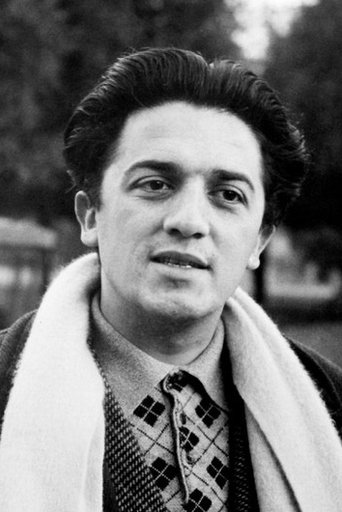
To step into a Federico Fellini film is to abandon the tether of logic for the embrace of a fever dream. He did not merely record life; he inflated it, distorted it, and draped it in velvet until the mundane became operatic. While his early contemporaries in post-war Italy were obsessed with the grit of neorealism, he pivoted toward the interior, deciding that the landscape of the human subconscious was far more cinematic than any Roman street corner. He built a bridge between the tangible world and the carnival of the mind, creating a visual language so specific that it required its own adjective: Felliniesque.
This signature style is perhaps most potent in 8 1/2, a meta-cinematic masterpiece that treats a director's creative blockage as a grand, circus-like parade of memories and hallucinations. It is here we see his obsession with the spectacle. He filled his frames with grotesque faces, looming architecture, and a sense of choreographed chaos that felt both deeply personal and wildly universal. He viewed the world through a wide-angle lens, finding beauty in the exaggerated and the absurd. In La Dolce Vita, he turned a cynical eye toward the hollow glamour of celebrity culture, giving us the iconic image of Anita Ekberg in the Trevi Fountain, a moment that crystallized his ability to find the sacred within the profane.
He possessed a rare empathy for the outcasts and the dreamers. In La Strada, he channeled a heartbreaking vulnerability through Gelsomina, blending tragedy with the whimsy of the traveling circus. This tenderness reappeared in Nights of Cabiria, where the search for love becomes a spiritual odyssey. Even when he veered into the psychedelic and the indulgent with Satyricon or Juliet of the Spirits, there was always a sense of a man trying to reconcile his Catholic upbringing with his carnal desires. He was a master of the flashback and the fantasy, often weaving them together so seamlessly that the viewer loses track of where reality ends.
His later work, like the nostalgic Amarcord, serves as a whimsical, fog-drenched recollection of youth that feels less like a history lesson and more like a shared secret. Whether he was exploring the masculine ego in I Vitelloni or the eccentricities of high society in And the Ship Sails On, he remained a ringmaster of the surreal. Projects such as Roma and Fellini's Casanova showcase his evolution into a creator of pure artifice, where sets were clearly painted and the Mediterranean was made of billowing plastic sheets. He leaned into the theatricality of cinema, proving that a crafted lie could often tell a deeper truth than a documentary. By the time he reached the twilight of his career with Ginger and Fred, the director had successfully transformed the silver screen into a mirror for his own restless, glittering soul. His legacy is not just a collection of movies, but a permission slip for every filmmaker who followed to trust their own madness.
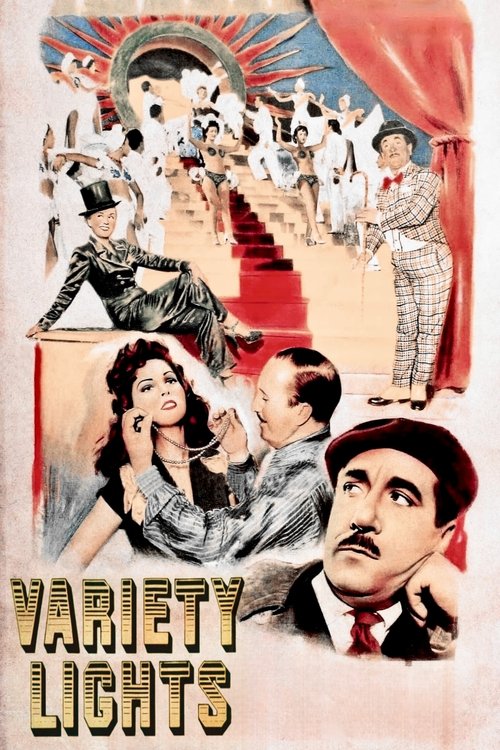
Variety Lights
1950In Italy, Checco Dal Monte manages a troupe of traveling performers with plenty of heart but minimal talent. At a small town engagement, he encounters the starry-eyed, gorgeous Lily Antonelli, and hires her as a dancer on the show. Vivacious Lily quickly sells out crowds and earns the resentment of Checco's mistress, Melina Amour, but the fledgling performer has far bigger ambitions and soon sets her sights on a higher-profile role.
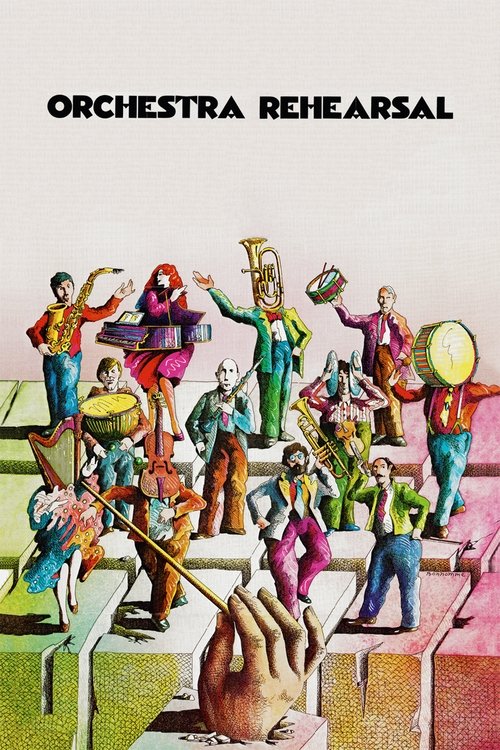
Orchestra Rehearsal
1979An orchestra assembles for a rehearsal in an ancient chapel under the inquisitive eyes of a TV documentary crew, but an uprising breaks out.
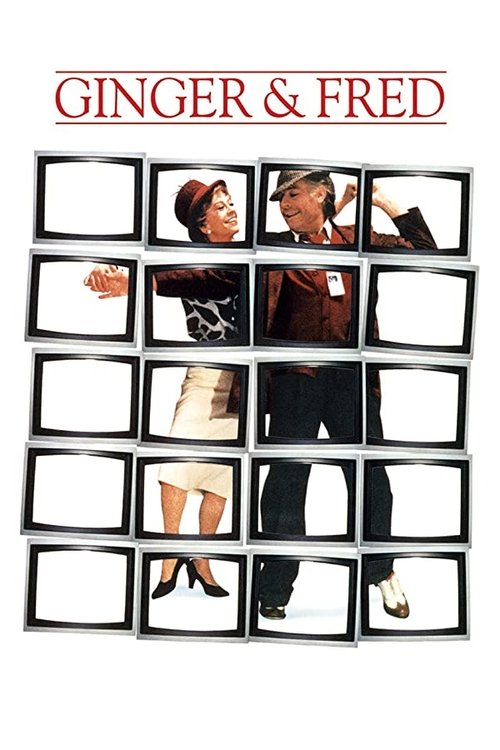
Ginger and Fred
1986Amelia and Pippo are reunited after several decades to perform their old music-hall act, imitating Fred Astaire and Ginger Rogers, on a TV variety show.
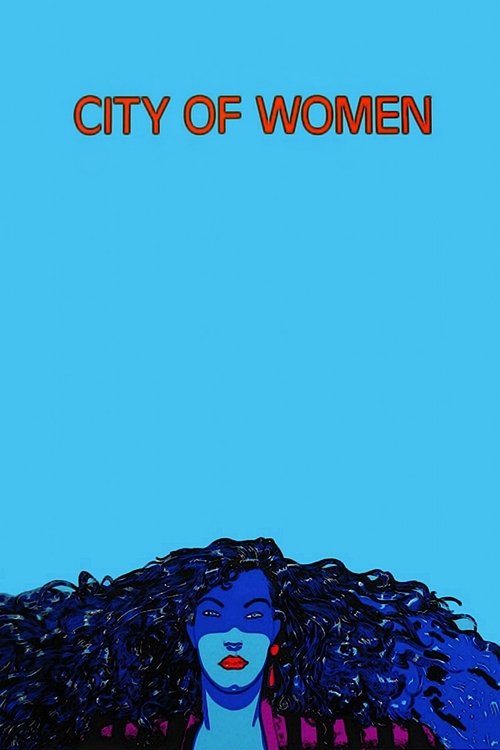
City of Women
1980The charismatic Snaporaz encounters an alluring woman on a train and pursues her through a forest. He ends up at a hotel populated by women gathered for a feminist conference, where he is an unwanted presence. Snaporaz soon discovers he’s entered a phantasmagoric world where women have taken power.
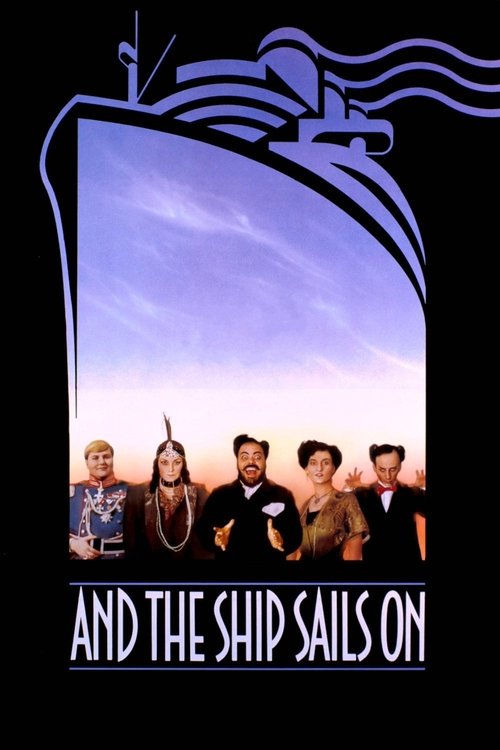
And the Ship Sails On
1983In 1914, a cruise ship sets sail from Naples to spread the ashes of beloved opera singer Edmea Tetua near Erimo, the isle of her birth. During the voyage, the eclectic array of passengers discovers a group of Serbian refugees aboard the vessel. Peace and camaraderie abound until the ship is descended upon by an Austrian flagship. The Serbians are forced to board it, but naturally they resist, igniting a skirmish that ends in destruction.
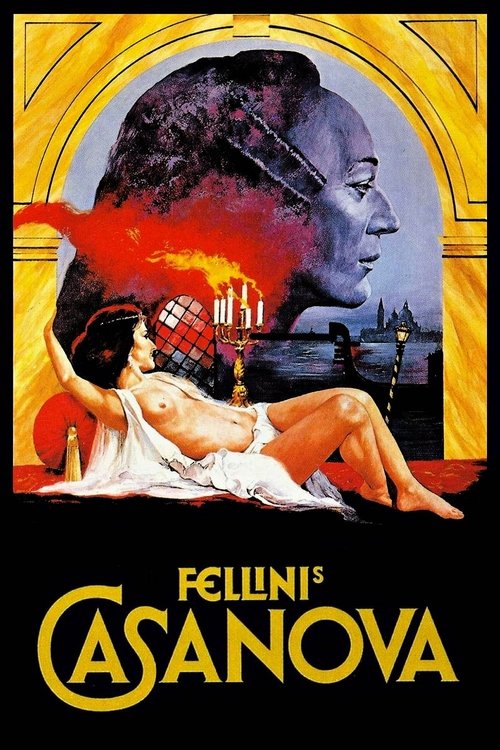
Fellini's Casanova
1976Imprisoned for practicing black magic, writer and adventurer Giacomo Casanova escapes and wanders Europe, using his fluid sexuality to find his place in life amid a variety of eccentric and strange characters.
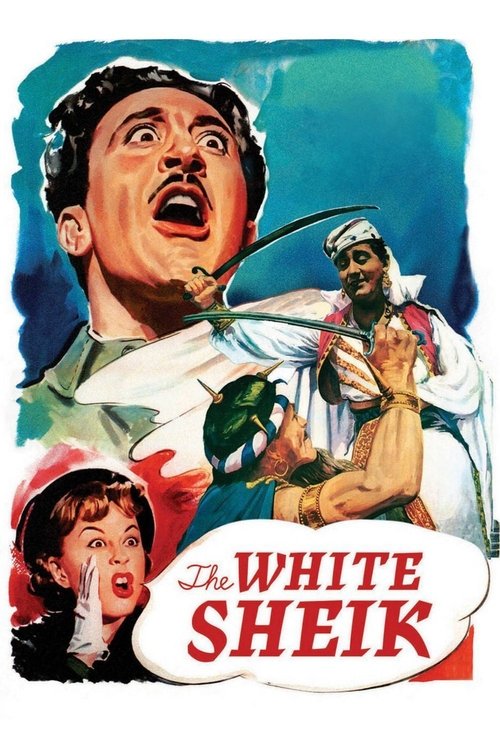
The White Sheik
1952In Italy, small-town newlyweds Wanda and Ivan Cavalli embark on their honeymoon in the big city of Rome. Ivan dutifully wants to keep appointments with family and church, but Wanda is only interested in meeting her favorite photo-strip star known as "The White Sheik". While Wanda impetuously sneaks away to locate the object of her affections, disconsolate Ivan tries his hardest to keep up appearances with the couple's relatives.
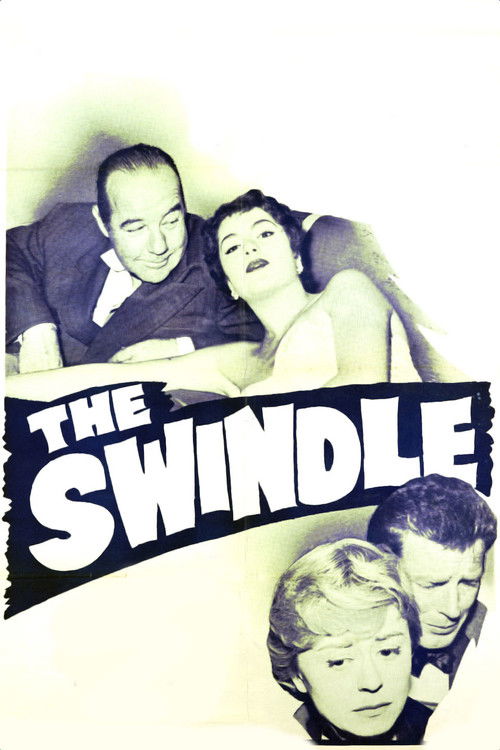
The Swindle
1955Aging small-time conman Augusto works with two younger men: Roberto, who desires to become the Italian Johnny Ray, and Carlo, nicknamed Picasso. Through a series of mishaps and personal entanglements, things go badly for Augusto.
Often overshadowed by his more exuberant fantasies, this cynical look at small-time grifters offers a sharp, unsentimental look at the intersection of desperation and moral decay. It is a vital document of the director’s transition away from orthodox neorealism toward a more stylized, psychological brand of storytelling.
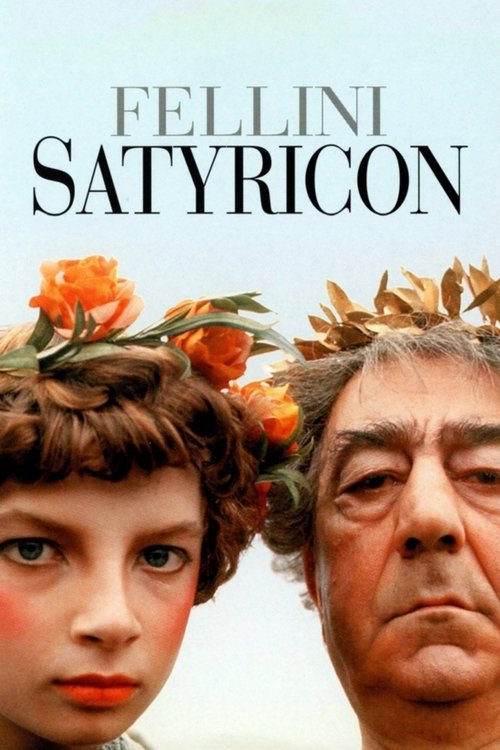
Satyricon
1969After his young lover, Gitone, leaves him for another man, Encolpio decides to kill himself, but a sudden earthquake destroys his home before he has a chance to do so. Now wandering around Rome in the time of Nero, Encolpio encounters one bizarre and surreal scene after another.
By re-imagining antiquity as a fractured sci-fi landscape, Fellini created an avant-garde odyssey that feels utterly untethered from standard cinematic conventions. This is an uncompromising dive into the pagan subconscious where the grotesque becomes the sublime.
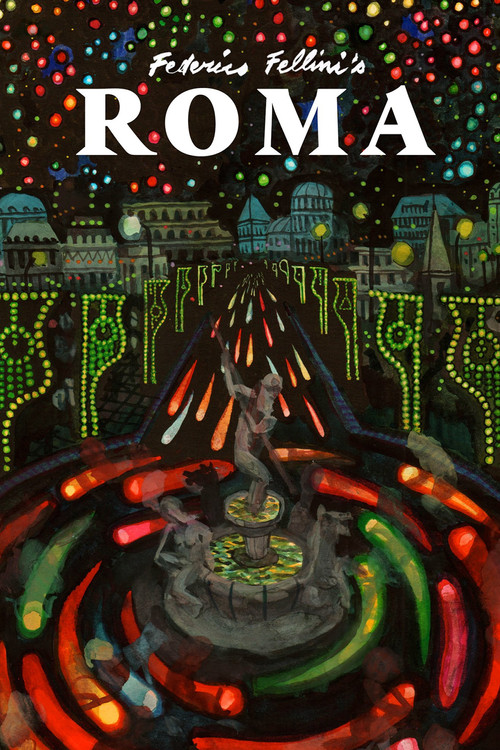
Roma
1972A virtually plotless, gaudy, impressionistic portrait of Rome through the eyes of one of its most famous citizens.
Part hallucinatory travelogue and part urban memoir, this kaleidoscopic portrait of the Eternal City rejects traditional structure in favor of pure sensory immersion. It acts as a grand, chaotic love letter that blurs the lines between ancient history and contemporary frenzy.
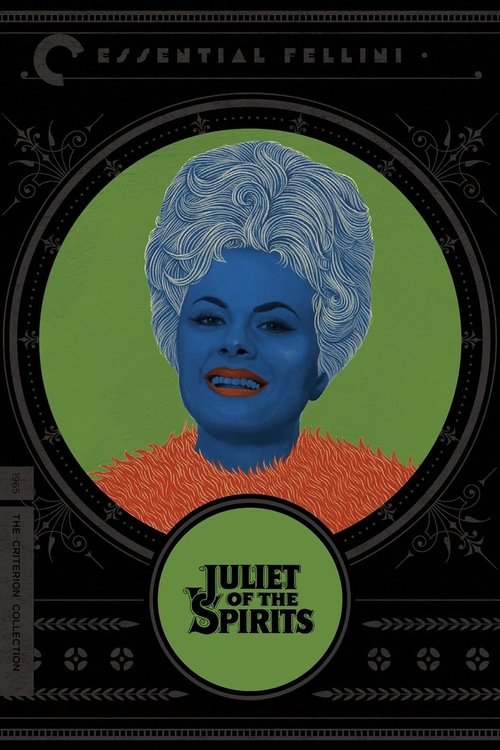
Juliet of the Spirits
1965Middle-aged Giulietta grows suspicious of her husband, Giorgio, when his behavior grows increasingly questionable. One night when Giorgio initiates a seance amongst his friends, Giulietta gets in touch with spirits and learns more about herself and her painful past. Slightly skeptical, but intrigued, she visits a mystic who gives her more information -- and nudges her toward the realization that her husband is indeed a philanderer.
Drenched in psychedelic color and baroque production design, this venture into a woman’s subconscious serves as the vibrant, technicolor mirror to his monochromatic psychodramas. It represents the director’s most unrestrained embrace of artifice and Jungian symbolism.
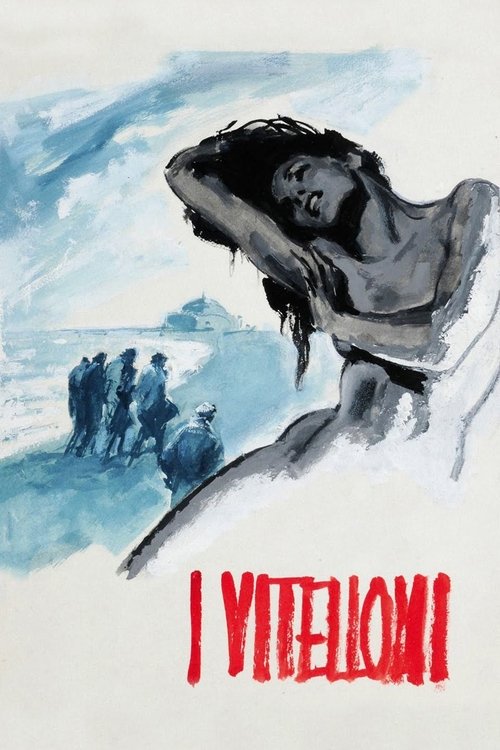
I Vitelloni
1953Five young men dream of success as they drift lazily through life in a small Italian village. Fausto, the group's leader, is a womanizer; Riccardo craves fame; Alberto is a hopeless dreamer; Moraldo fantasizes about life in the city; and Leopoldo is an aspiring playwright. As Fausto chases a string of women, to the horror of his pregnant wife, the other four blunder their way from one uneventful experience to the next.
Early evidence of the director’s genius for character study, this stylish examination of aimless youth masterfully balances biting social critique with a lingering sense of melancholy. It serves as the foundational text for his career-long fascination with the tension between domestic duty and the urge to wander.
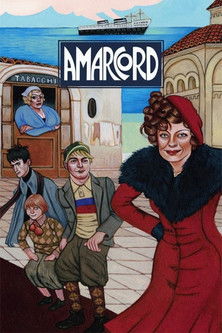
Amarcord
1973In an Italian seaside town, young Titta gets into trouble with his friends and watches various local eccentrics as they engage in often absurd behavior. Frequently clashing with his stern father and defended by his doting mother, Titta witnesses the actions of a wide range of characters, from his extended family to Fascist loyalists to sensual women, with certain moments shifting into fantastical scenarios.
This carnivalesque parade of memory transforms provincial nostalgia into a grotesque and beautiful tapestry of political and sexual awakening. Fellini crafts a collective dream of the past where history is filtered through the distorted, loving lens of subjective recollection.
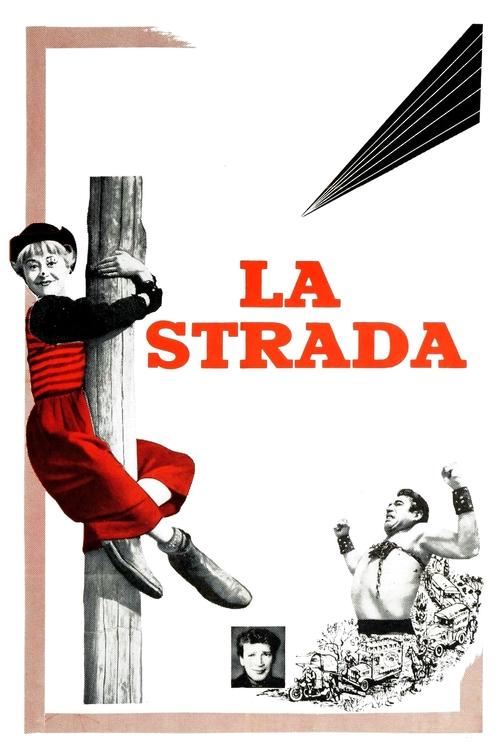
La Strada
1954When Gelsomina, a naïve young woman, is purchased from her impoverished mother by brutish circus strongman Zampanò to be his wife and partner, she loyally endures her husband's coldness and abuse as they travel the Italian countryside performing together. Soon Zampanò must deal with his jealousy and conflicted feelings about Gelsomina when she finds a kindred spirit in Il Matto, the carefree circus fool, and contemplates leaving Zampanò.
A haunting fable of psychological isolation, this film stripped away the artifice of Italian cinema to expose a primal, circus-inspired myth of cruelty and redemption. Its enduring power lies in a visual language that feels both brutally tangible and ethereally timeless.
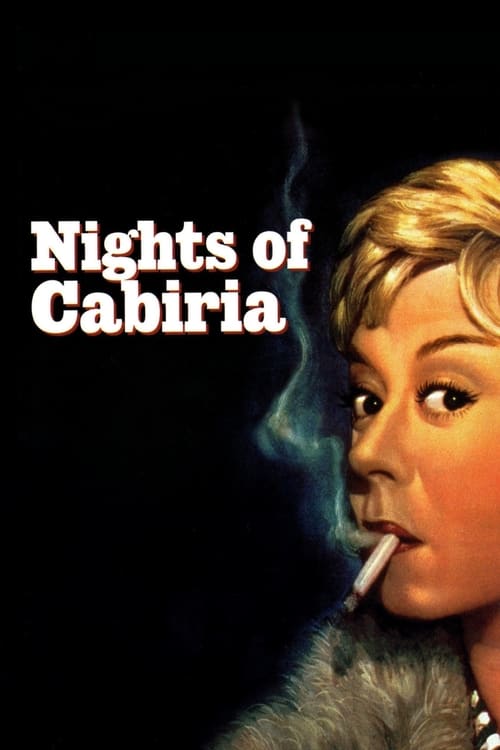
Nights of Cabiria
1957Rome, 1957. A woman, Cabiria, is robbed and left to drown by her boyfriend, Giorgio. Rescued, she resumes her life and tries her best to find happiness in a cynical world. Even when she thinks her struggles are over and she has found happiness and contentment, things may not be what they seem.
Merging gritty street-level observation with a profound sense of the miraculous, this poignant work showcases Fellini’s ability to find divinity in the marginalized. It remains his most emotionally raw testament to the resilience of the human spirit amidst a landscape of exploitation.
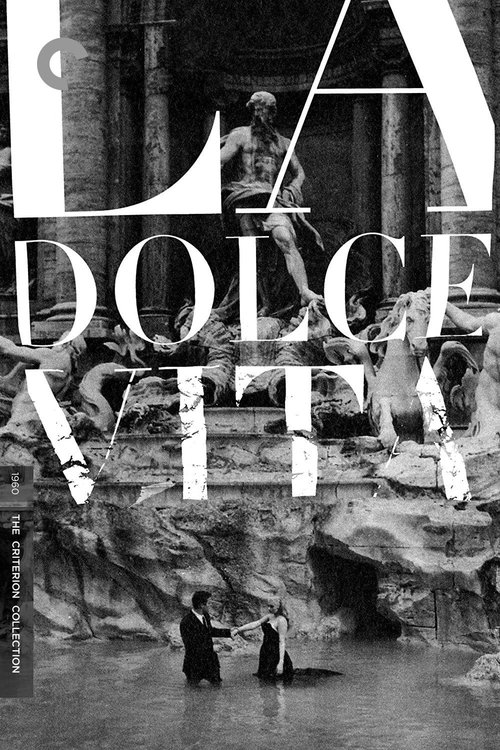
La Dolce Vita
1960Episodic journey of journalist Marcello who struggles to find his place in the world, torn between the allure of Rome's elite social scene and the stifling domesticity offered by his girlfriend, all the while searching for a way to become a serious writer.
This sprawling fresco of Roman decadence fundamentally altered the grammar of modern cinema by trading tight narratives for a modular, episodic exploration of spiritual vacuum. It captures the precise moment where celebrity culture and existential ennui collided at the dawn of the sixties.
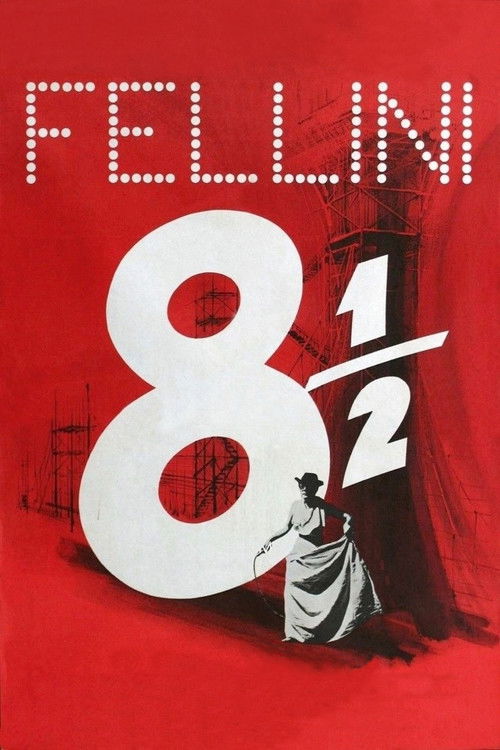
8½
1963Guido Anselmi, a film director, finds himself creatively barren at the peak of his career. Urged by his doctors to rest, Anselmi heads for a luxurious resort, but a sorry group gathers—his producer, staff, actors, wife, mistress, and relatives—each one begging him to get on with the show. In retreat from their dependency, he fantasizes about past women and dreams of his childhood.
A towering achievement in meta-cinema, this surrealist masterpiece dismantles the creative process to find transcendence within a director's psychological blockage. It stands as the definitive bridge between neorealism and the dreamlike excess that would come to define the term Felliniesque.
Frequently Asked Questions
Everything you need to know about this list and SnakeDrafts
- Fellini's films often explore themes of dreams, memory, and the subconscious, blending reality with fantasy. Movies like "8½" and "Juliet of the Spirits" exemplify his fascination with the inner psyche and surrealist storytelling.
- Fellini's early work such as "I Vitelloni" and "La Strada" shows his roots in neorealism, emphasizing everyday life and character study. As he progressed to films like "Satyricon" and "Amarcord," his style became more extravagant and surreal, creating visually rich and fantastical narratives.
- "8½" is widely regarded as Fellini's most autobiographical film, delving into the struggles of a director facing creative block. The film is a meta-commentary on filmmaking, blending reality with dreams to explore the artist's mind.
- Yes, Fellini frequently revisits characters such as the lovable drifter, the troubled artist, and the flamboyant eccentric. Archetypes like these appear in "La Dolce Vita," "Nights of Cabiria," and "Roma," illustrating themes of human vulnerability and societal spectacle.
- Fellini masterfully blends comedy and drama to capture the complexities of human experience. Films like "La Dolce Vita" and "Amarcord" intertwine satirical humor with poignant emotional moments, creating a nuanced and engaging cinematic tone.
- Fantasy is a crucial element in Fellini's cinematic universe, often used to blur the lines between reality and imagination. Works like "Juliet of the Spirits" and "Satyricon" showcase his flair for surreal imagery and dreamlike sequences that redefine narrative conventions.
- "La Dolce Vita" marks a significant departure from the Italian neorealist style, embracing a glamorous and decadent view of Rome's elite society. This film highlights Fellini's shift towards exploring social spectacle and personal decadence rather than stark realism.
- "Satyricon" stands out as a bold experiment in visual storytelling, using lavish production design and surreal imagery to reinterpret an ancient Roman tale. This film exemplifies Fellini's inclination towards elaborate and symbolic cinematic expression.