Top Vittorio De Sica Directed Movies Ranked
Discover the Visionary Works of an Italian Neorealist Icon
Explore the essential filmography of Vittorio De Sica, from groundbreaking neorealist masterpieces to classic Italian dramas and comedies.
About Vittorio De Sica

Vittorio De Sica lived two lives in front of the lens, but his greatest contribution to the medium was his ability to find the profound within the mundane. Before he was the architect of Italian Neorealism, he was a matinee idol, a charming performer who understood the art of the gaze. This inherent charisma informed his work behind the camera, where he traded polished studio sets for the crumbed brick and desperate dust of post-war Rome. He possessed a supernatural empathy for the overlooked, turning the struggle of a single father or a lonely retiree into high tragedy. His partnership with screenwriter Cesare Zavattini remains one of the most vital collaborations in cinema history, together stripping away the artificiality of Hollywood to reveal the raw nerves of the human condition.
The power of his early masterpieces lies in their startling simplicity. In Bicycle Thieves, he transforms a stolen piece of transportation into an existential crisis, capturing the crushing weight of poverty through the eyes of a child watching his father lose his dignity. He didn't just cast non-professional actors; he conducted them, extracting performances that felt less like acting and more like a collective exhilation of a country's trauma. Shoeshine operated with a similar searing honesty, documenting the corruption of innocence in a world that had forgotten how to be soft. By the time he released Umberto D., a devastating portrait of an elderly man and his dog, De Sica had perfected the art of the cinematic gut punch. He forced the audience to look at what society usually turns away from, yet he did so without moralizing or melodrama.
As the decade turned, his palette expanded into the surreal and the sensual. Miracle in Milan proved he could handle whimsy and social commentary simultaneously, using a touch of magic to address the housing crisis. Yet, he was just as adept at capturing high-octane Italian glamour. His work with Sophia Loren and Marcello Mastroianni defined a specific era of Mediterranean cool. In Yesterday, Today and Tomorrow and Marriage Italian Style, he channeled his earlier obsession with social class into vibrant, comedic, and deeply romantic storytelling. He understood that the struggle for survival and the pursuit of love were born from the same well of human desire. Even in Two Women, which returned to the harrowing themes of war, he centered the narrative on the fierce, unbreakable bond of motherhood, earning Loren an Oscar and proving that his vision remained as sharp as ever.
The later chapters of his career showed a director who refused to be boxed in by his own legacy. Whether he was experimenting with the heist comedy in After the Fox or exploring the haunting intersection of privilege and the Holocaust in The Garden of the Finzi Continis, his work remained anchored in dignity. He had a way of framing a face that felt like an act of devotion. From the gritty streets of The Roof to the operatic sweep of Sunflower, his filmography serves as a map of the Italian soul. He moved from the wreckage of the war to the decadence of the boom years with the same discerning eye, always searching for the heartbeat beneath the headlines. He left behind a cinema that wasn't just about watching lives, but about feeling the weight of them.
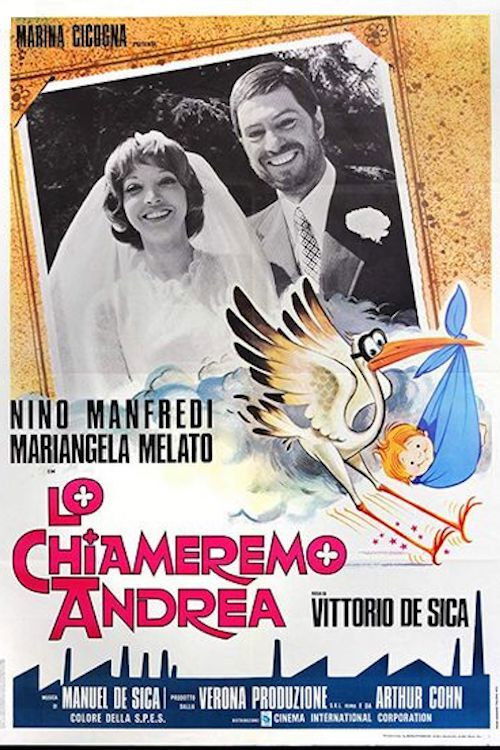
We'll Call Him Andrea
1972Paolo and Maria are two elementary teachers, who love each other, but can not have a child.
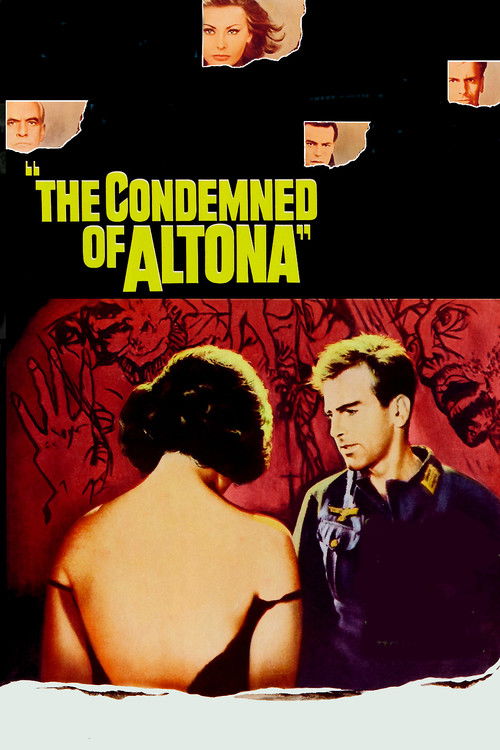
The Condemned of Altona
1962A dying German magnate invites his youngest son and daughter-in-law home to discuss the future of the family's shipbuilding empire. There, the daughter-in-law stumbles upon a secret of the family's Nazi past.
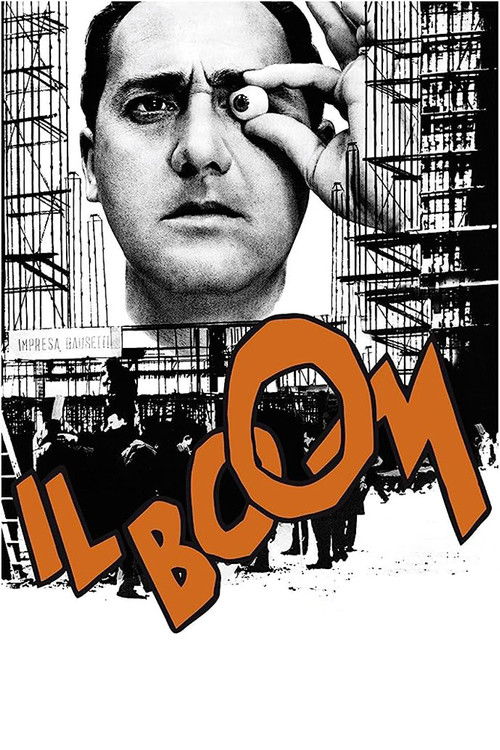
The Boom
1963Sweet-sour comedy on Italy's 1950s rage to get rich as fast as possible! The businessman wants to satisfy his wife's craving for luxury and a "respectable life" so he becomes heavily indebted. In desperation he agrees to sell a precious part of his body for a large sum of money. But just before the crucial operation he panics...

The Gold of Naples
1954A tribute to Naples, this film presents six episodes: a clown exploited by a gangster, a pizza seller losing her husband’s ring, a child's funeral, a gambler beaten by a kid, a prostitute's unusual wedding, and a "wisdom seller" offering advice.
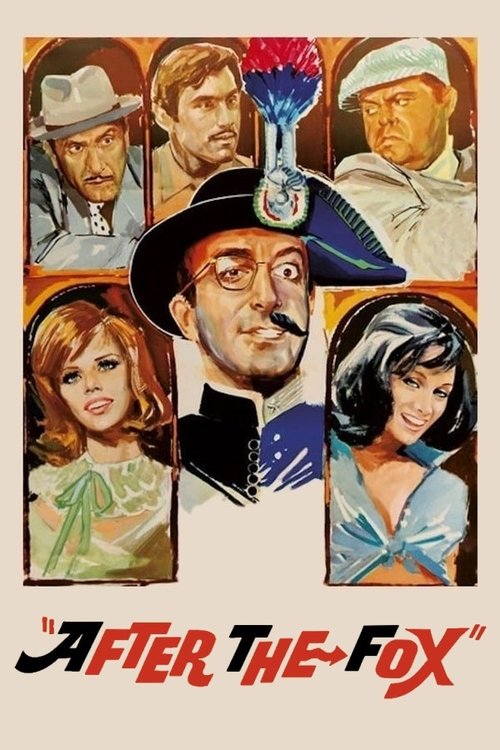
After the Fox
1966A criminal mastermind sets up a phony film production as part of a plan to smuggle stolen gold.
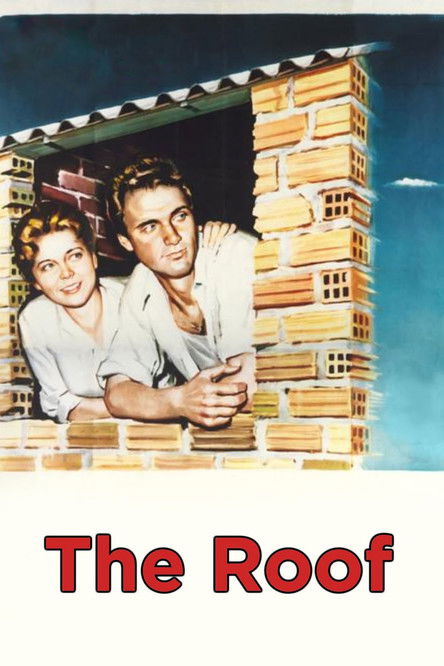
The Roof
1956Under provincial Italian law at the time, once a roof is erected, the occupants cannot be evicted from a building. This comedy follows the efforts of a family to erect the roof on a house overnight so that a newlywed couple can have their own home.

The Garden of the Finzi-Continis
1970In 1930s Italy, a wealthy Jewish family tries to maintain their privileged lifestyle, hosting friends for tennis and parties at their villa. As anti-Semitism intensifies under Fascism, they must ultimately face the horrors of the Holocaust.
De Sica achieves a haunting, painterly elegance in this late masterwork that reflects on lost horizons and the encroaching shadow of history. The film is a restrained, elegiac study of complacency and the tragic fragility of aristocratic seclusion.
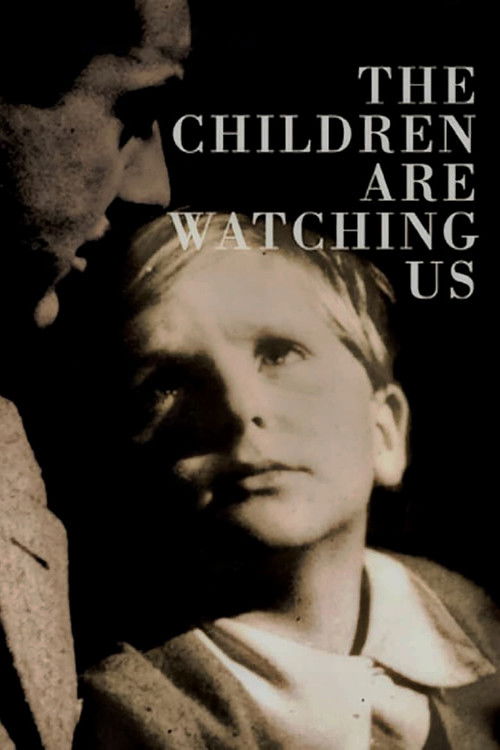
The Children Are Watching Us
1943In his first collaboration with renowned screenwriter and longtime partner Cesare Zavattini, Vittorio De Sica examines the cataclysmic consequences of adult folly on an innocent child. Heralding the pair’s subsequent work on some of the masterpieces of Italian neorealism, The Children Are Watching Us is a vivid, deeply humane portrait of a family’s disintegration.
As the foundational text of his collaborative partnership with writer Cesare Zavattini, this film marks the birth of De Sica’s empathetic gaze. It introduces his signature preoccupation with the way adult moral failures are reflected in the observant eyes of a child.

Sunflower
1970After World War II, a woman refuses to believe her husband, missing on the Russian front, is dead. Flashbacks reveal their brief courtship and marriage. Years later, she travels to Russia with his photo, determined to find him. What will she discover?
In this sweeping historical melodrama, De Sica uses grand visual scale to explore the lingering, invisible scars of international conflict. It represents his late-career transition into a more lush, operatic aesthetic that still retains a core of humanistic ache.
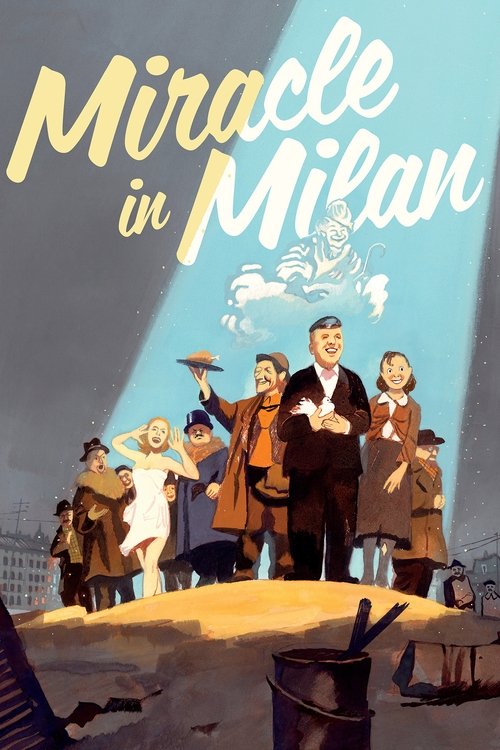
Miracle in Milan
1951Once upon a time a wise and kind old woman discovers a baby in her cabbage patch. She brings up the child and, when she dies, the boy, Totò, enters an orphanage. Totò leaves the orphanage a happy young man, and looks for work in post-war Milan. He ends up with the homeless and organizes them to build a shanty town in a vacant lot. But when greedy developers threaten the community’s land, Totò will need all the help he can get in order to find an impossible way out.
Breaking away from pure realism, De Sica leans into a satirical, fable-like surrealism to illustrate the plight of the dispossessed. This whimsical departure proves his directorial range, finding a magical visual language to articulate the yearnings of the impoverished.
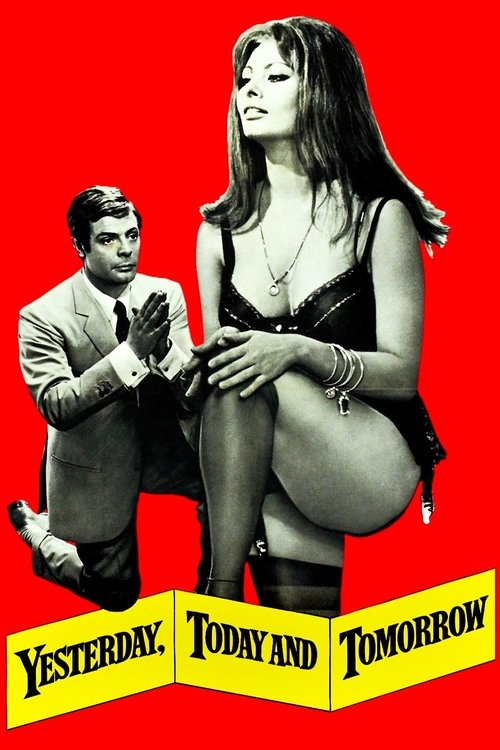
Yesterday, Today and Tomorrow
1963Three tales of very different women using their sexuality as a means to getting what they want.
Functioning as a triptych of Italian identity, this work highlights De Sica’s versatile mastery over tone and comedic timing. It is a sophisticated celebration of performance and persona that interrogates the various masks required by class and gender.
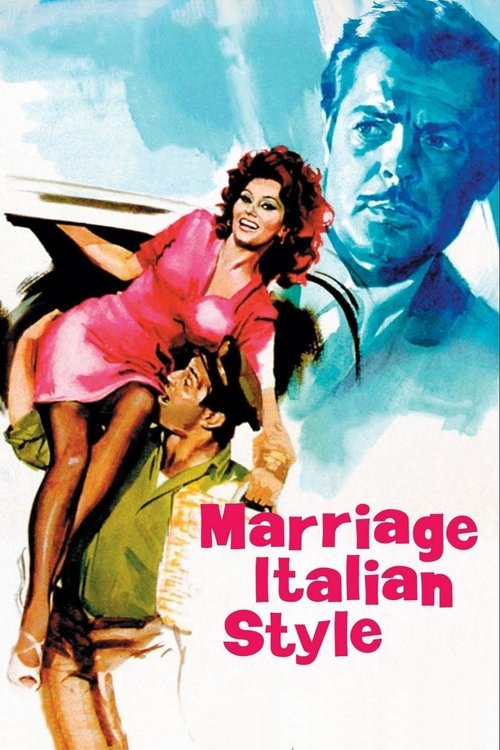
Marriage Italian Style
1964During the bombing of Naples in World War II, a cynical businessman helps a naive prostitute, who spends the next two decades desperate to have him reciprocate her feelings.
This vibrant exercise in social comedy showcases De Sica’s ability to weave sharp class critique into the fabric of a sprawling, decades-spanning romance. He expertly balances theatrical exuberance with the bittersweet reality of survival and societal expectation.

Two Women
1960A young widow flees from Rome during WWII and takes her lonely twelve-year-old-daughter to her rural hometown but the horrors of war soon catch up with them.
Shifting his focus from the streets to the psychological wreckage of war, De Sica utilizes a more visceral, muscular directorial style. The film serves as a brutal bridge between his neorealist roots and a more expansive, tragic lyricism.
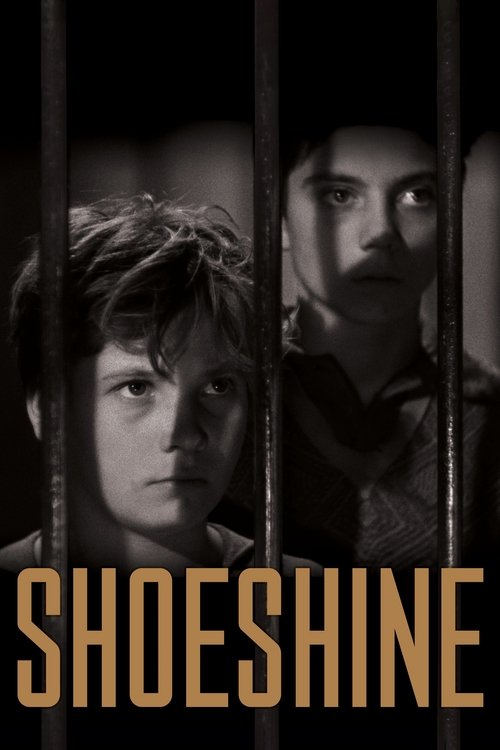
Shoeshine
1946Two shoeshine boys in postwar Rome, Italy save up to buy a horse, but their involvement as dupes in a burglary lands them in juvenile prison; the experience take a devastating toll on their friendship.
De Sica captures the tragic erosion of innocence with a gritty, documentary-like intimacy that changed the landscape of postwar cinema. It is a harrowing exploration of how institutional failure and poverty poison the purity of childhood bonds.
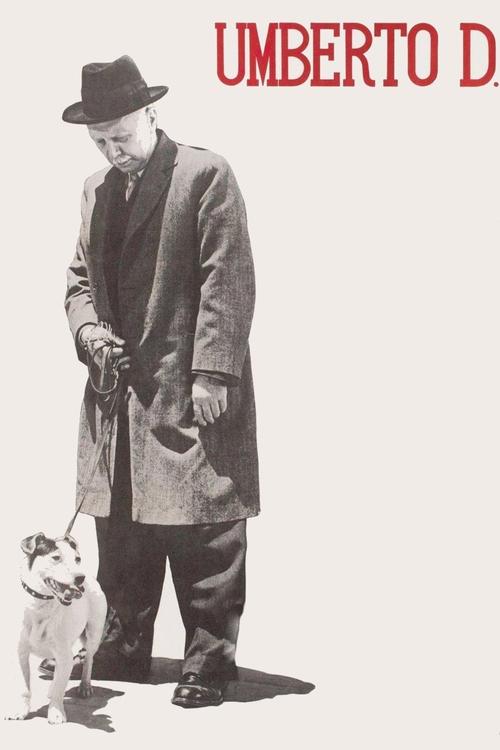
Umberto D.
1952When elderly pensioner Umberto Domenico Ferrari returns to his boarding house from a protest calling for a hike in old-age pensions, his landlady demands her 15,000-lire rent by the end of the month or he and his small dog will be turned out onto the street. Unable to get the money in time, Umberto fakes illness to get sent to a hospital, giving his beloved dog to the landlady's pregnant and abandoned maid for temporary safekeeping.
With an uncompromising lens that refuses to look away from the indignities of old age, De Sica crafts a devastatingly quiet portrait of social isolation. This film stands as the director’s most austere and emotionally raw indictment of a society that has outgrown its own empathy.
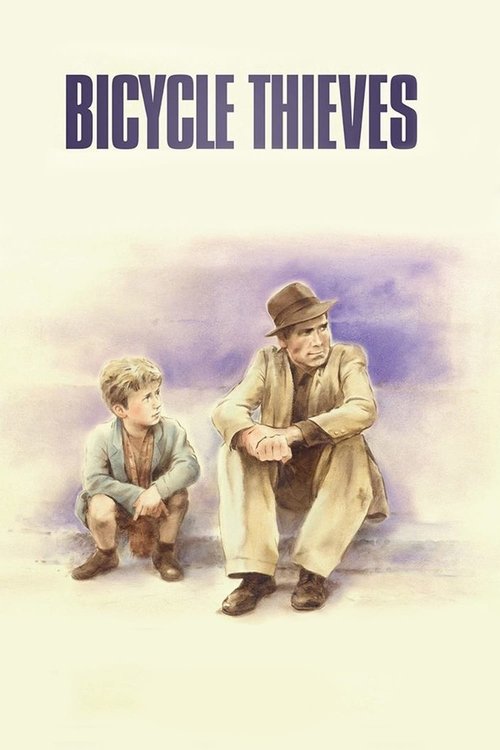
Bicycle Thieves
1948Unemployed Antonio is elated when he finally finds work hanging posters around war-torn Rome. However on his first day, his bicycle—essential to his work—gets stolen. His job is doomed unless he can find the thief. With the help of his son, Antonio combs the city, becoming desperate for justice.
The definitive cornerstone of Italian Neorealism, this masterpiece strips away cinematic artifice to find the profound in the mundane. De Sica transforms a desperate urban odyssey into a universal meditation on human dignity and the crushing weight of systemic indifference.
Frequently Asked Questions
Everything you need to know about this list and SnakeDrafts
- Vittorio De Sica's neorealist films often explore themes of poverty, human dignity, and social injustice. Movies like Bicycle Thieves and Umberto D. depict the struggles of ordinary people in post-war Italy, emphasizing emotional depth through everyday hardships.
- While De Sica is renowned for his neorealist dramas, he also skillfully blends comedy and romance in films such as Marriage Italian Style and Yesterday, Today and Tomorrow. These later works showcase his versatility and ability to capture Italian society’s complexities with humor and warmth.
- Films like Two Women, Sunflower, and The Garden of the Finzi-Continis integrate war and historical backdrops to enhance their dramatic narratives. De Sica uses these settings not just for context but to explore personal and collective trauma, highlighting resilience and survival.
- Empathy is central to De Sica's directing approach, allowing audiences to deeply connect with marginalized characters. This is evident in films like Shoeshine and The Children Are Watching Us, where the focus on overlooked individuals uncovers profound emotional truths.
- Miracle in Milan uniquely combines fantasy and neorealism, using whimsical storytelling to critique social inequality. The film’s magical realism underscores De Sica’s belief in hope and human kindness amid hardship.
- De Sica's comedies often employ satire and witty social observation, differing from the somber tone of his dramas. In After the Fox and The Boom, humor becomes a vehicle to critique societal norms while maintaining an engaging, lighthearted delivery.
- The Roof represents De Sica's continued commitment to neorealism, focusing on working-class struggles in 1950s Italy. It emphasizes the importance of family and home, themes reflective of the socio-economic challenges during that era.