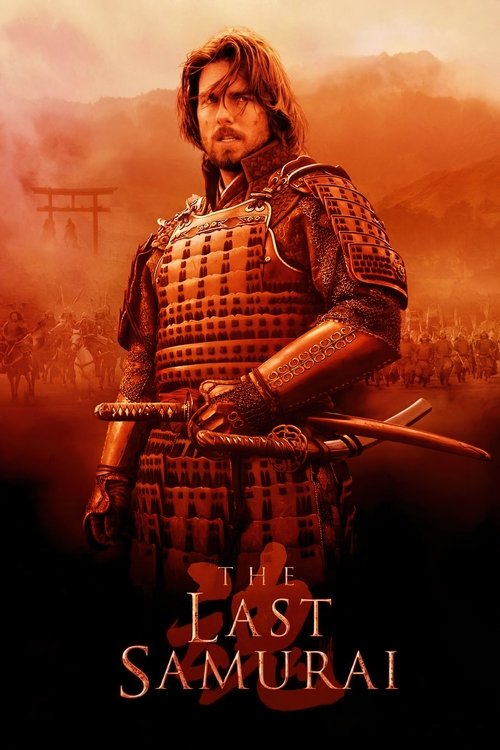
The Last Samurai
In "The Last Samurai," Tom Cruise portrays Nathan Algren, an American civil war veteran drawn into the world of samurai culture during Japan's Meiji Restoration. This visually stunning drama captures the clash between modernity and tradition, exploring themes of honor, loyalty, and transformation.
Director
Release Year
2003
Runtime
154 minutes
Main Cast
Tom Cruise, Ken Watanabe, Timothy Spall, Tony Goldwyn, Hiroyuki Sanada
About The Last Samurai
"The Last Samurai," directed by Edward Zwick, is a cinematic exploration of identity and cultural transformation set against the backdrop of Japan's Meiji Restoration period. The film beautifully contrasts the rush towards modernization with the serene steadfastness of traditional samurai culture. Through the eyes of Nathan Algren, portrayed with nuanced depth by Tom Cruise, audiences are invited into the dichotomy between Western industrial advances and the timeless, honorable practices of the samurai. The landscapes and battle scenes are particularly breathtaking, reflecting Zwick's meticulous attention to detail and commitment to authenticity.
The movie has resonated with audiences worldwide, celebrated for its compelling narrative and visual grandeur. Ken Watanabe's portrayal of Katsumoto, a samurai leader, earned him an Academy Award nomination, showcasing the film's strong performances and its dedication to presenting Japanese culture with respect and authenticity. This film has sparked discussions on cultural imperialism and the impact of Western influences on traditional societies.
Critics have often praised the film for its ambitious storytelling and the moral complexities it brings to light. Though some contested its historical accuracies, the film’s emotional depth and character-driven plot have been widely appreciated. The epic scope of the film, combined with Hans Zimmer’s evocative score, elevates it to a powerful reflection on cultural resilience and transformation.
While "The Last Samurai" might initially appear to focus primarily on action, it delves into the human elements of loss, adaptability, and the poignant quest for meaning amid chaotic change. Its legacy persists in conversations about cross-cultural understanding and the ongoing dialogue between the past and the future, making it not just a war drama, but also a thoughtful commentary on change and preservation.
Drafts Featuring The Last Samurai
Every SnakeDrafts listicle where this movie appears
Similar Movies
Movies related to The Last Samurai





Frequently Asked Questions
Everything you need to know about The Last Samurai
- Nathan Algren's character arc is central to the film, reflecting themes of redemption and transformation. As an American soldier traumatized by his past, Algren finds new purpose among the samurai. His journey from outsider to one who deeply respects samurai values illustrates personal growth and the impact of cross-cultural connections.
- While "The Last Samurai" takes creative liberties for dramatic effect, it successfully captures the essence of the Meiji Restoration, particularly the tension between modernization and traditionalism. The film uses its characters and story to explore real historical themes, even if its narrative isn’t strictly factual.
- Katsumoto, portrayed by Ken Watanabe, embodies the stoicism and cultural integrity of the samurai way of life. His relationship with Nathan Algren is pivotal, as it represents the bridging of cultures and the exchange of ideals. Katsumoto's influence on Algren underscores the film's exploration of honor, tradition, and cultural survival.
- The ending of "The Last Samurai" is significant for its symbolic portrayal of acceptance and understanding. It emphasizes the theme of cultural preservation amidst inevitable change. The conclusion provides closure not only to Algren's journey but also to the broader narrative of the samurai's lasting legacy in a modernizing world.
- The film portrays samurai traditions with a focus on their values of honor, loyalty, and discipline. This portrayal is culturally significant as it introduces audiences to the philosophical underpinnings of the samurai, encouraging a deeper appreciation for the societal impact of these traditions during a period of historical upheaval.

