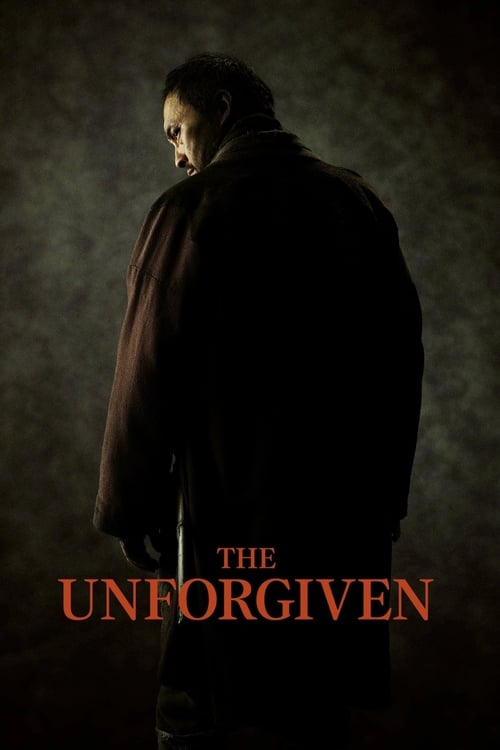
Unforgiven
In a harsh, unforgiving land, a retired samurai is forced to confront his violent past when a bounty for revenge draws him back into a world he desperately tried to escape. "Unforgiven" (2013) is a poignant and visually stunning reimagining of the classic Western, exploring themes of justice, redemption, and the inescapable weight of one's actions.
Director
Sang-il Lee
Release Year
2013
Runtime
135 minutes
Main Cast
Ken Watanabe, Koichi Sato, Akira Emoto, Yuya Yagira, Shioli Kutsuna
About Unforgiven
Sang-il Lee's "Unforgiven" (2013) is a powerful Japanese remake of Clint Eastwood's Oscar-winning Western masterpiece. While retaining the core narrative of a retired killer pulled back into violence, the film masterfully transplants the story to Meiji-era Japan, exchanging the American frontier for the rugged landscapes of Hokkaido. This cultural shift provides a fresh lens through which to examine universal themes of morality, masculinity, and the societal impact of brutality.
The film centers on Jubei Kamata, a once-feared samurai who has renounced his violent past and now lives a quiet life with his children. However, desperate circumstances and a substantial bounty offered by a group of wronged prostitutes compel him to take up his sword once more. Joined by an old comrade and a young, eager fighter, Jubei embarks on a journey that forces him to confront not only external adversaries but also the lingering specters of his own dark history. The narrative unfolds with a deliberate pace, building tension and exploring the moral ambiguities inherent in seeking justice through violence.
"Unforgiven" received critical acclaim for its breathtaking cinematography, strong performances, and respectful yet innovative adaptation of the source material. Ken Watanabe delivers a compelling performance as Jubei, imbuing the character with gravitas and a palpable sense of weariness. The film also garnered attention for its thoughtful exploration of how the end of the samurai era impacted individuals and society, drawing parallels to the fading myth of the American cowboy. Its unflinching depiction of violence and its psychological toll resonated deeply with audiences and critics alike.
The film's legacy lies in its successful reimagining of a beloved classic, demonstrating how powerful narratives can transcend cultural boundaries while offering new perspectives. It stands as a testament to Sang-il Lee's directorial vision and the enduring power of a story that grapples with the complexities of justice, vengeance, and the possibility—or impossibility—of true redemption. "Unforgiven" (2013) remains a significant entry in the neo-western and samurai film genres, showcasing the universal struggle to escape one's past.
Drafts Featuring Unforgiven
Every SnakeDrafts listicle where this movie appears
Similar Movies
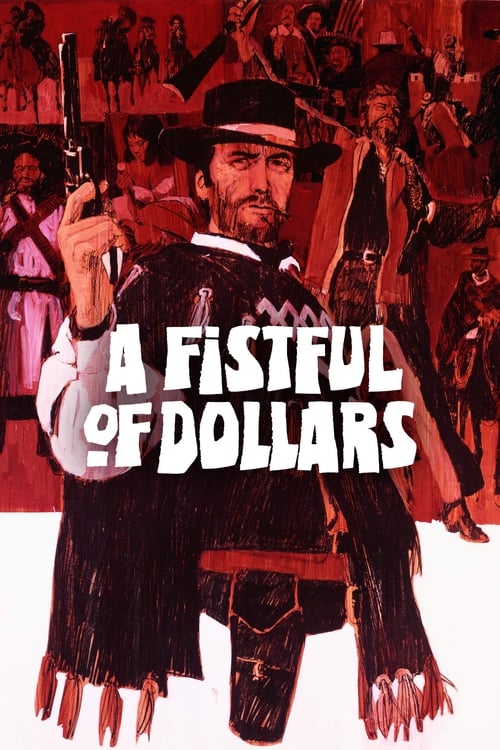
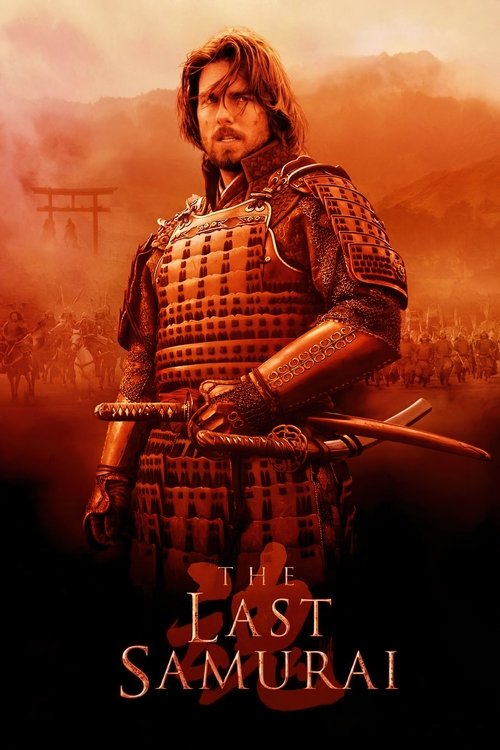
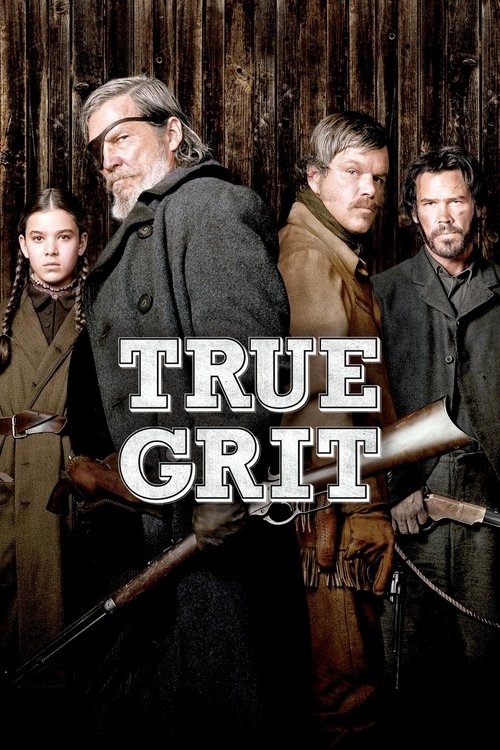
Movies related to Unforgiven
Frequently Asked Questions
Everything you need to know about Unforgiven
- Jubei's past as a ruthless killer deeply shapes his reluctance to revert to violence. He is constantly battling his former self, and his internal conflict is evident in his demeanor and decisions, highlighting the profound psychological scars left by his history. This struggle underscores the film's central theme of redemption and the difficulty of escaping one's true nature.
- The Meiji-era setting in Japan, marking the decline of the samurai class, mirrors the end of the cowboy era in the American West, providing a similar backdrop of societal change and lawlessness. This parallel allows the film to explore universal themes of justice and identity within different cultural contexts, enriching the narrative with its unique historical and cultural nuances. The shift offers a fresh perspective while maintaining the spirit of the original.
- The prostitutes' desperate quest for revenge highlights their profound vulnerability and lack of legal recourse in their society. Their willingness to hire an old assassin underscores their marginalization and the failure of existing systems to protect them. This act serves as a powerful commentary on social injustice and the lengths to which the oppressed will go to find a semblance of justice.
- The trio represents distinct perspectives on violence: Jubei embodies reluctant responsibility, Goro represents pragmatic loyalty from a shared past, and Kazunari symbolizes youthful recklessness and a romanticized view of combat. Their interactions illuminate the varied moral and ethical considerations attached to using force, and how different generations and experiences shape one's understanding of honor and brutality.
- The ending leaves Jubei's full redemption ambiguous, suggesting that while he may secure temporary justice, the shadow of his past violence will always linger. His actions, though perhaps necessary, continue to weigh heavily on him, implying that some forms of atonement are an ongoing struggle rather than a definitive end. This nuanced conclusion reinforces the film's complex exploration of guilt and the lasting impact of one's deeds.

