The Complete Ranking of Shirley Temple Movies
The Definitive Filmography of Hollywood's Greatest Child Star
Explore the most iconic films of Shirley Temple, from her legendary musical performances to her classic dramatic roles in Golden Age Hollywood cinema.
About Shirley Temple
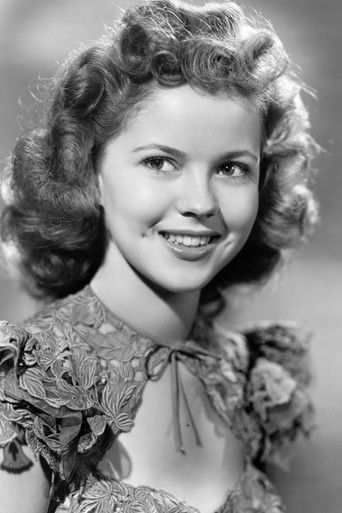
Long before the era of modern child stardom and its accompanying cautionary tales, there was a small girl with fifty-six perfect blonde ringlets who effectively saved a movie studio and anchored the spirit of a broken nation. During the height of the Great Depression, she became the ultimate antidepressant. She was more than just a performer; she was a global phenomenon whose face adorned everything from porcelain dolls to soda bottles. Audiences flocked to theaters not just to see a kid act, but to witness a supernatural level of charisma and a rhythmic tap-dancing precision that rivaled the best professionals in the business.
Her rise began in earnest with 1934 breakthroughs like Bright Eyes and Little Miss Marker, where she established the archetype of the precocious orphan or the emotional glue holding a fractured family together. She possessed an uncanny ability to hold her own against seasoned icons, notably outshining Gary Cooper in Now and Forever. Whether she was melting the heart of a crusty sea captain in Captain January or charming her way through the Swiss Alps in Heidi, her appeal rested on a perceived purity that didn't feel artificial. She represented an uncomplicated joy in a decade that desperately needed it. In films like The Littlest Rebel and The Little Princess, she demonstrated a dramatic range that proved she was far more than a novelty act, navigating themes of class, war, and loss with a maturity that frequently left her adult co-stars in the dust.
As the 1930s closed, the world watched with collective anxiety as its favorite golden child began to grow up. The transition into teenage roles is a graveyard for many careers, yet she managed the shift with remarkable grace. She reinvented herself as the quintessential American young lady, trading the ringlets for a sophisticated bob. In the wartime drama Since You Went Away and the poignant I'll Be Seeing You, she captured the shifting domestic landscape of a country at war. Her comedic timing remained sharp as she played the lovestruck lead alongside Cary Grant in the delightful The Bachelor and the Bobby-Soxer, showing a flirtatious energy that helped bridge the gap between her childhood innocence and her eventual adulthood.
By the time she appeared in John Ford's Fort Apache, playing the daughter of Henry Fonda, she had evolved into a capable dramatic actress of the western genre. However, her greatest act was arguably her decision to walk away from the camera on her own terms. Unlike many who cling to the remnants of their fame, she chose a second life in public service, eventually becoming a distinguished diplomat. Her legacy remains preserved in the amber of Hollywood's Golden Age, a sentiment later celebrated in the documentary That's Dancing! which showcased her footwork alongside the greatest hoofers in history. She remains the gold standard for juvenile stardom, not because of her massive box office numbers, but because she remained entirely herself while the whole world projected its hopes onto her tiny shoulders.
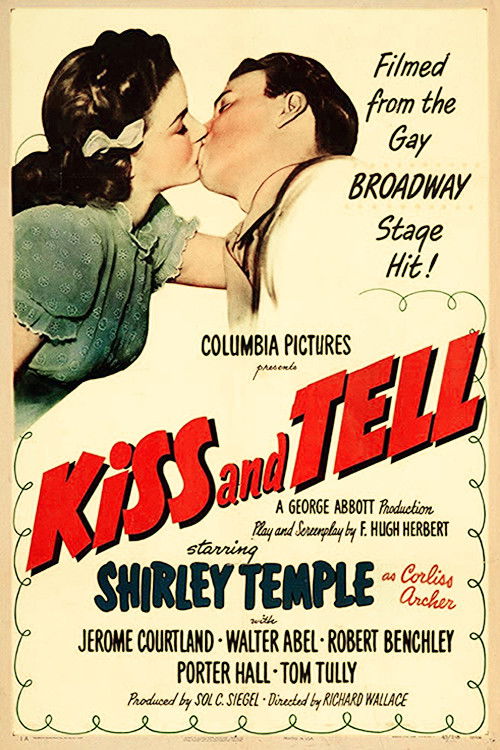
Kiss and Tell
1945Film adaptation of the Broadway hit, about the comic mayhem that erupts in a small town when a 15-year old high-schooler (Shirley Temple) is wrongly suspected of being pregnant.
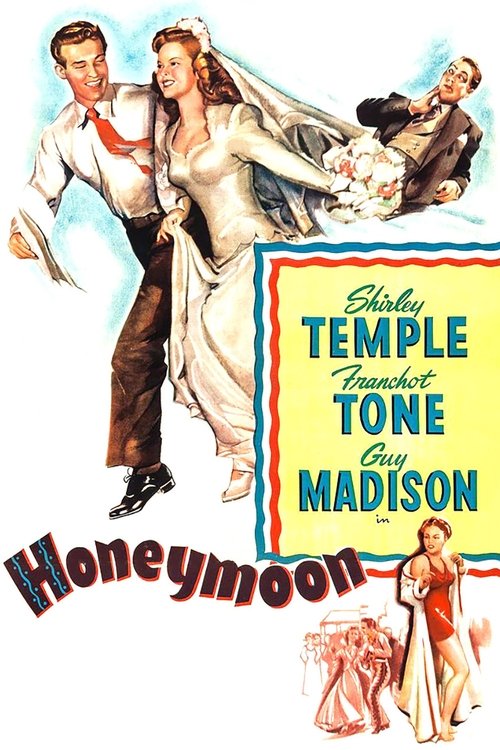
Honeymoon
1947A prospective bride and groom have misadventures in Mexico City.
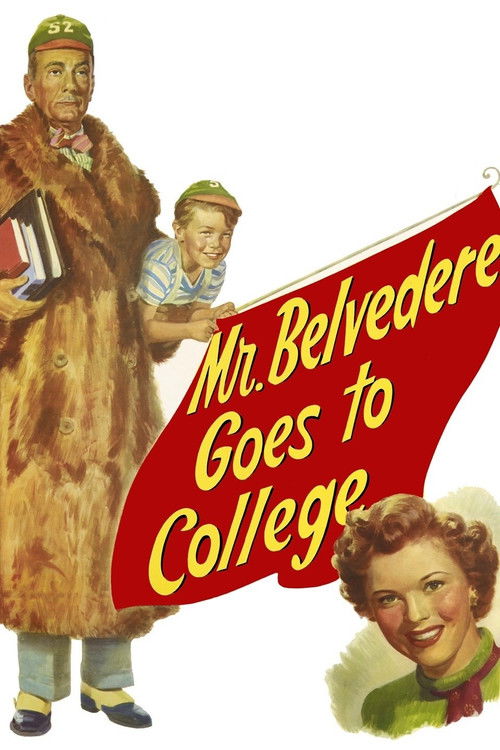
Mr. Belvedere Goes to College
1949A middle-aged genius goes to college for the first time.
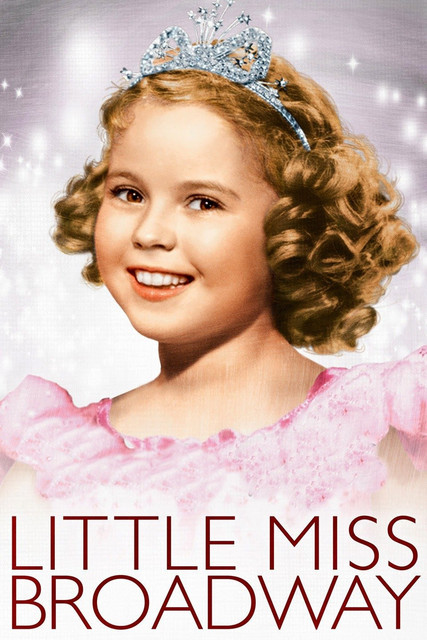
Little Miss Broadway
1938An orphan is provisionally adopted by the manager of a hotel populated by show business people. The hotel's owner doesn't like the entertainers and wants the girl returned to the orphanage.
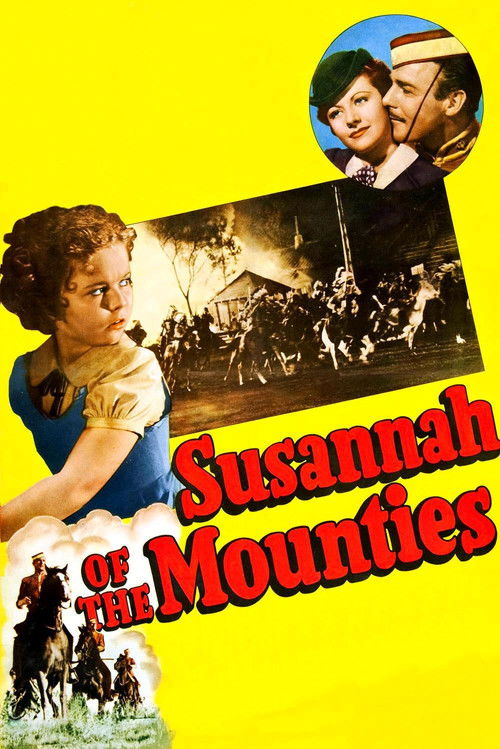
Susannah of the Mounties
1939This classic family drama stars Shirley Temple as young orphan Susannah Sheldon, the sole survivor of a brutal Indian attack who's befriended by Canadian Mountie Angus Montague (Randolph Scott) and his girlfriend, Vicky (Margaret Lockwood). The couple takes Susannah under their wing and soon learn that having a precocious child around can come in handy; when the Indians return, the girl uses her charm to broker peace.Shirley is the orphaned survivor of an Indian attack in the Canadian West. A Mountie and his girlfriend take her in...
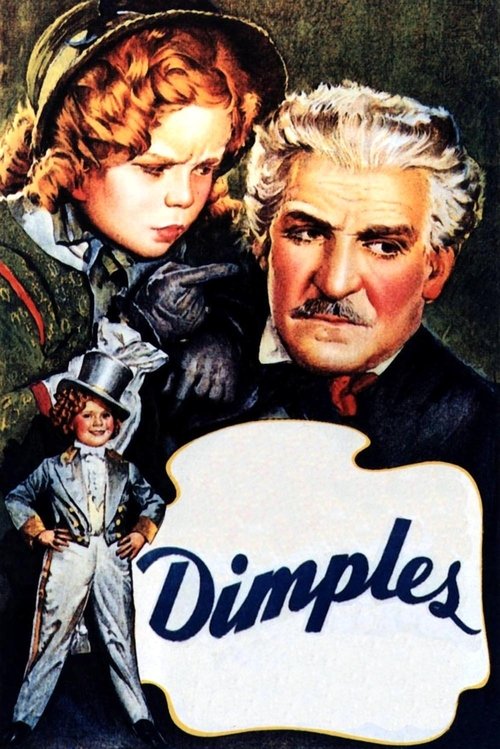
Dimples
1936Dimples Appleby lives with her pick-pocket grandfather in 19th century New York City. She entertains the crowds while he works his racket. A rich lady makes it possible for the girl to go legit.
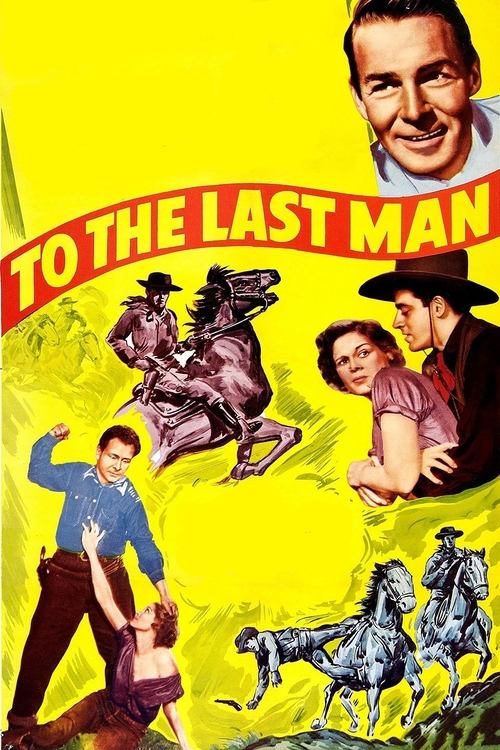
To the Last Man
1933In Kentucky just after the Civil War, the Hayden-Colby feud leads to Jed Colby being sent to prison for 15 years for murder. The Haydens head for Nevada and when Colby gets out of prison he heads there also seeking revenge. The head of the Hayden family tries to avoid more killing but the inevitable showdown has to occur, complicated by Lynn Hayden and Ellen Colby's plans to marry.

That's Dancing!
1985A documentary film about dancing on the screen, from it's orgins after the invention of the movie camera, over the movie musical from the late 20s, 30s, 40s 50s and 60s up to the break dance and the music videos from the 80s.
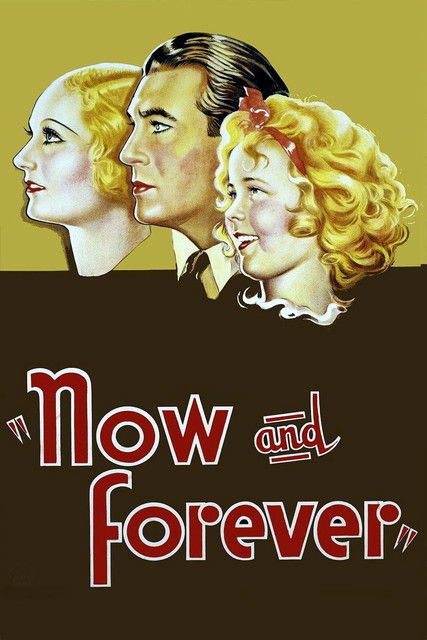
Now and Forever
1934Freewheeling wanderer Jerry Day and his beautiful wife Toni are at odds over their lifestyle. Jerry can't accept responsibility, but Toni yearns for a family and a settled life. Then the Days 'rediscover' Jerry's young daughter Pennie, who has been living with his rich deceased wife's family. Pennie appears to be just what Jerry needs to mend his swindling ways and lead a straight life. Then a corruptible influence enters his life.
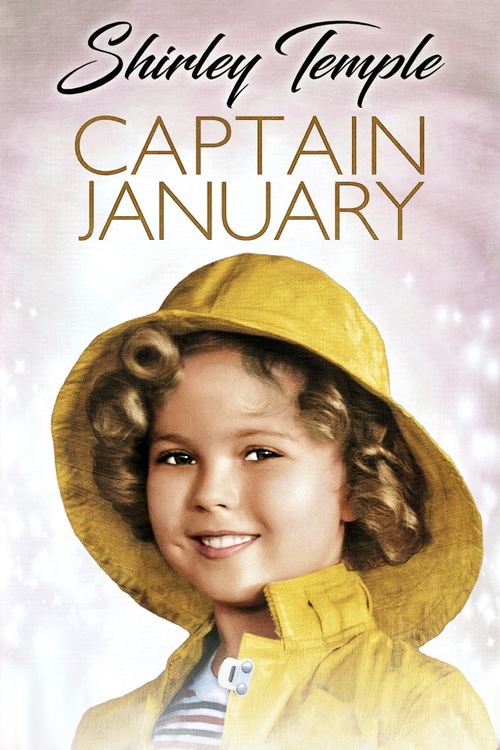
Captain January
1936A little girl named Star lives with a lighthouse keeper who rescued her when her parents drowned. A truant officer decides she should go to boarding school but she's rescued by relatives.
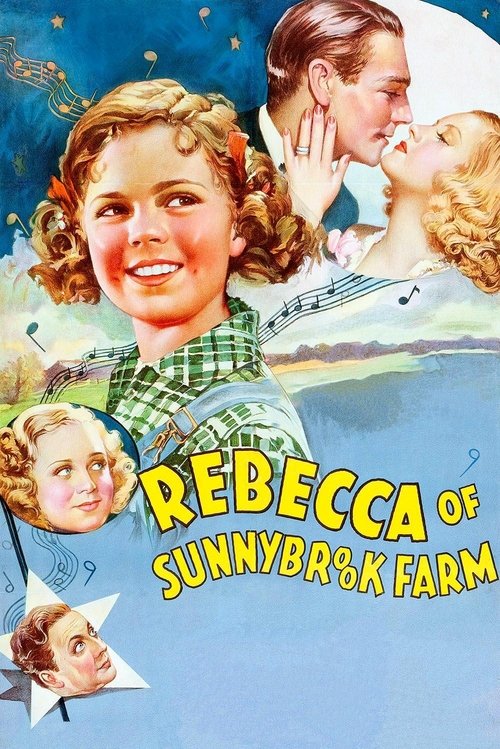
Rebecca of Sunnybrook Farm
1938Rebecca's Uncle Harry leaves her with Aunt Miranda who forbids her to associate with show people. But neighbor Anthony Kent is a talent scout who secretly set it up for her to broadcast.
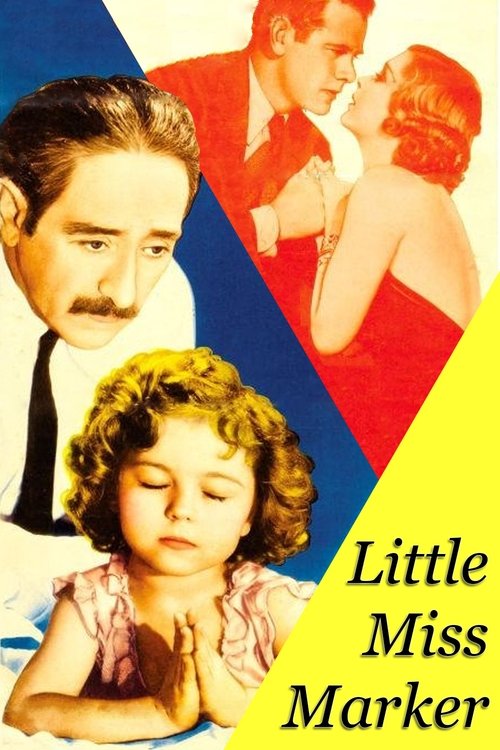
Little Miss Marker
1934Big Steve Halloway, gambler and proprietor of New York's Horseshoe Cabaret, is in desperate need of money. He arranges for his fellow bookies, especially Sorrowful Jones, to each pay him $1,000 for his racehorse, Dream Prince, to lose. With all bets being placed at the window, Sorrowful encounters a gambler, having lost $500, wanting to place his bet but unable to come up with $20. Instead, he places his little girl, Marthy Jane, as security, or in bookie's terms a "marker". "Marky", as she comes to be known, winds up under the care of Sorrowful Jones and his lady friend, singer Bangles Carson.
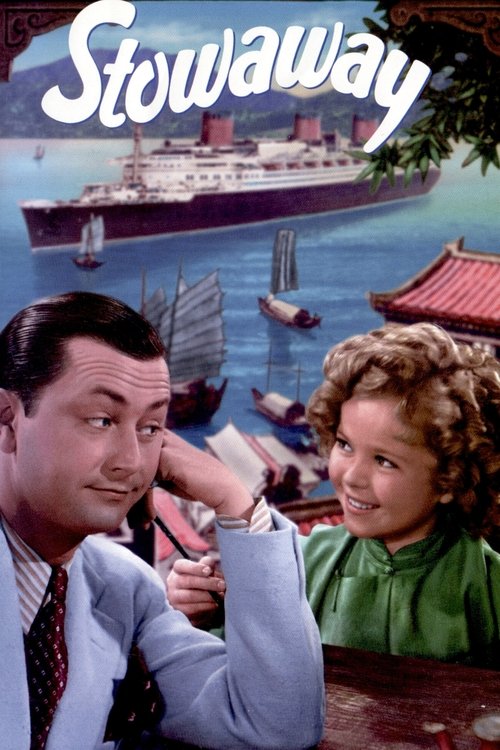
Stowaway
1936Chin-Ching gets lost in Shanghai and is befriended by American playboy Tommy Randall. She falls asleep in his car which winds up on a ship headed for America. Susan Parker, also on the ship, marries Randall to give Chin-Ching a family.
Tasked with carrying a globetrotting plot, Temple displays a command of foreign languages and vaudevillian shtick that highlights her incredible professional range. This role is a testament to her literal endurance as a performer, managing to carry the weight of an entire studio production on her small shoulders.
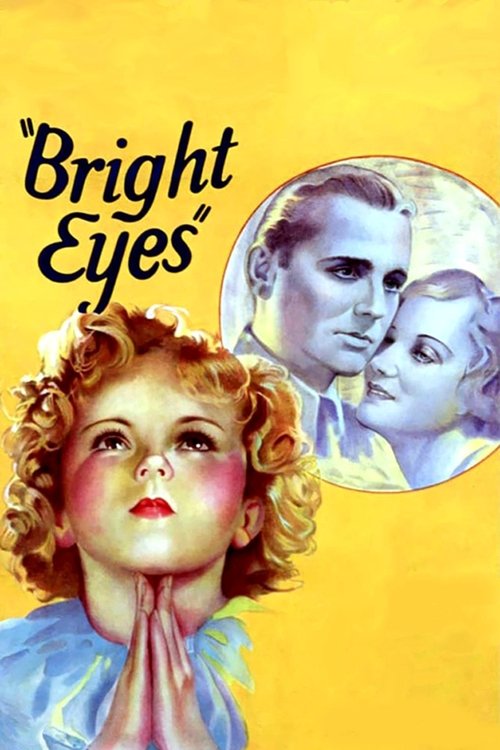
Bright Eyes
1934An orphaned girl is taken in by a snobbish family at the insistence of their rich, crotchety uncle, even as her devoted aviator godfather fights for custody.
The film that birthed her signature anthem also solidified the blueprint for the Temple phenomenon: a blend of fierce independence and heartbreaking sincerity. It is the definitive showcase of the innate, unteachable charisma that made her a global cultural obsession before she was ten years old.
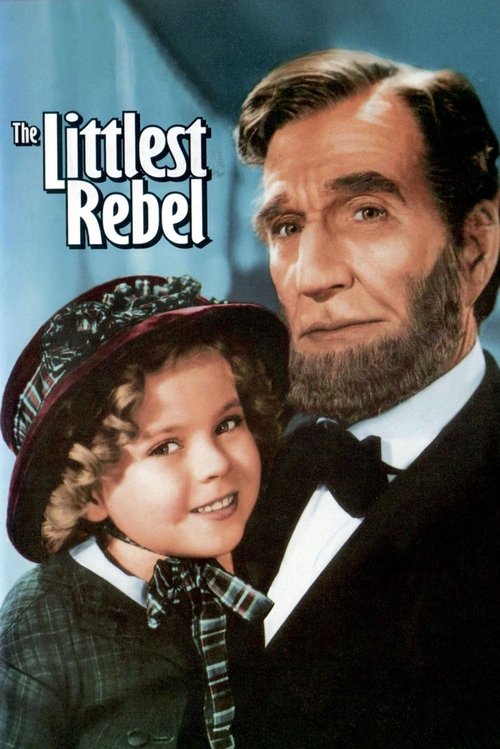
The Littlest Rebel
1935Virgie Cary's father, a rebel officer, sneaks back to his rundown plantation to see his dying wife and is arrested. A Yankee officer takes pity and sets up an escape. Everyone is captured and the officers are to be executed. Virgie and Uncle Billy beg President Lincoln to intercede.
This film highlights Temple’s unparalleled rhythmic chemistry with Bill Robinson, transforming her from a solo attraction into a formidable screen partner. It remains a historical curiosity that captures her uncanny ability to command the screen through physical movement rather than just dialogue.
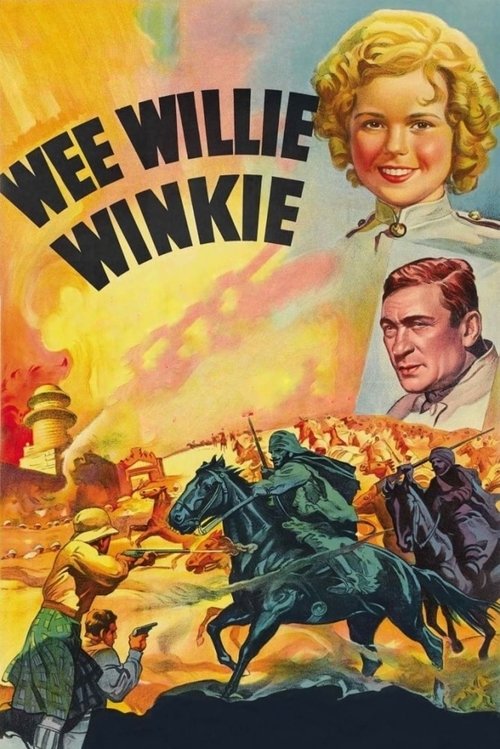
Wee Willie Winkie
1937In 1897, little Priscilla Williams, along with her widowed mother, goes to live with her army colonel paternal grandfather on the British outpost he commands in northern India.
John Ford’s direction pushes Temple toward a more disciplined, adventurous style of performance far removed from her musical roots. In a pivotal departure from the nursery, she adopts a military rigidity that showcased her ability to adapt to demanding, auteur-driven filmmaking.
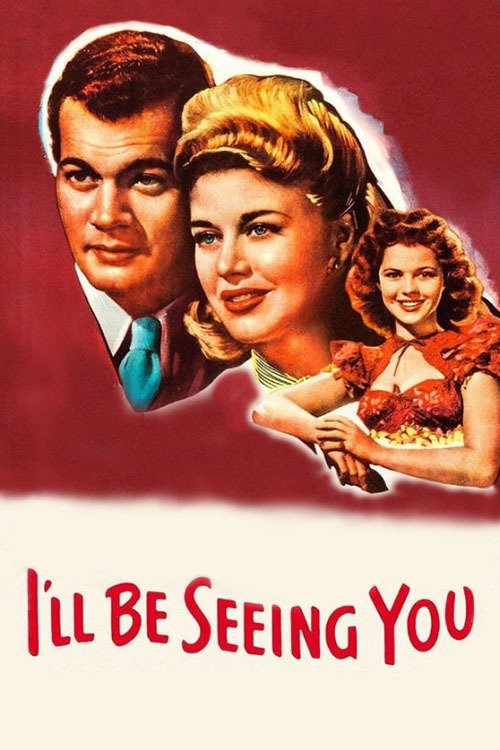
I'll Be Seeing You
1944Mary Marshall, serving a six year term for accidental manslaughter, is given a Christmas furlough from prison to visit her closest relatives, her uncle and his family in a small Midwestern town. On the train she meets Zach Morgan, a troubled army sergeant on leave for the holidays from a military hospital. Although his physical wounds have healed, he is suffering from post-traumatic stress disorder and is subject to panic attacks. The pair are attracted to one another and in the warm atmosphere of the Christmas season friendship blossoms into romance, but Mary is reluctant to tell him of her past and that she must shortly return to prison to serve the remainder of her sentence.
Breaking away from her usual sunny disposition, Temple offers a somber and mature supporting turn that anchors the film’s domestic realism. Her presence here is essential evidence of her versatility, proving she could disappear into a sensitive ensemble piece without overshadowing the gravity of the script.
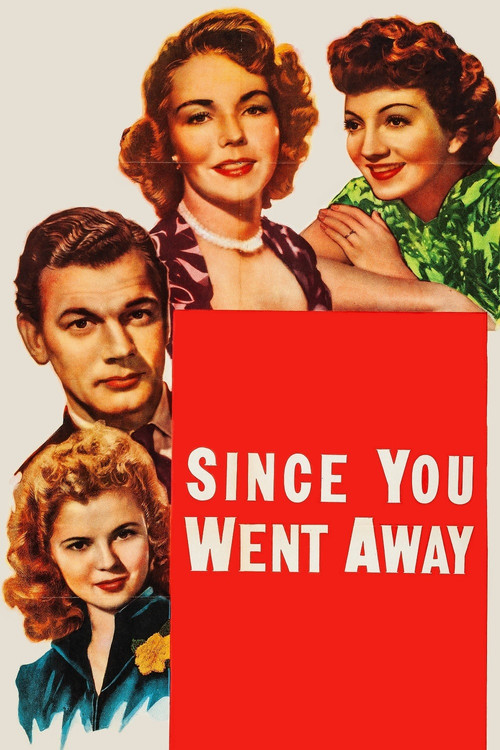
Since You Went Away
1944In 1943, several people enter, re-enter, and exit the difficult life of a Midwestern family whose patriarch has been called up to war, leaving behind his wife and two teen daughters.
Temple maneuvers through this wartime epic with a grounded, relatable vulnerability that helped redefine her for a nation in conflict. By playing the dutiful daughter during the Home Front era, she successfully pivoted from nostalgic novelty to a symbol of contemporary American youth.
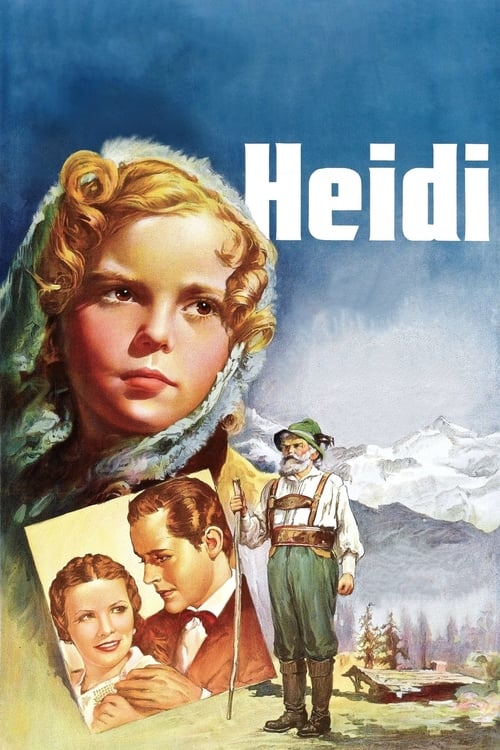
Heidi
1937Heidi is orphaned and her uncaring maternal Aunt Dete takes her to the mountains to live with her reclusive, grumpy paternal grandfather, Adolph Kramer. Heidi brings her grandfather back into mountain society through her sweet ways and sheer love. When Dete later returns and steals Heidi away to become the companion of a rich man's wheelchair-bound daughter, the grandfather is heartsick to discover his little girl missing and immediately sets out to get her back.
While the curly-topped persona remains, Temple infuses this Alpine classic with a resilience that moves beyond mere sweetness. It represents the pinnacle of her collaborative era with director Allan Dwan, cementing her status as the definitive cinematic archetype of the 1930s.
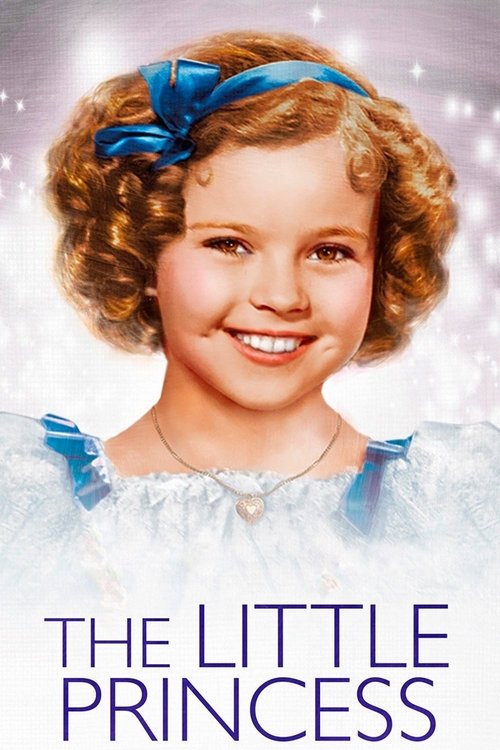
The Little Princess
1939A little girl goes in search of her father who is reported missing by the military during the Second Boer War.
In her first Technicolor venture, Temple reaches the zenith of her power as a box-office titan, balancing Victorian pluck with a newfound emotional depth. The film captures her at the precise moment her childhood magnetism evolved into a more nuanced, professional dramatic presence.
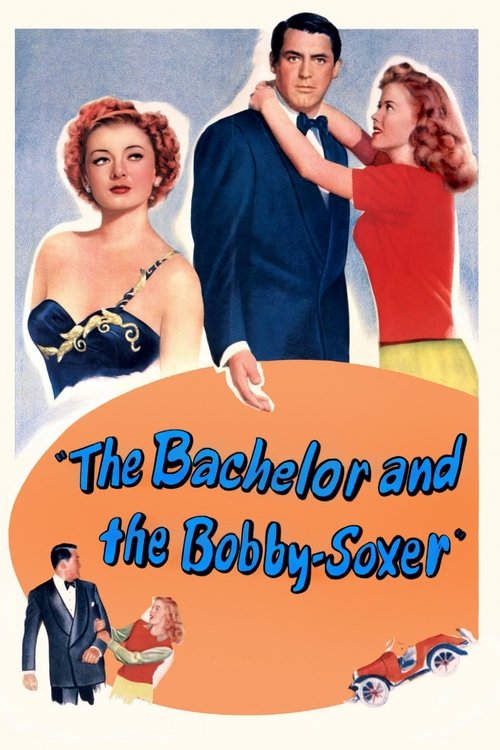
The Bachelor and the Bobby-Soxer
1947Teenager Susan Turner, with a severe crush on playboy artist Richard Nugent, sneaks into his apartment to model for him and is found there by her sister Judge Margaret Turner. Threatened with jail, Nugent agrees to date Susan until the crush abates.
As the infatuated teenager pursuing Cary Grant, Temple demonstrates a sharp, sophisticated sense of comedic timing that suggests a promising future in screwball comedy. This role served as a vital bridge, showcasing her ability to play modern, high-energy adolescence with genuine wit and charm.
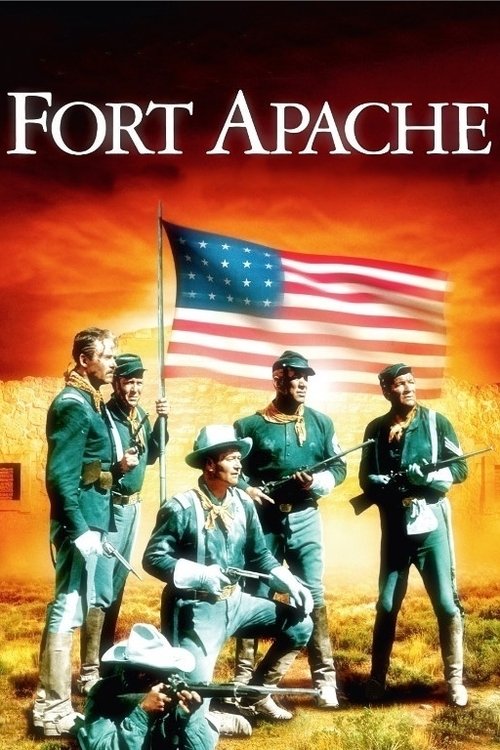
Fort Apache
1948Owen Thursday sees his new posting to the desolate Fort Apache as a chance to claim the military honour which he believes is rightfully his. Arrogant, obsessed with military form and ultimately self-destructive, he attempts to destroy the Apache chief Cochise after luring him across the border from Mexico, against the advice of his subordinates.
Temple successfully sheds her precocious image to play a poised young woman in John Ford’s cavalry masterpiece, holding her own amidst a cast of masculine heavyweights. This performance marks her most sophisticated transition into adult drama, proving she could anchor a serious Western without relying on child-star artifice.
Frequently Asked Questions
Everything you need to know about this list and SnakeDrafts
- Shirley Temple's musical talents shine brightly in films like "Bright Eyes," "Rebecca of Sunnybrook Farm," and "Stowaway." These movies feature memorable songs and dance numbers that helped define her status as Hollywood's beloved child star.
- In her earlier films like "The Littlest Rebel" and "Heidi," Shirley Temple plays innocent, cheerful child roles. As she matured, her movies such as "Since You Went Away" and "I'll Be Seeing You" showcase more dramatic and romantic themes, reflecting her transition into more complex characters.
- Yes, Shirley Temple collaborated multiple times with directors like David Butler, who directed her in "The Littlest Rebel," "Bright Eyes," and "Captain January," and John Ford, who directed her in "Fort Apache" and "Wee Willie Winkie." These collaborations helped shape some of her most iconic performances.
- "Since You Went Away" and "The Littlest Rebel" both depict historical or war-time settings, with the former set during World War II and the latter during the American Civil War. These films allowed Temple to engage with more dramatic and serious storytelling.
- The most common genres in Shirley Temple's acclaimed films are family, drama, and music, often blended with comedy or romance. Titles like "The Little Princess," "Heidi," and "The Bachelor and the Bobby-Soxer" exemplify this mix, highlighting her versatility as an actress.
- Yes, "That's Dancing!" is a documentary included in the ranking that celebrates the history of dance in film. Although not a Shirley Temple narrative film, it features archival footage of her dance performances, emphasizing her impact on musical cinema.