The Ultimate Paul Greengrass Movie Rankings
The Master of Visceral Realism and Intense Thrillers
Explore the definitive ranking of Paul Greengrass movies, from the high-stakes Bourne series to gripping real-life dramas like United 93.
About Paul Greengrass

To watch a Paul Greengrass film is to experience a persistent state of high alert. He operates with a physical, sensory vocabulary that favors the immediate over the manicured, a style often imitated but rarely perfected by those who mistake shaky camerawork for genuine tension. At his core, he is a journalist with a camera, a filmmaker who cut his teeth in the trenches of British investigative television and never quite lost the urge to treat every frame like a breaking news bulletin. He does not just stage scenes; he reconstructs events with a frantic, documentary-style proximity that makes the viewer feel like an unintended witness to history.
This aesthetic reached its commercial zenith when he inherited the Jason Bourne franchise. In The Bourne Supremacy and The Bourne Ultimatum, he stripped away the glossy artifice of the spy genre, replacing gadgets and quippy one-liners with the sound of breaking glass and the muffled thud of footsteps on cold pavement. By utilizing a kinetic, handheld approach, he turned the sheer act of observation into an adrenaline sport. Yet, for all the kinetic energy of those blockbusters, his most vital work occupies the intersection of cinema and trauma.
Bloody Sunday remains perhaps his definitive statement, a gritty, granular recreation of the 1972 massacre in Derry that feels less like a movie and more like a recovered artifact. He possesses an uncanny ability to navigate the chaos of crowds and the claustrophobia of tight spaces, a skill he deployed to devastating effect in United 93. In that film, he managed the impossible task of filming a national tragedy with such austere discipline that it bypassed sentimentality entirely, landing instead in the realm of raw, terrifying reality. He treats the lens as a participant in the room, often catching glimpses of action through doorways or over shoulders, a technique that heightens the sense of frantic, real-time decision-making.
This obsession with pressurized environments carries over into Captain Phillips, where the vastness of the ocean serves only to emphasize the airless tension inside a lifeboat. He excels at showing the machinery of systems and the humans caught within their gears, whether it is the bureaucratic failure of Green Zone or the harrowing aftermath of far-right violence in 22 July. Even when he pivots to the sweeping vistas of the American West in News of the World, the director brings that same focus on the fragility of social order. He understands that spectacle is useless without a grounding in the tactile and the human. He remains a master of the procedural, a filmmaker who finds more drama in a flickering computer screen or a radio transmission than others find in an entire CGI army. He does not ask his audience to simply watch; he demands they survive the experience alongside his characters.
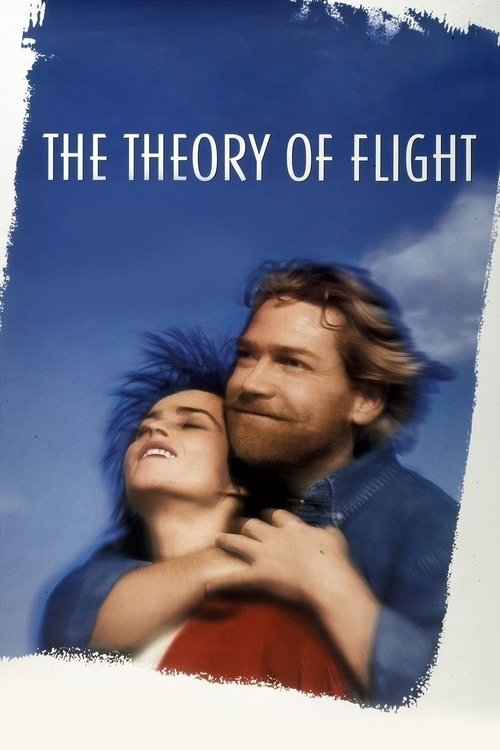
The Theory of Flight
1999Richard is assigned public service after crashing his homemade aircraft, leading him to meet Jane, a young woman dying of motor neuron disease. Jane wishes to be de-flowered before her death; Richard declines, struggling to maintain his relationship with his girlfriend, but offers to help pay for a gigolo to do the deed.
Before his shift into high-stakes global politics, this early effort revealed a softer, more idiosyncratic side of the director's sensibilities. It serves as a fascinating outlier that highlights his fundamental interest in human dignity and the struggle for agency against restrictive environments.
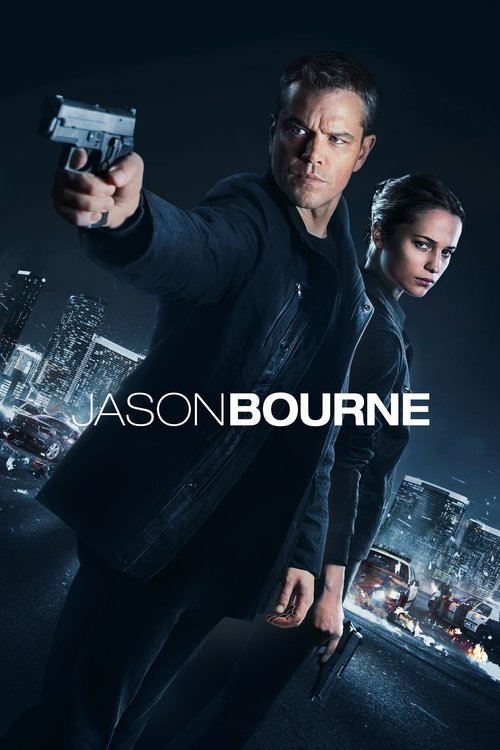
Jason Bourne
2016The most dangerous former operative of the CIA is drawn out of hiding to uncover hidden truths about his past.
This late-stage entry functions as a polished victory lap that showcases a director in total command of his physical craft, even if the thematic territory feels familiar. The film remains a technical marvel of urban chaos, proving his unmatched ability to orchestrate complex sequences in the heart of real cities.
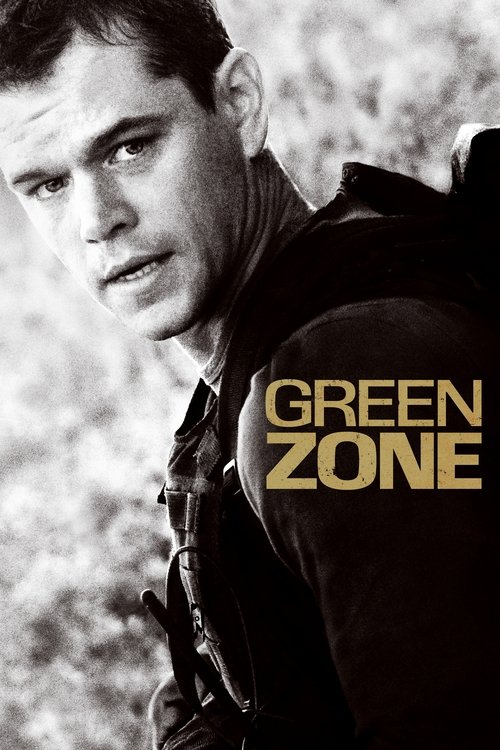
Green Zone
2010During the U.S.-led occupation of Baghdad in 2003, Chief Warrant Officer Roy Miller and his team of Army inspectors are dispatched to find weapons of mass destruction believed to be stockpiled in the Iraqi desert. Rocketing from one booby-trapped and treacherous site to the next, the men search for deadly chemical agents but stumble instead upon an elaborate cover-up that threatens to invert the purpose of their mission.
While it echoes his previous work in the Middle East, this procedural thriller functions as a furious polemic against bureaucratic opacity. The film operates as a frantic, heart-pounding investigation into the disconnect between ground-level reality and political narrative.

News of the World
2020A Texan traveling across the wild West bringing the news of the world to local townspeople, agrees to help rescue a young girl who was kidnapped.
A rare foray into the classical Western, this film demonstrates a surprising tonal versatility while maintaining the director's preoccupation with fractured communication. He trades his jagged cuts for sweeping horizons, finding a soulful resonance in the act of storytelling as a communal healer.
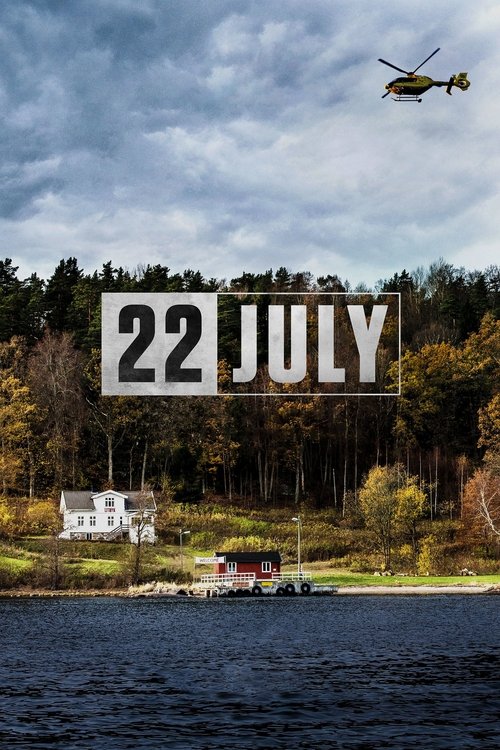
22 July
2018On 22 July 2011, neo-Nazi terrorist Anders Behring Breivik murdered 77 young people attending a Labour Party Youth Camp on Utøya Island outside of Oslo. This three-part story focuses on the survivors, the political leadership of Norway, and the lawyers involved.
Greengrass pivots from the visceral impact of violence to the grueling, cerebral process of recovery and judicial reckoning. It is a somber, essential meditation on how democratic societies withstand the assault of extremism through the quiet strength of the law.
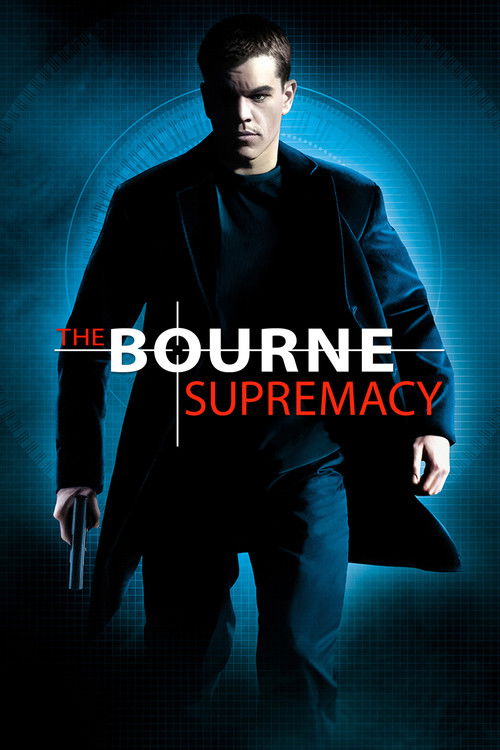
A CIA operation to purchase classified Russian documents is blown by a rival agent, who then shows up in the sleepy seaside village where Bourne and Marie have been living. The pair run for their lives and Bourne, who promised retaliation should anyone from his former life attempt contact, is forced to once again take up his life as a trained assassin to survive.
By stripping away the polished artifice of the spy genre, the director introduced a gritty nihilism that fundamentally altered the trajectory of twenty-first-century franchises. The film proves that high-speed choreography can be used as a tool for character interiority rather than just spectacle.
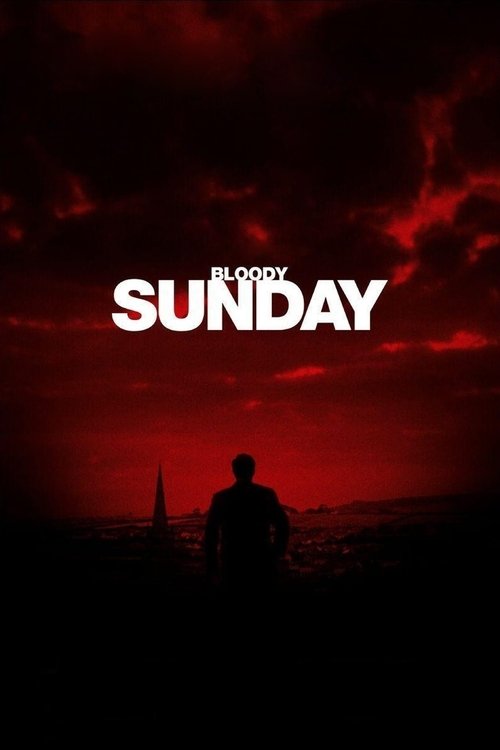
Bloody Sunday
2002The dramatised story of the Irish civil rights protest march on January 30 1972 which ended in a massacre by British troops.
This breakout work established the grainy, handheld visual vocabulary that would define a generation of political cinema. Its raw, street-level intimacy captures the chaotic spark of injustice with a frighteningly authentic pulse that blurs the line between fiction and newsreel.
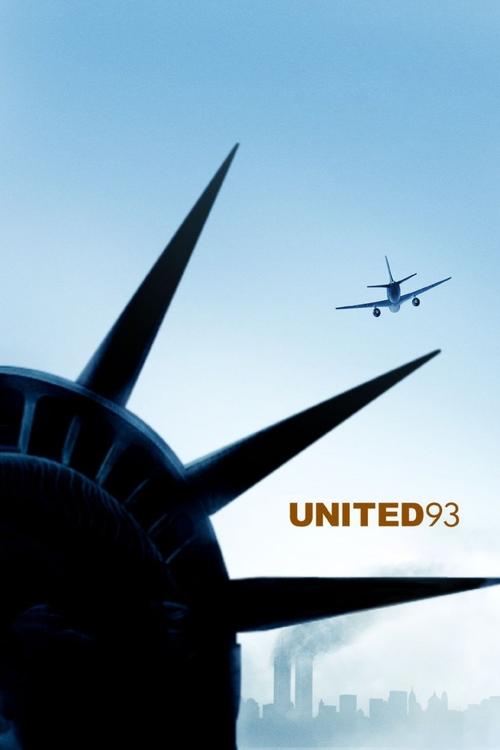
United 93
2006A real-time account of the events on United Flight 93, one of the planes hijacked on 9/11 that crashed near Shanksville, Pennsylvania when passengers foiled the terrorist plot.
An agonizingly disciplined exercise in collective dread, this film remains a landmark for its refusal to indulge in melodrama or artifice. By utilizing real-time pacing and a detached perspective, the director creates a haunting immersion into historical trauma that feels both immediate and immortal.
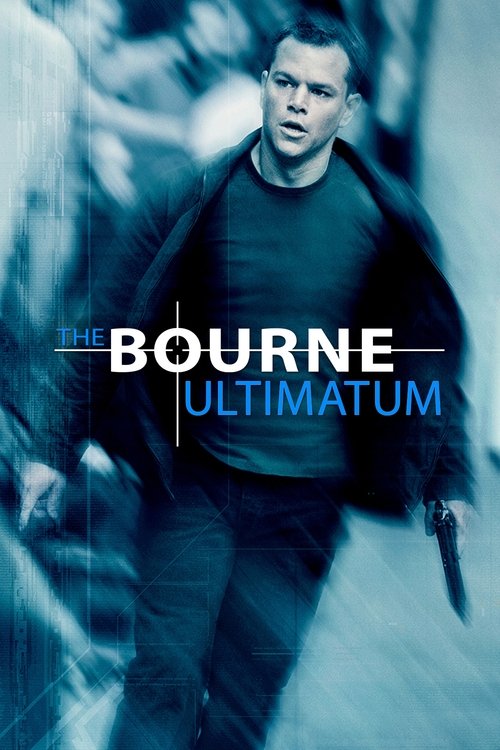
The Bourne Ultimatum
2007Bourne is brought out of hiding once again by reporter Simon Ross who is trying to unveil Operation Blackbriar, an upgrade to Project Treadstone, in a series of newspaper columns. Information from the reporter stirs a new set of memories, and Bourne must finally uncover his dark past while dodging The Company's best efforts to eradicate him.
The definitive peak of the modern action grammar, this finale transforms the shaky-cam aesthetic from a gimmick into a sophisticated sensory language. Through surgical editing and relentless forward momentum, Greengrass reinvented the blockbuster as a cerebral, hyper-kinetic experience.
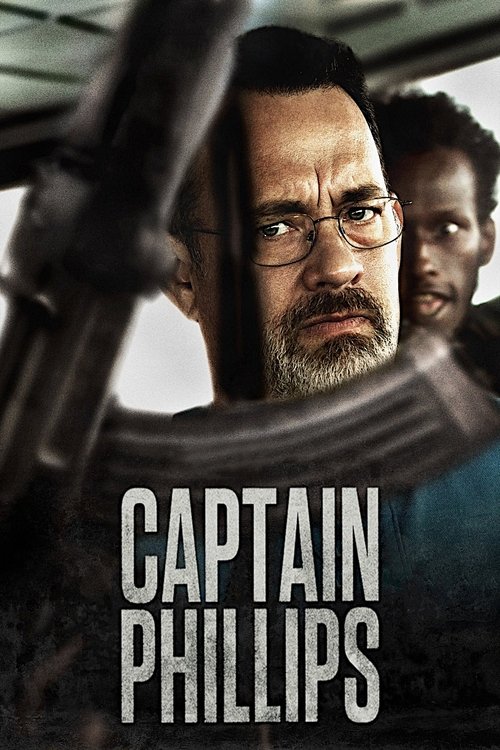
Captain Phillips
2013The true story of Captain Richard Phillips and the 2009 hijacking by Somali pirates of the US-flagged MV Maersk Alabama, the first American cargo ship to be hijacked in two hundred years.
Greengrass reaches the apex of his career by marrying documentary realism with a ticking-clock pressure cooker that never breathes. It is a masterclass in claustrophobic tension where his signature kinetic energy serves a profound study of global economic desperation and systemic collide.
Frequently Asked Questions
Everything you need to know about this list and SnakeDrafts
- Paul Greengrass' films often delve into themes of real-life political conflicts, high-stakes espionage, and intense human drama, as seen in films like 'United 93' and the Bourne series. His work uniquely captures urgency and realism, frequently blending action with historical and social commentary.
- Greengrass' roots in investigative journalism heavily influence his filmmaking style, characterized by documentary-like realism and a sensory, immediate approach to storytelling. This is evident in films like 'Captain Phillips' and 'Bloody Sunday,' where handheld camerawork and gritty narratives create an immersive viewer experience.
- 'United 93' is renowned for its harrowing and respectful depiction of the events aboard Flight 93 during the September 11 attacks. The film stands out for its commitment to factual accuracy and emotional depth, reflecting Greengrass' journalistic approach to filmmaking.
- The Bourne series is highly regarded in Greengrass' filmography for redefining the action thriller genre with its intense, realistic combat scenes and complex protagonist development. These films, including 'The Bourne Ultimatum' and 'The Bourne Supremacy,' showcase his signature kinetic style and narrative tension.
- 'News of the World' stands out as a western adventure, diverging from Greengrass' usual focus on contemporary political and war themes. It offers a more character-driven, emotional journey, blending drama with the exploration of American frontier life post-Civil War.
- 'Captain Phillips' is praised for its intense, suspenseful depiction of piracy off the Somali coast, combining strong performances and Greengrass' dynamic directing style. It exemplifies his skill in crafting thrilling narratives grounded in real-world events and complex character interactions.
- Realism is central to Greengrass' storytelling, achieved through handheld camerawork, naturalistic performances, and meticulous attention to detail. This approach heightens the immediacy and emotional impact in films like '22 July' and 'Green Zone,' making real issues feel personal and urgent.