The Greatest SciFi Movies of 1989
Classic Science Fiction and Futuristic Thrillers
Explore the best science fiction cinema from the late eighties. Discover underwater adventures, space travels, and cult cyberpunk classics.
About 1989 SciFi Movies
The final year of the eighties felt like a frantic scramble to find a new identity for science fiction cinema. Behind us lay the era of the practical effects revolution and the blockbuster dominance of space opera. Ahead lay the digital frontier and the sleek, cynical aesthetics of the nineties. In 1989, the genre was caught in the middle, resulting in a year that was strangely bifurcated between underwater claustrophobia and the rise of the high concept sequel.
If one movie defined the technical ambition of the year, it was James Cameron with The Abyss. This was a pivotal moment in film history, not just because of its grueling production in an abandoned nuclear power plant, but because it introduced us to the pseudopod. That shimmering, watery tentacle was a shot across the bow for the industry. It proved that computer generated imagery was no longer a gimmick but a tool that could create emotional, interactive characters. The Abyss combined Cameron’s obsession with blue collar hardware and military tension with a sincere, almost Spielbergian sense of wonder, setting the stage for the massive digital leaps he would take just two years later with Terminator 2.
While Cameron was looking toward the future of technology, the rest of the industry seemed obsessed with what lay beneath the waves. We saw a bizarre cluster of aquatic horror and sci-fi hybrids like Leviathan and DeepStar Six. These films felt like a desperate attempt to move the Alien formula into a new environment. They were messy, practical effects driven, and largely derivative, but they represented a specific kind of blue collar genre filmmaking that was about to go extinct. They were the last gasps of the mid budget creature feature before the glossy era of CGI arrived.
On the other end of the spectrum, 1989 was the year the franchise machine truly hummed to life. Back to the Future Part II took the innocent nostalgia of the first film and distorted it into a manic, multilayered exploration of alternate timelines. It remains one of the most dense and cynical blockbusters ever produced by a major studio, predicting a 2015 filled with junk media and corporate greed. Meanwhile, Star Trek V: The Final Frontier proved that even iconic franchises could stumble when they reached too far. It was a polarizing entry that tried to address big theological questions but ended up grounded by a lack of budget and a shaky script.
However, the most lasting legacy of 1989 might be its subcultures. This was the year of Bill and Ted’s Excellent Adventure, a film that used time travel not as a source of terror or scientific inquiry, but as a vehicle for pure, slacker optimism. It democratized the genre, proving that sci-fi didn't always need to be high minded or frightening to be effective.
Looking back, 1989 was a year of transition. It was the end of an era where rubber suits and forced perspective reigned supreme, and the beginning of a digital dawn. It was a year where auteurs like Cameron pushed the limits of the physical world while franchises began to realize they could live forever through clever sequels. It was messy, wet, and occasionally brilliant, marking the perfect chaotic end to a decade that redefined what we imagine the future to be.
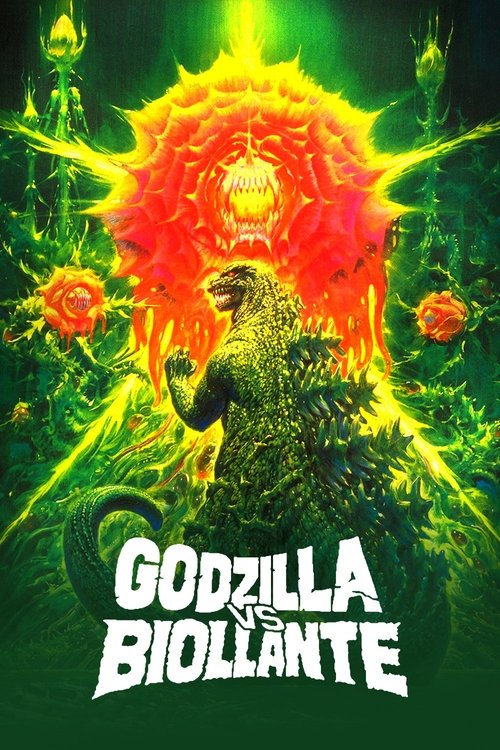
Godzilla vs. Biollante
1989After the previous Godzilla attack, a miniature arms race ensues to collect his cells. Concerned over Godzilla's possible return, the Japanese government uses the cells to create a new bio-weapon, ANEB (Anti-Nuclear Energy Bacteria). They seeks the aid of geneticist Genshiro Shiragami, who's experiments result in a new mutation.

On the Silver Globe
1989A small group of cosmic explorers, including a woman, leaves Earth to start a new civilization. They do not realize that within themselves they carry the end of their own dream. They die one by one, while their children revert to a primitive native culture, creating new myths and a new god.

Cyborg
1989A martial artist hunts a killer in a plague-infested urban dump of the future.

The Blood of Heroes
1989Set in a futuristic world where the only sport that has survived in a wasted society is the brutal game known as jugging. Sallow, the leader of a rag-tag team, has played in the main Leagues before, but was cast out because of indiscretions with a lady. Now joined by a talented newcomer, Kidda, an ambitious young peasant girl, he and his team find they have one last chance for glory.
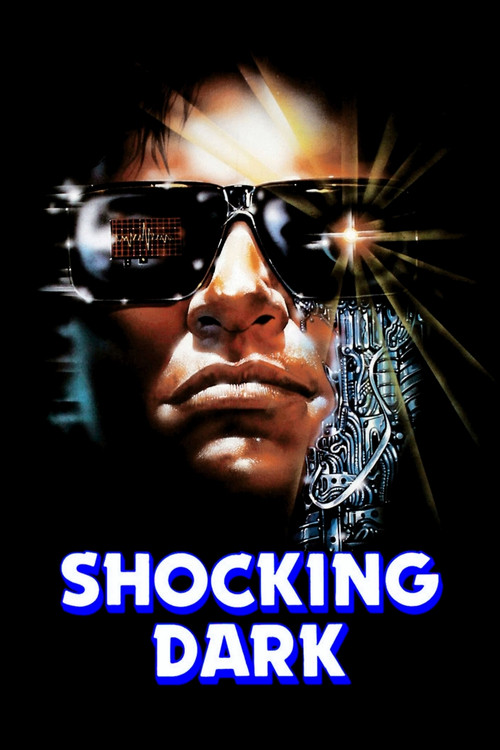
Shocking Dark
1989In a polluted future Venice researchers work to improve the situation. One day, unknown forces start killing them. A team of soldiers and a couple of civilians is sent to investigate. Soon, they encounter strange murderous creatures.
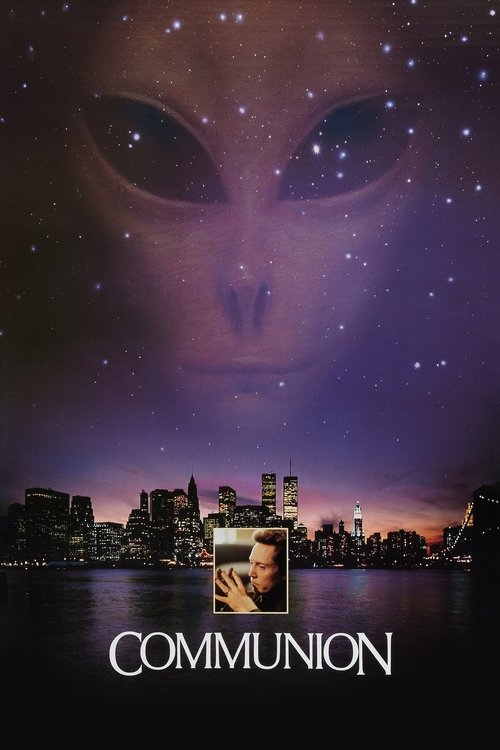
Communion
1989A novelist's wife and son see him changed by an apparent encounter with aliens in the mountains.
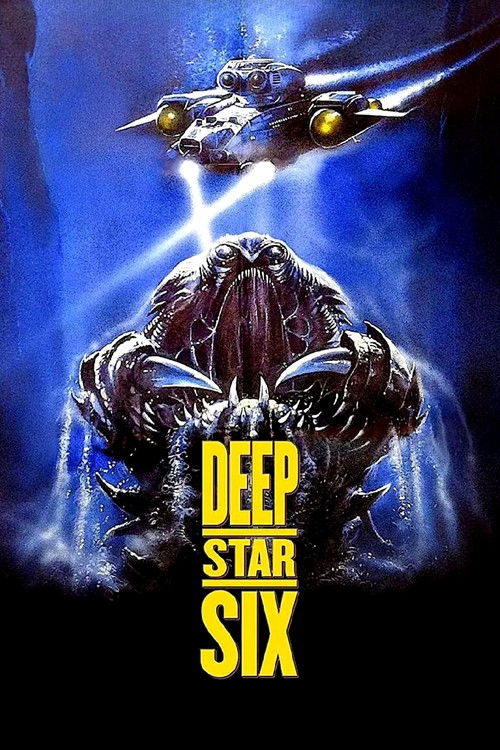
DeepStar Six
1989The crew of an experimental underwater nuclear base are forced to struggle for their lives when their explorations disturb a creature who threatens to destroy their base.
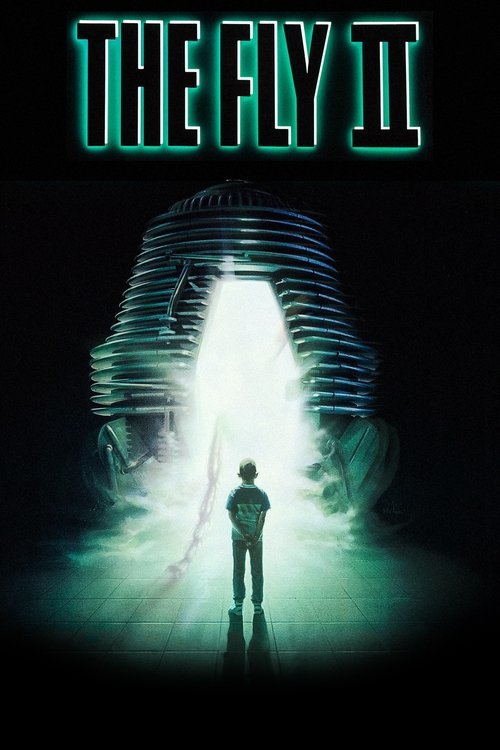
The Fly II
1989Martin Brundle, born of the human/fly, is adopted by his father's place of employment (Bartok Inc.) while the employees simply wait for his mutant chromosomes to come out of their dormant state.
Leaner and more action-oriented than its predecessor, this sequel leans heavily into the tragic logistics of inherited mutation. It serves as a grimly effective showcase for late-decade animatronics and unflinching practical gore.
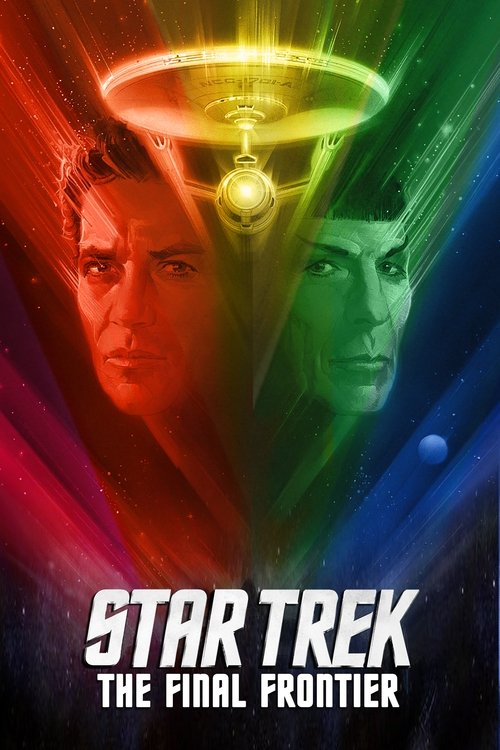
Star Trek V: The Final Frontier
1989A renegade Vulcan with a startling secret hijacks the U.S.S. Enterprise in order to find a mythical planet.
While polarizing, this installment offers a fascinatingly introspective look at the crew's spiritual core. Its bold attempt to grapple with the divine through a sci-fi lens provides some of the franchise's most ambitious, if eccentric, character beats.
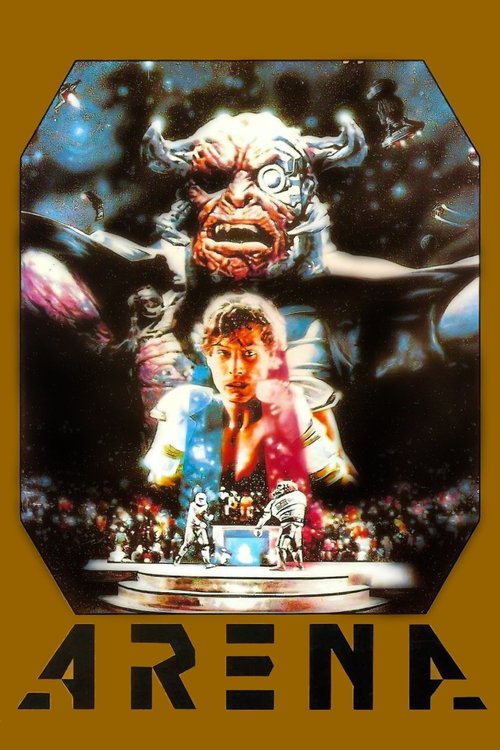
Arena
1989On a distant space station far in the future, the best fighters from every planet vie for the championship in an intergalactic fighting competition. After over fifty years of no human contenders, Steve Armstrong emerges having trained all his life for a shot at the title, only to come up against a ruthless extra-terrestrial crime lord who wants him dead.
Intergalactic boxing becomes a vibrant exercise in creature design and high-stakes choreography. This film remains a cult standout for its unashamed embrace of pulpy aesthetics and imaginative practical makeup.
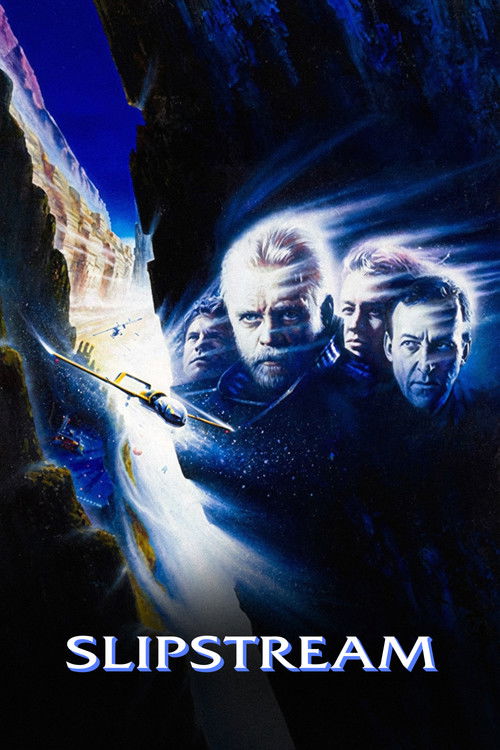
Slipstream
1989In the near future, where Earth has been devastated by man's pollution and giant winds rule the planet, bounty hunter Matt kidnaps a murderer out of the hands of two police officers, planning to get the bounty himself.
Mark Hamill navigates a windswept, post-apocalyptic world that feels remarkably lived-in and stylistically daring. The film captures a jagged, eco-conscious aesthetic that favors mood and movement over traditional narrative tropes.
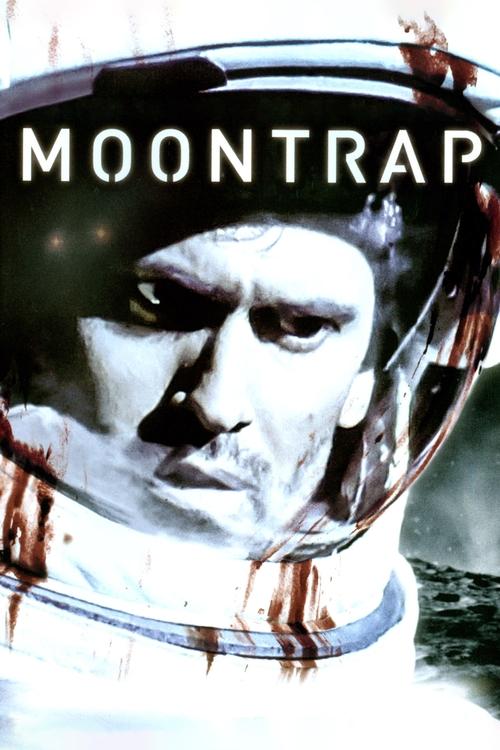
Moontrap
1989The Space Shuttle returns to earth, but some of the equipment brought back on it begins to behave strangely. Scientists are unsure what is happening, and decide to take all necessary precautions.
Anchored by a gritty performance from Bruce Campbell, this lunar horror piece excels in building ancient, mechanical dread. Its commitment to physical creature design and a desolate atmosphere provides a refreshing counterpoint to more polished studio fare.
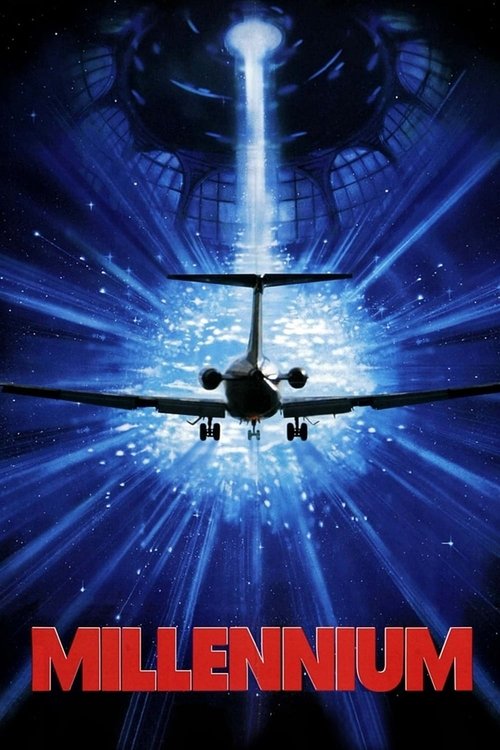
Millennium
1989An investigator seeking the cause of an airline disaster discovers the involvement of an organisation of time travellers from a future Earth irreparably polluted who seek to rejuvenate the human race from those about to die in the past. Based on a novel by John Varley.
This ambitious temporal thriller tackles the paradoxes of time-flight with a unique, mournful elegance. It stands out for its high-concept grit and a distinctive visual palette that prioritizes philosophical stakes over mere spectacle.
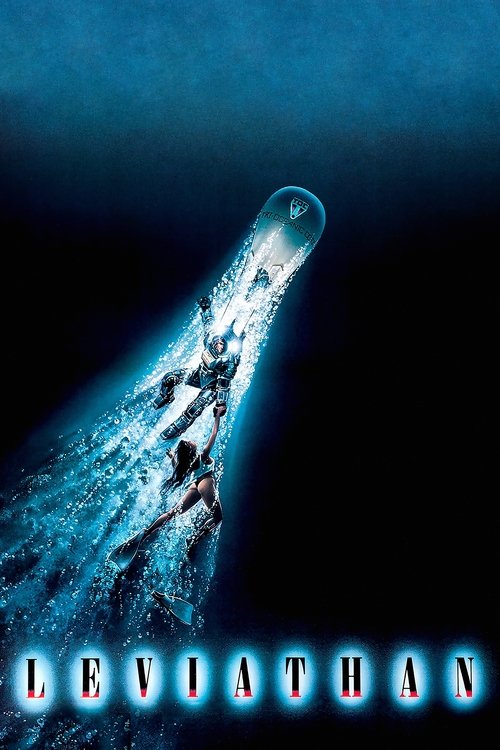
Leviathan
1989Underwater deep-sea miners encounter a Soviet wreck and bring back a dangerous cargo to their base on the ocean floor with horrifying results. The crew of the mining base must fight to survive against a genetic mutation that hunts them down one by one.
A masterpiece of soggy body horror, this film thrives on the grotesque intersection of corporate negligence and biological mutation. It captures the grim, grimy aesthetic of late eighties industrial sci-fi with visceral efficiency.

Honey, I Shrunk the Kids
1989The scientist father of a teenage girl and boy accidentally shrinks his and two other neighborhood teens to the size of insects. Now the teens must fight diminutive dangers as the father searches for them.
By weaponizing domestic space through oversized practical effects, this film achieves a rare sense of tactile wonder. It successfully pivots from suburban comedy into a harrowing survivalist odyssey within the blades of a common lawn.
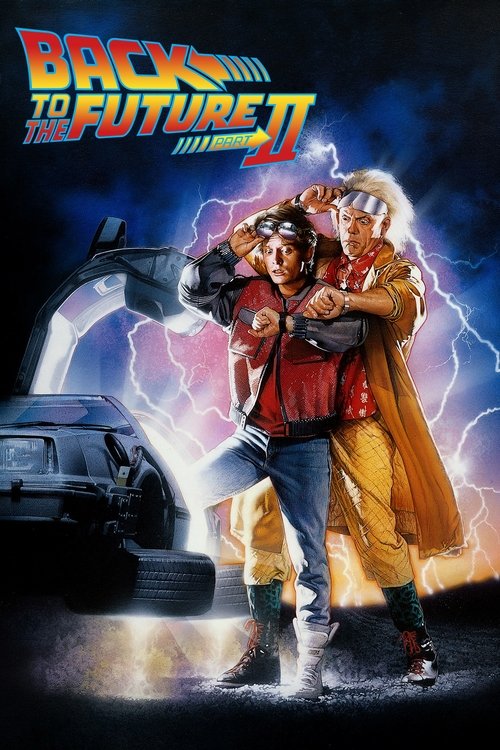
Marty and Doc are at it again as the time-traveling duo head to 2015 to nip some McFly family woes in the bud. But things go awry thanks to bully Biff Tannen and a pesky sports almanac. In a last-ditch attempt to set things straight, Marty finds himself bound for 1955 and face to face with his teenage parents -- again.
This hyperkinetic sequel reinvents the logic of time travel through a dizzying, maximalist lens. Its obsession with technological clutter and causal loops offers a brilliant, cynical contrast to the original film's nostalgic warmth.
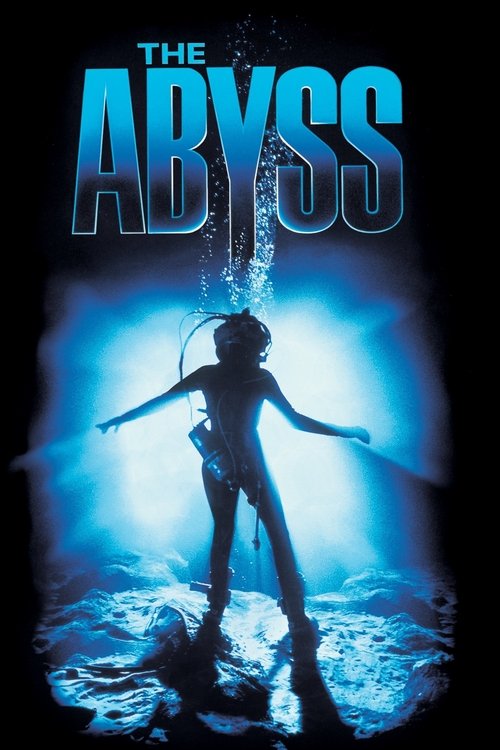
The Abyss
1989A civilian oil rig crew is recruited to conduct a search and rescue effort when a nuclear submarine mysteriously sinks. One diver soon finds himself on a spectacular odyssey 25,000 feet below the ocean's surface where he confronts a mysterious force that has the power to change the world or destroy it.
James Cameron pushes the limits of photorealism with pioneering liquid CGI and a claustrophobic, high-pressure atmosphere. It is a technical marvel that transforms the deep ocean into a haunting, celestial frontier.
Frequently Asked Questions
Everything you need to know about this list and SnakeDrafts
- The Abyss (1989), directed by James Cameron, is renowned for its innovative underwater special effects and suspenseful narrative. It pushed the boundaries of practical effects and remains a landmark in underwater science fiction cinema.
- 1989 sci-fi films often reflect a split between underwater claustrophobia, exemplified by The Abyss and Leviathan, and high-concept sequels or futuristic adventures like Back to the Future Part II. This dichotomy showcases the genre's transition from practical effects to the digital frontier.
- Many 1989 sci-fi movies blend horror and adventure elements, as seen in Leviathan and DeepStar Six, which combine underwater terror with survival stories. This fusion added depth and variety, appealing to fans of both thrilling and adventurous narratives.
- Yes, Honey, I Shrunk the Kids stands out as a family-friendly sci-fi adventure that mixes humor and imaginative scientific mishaps. It attracted a wider audience, including younger viewers, highlighting the genre's versatility in 1989.
- Back to the Future Part II is a key 1989 movie that delves into time travel and a visionary future, expanding on its predecessor's themes. It blends comedy, adventure, and science fiction, making it a quintessential example of late-eighties sci-fi innovation.
- Millennium (1989), directed by Michael Anderson, is often classified as a cult cyberpunk classic. Its portrayal of time travel and future dystopia aligns with the emerging cyberpunk aesthetics that influenced the genre's nineties direction.
- Films like The Fly II and Communion integrated strong horror motifs into science fiction, combining body horror and psychological thrills. This trend reflected a darker, more mature thematic inclination within the genre during that year.
- Star Trek V: The Final Frontier and Moontrap both address space exploration and alien encounters with distinct styles—Star Trek V continues the iconic series' space adventures, while Moontrap brings an eerie, horror-infused take. These films represent diverse approaches to extraterrestrial storytelling in 1989.