The Best SciFi Movies of 1988, Ranked
Cyberpunk Classics and Cult Alien Horrors
Explore the best science fiction cinema from a pivotal year. Featuring anime masterpieces, dystopian thrillers, and iconic creature features.
About 1988 SciFi Movies
In the rearview mirror of cinematic history, 1988 is often overshadowed by the neon-soaked cyberpunk of its predecessor years or the blockbuster shift that arrived with the early nineties. Yet, looking back at that specific twelve month stretch reveals a genre in a fascinating state of flux. Science fiction in 1988 was messy, experimental, and deeply interested in the intersection of humanity and technology, even if it lacked the singular, culture-defining monolith of a Star Wars or a Blade Runner. It was a year where the genre stepped out of the shadow of space opera to explore darker, weirder, and more satirical corners of the imagination.
The most enduring legacy of the year undoubtedly belongs to John Carpenter and his anti-capitalist manifesto, They Live. On the surface, it looks like a standard B-movie starring a professional wrestler, but underneath the bubblegum and the brawls lies one of the most biting critiques of consumerism ever put to film. By using the conceit of magic sunglasses that reveal a hidden alien ruling class, Carpenter managed to capture the growing anxiety of late-eighties Reaganomics. It was sci-fi as social protest, proving that the genre could be used as a blunt instrument to swing at the establishment.
While Carpenter was looking at the streets through polarized lenses, Japanese cinema was busy inventing the future. 1988 saw the release of Katsuhiro Otomo's Akira, a film that changed the global perception of animation and science fiction forever. The sprawling, visceral tale of Neo-Tokyo offered a level of detail and thematic density that Western audiences hadn't yet seen in the genre. Its influence on the aesthetic of science fiction cannot be overstated. From its light-streaking motorcycle chases to its grim meditation on power and evolution, Akira remains the high-water mark for the cyberpunk aesthetic.
Back in Hollywood, the genre was also getting a bit of a heart transplant. Alien Nation arrived as a police procedural with a twist, using extraterrestrial newcomers as a metaphor for the immigrant experience in America. It was a grounded, gritty approach to the genre that prioritized character dynamics over laser battles. Similarly, the remake of The Blob took the campy premise of the fifties and infused it with eighties practical effects gore and a cynical government conspiracy subplot. It proved that even old-fashioned monster movies were becoming increasingly suspicious of authority.
We also cannot forget the stranger, more niche entries that filled out the year. Short Circuit 2 took its mechanical hero to the big city for a story about identity and exploitation, while My Stepmother Is an Alien tried to blend sci-fi with domestic comedy. Even the apocalyptic thriller Miracle Mile managed to capture the pervasive fear of nuclear annihilation that still lingered in the collective consciousness.
Ultimately, 1988 was a year of transitions. The genre was moving away from the pure escapism of the early eighties and toward something more textured and cynical. It was a year that gave us both the intellectual punch of Akira and the blue-collar rebellion of They Live. It might not have been the loudest year for science fiction, but it was certainly one of the most honest, reflecting a world that was beginning to realize the future wasn't just about shiny spaceships, but about how we survive the systems we build for ourselves.

Heart of a Dog
1988"Heart of a Dog" is a Soviet film adaptation of Mikhail Bulgakov’s iconic novella. Set in 1920s Moscow, it tells the satirical and darkly humorous story of a stray dog named Sharik, who is transformed into a human by Professor Preobrazhensky through a daring medical experiment. The resulting man, Poligraf Poligrafovich Sharikov, embodies the social and ideological tensions of early Soviet society. With its sharp critique of class struggle, human nature, and the perils of radical change, the film is celebrated for its faithful adaptation, brilliant performances, and rich allegorical depth.
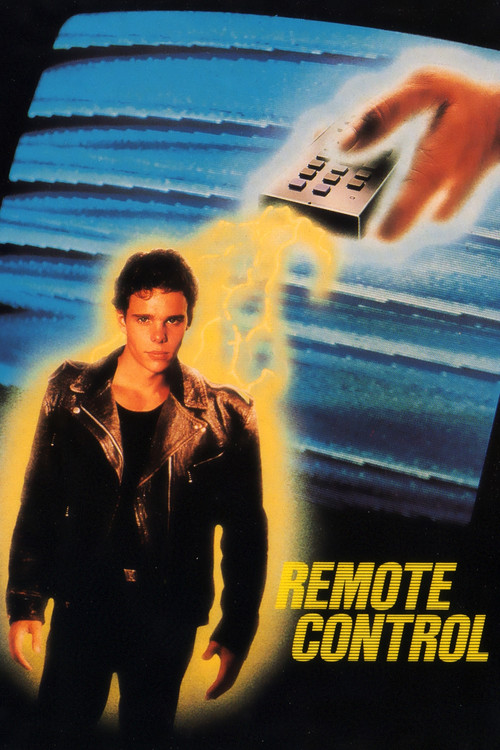
Remote Control
1988A video store clerk stumbles onto an alien plot to take over earth by brainwashing people with a bad '50s science fiction movie. He and his friends race to stop the aliens before the tapes can be distributed world-wide.
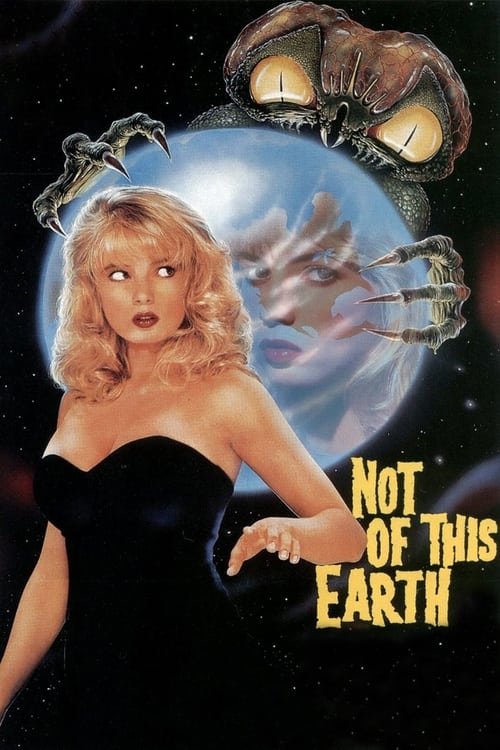
Not of This Earth
1988An alien arrives on Earth looking to take human blood in an attempt to preserve his dying planet.
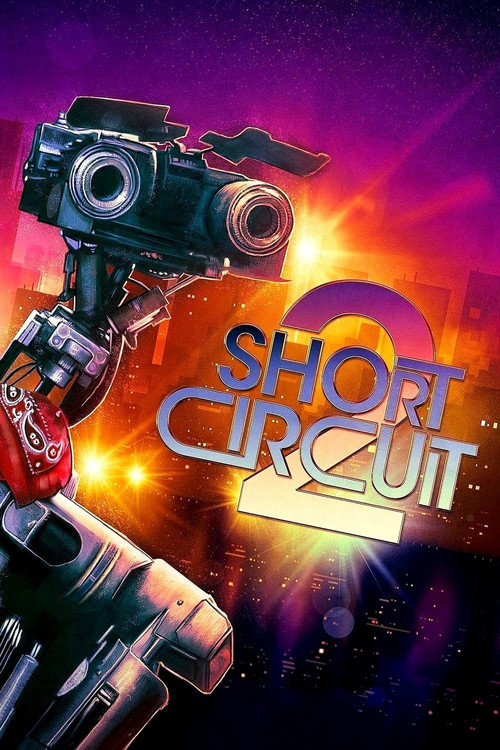
Short Circuit 2
1988Robot Johnny 5 moves to the city to help his friend Ben Jahrvi with his toy manufacturing enterprise, only to be manipulated by criminals who want to use him for their own nefarious purposes.
Moving the metallic protagonist to the urban sprawl allows for a surprisingly soulful exploration of identity and immigrant struggles amidst the slapstick. It succeeds by doubling down on its mechanical lead's humanity, making for a sequel that feels more resonant and high-stakes than its predecessor.
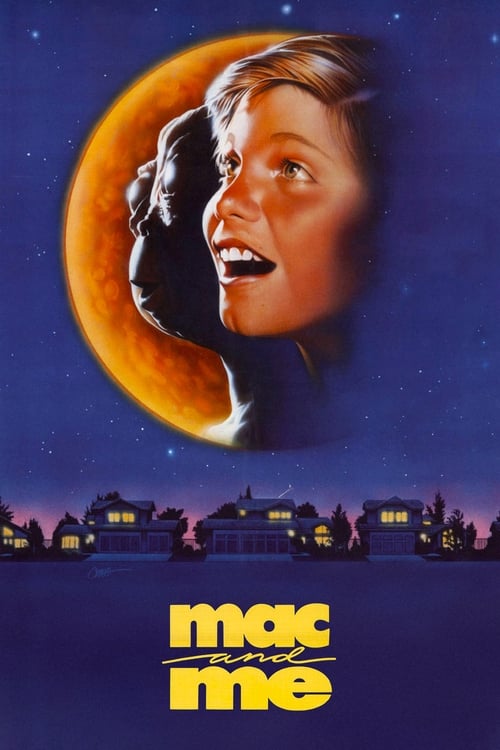
Mac and Me
1988A Mysterious Alien Creature (MAC) escaping from nefarious NASA agents, is befriended by a young boy in a wheelchair. Together, they try to find MAC's family from whom he has been separated.
Bizarre and unabashedly commercial, this film serves as a fascinating anthropological artifact of corporate branding embedded within the family sci-fi structure. Its sheer audacity and surreal product placement have earned it a permanent, if infamous, place in the decade's cinematic lexicon.

Critters 2
1988Three bounty hunters from space fly back to the town of Grovers Bend, hoping to save local residents from a new batch of Critter eggs.
Mick Garris elevates this sequel by leaning into a vibrant, creature-heavy spectacle that captures the anarchic joy of Saturday morning creature features. The impressive puppetry and dark whimsy ensure it remains a standout example of late-eighties practical effects artistry.
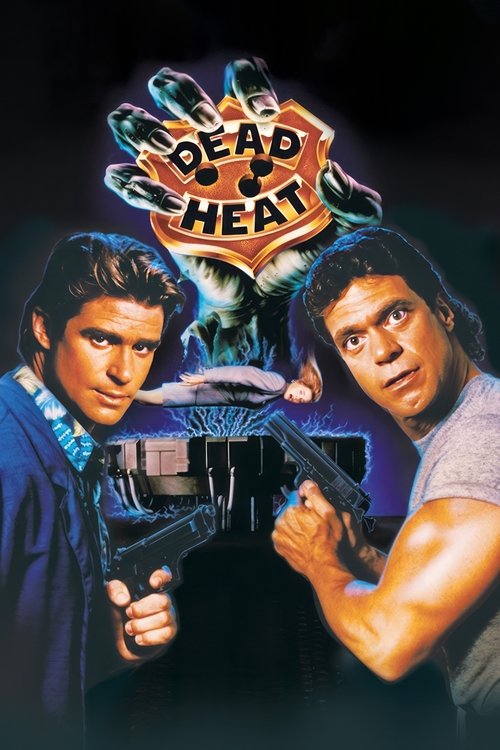
Dead Heat
1988Detective Roger Mortis is killed in action while investigating a string of mysterious robberies: until he's brought back from the dead with a chemical company's secret re-animation technology. Now he has twelve hours to solve the case of his own death before he dies: And stays dead.
Merging the zombie flick with the police thriller, this neon-drenched genre hybrid maintains a manic, go-for-broke velocity. It is a quintessential relic of the decade's obsession with high-concept mashups, carried by a delightful disregard for traditional tonal boundaries.
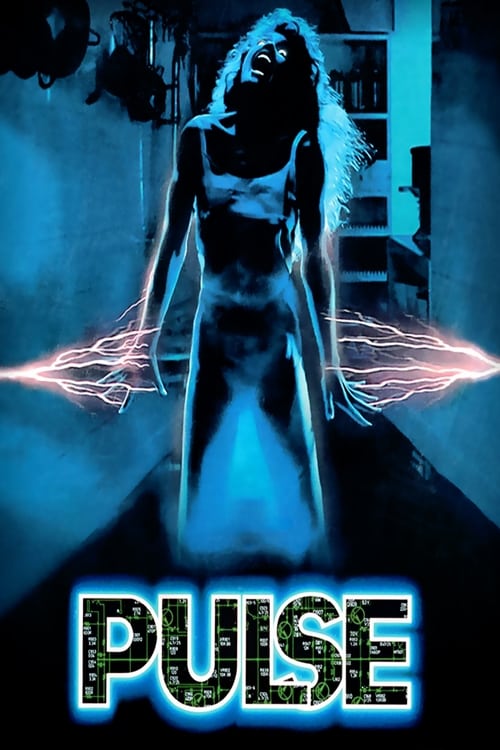
Pulse
1988An intelligent pulse of electricity moves from house to house, terrorizing occupants through their own appliances. Having already destroyed one household in a quiet neighborhood, the pulse finds itself in the home of a boy and his divorced father.
A masterpiece of domestic tension, this film weaponizes the mundane infrastructure of the modern home to create a claustrophobic, technophobic nightmare. It finds genuine terror in the unseen currents of the power grid, proving that the most effective science fiction often starts at the wall socket.
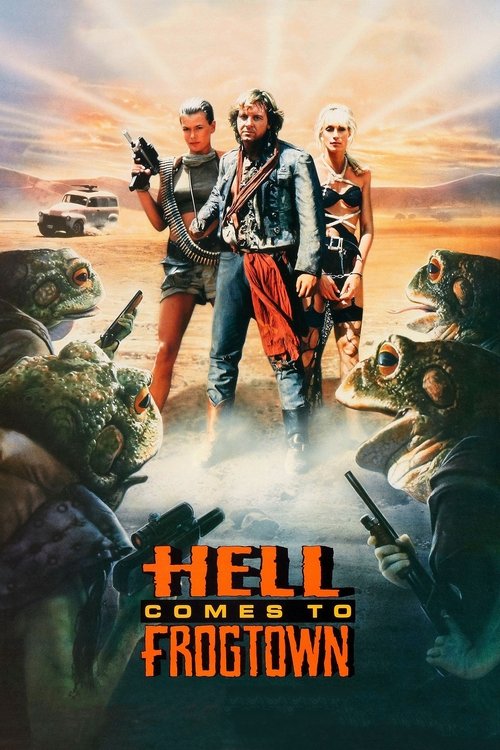
Hell Comes to Frogtown
1988'Hell' is the name of the hero of the story. He's a prisoner of the women who now run the USA after a nuclear/biological war. Results of the war are that mutants have evolved, and the human race is in danger of extinction due to infertility. Hell is given the task of helping in the rescue of a group of fertile women from the harem of the mutant leader (resembling a frog). Hell cannot escape since he has a bomb attached to his private parts which will detonate if he strays more than a few hundred yards from his guard.
This cult oddity thrives on its own absurdity, offering a sweaty, neon-soaked vision of the post-apocalypse that refuses to take itself seriously. It is a testament to the era's adventurous spirit, blending low-budget ingenuity with a bizarre, satirical commitment to its eccentric premise.
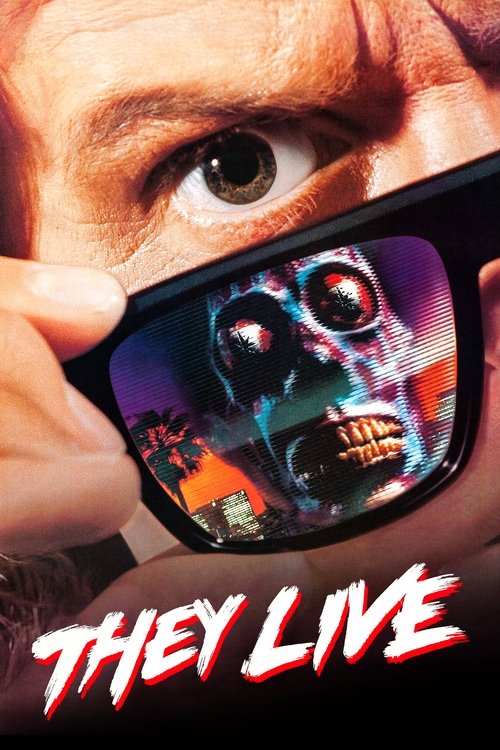
They Live
1988A lone drifter stumbles upon a unique pair of sunglasses that reveal aliens are systematically gaining control of the Earth by masquerading as humans and lulling the public into submission.
John Carpenter delivers a cynical, haymaker punch to the gut of Reagan-era consumerism using a brilliant high-concept gimmick. Its raw, blue-collar grit and unapologetic political subtext make it the essential anti-establishment manifesto of eighties cinema.
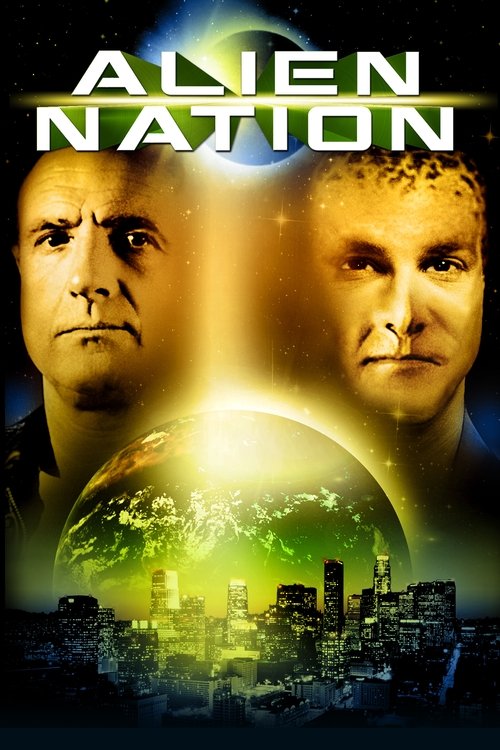
Alien Nation
1988A few years from now, Earth will have the first contact with an alien civilization. These aliens, known as Newcomers, slowly begin to be integrated into human society after years of quarantine.
By filtering complex racial tensions through the lens of a gritty buddy-cop procedural, this film offers a grounded, textured look at extraterrestrial integration. It achieves a rare balance of social commentary and hard-boiled noir without ever sacrificing its world-building integrity.

The Blob
1988In Arborville, California, three high school students try to protect their hometown from a gelatinous alien life form that engulfs everything it touches.
This remake transcends its B-movie roots by utilizing peak practical effects to transform a campy premise into a visceral masterclass in biological horror. It pulses with a mean-spirited energy and a relentless pace that puts contemporary high-budget creature features to shame.

Akira
1988A secret military project endangers Neo-Tokyo when it turns a biker gang member into a rampaging psychic psychopath that only two teenagers and a group of psychics can stop.
Katsuhiro Otomo's magnum opus remains a sensory assault that redefined the boundaries of animation through its meticulous, hyper-detailed rendering of a crumbling Neo-Tokyo. It is a terrifyingly prophetic exploration of kinetic energy and societal collapse that stands as the definitive zenith of the genre's aesthetic potential.
Frequently Asked Questions
Everything you need to know about this list and SnakeDrafts
- Akira is a landmark anime film directed by Katsuhiro Otomo, celebrated for its groundbreaking animation and cyberpunk narrative. It explores themes of power, technology, and human evolution, making it a key cultural milestone in science fiction cinema from 1988.
- 'They Live,' directed by John Carpenter, uses sci-fi and action elements to critique consumerism and media manipulation. Its satirical approach captures the anxieties of the late 1980s, making it a cult classic that resonates with audiences interested in dystopian themes.
- 'The Blob' (1988) merges horror and science fiction to deliver a thrilling creature feature. Directed by Chuck Russell, it revitalizes the original 1958 story with enhanced special effects and a modern sensibility that appealed to a new generation of genre fans.
- The 1988 sci-fi list spans a wide range of subgenres including cyberpunk ('Akira'), horror sci-fi ('Pulse'), action comedy sci-fi ('Hell Comes to Frogtown'), and family-friendly adventures ('Short Circuit 2'). This variety showcases the experimental and transitional nature of science fiction cinema during that year.
- 'Alien Nation' blends science fiction with crime and thriller genres, focusing on a partnership between a human detective and an alien cop. This narrative explores themes of immigration and social integration, enriching the sci-fi premise with grounded, socially relevant storytelling.
- Comedy is a significant component in several 1988 sci-fi films like 'Dead Heat' and 'Critters 2,' which mix humor with horror and action. This fusion helps balance darker themes and adds an entertaining, often cult appeal to the genre offerings from that year.
- Yes, 'Mac and Me' and 'Short Circuit 2' are family-oriented sci-fi movies from 1988. These films emphasize adventure and heartwarming stories, providing accessible science fiction experiences for younger audiences and families.