The Best 1991 SciFi Movies Ranked
Classic Cyberpunk and Space Adventures from a Golden Year
Explore the best science fiction films from the nineties. Discover iconic cyborg action, space exploration, and post-apocalyptic cult classics.
About 1991 SciFi Movies
The year 1991 stands as a fascinating bridge between two distinct eras of science fiction cinema. It was a time when the analog grit of the 1980s began to bleed into the digital dreams of the modern age. Watching movies from this specific window feels like witnessing a caterpillar mid-metamorphosis. The genre was moving away from the pure space opera tropes and laser battles of the post-Star Wars boom, pivoting instead toward darker, more grounded reflections on technology, identity, and the fragility of the human body.
At the center of this cultural shift was James Cameron with Terminator 2: Judgement Day. It is impossible to discuss 1991 without acknowledging the seismic impact of this sequel. While the first film was a low-budget, noir-tinged slasher movie with robots, the follow-up transformed the franchise into a high-octane spectacle of liquid metal and moral philosophy. Beyond its massive box office success, it fundamentally altered how we perceived special effects. The T-1000 was a digital revelation that proved computer imagery could coexist seamlessly with practical stunts and pyrotechnics. It was the moment the industry realized that the only limit to science fiction was the power of a rendering farm.
However, the genre in 1991 was far from a one-note symphony of blockbusters. While Cameron was pushing technology forward, other directors were using the genre to explore deeper, often weirder territory. This was the year David Cronenberg released Naked Lunch. Though arguably more surrealist horror than hard science fiction, its fusion of organic typewriters, alien landscapes, and pharmaceutical paranoia captured the cyberpunk ethos that was bubbling under the surface of the decade. It offered a hallucinogenic counterpoint to the polished steel of Hollywood action.
In the realm of cult classics, 1991 gave us The Rocketeer. While it performed modestly at the time, Joe Johnston's love letter to Art Deco and 1930s adventure serials represented a different kind of sci-fi. It was optimistic, tactile, and steeped in nostalgia. It reminded audiences that science fiction could still be about the wonder of flight and the simple heroism of a man with a rocket strapped to his back.
Meanwhile, Star Trek VI: The Undiscovered Country provided a dignified and politically charged farewell to the original series cast. By using the collapse of the Berlin Wall as a metaphor for the thawing relations between the Federation and the Klingon Empire, the film proved that space travel was at its best when it reflected our own geopolitical anxieties. It was a sophisticated end to an era.
The year also flirted with the concept of the virtual world, a theme that would dominate the decade to come. Movies like Bis ans Ende der Welt, or Until the End of the World, showed that the genre was becoming obsessed with our relationship to screens and memories. Looking back, 1991 was a pivotal moment of transition. It was the year that perfected the practical action of the past while simultaneously laying the digital foundation for the future. It gave us the spectacle we craved and the intellectual grit we needed to prepare for the fast approaching millennium.
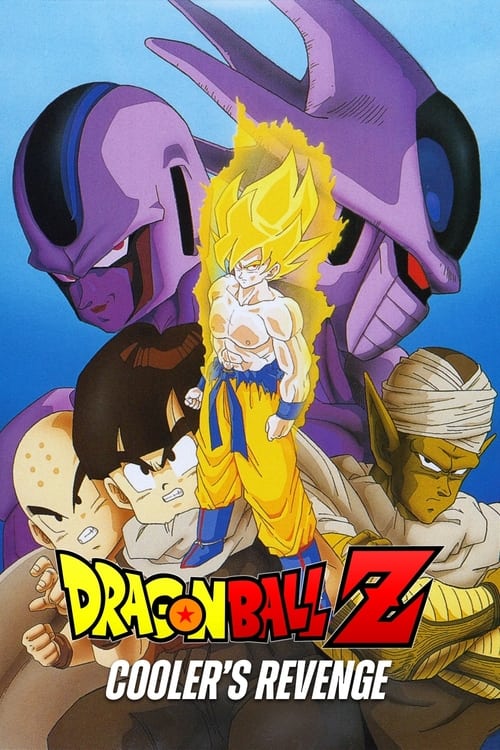
Dragon Ball Z: Cooler's Revenge
1991After defeating Frieza, Goku returns to Earth and goes on a camping trip with Gohan and Krillin. Everything is normal until Cooler - Frieza's brother - sends three henchmen after Goku. A long fight ensues between our heroes and Cooler, in which he transforms into the fourth stage of his evolution and has the edge in the fight... until Goku transforms into a Super Saiyan.
This entry pushes the boundaries of kinetic animation with its relentless pace and staggering escalation of power dynamics. It remains a definitive example of how hyper-stylized combat can evolve into a compelling visual language of its own.
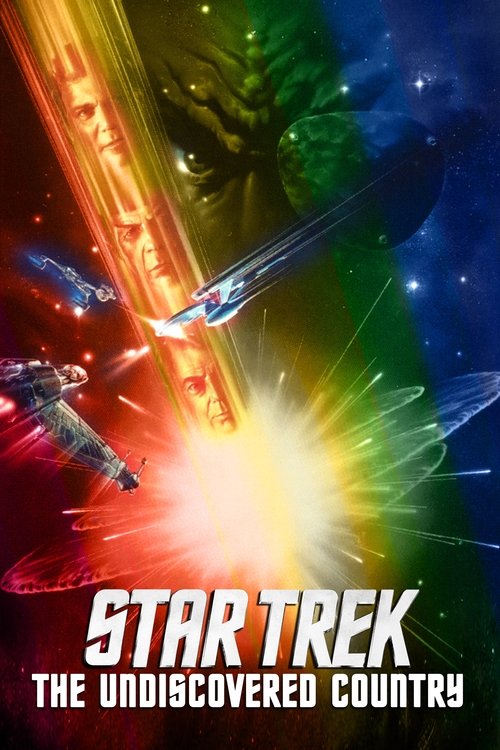
Star Trek VI: The Undiscovered Country
1991After years of war, the Federation and the Klingon empire find themselves on the brink of a peace summit when a Klingon ship is nearly destroyed by an apparent attack from the Enterprise. Both worlds brace for what may be their deadliest encounter.
Bridging the gap between Cold War allegory and interstellar diplomacy, this final voyage for the original crew restores gravity to the franchise. It succeeds by weaving sophisticated political intrigue into the fabric of a classic space opera.

Delicatessen
1991In a post-apocalyptic world, the residents of an apartment above the butcher shop receive an occasional delicacy of meat, something that is in low supply. A young man new in town falls in love with the butcher's daughter, which causes conflicts in her family, who need the young man for other business-related purposes.
Jeunet and Caro deliver a visually scrumptious slice of post-apocalyptic surrealism that prioritizes atmosphere over exposition. Its whimsical yet macabre world-building proves that science fiction can be as much about texture and timing as it is about technology.
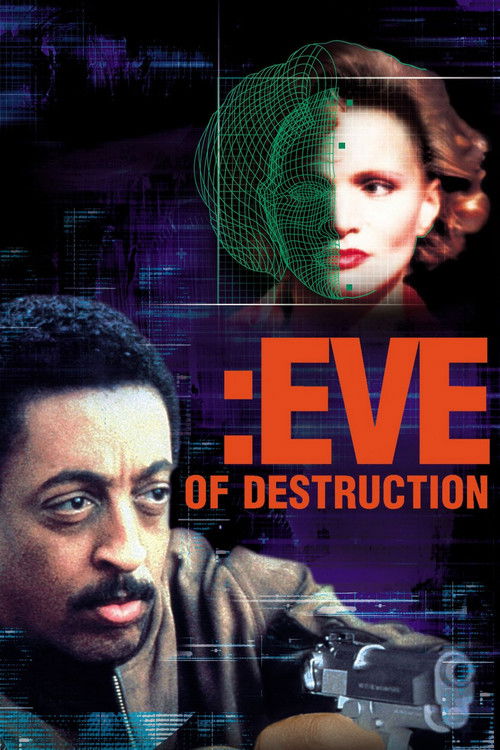
Eve of Destruction
1991Eve is a military robot made to look exactly like her creator, Dr. Eve Simmons. When she is damaged during a bank robbery, the robot becomes an unstoppable killing machine. Colonel Jim McQuade is assigned to stop the robot and with the help from Dr. Simmons they have to predict where she will go next.
A gritty exploration of the feminine psyche weaponized, this film stands out for its high-concept paranoia and sleek urban aesthetic. It subverts the traditional gynoid trope by grounding its existential dread in visceral, psychological realism.
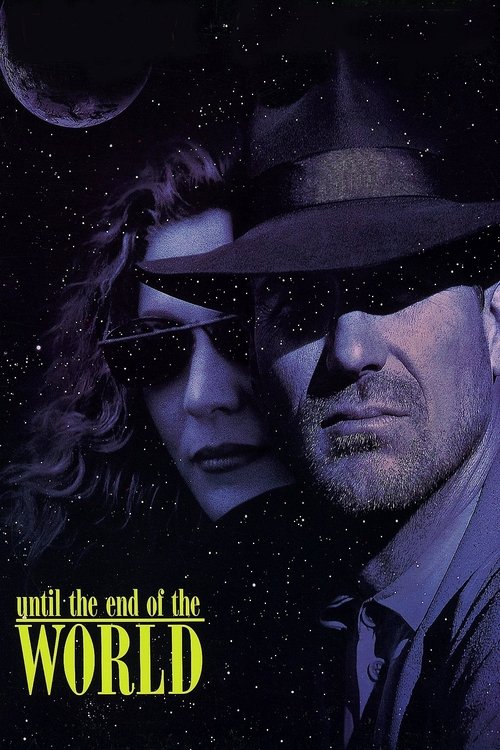
Until the End of the World
1991In 1999, a woman's life is forever changed after she survives a car crash with two bank robbers, who enlist her help to take the money to a drop in Paris. On the way, she runs into another fugitive from the law — an American doctor on the run from the CIA. They want to confiscate his father's invention – a device which allows anyone to record their dreams and visions.
Wim Wenders crafts a sprawling, meditative odyssey that captures the pre-millennial anxiety of a globalized society. Its haunting depiction of image-addiction serves as a prophetic critique of our modern digital obsession.
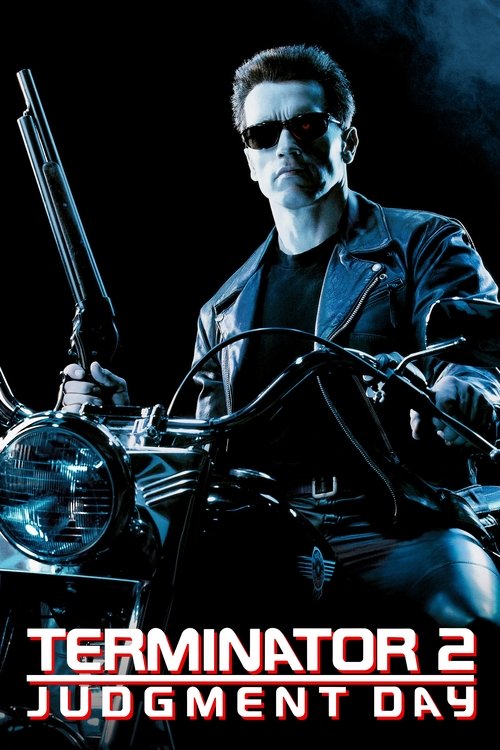
Ten years after the events of the original, a reprogrammed T-800 is sent back in time to protect young John Connor from the shape-shifting T-1000. Together with his mother Sarah, he fights to stop Skynet from triggering a nuclear apocalypse.
James Cameron redefines the blockbuster landscape through pioneering liquid-metal visual effects that still hold up decades later. This sequel elevates the action genre into a philosophical meditation on destiny and human resilience.
Frequently Asked Questions
Everything you need to know about this list and SnakeDrafts
- The 1991 sci-fi movies often explore themes like technology's impact on identity, post-apocalyptic survival, and space exploration. Movies like Terminator 2 delve into AI and human-machine relations, while Star Trek VI addresses political tension and adventure in space.
- 'Terminator 2: Judgment Day' is renowned for its groundbreaking special effects and thrilling portrayal of cyborgs and time travel, setting a high standard for sci-fi action. Its influence on later sci-fi cinema and enduring cultural impact make it a pivotal film from 1991.
- Yes, the list includes 'Delicatessen,' a French film blending sci-fi with comedy and fantasy, showcasing an offbeat, post-apocalyptic setting different from typical American sci-fi narratives. This adds valuable international diversity to the year's offerings.
- Directed by Wim Wenders, 'Until the End of the World' combines science fiction with drama and adventure, emphasizing a more narrative-driven and emotional approach. Its introspective storyline sets it apart from the action-heavy sci-fi movies of the same year.
- 'Eve of Destruction' and 'Star Trek VI: The Undiscovered Country' blend action and thriller elements with science fiction, offering intense and suspenseful storylines. These films balance high stakes with sci-fi concepts like advanced robotics and interstellar diplomacy.
- Yes, 'Dragon Ball Z: Cooler's Revenge' is an animated sci-fi action film included in the list, representing the popularity of sci-fi themes in anime during the early 90s. It offers a different style and storytelling approach compared to live-action entries.
- The movies from 1991 showcased in the list reflect a shift from classic space operas and simple action plots to more complex themes involving technology's role in society and identity crises. This transitional period embraced diverse storytelling techniques, including darker narratives and genre blending.