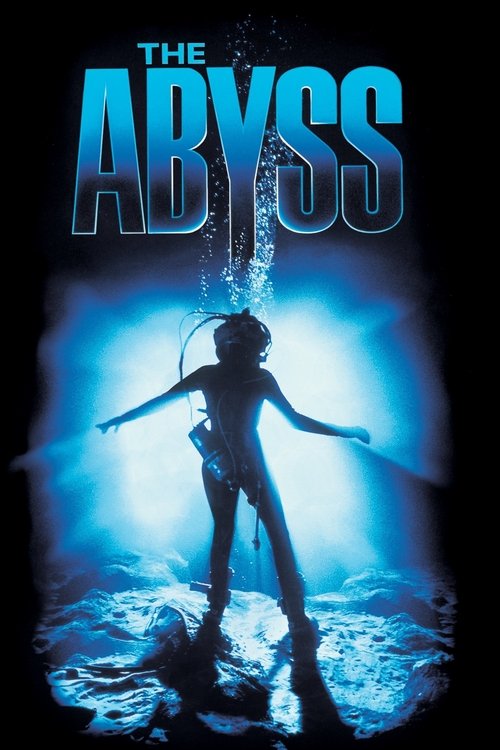
The Abyss
James Cameron's visually stunning sci-fi thriller, "The Abyss," plunges audiences into a breathtaking underwater world where a deep-sea drilling crew encounters an otherworldly presence. This gripping adventure explores the depths of human courage and the mysteries of the unknown, cementing its place as a classic of the genre.
Director
Release Year
1989
Runtime
140 minutes
Genres
Adventure, Thriller, Science Fiction
Main Cast
Ed Harris, Mary Elizabeth Mastrantonio, Michael Biehn, Leo Burmester, Todd Graff
About The Abyss
Released in 1989, James Cameron's "The Abyss" was a groundbreaking achievement in cinematic storytelling and special effects, pushing the boundaries of underwater filmmaking. The film's ambitious scope and technical innovations, particularly its pioneering use of computer-generated imagery for the pseudopod alien, left an indelible mark on cinematic history, influencing countless films that followed in its wake. Its cultural impact resonates still, as audiences continue to be captivated by its themes of first contact and the exploration of uncharted territories.
The film's premise centers on a civilian deep-sea oil rig crew called upon to assist the U.S. Navy in a search and rescue operation after a nuclear submarine inexplicably sinks near a massive oceanic trench. As the crew descends further into the crushing depths, they encounter an intelligent, non-human aquatic species, leading to a tense and awe-inspiring confrontation that challenges their perceptions of life, fear, and humanity itself. The narrative expertly weaves together elements of adventure, suspense, and science fiction without revealing key plot twists.
"The Abyss" was met with critical acclaim, with particular praise for its immersive atmosphere, compelling performances, and Cameron's masterful direction. Critics highlighted its ability to blend high-stakes thriller elements with profound philosophical questions about coexistence and understanding. While not an immediate box office juggernaut, its reputation has grown considerably over the years, solidifying its status as a cult classic and a testament to Cameron's visionary filmmaking. It was nominated for four Academy Awards, winning one for Best Visual Effects.
The legacy of "The Abyss" extends beyond its technical achievements; it is a film that continues to spark discussion about governmental secrecy, environmental responsibility, and the potential for life beyond our comprehension. Its exploration of communication with an alien intelligence, particularly through the visually stunning "pseudopod" sequence, remains a benchmark in science fiction cinema. The film’s thematic depth and groundbreaking visuals ensure its enduring relevance.
Drafts Featuring The Abyss
Every SnakeDrafts listicle where this movie appears
Ranking the Best Ed Harris Movies: The Essential Filmography
Ranked #4
The Ultimate James Cameron Movie Rankings
Ranked #7
Mary Elizabeth Mastrantonio Movies Ranked Definitively
Ranked #3
1989's Best Movies Ranked
Ranked #8
The Greatest SciFi Movies of 1989
Ranked #1
Top 1980s SciFi Movies Ranked
Ranked #17
The Best Thriller Movies of 1989, Ranked
Ranked #7
The Best Movies of the 1980s Ranked
Ranked #92
Similar Movies
Movies related to The Abyss




Frequently Asked Questions
Everything you need to know about The Abyss
- The non-terrestrial intelligence found in The Abyss are benevolent, highly evolved aquatic beings. They possess advanced technology and a deep understanding of the planet, demonstrating a desire for peaceful coexistence rather than hostility.
- The extreme pressures and isolation of the deep-sea environment significantly impact the crew's psychological states, leading to claustrophobia, paranoia, and heightened tensions. This unforgiving setting amplifies the personal struggles and sacrifices faced by each character.
- The pseudopod is a crucial element that serves as the primary means of communication and interaction between the humans and the alien intelligence. Its ability to mimic and explore allows for a bridge of understanding, showcasing the potential for peaceful first contact.
- The ending of The Abyss offers a hopeful message about humanity's capacity for peace and understanding, suggesting that given the choice, we can rise above our destructive tendencies. It implies that true progress lies in embracing unknown possibilities and fostering connection.
- The film intensely explores themes of love and reconciliation through the strained relationship between Bud and Lindsey Brigman. Their journey through shared peril and sacrifice ultimately leads to a profound rekindling of their bond and a deeper understanding of each other's strengths.

