Top 1990 SciFi Movies Ranked
Classic Science Fiction Gems From The Nineties
Explore the best science fiction films from the start of the decade. Features Martian adventures, creature features, and high-tech thriller classics.
About 1990 SciFi Movies
The year 1990 arrived at a fascinating crossroads for science fiction cinema. The neon-soaked aesthetic of the eighties was fading into the rearview mirror, but the digital revolution that would eventually define the nineties was still in its infancy. What we got instead was a year of tactile, gritty, and often profoundly weird cinema that prioritized practical effects and high-concept existentialism over polished pixels. It was a year where the genre felt muscular and dangerous, shedding the optimism of space operas for the grime of the near future.
The undisputed heavyweight champion of the year was Paul Verhoeven’s Total Recall. On the surface, it was a vehicle for Arnold Schwarzenegger at the absolute peak of his box office powers, but beneath the exploding heads and Martian landscapes lay a deeply paranoid meditation on memory and identity. Based on a Philip K. Dick story, the film balanced brutal violence with enough narrative ambiguity to keep audiences debating the ending for decades. It represented a turning point where blockbusters could be both visceral and intellectually taxing.
While Total Recall conquered the red planet, RoboCop 2 attempted to recapture the lightning of its predecessor back on Earth. While it was arguably more cynical and chaotic than the original, it doubled down on the satirical rot of corporate greed and urban decay. It served as a reminder that science fiction in 1990 was deeply concerned with the privatization of the soul and the collapse of the social contract. This was not a year for hopeful star voyages; it was a year for surviving the streets.
The genre also found room for quirkier, more adventurous swings. Tremors arrived as a love letter to the B-movies of the fifties, trading high-tech gadgets for graboids in the Nevada desert. It proved that sci-fi could still be fun, grounded, and character-driven without a massive budget. Meanwhile, Gremlins 2: The New Batch pushed the boundaries of meta-commentary, essentially deconstructing the very idea of a sequel while leaning into wild, genetic-mutation-based mayhem.
Perhaps the most underrated gem of 1990 was Flatliners. It combined a brat pack cast with a gothic sci-fi premise, asking what lies beyond the veil of death. It felt sleek and modern, a precursor to the psychological thrillers that would dominate the middle of the decade. Even sequels like Predator 2 and Back to the Future Part III showed a genre willing to experiment. One took its hunter into the concrete jungle of a heat-wave-stricken Los Angeles, while the other took his time-traveling DeLorean into the Old West.
Looking back, 1990 was the last great year of the analog age. The monsters were made of latex, the explosions were real gasoline, and the themes were steeped in a pre-internet anxiety. It was a landscape where directors like Verhoeven and Dante were allowed to be subversive within the studio system. Science fiction was messy, loud, and incredibly creative, standing firmly on the edge of a new millennium while still clutching a shot-gun and a cynical smile. It remains a high-water mark for fans who prefer their future with a little bit of dirt under its fingernails.
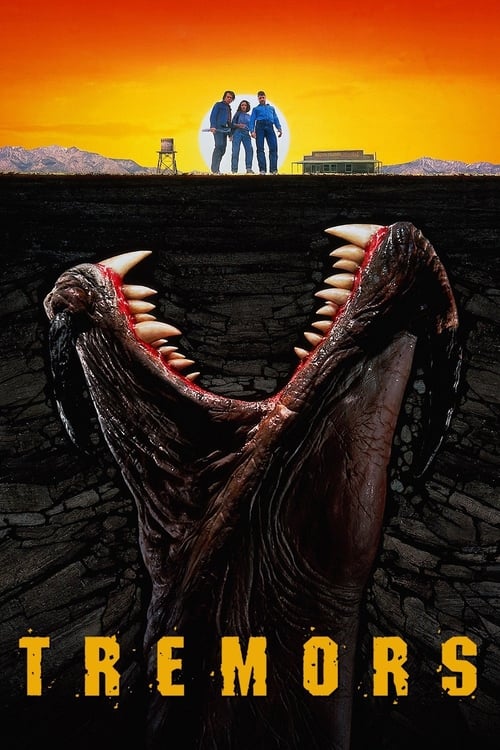
Tremors
1990Val McKee and Earl Bassett are in a fight for their lives when they discover that their desolate town has been infested with gigantic, man-eating creatures that live below the ground.
Mastering the tonal tightrope between creature-feature thrills and blue-collar comedy, this film renovates the 1950s atomic-scare formula for a savvy modern audience. Its success lies in the impeccable spatial logic of its desert setting and the clever, tactile ingenuity of its subterranean threats.
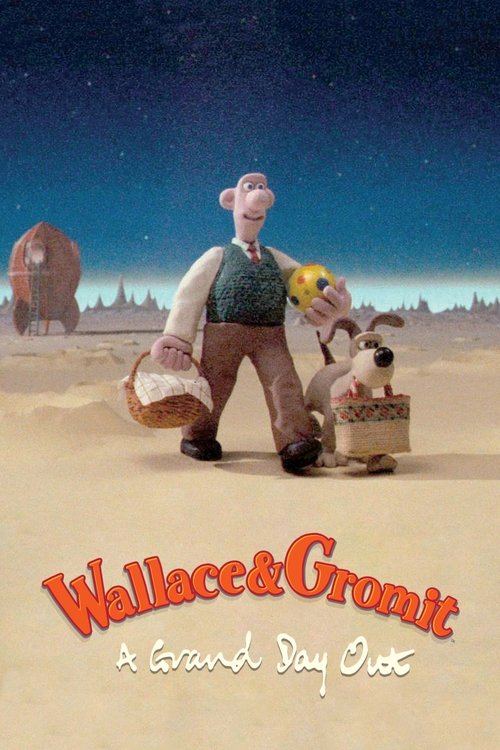
A Grand Day Out
1990Wallace and Gromit have run out of cheese, and this provides an excellent excuse for the duo to take their holiday to the moon, where, as everyone knows, there is ample cheese.
Nick Park’s inaugural voyage proves that meticulous claymation can evoke more charm and wonder than the most expensive Hollywood laboratories. The short’s cozy, eccentric vision of lunar exploration remains a triumph of artisanal craftsmanship and dry British wit.
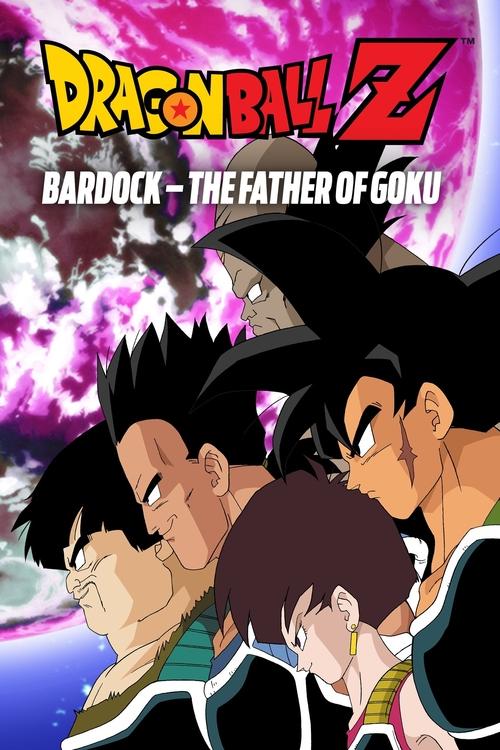
Dragon Ball Z: Bardock - The Father of Goku
1990Bardock, Son Goku's father, is a low-ranking Saiyan soldier who was given the power to see into the future by the last remaining alien on a planet he just destroyed. He witnesses the destruction of his race and must now do his best to stop Frieza's impending massacre.
Far grimmer than its episodic counterparts, this prequel introduces a tragic, Shakespearean weight to a sprawling martial arts mythology. It succeeds by stripping away the series' usual whimsy in favor of a brutal, doomed destiny played out against a cosmic backdrop.
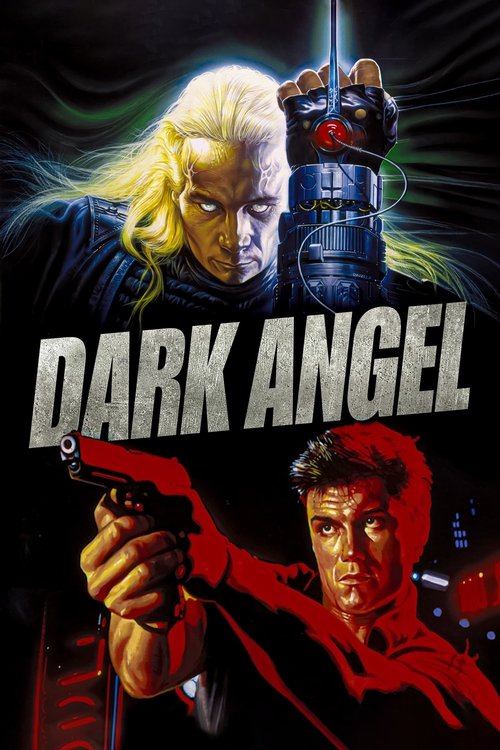
Dark Angel
1990Jack Caine is a Houston vice cop who's forgotten the rule book. His self-appointed mission is to stop the drugs trade and the number one supplier Victor Manning. While involved in an undercover operation to entrap Victor Manning, his partner is killed, and a sinister newcomer enters the scene...
This kinetic slice of B-movie perfection thrives on the contrast between its explosive urban grit and an inventive extraterrestrial drug-trade hook. It stands out for its lean pacing and a commitment to high-octane physical stunts that define the era’s action-noir aesthetic.
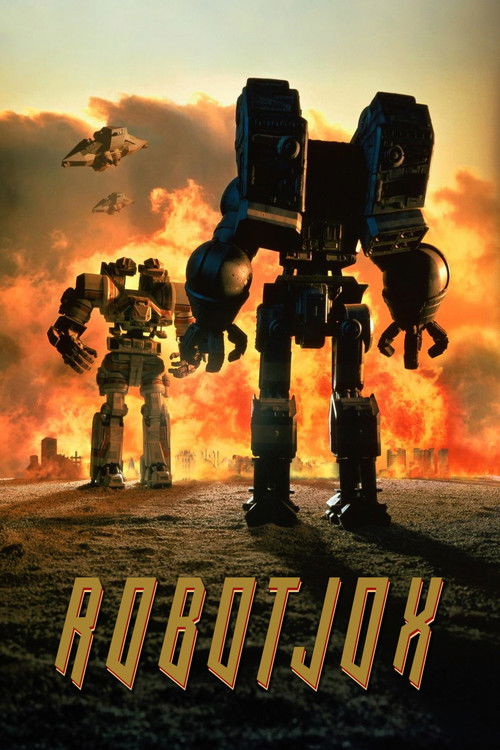
Robot Jox
199050 years after a nuclear war, the two superpowers handle territorial disputes in a different way. Each fields a giant robot to fight one-on-one battles in official matches, each piloted by a man inside, known as robot jockeys or jox. The contest for possession of Alaska will be fought by two of the best. The conscientious Achilles fights for the Americans. Opposing him is a Russian, Alexander.
Stuart Gordon crafts a tactile, heavy-metal spectacle that serves as a visceral precursor to modern mecha cinema. Its stop-motion pyrotechnics and Cold War subtext provide a gritty, mechanical weight that CGI often struggles to replicate.
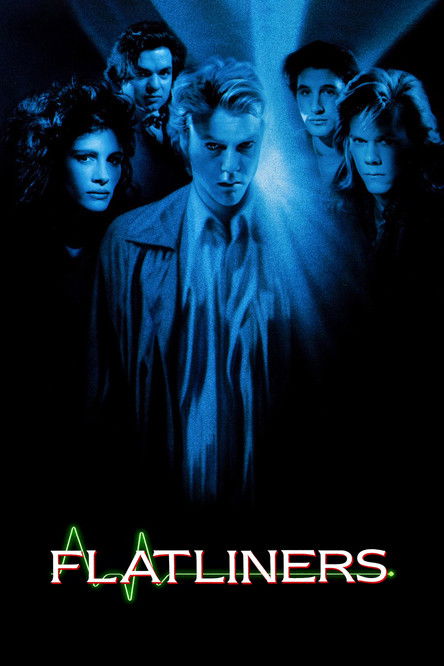
Flatliners
1990Five medical students experiment with "near death" experiences, until the dark consequences of past tragedies begin to jeopardize their lives.
Joel Schumacher transforms a clinical premise into a neon-soaked gothic nightmare that interrogates the arrogance of scientific overreach. The film captures a distinct zeitgeist of stylish nihilism, elevated by a cast that treats theological horror with deadly earnestness.
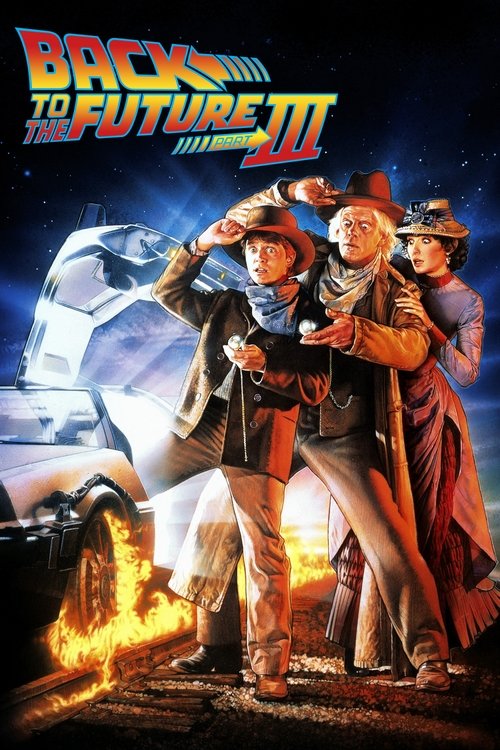
The final installment finds Marty digging the trusty DeLorean out of a mineshaft and looking for Doc in the Wild West of 1885. But when their time machine breaks down, the travelers are stranded in a land of spurs. More problems arise when Doc falls for pretty schoolteacher Clara Clayton, and Marty tangles with Buford Tannen.
By pivoting into a dust-caked Western, this trilogy closer breathes fresh air into the space-time continuum while doubling down on its ingenious clockwork plotting. It is a rare genre hybrid that prioritizes character resolution over mere technobabble.
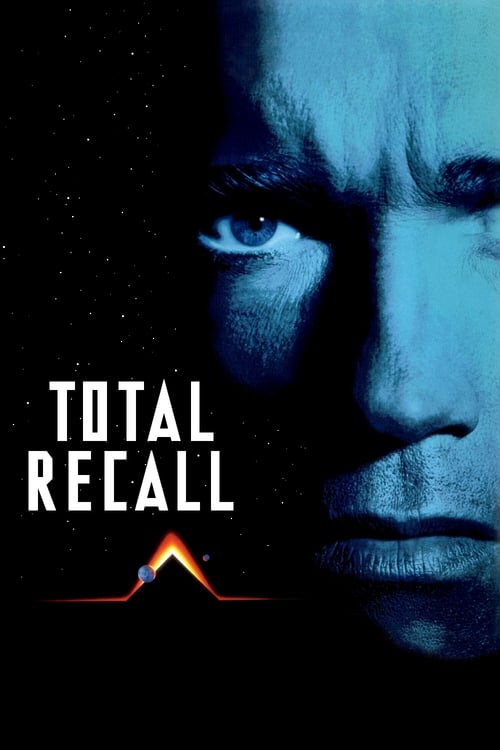
Total Recall
1990Construction worker Douglas Quaid's obsession with the planet Mars leads him to visit Recall, a company that manufactures memories. When his memory implant goes wrong, Doug can no longer be sure what is and isn't reality.
Paul Verhoeven’s ultraviolent masterpiece weaponizes industrial practical effects to blur the line between pulp power fantasy and a scathing critique of corporate colonialism. It remains the definitive marriage of Schwarzenegger’s physical stardom and high-concept existential dread.
Frequently Asked Questions
Everything you need to know about this list and SnakeDrafts
- The 1990 sci-fi movies in this listicle showcase a shift towards gritty, practical effects-driven storytelling, with a focus on tactile realism and existential themes rather than polished digital effects. This reflects the cinematic transition during the early '90s before the digital revolution fully took hold.
- 'Total Recall' distinguishes itself with its blend of action, adventure, and a complex narrative about memory and identity, directed by Paul Verhoeven. Its groundbreaking practical effects and thought-provoking plot have cemented it as a quintessential sci-fi classic of 1990.
- Movies like 'Flatliners' and 'Dark Angel' mix science fiction with horror elements, creating a suspenseful and eerie atmosphere. These films effectively blend scientific exploration with psychological and supernatural horror, broadening the genre's appeal.
- Yes, animated sci-fi films such as 'Dragon Ball Z: Bardock - The Father of Goku' and 'A Grand Day Out' are included, offering a diverse range of storytelling. They bring a blend of fantasy, adventure, and emotional depth through animation, showcasing the genre's versatility in 1990.
- 'Back to the Future Part III' adds a unique twist to the sci-fi genre by combining time travel with Western adventure and comedy. This film exemplifies the blend of genres that characterized much of 1990’s sci-fi output, appealing to a broad audience.
- 'Robot Jox' centers around mechanized battle robots, highlighting action-packed sequences and futuristic combat. This focus on high-octane battles and visually impressive set pieces typifies the action-oriented side of 1990 sci-fi films.
- 'Tremors' combines science fiction with horror and comedy by featuring subterranean creature attacks in a remote town. Its blend of humor, suspense, and sci-fi monster thrills makes it a cult favorite that stands out from typical genre fare.