The Greatest George Burns Movies Ever
The Century of Wit from Vaudeville to Hollywood Gold
Discover the essential films of George Burns, from his Oscar-winning comeback to his iconic comedic roles as the ultimate cigar-smoking legend.
About George Burns
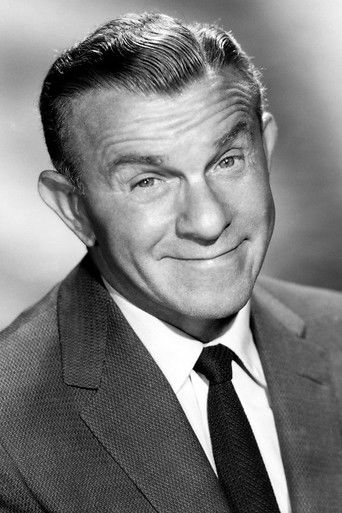
In the smoke-filled history of American comedy, few silhouettes are as instantly recognizable as the man with the round spectacles and the perpetually glowing El Producto cigar. George Burns didn't just survive show business; he outlived its eras, evolving from a street-corner busker into a centenarian deity of the silver screen. His career arc is a masterclass in the art of the second act, proving that relevance is often a matter of timing, a dry wit, and a refusal to exit the stage.
While his early years were defined by the crackling chemistry of his partnership with Gracie Allen, his solo resurgence in the 1970s transformed him into a universal grandfather figure with a mischievous streak. He possessed a delivery so rhythmic and precise that he could get a laugh just by flicking an ash. This comedic economy was on full display in The Sunshine Boys, where he played an aging vaudevillian with an authenticity that earned him an Academy Award. It was a role that bridged the gap between his own monochromatic roots in films like The Big Broadcast and International House and his status as a modern cinematic icon.
Audiences found a peculiar comfort in his longevity. He represented a link to a vanished world of velvet curtains and radio playbills, yet he never felt like a museum piece. When he stepped into the title role of Oh, God!, he didn't play the Almighty with thunder and brimstone; he played him as a gentle, witty observer in a windbreaker and a golf cap. This performance, along with the sequel Oh, God! You Devil, cemented his reputation as a performer who could handle high concepts with a light, humanist touch. He made the impossible feel conversational.
His versatility stretched across decades and genres. He showcased his footwork alongside Fred Astaire in A Damsel in Distress and navigated the eccentricities of early sound cinema in Six of a Kind and Many Happy Returns. As he aged, he leaned into the irony of his own endurance. In 18 Again!, he played a body-swapping grandfather with a youthful zest that felt entirely earned, while in Going in Style, he pivoted to a poignant, gritty realism that reminded critics of his dramatic depth. Whether sharing the screen with Steve Martin in the late seventies or anchoring family comedies like Just You and Me, Kid, he remained the coolest person in the room.
The cultural impact of his work lies in that unshakable poise. He thrived in a medium that usually discards its elders, turning his own mortality into one long, sophisticated punchline. People connected with him because he promised that getting older didn't mean losing your edge or your sense of play. He was the ultimate survivor of the limelight, a man who walked onto the sets of Honolulu and College Swing with the same effortless confidence he brought to the talk show circuit fifty years later. By the time he bowed out, he had become more than an actor. He was an institution, a puff of smoke, and a reminder that the best way to stay young is to never stop looking for the next laugh.
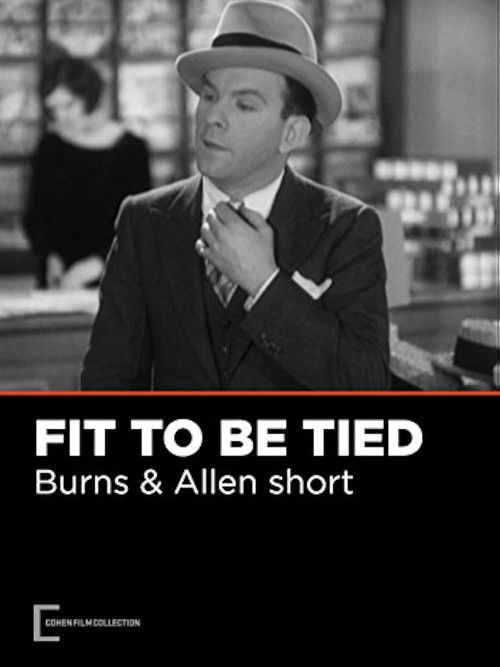
Fit to Be Tied
1930George Burns tries to buy a tie in a department store filled with assorted kooks.
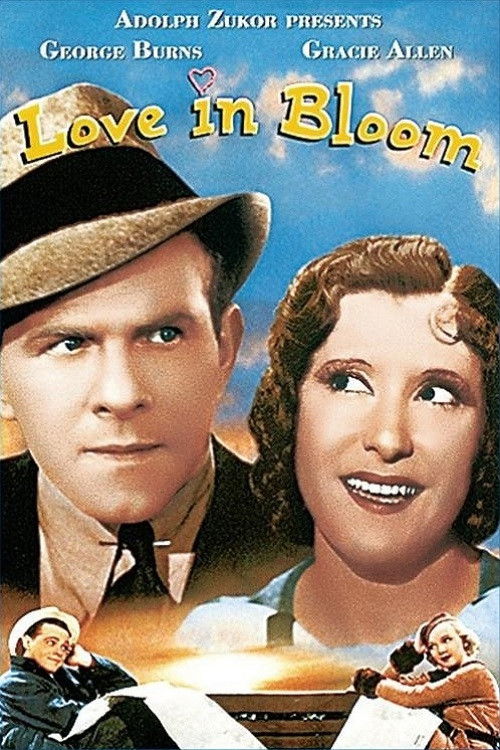
Love in Bloom
1935A young girl runs away from her carnival family to make it in New York and becomes involved with a young songwriter.
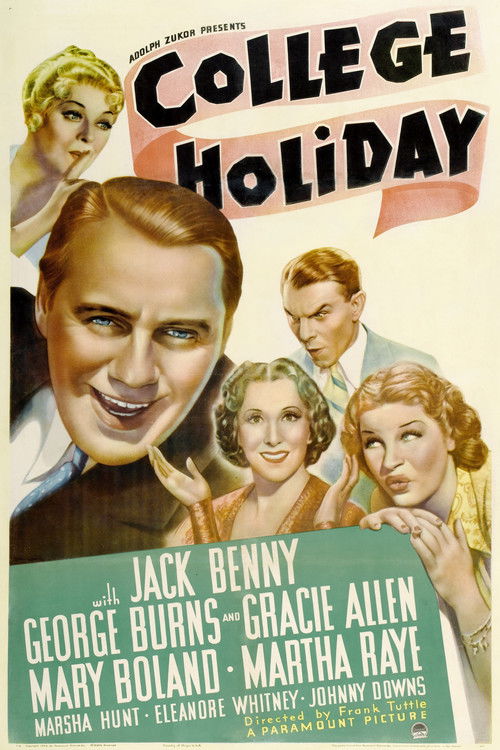
College Holiday
1936College students rally to save a struggling hotel from closing. Comedy.
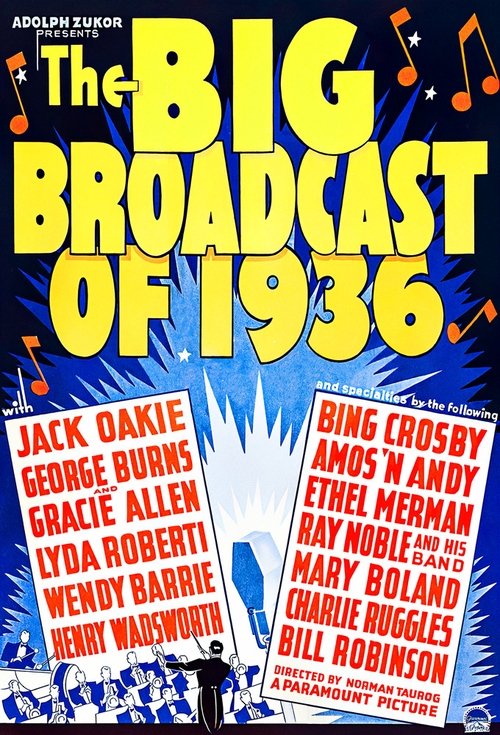
The Big Broadcast of 1936
1935Two-bit radio station owner Spud Miller doubles as the station's sole announcer. On the verge of bankruptcy, Spud is receptive to the wacky notions of George and Gracie, who've just invented a television device that can pick up and transmit any signal, any time, anywhere.
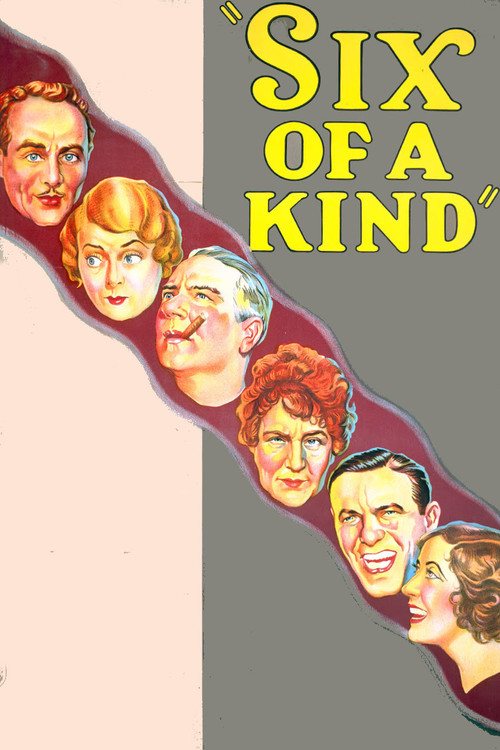
Six of a Kind
1934The Whinneys share expenses for their trip to Hollywood with George and Gracie and their great Dane. A clerk in Whinney's bank has put fifty thousand dollars in a suitcase, hoping to rob Whinney on the road, but instead Whinney takes another road and is himself arrested in Nevada.
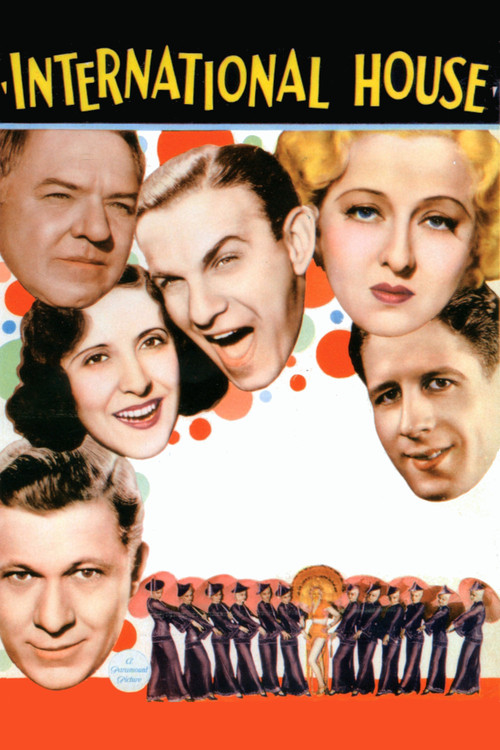
International House
1933Foreign investors converge on a luxury hotel in China to bid on a new kind of radioscope. But, this is a hotel where Burns and Allen are the in-house medical staff, a measles risk sends the whole building into quarantine, and a madcap millionaire crashes dinner in his autogyro. Hotel and radioscope become a stage for an all-star cast of comedians and musicians, from vaudeville to the new generation.
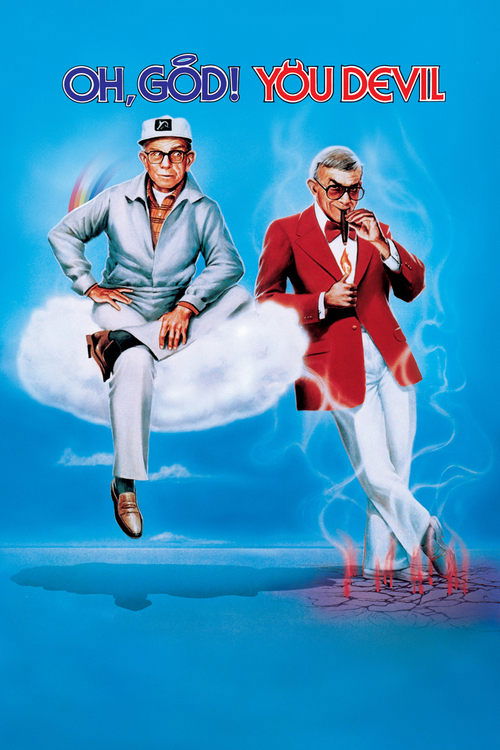
Oh, God! You Devil
1984George Burns is back as God, but oops, here he is as Satan, too. A young rock star is ready to sell his soul to Satan, and Satan is all too happy to oblige. Oops! Seems the fellow was watched over by God as a baby, so now the almighty and his nemesis have to duke it out over the soul.

Many Happy Returns
1934Gracie Allen assumes the "management" of the shop owned by her papa Horatio Allen, turning it into a radio station and then an aviary---with the usual Gracie Allen logic---while distracted Papa is trying to get younger daughter, beauty contest winner Florence, married before she can head to Hollywood and get into the movies.
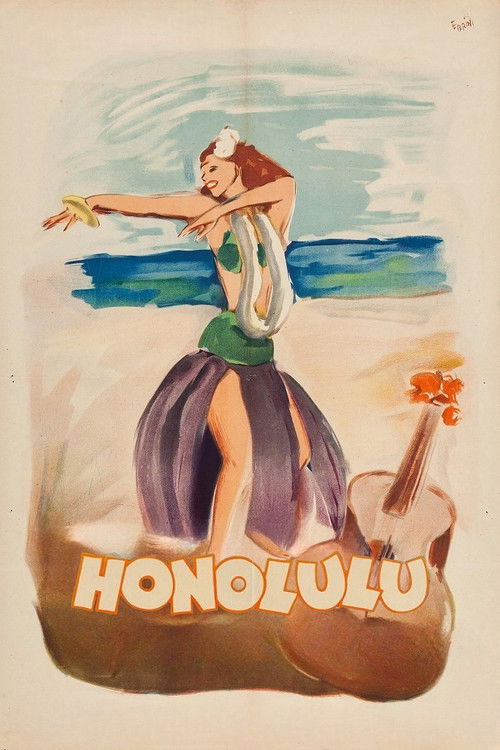
Honolulu
1939Wanting a break from his overzealous fans, a famous movie star hires a Hawaiian plantation owner to switch places with him for a few weeks.
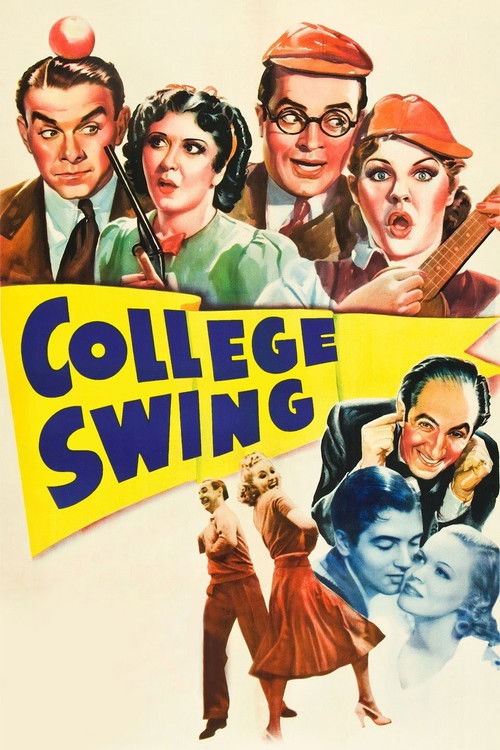
College Swing
1938Gracie Alden tries to graduate from college to get an inheritance.
Burn’s inclusion in this collegiate romp provides a necessary dose of seasoned professionalism. His ability to stand out among an ensemble of comedy heavyweights affirms his status as an indispensable fixture of the studio system’s lighter fare.
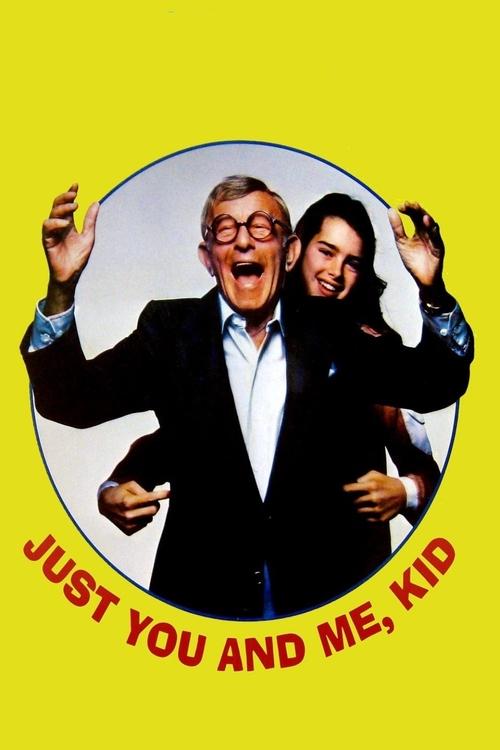
Just You and Me, Kid
1979George Burns stars as a former vaudevillian who befriends a young runaway, played by 14-year old Brooke Shields, who is being chased by drug dealers.
Teaming with Brooke Shields, Burns maneuvers through this intergenerational comedy with a grandfatherly grace that never loses its sardonic edge. It highlights his surprising versatility in making an unlikely pairing feel grounded and emotionally resonant.
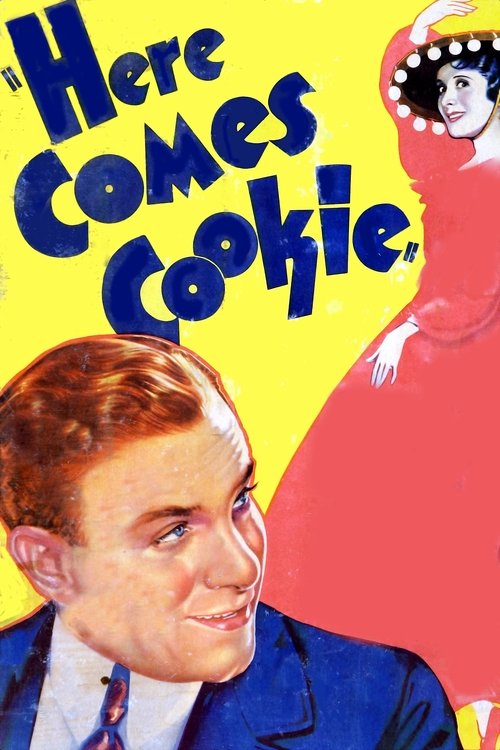
Here Comes Cookie
1935A scatterbrained heiress opens her home to a succession of unemployed actors and vaudeville performers, then decides to produce her own show, much to the consternation of her father, her sister and her sister's boyfriend, who is actually after the young girl's money.
The absurdity of the Depression-era screwball genre finds its perfect straight man in Burns. His tactical restraint remains the essential ballast for the surrounding zaniness, showcasing his mastery of the reaction shot.
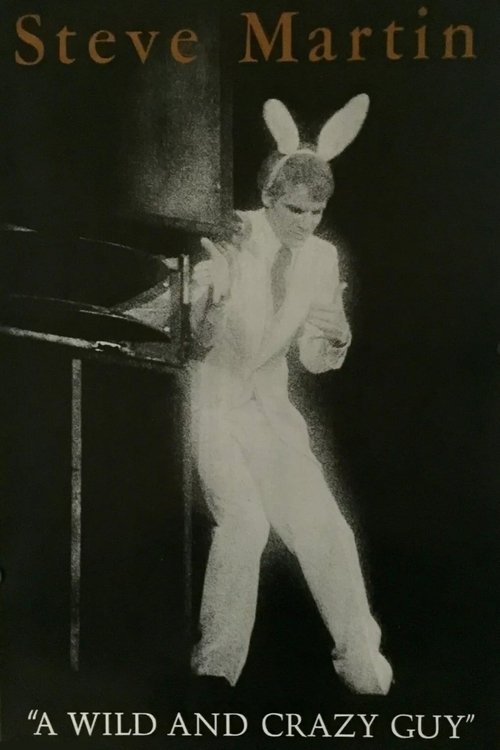
Steve Martin: A Wild and Crazy Guy
1978Steve Martin's first network special for NBC offers part concert footage (shot at the Universal Amphitheatre in Los Angeles) and part sketch comedy.
Burns bridges the gap between the golden age of comedy and the experimental seventies in this vital cameo. His participation acts as a torch-passing moment, validating Steve Martin’s surrealism with the stamp of a vaudeville veteran.
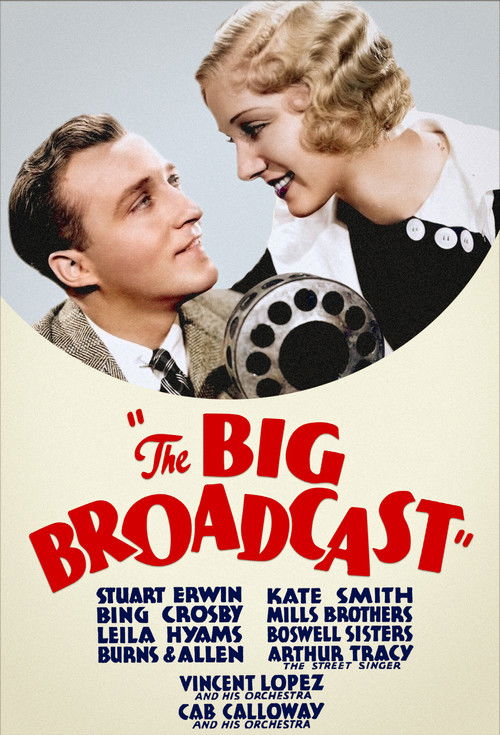
The Big Broadcast
1932The top brass at a radio station believe their popular new star singer is paying more attention to his love life than to his career.
As a foundational document of his transition from stage to screen, this variety showcase captures the raw, unpolished brilliance of the Burns and Allen chemistry. It is a vital historical marker that shows the actor mastering the intimacy of the camera lens.
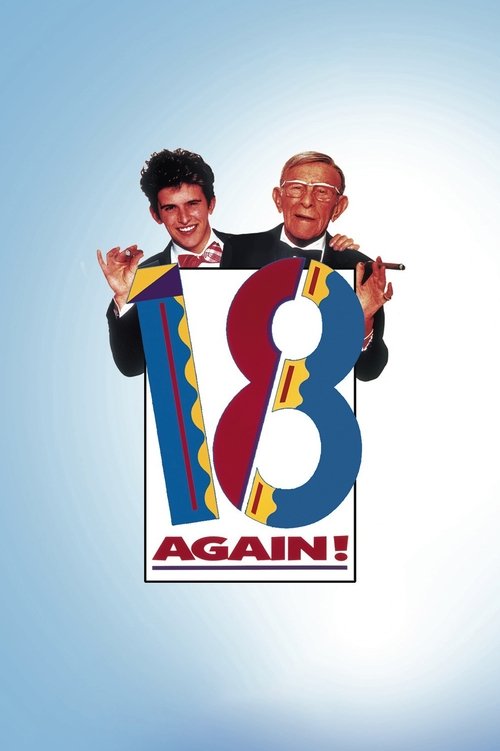
18 Again!
198881-year-old millionaire Jack Watson switches bodies with his 18-year-old grandson David, leading the two to experience life on opposite ends of the age spectrum. But when David, trapped in Jack's aged body, ends up in a coma, his grandfather must use his meager knowledge of the youth to prevent his family from pulling the plug.
In this body-swap caper, the octogenarian star infuses a high-concept premise with genuine warmth and an infectious, youthful energy. It serves as a testament to his enduring charm and his unique ability to bridge the generational gap through pure screen presence.
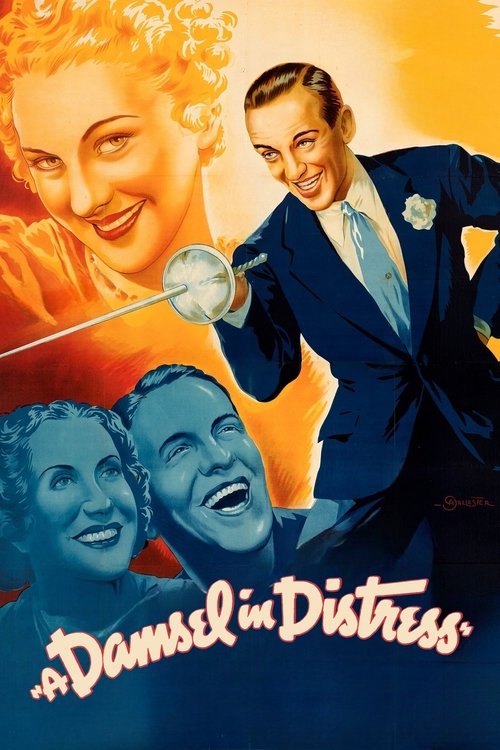
A Damsel in Distress
1937Lady Alyce Marshmorton must marry soon, and the staff of Tottney Castle have laid bets on who she'll choose, with young Albert wagering on 'Mr. X'. After Alyce goes to London to meet a beau she is restricted to the castle to curb her scandalous behavior. Albert then summons Jerry to Alyce's aid in order to 'protect his investment'.
Paired with Gracie Allen, Burns displays the intricate rhythmic precision of their legendary partnership amidst the gold standard of RKO musicals. Even without his later elder-statesman status, his youthful agility and synchronized comedic footwork are nothing short of kinetic.
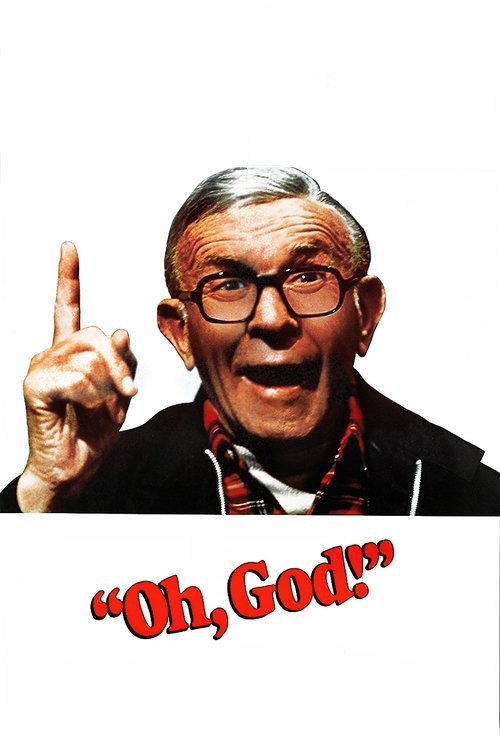
Oh, God!
1977When God appears to an assistant grocery manager as a good natured old man, the Almighty selects him as his messenger for the modern world.
By stripping away the celestial grandeur usually associated with the divine, Burns offers a brilliantly nonchalant performance that relies entirely on his signature wit. This role transformed him into a definitive pop-culture icon, proving that his deadpan delivery was truly transcendent.
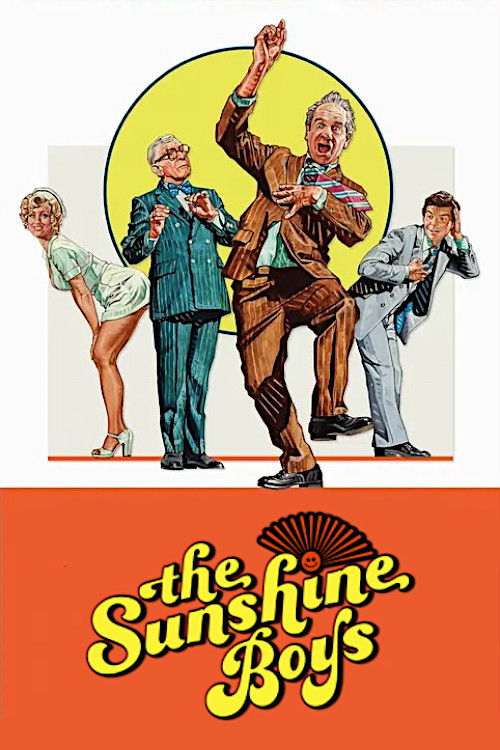
The Sunshine Boys
1975Lewis and Clark, aka The Sunshine Boys, were famous comedians during the vaudeville era, but off-stage they couldn't stand each other and haven't spoken in over 20 years of retirement. Willy Clark's nephew is the producer of a TV variety show that wants to feature a reunion of this classic duo. It is up to him to try to get the Sunshine Boys back together again.
Returning to the screen after a thirty-year hiatus, Burns weaponizes his vaudevillian timing to create a masterclass in comic friction. His Academy Award-winning turn as Al Lewis revitalized his legacy and redefined the 'grumpy old man' archetype for a new generation.
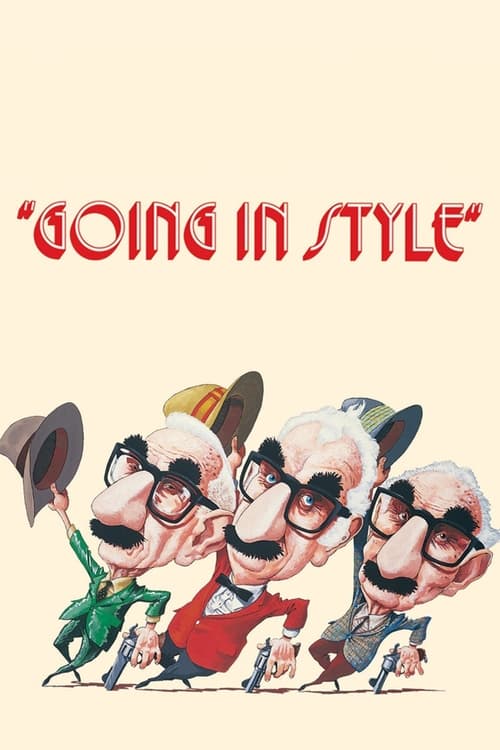
Going in Style
1979Three kindly old men decide to light up the dimming twilight of their lives with a last blaze of glory – by sticking up a Manhattan bank in broad daylight.
Burns crafts a portrait of geriatric defiance that eschews cheap sentimentality for a gritty, understated realism. This late-career triumph proved he could anchor a serious character study with more than just a dry quip and a puff of smoke.
Frequently Asked Questions
Everything you need to know about this list and SnakeDrafts
- George Burns's Oscar-winning comeback was solidified by his performance in "The Sunshine Boys" (1975), where his portrayal of one half of a veteran vaudeville duo earned critical acclaim and revived his film career.
- In "Oh, God!" (1977), George Burns took on the unique role of God himself, blending his characteristic dry humor with a warm, approachable persona, marking a distinct shift from his earlier slapstick and vaudeville-inspired roles.
- In "A Damsel in Distress" (1937), George Burns showcased his early career charm in a musical comedy setting, which contrasts with the more mature, reflective roles he played in later films like "18 Again!" and "Going in Style."
- A recurring theme in George Burns's films, such as "Going in Style" and "18 Again!", is aging and reinvention, where Burns embraces his advanced age with humor and vitality, ultimately portraying older characters who remain sharp, witty, and full of life.
- Films like "Going in Style" and "Just You and Me, Kid" highlight George Burns's ability to create chemistry with younger co-stars, blending generational perspectives and comedic styles to appeal to diverse audiences.
- George Burns’s roles in fantasy-comedies like "Oh, God!" and its sequel "Oh, God! You Devil" showcase his skill in merging supernatural elements with his trademark wit, providing audiences with both philosophical insights and laughs.
- In early films like "International House" and "College Swing," George Burns exhibited his vaudeville-influenced comedic timing and charm, often delivering sharp one-liners and engaging in musical comedy sequences that laid the groundwork for his later cinematic success.
- George Burns's ever-present cigar became an iconic part of his screen persona, symbolizing his laid-back, witty character in films like "The Sunshine Boys" and "Going in Style," and it helped establish his unique brand of comedy that resonated with audiences across generations.