Best Hayao Miyazaki Films of All Time
Unveiling the Timeless Wonders of Studio Ghibli
Explore the definitive ranking of Hayao Miyazaki's legendary animated masterpieces, from Academy Award winners to cherished cinematic classics.
About Hayao Miyazaki

In the quiet corners of Tokyo's Mitaka neighborhood, an elderly man in a white apron spends his days hunched over a desk, sketching the boundaries of the human imagination with a soft pencil. To call Hayao Miyazaki an animator is like calling a hurricane a light breeze. He is the preeminent architect of the modern dreamscape, a craftsman who stubbornly clings to the tactile beauty of hand drawn frames in an era swallowed by digital artifice. His films do not merely tell stories; they invite audiences to inhabit living, breathing ecosystems where the wind has a voice and the shadows possess a soul.
The magic of his filmography lies in a profound respect for the intelligence of the viewer. He refuses to paint in the primary colors of hero and villain, preferring the complicated grays of the human heart. In Princess Mononoke, the conflict is not between good and evil but between a changing industry and a dying wilderness, with neither side emerging entirely righteous. This thematic maturity defines his legacy. Even in a seemingly whimsical tale like My Neighbor Totoro, the surface level cuteness of a forest spirit is grounded by the deep, resonant ache of two sisters coping with their mother's illness.
Visually, his work is obsessed with the mechanics of flight and the serenity of the mundane. Whether it is the clunky, steampunk elegance of Castle in the Sky or the soaring, fluid transformation of a dragon in Spirited Away, his frames vibrate with a tactile sense of physics. He captures the way water ripples and the specific weight of a kitchen knife slicing through a radish with the same reverence he gives to a wizard's crumbling palace. In his 2004 masterpiece Howl's Moving Castle, the titular structure is a chaotic, breathing pile of iron that feels more alive than any CGI creation could hope to be.
While modern cinema often fears silence, Miyazaki leans into it. He employs the Japanese concept of ma, or emptiness, allowing his characters to simply sit, breathe, and reflect between the beats of the plot. This stillness makes the world of Kiki's Delivery Service feel like a lived in Mediterranean dream and gives the environmental warnings of Nausicaä of the Valley of the Wind their haunting weight. He understands that for a fantasy to work, the audience must believe in its smallest details, from the sizzling bacon in a skillet to the way a coat flares in a gust of mountain air.
Even as he moved into the later stages of his career with the bittersweet The Wind Rises and the surreal, introspective The Boy and the Heron, his obsession with the intersection of beauty and tragedy remained sharp. He explores the burden of the creator and the fragility of peace with a mastery that has forever elevated animation to the highest tier of fine art. To watch a film like Porco Rosso or the vibrant, oceanic Ponyo is to see a world filtered through the eyes of a man who finds the miraculous in the ordinary. He has built a temple of wonder out of ink and watercolor, proving that the most moving stories are the ones that understand the gravity of both a falling leaf and a collapsing kingdom.
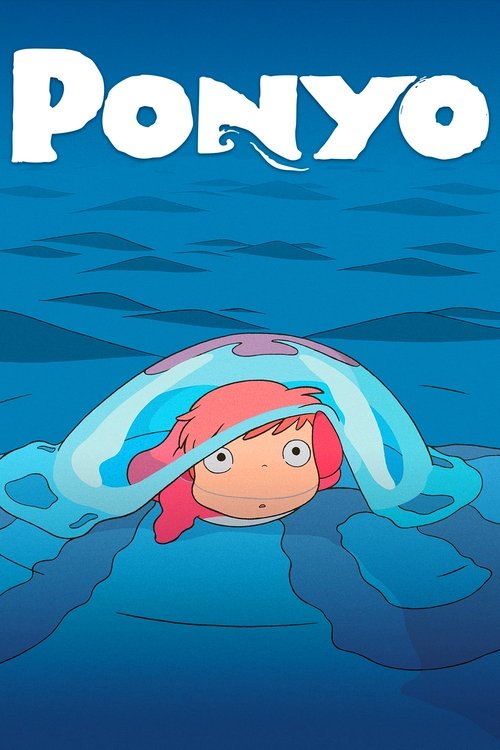
Ponyo
2008When Sosuke, a young boy who lives on a clifftop overlooking the sea, rescues a stranded goldfish named Ponyo, he discovers more than he bargained for. Ponyo is a curious, energetic young creature who yearns to be human, but even as she causes chaos around the house, her father, a powerful sorcerer, schemes to return Ponyo to the sea.
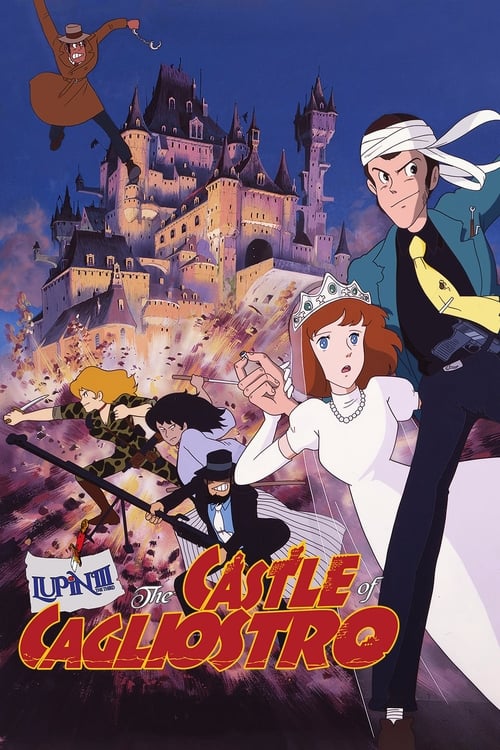
The Castle of Cagliostro
1979After a successful robbery leaves famed thief Lupin the Third and his partner Jigen with nothing but a large amount of expertly crafted counterfeit bills, he decides to track down the forgers responsible—and steal any other treasures he may find in the Castle of Cagliostro, including the 'damsel in distress' he finds imprisoned there.
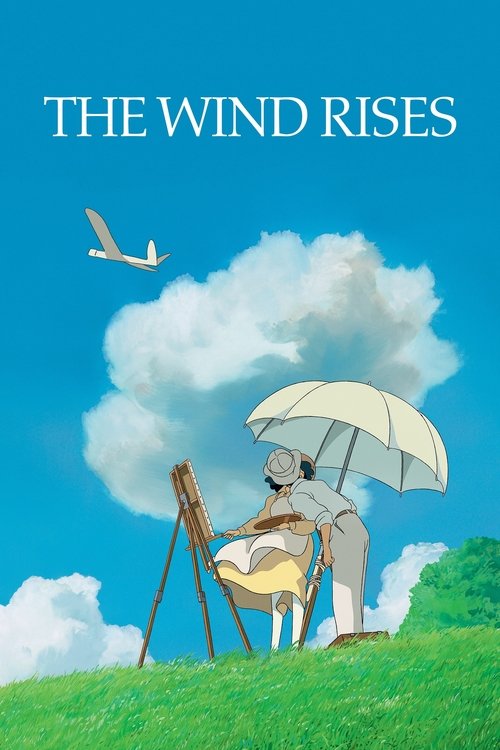
The Wind Rises
2013A lifelong love of flight inspires Japanese aviation engineer Jiro Horikoshi, whose storied career includes the creation of the A-6M World War II fighter plane.
This somber, technical elegy replaces fantasy with historical realism, grounding the director’s aerial dreams in the tragic soil of human conflict. It serves as a complex final word on the ethical cost of pursuing one's passion when that beauty is destined to be used for destruction.
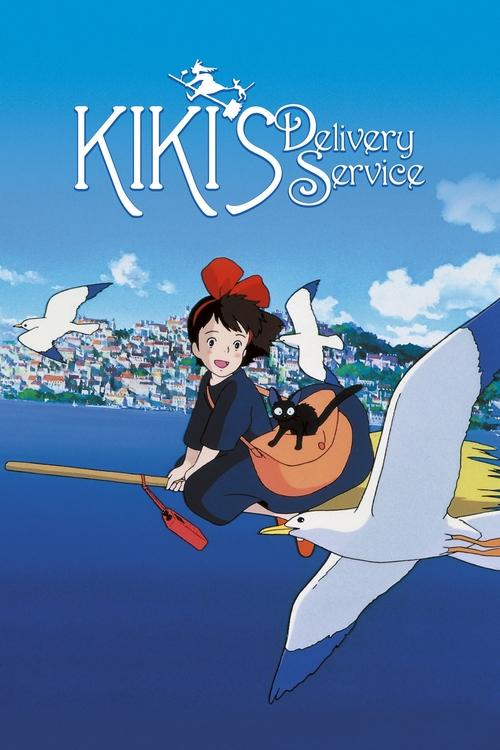
Kiki's Delivery Service
1989A young witch, on her mandatory year of independent life, finds fitting into a new community difficult while she supports herself by running an air courier service.
By meticulously animating the domestic struggles of a young girl in a foreign city, Miyazaki created an essential treatise on the vulnerability of creative independence. The film’s brilliance is found in its understated pacing and its honest portrayal of the burnout that often accompanies artistic growth.
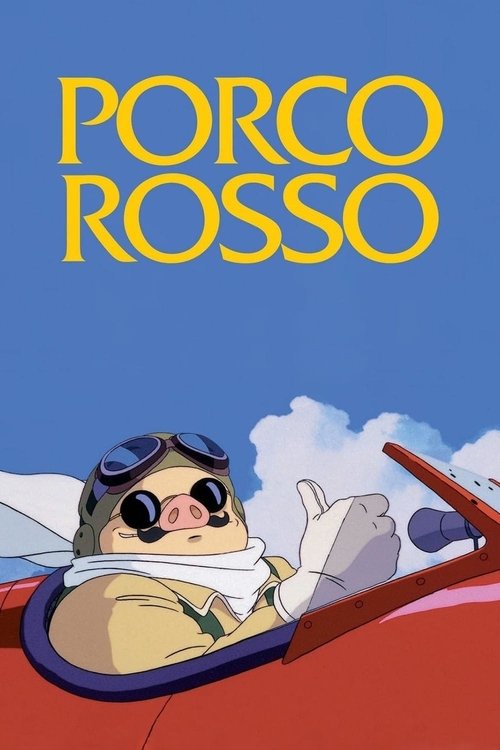
Porco Rosso
1992In Italy in the 1930s, sky pirates in biplanes terrorize wealthy cruise ships as they sail the Adriatic Sea. The only pilot brave enough to stop the scourge is the mysterious Porco Rosso, a former World War I flying ace who was somehow turned into a pig during the war. As he prepares to battle the pirate crew's American ace, Porco Rosso enlists the help of spunky girl mechanic Fio Piccolo and his longtime friend Madame Gina.
Beneath its eccentric premise lies a deeply sophisticated, adult-skewing tribute to the golden age of aviation and the disillusioned pride of the interwar years. This is Miyazaki at his most coolly nostalgic, balancing Adriatic sunlight with a sharp critique of rising fascism.
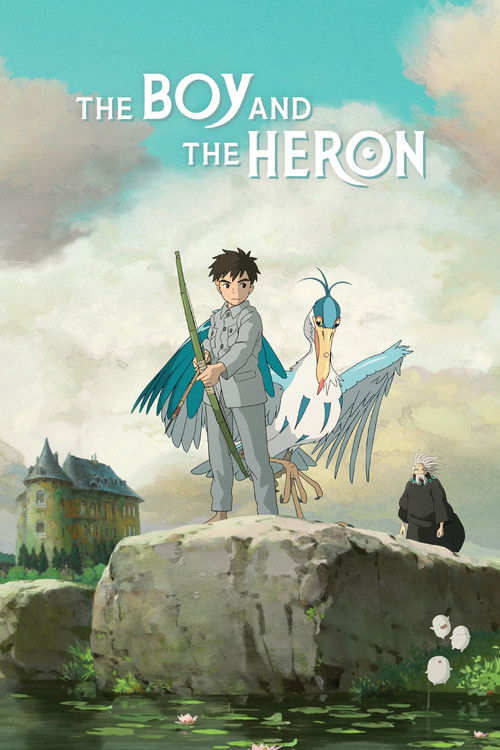
The Boy and the Heron
2023While the Second World War rages, the teenage Mahito, haunted by his mother's tragic death, is relocated from Tokyo to the serene rural home of his new stepmother Natsuko, a woman who bears a striking resemblance to the boy's mother. As he tries to adjust, this strange new world grows even stranger following the appearance of a persistent gray heron, who perplexes and bedevils Mahito, dubbing him the "long-awaited one."
In this late-career breakthrough, the director turns his gaze inward to create a meta-textual exploration of his own creative mortality and the burden of legacy. The film’s fractured, dream-like structure suggests a master craftsman finally comfortable with leaving his mysteries unsolved.
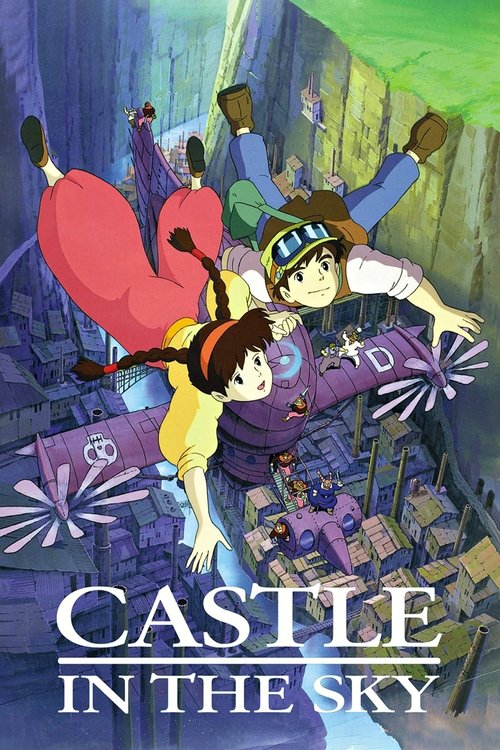
Castle in the Sky
1986A young boy and a girl with a magic crystal must race against pirates and foreign agents in a search for a legendary floating castle.
The pure distillation of Miyazaki’s lifelong fascination with flight, this adventure reaches heights of kinetic energy that modern digital cinema struggles to replicate. It functions as a perfect marriage of high-stakes pursuit and the melancholic beauty of lost civilizations.
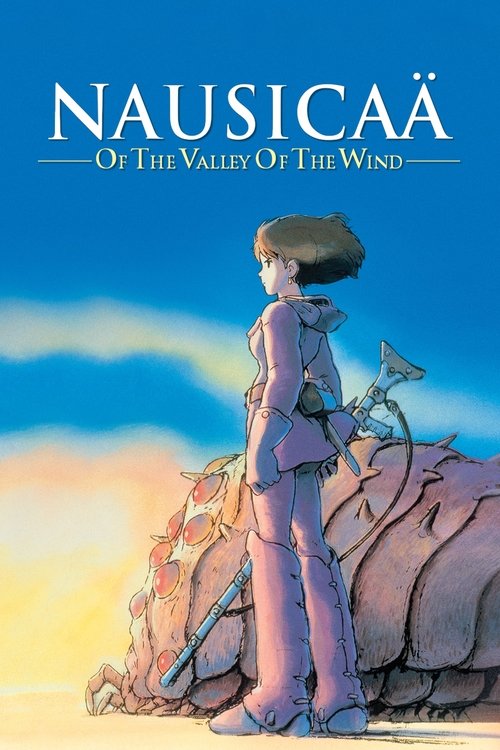
Nausicaä of the Valley of the Wind
1984After a global war, the seaside kingdom known as the Valley of the Wind remains one of the last strongholds on Earth untouched by a poisonous jungle and the powerful insects that guard it. Led by the courageous Princess Nausicaä, the people of the Valley engage in an epic struggle to restore the bond between humanity and Earth.
As the blueprint for Ghibli’s recurring environmental obsessions, this film established the director as a singular voice in philosophical science fiction. Its visionary world-building and messianic weight proved that animation could tackle complex geopolitical and biological anxieties with intellectual rigor.
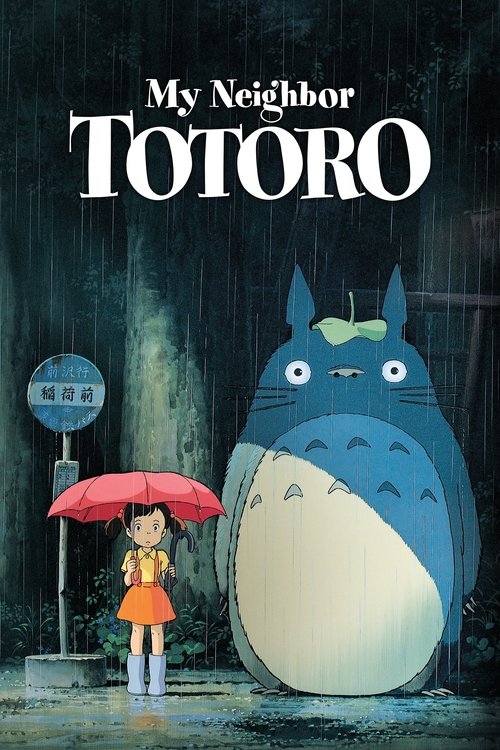
My Neighbor Totoro
1988Two sisters move to the country with their father in order to be closer to their hospitalized mother, and discover the surrounding trees are inhabited by Totoros, magical spirits of the forest. When the youngest runs away from home, the older sister seeks help from the spirits to find her.
This quiet revolution in storytelling prioritizes the texture of a summer afternoon over traditional conflict, cementing the director’s status as a poet of the mundane. Its legacy lies in the profound ability to evoke the heavy, humid atmosphere of childhood wonder without a hint of sentimentality.
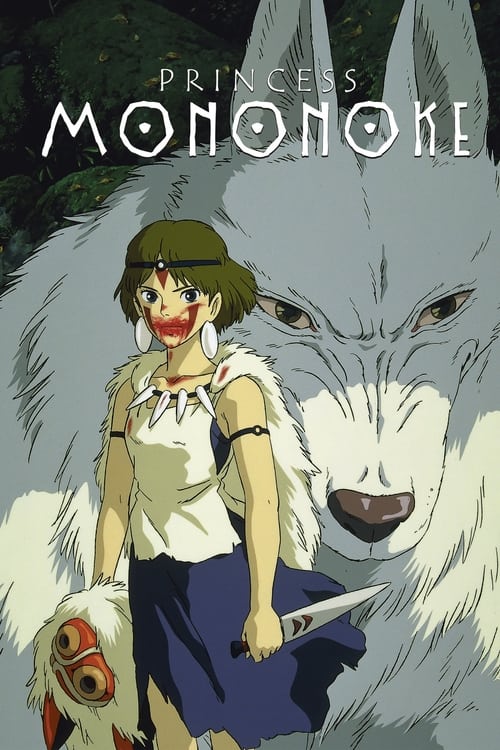
Ashitaka, a prince of the disappearing Emishi people, is cursed by a demonized boar god and must journey to the west to find a cure. Along the way, he encounters San, a young human woman fighting to protect the forest, and Lady Eboshi, who is trying to destroy it. Ashitaka must find a way to bring balance to this conflict.
Discarding the whimsy of earlier efforts for a visceral, blood-soaked ecological epic, this work redefines the historical fantasy genre through its refusal of easy moral binaries. It remains his most unflinching meditation on the violent collision between industrial progress and the sacred natural world.
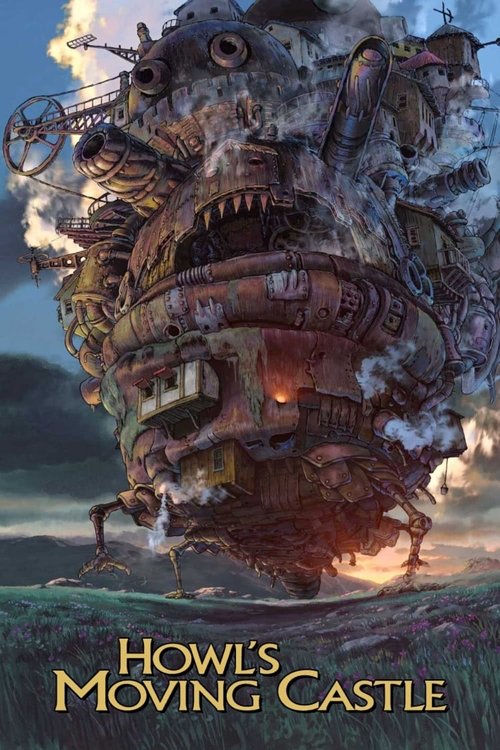
Howl's Moving Castle
2004Sophie, a young milliner, is turned into an elderly woman by a witch who enters her shop and curses her. She encounters a wizard named Howl and gets caught up in his resistance to fighting for the king.
Miyazaki’s anti-war sentiment finds its most opulent expression in this steampunk fever dream where architecture becomes a living, breathing character. The film serves as a masterpiece of chaotic imagination, proving that his mastery of internal logic can thrive even amidst a narrative of radical fluidness.
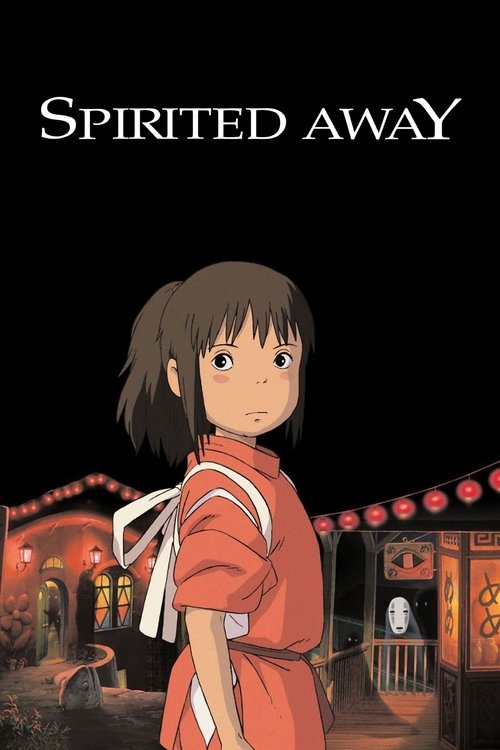
Spirited Away
2001A young girl, Chihiro, becomes trapped in a strange new world of spirits. When her parents undergo a mysterious transformation, she must call upon the courage she never knew she had to free her family.
A peerless pinnacle of hand-drawn surrealism, this film captures the threshold between childhood and the infinite unknown with unmatched visual density. It stands as Miyazaki's definitive statement on the transformative power of labor and identity within a world of shifting spirits.
Frequently Asked Questions
Everything you need to know about this list and SnakeDrafts
- Miyazaki's films often explore themes of environmentalism, the innocence of childhood, and the conflict between technology and nature, as seen in movies like Princess Mononoke and Nausicaä of the Valley of the Wind. These themes are woven with fantasy elements, creating rich, imaginative worlds that resonate with audiences of all ages.
- Spirited Away won the Academy Award for Best Animated Feature and is widely regarded as one of Miyazaki's masterpieces. Its unique blend of fantasy and family themes helped catapult it to global acclaim.
- Miyazaki's dedication to hand-drawn animation creates a tactile, lush aesthetic that enhances the storytelling in films like My Neighbor Totoro and Howl's Moving Castle. This technique preserves intricate details and vibrant landscapes that digital animation often lacks.
- Miyazaki's films appeal broadly but are especially cherished by families and fans of fantasy. Movies like Kiki's Delivery Service and Ponyo offer heartfelt narratives suited for children, while also providing deeper themes appreciated by adult viewers.
- The Boy and the Heron is one of Miyazaki's latest feature films, continuing his legacy for creating enchanting fantasy adventures with emotional depth. It broadens his exploration of family dynamics and personal growth, echoing the narrative richness found in his classic works.
- Films like Nausicaä of the Valley of the Wind and Kiki's Delivery Service showcase strong female leads who embody courage and resilience. These characters drive the plot forward and challenge traditional gender roles, inspiring audiences with their independence and determination.
- Nature is a central motif, depicted not only as a beautiful backdrop but as a vital, living force that influences the story and characters, especially in Princess Mononoke and Nausicaä of the Valley of the Wind. Miyazaki uses nature to comment on environmental preservation and humanity's relationship with the earth.