Best Crime Movies of 1970, Ranked
Classic Noir and Grit from the Dawn of the Seventies
Explore the best crime cinema and neo-noir thrillers released throughout the year. From heist masterpieces to gritty dramas and cult detective stories.
About 1970 Crime Movies
The year 1970 sits at a fascinating crossroads in cinema history. The studio system was crumbling, the Hays Code was a memory, and a new breed of filmmakers was beginning to scrub the glamour off the silver screen. If the 1960s were about the romanticized rebellion of outlaws, 1970 was the year the hangover set in. The crime genre transitioned from the choreographed heist to the gritty, sweat-stained reality of the streets, reflecting a world weary of conflict and cynical toward authority.
Dominating this landscape was Jean-Pierre Melville, the master of the French polar. His 1970 masterpiece, Le Cercle Rouge, remains one of the most clinical and cool depictions of professional thievery ever filmed. Melville stripped away the melodrama, focusing instead on the silent, almost spiritual dedication of men on opposite sides of the law. Alain Delon, sporting a mustache that seemed to weigh down his entire face, personified this era of the laconic criminal. The film proved that the crime genre did not need frantic editing or explosions to be gripping. It needed atmosphere, patience, and the tragic inevitability of fate.
Across the Atlantic, the American crime film was becoming increasingly obsessed with the mechanics of the police force and the decay of the city. While the flashier era of the New Hollywood mavericks was just around the corner, 1970 gave us The Honeymoon Killers. Shot in stark black and white, it felt more like a documentary or a police report than a Hollywood production. It was ugly, uncomfortable, and visceral. It signaled a shift away from the gentleman thief toward the pathology of the criminal mind. This was not about the thrill of the chase, but the horror of the deed.
We also saw the rise of the international crime epic with Borsalino. Pairing icons Alain Delon and Jean-Paul Belmondo, it leaned into a certain nostalgia for the 1930s gangster aesthetic while maintaining a modern, ruthless edge. It was a massive commercial success that proved audiences still had an appetite for the myths of organized crime, provided they were delivered with enough charisma and style.
However, perhaps the most significant tonal shift occurred in the way movies began to treat the urban environment. Films like Cotton Comes to Harlem brought the crime genre into the streets of New York with a vibrancy and a sense of humor that broke away from traditional noir tropes. This helped lay the groundwork for the explosion of urban action cinema that would define the rest of the decade.
By the end of 1970, the genre had been dismantled and rebuilt. The line between the hero and the villain had blurred into a muddy grey. These films stopped promising that justice would always prevail and instead suggested that survival was the only real victory. Whether it was the quiet precision of a French jewel heist or the desperate violence of an American boardwalk, crime movies in 1970 were no longer just about breaking the law. They were about the heavy price of living outside of it. It was a year of transition that prepared us for the darker, more paranoid masterpieces of the seventies.
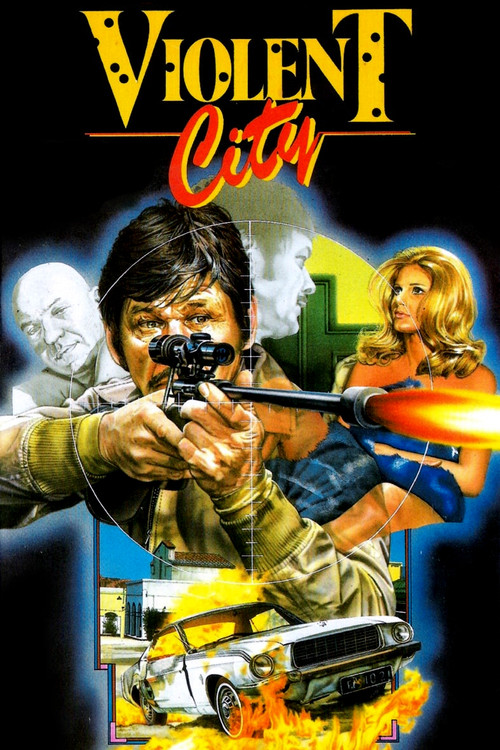
Violent City
1970A hitman is double-crossed by his girlfriend and barely escapes a murder attempt. He then sets out to take his revenge on the woman and the gang boss who put her up to it.
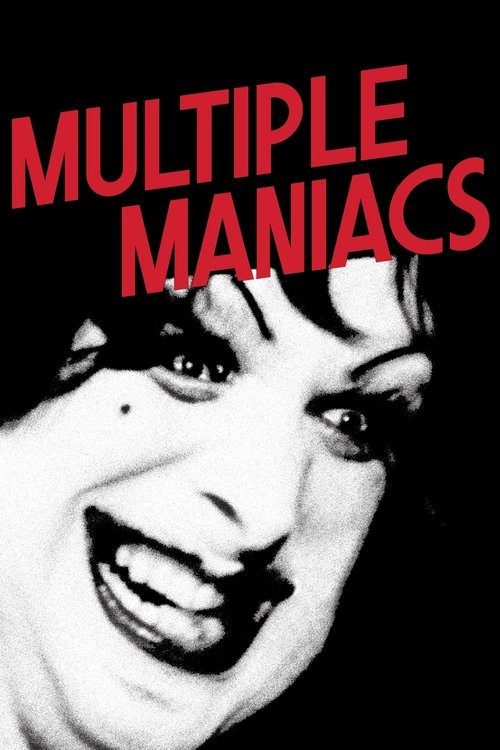
Multiple Maniacs
1970The Cavalcade of Perversion, a traveling freak show, acts as a front for Divine, who is out for blood after discovering her lover's affair.
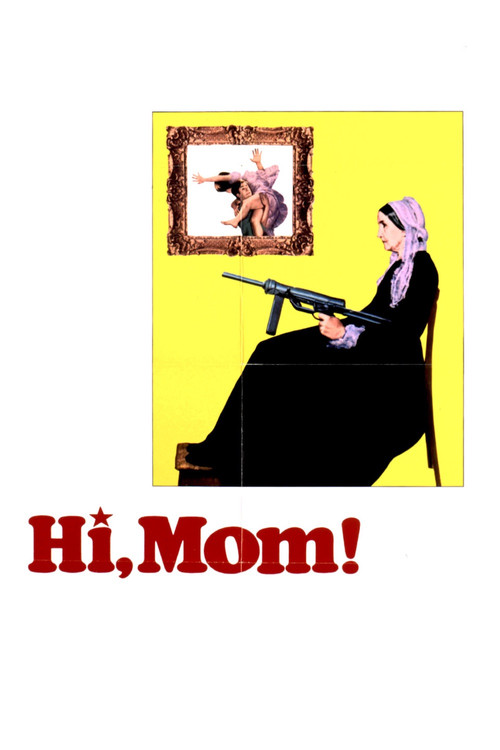
Hi, Mom!
1970Vietnam vet Jon Rubin returns to New York and rents a rundown flat in Greenwich Village. It is in this flat that he begins to film, 'Peeping Tom' style, the people in the apartment across the street. His obsession with making films leads him to fall in with a radical 'Black Power' group, which in turn leads him to carry out a bizarre act of urban terrorism.
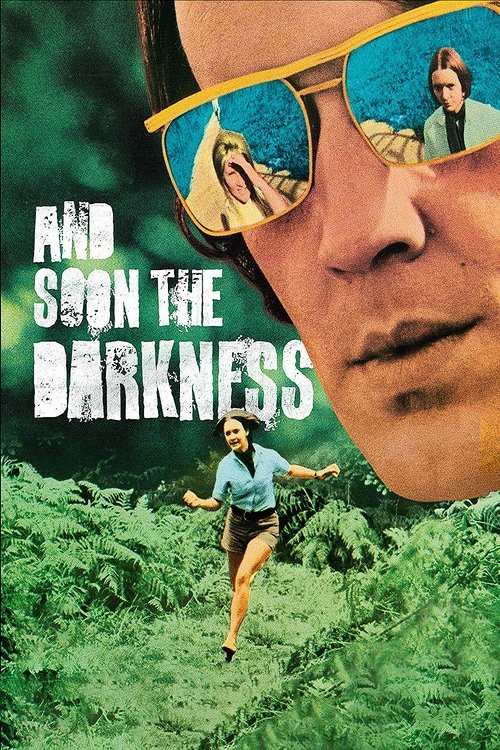
And Soon the Darkness
1970Two young English women go on a cycling tour of the French countryside. When one of them goes missing, the other begins to search for her. But who can she trust?
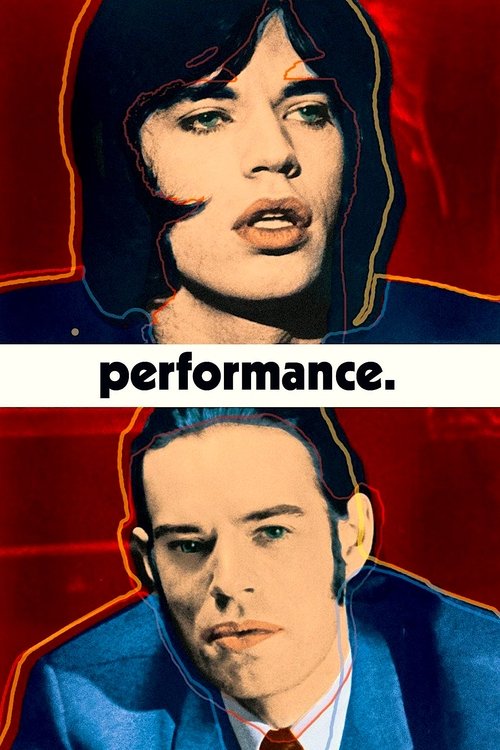
Performance
1970In underworld terms, Chas Devlin is a 'performer,' a gangster with a talent for violence and intimidation. Turner is a reclusive rock superstar. When Chas and Turner meet, their worlds collide—and the impact is both exotic and explosive.
A hallucinogenic collision of gangster violence and rock decadence, this film serves as a jagged epitaph for the sixties. Its fragmented editing and disorienting power dynamics create a transgressive experience that completely redefines the boundaries of the crime genre.
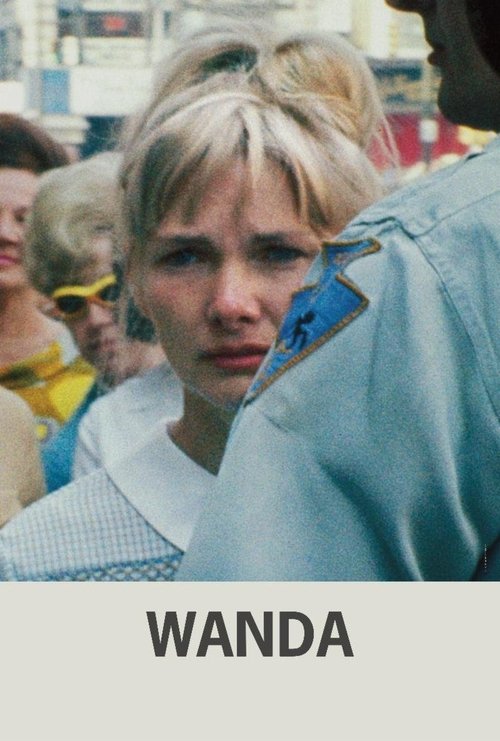
Wanda
1970After a string of abusive relationships, Wanda abandons her family and seeks solace in the company of a petty criminal.
Barbara Loden delivers a devastating portrait of an accidental outlaw drifting through the bleak landscapes of American poverty. This seminal work of independent cinema rejects all genre tropes to present a raw, unvarnished look at the desperation that fuels a life of crime.
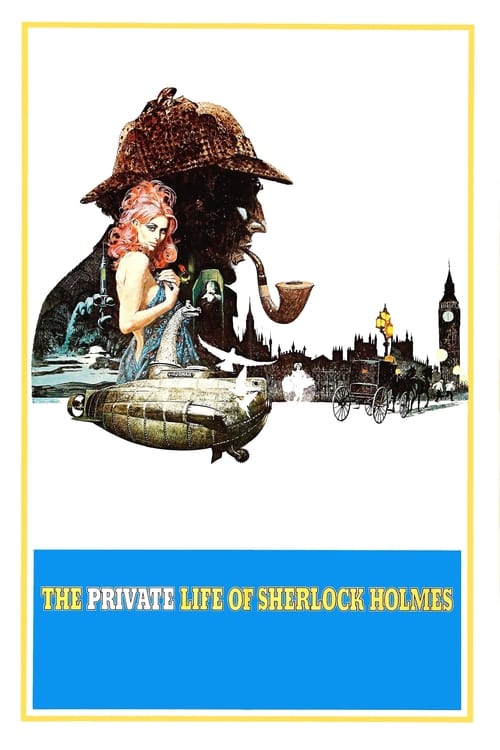
The Private Life of Sherlock Holmes
1970When a bored Sherlock eagerly takes the case of Gabrielle Valladon following an attempt on her life, the search for her missing husband leads to Loch Ness and the legendary monster.
Billy Wilder deconstructs the legendary detective with a sophisticated blend of melancholy and wit, revealing the vulnerability beneath the brilliant mind. This is a subversive, sumptuously designed mystery that finds its greatest thrills in psychological depth rather than the solution to the crime.
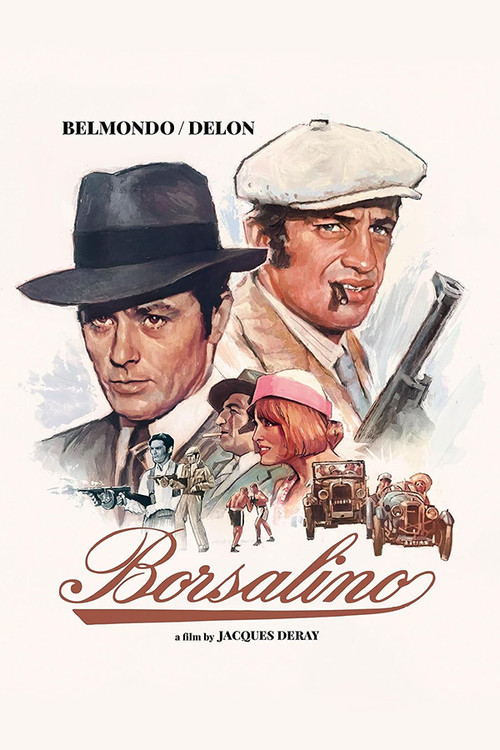
Borsalino
1970In 1930s Marseilles two small-time crooks decide to join forces when they meet while brawling over a woman. Starting with fixed horse races and boxing matches, they soon find themselves doing jobs for the local gangster bosses. When they decide to go into the business for themselves, their easy-going approach to crime starts to change.
The combined star power of Delon and Belmondo fuels this opulent, nostalgic tribute to the golden age of gangster cinema. It is a stylish, impeccably tailored period piece that prioritizes charismatic bravado and the romanticism of the criminal underworld.
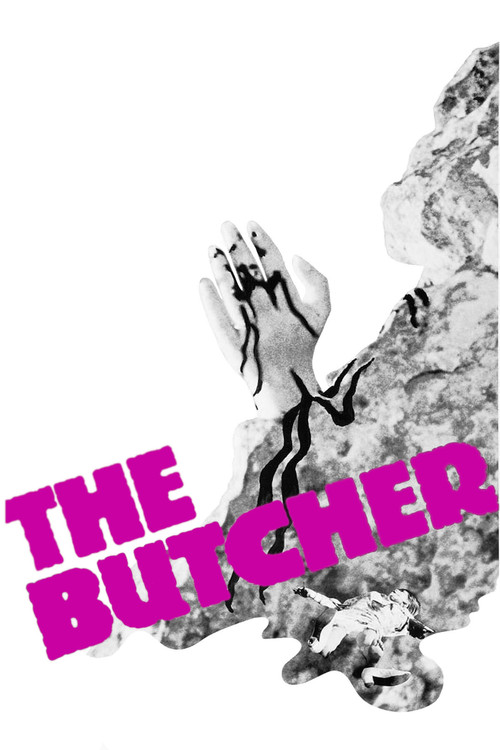
The Butcher
1970An unlikely friendship between a dour, working class butcher and a repressed schoolteacher coincides with a grisly series of Ripper-type murders in a provincial French town.
Claude Chabrol weaponizes the suspense of the everyday, crafting a chilling thriller hidden behind the facade of provincial respectability. The film is a surgical examination of the thin line between civility and primal violence, anchored by chillingly understated performances.
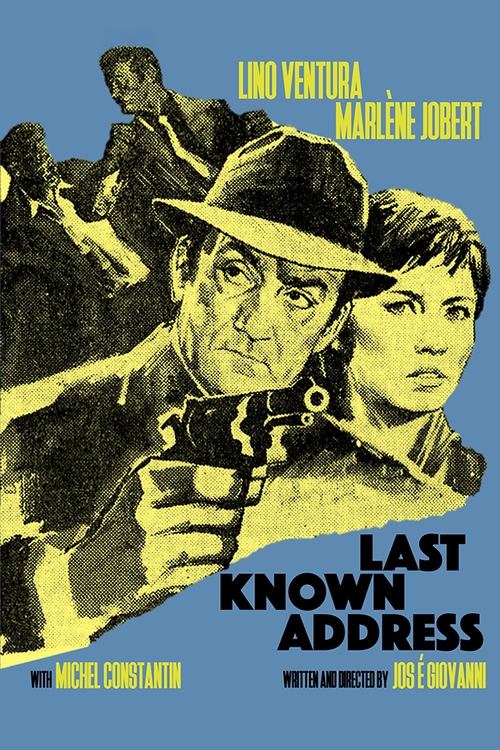
Last Known Address
1970Marceau Léonetti, a competent and energetic officer stops by chance the son of an influential lawyer driving under the influence of alcohol. A few months later, the lawyer falsely accuses Léonetti as being violent and incompetent. As a result Marceau is transferred to a small police station, where he meets young and beautiful Jeanne. Soon they are faced with a tough investigation.
This French neo-noir thrives on its somber, procedural realism and the palpable chemistry of its disillusioned protagonists. It stands out for its melancholic tone and a meticulous script that treats investigation as a grueling, soul-sapping grind rather than a heroic adventure.
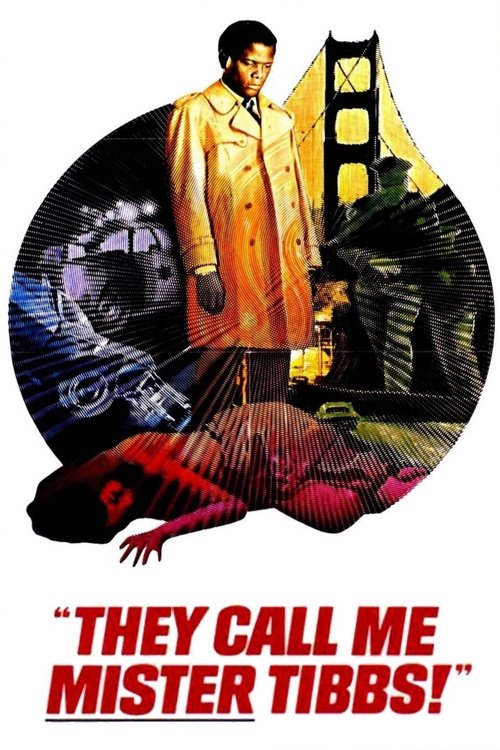
They Call Me Mister Tibbs!
1970A police detective's investigation of a prostitute's murder points to his best friend.
Sidney Poitier brings a seasoned, weary gravity to this stylized sequel, trading the racial tensions of the South for the murky urban politics of San Francisco. The film excels as a rhythmic, jazz-infused character study that prioritizes methodical detective work over explosive spectacle.
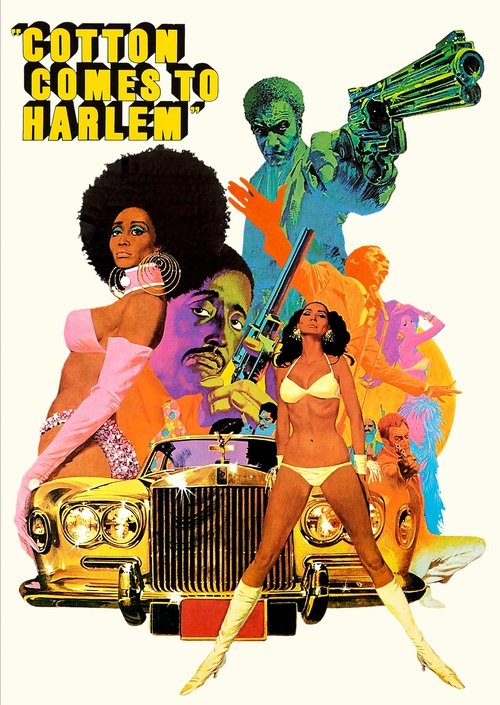
Cotton Comes to Harlem
1970Harlem's African-American population is being ripped off by the Rev. Deke O'Malley, who dishonestly claims that small donations will secure parcels of land in Africa. When New York City police officers Gravedigger Jones and Coffin Ed Johnson look into O'Malley's scam, they learn that the cash is being smuggled inside a bale of cotton. However, the police, O'Malley, and lots of others find themselves scrambling when the money goes missing.
Ossie Davis injects the police procedural with a vibrant, soulful energy that effectively captures the kinetic chaos of Harlem street life. It is a landmark of the era that balances sharp social commentary with a robust, irreverent sense of humor.
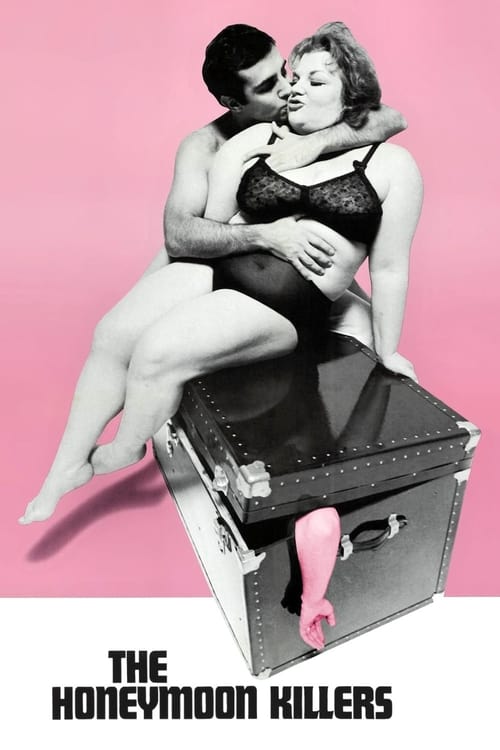
The Honeymoon Killers
1970Martha Beck, an obese nurse who is desperately lonely, joins a "correspondence club" and finds a romantic pen pal in Ray Fernandez. Martha falls hard for Ray, and is intent on sticking with him even when she discovers he's a con man who seduces lonely single women, kills them and then takes their money. She poses as Ray's sister and joins Ray on a wild killing spree, fueled by her lingering concern that Ray will leave her for one of his marks.
Gritty, repulsive, and hauntingly intimate, this low-budget masterpiece eschews Hollywood glamour for a suffocatingly realistic dip into the banality of evil. Its stark black and white cinematography and raw performances create a uniquely uncomfortable atmosphere that lingers long after the final frame.
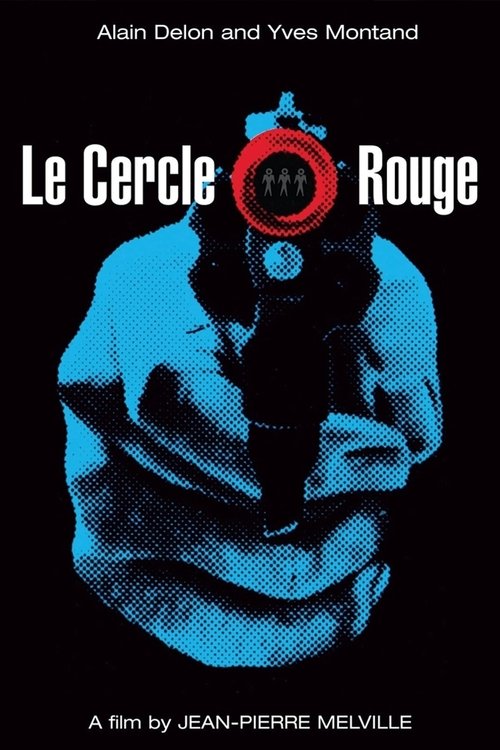
Le Cercle Rouge
1970When French criminal Corey gets released from prison, he resolves to never return. He is quickly pulled back into the underworld, however, after a chance encounter with escaped murderer Vogel. Along with former policeman and current alcoholic Jansen, they plot an intricate jewel heist. All the while, quirky Police Commissioner Mattei, who was the one to lose custody of Vogel, is determined to find him.
Jean-Pierre Melville reaches the zenith of his cool, minimalist aesthetic with this masterclass in silent tension and fatalistic precision. Its centerpiece heist remains a staggering achievement in visual storytelling, stripping the genre down to its purest, wordless mechanics.
Frequently Asked Questions
Everything you need to know about this list and SnakeDrafts
- The crime movies of 1970 reflect a shift from romanticized outlaws to gritty, realistic portrayals of crime. Films like 'Le Cercle Rouge' and 'The Honeymoon Killers' emphasize the harsh realities of crime rather than stylized heists, mirroring a more cynical societal attitude toward authority.
- 'Cotton Comes to Harlem' skillfully blends action, comedy, and crime, standing out as a unique entry in the year. Its clever script and dynamic characters bring humor to the gritty crime genre, offering a refreshing take among the more serious thrillers of the era.
- Neo-noir is evident in movies like 'Le Cercle Rouge' and 'The Butcher,' with their moody atmospheres, morally ambiguous characters, and complex narratives. These films use shadowy cinematography and intricate plotting to exemplify the dark tone and existential themes characteristic of neo-noir.
- 'The Private Life of Sherlock Holmes' offers a unique blend of mystery, adventure, crime, and comedy, deviating from traditional crime dramas. Its innovative take on the iconic detective story enriches the genre, blending humor with a cerebral crime mystery that stands out among 1970 releases.
- Yes, 'Wanda,' directed by Barbara Loden, is a significant female-directed crime drama from 1970. It provides a deeply personal and feminist perspective on crime and alienation, distinct from the male-dominated narratives of the time, highlighting vulnerability and societal marginalization.
- Violence in 1970 crime movies like 'The Honeymoon Killers' and 'Violent City' is portrayed in a raw, unglamorous fashion, reflecting a shift toward realism. This approach underscores the grim consequences of crime, avoiding romanticization and aligning with the era’s more brutal cinematic tone.
- 1970 crime films often mirrored societal disillusionment and mistrust toward institutions, as seen in the bleak and cynical narratives of movies like 'Performance' and 'The Butcher.' The genre captured the decade’s unrest and the fading ideals of the 1960s through complex characters grappling with moral ambiguity.