Best Action Movies of 1971, Ranked
Gritty Car Chases and Iconic Tough Guys of Cinema
Discover the best action gems of the year, including gritty crime thrillers, martial arts classics, and legendary high-speed car chases.
About 1971 Action Movies
If you want to find the exact moment when the action movie traded its white hat for a shoulder holster and a cynical sneer, you have to look at 1971. It was a year that functioned like a controlled explosion, leveling the crumbling remains of the old Hollywood studio system and clearing space for something much grittier, faster, and more morally ambiguous. Before this period, action was often synonymous with the epic western or the swashbuckler. After 1971, the genre belonged to the city streets, the roaring engine, and the anti-hero who didn't mind getting blood on his badge.
The landmark moment arrived with William Friedkin and his masterpiece, The French Connection. It is difficult to overstate how much this film shifted the visual language of the genre. By ditching the glossy studio sets for the grey, freezing reality of New York City, Friedkin turned a drug bust into something that felt like a documentary captured in the middle of a riot. The centerpiece, of course, was the car chase. Gene Hackman’s Popeye Doyle racing a subway train beneath the elevated tracks remains the gold standard for visceral, practical filmmaking. There were no digital safety nets back then. It was just raw speed, screeching rubber, and a camera that felt like it was strapped to a suicide mission.
While Doyle was tearing up Brooklyn, another iconic figure was being forged in San Francisco. Dirty Harry introduced the world to Harry Callahan, a character who redefined the cinematic cop for the next three decades. Clint Eastwood brought a cold, lethal minimalism to the role that stood in stark contrast to the chatty protagonists of the past. The film tapped into a growing national anxiety about crime and judicial bureaucracy, offering a fantasy of a man who simply pushed through the red tape with a .44 Magnum. It was provocative, controversial, and wildly successful, effectively launching the lone wolf archetype that would dominate the eighties.
Across the pond, the British were contributing their own brand of cold-blooded efficiency with Get Carter. Michael Caine shed his charming persona to play Jack Carter, a mob enforcer returning to a bleak, industrial Newcastle to avenge his brother. It is a lean, mean piece of work that lacks the romanticism often found in American gangster pictures. 1971 also saw the release of Shaft lead by Richard Roundtree, which proved that the action genre could be a site of immense cultural power and style. With its legendary Isaac Hayes score and cool-as-ice protagonist, Shaft helped kickstart the Blaxploitation boom, showing that there was a massive audience hungry for heroes who looked and moved differently than the old guard.
Even the world of martial arts was hitting a pivot point in 1971 with the release of The Big Boss, the film that turned Bruce Lee into a global phenomenon. While the American industry was focusing on urban grit, Lee was injecting a new level of physical mastery and kinetic energy into the genre from Hong Kong.
Looking back, 1971 feels like a collision of high art and low-down thrills. The movies were darker, the stakes felt more personal, and the heroes were increasingly difficult to root for by traditional standards. It was the year action grew up, got its hands dirty, and decided it didn't need a happy ending as long as the gunfights were loud and the engines were screaming.
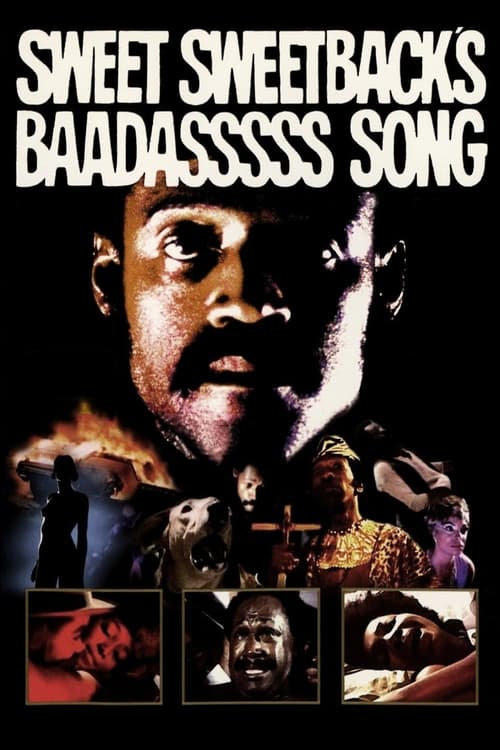
Sweet Sweetback's Baadasssss Song
1971After saving a Black Panther from some racist cops, a black male prostitute goes on the run from "the man" with the help of the ghetto community and some disillusioned Hells Angels.
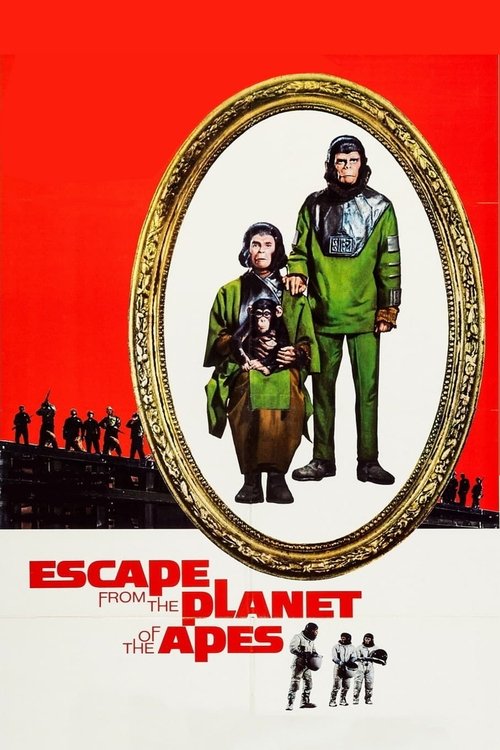
Escape from the Planet of the Apes
1971The world is shocked by the appearance of three talking chimpanzees, who arrived mysteriously in a spacecraft. Intrigued by their intelligence, humans use them for research - until the apes attempt to escape.
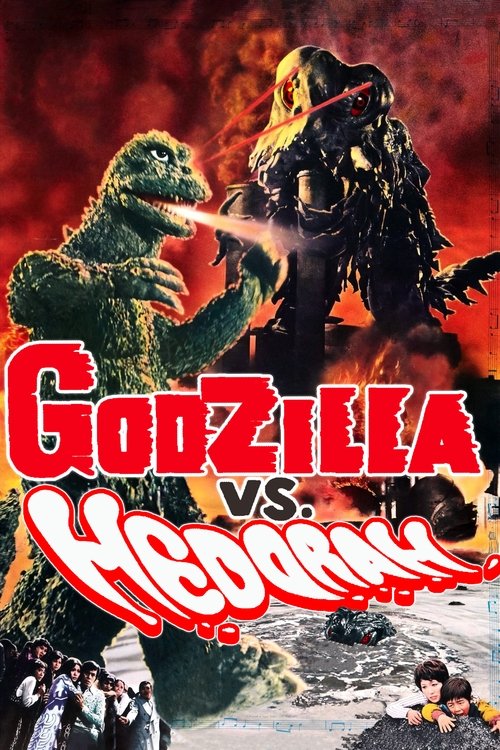
Godzilla vs. Hedorah
1971An ever evolving alien life-form arrives on a comet from the Dark Gaseous Nebula and proceeds to consume pollution. Spewing mists of sulfuric acid and corrosive sludge, neither humanity nor Godzilla may be able to defeat this toxic menace.
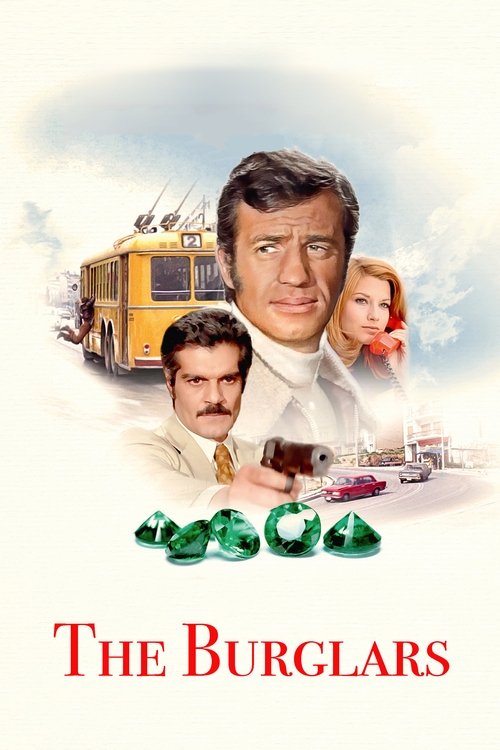
The Burglars
1971In Athens a collection of emeralds is successfully stolen by a team of robbers, led by safe-cracker Azad. Things go smoothly until they miss the ship by which they planned their escape; a police chief pursues Azad while he waits for the next ship to set off.
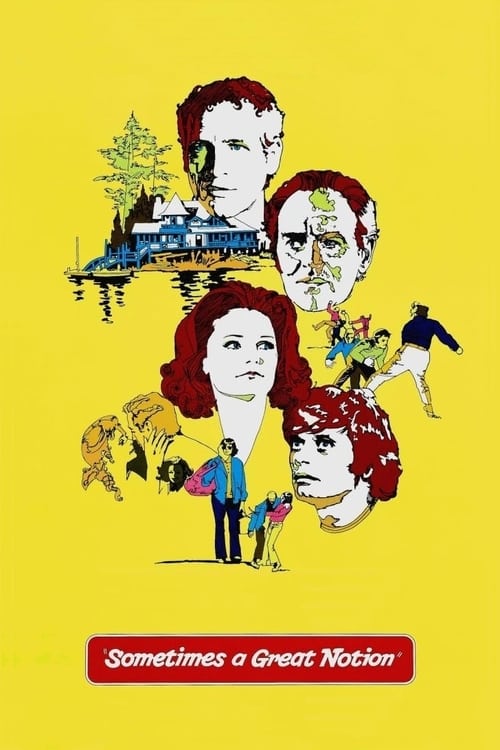
Sometimes a Great Notion
1971Hank Stamper and his father, Henry, own and operate the family business by cutting and shipping logs in Oregon. The town is furious when they continue working despite the town going broke and the other loggers go on strike ordering the Stampers to stop, however Hank continues to push his family on cutting more trees. Hank's wife wishes he would stop and hopes that they can spend more time together. When Hank's half brother Leland comes to work for them, more trouble starts.
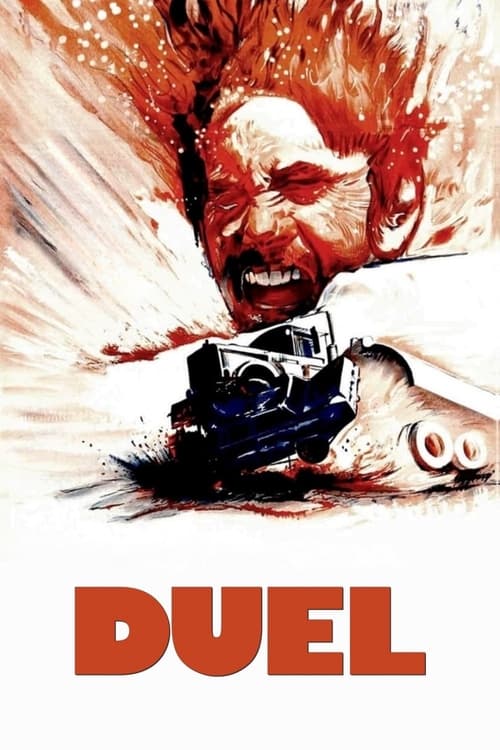
Duel
1971Traveling businessman David Mann angers the driver of a rusty tanker while crossing the California desert. A simple trip turns deadly, as Mann struggles to stay on the road while the tanker plays cat and mouse with his life.
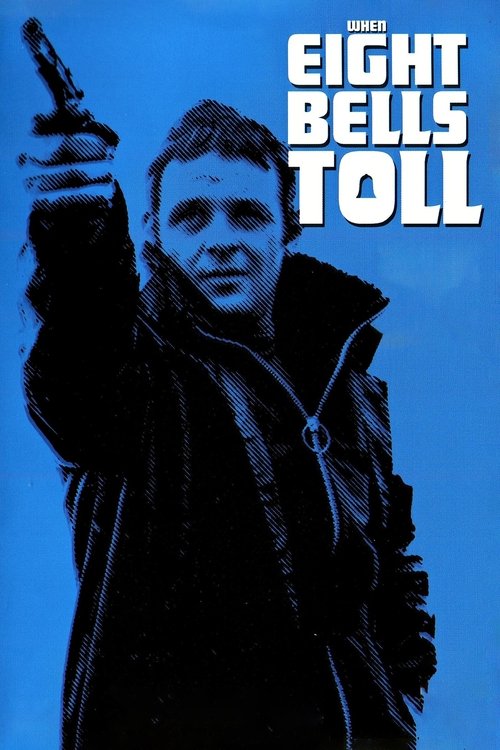
When Eight Bells Toll
1971Phillip Calvert is a British Treasury secret service agent assigned to stop the ruthless pirating of millions in gold bullion off the western coast of the Scottish highlands. His search takes him to the small port town of Torbay on the Isle of Torbay where numerous fishing boats, yachts and people have been mysteriously disappearing. A trail of deceit and subterfuge leads him to Cypriot tycoon and shipping magnate Sir Anthony Skouras and his beautiful wife, Charlotte aboard their luxury yacht anchored off the coast, who may hold the answers to the truth.
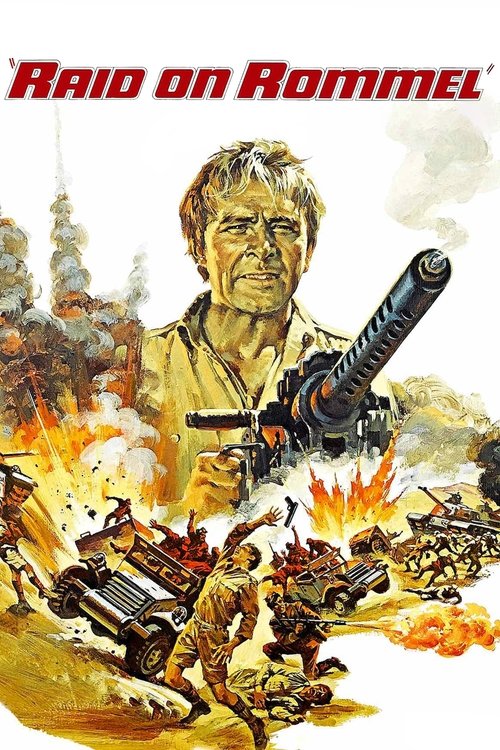
Raid on Rommel
1971Captain Foster plans on raiding German-occupied Tobruk with hand- picked commandos, but a mixup leaves him with a medical unit led by a Quaker conscientious objector.
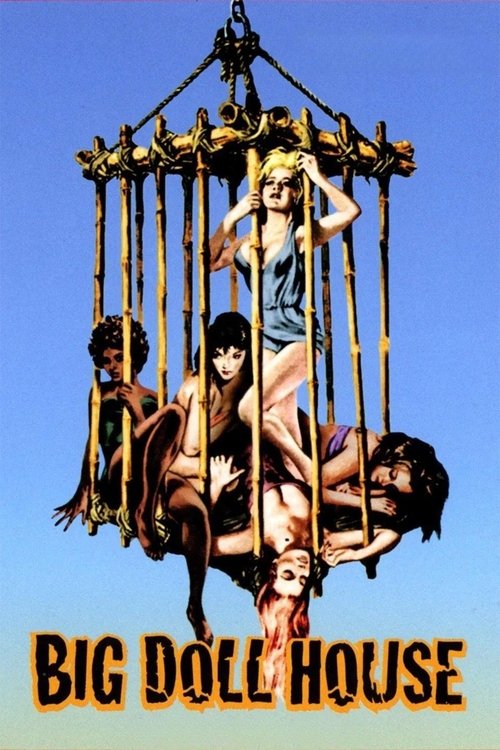
The Big Doll House
1971Female prisoners in a Philippine jail are being subjected to sadistic torture. Five of the women -- along with the help of two men -- plot an escape.
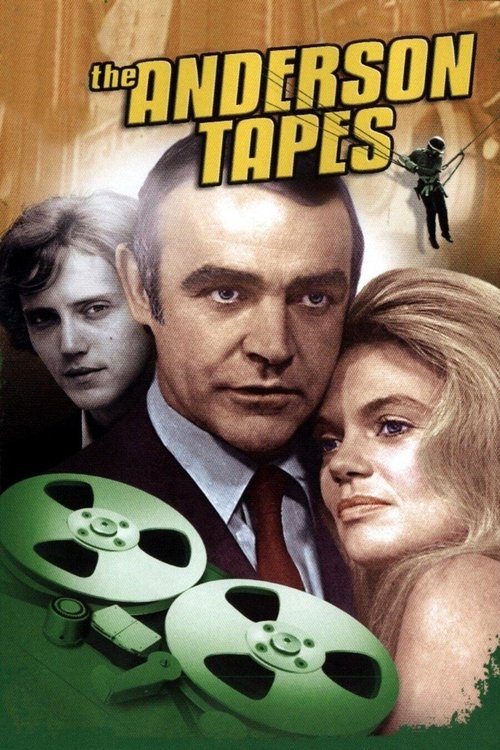
The Anderson Tapes
1971Thief Duke Anderson—just released from ten years in jail—takes up with his old girlfriend in her posh apartment block, and makes plans to rob the entire building. What he doesn't know is that his every move is being recorded on audio and video, although he is not the subject of any surveillance.
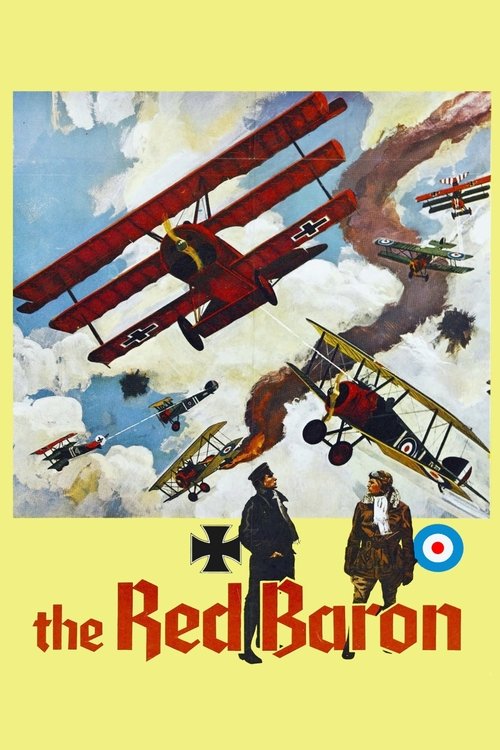
Von Richthofen and Brown
1971Spend time on both sides of World War I, partly with German flying ace Baron Manfred Von Richthofen (John Phillip Law), aka "The Red Baron," and his colorful "flying circus" of Fokker fighter planes, during the time from his arrival at the war front to his death in combat. On the other side is Roy Brown of the Royal Air Force, sometimes credited with shooting Richthofen down.
Roger Corman’s aerial epic eschews green-screen trickery for genuine, hair-raising dogfights that capture the lethal intimacy of Great War aviation. The film finds its power in the physical reality of vintage biplanes soaring through hazardous, unsimulated maneuvers.
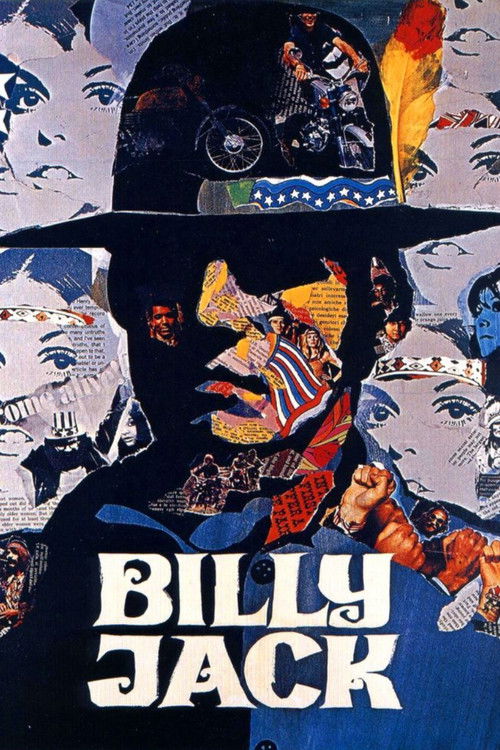
Billy Jack
1971Ex-Green Beret hapkido expert saves wild horses from being slaughtered for dog food and helps protect a desert "freedom school" for runaways.
This counterculture phenomenon blended social consciousness with Hapkido-driven retribution, finding an unlikely sweet spot between peaceful idealism and bone-breaking justice. Its righteous fury and indomitable spirit made it a defiant landmark of the independent action scene.
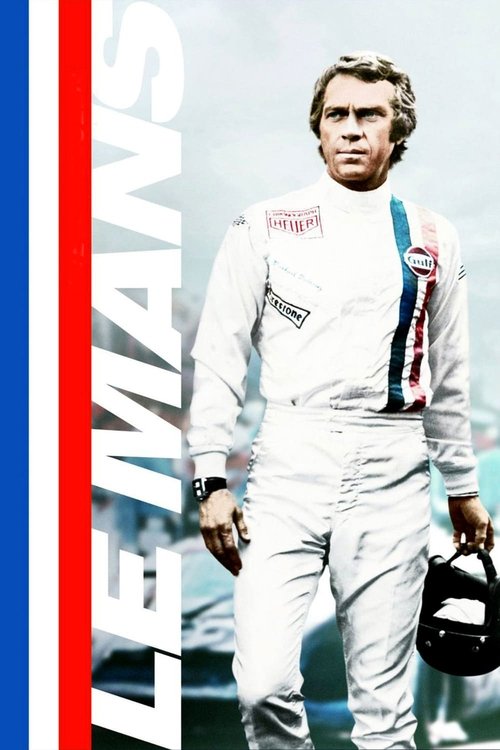
Le Mans
1971Filmed during the annual 24-hour endurance race at Le Mans, Michael Delaney is a Porsche driver haunted by the memory of an accident at the previous year's race in which a competing driver was killed. Delaney also finds himself increasingly infatuated with the man's widow.
Steve McQueen’s passion project strips away traditional narrative artifice to present a pure, immersive document of endurance racing. It captures the terrifying beauty of high-speed competition with a technical precision that rivals actual documentary footage.
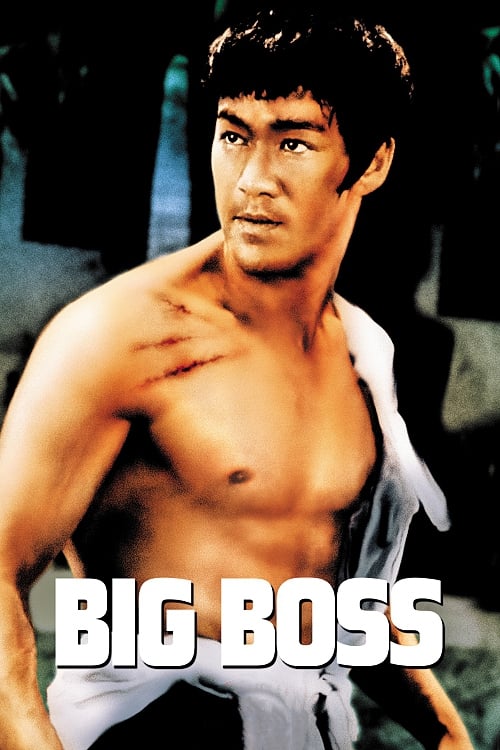
The Big Boss
1971Cheng is a young Chinese mainlander who moves in with his expatriate cousins to work at an ice factory in Thailand. He does this with a family promise never to get involved in any fights. However, when members of his family begin disappearing after meeting the management of the factory, the resulting mystery and pressures force him to break that vow and take on the villainy of the Big Boss.
Bruce Lee’s arrival changed the trajectory of martial arts cinema by replacing rigid choreography with a raw, explosive physicality. His sheer animal magnetism and blistering combat speed instantly rendered previous genre standards obsolete.
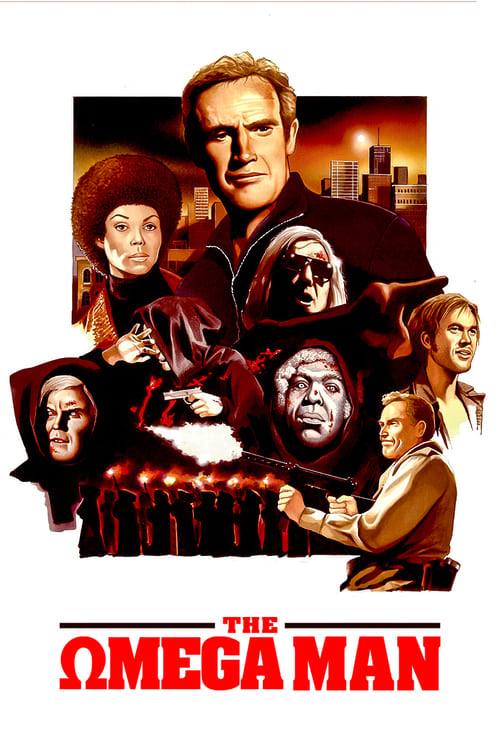
The Omega Man
1971Due to an experimental vaccine, Dr. Robert Neville is the only human survivor of an apocalyptic war waged with biological weapons. Besides him, only a few hundred deformed, nocturnal people remain; sensitive to light, and homicidally psychotic.
Charlton Heston anchors this claustrophobic sci-fi nightmare with a grit that elevates the pulp material into a moody meditation on isolation and chemical warfare. The action is characterized by its eerie, deserted urban landscapes and explosive nocturnal skirmishes.
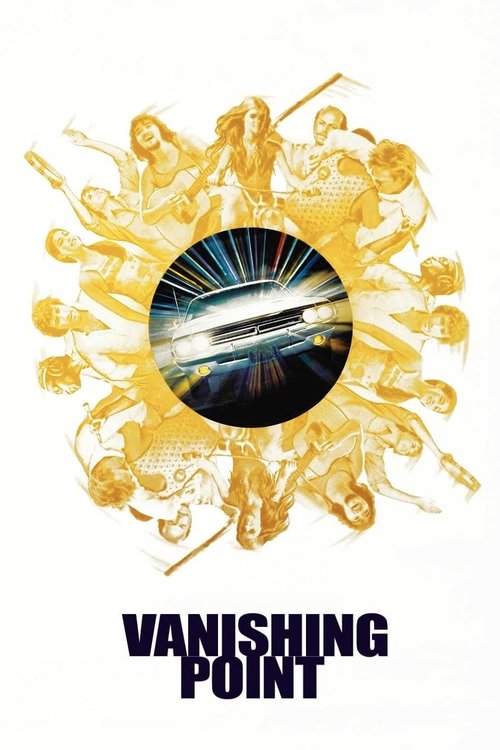
Vanishing Point
1971Kowalski works for a car delivery service, and takes delivery of a 1970 Dodge Challenger to drive from Colorado to San Francisco. Shortly after pickup, he takes a bet to get the car there in less than 15 hours.
This existential high-speed odyssey transforms a simple delivery run into a transcendent, gasoline-fueled protest against societal decay. It is a masterpiece of kinetic minimalism, fueled by roaring engines and a haunting sense of inevitable doom.
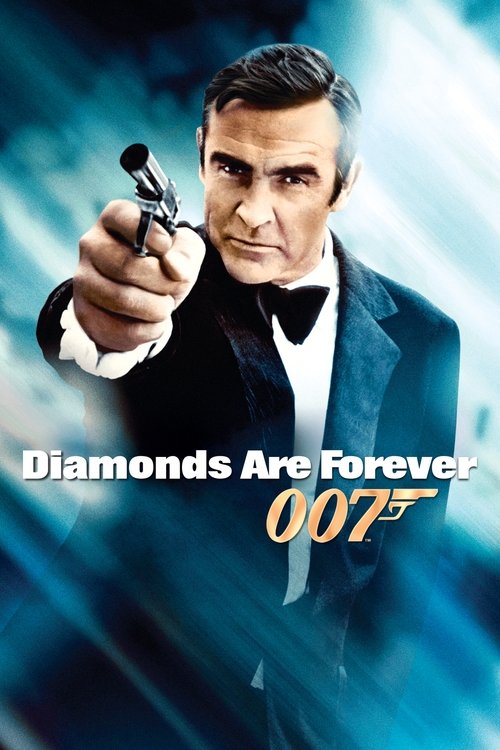
Diamonds Are Forever
1971Diamonds are stolen only to be sold again in the international market. James Bond infiltrates a smuggling mission to find out who's guilty. The mission takes him to Las Vegas where Bond meets his archenemy Blofeld.
Sean Connery’s return to the tuxedo brought a cynical, tongue-in-cheek swagger to the franchise’s growing appetite for spectacle. It remains a fascinating pivot point where the series embraced campy excess over the grounded espionage of its predecessors.
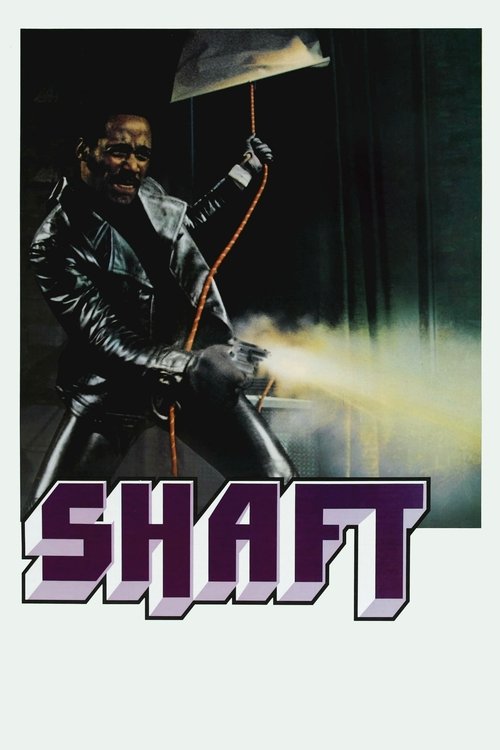
Shaft
1971Cool Black private eye John Shaft is hired by a crime lord to find and retrieve his kidnapped daughter.
Gordon Parks infused the detective genre with an electric, soulful confidence that redefined the Black action hero for a global audience. Its legacy is built on a flawless marriage of Isaac Hayes’ rhythmic tension and Richard Roundtree’s commanding screen presence.
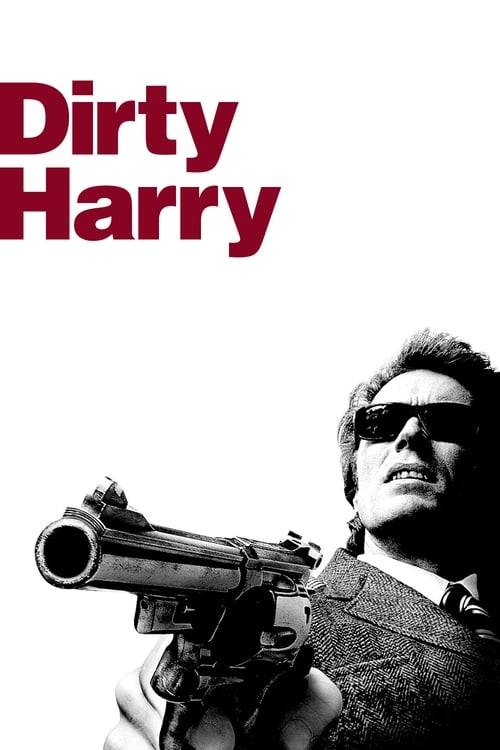
Dirty Harry
1971When a madman dubbed 'Scorpio' terrorizes San Francisco, hard-nosed cop, Harry Callahan – famous for his take-no-prisoners approach to law enforcement – is tasked with hunting down the psychopath.
Don Siegel and Clint Eastwood birthed the modern vigilante archetype through a nihilistic lens of judicial frustration. The film thrives on its jagged, cold-blooded efficiency and a terrifyingly blank-faced approach to justice.
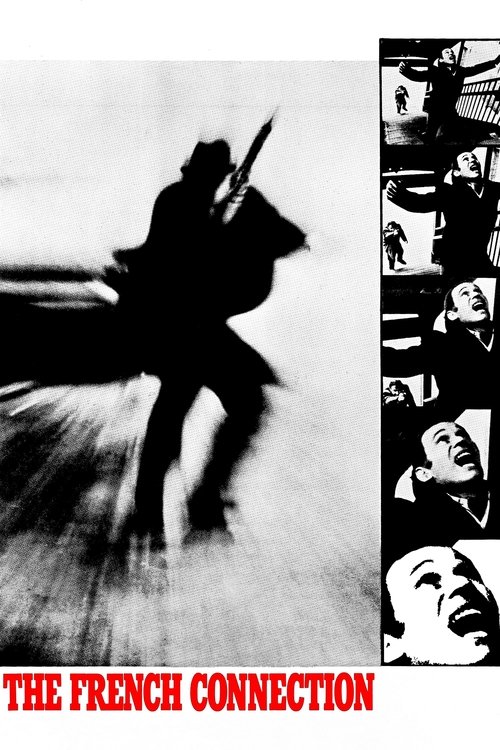
Tough narcotics detective 'Popeye' Doyle is in hot pursuit of a suave French drug dealer who may be the key to a huge heroin-smuggling operation.
William Friedkin reinvented the urban procedural with a kinetic, documentary-style grime that peaked in the cinema's most visceral car chase. Its rejection of polished artifice established a new, perspiration-soaked standard for high-stakes realism.
Frequently Asked Questions
Everything you need to know about this list and SnakeDrafts
- The action movies of 1971 marked a shift from traditional westerns and swashbucklers to grittier, urban crime thrillers with morally ambiguous characters. This year captures a turning point where action became more realistic, featuring city streets, high-speed chases, and darker themes exemplified by films like The French Connection and Dirty Harry.
- The French Connection is renowned for its groundbreaking and intense high-speed car chase through New York City, setting a new standard for action sequences in film. This chase sequence remains one of the most influential and memorable moments in the genre.
- 1971 introduced a more cynical and complex portrayal of law enforcement, moving away from black-and-white heroism to flawed, gritty protagonists. Dirty Harry and Shaft are prime examples showcasing tough, no-nonsense cops who operate in morally gray areas, a trend that influenced countless future action films.
- Yes, martial arts made a significant impact on the 1971 action scene, with The Big Boss starring Bruce Lee becoming a landmark film that popularized martial arts cinema worldwide. This film helped integrate martial arts themes into mainstream action movies.
- Indeed, the list includes genre hybrids such as The Omega Man, which blends science fiction with action and thriller elements, and Von Richthofen and Brown, which combines war drama with action. These films showcase the diverse range of action storytelling in 1971 beyond traditional crime dramas.
- Antiheroes became central figures in 1971 action films, embodying the era's shift toward morally ambiguous and complex characters. Movies like Shaft and Dirty Harry feature protagonists who challenge traditional heroic ideals by operating outside conventional moral boundaries.
- The Big Doll House stands out as a 1971 action drama featuring strong female leads within a women-in-prison exploitation framework. While not typical of the genre's traditional action heroes, it highlights the era's evolving approach to including women in more central and action-oriented roles.