Best Action Movies of 1970
Classic Thrills and High Stakes Retro Cinema
Explore the best action cinema from a landmark year. From intense westerns to martial arts epics, discover essential films for every movie buff.
About 1970 Action Movies
The year 1970 sits at a fascinating crossroads in cinema history. The colorful, often campy bravado of the 1960s was fading, replaced by a growing cynicism and a demand for gritty realism. While we often look to 1971 as the definitive birth of the modern urban actioner with titles like Dirty Harry and The French Connection, the groundwork was laid exactly twelve months prior. In 1970, action movies started to bleed, sweat, and carry a heavy burden of moral ambiguity that reflected a world grappling with Vietnam and a collapsing counterculture.
Perhaps no film epitomizes this shift better than Patton. While technically a biographical war drama, its scale and kinetic energy redefined the blockbuster spectacle for a new decade. It presented a complex, often unlikable protagonist who thrived on the friction of combat. It signaled that the hero of the seventies would not be a squeaky-clean savior, but a man of obsession.
On the other side of the Atlantic, Get Carter was being filmed, but the UK still managed to release some foundational thrills in 1970. However, the true shock to the system came from the East. The year 1970 was a vital period for Japanese cinema, specifically the chambara or swordplay subgenre. Toshiro Mifune returned in Zatoichi meets Yojimbo, a clash of titans that felt like a passing of the torch. More importantly, the world was beginning to see the rise of the Lone Wolf and Cub influence, where stylized violence met a cold, professional detachment.
In Hollywood, the traditional Western was undergoing a violent metamorphosis. The genre that once defined American morality was turning inward. Films like Rio Lobo, starring an aging John Wayne, felt like the end of an era, while soldierly epics like Kelly's Heroes blended action with a heist movie sensibility and a heavy dose of anti-authoritarian sarcasm. This cynicism was the new fuel for the genre. Filmmakers were no longer interested in the glory of the fight, but rather the heavy cost of survival.
We also cannot ignore the burgeoning influence of the car chase. Before Steve McQueen turned the pursuit into an art form in earlier years, 1970 gave us Vanishing Point, which began production that year and captured the high-octane isolation that would define the decade. The action movie was moving away from the battlefield and onto the asphalt and the city streets.
The landscape was one of transition. The studio system was crumbling, and independent-minded directors were injecting the genre with a documentary-style roughness. Gone were the choreographed, clean fistfights of the Golden Age. In their place came the jarring impact of squibs and the deafening roar of practical effects. When you look back at 1970, you see the blueprint for everything that followed in the seventies. It was a year of jagged edges and tough choices, proving that action cinema could be more than just a diversion. It could be a reflection of a society that was losing its innocence and finding its teeth. The 1970s would become the greatest decade for the genre, but it was in 1970 that the engine truly started to roar.
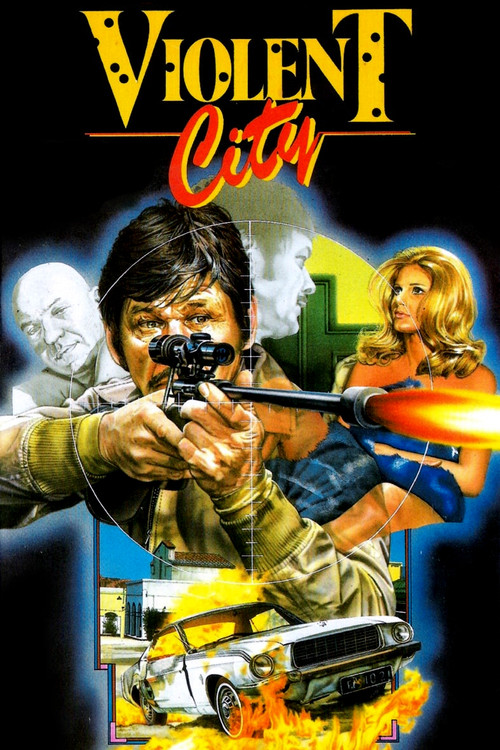
Violent City
1970A hitman is double-crossed by his girlfriend and barely escapes a murder attempt. He then sets out to take his revenge on the woman and the gang boss who put her up to it.
Charles Bronson anchors this cold-blooded exercise in Euro-crime precision that feels like a precursor to the modern hitman thriller. The film thrives on a steely, minimalist aesthetic and an icy commitment to the chase.
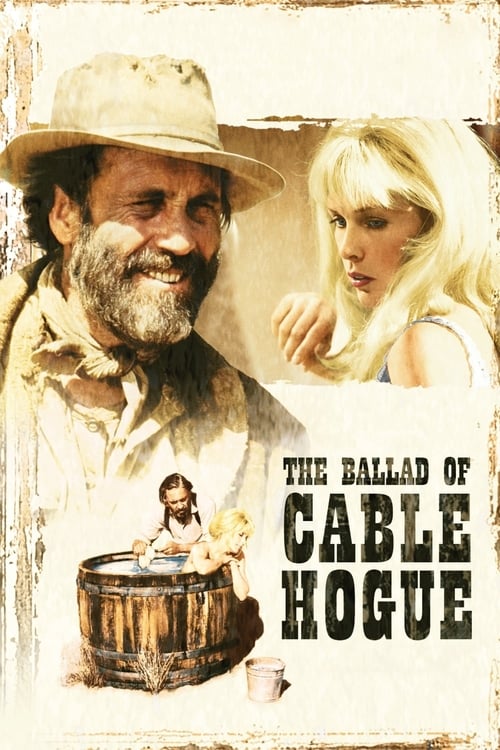
The Ballad of Cable Hogue
1970Double-crossed and left without water in the desert, Cable Hogue is saved when he finds a spring. It is in just the right spot for a much needed rest stop on the local stagecoach line, and Hogue uses this to his advantage. He builds a house and makes money off the stagecoach passengers. Hildy, a prostitute from the nearest town, moves in with him. Hogue has everything going his way until the advent of the automobile ends the era of the stagecoach.
Sam Peckinpah trades his usual bloody ballistic displays for a lyrical, elegiac friction between the old world and the encroaching modern age. It is a soulful, rhythmic piece of work that finds its momentum in character rather than carnage.
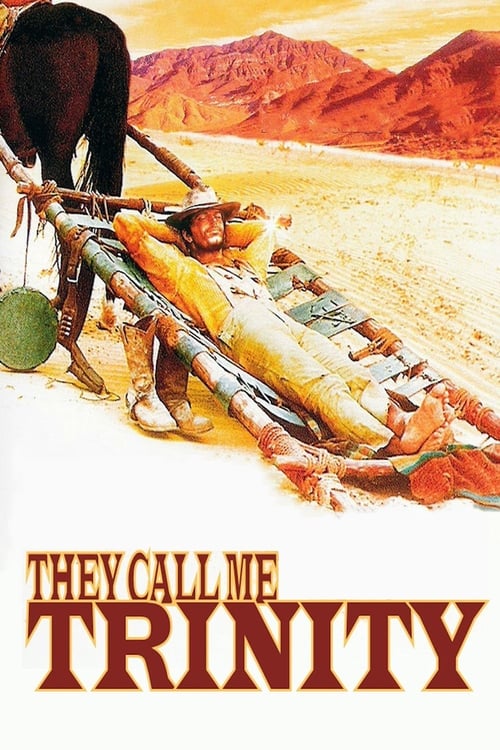
They Call Me Trinity
1970The simple story has the pair coming to the rescue of peace-loving Mormons when land-hungry Major Harriman sends his bullies to harass them into giving up their fertile valley. Trinity and Bambino manage to save the Mormons and send the bad guys packing with slapstick humor instead of excessive violence, saving the day.
By pivoting from the grim nihilism of the genre toward slapstick acrobatics, this film invented the comedic Spaghetti Western. It proved that a protagonist could be just as lethal with a frying pan as he is with a six-shooter.
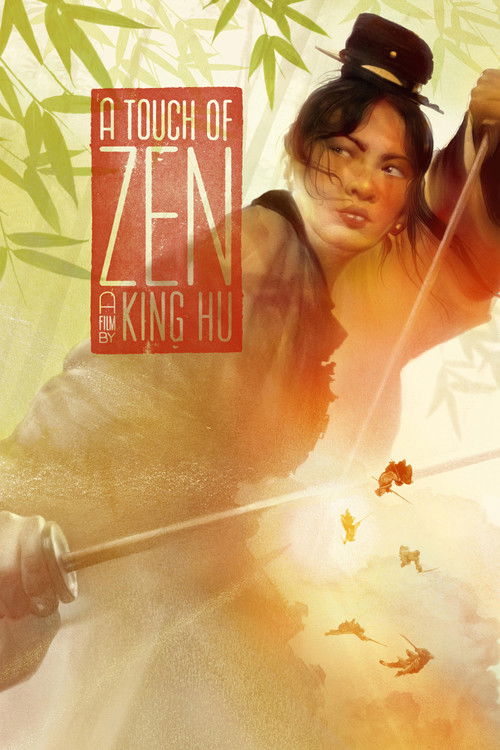
A Touch of Zen
1970Gu Sheng-zhai, an artist in his early 30s, still lives with his mother, but he is suddenly shaken by the arrival of Yang Hui-zhen, a mysterious princess on the run. Yang brings Gu into her circle of protectors, including a nameless monk whose spiritual guidance transforms him into a valiant fighter.
King Hu redefined the kinetics of the Wuxia film with this transcendent masterpiece of gravity-defying choreography and spiritual weight. The bamboo forest skirmish remains a foundational touchstone for fluid, balletic combat.
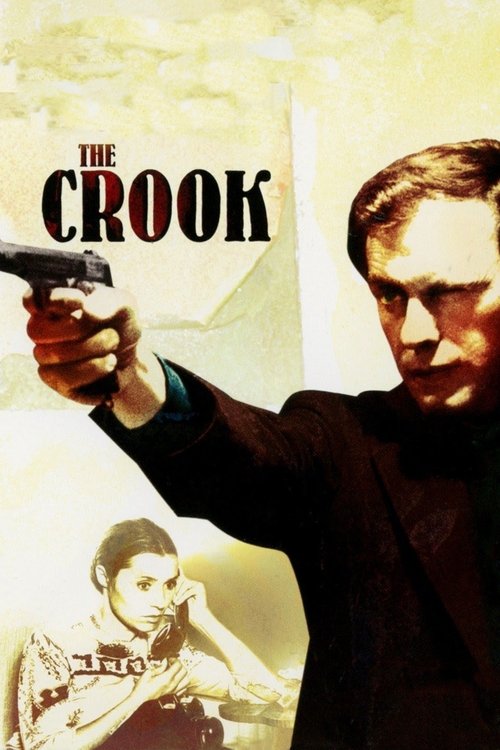
The Crook
1970A thief known as Simon the Swiss faces up and downs in his criminal profession.
Claude Lelouch infuses the heist genre with a deceptive, rhythmic elegance that elevates the standard criminal caper into a stylish game of wits. Its brilliance lies in the precision of the execution rather than the volume of the gunfire.
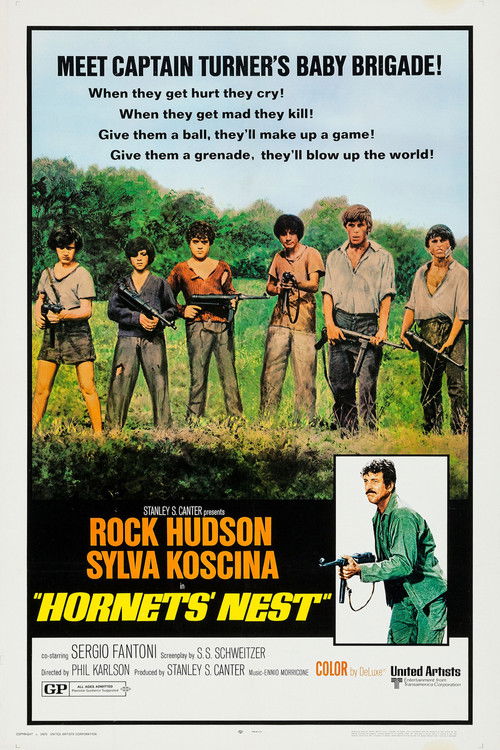
Hornets' Nest
1970An American commando who's the sole survivor of a parachute jump into WWII-era Italy leads a group of children in a campaign of sabotage against the Nazis.
Rock Hudson finds an unexpected edge in this explosive commando tale that weaponizes youth in a ruthless guerilla campaign. It is a lean, mean outlier that trades traditional heroism for tactical subversion.
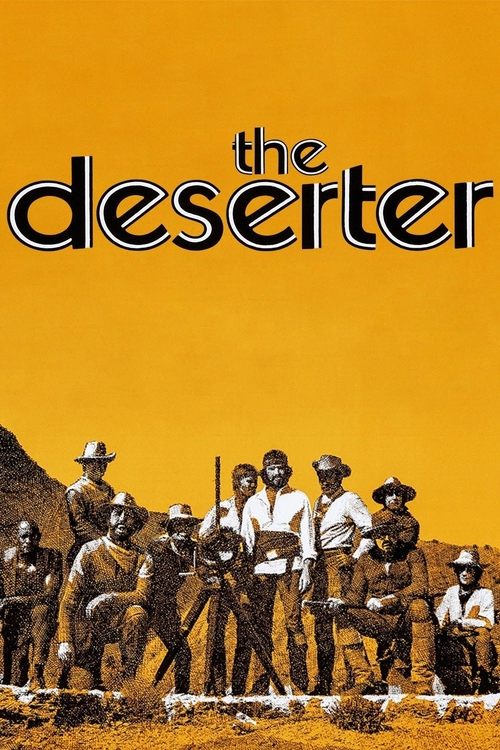
The Deserter
1970A young cavalry officer finds his woman tortured by the Apaches and blames the Army for not properly protecting the outpost, so becomes a deserter and an avenger, stalking and killing Indians without warning.
This gritty Spaghetti Western hybrid injects a Special Forces sensibility into the frontier, prioritizing tactical brutality over myth-making. It stands as a rugged example of the turn toward more realistic, hard-edged combat choreography.
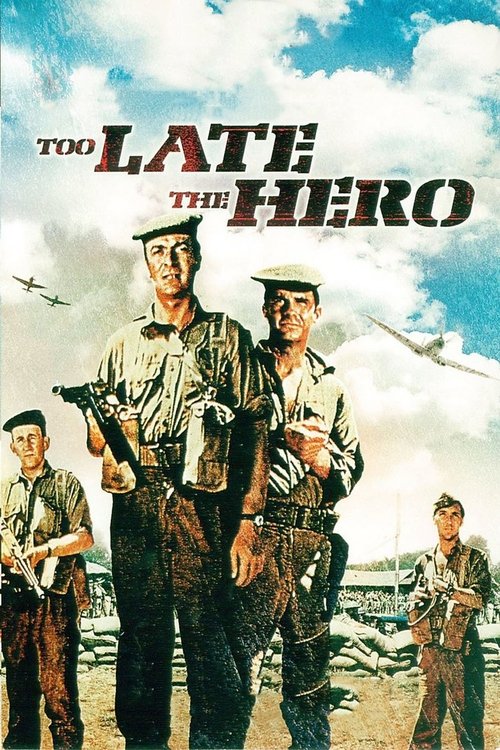
Too Late the Hero
1970A WWII film set on a Pacific island. Japanese and allied forces occupy different parts of the island. When a group of British soldiers are sent on a mission behind enemy lines, things don't go exactly to plan. This film differs in that some of the 'heroes' are very reluctant, but they come good when they are pursued by the Japanese who are determined to prevent them returning to base.
Robert Aldrich strips away the romanticism of the war film to deliver a cynical, sweat-soaked pursuit through the Pacific jungle. The final sprint is a masterclass in kinetic desperation and nihilistic pacing.
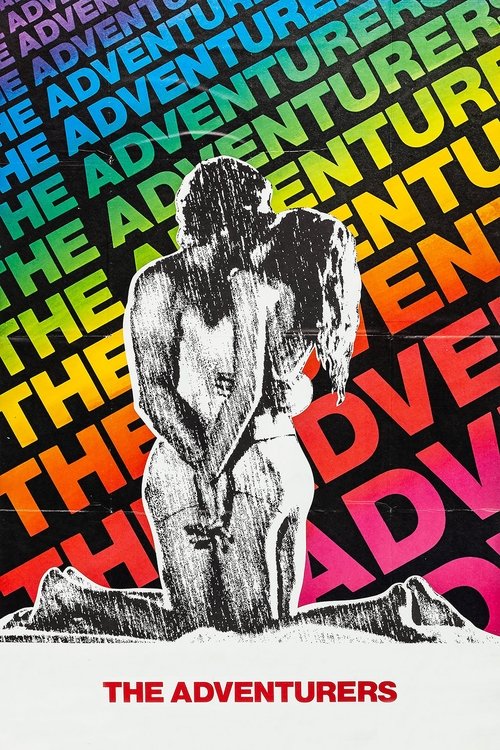
The Adventurers
1970The wealthy playboy son of an assassinated South American diplomat discovers that his father was murdered on orders of the corrupt president of the country- a man who was his father's friend and who, in fact, his father had helped put into power. He returns from living a jet-set life in Europe to lead a revolution against the government, only to find out that things aren't quite as black and white as he'd assumed.
A sprawl of decadent violence and revolution, this epic captures the cynical transition of the action genre into the gritty seventies. Its sheer scale and unapologetic excess offer a visceral, jet-set take on geopolitical instability.
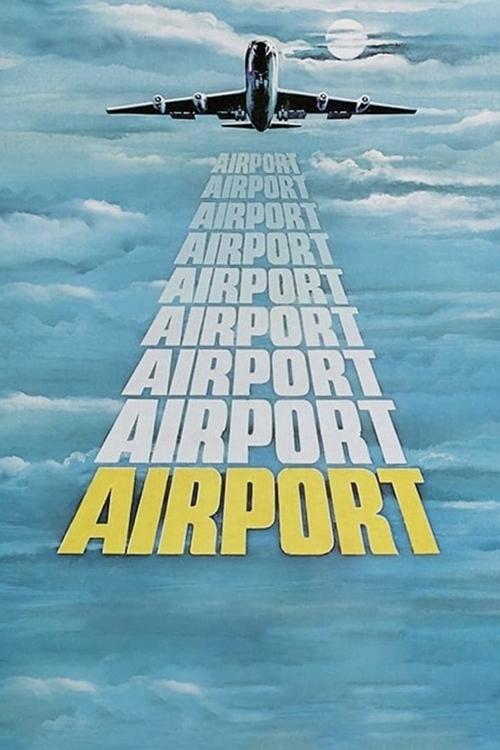
Airport
1970An airport manager tries to keep his terminals open during a snowstorm, while a suicide bomber plots to blow up a Boeing 707 airliner in flight.
This progenitor of the disaster epic masterfully ratchets up the atmospheric tension within a claustrophobic cockpit. It crystalized the high stakes formula that would dominate the decade's commercial cinema.
Frequently Asked Questions
Everything you need to know about this list and SnakeDrafts
- The top action movies of 1970 often blend intense drama with moral ambiguity, reflecting the era's shift towards grittier and more realistic narratives. Films like 'Too Late the Hero' and 'Hornets' Nest' showcase war and combat with a nuanced, darker approach uncommon in earlier decades.
- 'They Call Me Trinity' uniquely merges comedy with Western and action, providing a lighter yet thrilling experience. Its blend of humor and gun-slinging action helped redefine Westerns in that era.
- Asian cinema made significant contributions in 1970 with films like 'A Touch of Zen,' which combines action, adventure, and fantasy styles. This film introduced Western audiences to sophisticated martial arts choreography and Eastern storytelling aesthetics that influenced global action filmmaking.
- Yes, movies such as 'Too Late the Hero' and 'Hornets' Nest' stand out for their war action narratives. These films explore the brutal realities of conflict while mixing action elements with dramatic character studies.
- 'Violent City' is notable for intertwining action with crime and thriller components, showcasing intense chase sequences and a dark, suspenseful atmosphere. It's a prime example of late 1970s European crime-action cinema.
- Westerns like 'The Deserter' and 'The Ballad of Cable Hogue' bring classic frontier action into the 1970 spotlight while infusing new depth and sometimes comedic elements. These films serve as bridges between traditional Western tropes and a more modern, complex storytelling style.
- The listed 1970 action movies reflect a transition from the flamboyant and idealistic style of the 1960s towards more grounded, morally complex storytelling seen in later decades. This blend is evident in films like 'Airport,' which integrates suspense and drama inside an action framework, setting a template for future thrillers.