The Greatest Action Movies of 1972
Martial Arts Mastery and Gritty Crime Classics
Explore the best action cinema from a landmark year. Featuring Bruce Lee classics, gritty blaxploitation hits, and iconic samurai blade masterpieces.
About 1972 Action Movies
To understand the modern action movie, you have to look back at 1972 as a pivotal moment of transition. It was a year where the genre began to shed the clean, noble artifice of the sixties and leaned into a gritty, urban nihilism that would define the decade. The landscape was no longer about swashbucklers or polished spies in tuxedos. Instead, it was about sweat, pavement, and gunpowder.
If you walked into a cinema in 1972, you weren't looking for a hero. You were looking for a survivor. This was the year of the anti-hero, a archetype crystallized by Sam Peckinpah in The Getaway. It remains one of the most lean and muscular films of the era. Steve McQueen played Doc McCoy not as a misunderstood victim, but as a professional criminal with a cold stare and an even colder shotgun. The film brought a rhythmic, violent poetry to the heist genre, trading in the high-stakes thrills of Bond for the dusty, desperate roads of the American Southwest. It felt dangerous because it was honest about what people would do for a bag of money.
While Peckinpah was mastering the crawl across the desert, another side of action was exploding in the inner cities. The Blaxploitation movement hit its stride with the release of Super Fly. While Shaft had broken the door down the year before, Super Fly brought a different kind of urgency. It featured Ron O'Neal as Youngblood Priest, a man trying to navigate a lethal drug trade to find a way out. The action was street-level and underscored by Curtis Mayfield’s legendary soundtrack, creating an aesthetic that fused social commentary with bone-crunching spectacle. It reflected a world that felt increasingly volatile and ignored by the traditional Hollywood machine.
Across the Pacific, 1972 was also the year that martial arts cinema began to globalize in a way that would change choreography forever. Bruce Lee’s Fist of Fury took the world by storm, showcasing a physicality that Western audiences had never seen before. Lee was a kinetic force of nature, replacing the slow, theatrical fights of earlier decades with a blistering speed that felt legitimately lethal. At the same time, Lady Snowblood was being developed in Japan, bringing a stylized, hyper-violent beauty to the revenge thriller that would eventually inspire filmmakers like Quentin Tarantino decades later.
Even the disaster movie, a sub-genre that relies heavily on physical stakes and large-scale practical effects, found its footing with The Poseidon Adventure. It proved that audiences were hungry for spectacle on a grand scale, turning an overturned cruise ship into a claustrophobic gauntlet of fire and water. It was a masterpiece of tension that turned the environment itself into the primary antagonist.
Comparing these titles reveals a genre in the midst of a radical identity crisis. Action movies in 1972 were moving away from simple escapism and toward an uncomfortable reality. Whether it was the political cynicism of a lone gunman or the visceral impact of a roundhouse kick, the movies reflected a society that was losing its innocence. Producers realized that audiences didn't just want to see a hero win. They wanted to see him bleed, struggle, and fight like his life depended on it. This grit became the DNA of the blockbusters we watch today. It was a year of fire and fury that ensured the genre would never be polite again.
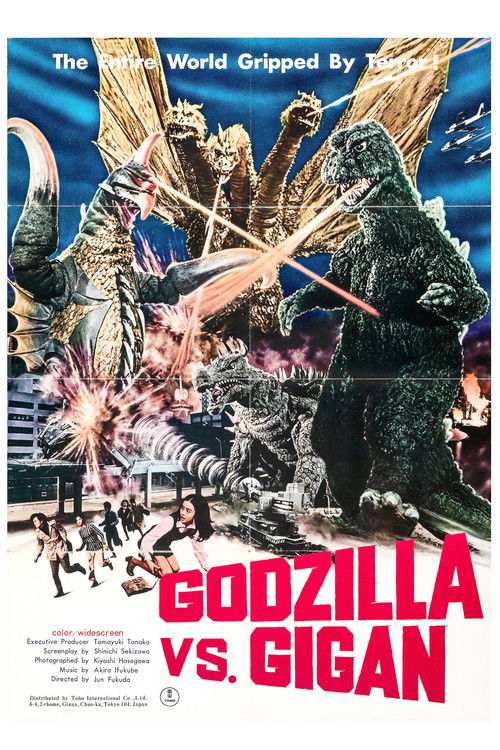
Godzilla vs. Gigan
1972Manga artist Gengo Odaka lands a job with the World Children's Land amusement park only to become suspicious of the organization when a garbled message is discovered on tapes. As Gengo and his team investigate, Godzilla and Anguirus quickly decipher the message and begin their own plan of action.
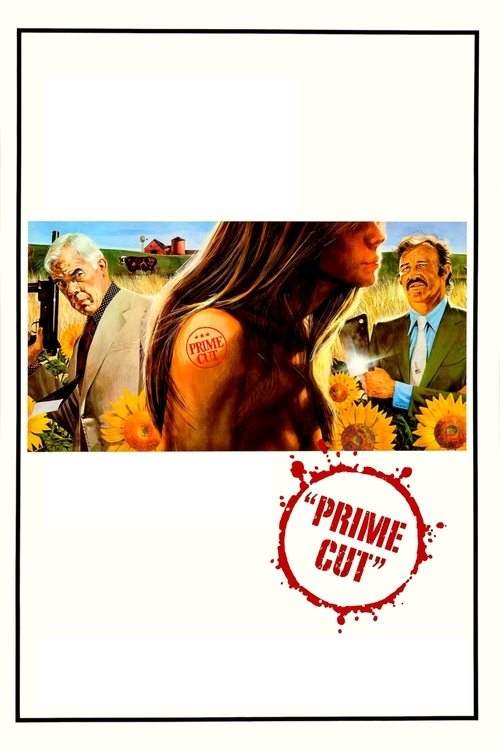
Prime Cut
1972A group of ruthless Chicago mob enforcers are sent to Kansas City to settle things with the owner of a slaughterhouse who has taken money that is not his to keep.
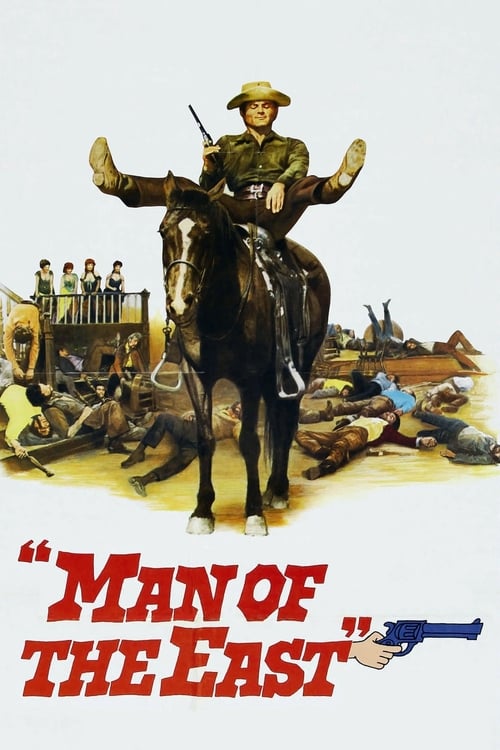
Man of the East
1972By his dying father's last wish Joe is sent to the Wild West to become a real guy. The dreamy young man despises guns and fights likes poems and prefers bicycles to horses. Now his three teachers footpads all of them shall teach him otherwise. This doesn't work until Joe has to defend himself against gunman Morton who's jealous of Joe's love to rancher Ohlsen's beautiful daughter.
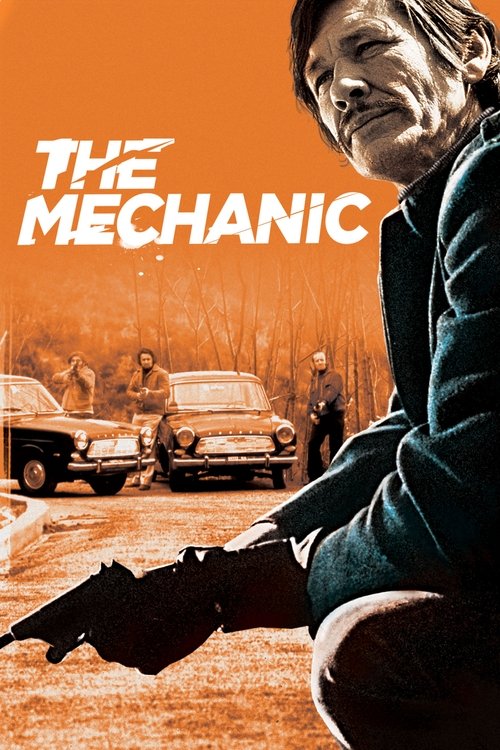
The Mechanic
1972Arthur Bishop is a veteran hit man who, owing to his penchant for making his targets' deaths seem like accidents, thinks himself an artist. It's made him very rich, but as he hits middle age, he's so depressed and lonely that he takes on one of his victim's sons, Steve McKenna, as his apprentice. Arthur puts him through a rigorous training period and brings him on several hits. As Steven improves, Arthur worries that he'll discover who killed his father.
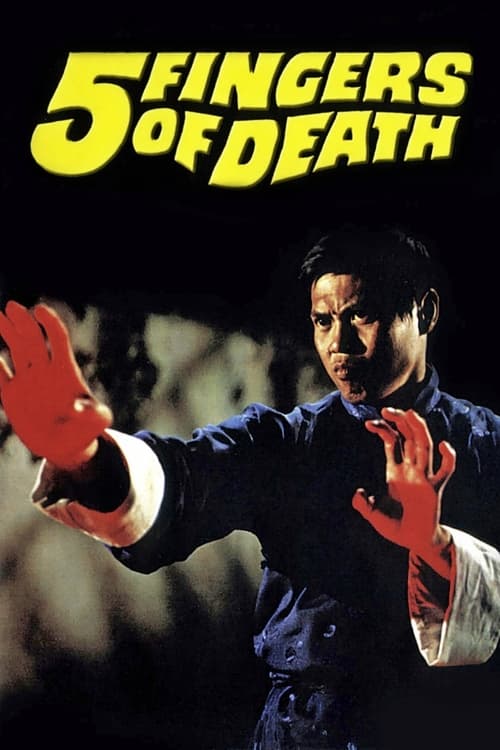
Five Fingers of Death
1972A young boxer joins a martial arts school to increase his skill so he can enter a martial arts competition. He leaves the school when he hears that a local gangster is terrorizing the town. He comes to the aid of a young singer and brings on the wrath of the local gang. He eventually enters the martial arts competition after learning iron palm technique and takes out all competition.
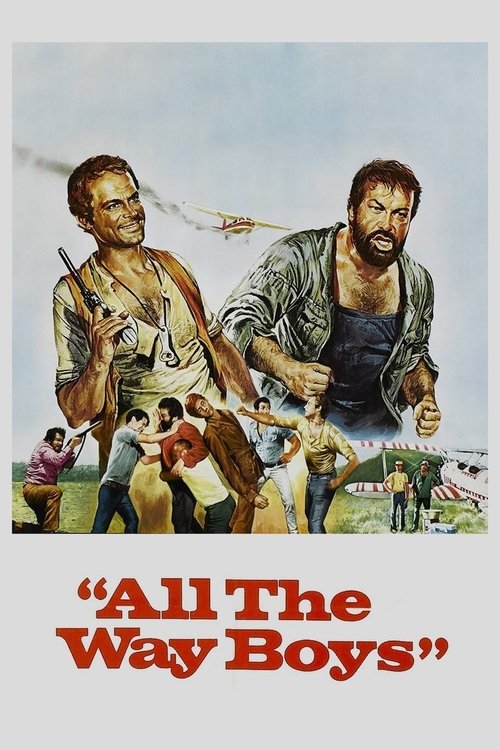
All the Way Boys
1972The "Trinity" crew makes another modern era film. Plata and Salud are pilots ditching aircraft for insurance money. They wind up crashing for real in the jungles of South America. The plot involves "Mr. Big", who is buying the diamonds from the miners for much too little, and has thugs who keep the price down. Of course, Plata and Salud side with the miners
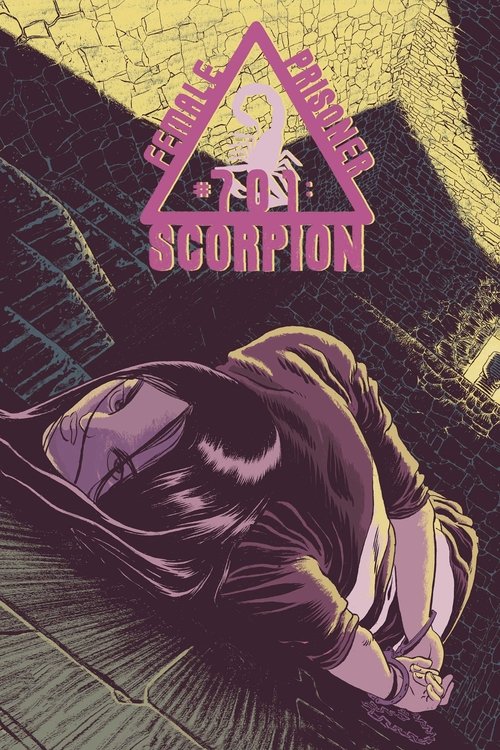
Female Prisoner #701: Scorpion
1972After being cruelly set up and deceived by Sugimi, a detective in cahoots with the mob with whom she was whole-heartedly in love, Matsushima’s desire for revenge knows no bounds.
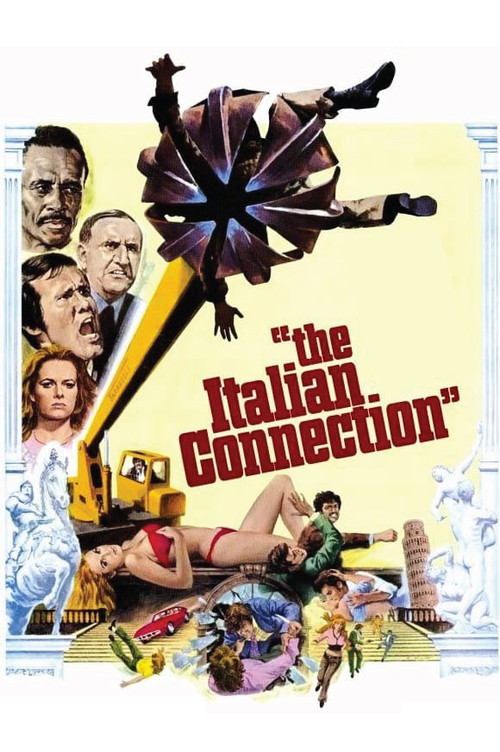
The Italian Connection
1972When a shipment of heroin disappears between Italy and New York, a small-time pimp in Milan is framed for the theft. Two professional hitmen are dispatched from New York to find him, but the real thieves want to get rid of him before the New York killers get to him to eliminate any chance of them finding out he's the wrong man.
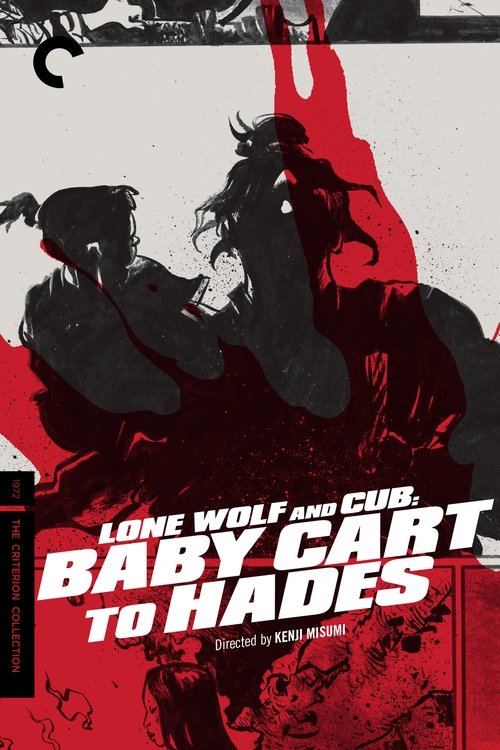
Lone Wolf and Cub: Baby Cart to Hades
1972Ogami Itto volunteers to be tortured by Yakuza in order to save a prostitute and is hired by their leader to kill an evil chamberlain.
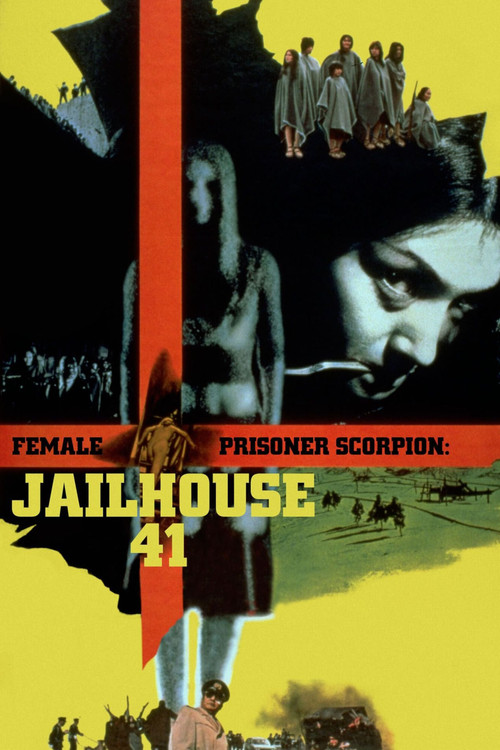
Female Prisoner Scorpion: Jailhouse 41
1972After being used and betrayed by the detective she had fallen in love with, young Matsu is sent to a female prison full of sadistic guards and disobedient prisoners.
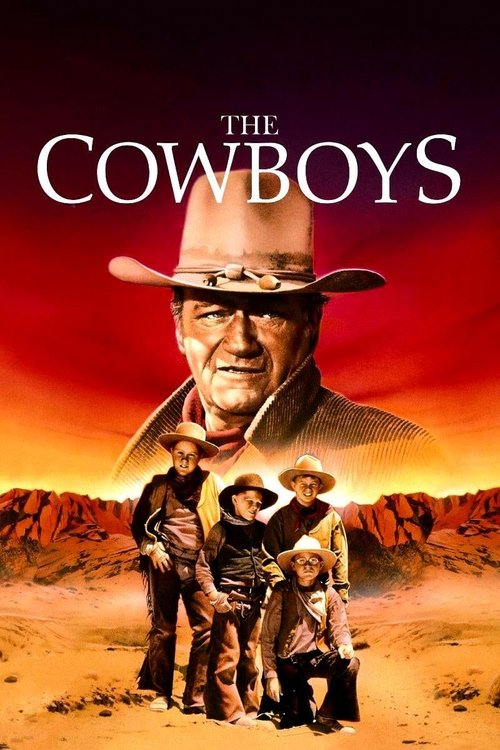
The Cowboys
1972When his cattlemen abandon him for the gold fields, rancher Wil Andersen is forced to take on a collection of young boys as his cowboys in order to get his herd to market in time to avoid financial disaster. The boys learn to do a man's job under Andersen's tutelage, however, neither he nor the boys know that a gang of cattle thieves is stalking them.
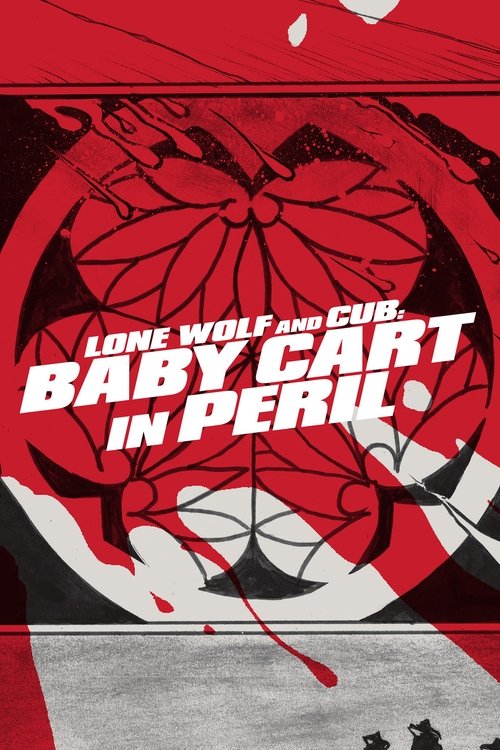
Lone Wolf and Cub: Baby Cart in Peril
1972Ogami Itto is hired to kill a tattooed female assassin and battles Retsudo, head of the Yagyu clan, and his son Gunbei.
Continuing the saga’s trajectory into beautiful grotesque, this installment features some of the most imaginative combat choreography of the era. The seamless blend of stoic drama and outlandish weaponry ensures its place as a cornerstone of cult action cinema.
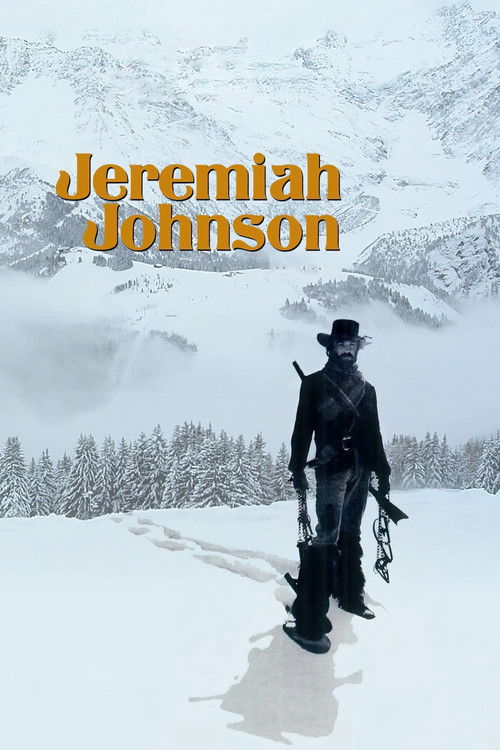
Jeremiah Johnson
1972A mountain man who wishes to live the life of a hermit becomes the unwilling object of a long vendetta by Indians when he proves to be the match of their warriors in one-on-one combat on the early frontier.
Sydney Pollack reimagines the frontier mythos as a tactile, grueling battle against both nature and man. Its action is sparse but impactful, emphasizing the sudden, terrifying reality of mountain combat through a quiet, atmospheric lens.
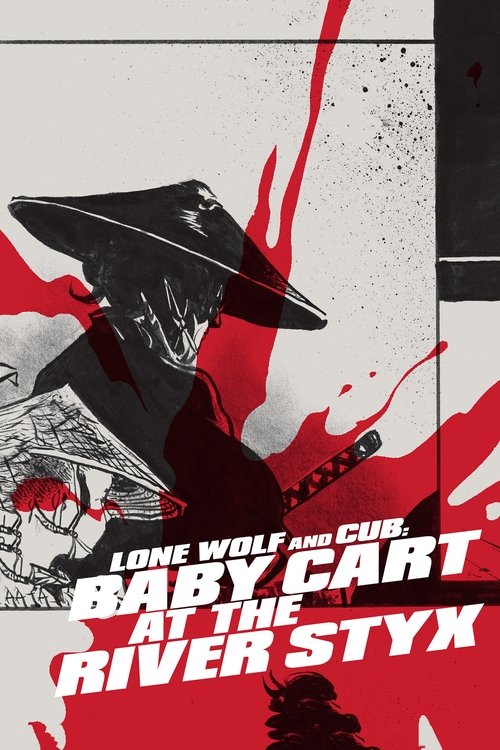
Lone Wolf and Cub: Baby Cart at the River Styx
1972Ogami Itto battles a group of female ninja in the employ of the Yagyu clan and must eliminate a traitor who plans to sell his clan's secrets to the Shogunate.
Elevating the series to a delirious peak, this sequel combines inventive weaponry with a psychedelic approach to swordplay. The desert confrontation against the ‘God of Death’ masters is a surrealist triumph of staging and rapid-fire lethality.
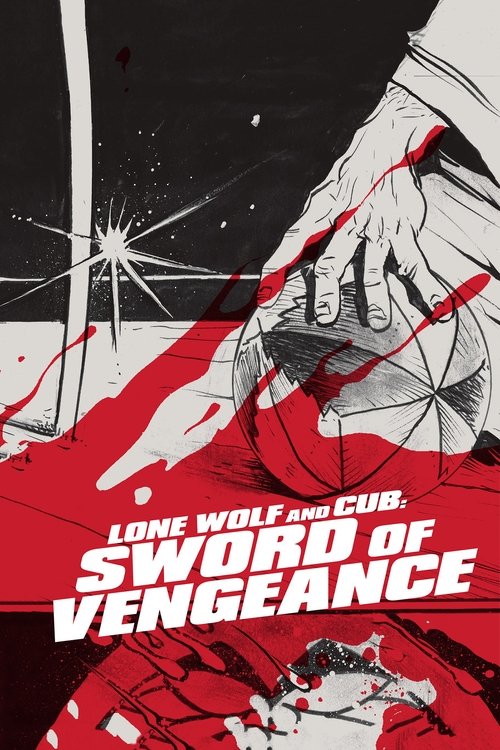
Lone Wolf and Cub: Sword of Vengeance
1972Official Shogunate executioner Ogami Itto has been framed for disloyalty to the Shogunate by the Yagyu clan, against whom he now is waging a one-man war, along with his infant son, Daigoro.
The introduction of Ogami Itto brings a formalist beauty to the chanbara genre, punctuated by bursts of stylized, arterial spray. It is a brooding, austere work that elevates the samurai flick into a realm of mythic, hyper-violent visual poetry.
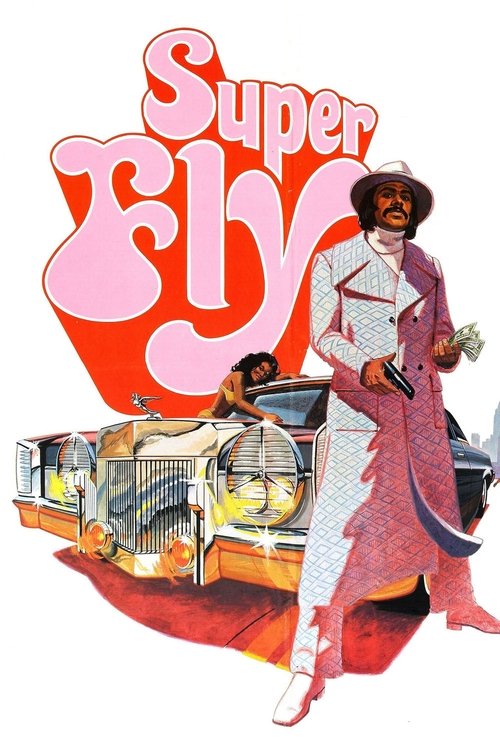
Super Fly
1972Priest, a suave top-rung New York City drug dealer, decides that he wants to get out of his dangerous trade. Working with his reluctant friend, Eddie, Priest devises a scheme that will allow him to make a big deal and then retire. When a desperate street dealer informs the police of Priest's activities, Priest is forced into an uncomfortable arrangement with corrupt narcotics officers. Setting his plan in motion, he aims to both leave the business and stick it to the man.
Beyond its legendary Curtis Mayfield score, the film excels as a sleek, confident character study that moves with the rhythmic precision of a street-level thriller. It redefined the aesthetics of the urban action hero through a lens of defiant, high-stakes individualism.
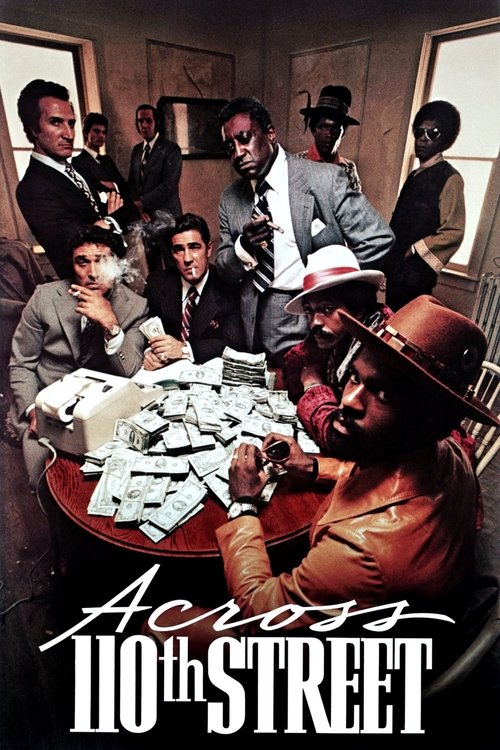
Across 110th Street
1972In a daring robbery, some $300,000 is taken from the Italian mob. Several mafiosi are killed, as are two policemen. Lt. Pope and Capt. Mattelli are two New York City cops trying to break the case. Three small-time criminals are on the run with the money. Will the mafia catch them first, or will the police?
A nihilistic collision of noir and blaxploitation, this film captures the decaying textures of New York with a documentary-like ferocity. The relentless pace and unflinching violence paint a portrait of a criminal underworld where survival is the only victory.
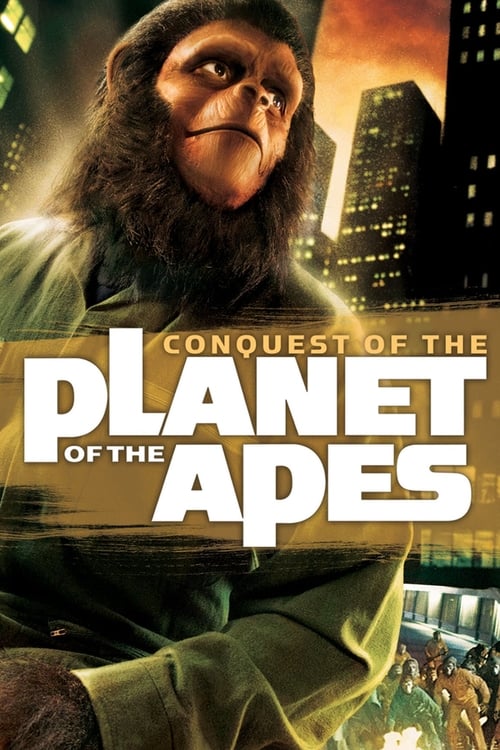
Conquest of the Planet of the Apes
1972In a futuristic world that has embraced ape slavery, a chimpanzee named Caesar resurfaces after almost twenty years of hiding from the authorities, and prepares for a revolt against humanity.
Transforming sci-fi allegory into a scorched-earth urban riot, this entry captures the simmering sociopolitical rage of the early seventies with startling aggression. The climactic uprising is a chaotic, flame-licked spectacle that prioritizes primal kinetic energy over traditional genre tropes.
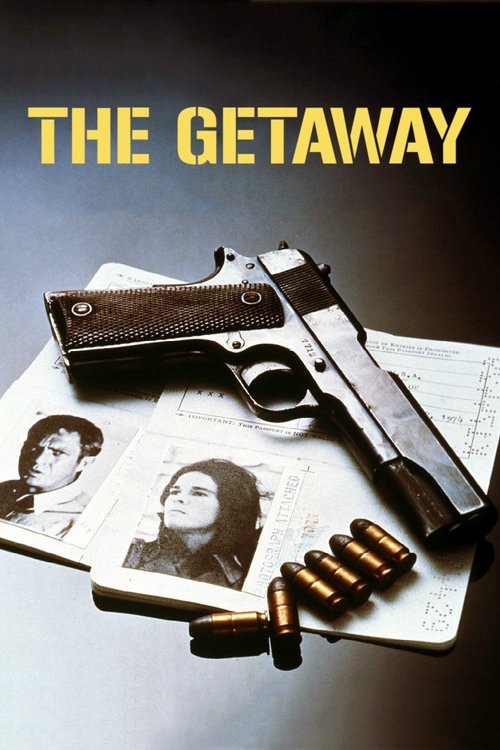
The Getaway
1972A recently released ex-convict and his loyal wife go on the run after a heist goes wrong.
Sam Peckinpah strips away the glamour of the heist subgenre to deliver a gritty, rhythmic pursuit fueled by ballistic editing and Steve McQueen’s ice-cold stoicism. It stands as a masterclass in tension, where the mechanical roar of shotguns provides a brutal soundtrack to a desperate flight.
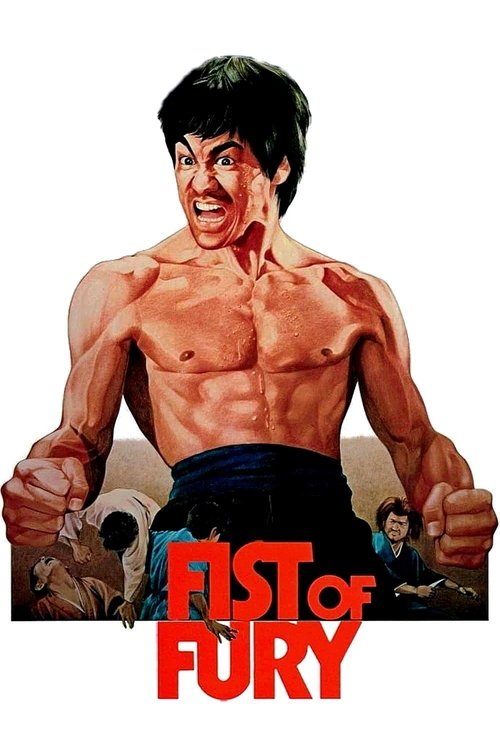
Fist of Fury
1972During the Japanese occupation of Shanghai, Chen Zhen, the star pupil of a recently-deceased martial arts teacher battles a Japanese dojo which seeks the demise of his fighting school.
This is Lee at his most visceral and politically charged, trading the levity of his other works for a raw, vengeful intensity. The fluid speed of his nunchaku play sets a high-water mark for onscreen combat that few modern successors have dared to replicate.
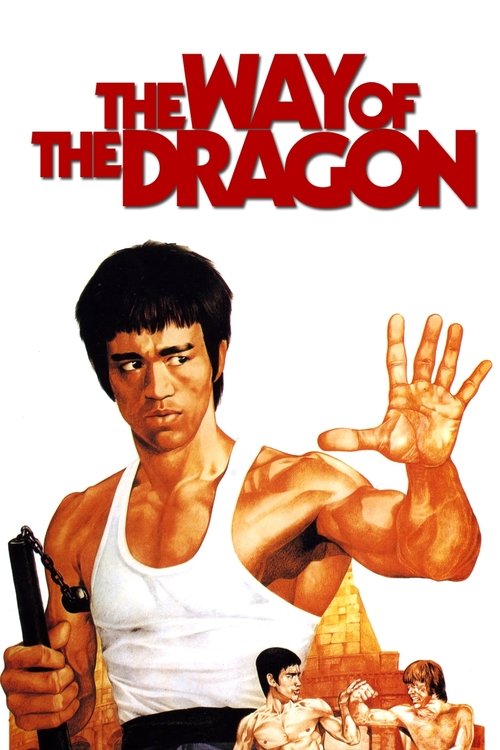
The Way of the Dragon
1972After a Chinese restaurant in Rome is threatened by the mafia, who will stop at nothing to acquire the property, the owner recruits a family friend in Hong Kong, kung fu expert Tang Lung, to help them defend their business.
Bruce Lee reaches his creative zenith by blending slapstick charm with blistering choreography, culminating in the Colosseum showdown that remains the definitive blueprint for martial arts cinema. It is a masterful display of physical storytelling where every strike feels like a philosophical statement.
Frequently Asked Questions
Everything you need to know about this list and SnakeDrafts
- Bruce Lee's films like 'The Way of the Dragon' and 'Fist of Fury' revolutionized 1970s action cinema by introducing authentic martial arts choreography and a new level of physicality. These movies heightened global interest in martial arts and set a new standard for action choreography that influenced countless films afterward.
- Several 1972 action films such as 'Across 110th Street' and 'Super Fly' explored themes of urban struggle, crime, and racial tension, reflecting the era's gritty reality and shifting social dynamics. This move towards grittier, urban narratives marked a departure from the sanitized escapism of earlier decades, resonating with contemporary audiences.
- The 'Lone Wolf and Cub' series stands out for its fusion of samurai tradition with intense action and drama, highlighting Japanese cinema's influence on the genre. These films offered complex characters and stylized violence, contributing to the diversity and artistic depth of 1972's action offerings.
- Directed by Sam Peckinpah, 'The Getaway' combined suspenseful storytelling with raw, realistic action sequences, blending crime drama and thriller components effectively. Its portrayal of flawed protagonists on the run added a layer of moral ambiguity that was becoming prevalent in the genre during that period.
- 'Conquest of the Planet of the Apes' merged science fiction with action, addressing themes of rebellion and oppression through explosive confrontations and intense physicality. This blending broadened the scope of action films, showing that the genre could explore complex futuristic and political topics.
- 1972's female-led action films such as 'Female Prisoner Scorpion' highlighted themes of vengeance, empowerment, and survival in a patriarchal system. These movies challenged traditional gender roles, showcasing strong, complex female protagonists in raw and violent narratives.
- Films like 'Jeremiah Johnson' and 'The Cowboys' incorporated Western and adventure motifs, adding rugged landscapes and survivalist themes to action cinema. These movies emphasized character endurance and moral complexity, aligning with 1972’s trend of portraying heroes as survivors rather than invincible champions.