Marlene Dietrich's Best Movies
The Definitive Filmography of Hollywood's Ultimate Femme Fatale
Explore the finest films of Marlene Dietrich, from iconic Josef von Sternberg collaborations to legendary roles in Golden Age classics.
About Marlene Dietrich
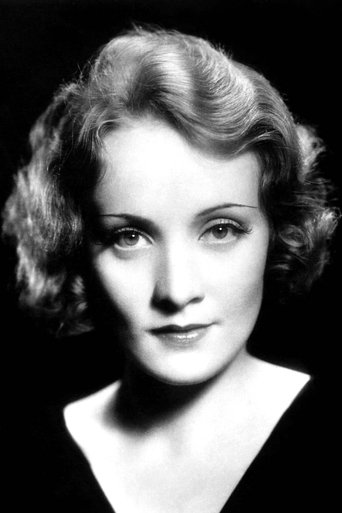
Long before the concept of the modern influencer existed, Marlene Dietrich understood that stardom was a deliberate architecture of light, shadow, and subversion. She did not just occupy the frame; she commanded the very atmosphere of the silver screen. With those heavy lids and a voice like gravel dragged through honey, she dismantled the rigid gender binaries of the early twentieth century by simply putting on a tuxedo and lighting a cigarette. While other starlets of the thirties were busy playing the ingenue, she was reinventing the femme fatale as something more intellectual, more dangerous, and infinitely more iron-willed.
Her ascent began in Berlin with The Blue Angel, where she played the predatory cabaret singer Lola Lola with such hypnotic indifference that it destroyed the man on screen and captivated the world off it. When she followed director Josef von Sternberg to Hollywood, it sparked a visual revolution. Together, they treated her face like a landscape, using high-key lighting to emphasize her razor-sharp cheekbones. In Morocco, she famously kissed another woman while dressed in tails, a moment of radical fluidity that still feels daring nearly a century later. Whether she was a fallen woman in Blonde Venus or a revolutionary out for blood in The Scarlet Empress, she never leaned on the audience for sympathy. She demanded their fascination instead.
Audiences connected with her because she projected an impenetrable self-possession. Even when playing the world-weary singer in Destry Rides Again, she moved with the confidence of someone who knew exactly where the power sat in any room. She was equally adept at the sophisticated romantic comedy, as seen in the shimmering Desire or the elegant Angel, proving she could handle subtle wit just as easily as grand melodrama. In The Devil Is a Woman, she pushed artifice to its absolute limit, becoming a living icon of impossible beauty.
As she aged, she transitioned from the ethereal siren into a veteran of profound moral gravity. By the time she appeared in Witness for the Prosecution, she was using her layers of theatricality to keep the audience guessing until the final reel. Her performance in Judgment at Nuremberg stripped away the feathers and sequins to reveal a woman haunted by history, reflecting the real-world grit she showed when she walked away from her native Germany to support Allied troops during the war. Even in smaller, jagged roles like the fortune-teller in Touch of Evil, she possessed the screen so entirely that she made everyone else feel like an extra.
She remains the blueprint for the reinvented star. From the suspense of Stage Fright to the Technicolor grit of Rancho Notorious, she proved that a persona is not a cage but a toolkit. She gave us the permission to be multiple things at once: glamorous and tough, masculine and feminine, cynical and deeply romantic. To watch her today, perhaps in a quiet moment in No Highway in the Sky or under the heavy suspense of Dishonored, is to see an artist who never blinked. She was sheathed in sequins and armor, a woman who controlled her own legend until the house lights finally went down.
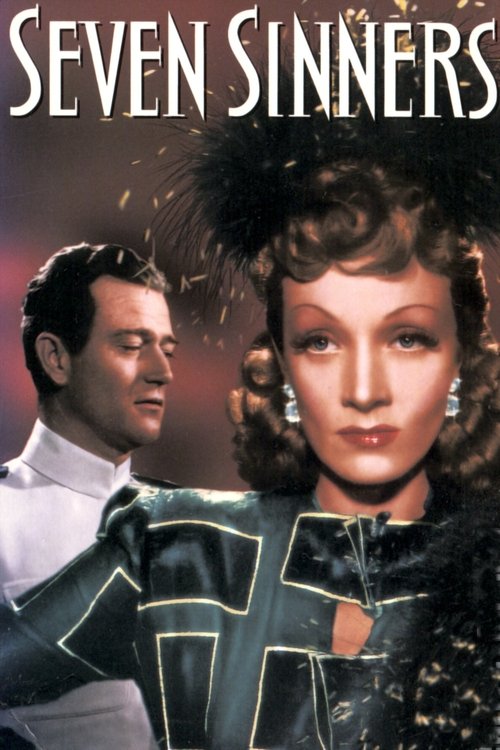
Seven Sinners
1940Banished from various U.S. protectorates in the Pacific, a saloon entertainer uses her femme-fatale charms to woo politicians, navy personnel, gangsters, riff-raff, judges and a ship's doctor in order to achieve her aims.
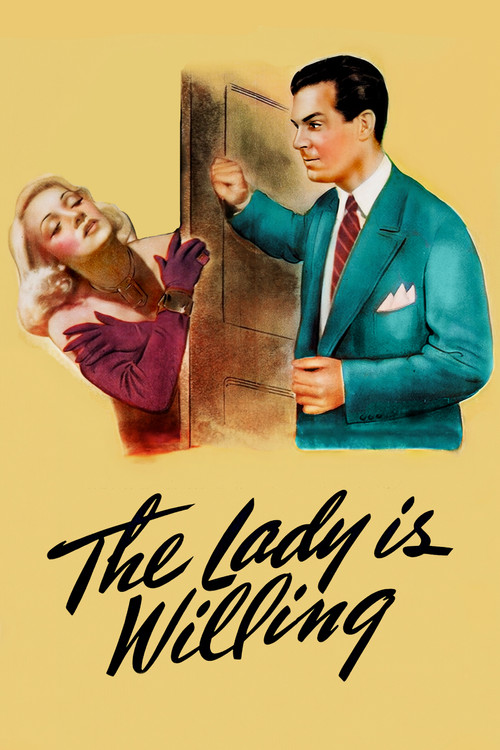
The Lady Is Willing
1942Bold, eccentric Broadway performer Elizabeth Madden befuddles her handlers by coming home with a baby she picked up on the street. She wants to keep the baby but has to find a husband to make adoption viable. She offers her new obstetrician Dr. McBain help with his research on rabbits in exchange for marriage - and he accepts. The marriage of convenience turns into a marriage of real love until Dr. McBain's ex-wife comes looking for money.
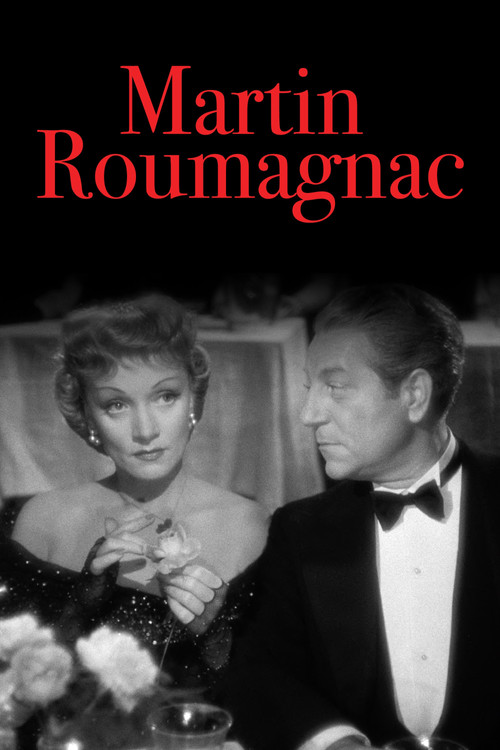
Martin Roumagnac
1946The local building-contractor Martin Roumagnac is fascinated by the fashionable Blanche Ferrand. To impress Blache, Martin presents her with a villa. However, this ruins him financially. Despite Martin's many efforts for the now femme-fatal Blanche, she is not able to chose between him and the rich consul De Laubry.
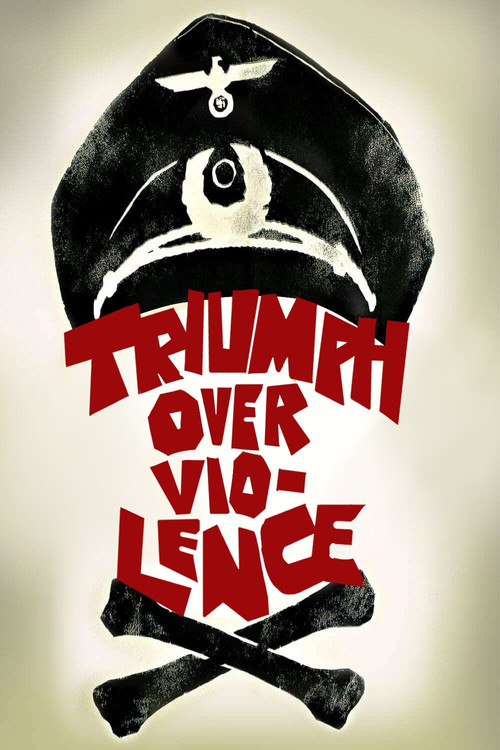
Triumph Over Violence
1965Romm pulls out all the stops in its selection of documentary material to draw the viewer not only into absolute horror about fascism and nazism in the 1920s–1940s Europe, but also to a firm conviction that nothing of the sort should be allowed to happen again anywhere in the world.
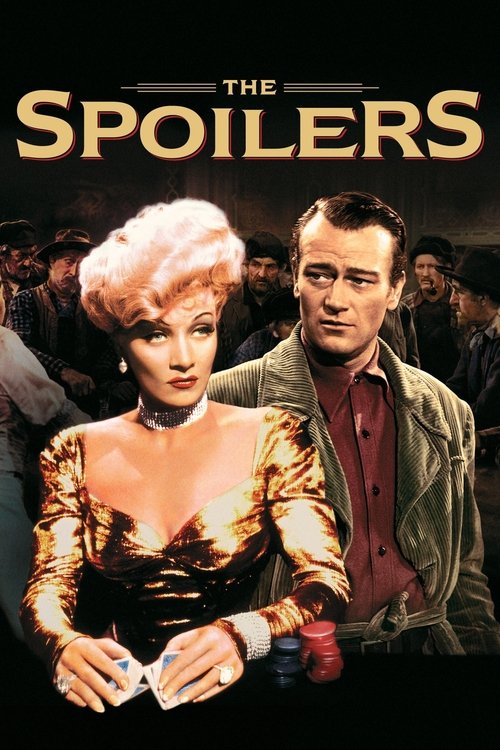
The Spoilers
1942When honest ship captain Roy Glennister gets swindled out of his mine claim, he turns to saloon singer Cherry Malotte for assistance in his battle with no-good town kingpin Alexander McNamara.
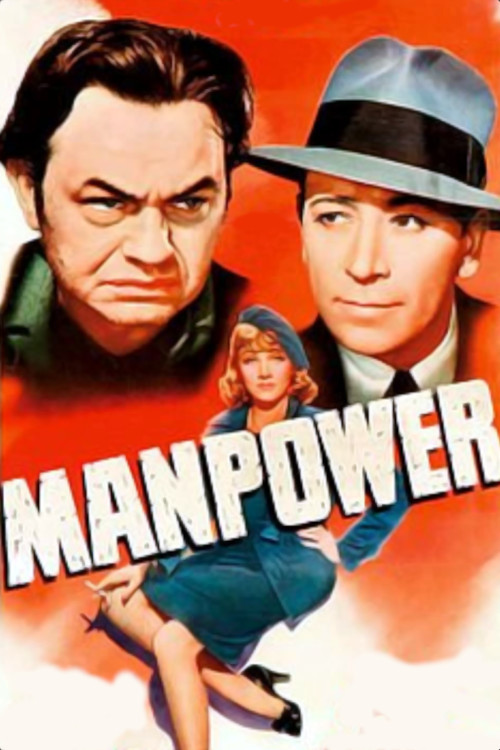
Manpower
1941Hank McHenry and Johnny Marshall work as power company linesmen. Hank is injured in an accident and subsequently promoted to foreman of the gang. Tensions start to show in the road crew as rivalry between Hank and Johnny increases.
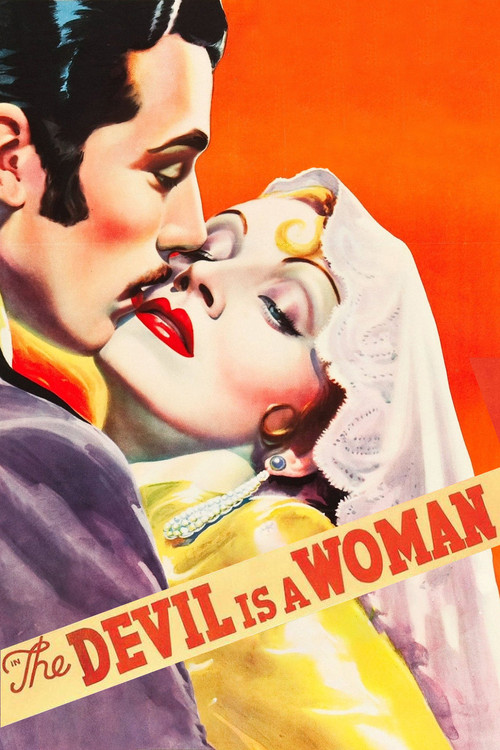
The Devil Is a Woman
1935In the carnival in Spain in the beginning of the Twentieth Century, the exiled republican Antonio Galvan comes from Paris masquerade to enjoy the party and visit his friend Capt. Don Pasqual 'Pasqualito' Costelar. However, he flirts with the mysterious Concha Perez and they schedule to meet each other later. When Antonio meets Pasqualito, his old friend discloses his frustrated relationship with the promiscuous Concha and her greedy mother and how his life was ruined by his obsession for the beautiful demimondaine. Pasqualito makes Antonio promise that he would not see Concha. However, when Antonio meets Concha, she seduces him and the long friendship between Antonio and Pasqualito is disrupted
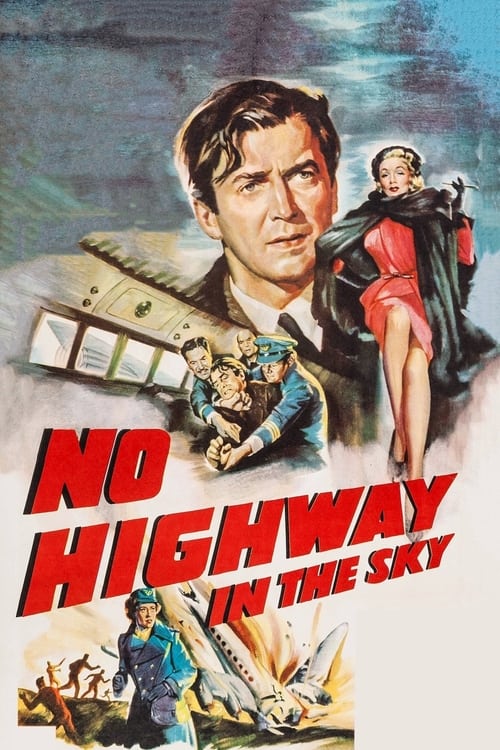
No Highway in the Sky
1951James Stewart plays aeronautical engineer Theodore Honey, the quintessential absent-minded professor: eccentric, forgetful, but brilliant. His studies show that the aircraft being manufactured by his employer has a subtle but deadly design flaw that manifests itself only after the aircraft has flown a certain number of hours. En route to a crash site to prove his theory, Honey discovers that he is aboard a plane rapidly approaching his predicted deadline.
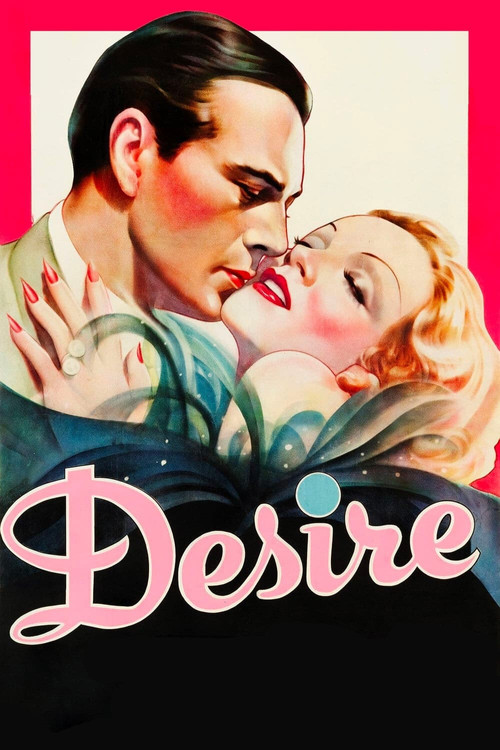
Desire
1936Madeleine steals a string of pearls in Paris and uses American engineer Tom, who is driving on his vacation to Spain, to get the pearls out of France. But getting the pearls back from him proves to be difficult without falling in love.
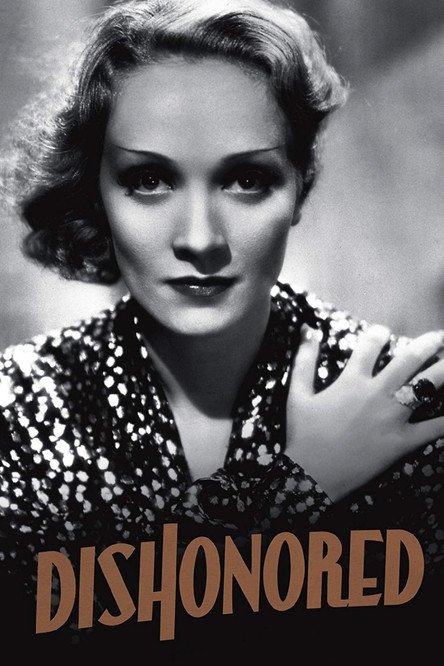
Dishonored
1931The Austrian Secret Service sends its most seductive agent to spy on the Russians.
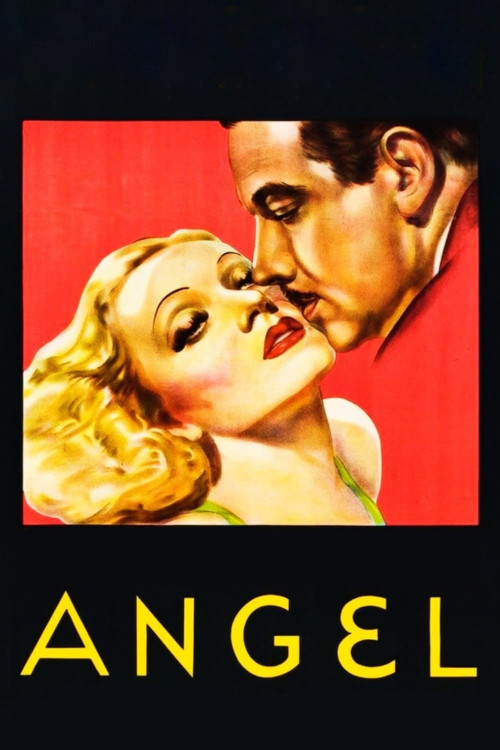
Angel
1937While vacationing without her busy British diplomat husband, a married woman falls for another man.
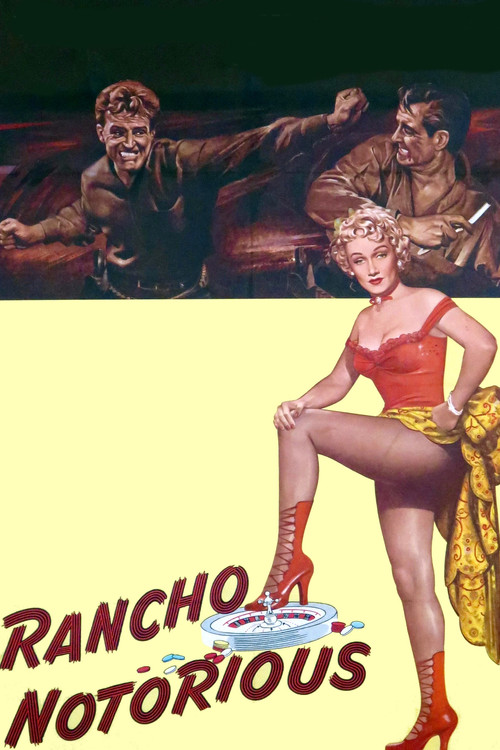
Rancho Notorious
1952A man in search of revenge infiltrates a ranch, hidden in an inhospitable region, where its owner, Altar Keane, gives shelter to outlaws fleeing from the law in exchange for a price.
In Fritz Lang’s Technicolor western, she inhabits the aging bandit queen with a stylized, operatic bitterness. It is a bold late-career turn that uses her fading cabaret persona to reflect the harsh, unforgiving nature of the genre.
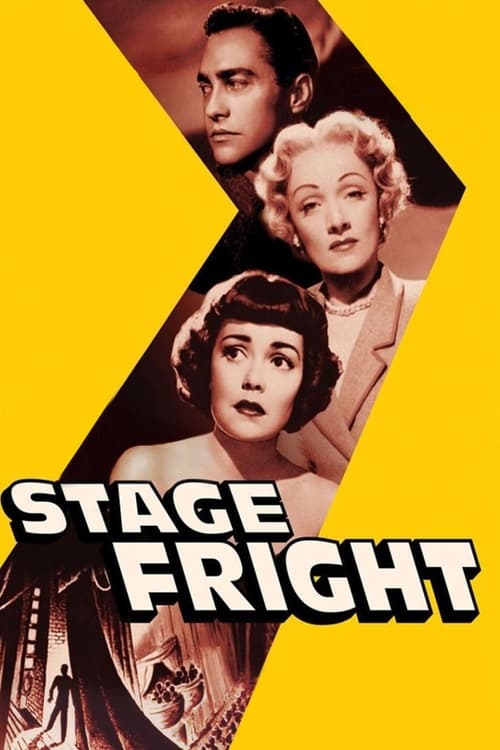
Stage Fright
1950A struggling actress tries to help a friend prove his innocence when he's accused of murdering the husband of a high-society entertainer.
Working under Hitchcock, she leans into a self-parodying version of the glamorous diva that feels both playful and subversive. Her performance highlights a sharp, cynical wit that often went underutilized in her more dramatic stagings.
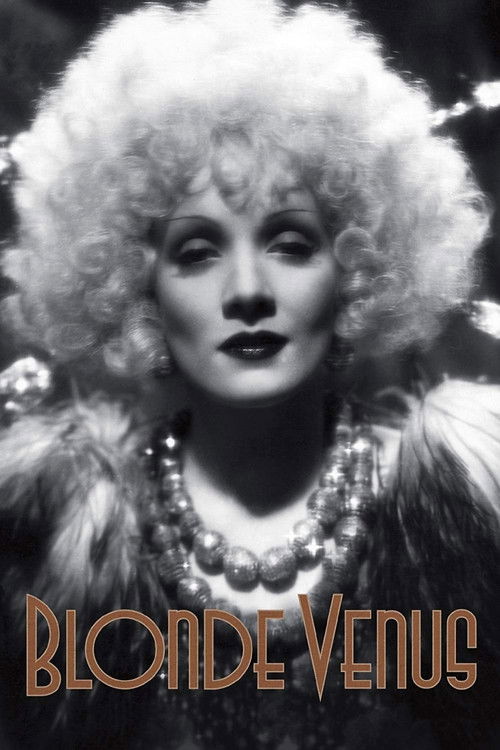
Blonde Venus
1932In an effort to be able to afford expensive treatment for her gravely ill American husband, a retired German entertainer returns to the cabaret as Blonde Venus and catches the eye of a wealthy politician.
Whether emerging from a gorilla suit or wandering the tracks as a destitute mother, Dietrich displays a raw, survivalist grit underneath the glamour. The film serves as a fascinating showcase for her ability to maintain a singular identity across wildly disparate visual shifts.
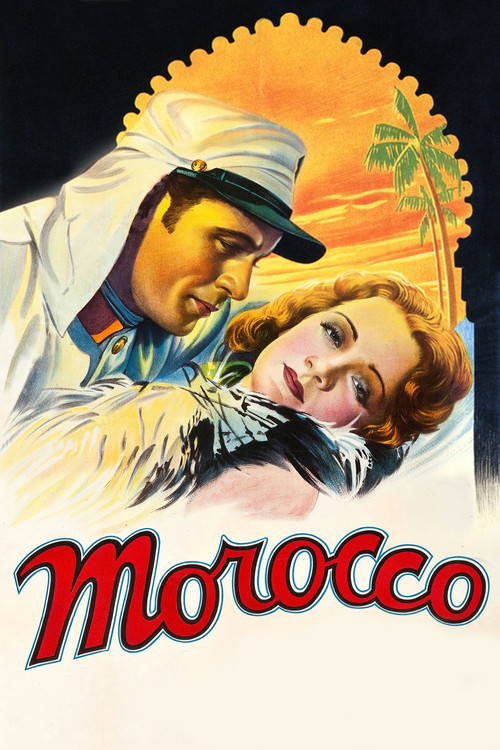
Morocco
1930Mogador, Morocco. Late 1920s. A complex romance develops between a womanizing Legionnaire and a disillusioned Parisian cabaret singer.
Her Hollywood debut remains legendary for the tuxedo-clad kiss that challenged gender norms and established her androgynous allure. She navigates the desert heat with a cool, nonchalant magnetism that instantly made her a global phenomenon.
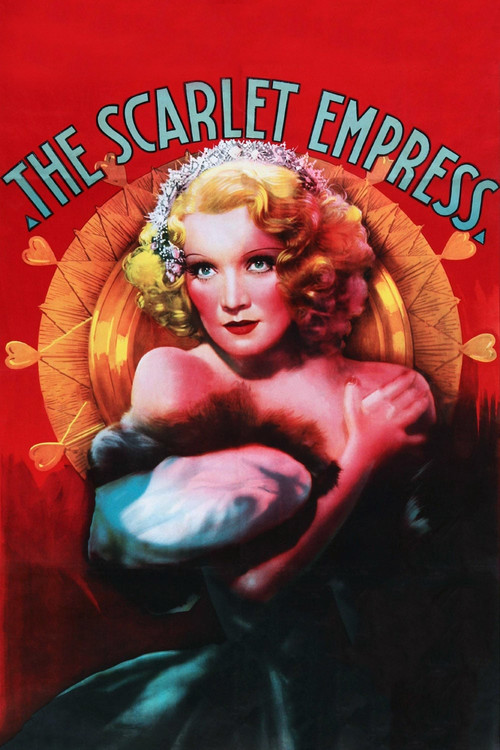
The Scarlet Empress
1934During the 18th century, German noblewoman Sophia Frederica, who would later become Catherine the Great, travels to Moscow to marry the dimwitted Grand Duke Peter, the heir to the Russian throne. Their arranged marriage proves to be loveless, and Catherine takes many lovers, including the handsome Count Alexei, and bears a son. When the unstable Peter eventually ascends to the throne, Catherine plots to oust him from power.
This is Dietrich as a kaleidoscopic icon, disappearing into von Sternberg’s fever dream of excessive lighting and lace. Her transformation from naive princess to decadent empress remains the ultimate testament to her status as a purely cinematic creation.
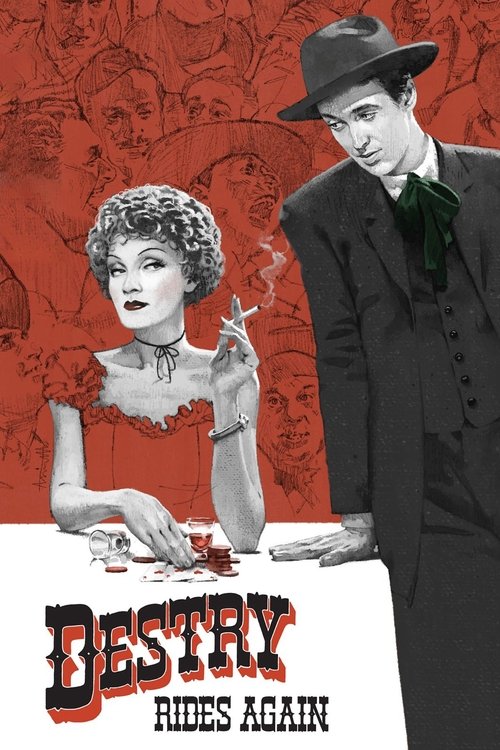
Destry Rides Again
1939Tom Destry, son of a legendary frontier peacekeeper, doesn’t believe in gunplay. Thus he becomes the object of widespread ridicule when he rides into the wide-open town of Bottleneck, the personal fiefdom of the crooked Kent.
Refusing to be confined by European mystique, she reinvented herself here as a rowdy, whiskey-voiced saloon singer. This pivot toward the comedic and the accessible saved her career from the 'box office poison' label and showcased a startling range.
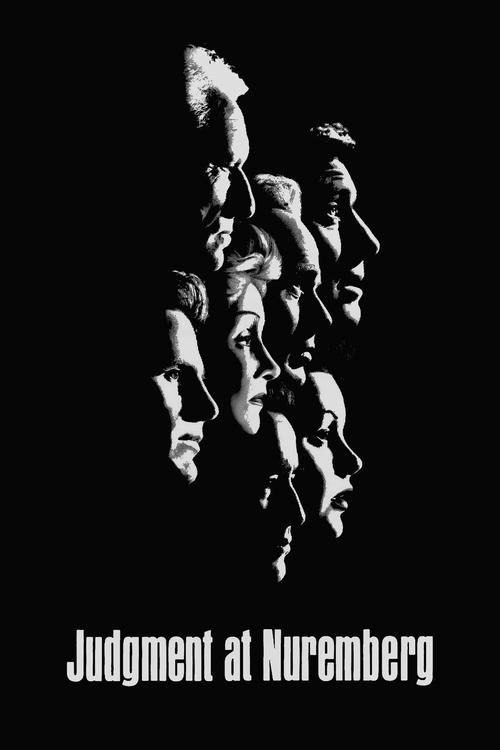
Judgment at Nuremberg
1961In 1947, four German judges who served on the bench during the Nazi regime face a military tribunal to answer charges of crimes against humanity. Chief Justice Haywood hears evidence and testimony not only from lead defendant Ernst Janning and his defense attorney Hans Rolfe, but also from the widow of a Nazi general, an idealistic U.S. Army captain and reluctant witness Irene Wallner.
Dietrich offers a chillingly sophisticated portrait of post-war denial as the widow of a Nazi general. Her performance is essential for its nuanced tension, balancing aristocratic grace against the uncomfortable moral ambiguity of the period.
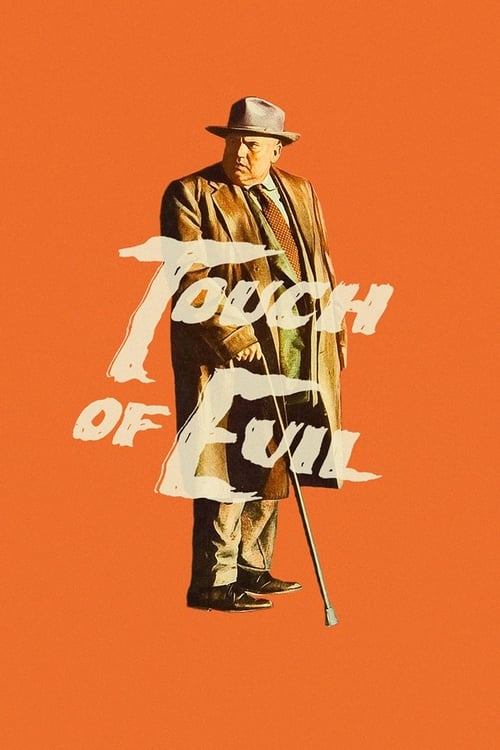
Touch of Evil
1958A border-town bombing draws Mexican investigator Miguel Vargas into a corruption-ridden police investigation led by crooked captain Hank Quinlan, setting off a deadly struggle over power, justice, and truth.
Even in a brief, smoky cameo, her presence acts as the film's weary conscience. She occupies the role of the fortuneteller with a haunting, elegiac quality that serves as the perfect eulogy for the noir era.
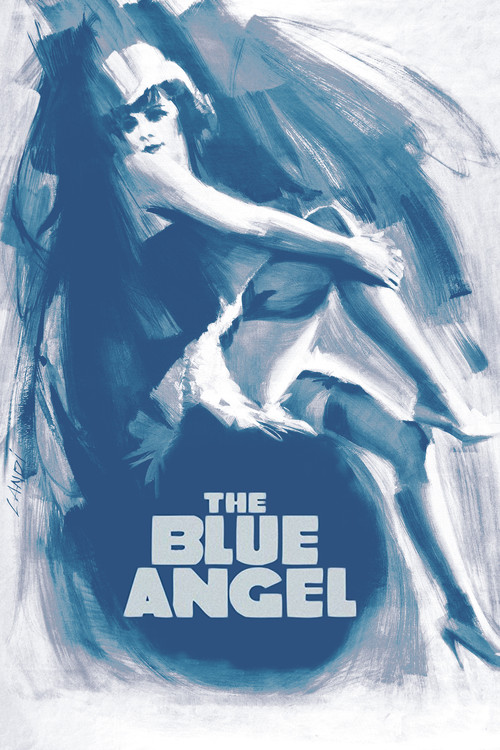
The Blue Angel
1930Prim professor Immanuel Rath finds some of his students ogling racy photos of cabaret performer Lola Lola and visits a local club, The Blue Angel, in an attempt to catch them there. Seeing Lola perform, the teacher is filled with lust, eventually resigning his position at the school to marry the young woman. However, his marriage to a coquette -- whose job is to entice men -- proves to be more difficult than Rath imagined.
As Lola Lola, Dietrich weaponizes a bored, predatory sexuality that effectively dismantled the sensibilities of Weimar cinema. This performance birthed the archetype of the modern femme fatale and established the visual language for her entire career.
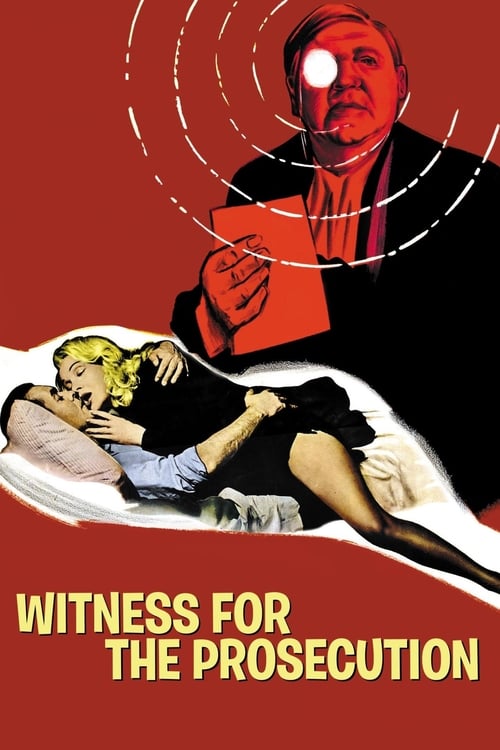
Witness for the Prosecution
1957An ailing barrister is thrust back into the courtroom in what becomes one of the most unusual and eventful murder cases of the lawyer's career when he finds himself defending a man being tried for the murder of a socialite.
Dietrich commands the screen with a calculated, glacial precision that anchors Wilder's courtroom labyrinth. It is a masterclass in transparency and deception, proving she could transition from the exoticism of her youth into a formidable character actress of immense psychological depth.
Frequently Asked Questions
Everything you need to know about this list and SnakeDrafts
- Josef von Sternberg is the director most associated with Marlene Dietrich's classic films, having directed several of her iconic movies such as 'The Blue Angel,' 'Morocco,' and 'The Scarlet Empress.' Their collaborations are known for their stylistic visual flair and Dietrich’s charismatic performances.
- Marlene Dietrich's best movies span a variety of genres including drama, romance, crime, and western. Films like 'Destry Rides Again' highlight her versatility by blending western and comedy, while noir-influenced films such as 'Touch of Evil' showcase her dramatic range.
- In films like 'Morocco' and 'The Devil Is a Woman,' Dietrich famously wore tuxedos and adopted androgynous fashion, subverting traditional gender roles. Her screen presence often blurred rigid binaries, establishing her as a groundbreaking icon for gender and sexuality in early cinema.
- Marlene Dietrich appears in the gripping courtroom drama 'Witness for the Prosecution,' directed by Billy Wilder. This suspenseful mystery highlights her dramatic talent in a tense legal environment.
- Historical themes feature prominently in films like 'Judgment at Nuremberg' and 'The Scarlet Empress,' where Dietrich navigates complex political and social narratives. These films showcase her ability to portray characters amidst significant historical events and tensions.
- Yes, Marlene Dietrich starred in Alfred Hitchcock’s thriller 'Stage Fright,' where her performance blends suspense and psychological intrigue, adding depth to Hitchcock’s signature style.
- While her early collaborations with Josef von Sternberg were marked by expressionistic visuals and sultry personas, Dietrich’s later films like 'Touch of Evil' and 'Judgment at Nuremberg' exhibit a mature, nuanced acting style. These later works highlight her adaptability across different cinematic eras and genres.