The Essential Frank Capra Films Ranked
The Master of American Optimism and Golden Age Cinema
Explore the definitive filmography of Frank Capra, featuring essential classics like It's a Wonderful Life and his Oscar-winning masterpieces.
About Frank Capra
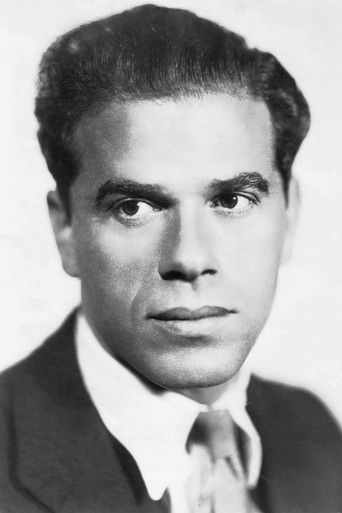
To look at the cinema of Frank Capra is to witness the crystallization of the American spirit on celluloid. He managed a feat few other directors ever dared: creating a visual shorthand for idealism that felt gritty and lived-in rather than saccharine. While critics often coined the term Capra-corn to describe his penchant for sentiment, that label ignores the darkness and systemic rot his heroes had to navigate before reaching their hard-won triumphs. His camera didn't just capture stories; it captured a specific populist heartbeat that dominated the 1930s and 40s.
The architectural foundation of his work was a relentless pace and a devotion to the common man. In It Happened One Night, he essentially invented the modern romantic comedy by stripping away the artifice of the upper class and finding chemistry in bus stations and hitchhiking. He had a gift for making dialogue feel like a volley of tennis shots, a technique that reached a frantic, hilarious peak in the macabre chaos of Arsenic and Old Lace. Yet, behind the laughter, his vision was often preoccupied with the fragility of the individual against the crushing weight of the mob or the machine.
Nowhere is this tension more palpable than in his political trilogy. Mr. Deeds Goes to Town and Mr. Smith Goes to Washington present a world where decency is a liability, and the lone voice in the wilderness must shout until it breaks to be heard. By the time he reached Meet John Doe, the optimism had curdled into a haunting meditation on how easily the public can be manipulated by fascistic shadows. He understood that for a happy ending to resonate, the protagonist had to be pushed to the very edge of a bridge, a theme that famously culminated in the existential crisis of It's a Wonderful Life.
His versatility often gets buried under his reputation for warmth. One only needs to look at the pre-Code grit of The Miracle Woman or the atmospheric, forbidden romance of The Bitter Tea of General Yen to see a stylist who could handle taboo and exoticism with the same dexterity he applied to a screwball farce. Even when he dipped into the fantastical with the Himalayan serenity of Lost Horizon, the core remained centered on humanity's search for a better way to live.
This director reshaped the industry by championing the idea of the name above the title. He believed the filmmaker should be the primary author of the experience, and his fingerprints are visible in every overlapping line of dialogue and every close-up of a tearful, resolute face. Whether he was exploring the mounting panic of a bank run in American Madness or the chaotic intersection of love and politics in State of the Union, he remained the supreme chronicler of the national psyche. His legacy isn't just a collection of holiday perennials; it is a blueprint for how cinema can advocate for the soul in an increasingly cynical world.
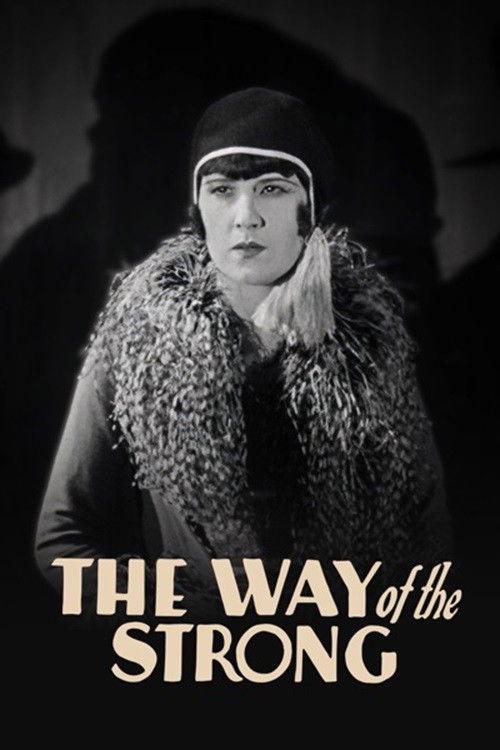
The Way of the Strong
1928A gangster falls for a blind violinist, only for his mobster rivals to kidnap her.
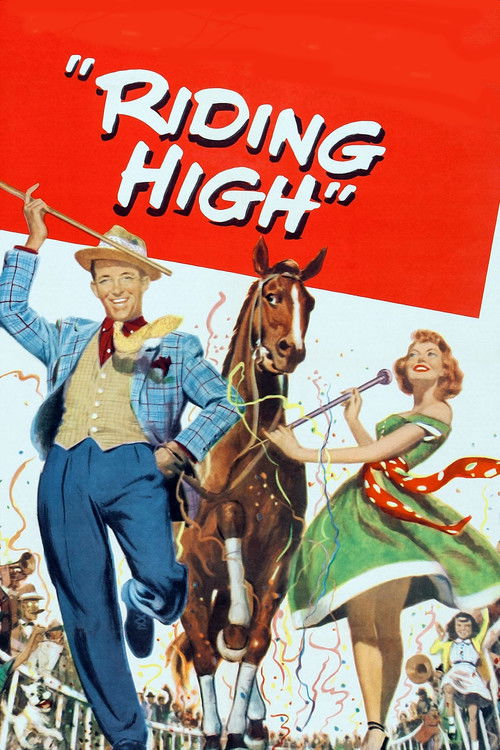
Riding High
1950A horse trainer who has fallen on hard times looks to his horse, Broadway Bill, to finally win the big race.
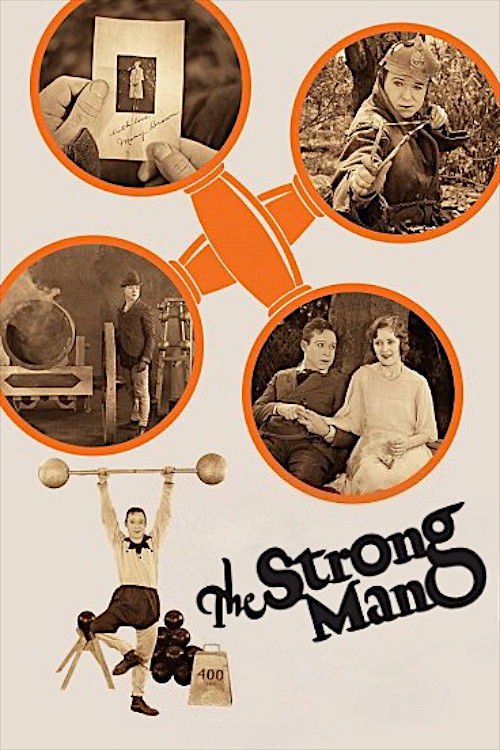
The Strong Man
1926A meek Belgian soldier (Harry Langdon) fighting in World War I receives penpal letters and a photo from "Mary Brown", an American girl he has never met. He becomes infatuated with her by long distance. After the war, the young Belgian journeys to America as assistant to a theatrical "strong man", Zandow the Great (Arthur Thalasso). While in America, he searches for Mary Brown... and he finds her, just as word comes that Zandow is incapacitated and the little nebbish must go on stage in his place.
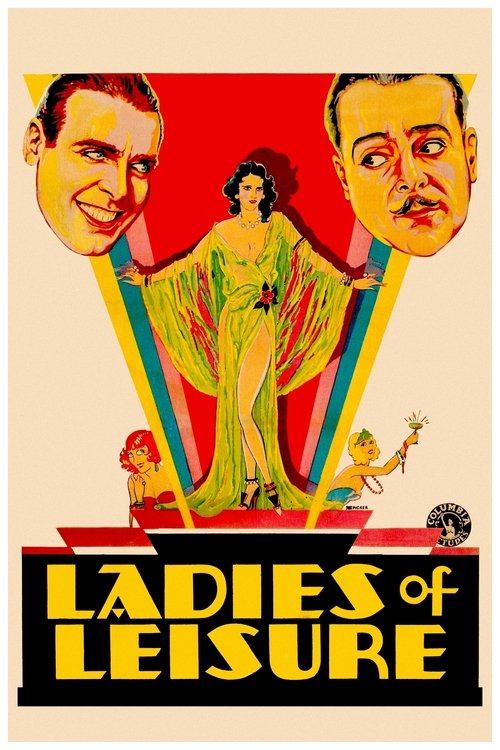
Ladies of Leisure
1930Kay Arnold is a gold digger who wanders from party to party with the intention of catching a rich suitor. Jerry Strong is a young man from a wealthy family who strives to succeed as an artist. What begins as a relationship of mutual convenience soon turns into something else.
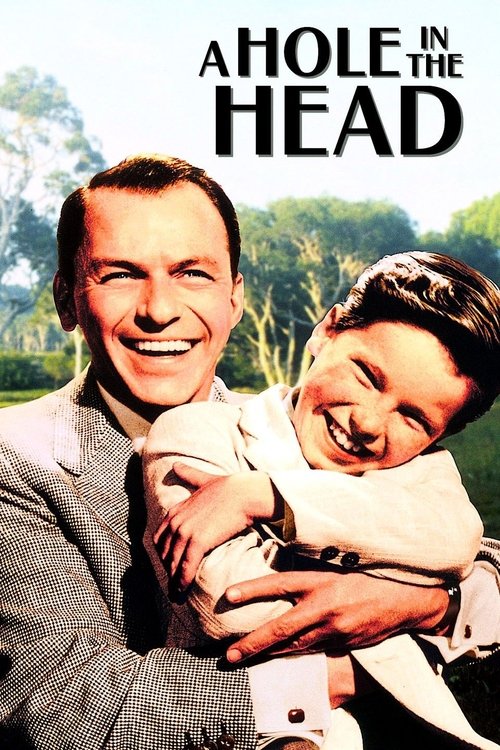
A Hole in the Head
1959An impractical widower tries to hang onto his Miami hotel and his 12-year-old son.

Forbidden
1932On a cruise to Cuba, Lulu Smith falls in love with Bob Grover. Back home, she breaks off the romance when he tells her he is married. Lulu has a baby but doesn't tell Bob, who turns out to be a rising politician. She passes herself off as the baby's nanny. When Bob learns what is going on, he adopts the little girl, not telling his wife or anyone else where she came from. Lulu gets a job at a newspaper. Things get complicated when the editor gets the dirt on Bob, but also wants to marry Lulu.
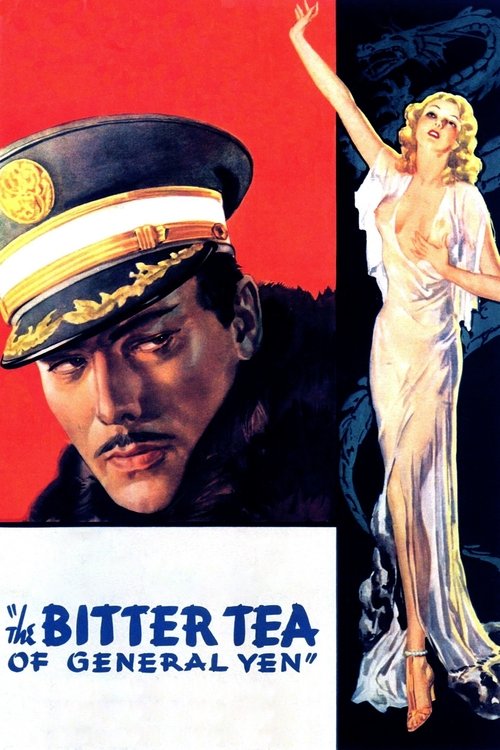
The Bitter Tea of General Yen
1932An American missionary is gradually seduced by a courtly warlord holding her in Shanghai.
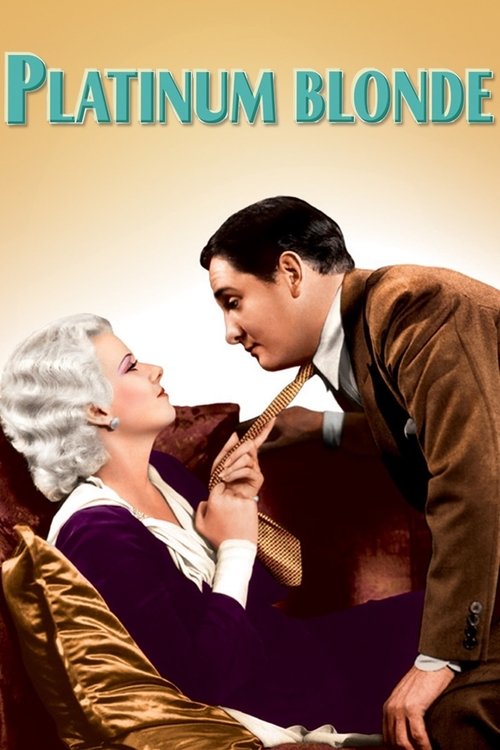
Platinum Blonde
1931Ann Schuyler is an upper-crust socialite who bullies her reporter husband into conforming to her highfalutin ways. The husband chafes at the confinement of high society, though, and yearns for a creative outlet. He decides to write a play and collaborates with a fellow reporter.
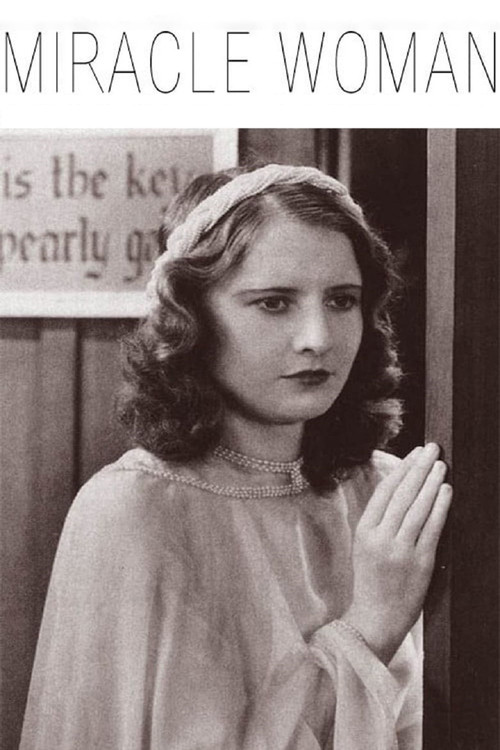
The Miracle Woman
1931After an unappreciated minister dies, his daughter loses her faith in God, prompting her to open a phony temple with a con man. Can the love of a blind former aviator restore her faith and happiness?
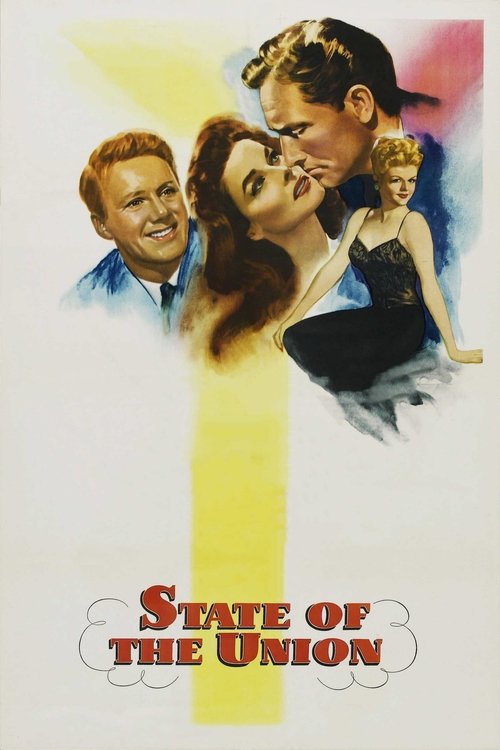
State of the Union
1948An industrialist is urged to run for President, but this requires uncomfortable compromises on both political and marital levels.
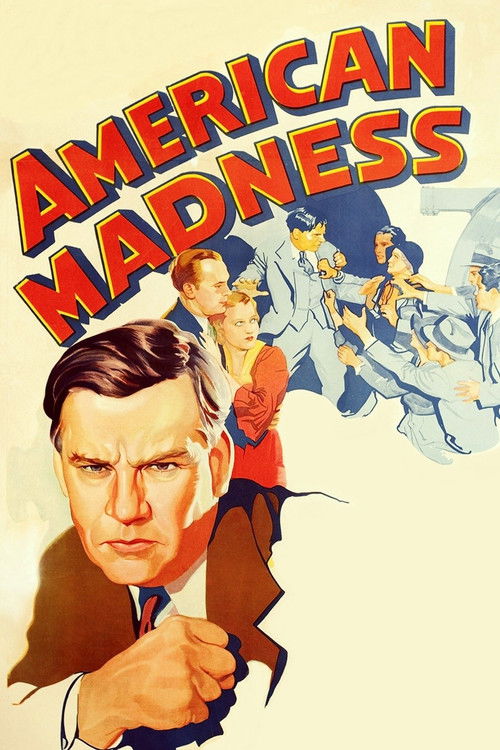
American Madness
1932Socially-conscious banker Thomas Dickson faces a crisis when his protégé is wrongly accused of robbing the bank, gossip of the robbery starts a bank run, and evidence suggests Dickson's wife had an affair... all in the same day.
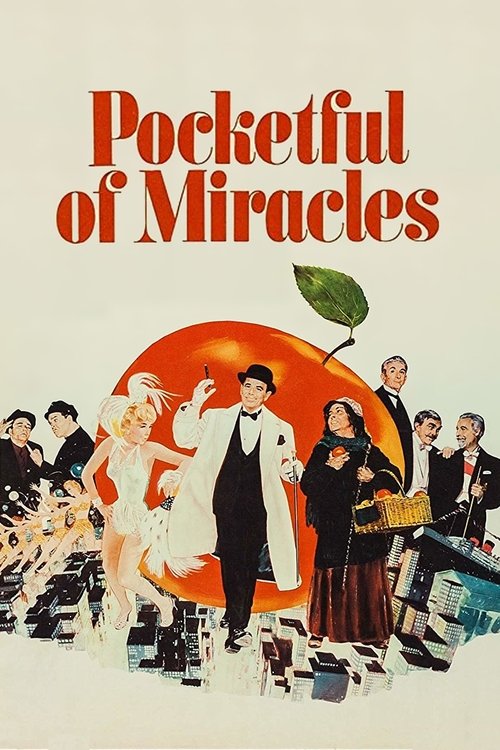
Pocketful of Miracles
1961A New York gangster and his girlfriend attempt to turn street beggar Apple Annie into a society lady when the peddler learns her daughter is marrying royalty.
Returning to his own thematic roots for his final feature, Capra delivers a lush, color-soaked reimagining of his earlier work that acts as a career-capping swan song. While more polished than his Depression-era output, it retains the director’s signature belief in the power of collective illusion to create reality.
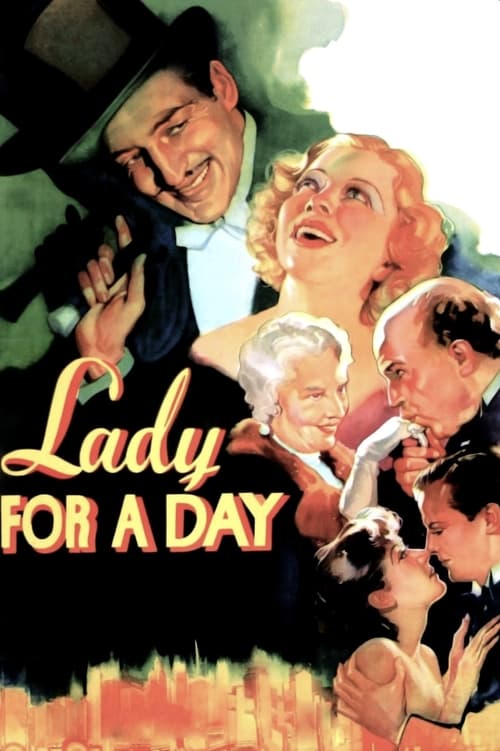
Lady for a Day
1933Apple Annie is an aging New York City fruit seller whose daughter Louise has been raised in a Spanish convent since she was an infant. As she grows up, Louise is led to believe that her mother is a society matron called Mrs. E. Worthington Manville. Annie worries that her lie is in danger of being uncovered when she learns that Louise is sailing to New York with her new fiancé and his nobleman father.
An essential early example of Capra’s transformative touch, this film demonstrates his talent for elevating sentimental premises into sophisticated, rhythmically tight urban fairy tales. Its success solidified the director’s status as a preeminent storyteller of regenerative grace.
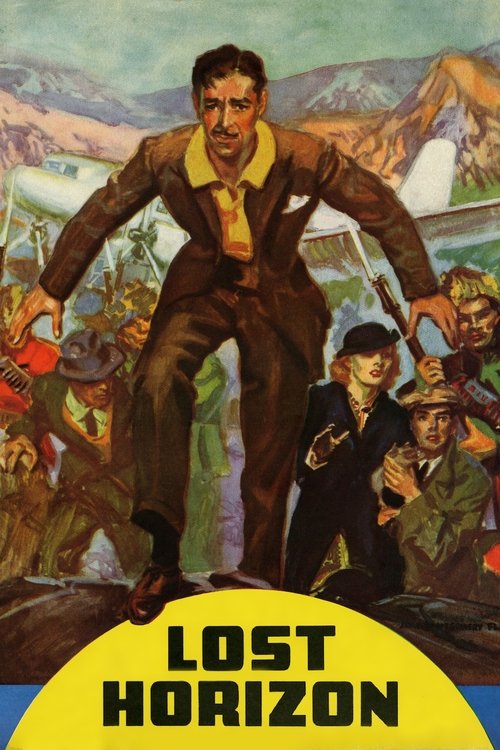
Lost Horizon
1937British diplomat Robert Conway and a small group of civilians crash-land in the Himalayas, where they are rescued by the inhabitants of the hidden, idyllic valley of Shangri-La. Protected by the mountains from the world outside, where the clouds of World War II are gathering, Shangri-La provides a seductive escape for the world-weary Conway.
This ambitious departure into philosophical fantasy demonstrates Capra’s ability to handle massive production scales without losing his intimate focus on human longing. The creation of Shangri-La remains a landmark achievement in art direction and visionary world-building within the studio system.
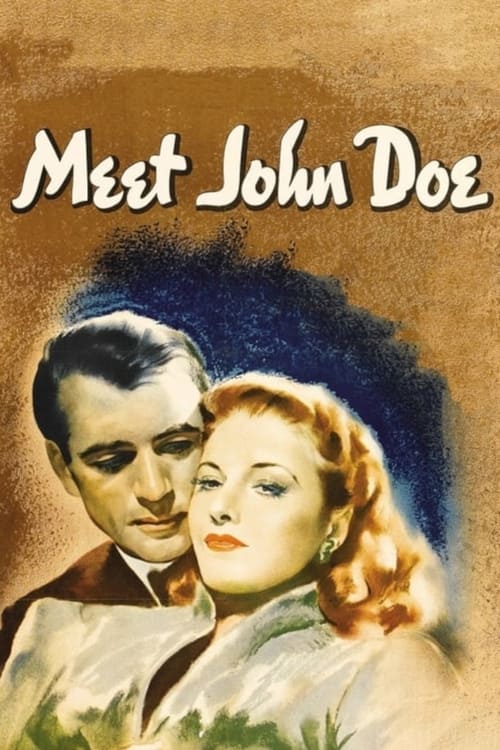
Meet John Doe
1941As a parting shot, fired reporter Ann Mitchell prints a fake letter from unemployed "John Doe," who threatens suicide in protest of social ills. The paper is forced to rehire Ann and hires John Willoughby to impersonate "Doe." Ann and her bosses cynically milk the story for all it's worth, until the made-up "John Doe" philosophy starts a whole political movement.
The director explores the dangerous intersection of media manipulation and grassroots fervor in this uncharacteristically somber study of public identity. It marks a sophisticated evolution in Capra’s career, highlighting his growing anxiety regarding the vulnerability of the masses to populist demagoguery.
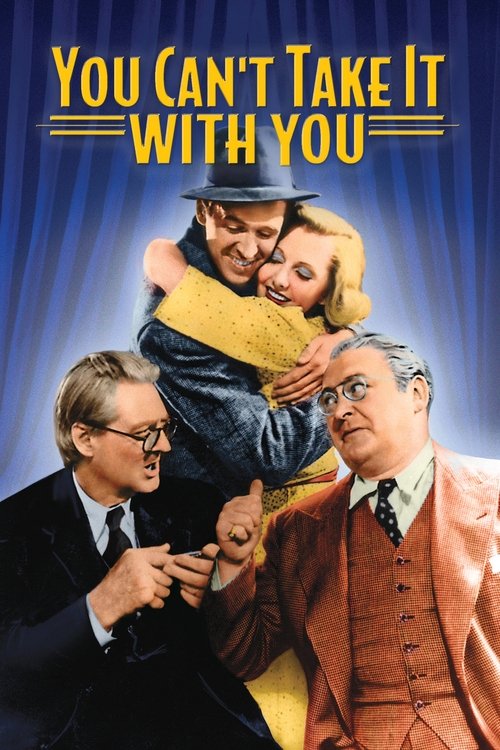
You Can't Take It with You
1938Alice, the only relatively normal member of the eccentric Sycamore family, falls in love with Tony Kirby, but his wealthy banker father and snobbish mother strongly disapprove of the match. When the Kirbys are invited to dinner to become better acquainted with their future in-laws, things don't turn out the way Alice had hoped.
In this chaotic celebration of nonconformity, Capra utilizes the sprawling family dynamic to advocate for spiritual wealth over material accumulation. The film serves as a vibrant, noisy manifesto for the director's belief in the inherent dignity of the eccentric individual.
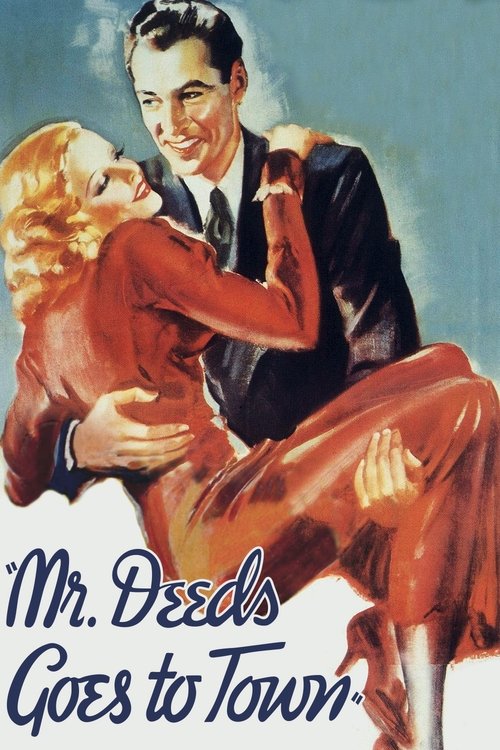
Mr. Deeds Goes to Town
1936Longfellow Deeds lives in a small town, leading a small town kind of life. When a relative dies and leaves Deeds a fortune, Longfellow moves to the big city where he becomes an instant target for everyone. Deeds outwits them all until Babe Bennett comes along. When small-town boy meets big-city girl anything can, and does, happen.
Capra crystalizes his 'Common Man' archetype here, utilizing a sharp, satirical lens to interrogate the friction between rural honesty and urban sophistication. It is a pivotal entry that established the director as a premier architect of the American social fable.
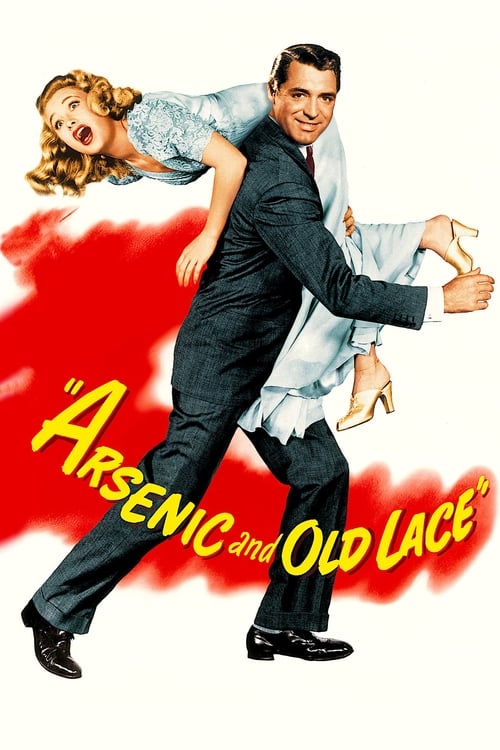
Arsenic and Old Lace
1944Mortimer Brewster, a newspaper drama critic, playwright, and author known for his diatribes against marriage, suddenly falls in love and gets married; but when he makes a quick trip home to tell his two maiden aunts, he finds out his aunts' hobby - killing lonely old men and burying them in the cellar!
Deviating from his usual sentimentalism, Capra leans into macabre franticness to prove his versatility with high-velocity dark comedy. This adaptation captures a specific, kinetic energy that balances theatrical absurdity with a precisely controlled sense of domestic chaos.
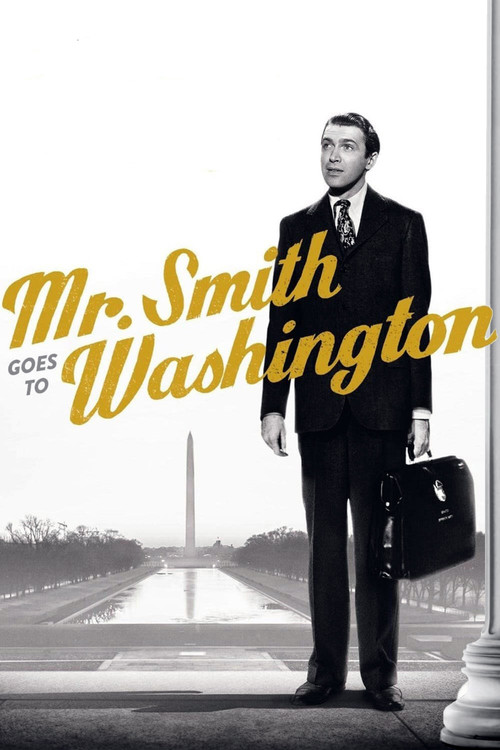
Mr. Smith Goes to Washington
1939After the death of a United States Senator, idealistic Jefferson Smith is appointed as his replacement in Washington. Soon, the naive and earnest new senator has to battle political corruption.
A blistering indictment of systemic corruption that remains startlingly relevant, this film showcases Capra’s ability to weaponize sincere idealism against the machinery of political cynicism. The director’s choreography of the climactic filibuster transforms legislative procedure into high-stakes moral theater.
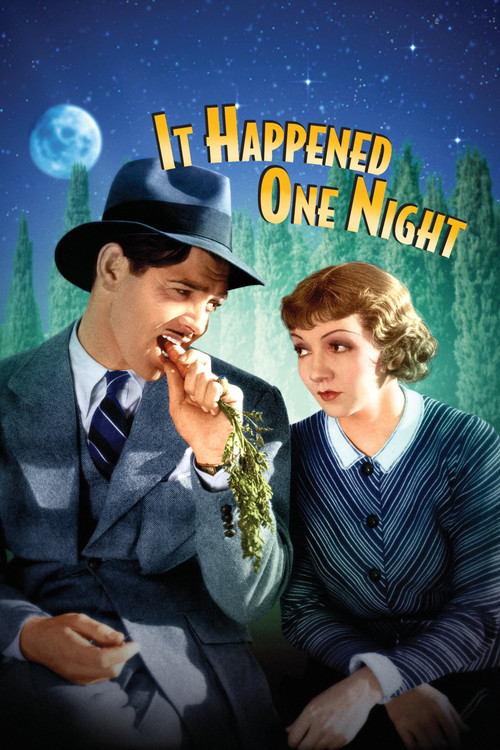
It Happened One Night
1934A runaway heiress makes a deal with the rogue reporter trailing her but the mismatched pair end up stuck with each other when their bus leaves them behind.
This foundational screwball comedy remains a masterclass in rhythmic pacing and the architectural construction of on-screen chemistry. By stripping away artifice, Capra recalibrated the romantic genre to favor wit over wealth, effectively democratizing the Hollywood love story.
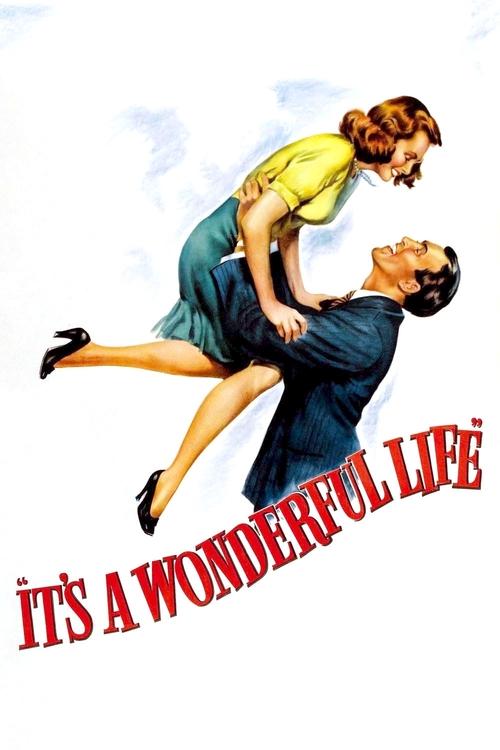
It's a Wonderful Life
1946George Bailey has spent his entire life giving to the people of Bedford Falls. All that prevents rich skinflint Mr. Potter from taking over the entire town is George's modest building and loan company. But on Christmas Eve the business's $8,000 is lost and George's troubles begin.
Capra’s definitive masterpiece transcends its holiday reputation to offer a profound, expressionistic exploration of existential worth and communal synergy. It represents the ultimate synthesis of the director’s populist optimism and his darker, more haunting cinematic instincts.
Frequently Asked Questions
Everything you need to know about this list and SnakeDrafts
- Frank Capra masterfully blends idealism with realism in classics like 'It's a Wonderful Life' and 'Mr. Smith Goes to Washington,' where characters navigate systemic challenges before achieving heartfelt victories. These films capture the complexities of the American spirit that define Capra's enduring legacy.
- 'It Happened One Night' is a quintessential Capra romantic comedy that highlights his talent for witty dialogue and chemistry between leads. Its charm and storytelling earned it multiple Academy Awards, cementing its status as a timeless classic in his career.
- Films like 'Meet John Doe' and 'Mr. Deeds Goes to Town' delve into social and political themes with a mix of humor and drama, critiquing corruption while advocating for common decency. Capra's work often shines a light on the challenges facing the everyday American during his era.
- Frank Capra's filmography skillfully blends genres, as seen in 'Arsenic and Old Lace,' which combines comedy and crime, and 'Lost Horizon,' an adventurous fantasy-drama. This genre versatility showcases Capra's ability to tell engaging stories across different narrative styles.
- 'You Can't Take It with You' is a celebrated comedy-romance that won the Academy Award for Best Picture, highlighting Capra's expertise in weaving humor with heartfelt themes. It emphasizes the importance of individuality and happiness over material success, a recurring motif in his films.
- 'Pocketful of Miracles' exemplifies Capra's knack for blending comedy with drama and his focus on redemption and human kindness. The film continues his tradition of optimistic storytelling amidst societal challenges, underscoring his enduring storytelling appeal.
- In dramas like 'American Madness' and 'The Miracle Woman,' Capra explores themes of moral integrity, social justice, and human resilience. These films reveal the darker, more serious undertones beneath his often lighthearted and optimistic narratives.
- 'Platinum Blonde' and 'It Happened One Night' demonstrate Capra's skillful handling of romance, combining witty dialogue and relatable characters to create memorable love stories. These films reflect his nuanced approach to romantic storytelling within broader societal contexts.