The Best Clint Eastwood Movies Ranked
The Definitive Legacy of a Hollywood Legend
Discover the most iconic films from Clint Eastwood, featuring his greatest roles as an actor and mastery as a director in cinema history.
About Clint Eastwood
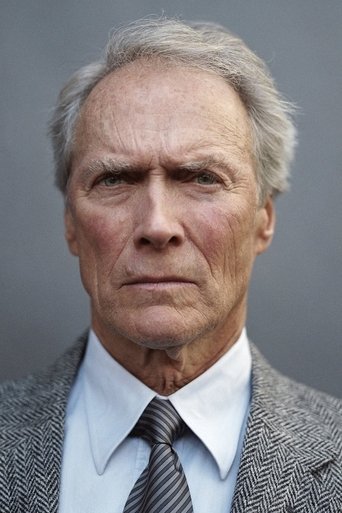
Clint Eastwood exists as a mountain on the American cultural landscape, a monolithic figure whose silhouette alone communicates a specific brand of stoic morality and weathered resilience. His career isn’t just a timeline of credits; it is a long-form meditation on the evolution of masculinity. He first burned his way into our collective consciousness through the squinting, cigar-chewing lens of Sergio Leone’s revisionist West. In masterpieces like For a Few Dollars More and The Good, the Bad and the Ugly, he stripped away the white-hat artifice of the frontier, trading chivalry for a cold, cynical pragmatism that redefined the action hero for a generation.
While his early fame was built on the silence of the Drifter, he eventually traded the poncho for a .44 Magnum, cementing a different kind of iconography in Dirty Harry. As Harry Callahan, he tapped into a simmering, post-sixties frustration with bureaucracy, playing a man who functioned as a blunt instrument of justice. It was a role that could have easily trapped him in the amber of B-movie tough guys, yet his restless creative spirit pushed him toward the director’s chair. He began to dissect his own mythos, using films like High Plains Drifter and The Outlaw Josey Wales to explore the darker, lonelier costs of violence.
Audiences connect with him because there is an inherent economy to his presence. He never over-explains. Whether he’s plotting a meticulous breakout in Escape from Alcatraz or navigating the high-stakes tension of In the Line of Fire, he carries a gravity that suggests he knows something the rest of the room doesn’t. Even when he veers into unexpected territory, like the tender, doomed romance of The Bridges of Madison County, that foundational toughness makes the vulnerability feel earned rather than performative.
His later years have been a Masterclass in cinematic deconstruction. With Unforgiven, he effectively buried the Western, turning a critical eye toward the hollow glorification of the gunfighter. This streak of sensitive, often tragic filmmaking peaked again in Million Dollar Baby, where his grizzled exterior served as the perfect foil for a crushing story of mentorship and loss. Even in a film like Gran Torino, he found a way to bridge the gap between his curmudgeonly reputation and a changing world, proving he could still command the box office by simply standing his ground.
Today, he remains an anomaly: a filmmaker who works with the speed of an old-school craftsman and an actor who understands that a single look can outweigh a page of dialogue. From the snowy peaks of Where Eagles Dare to the gritty streets of A Perfect World, his body of work reflects a man who has never been interested in chasing trends. He is the last of the true outlaws, a storyteller who survived the death of the studio system and the birth of the blockbuster by remaining exactly who he is. We watch him because he represents a vanishing ideal of competence and quiet strength, standing tall as a reminder that some legends don't need to shout to be heard.
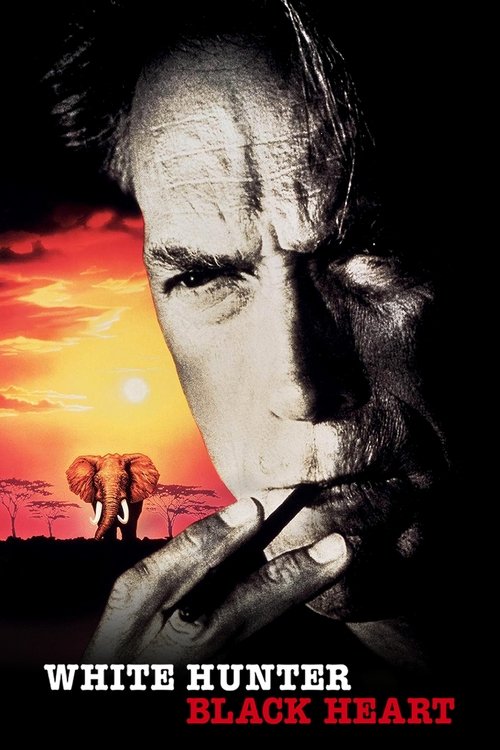
White Hunter, Black Heart
1990Renowned filmmaker John Wilson travels to Africa to direct a new movie, but constantly leaves to hunt elephants and other game, to the dismay of his cast and crew. He eventually becomes obsessed with hunting down and killing one specific elephant.
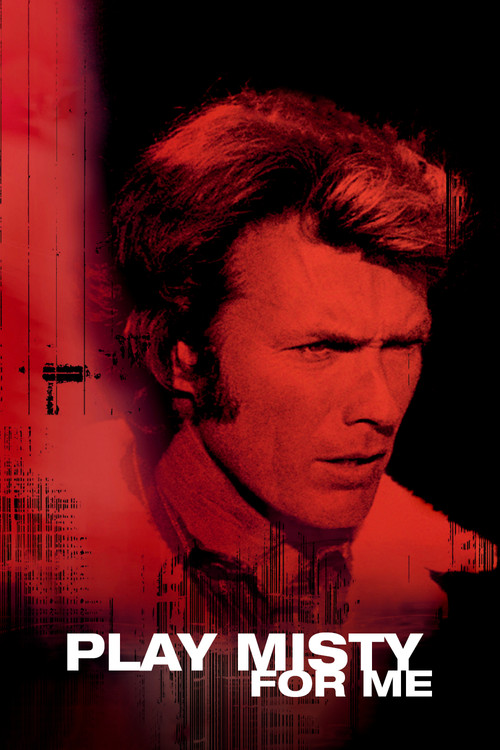
Play Misty for Me
1971A brief fling between a male disc jockey and an obsessed female fan takes a frightening, and perhaps even deadly turn when another woman enters the picture.
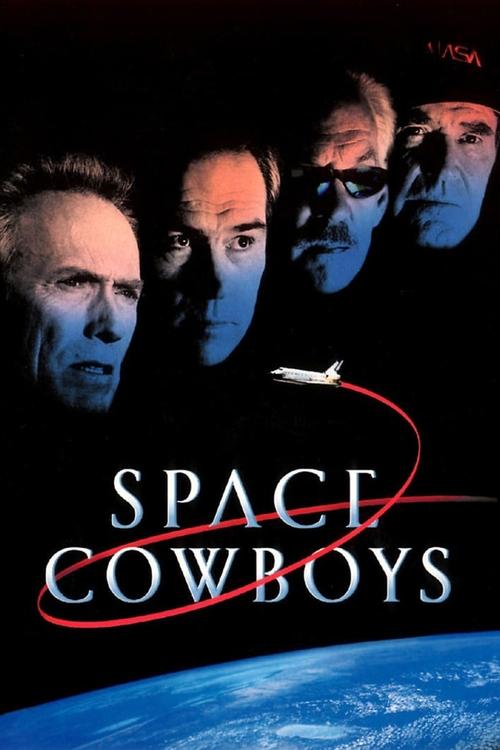
Space Cowboys
2000Frank Corvin, ‘Hawk’ Hawkins, Jerry O'Neill and ‘Tank’ Sullivan were hotdog members of Project Daedalus, the Air Force's test program for space travel, but their hopes were dashed in 1958 with the formation of NASA and the use of trained chimps. They blackmail their way into orbit when Russia's mysterious ‘Ikon’ communications satellite's orbit begins to degrade and threatens to crash to Earth.
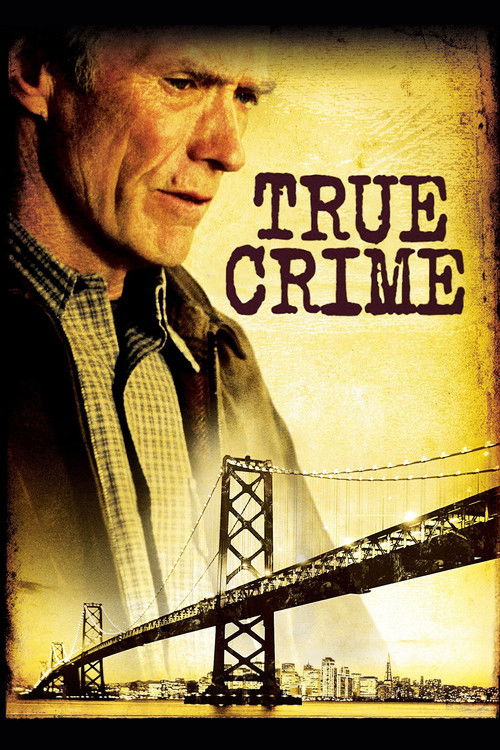
True Crime
1999Boozer, skirt chaser, careless father. You could create your own list of reporter Steve Everett's faults but there's no time. A San Quentin Death Row prisoner is slated to die at midnight – a man Everett has suddenly realized is innocent.
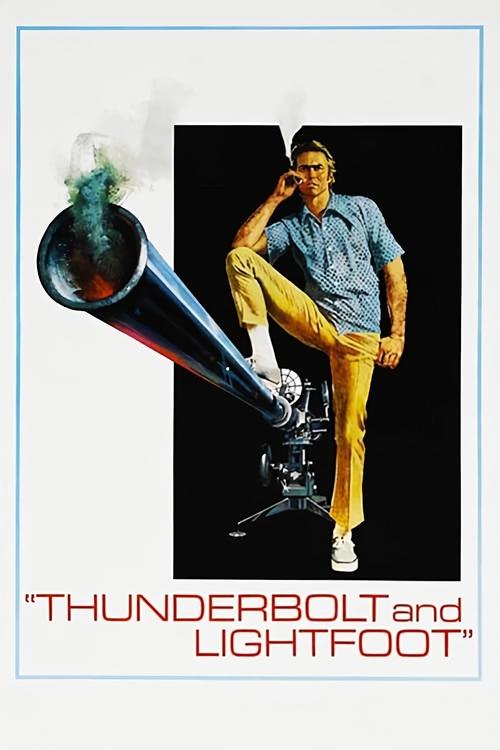
Thunderbolt and Lightfoot
1974With the help of an irreverent young sidekick, a bank robber gets his old gang back together to organise a daring new heist.
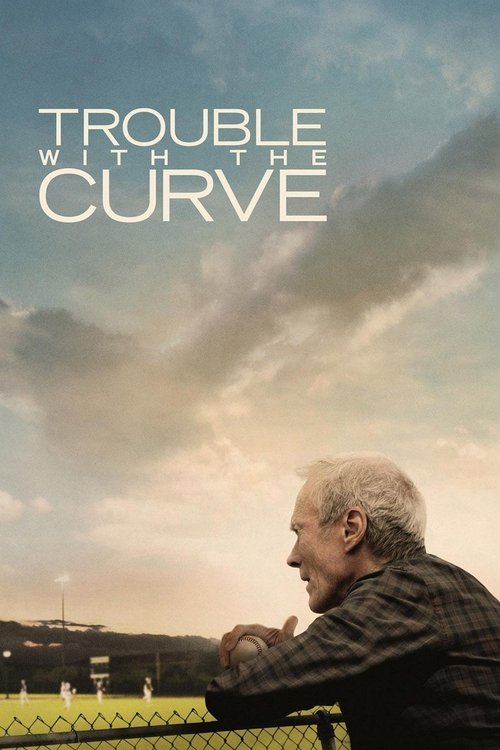
Trouble with the Curve
2012Slowed by age and failing eyesight, crack baseball scout Gus Lobel takes his grown daughter along as he checks out the final prospect of his career. Along the way, the two renew their bond, and she catches the eye of a young player-turned-scout.
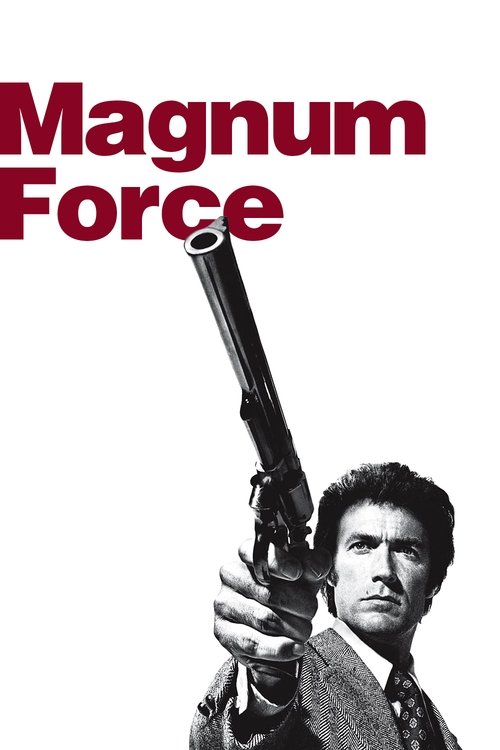
Magnum Force
1973"Dirty" Harry Callahan is a San Francisco Police Inspector on the trail of a group of rogue cops who have taken justice into their own hands. When shady characters are murdered one after another in grisly fashion, only Dirty Harry can stop them.
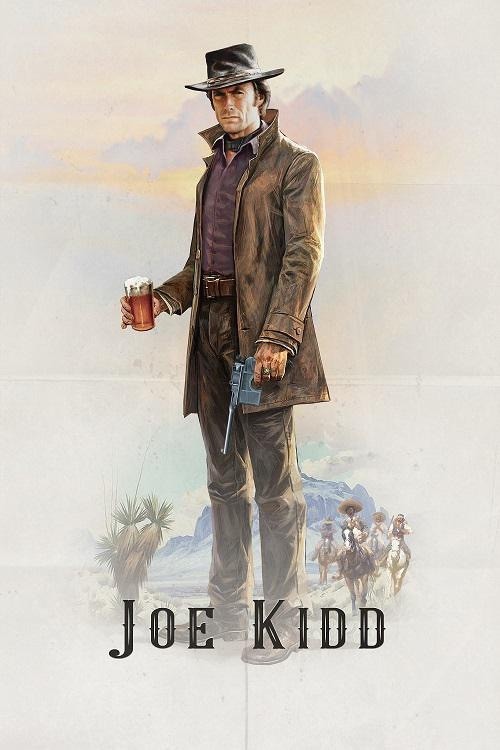
Joe Kidd
1972A band of Mexicans find their U. S. land claims denied and all the records destroyed in a courthouse fire. Their leader, Louis Chama, encourages them to use force to regain their land. A wealthy landowner wanting the same decides to hire a gang of killers with Joe Kidd to track Chama.
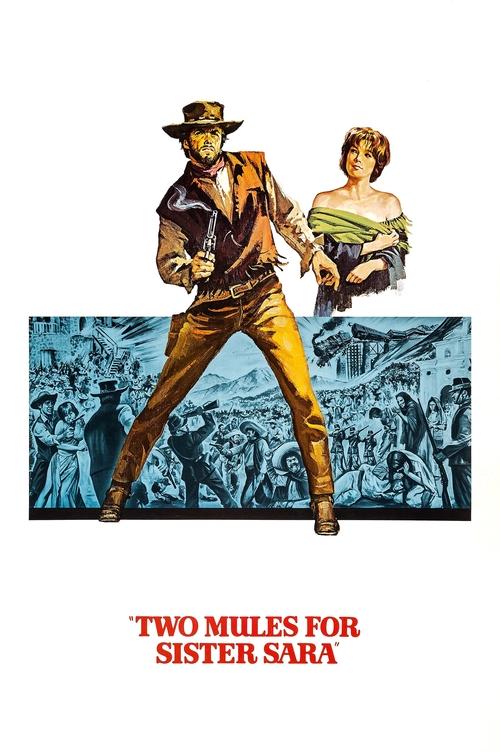
Two Mules for Sister Sara
1970When a wandering mercenary named Hogan rescues a nun called Sister Sara from the unwanted attentions of a band of rogues on the Mexican plains, he has no idea what he has let himself in for. Their chance encounter results in the blowing up of a train and a French garrison, as well as igniting a spark between them that survives a shocking discovery.
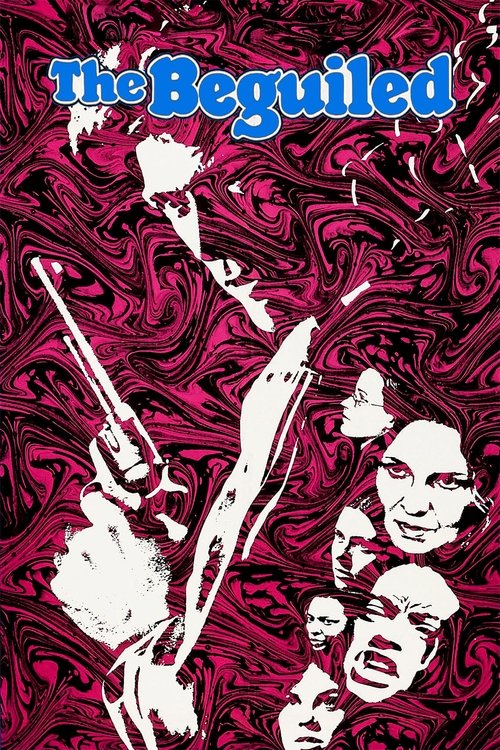
The Beguiled
1971Offbeat Civil War drama in which a wounded Yankee soldier, after finding refuge in an isolated girls' school in the South towards the end of the war, becomes the object of the young women's sexual fantasies. The soldier manipulates the situation for his own gratification, but when he refuses to completely comply with the girls' wishes, they make it very difficult for him to leave.
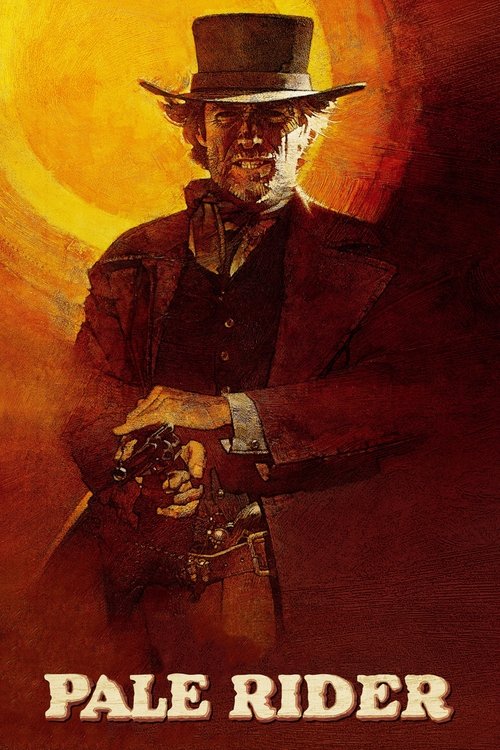
Pale Rider
1985A mysterious preacher protects a humble prospector village from a greedy mining company trying to encroach on their land.
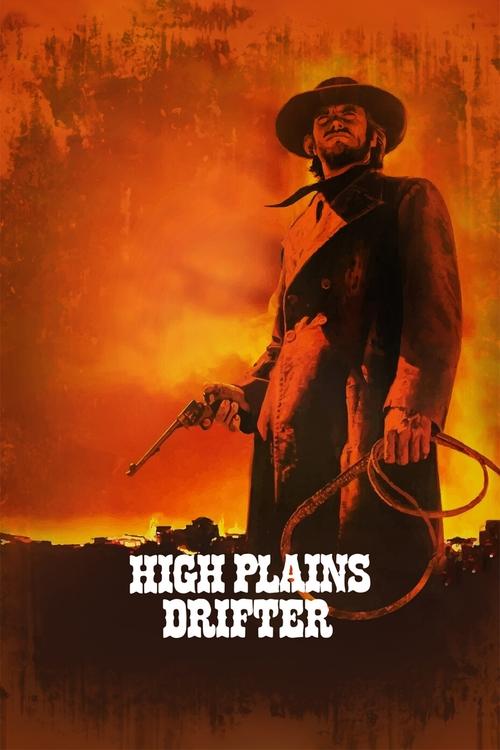
High Plains Drifter
1973A gunfighting stranger comes to the small settlement of Lago. After gunning down three gunmen who tried to kill him, the townsfolk decide to hire the Stranger to hold off three outlaws who are on their way.
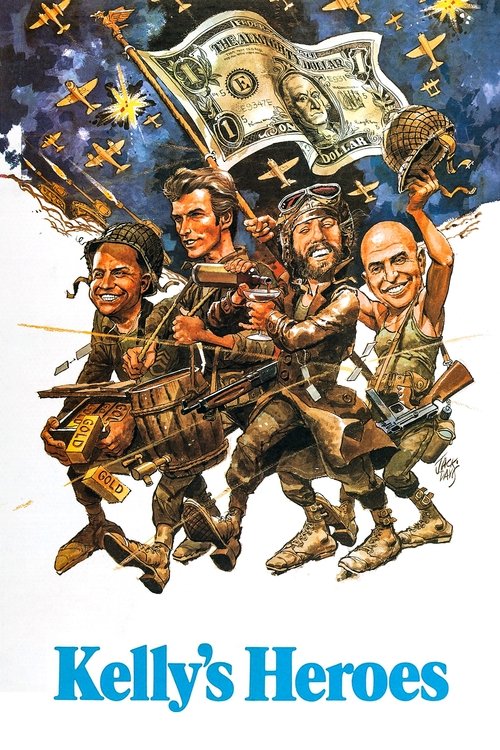
Kelly's Heroes
1970A misfit group of World War II American soldiers goes AWOL to rob a bank behind German lines.
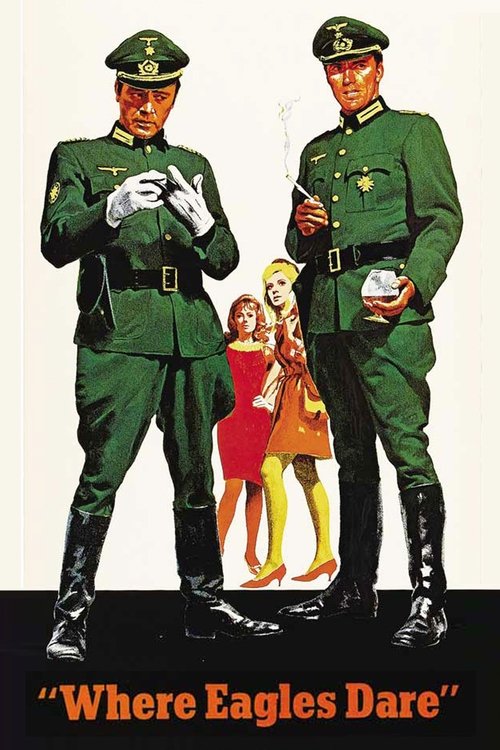
Where Eagles Dare
1968World War II is raging, and an American general has been captured and is being held hostage in the Schloss Adler, a Bavarian castle that's nearly impossible to breach. It's up to a group of skilled Allied soldiers to liberate the general before it's too late.
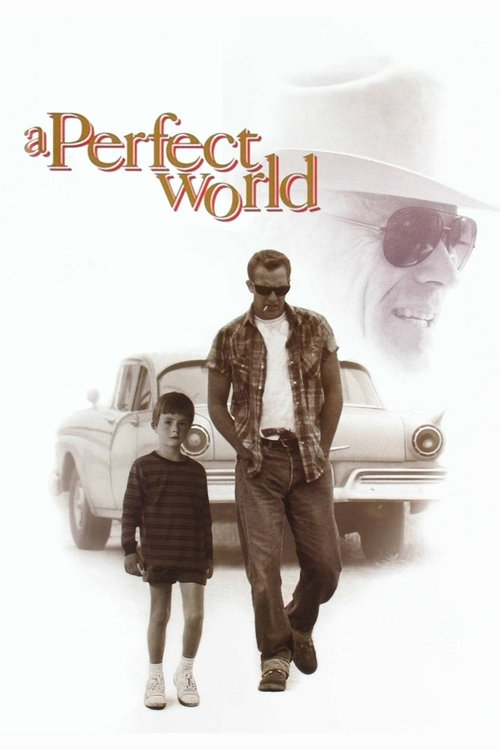
A Perfect World
1993A kidnapped boy strikes up a friendship with his captor: an escaped convict on the run from the law, headed by an honorable U.S. Marshal.
Playing a weary lawman chasing his own reflection, Eastwood cedes the flashier moments to his co-star, demonstrating a senior statesman’s confidence and a refined sense of directorial grace. It is a subtle, grounded performance that highlights his ability to inhabit the periphery of a story while still providing its moral and thematic compass.
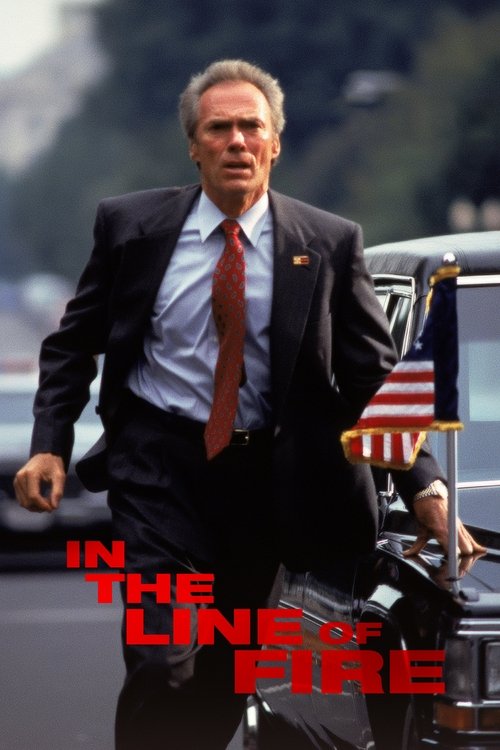
In the Line of Fire
1993Veteran Secret Service agent Frank Horrigan is a man haunted by his failure to save President Kennedy while serving protection detail in Dallas. Thirty years later, a man calling himself "Booth" threatens the life of the current President, forcing Horrigan to come back to protection detail to confront the ghosts from his past.
Eastwood masterfully weaponizes his own aging physicality, trading his usual invincibility for a vulnerable, winded fatigue that grounds the film’s high-stakes tension. It is a cynical yet deeply human pivot in his career, where the legendary stone-faced stoicism finally begins to crack under the weight of regret and a coughing fit. He proves that a fading hero is far more compelling than a perfect one, delivering a masterclass in weathered authority.
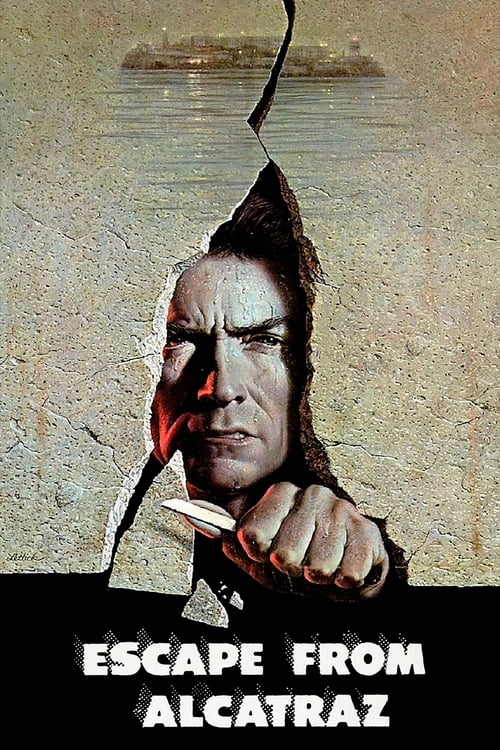
Escape from Alcatraz
1979San Francisco Bay, January 18, 1960. Frank Lee Morris is transferred to Alcatraz, a maximum security prison located on a rocky island. Although no one has ever managed to escape from there, Frank and other inmates begin to carefully prepare an escape plan.
Eastwood excels in this claustrophobic environment by relying on a cerebral, calculating intensity rather than his typical bravado. His performance is a study in focused determination, stripped of artifice to match the stark, utilitarian coldness of the prison walls.
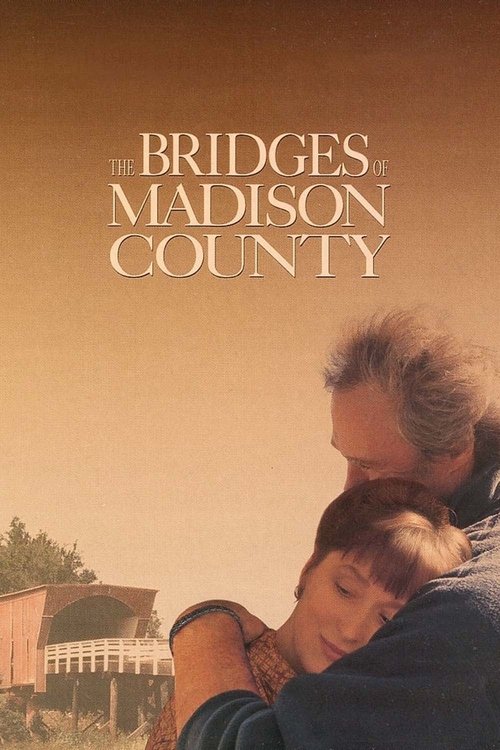
Photographer Robert Kincaid wanders into the life of housewife Francesca Johnson for four days in the 1960s.
In a startling departure from his rugged roots, Eastwood reveals a sensitive, romantic interiority that many critics believed he simply didn't possess. His chemistry with Meryl Streep provides a quiet, soulful counterpoint to his career-long obsession with masculinity, displaying an impressive range of emotional softness.
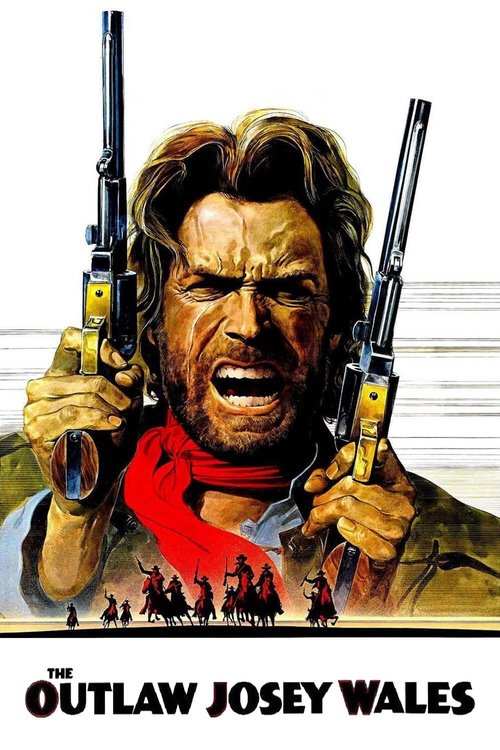
The Outlaw Josey Wales
1976After avenging his family's brutal murder, Wales is pursued by a pack of soldiers. He prefers to travel alone, but ragtag outcasts are drawn to him - and Wales can't bring himself to leave them unprotected.
Eastwood balances cold-blooded efficiency with a burgeoning paternal warmth, marking a significant shift toward the more complex, character-driven Westerns of his directorial future. It is a pivotal role that proved he could command a sprawling epic while maintaining the intimate intensity of a man hunted by his past.
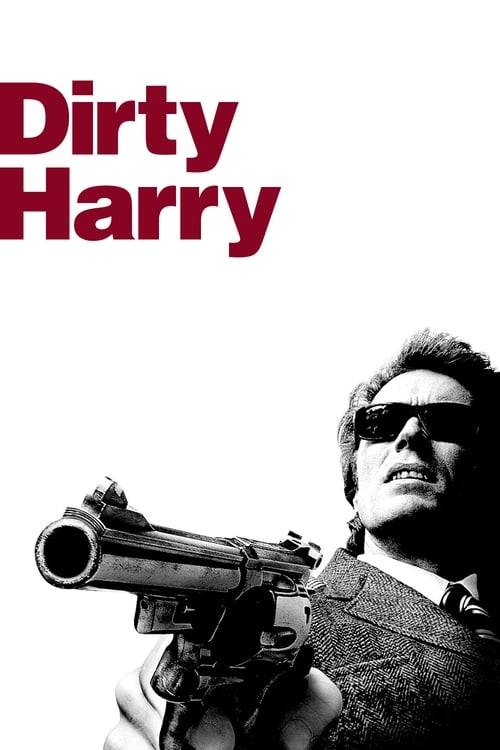
Dirty Harry
1971When a madman dubbed 'Scorpio' terrorizes San Francisco, hard-nosed cop, Harry Callahan – famous for his take-no-prisoners approach to law enforcement – is tasked with hunting down the psychopath.
As 'Dirty' Harry Callahan, Eastwood birthed the modern rogue-cop archetype, injecting a cynical, urban grit into the American thriller that resonated far beyond the 1970s. The performance is a masterclass in bureaucratic defiance, establishing a blueprint for the anti-establishment hero that would dominate the next three decades of action cinema.
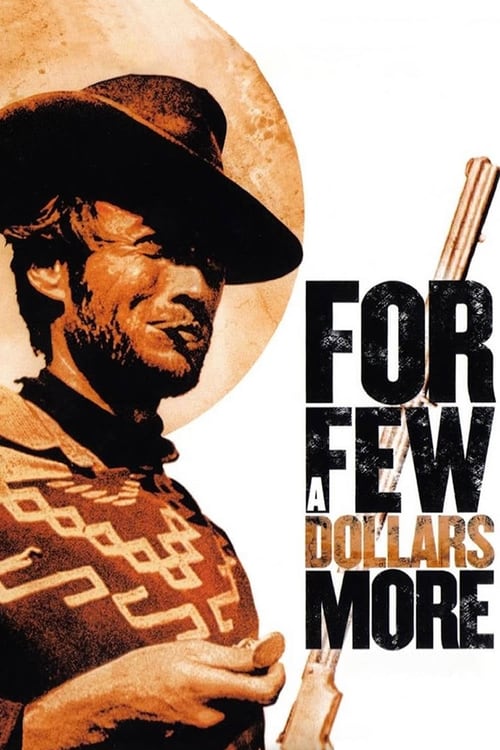
For a Few Dollars More
1965Two bounty hunters both pursue the brutal and sadistic bandit, El Indio, who has a large bounty on his head.
While Sergio Leone refined the visual language of the West, Eastwood sharpened the steel of his mercenary persona, showcasing a more calculating and symbiotic edge than in his previous outing. This role solidified his international stardom, proving he was the only actor capable of grounding Leone’s operatic scale with such cool, understated precision.
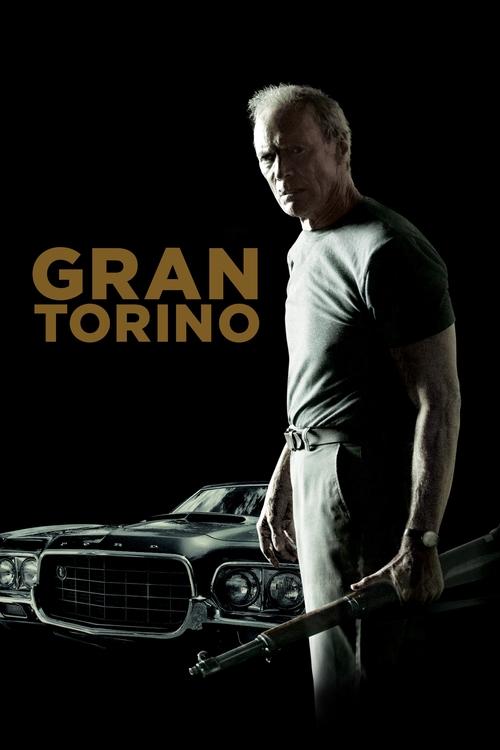
Gran Torino
2008Disgruntled Korean War veteran Walt Kowalski sets out to reform his neighbor, Thao Lor, a Hmong teenager who tried to steal Kowalski's prized possession: a 1972 Gran Torino.
Walt Kowalski serves as the ultimate evolution of the 'get off my lawn' trope, allowing Eastwood to play with the calcified edges of his own onscreen legacy. It is a gritty, self-aware victory lap that humanizes his legendary scowl through an unexpected arc of redemption.
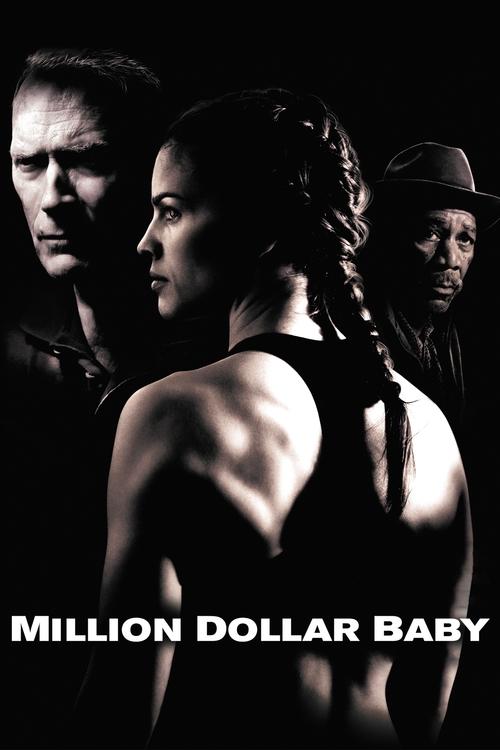
Despondent over a painful estrangement from his daughter, trainer Frankie Dunn isn't prepared for boxer Maggie Fitzgerald to enter his life. But Maggie's determined to go pro and to convince Dunn and his cohort to help her.
Stepping into the role of a grizzled, reluctant mentor, Eastwood finds a raw emotional vulnerability that starkly contrasts with his established hard-nosed persona. His portrayal of Frankie Dunn elevates the film from a standard sports drama into a devastating masterclass in restraint and late-career pathos.
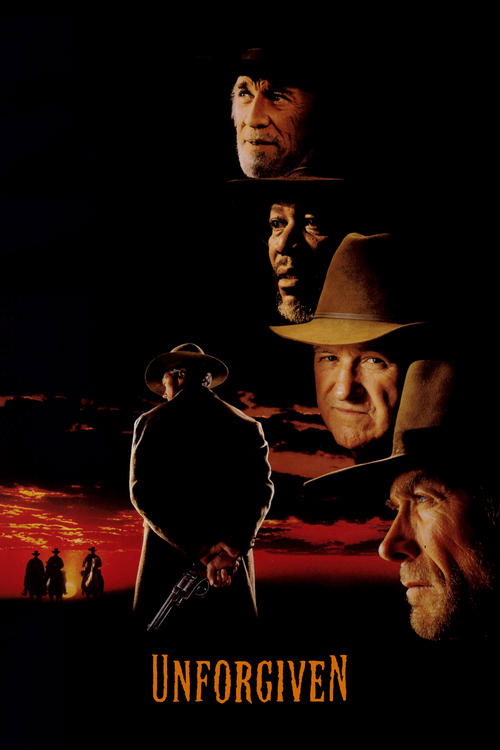
Unforgiven
1992William Munny is a retired, once-ruthless killer turned gentle widower and hog farmer. To help support his two motherless children, he accepts one last bounty-hunter mission to find the men who brutalized a prostitute. Joined by his former partner and a cocky greenhorn, he takes on a corrupt sheriff.
Eastwood interrogates his own mythos as William Munny, offering a somber, mud-flecked deconstruction of the violent archetypes he spent decades perfecting. This performance serves as a haunting pivot point in his career, trading the bravado of his youth for a chillingly honest meditation on the weight of a killer's soul.
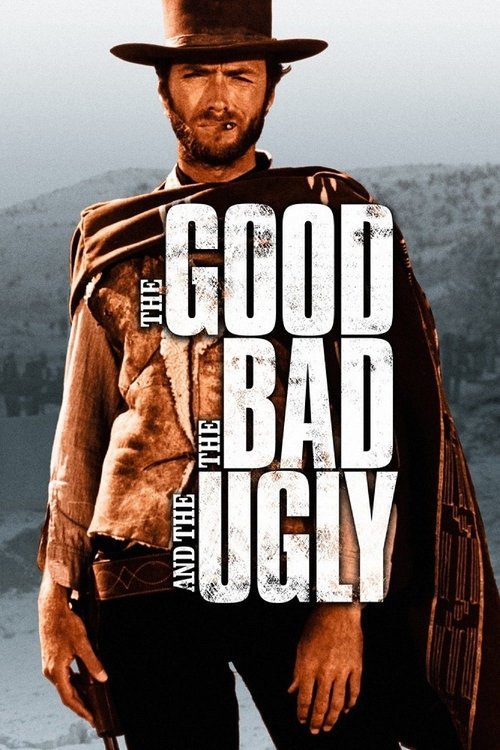
The Good, the Bad and the Ugly
1966While the Civil War rages on between the Union and the Confederacy, three men – a quiet loner, a ruthless hitman, and a Mexican bandit – comb the American Southwest in search of a strongbox containing $200,000 in stolen gold.
As the quintessential Man with No Name, Eastwood weaponizes silence and a squint to redefine the cinematic antihero, forever anchoring the Spaghetti Western in the cultural lexicon. It is the definitive distillation of his minimalist magnetism, proving that a poncho and a cigarillo could carry more gravitas than a thousand lines of dialogue.
Frequently Asked Questions
Everything you need to know about this list and SnakeDrafts
- Clint Eastwood showcases his dual talents in movies like 'Unforgiven,' where he directs and stars in this groundbreaking revisionist Western, and 'Million Dollar Baby,' a poignant drama that earned him critical acclaim as both actor and director.
- Sergio Leone's direction significantly shaped Eastwood's career, especially in films like 'For a Few Dollars More' and 'The Good, the Bad and the Ugly,' where Eastwood's 'Man with No Name' persona became a defining image of the Spaghetti Western genre.
- Eastwood's films often explore themes of masculinity, morality, and redemption. Movies like 'Gran Torino' and 'Unforgiven' delve into complex characters dealing with personal and societal conflicts, reflecting his long-standing cinematic meditation on human resilience.
- 'Dirty Harry' and 'The Outlaw Josey Wales' are prime examples where Eastwood embodies stoic, morally intricate characters who navigate justice and personal codes, solidifying his image as a symbol of rugged individualism.
- Yes, 'The Bridges of Madison County' stands out as a significant romantic drama where Eastwood plays a nuanced role, contrasting his usual tough-guy persona and displaying his versatility as an actor.
- Eastwood has revitalized the Western genre both in front of and behind the camera with films like 'High Plains Drifter' and 'Pale Rider.' These films blend traditional Western motifs with modern complexity, reinforcing his enduring legacy in this genre.
- 'Million Dollar Baby' is notable for its emotional depth and storytelling, earning Eastwood multiple awards as a director and actor. The film's focus on determination and sacrifice showcases his ability to handle intense human dramas beyond the Western and action genres.
- Aside from Westerns, films like 'In the Line of Fire' and 'Escape from Alcatraz' appear on the list, representing thriller and crime genres. These films highlight Eastwood's broad appeal and skill in diverse cinematic styles.