Best 2009 SciFi Movies Ranked
Interstellar Wonders and Dystopian Visions Unbound
Explore the best science fiction cinema from a pivotal year. Featuring alien epics, cult classics, space thrillers, and mind-bending time travel adventures.
About 2009 SciFi Movies
In the long arc of cinema history, 2009 stands as one of those rare, transformative years where the genre of science fiction finally stopped apologizing for its own existence. For a long time, sci-fi was comfortably divided into two camps. You either had the cerebral, low budget indie darling or the mindless, bombastic summer spectacle. In 2009, those worlds collided in a spectacular fashion, giving us a vision of the future that felt gritty, intellectually stimulating, and commercially undeniable all at once.
The most obvious titan in the room was James Cameron. With the release of Avatar, he did more than just break box office records. He forced a conversation about the intersection of technology and artistry. While critics often poked fun at the FernGully in space plot, there was no denying that the motion capture technology and the sheer immersion of Pandora changed how we perceive world building. It was a film that demanded to be seen in a theater, reasserting the medium as a communal, visual experience during a time when home streaming was just beginning to find its feet.
However, the real soul of 2009 lived in the smaller, more personal stories that utilized science fiction as a lens for social commentary. Neill Blomkamp arrived on the scene with District 9, a film that used extraterrestrial tropes to deliver a searing allegory for apartheid and systemic segregation. By shooting in a mockumentary style and prioritizing practical effects alongside seamless CGI, Blomkamp proved that you could make a massive political statement without sacrificing the visceral thrills of an action movie. It was dirty, it was violent, and it felt more real than any pristine space opera ever could.
That same year, Duncan Jones gave us Moon, a quiet masterpiece that harkened back to the philosophical isolation of 1970s classics like Solaris. Sam Rockwell delivered a career defining performance as a lonely lunar miner, reminding audiences that the most terrifying thing about outer space is not the aliens, but the depths of the human psyche. Moon proved that you only needed a small budget and a high concept to leave a lasting mark on the genre.
Even the established franchises were undergoing a radical evolution. J.J. Abrams successfully rebooted Star Trek by leaning into a sleek, high kinetic energy aesthetic that appealed to a new generation while paying homage to the original crew. It traded the sometimes dry diplomacy of the source material for a lens flare soaked adventure that felt genuinely fresh. On the weirder end of the spectrum, Vincenzo Natali gave us Splice, a disturbing cautionary tale about genetic engineering that pushed the boundaries of body horror.
Looking back, 2009 was a year of incredible range. We saw the return of the blockbuster, the birth of a new political allegory, and a revival of the lonely astronaut trope. It was a year where the genre felt limitless, proving that science fiction could be anything it wanted to be, as long as it had something meaningful to say about our own world. The landscape was no longer just about spaceships and lasers. It was about what it meant to be human in an increasingly alienating age.
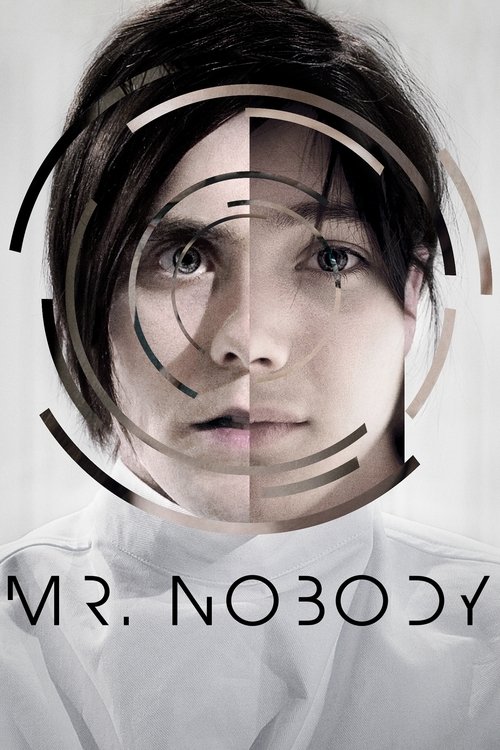
Mr. Nobody
2009Nemo Nobody leads an ordinary existence with his wife and 3 children; one day, he wakes up as a mortal centenarian in the year 2092.

Evangelion: 2.0 You Can (Not) Advance
2009Under constant attack by monstrous creatures called Angels that seek to eradicate humankind, U.N. Special Agency NERV introduces two new EVA pilots to help defend the city of Tokyo-3: the mysterious Makinami Mari Illustrous and the intense Asuka Langley Shikinami. Meanwhile, Gendo Ikari and SEELE proceed with a secret project that involves both Rei and Shinji.

Gurren Lagann the Movie: The Lights in the Sky Are Stars
2009Seven years have passed after the battle of Teppelin... Humans have since reclaimed the surface of the earth and enjoy an unprecedented period of peace and prosperity. However, humanity's increasing population growth triggers the sudden emergence of an unknown, powerful enemy. The fearsome, manipulative power of the mysterious Anti-Spiral proves too overwhelming for humans to even fight back. When everyone becomes desperate and loses hope, Team Dai-Gurren members reunite to stand up once again!
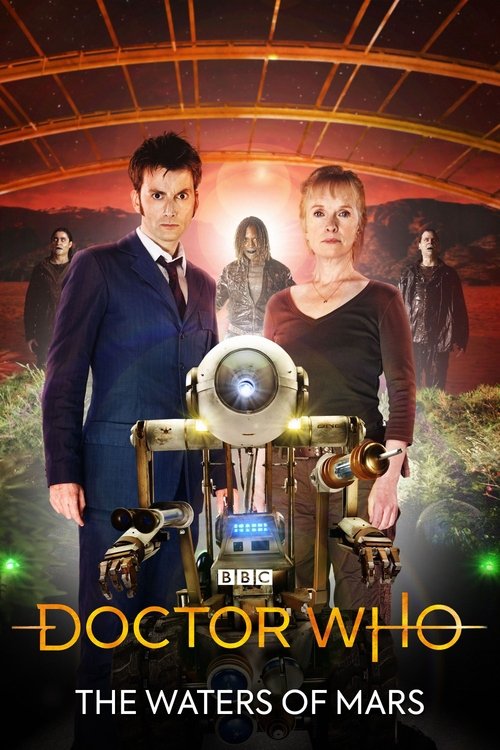
Doctor Who: The Waters of Mars
2009In a Mars base, the inhabitants are being infected by a mysterious water creature which takes over its victims. The Doctor is thrust into the middle of this catastrophe, knowing a larger one is waiting around the corner.
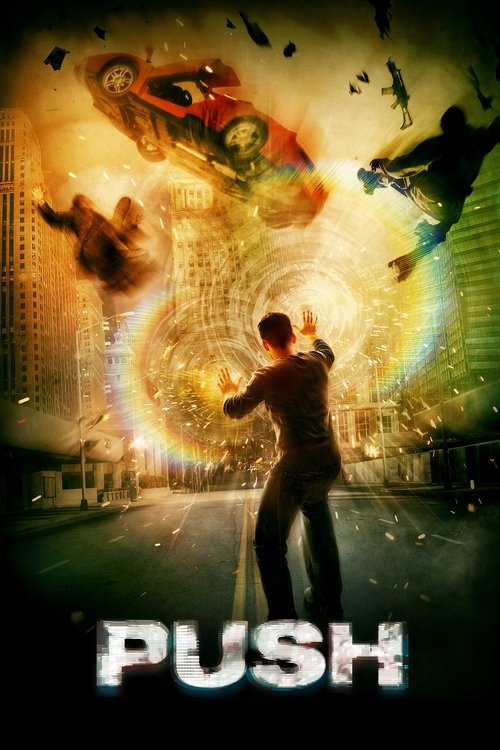
Push
2009After his father, an assassin, is brutally murdered, Nick Gant vows revenge on Division, the covert government agency that dabbles in psychic warfare and experimental drugs. Hiding in Hong Kong's underworld, Nick assembles a band of rogue psychics dedicated to destroying Division. Together with Cassie, a teenage clairvoyant, Nick goes in search of a missing girl and a stolen suitcase that could be the key to accomplishing their mutual goal.

TiMER
2009When implanted in a person's wrist, a TiMER counts down to the day the wearer finds true love. But Oona O'Leary faces the rare dilemma of a blank TiMER. Her soul mate - whoever and wherever he is - has yet to have a TiMER implanted. Staring down the barrel of thirty and tired of waiting for her would-be life partner to get off the dime, Oona breaks her own rules and falls for Mikey, a charming and inappropriately young supermarket clerk with a countdown of four months.

The Box
2009Norma and Arthur Lewis, a suburban couple with a young child, receive a simple wooden box as a gift, which bears fatal and irrevocable consequences. A mysterious stranger delivers the message that the box promises to bestow upon its owner $1 million with the press of a button. However pressing this button will simultaneously cause the death of another human being somewhere in the world; someone they don't know. With just 24 hours to have the box in their possession, Norma and Arthur find themselves in the cross-hairs of a startling moral dilemma and must face the true nature of their humanity.
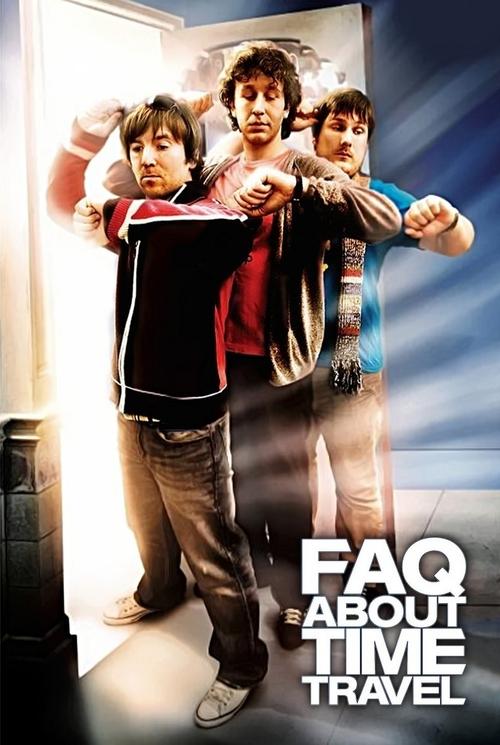
Frequently Asked Questions About Time Travel
2009Follows three social outcasts -- two geeks and a cynic -- as they attempt to navigate a time-travel conundrum in the middle of a British pub.
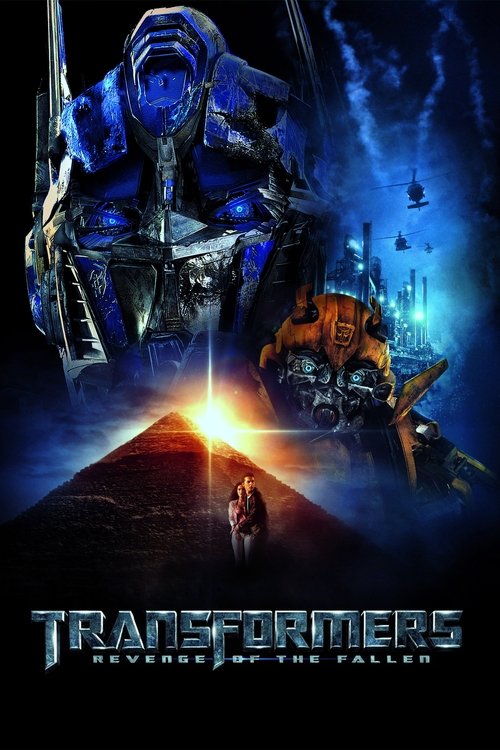
Transformers: Revenge of the Fallen
2009Sam Witwicky leaves the Autobots behind for a normal life. But when his mind is filled with cryptic symbols, the Decepticons target him and he is dragged back into the Transformers' war.

Watchmen
2009In a gritty and alternate 1985, the glory days of costumed vigilantes have been brought to a close by a government crackdown. But after one of the masked veterans is brutally murdered, an investigation into the killer is initiated. The reunited heroes set out to prevent their own destruction, but in doing so they uncover a sinister plot that puts all of humanity in grave danger.
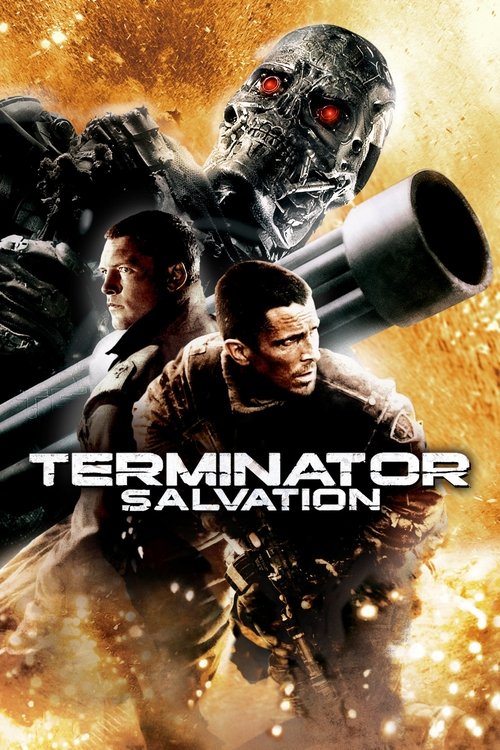
Terminator Salvation
2009All grown up in post-apocalyptic 2018, John Connor must lead the resistance of humans against the increasingly dominating militaristic robots. But when Marcus Wright appears, his existence confuses the mission as Connor tries to determine whether Wright has come from the future or the past -- and whether he's friend or foe.
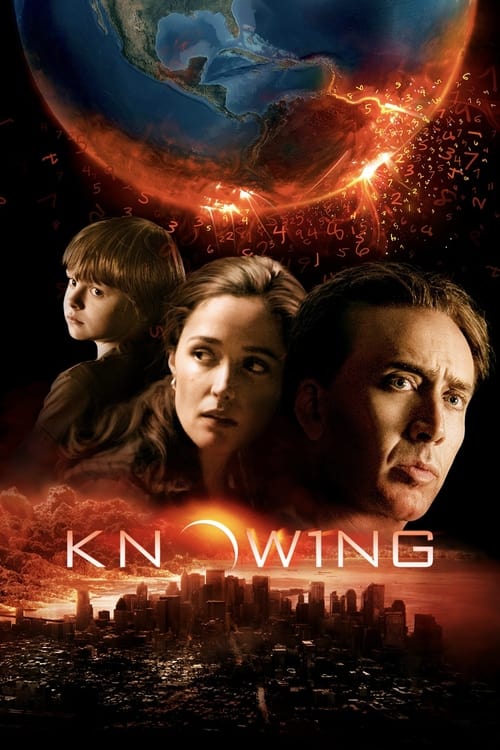
Knowing
2009A teacher opens a time capsule that has been dug up at his son's elementary school; in it are some chilling predictions -- some that have already occurred and others that are about to -- that lead him to believe his family plays a role in the events that are about to unfold.
This apocalyptic thriller pivots from a mathematical mystery into a grand, cosmic catastrophe with surprising tonal boldness. It distinguishes itself through a grim commitment to its fatalistic premise, culminating in one of the most uncompromising finales of the decade.

The Fourth Kind
2009Since the 1960s, a disproportionate number of the population in and around Nome, Alaska, have gone missing. Despite FBI investigations, the disappearances remain a mystery. Dr. Abigail Tyler, a psychologist, may be on the verge of blowing the unsolved cases wide open when, during the course of treating her patients, she finds evidence of alien abductions.
Blending mockumentary artifice with abduction lore, this chilling experiment plays on the terrifying ambiguity of memory and the unknown. Its clever use of split-screen footage amplifies a sense of clinical voyeurism that lingers long after the credits.
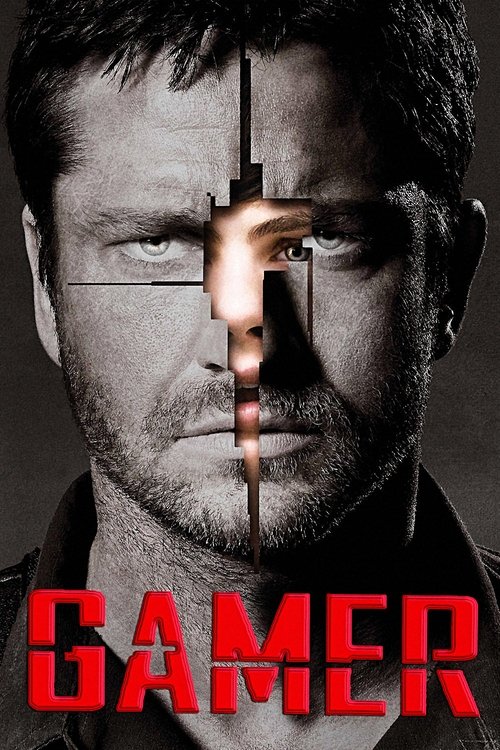
Gamer
2009Mind-control technology has taken society by a storm, a multiplayer on-line game called "Slayers" allows players to control human prisoners in mass-scale. Simon controls Kable, the online champion of the game. Kable's ultimate challenge becomes regaining his identity and independence by defeating the game's mastermind.
By adopting the hyper-caffeinated visual language of modern gaming, this film offers a grotesque, satirical acceleration of the voyeuristic instinct. It is a loud, unapologetic critique of the commodified human body in a world governed by remote-controlled gratification.
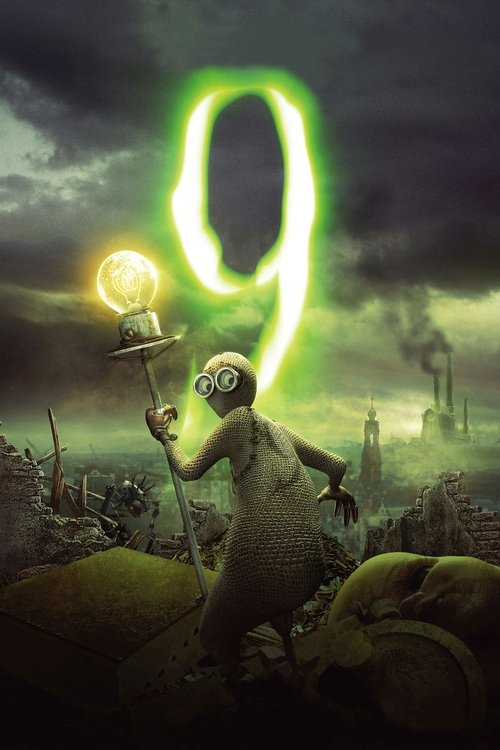
9
2009When 9 first comes to life, he finds himself in a post-apocalyptic world. All humans are gone, and it is only by chance that he discovers a small community of others like him taking refuge from fearsome machines that roam the earth intent on their extinction. Despite being the neophyte of the group, 9 convinces the others that hiding will do them no good.
Produced with a distinct stitchpunk aesthetic, this animated fable creates a hauntingly beautiful post-biological landscape. Its visual texture is peerless, finding a strange, ragged soul within its burlap-and-brass protagonists.
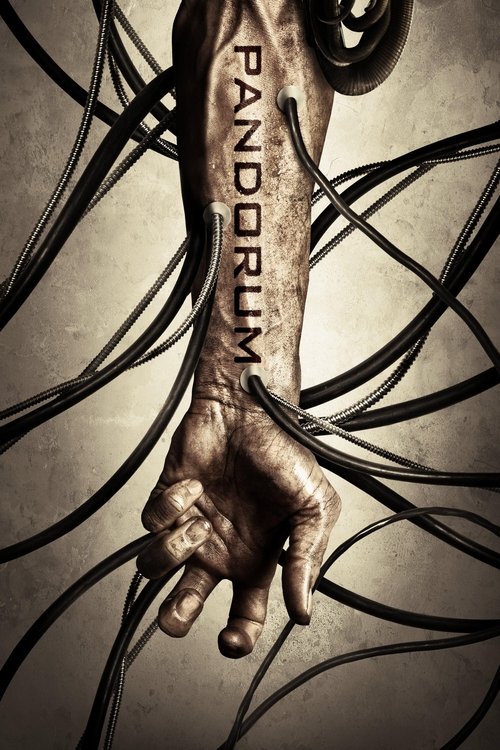
Pandorum
2009Two crew members wake up on an abandoned spacecraft with no idea who they are, how long they've been asleep, or what their mission is. The two soon discover they're actually not alone – and the reality of their situation is more horrifying than they could have imagined.
A claustrophobic exercise in deep-space gothic terror, this film excels at building a sense of decaying industrial dread within a drifting sarcophagus. It leans heavily into the ‘orbital decay’ subgenre, prioritizing atmospheric instability and high-concept evolutionary twists.
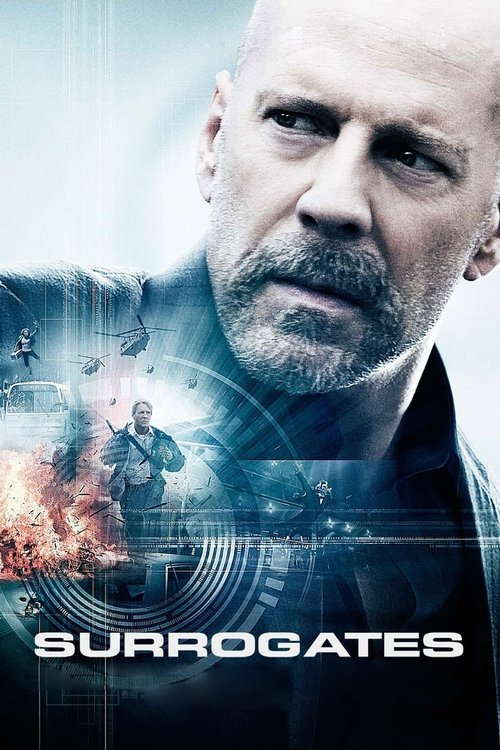
Surrogates
2009Set in a futuristic world where humans live in isolation and interact through surrogate robots, a cop is forced to leave his home for the first time in years in order to investigate the murders of others' surrogates.
This slick neo-noir interrogates the dehumanizing veneer of digital avatars and the erosion of authentic physical intimacy. Its cynical take on a polished, synthetic future offers a prescient critique of our escalating obsession with curated appearances.

Star Trek
2009The fate of the galaxy rests in the hands of bitter rivals. One, James Kirk, is a delinquent, thrill-seeking Iowa farm boy. The other, Spock, a Vulcan, was raised in a logic-based society that rejects all emotion. As fiery instinct clashes with calm reason, their unlikely but powerful partnership is the only thing capable of leading their crew through unimaginable danger, boldly going where no one has gone before. The human adventure has begun again.
J.J. Abrams successfully injected a kinetic, lens-flared vitality into a legacy franchise by emphasizing character chemistry and breakneck pacing. This reimagining balances nostalgic archetypes with a sleek, modern visual vocabulary that appeals to both scholars and newcomers.
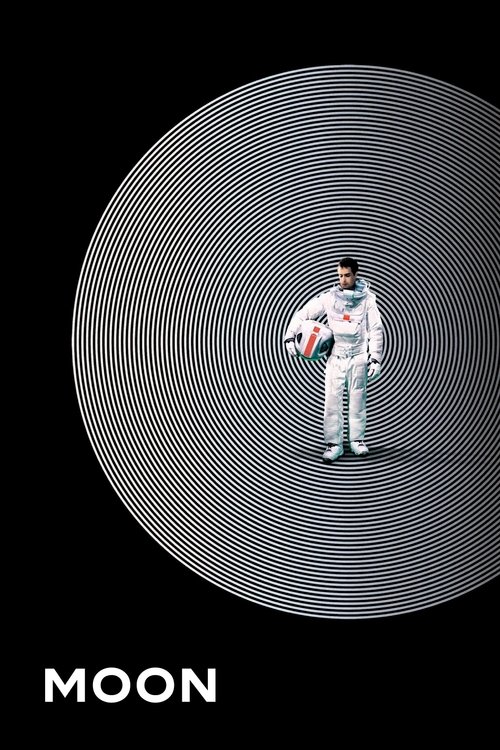
Moon
2009With only three weeks left in his three-year contract, Sam Bell is eager to return to Earth. Stationed alone at a Moon-based facility with his computer assistant GERTY, an unexpected accident sets off a series of unsettling events that shake his isolation.
Anchored by Sam Rockwell’s internal, nuanced performance, this film revitalized the quiet sophistication of 1970s lunar procedural cinema. It favors existential dread and psychological isolation over pyrotechnics, proving that minimalist settings can yield maximalist intellectual payoffs.
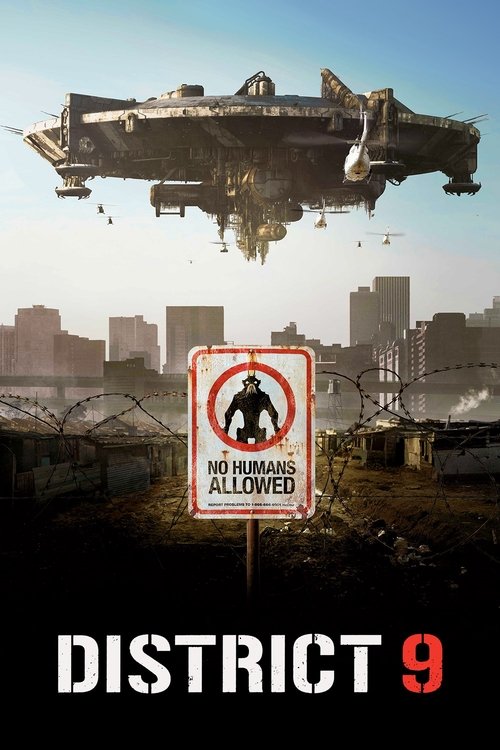
District 9
2009Thirty years ago, aliens arrive on Earth. Not to conquer or give aid, but to find refuge from their dying planet. Separated from humans in a South African area called District 9, the aliens are managed by Multi-National United, which is unconcerned with the aliens' welfare but will do anything to master their advanced technology. When a company field agent contracts a mysterious virus that begins to alter his DNA, there is only one place he can hide: District 9.
Neill Blomkamp’s debut masterfully weaponizes the body-horror aesthetic to dissect geopolitical segregation through a gritty, handheld lens. It is a rare specimen of socio-political commentary that thrives within the framework of visceral, high-stakes action.
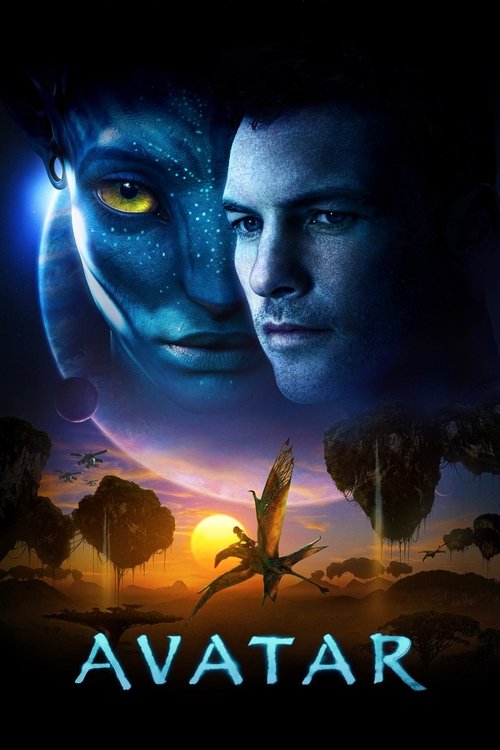
Avatar
2009In the 22nd century, a paraplegic Marine is dispatched to the moon Pandora on a unique mission, but becomes torn between following orders and protecting an alien civilization.
James Cameron’s opus redefined the technical limits of the medium, utilizing stereoscopic depth and performance capture to manufacture a tactile, bioluminescent world. It remains the definitive benchmark for immersive world-building in the digital age.
Frequently Asked Questions
Everything you need to know about this list and SnakeDrafts
- The top sci-fi films of 2009 explore themes like alien encounters, futuristic technology, identity crises, and dystopian societies. Movies such as District 9 and Avatar delve into socio-political allegory, while Moon and Surrogates examine human nature and technology's impact on identity.
- Many 2009 sci-fi titles incorporate elements from action, thriller, and drama genres to create immersive storytelling. For instance, Pandorum mixes horror with sci-fi suspense, while Watchmen combines superhero action with a dark, philosophical narrative, showcasing the year's genre-blending trend.
- Space exploration is a key element in several highlighted films, including Moon, which offers a claustrophobic look at loneliness on a lunar base, and Star Trek, which reboots the classic space adventure with high-energy action and character-driven drama.
- Yes, the list includes 9, an animated sci-fi thriller that explores post-apocalyptic themes with inventive storytelling and unique visuals. It stands out as a creative fusion of animation and science fiction in 2009.
- Time travel themes are examined in films like Frequently Asked Questions About Time Travel, which approaches the concept with a comedic and cerebral angle. This illustrates the diverse narrative approaches to time manipulation prevalent in 2009's sci-fi cinema.
- Several films, such as Surrogates and Gamer, investigate how technology alters human behaviors and societal norms. Their narratives question the boundaries between reality and virtual existence, highlighting the era's fascination with emerging tech and identity crises.
- District 9 employs sci-fi as a metaphor for apartheid and immigration issues, while Avatar critiques colonization and environmental exploitation. These films use speculative settings to comment on real-world social and political problems relevant to 2009 audiences.