Best 2008 SciFi Movies Ranked
Classic Science Fiction and Superheroes Revisited
Explore the best sci-fi movies of the year, featuring superhero origins, intergalactic journeys, and animated adventures for every cinema fan.
About 2008 SciFi Movies
In the long arc of cinema history, 2008 is a year usually defined by the birth of the modern superhero industrial complex. It gave us the origin of the Marvel Cinematic Universe with Iron Man and the peak of the gritty reboot via The Dark Knight. However, if you look past the capes and the cowl, 2008 was a remarkably fertile year for pure science fiction. It was a time when the genre felt unusually elastic, stretching from high-concept blockbusters to quiet, philosophical indies. The landscape was defined by an interesting tension between hope and nihilism, reflecting a world on the brink of a global financial crisis.
The year provided one of the most daring gambles in animation history with Pixar’s WALL-E. Placing a silent, lonely trash compacting robot in the middle of a post-apocalyptic wasteland was a creative risk that paid off beautifully. It remains a masterpiece of visual storytelling, managing to be both a searing critique of consumerism and a tender love story. It proved that science fiction did not need spectacle alone to succeed; it needed a soul. Even today, the image of a small robot holding a single green sprout in a world of dust feels like the definitive sci-fi image of that era.
On the opposite end of the tonal spectrum, 2008 delivered Cloverfield. While it leveraged the found footage gimmick popularized by horror, it was fundamentally a giant monster movie for the post-9/11 age. It captured a specific kind of urban anxiety, using shaky cameras and limited perspectives to make an alien invasion feel claustrophobic and terrifyingly real. It stripped away the aerial dogfights of previous decades and replaced them with the confusion of a ground-level survivor. It was gritty, messy, and deeply influential on how we consume disaster cinema.
We also saw the genre tackle the heavy lifting of social allegory with District 9, though it technically arrived just on the heels of this window, the momentum of the late 2000s wave belonged to films like Sleep Dealer and the underrated remake of The Day the Earth Stood Still. Even the misunderstood Speed Racer by the Wachowskis pushed the boundaries of digital aesthetics, creating a neon-soaked future that looked like nothing else on screen. It was a year where filmmakers were clearly bored with traditional tropes and were desperate to find new ways to visualize tomorrow.
Perhaps the most significant legacy of 2008 sci-fi was its shift toward grounded realism. Even in stories about time travel or space, there was a palpable desire to make the impossible feel tactile. The genre was moving away from the plastic shininess of the early 2000s and toward something more weathered and lived-in. Looking back, 2008 was the bridge between the popcorn escapism of the past and the sophisticated, prestige science fiction that would define the next decade. It was the year we realized that the future was not just about shiny gadgets, but about how those gadgets might eventually break us or save us.
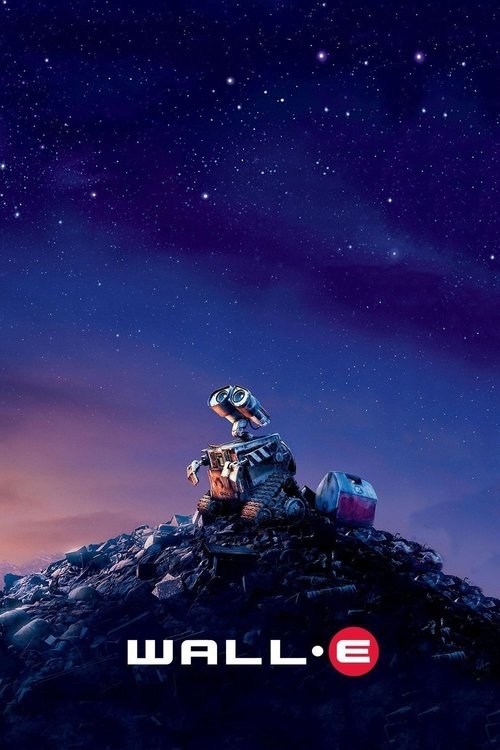
WALL·E
2008After hundreds of years doing what he was built for, WALL•E— a robot designed to clean up the earth—discovers a new purpose in life when he meets a sleek search robot named EVE. EVE comes to realize that WALL•E has inadvertently stumbled upon the key to the planet's future, and races back to space to report to the humans. Meanwhile, WALL•E chases EVE across the galaxy and sets into motion one of the most imaginative adventures ever brought to the big screen.
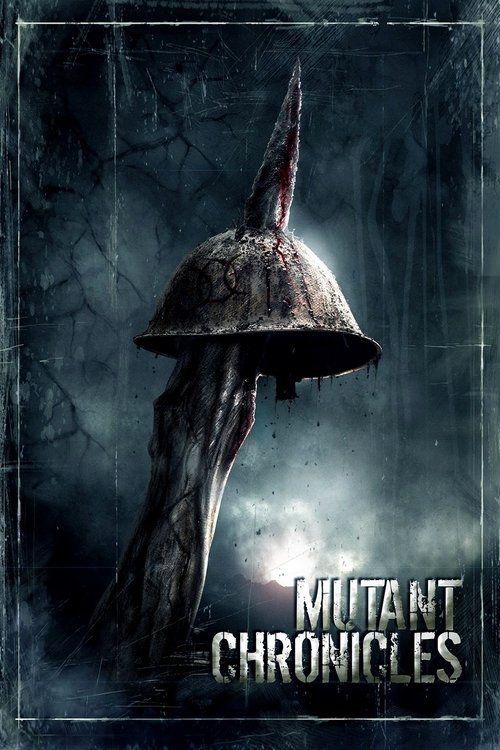
Mutant Chronicles
2008It's the year 2707. Earth's natural resources have all but been exhausted by mankind. Battles rage for the remainder between the competing Corporations. During one such battle the seal is broken and awakens an ancient and deadly machine that was once defeated thousands of years ago. The order that awaited its return must now lead a small group of soldiers to destroy it once and for all.
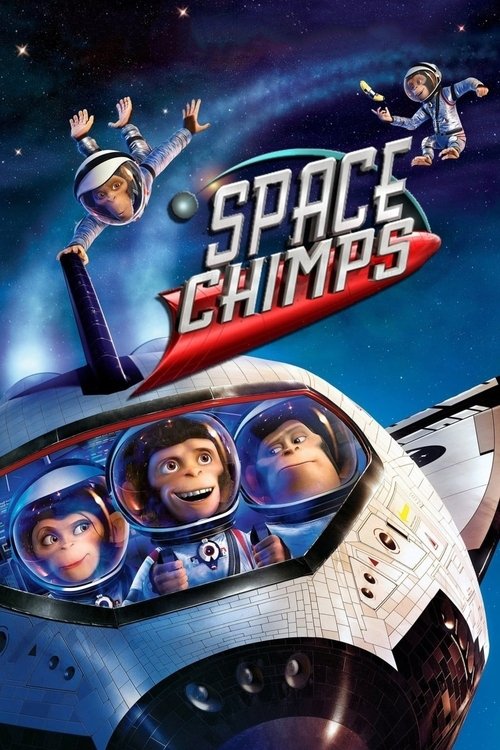
Space Chimps
2008When an unmanned space shuttle crashes on an uncharted planet, a trio of astronaut chimpanzees are launched by NASA into a wormhole to investigate.
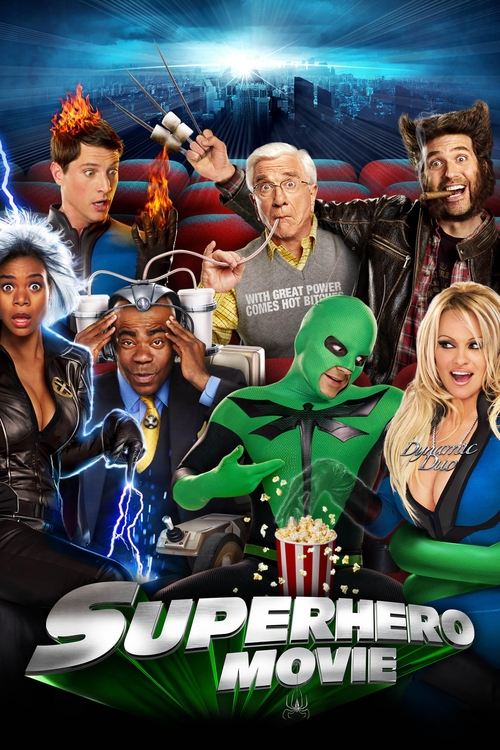
Superhero Movie
2008Rick Riker is a nerdy teen imbued with superpowers by a radioactive dragonfly. And because every hero needs a nemesis, enter Lou Landers, aka the villainously goofy Hourglass.
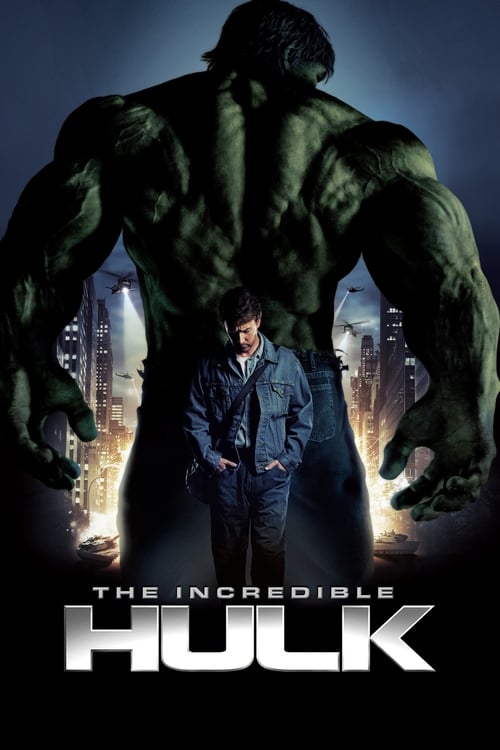
The Incredible Hulk
2008Scientist Bruce Banner scours the planet for an antidote to the unbridled force of rage within him: the Hulk. But when the military masterminds who dream of exploiting his powers force him back to civilization, he finds himself coming face to face with a new, deadly foe.
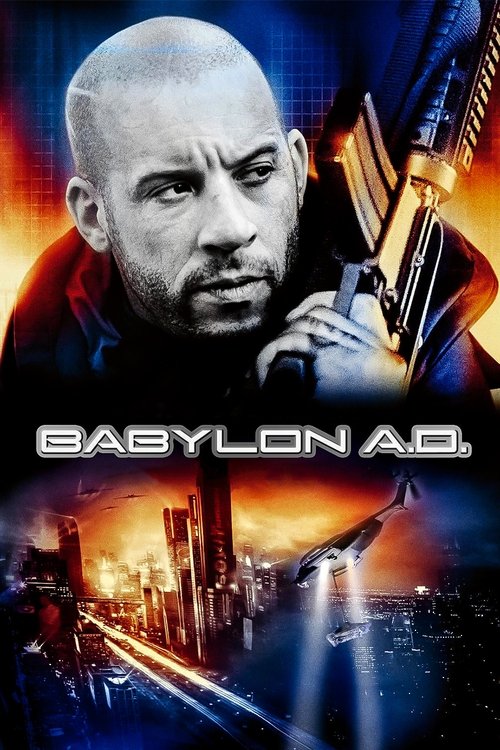
Babylon A.D.
2008A veteran-turned-mercenary is hired to take a young woman with a secret from post-apocalyptic Eastern Europe to New York City.
Mathieu Kassovitz paints a bleak, visually arresting portrait of a decaying global landscape fueled by corporate greed. Despite its turbulent production, the film remains a fascinating artifact of gritty cyberpunk aesthetics and weary, hard-boiled fatalism.
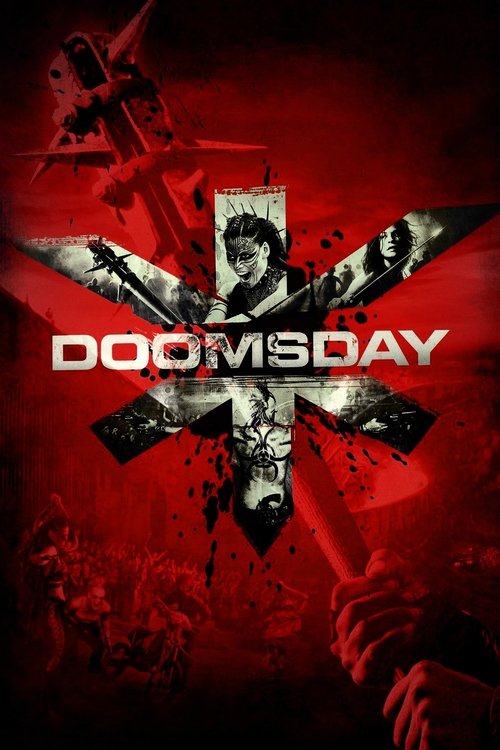
Doomsday
2008The lethal Reaper virus spreads throughout Britain—infecting millions and killing hundreds of thousands. Authorities brutally and successfully quarantine the country but, three decades later, the virus resurfaces in a major city. An elite group of specialists is urgently dispatched into the still-quarantined country to retrieve a cure by any means necessary. Shut off from the rest of the world, the unit must battle through a landscape that has become a waking nightmare.
Neil Marshall directs a hyper-kinetic, nihilistic love letter to post-apocalyptic cinema that thrives on pure, unadulterated chaos. By colliding medieval barbarism with punk-rock futurism, it achieves a frantic energy that feels both nostalgic and aggressively modern.
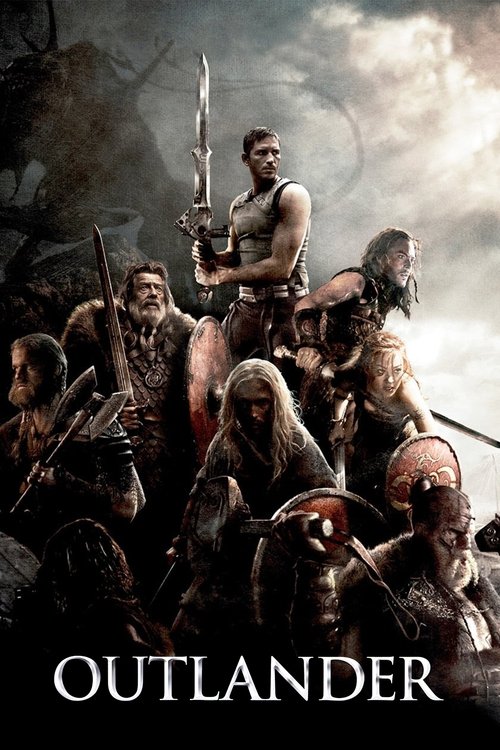
Outlander
2008During the reign of the Vikings, a man from another world crash-lands on Earth, bringing with him an alien predator. The man must fuse his advanced technology with the weaponry of the vikings to fight the monster.
This audacious genre mashup successfully grafts extraterrestrial technology onto an authentic Viking epic. The result is a gritty, mud-caked collision of eras that treats its creature-feature premise with an admirable, straight-faced intensity.
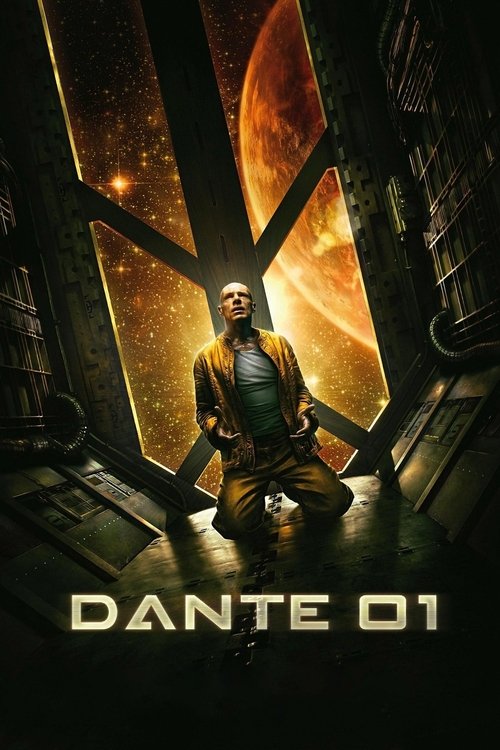
Dante 01
2008Deep space, at the edge of the galaxy. The future. A new prisoner arrives on top security prison ship and psychiatric research unit Dante 01. Sole survivor of an encounter with an alien force, Saint-Georges is a man possessed by inner demons, caught up in the battle to control the monstrous power within him. It's a power that will infect the other highly dangerous occupants of Dante 01, gaolors and prisoners alike, unleashing a violent rebellion that turns this terrifying, labyrinthine world upside down. In the otherworldly hell of the ship's depths, through danger and redemption, each must journey to his very limits... each must confront his own Dragon.
Marc Caro brings a distinctively Gallic, claustrophobic visual flair to this cerebral deep-space prison drama. Its fusion of biological horror and messianic allegory creates a dense, hallucinogenic experience that favors mood over traditional narrative logic.
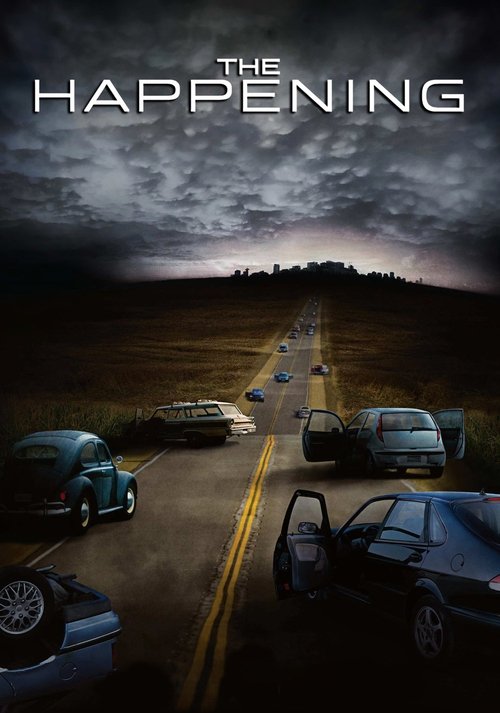
The Happening
2008When a deadly airborne virus threatens to wipe out the northeastern United States, teacher Elliot Moore and his wife Alma flee from contaminated cities into the countryside in a fight to discover the truth. Is it terrorism, the accidental release of some toxic military bio weapon -- or something even more sinister?
M. Night Shyamalan leans into an unsettling, B-movie absurdity that transforms the rustling of leaves into a source of existential terror. This polarizing botanical nightmare stands out for its stiff, uncanny atmosphere and its refusal to offer a conventional antagonist.
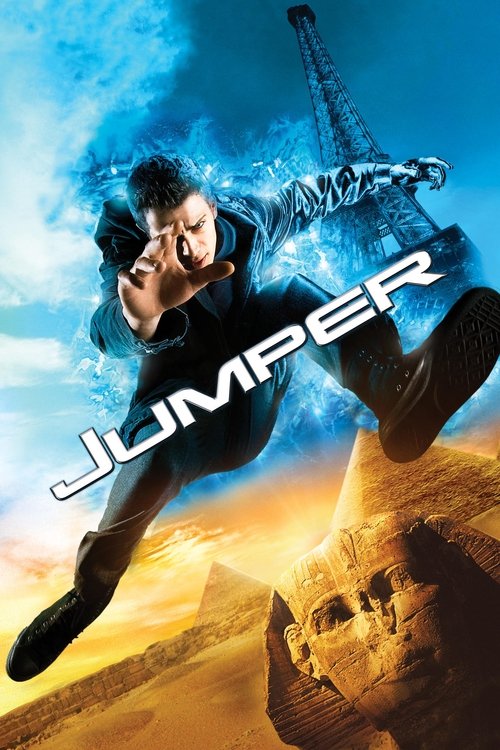
Jumper
2008David Rice is a man who knows no boundaries, a Jumper, born with the uncanny ability to teleport instantly to anywhere on Earth. When he discovers others like himself, David is thrust into a dangerous and bloodthirsty war while being hunted by a sinister and determined group of zealots who have sworn to destroy all Jumpers. Now, David’s extraordinary gift may be his only hope for survival!
Doug Liman crafts a fast-paced exploration of geographical freedom that prioritizes the sheer adrenaline of instantaneous transit over standard heroic tropes. The film’s inventive use of spatial editing creates a frenetic, stylish rhythm unique to the year's genre offerings.
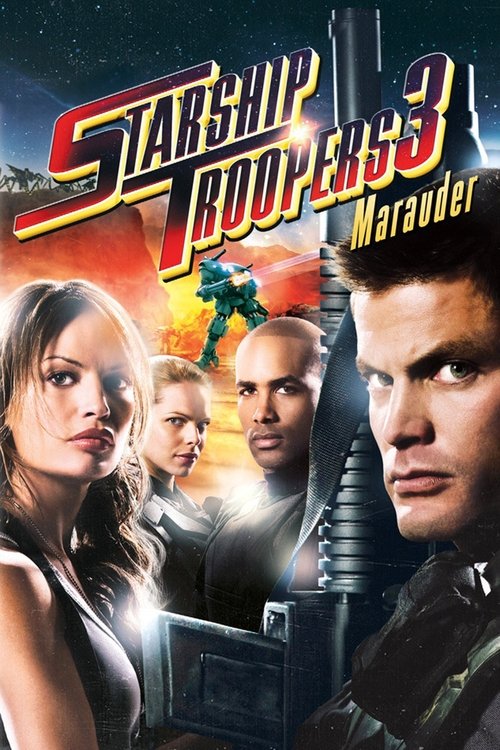
Starship Troopers 3: Marauder
2008The war against the Bugs continues! A Federation Starship crash-lands on the distant Alien planet OM-1, stranding beloved leader Sky Marshal Anoke and several others, including comely but tough pilot Lola Beck. It's up to Colonel/General Johnny Rico, reluctant hero of the original Bug Invasion on Planet P, to lead a team of Troopers on a daring rescue mission.
Casper Van Dien returns in a sequel that leans heavily into the franchise's signature satirical bite and religious fervor. It succeeds as a sharp, shoestring-budget critique of military industrialism that captures the campy spirit of its predecessor.
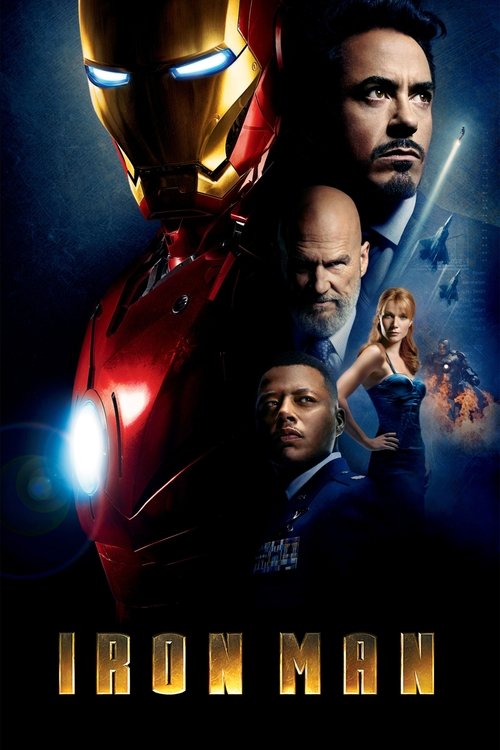
Iron Man
2008After being held captive in an Afghan cave, billionaire engineer Tony Stark creates a unique weaponized suit of armor to fight evil.
Favreau’s high-tech origin story revitalized the genre by grounding its spectacular metallic collisions in tangible engineering and razor-sharp charisma. It remains a rare specimen where the mechanical ingenuity of the suit feels as visceral as the geopolitical stakes.
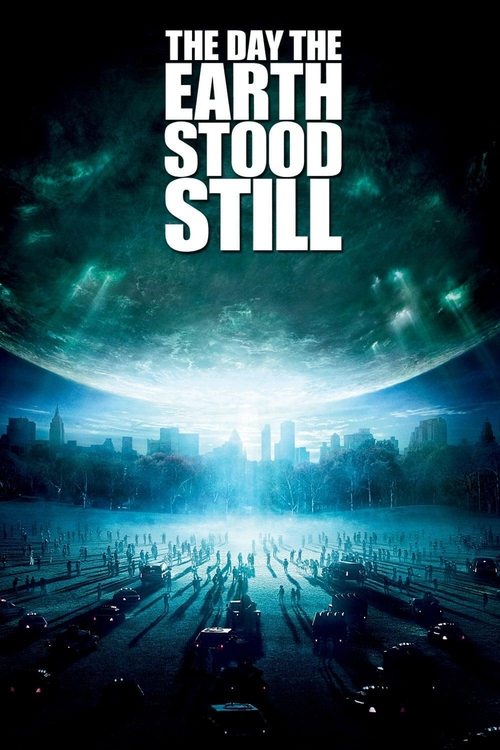
The Day the Earth Stood Still
2008A representative of an alien race that went through drastic evolution to survive its own climate change, Klaatu comes to Earth to assess whether humanity can prevent the environmental damage they have inflicted on their own planet. When barred from speaking to the United Nations, he decides humankind shall be exterminated so the planet can survive.
While polarizing, this slick reimagining trades Cold War nuclear paranoia for a sterile, contemporary ecological ultimatum. Scott Derrickson delivers a tactile, high-concept chill that positions humanity as the ultimate planetary pathogen.
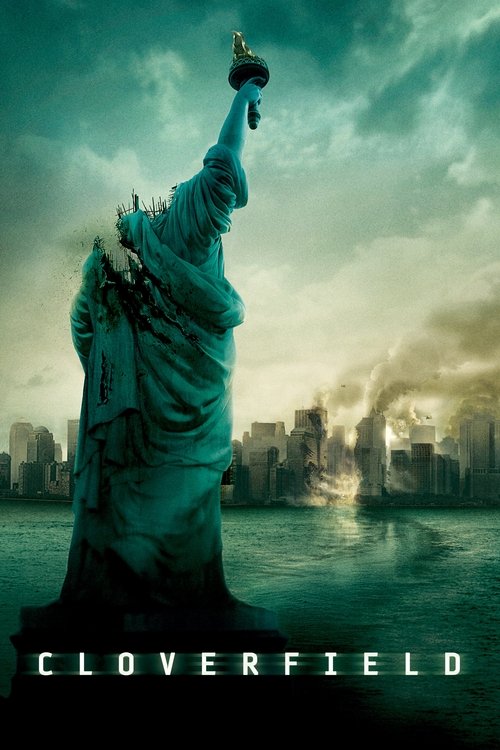
Cloverfield
2008Five young New Yorkers throw their friend a going-away party the night that a monster the size of a skyscraper descends upon the city. Told from the point of view of their video camera, the film is a document of their attempt to survive the most surreal, horrifying event of their lives.
Matt Reeves weaponizes the found-footage gimmick to deliver a masterclass in kinetic tension and voyeuristic dread. This jagged, ground-level perspective on a kaiju crisis effectively redefined the scale of urban catastrophe for the digital age.
Frequently Asked Questions
Everything you need to know about this list and SnakeDrafts
- Iron Man (2008), directed by Jon Favreau, is the film that launched the Marvel Cinematic Universe, blending superhero action with science fiction elements to great effect.
- Cloverfield stands out for its unique found-footage style and its thrilling portrayal of a monster attack on New York City, creating an intense and immersive science fiction experience.
- Yes, WALL·E (2008), directed by Andrew Stanton, is a critically acclaimed animated sci-fi film that explores themes of environmentalism and humanity through the journey of a waste-collecting robot.
- This remake offers a modern take on the classic sci-fi story by emphasizing drama and environmental caution, blending science fiction with a strong message about humanity's impact on Earth.
- Movies like Jumper, Starship Troopers 3: Marauder, and The Incredible Hulk mix fast-paced action and adventure with sci-fi concepts such as teleportation, intergalactic warfare, and genetic mutation.
- Yes, films like The Happening and Doomsday incorporate elements of thriller and horror within their science fiction narratives, exploring themes like ecological disaster and post-apocalyptic survival.
- Superhero Movie is a 2008 sci-fi comedy that parodies popular superhero films, combining humor with action and science fiction to provide a light-hearted take on the genre.
- Dante 01 is notable for its cerebral and atmospheric approach to science fiction, focusing on psychological and philosophical themes rather than typical blockbuster action.