The Best 1992 SciFi Movies Ranked
Classic Cyberpunk Thrillers and Cult Dystopian Missions
Explore the best science fiction cinema from the early nineties. Discover cult classics, dystopian action, and groundbreaking special effects masterpieces.
About 1992 SciFi Movies
The year 1992 stands as a fascinating, somewhat messy pivot point in science fiction history. It was a time when the polished, high-concept blockbusters of the eighties were morphing into something stranger and more cynical. We were still years away from the digital revolution that Toy Story and Jurassic Park would soon usher in, meaning 1992 was one of the final years where practical effects, grim sets, and oddball ambition reigned supreme. Looking back, the landscape was defined by a sense of identity crisis, where the genre was caught between being a vehicle for massive stars and a playground for high-concept philosophy.
The most inescapable film of the year was David Fincher's Alien 3. It remains one of the most polarizing sequels ever made, famously beginning by killing off the survivors of the previous film. While audiences at the time were frustrated by its relentlessly bleak tone, distance has been kind to the movie. It occupies a unique space in sci-fi as a nihilistic, industrial prison drama that prioritizes atmosphere over traditional action. It signaled a shift toward a more somber, adult-oriented brand of genre filmmaking that felt worlds away from the upbeat heroics of the prior decade.
While Fincher was exploring the darkness of deep space, Paul Verhoeven and total star power were colliding in Total Recall just a couple of years prior. By 1992, the industry was trying to replicate that success with projects like Freejack. Starring Emilio Estevez and Mick Jagger, Freejack is a glorious time-traveling mess that captures the specific neon-and-grime aesthetic of the early nineties. It is far from a masterpiece, but it represents the era's obsession with cyberpunk themes and the fear of technology. It was a year where science fiction felt like it was trying to guess what the new millennium would look like, often landidng on a vision of corporate dystopia and biological terror.
We also cannot ignore the cult impact of The Lawnmower Man. Though it bore almost no resemblance to the Stephen King short story it pulled its name from, it became a cultural touchstone for its early, primitive stabs at virtual reality. To modern eyes, the computer graphics look like ancient relics, but in 1992, they were the vanguard of a new frontier. It captured a moment when the world was becoming aware of the internet and digital spaces, even if it portrayed those spaces as psychedelic traps for the human mind.
Hidden among these bigger swings was the quiet arrival of more experimental fare. This was the year that the Director's Cut of Blade Runner finally received a wider release, fundamentally changing how the public viewed Ridley Scott's 1982 masterpiece. Even though it was a re-release, its impact on the 1992 sci-fi landscape was profound. It proved there was a massive hunger for intelligent, slow-burning stories that treated the genre as high art rather than just a way to sell toys.
Ultimately, 1992 was a bridge. It lacked the singular, world-changing hit of a Terminator 2, but it was rich with texture and risk. It gave us everything from the campy cyborg action of Universal Soldier to the philosophical weight of a restored classic. It was a year that proved science fiction did not have to be one specific thing. It could be a horror movie, a political thriller, or a digital fever dream. It was the sound of a genre catching its breath before the CGI revolution changed the rules of the game forever.
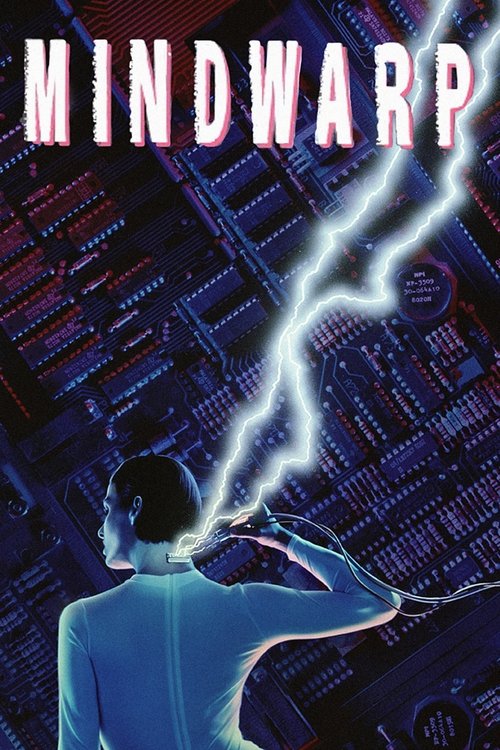
Mindwarp
1992Revolting mutants hunt human outcasts and underground fighters (Bruce Campbell, Marta Alicia) in a future world of mind control.
This post-apocalyptic oddity distinguishes itself with a tactile, grotesque beauty that rejects the sterile tropes of the genre. It is a bleak, imaginative foray into a world defined by VR-addiction and societal collapse, offering a raw intensity rarely seen in the year’s bigger budget offerings.
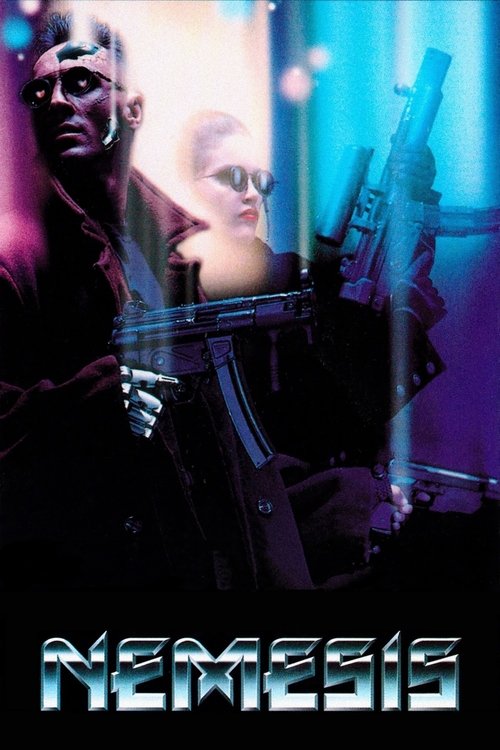
Nemesis
1992In the future, chaos is rampant as 'information terrorists' threaten to destroy order in society. Alex is a part-man, part-machine LAPD cop who is the best at what he does. When one of the terrorists calls him a machine, Alex questions his humanity and decides to leave the force. His final assignment is to apprehend an old colleague who has stolen some data. However, there is more than meets the eye and Alex must question his allegiance.
Albert Pyun delivers a masterwork of kinetic, low-life sci-fi that prioritizes hyper-stylized choreography and mechanical body horror. Its breakneck speed and obsession with the blurring lines between flesh and hardware make it a quintessential artifact of the cyberpunk underground.
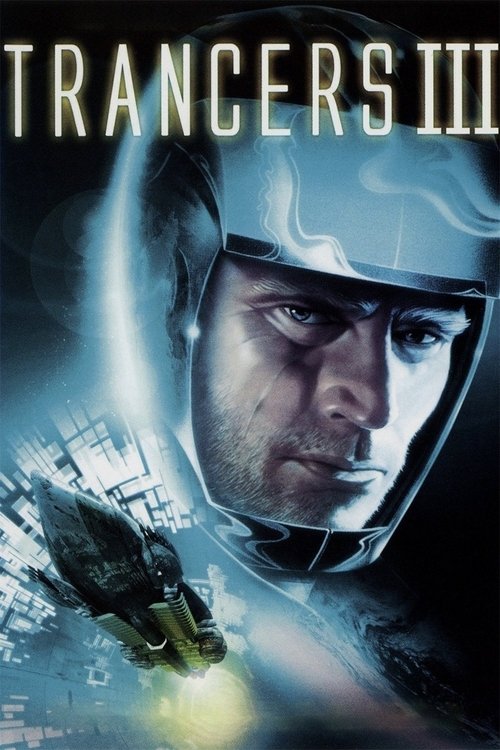
Trancers III
1992A time traveling cop, Jack Deth, from the future is taken back to the past to be given the task of destroying the Trancer program before it has a chance to get out of control, sending the world into a state of chaos and war.
This installment sharpens the series' pulpy edge by leaning into a gritty, neo-noir energy that transcends its direct-to-video origins. The film succeeds through its lean pacing and a commitment to the weird, cynical lore of its time-traveling protagonist.
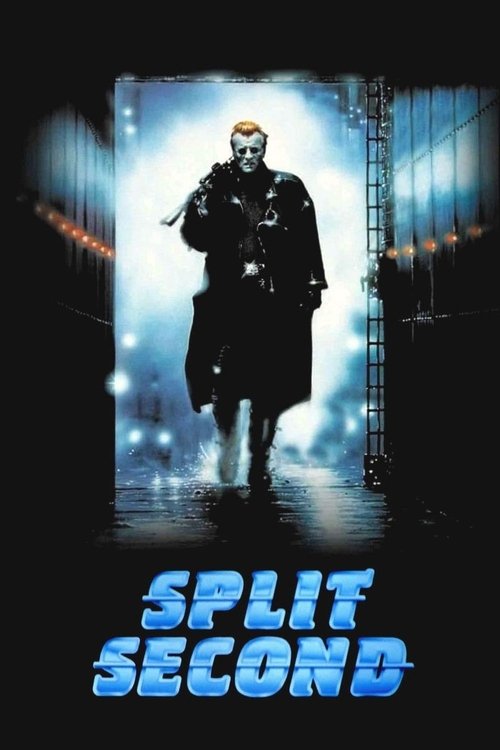
Split Second
1992In a flooded future London, Detective Harley Stone hunts a serial killer who murdered his partner and has haunted him ever since — but he soon discovers what he is hunting might not be human.
Set in a waterlogged, climate-ravaged London, this cult gem blends occult detectives with hard-boiled futuristic aesthetics. It is a masterclass in atmospheric genre-mashing, propelled by a gravelly performance that anchors the supernatural absurdity.

Fortress
1992In the future, the inmates of a private underground prison are computer-controlled with cameras, dream readers, and devices that can cause pain or death. John and his illegally pregnant wife Karen are locked inside "The Fortress" but are determined to escape before the birth of their baby.
Stuart Gordon crafts a visceral, high-tech prison nightmare that pulses with an inventive, low-budget grit. Its vision of a claustrophobic future governed by internal surveillance and bio-mechanical control remains startlingly prophetic and relentlessly tense.
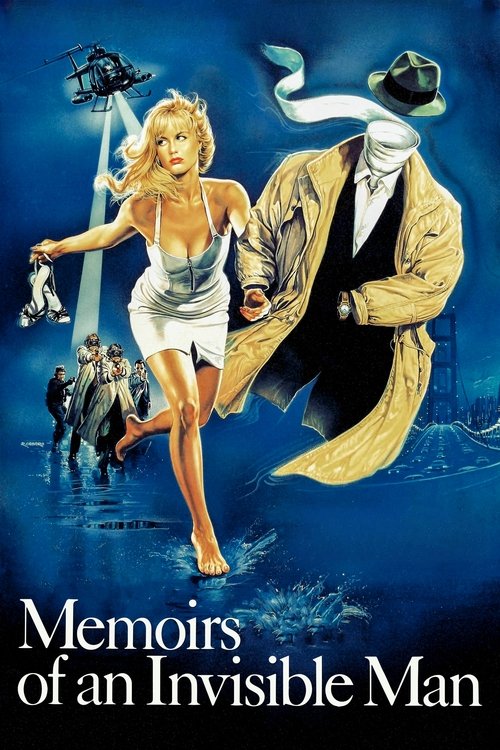
Memoirs of an Invisible Man
1992After a freak accident, an invisible yuppie runs for his life from a treacherous CIA official while trying to cope with his new life.
John Carpenter subverts the comedy of the era by applying a Hitchcockian suspense lens to the physics of transparency. The result is a surprisingly lonely, sophisticated thriller that uses its visual effects to emphasize isolation rather than mere gimmickry.

Universal Soldier
1992An American soldier who had been killed during the Vietnam War is revived 25 years later by the military as a semi-android, UniSols, a high-tech soldier of the future. After the failure of the initiative to erase all the soldier's memories, he begins to experience flashbacks that are forcing him to recall his past.
Roland Emmerich elevates the standard action vehicle into a cold, muscular examination of reanimated trauma and military ethics. The film’s rhythmic choreography and kinetic editing define the peak of early nineties bio-punk cinema.
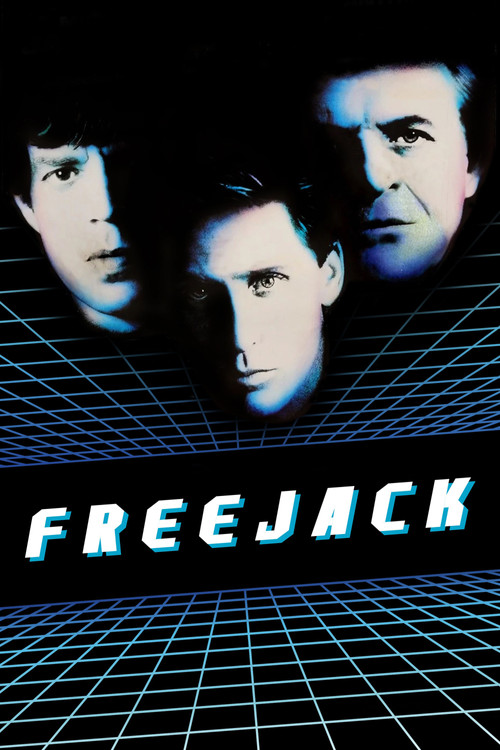
Freejack
1992Time-traveling bounty hunters find a doomed race-car driver in the past and bring him to 2009 New York, where his mind will be replaced with that of a terminally ill billionaire.
This high-concept chase film thrives on a slick, dystopian cynicism that perfectly encapsulates the decade's obsession with corporate immortality. The clash of Mick Jagger’s predatory presence against a backdrop of neon-soaked urban decay provides a uniquely textured cyberpunk experience.
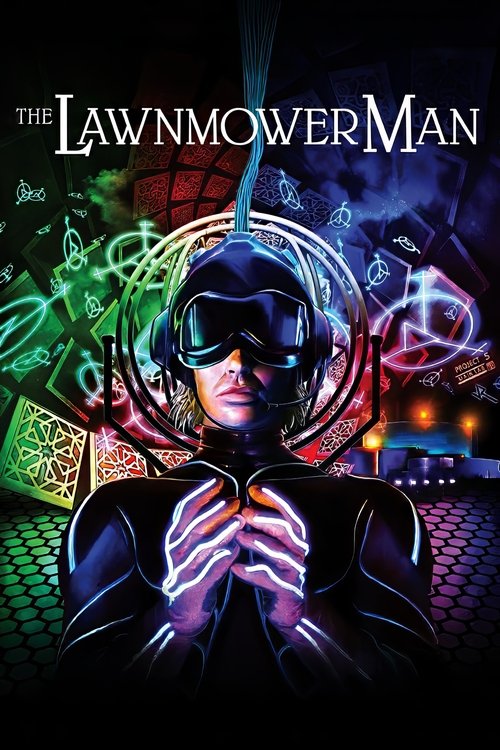
The Lawnmower Man
1992A simple man is turned into a genius through the application of computer science.
While its digital aesthetics now serve as a time capsule for early nineties cyber-optimism, the film remains a landmark for its ambitious exploration of virtual transcendence. It captures the era's panicked fascination with the interface between human consciousness and burgeoning computer processing.

Alien³
1992After escaping with Newt and Hicks from the alien planet, Ripley crash lands on Fiorina 161, a prison planet and host to a correctional facility. Unfortunately, although Newt and Hicks do not survive the crash, a more unwelcome visitor does. The prison does not allow weapons of any kind, and with aid being a long time away, the prisoners must simply survive in any way they can.
David Fincher infuses this claustrophobic sequel with a nihilistic, industrial grime that strips the franchise down to its rawest psychological essentials. It stands as 1992’s most provocative vision, trading spectacle for a grim meditation on sacrifice and inevitable extinction.
Frequently Asked Questions
Everything you need to know about this list and SnakeDrafts
- Alien³, directed by David Fincher, stands out due to its unique blend of science fiction, action, and horror, along with its grim and atmospheric tone. The film's use of practical effects and a darker narrative reflects the early '90s shift toward more cynical sci-fi storytelling.
- The Lawnmower Man mixes classic sci-fi themes of virtual reality and human enhancement with horror elements, creating a suspenseful and unsettling atmosphere. Its innovative use of CGI was groundbreaking for 1992 and contributed to the film's cult status.
- Both Freejack and Universal Soldier delve into dystopian and futuristic themes involving advanced technology and human identity. These films combine action with science fiction, reflecting early '90s concerns about robotics, corporate control, and the nature of humanity.
- Memoirs of an Invisible Man, directed by John Carpenter, uniquely blends science fiction with comedy, romance, and thriller elements. Its narrative explores invisibility from a humanistic perspective, offering a fresh take compared to the more action-oriented or horror-driven sci-fi films of the time.
- Many 1992 sci-fi films, such as Alien³ and Fortress, relied heavily on practical effects, which lend a tangible, gritty realism to their worlds. This technique captures the physicality of the settings and creatures, enhancing the immersive experience in an era just before CGI became dominant.
- The films on this list embody a period of experimentation and moodiness in early '90s sci-fi, blending traditional effects with emerging digital techniques. They often showcase darker, more cynical narratives and explore complex themes like technology's impact on identity and society.
- Yes, several notable directors are featured, including David Fincher of Alien³ and John Carpenter of Memoirs of an Invisible Man, both known for their distinctive contributions to sci-fi and genre filmmaking. Their involvement elevates these films within the 1992 sci-fi landscape.
- Films such as Memoirs of an Invisible Man and Split Second mix science fiction with genres like comedy, thriller, and horror. This genre-blending showcases the creative range of 1992 sci-fi movies, offering audiences varied tones and storytelling styles.