The Best Jon Bernthal Movies Ranked
Uncompromising Grit and Intense Character Performances
Explore the most powerful film roles of Jon Bernthal. From intense action hits to acclaimed dramas, discover the definitive ranking of his best movies.
About Jon Bernthal
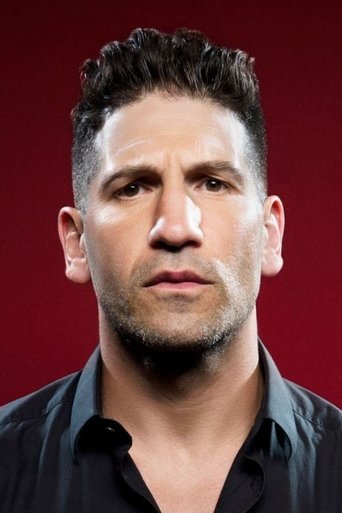
In an era of hyper-curated movie stars, Jon Bernthal remains a gloriously jagged edge. He carries the kind of gritty, blue-collar authenticity that feels like a throwback to the 1970s, possessing a physical presence that suggests he just finished a shift at a construction site or stepped out of a boxing gym. While many actors guard their vanity, Bernthal leans into the bruises, the broken noses, and the raw, uncomfortable silence of men who find it difficult to exist in the modern world. This visceral energy has made him the industry’s premier choice for characters who balance a terrifying capacity for violence with a fragile, often hidden, tenderness.
His career arc reads like a masterclass in making the most of every second of screen time. Early on, he stole scenes as Al Capone in Night at the Museum: Battle of the Smithsonian and brought a twitchy, lived-in intensity to Roman Polanski’s The Ghost Writer. These roles hinted at a volatility that would soon become his trademark. Whether he is playing the menacing Brad in The Wolf of Wall Street, challenging Leonardo DiCaprio’s corporate slickness with a dose of Queens street-smarts, or portraying the pressure-cooker tension of a soldier in Fury, he commands the frame. He doesn't just play tough guys; he explores the psychological weight of what that toughness costs.
Audiences connect with him because there is zero artifice in his work. In Taylor Sheridan’s Wind River or the sleek, nihilistic world of Sicario, he projects a rugged dependability that feels earned rather than rehearsed. Yet, it is his ability to pivot into warmth that secures his status as a heavyweight. In Me and Earl and the Dying Girl, he provided the film with its grounded soul as a tattooed teacher, and in The Peanut Butter Falcon, he infused a brief role with enough emotional resonance to haunt the entire narrative. He showed a different kind of steel in Ford v Ferrari, trading grease for a suit as Lee Iacocca, proving his intensity translates just as well to the boardroom as it does to the battlefield.
The sheer variety of his recent portfolio reveals an actor who refuses to be pigeonholed. He brought a kinetic, frantic charm to the heist mechanics of Baby Driver and provided a grounded, empathetic anchor to Will Smith’s bravado in King Richard. Even when descending into the harrowing world of prison life in Shot Caller or navigating the heavy drama of The Unforgivable, he maintains a magnetic vulnerability. With the upcoming sequel to The Accountant, he continues to bridge the gap between high-octane genre fare and character-driven drama. He has become a rare cultural fixture: a man’s man who isn't afraid of tears, a performer who can break a rib or a heart with equal conviction. We watch him because we believe him, trusting that whatever shadows his characters inhabit, there is always a flickering, human light underneath.
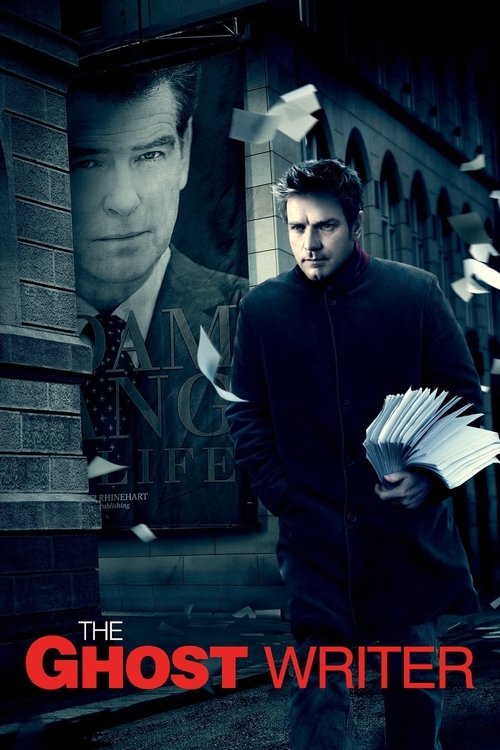
The Ghost Writer
2010A writer stumbles upon a long-hidden secret when he agrees to help former British Prime Minister Adam Lang complete his memoirs on a remote island after the politician's assistant drowns in a mysterious accident.
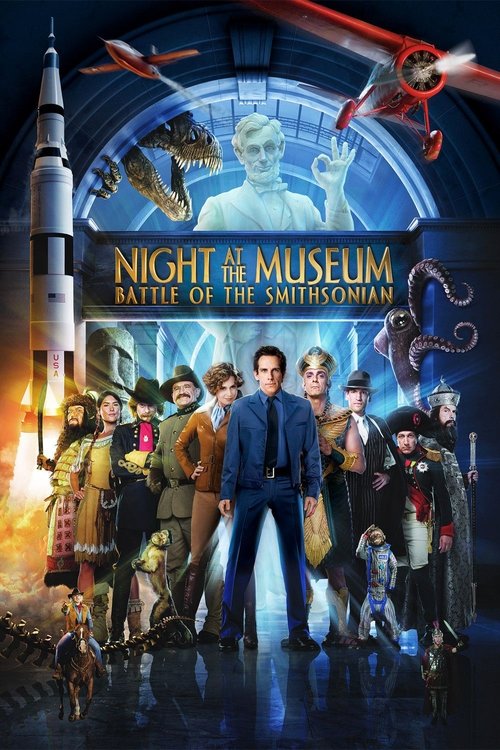
Hapless museum night watchman Larry Daley must help his living, breathing exhibit friends out of a pickle now that they've been transferred to the archives at the Smithsonian Institution. Larry's (mis)adventures this time include close encounters with Amelia Earhart, Abe Lincoln and Ivan the Terrible.
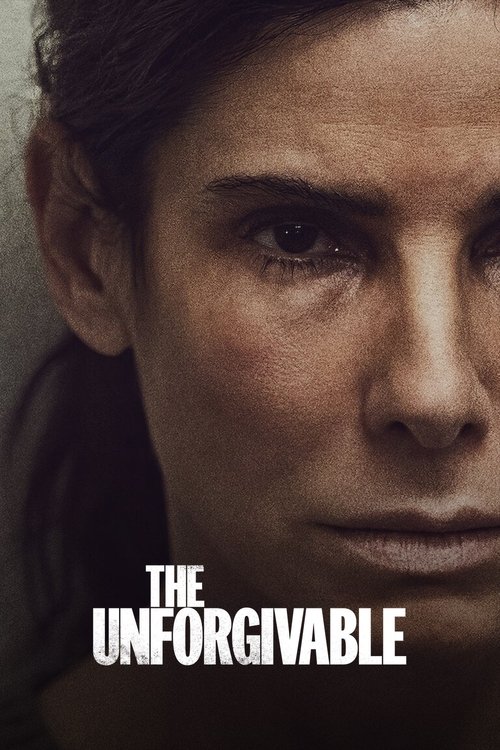
The Unforgivable
2021A woman is released from prison after serving a sentence for a violent crime and re-enters a society that refuses to forgive her past.
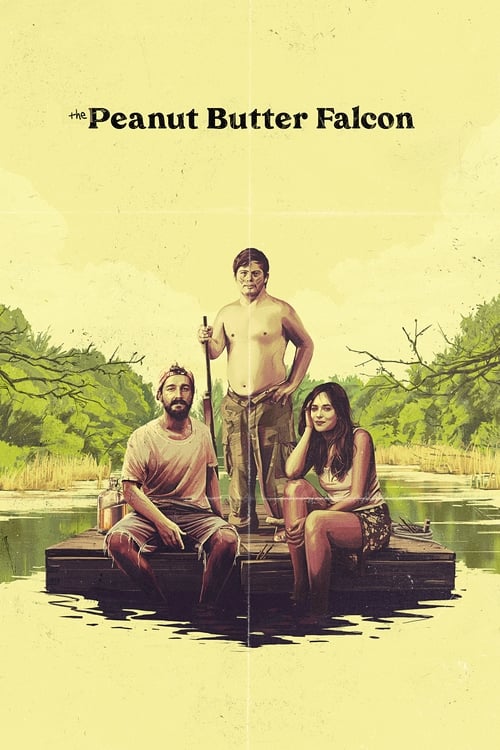
The Peanut Butter Falcon
2019A down-on-his-luck crab fisherman embarks on a journey to get a young man with Down syndrome to a professional wrestling school in rural North Carolina and away from the retirement home where he’s lived for the past two and a half years.
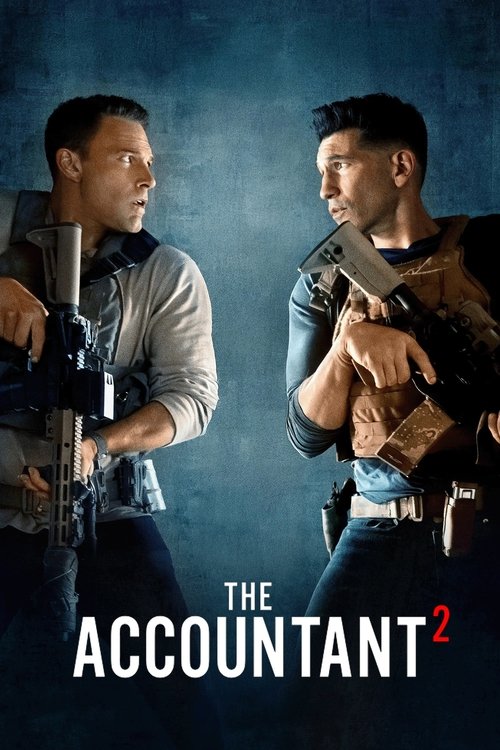
The Accountant²
2025When an old acquaintance is murdered, Wolff is compelled to solve the case. Realizing more extreme measures are necessary, Wolff recruits his estranged and highly lethal brother, Brax, to help. In partnership with Marybeth Medina, they uncover a deadly conspiracy, becoming targets of a ruthless network of killers who will stop at nothing to keep their secrets buried.
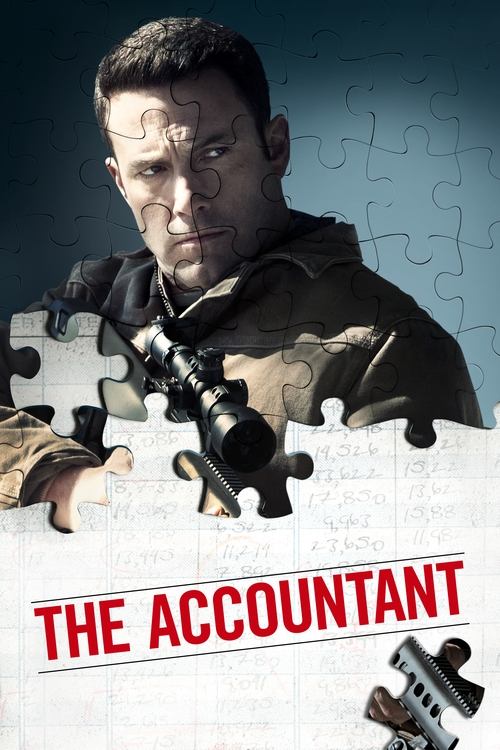
The Accountant
2016As a math savant uncooks the books for a new client, the Treasury Department closes in on his activities and the body count starts to rise.
Operating as a high-functioning foil to Ben Affleck, Bernthal brings a kinetic, wisecracking lethalness to this action-thriller. The role highlights his ability to elevate popcorn cinema through sheer magnetic confidence and a nuanced exploration of sibling antagonism.
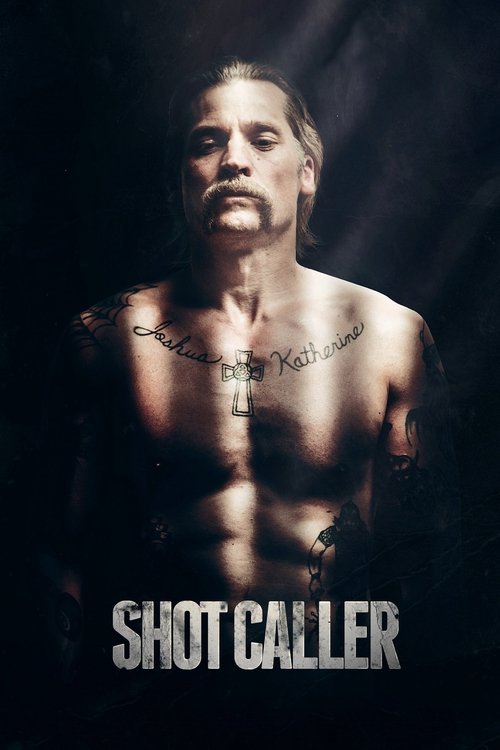
Shot Caller
2017A newly-released prison gangster is forced by the leaders of his gang to orchestrate a major crime with a brutal rival gang on the streets of Southern California.
Plunging into the claustrophobic world of prison hierarchy, Bernthal delivers a gritty, transformative supporting turn that reinforces his mastery of the crime genre. He acts as a crucial bridge for the protagonist's descent, radiating a lived-in toughness that feels entirely unsimulated.
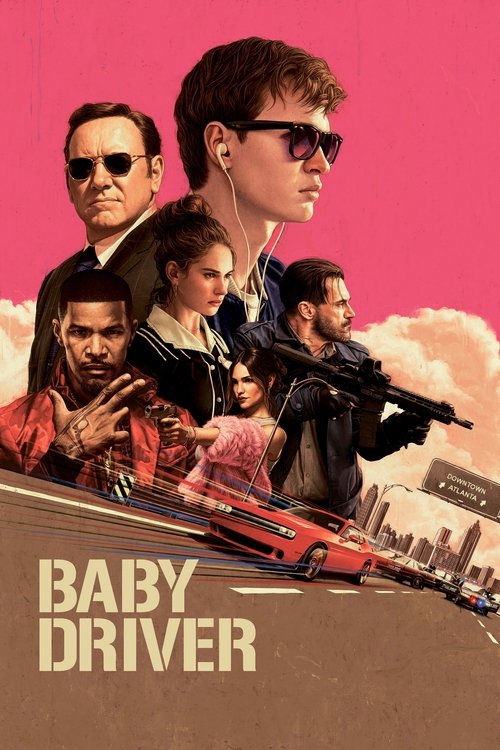
Baby Driver
2017After being coerced into working for a crime boss, a young getaway driver finds himself taking part in a heist doomed to fail.
As Griff, Bernthal functions as the heist crew’s cynical conscience, projecting a 'seen-it-all' weariness that grounds the film’s stylized kineticism. He commands the screen with a barking, kinetic authority that perfectly matches the rhythmic pulse of Edgar Wright’s direction.
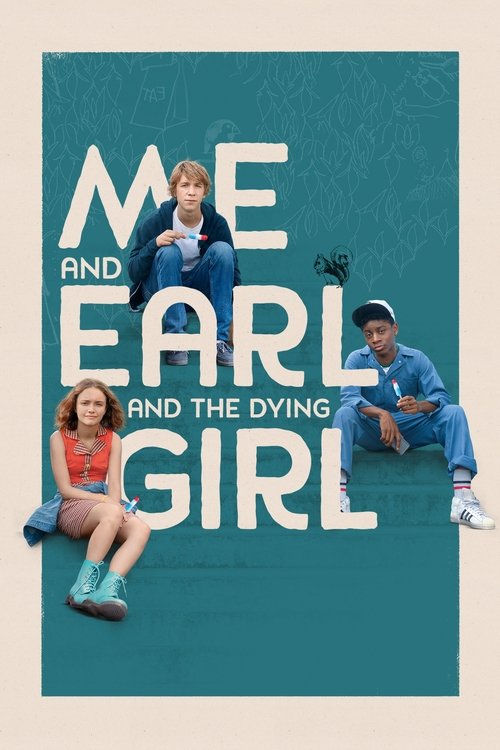
Me and Earl and the Dying Girl
2015Greg is coasting through senior year of high school as anonymously as possible, avoiding social interactions like the plague while secretly making spirited, bizarre films with Earl, his only friend. But both his anonymity and friendship threaten to unravel when his mother forces him to befriend a classmate with leukemia.
As the tattooed history teacher Mr. McCarthy, Bernthal subverts the 'inspirational mentor' trope by injecting the role with a weary, authentic wisdom. It is a brief but pivotal performance that showcases his range beyond the hyper-masculine archetypes he frequently inhabits.
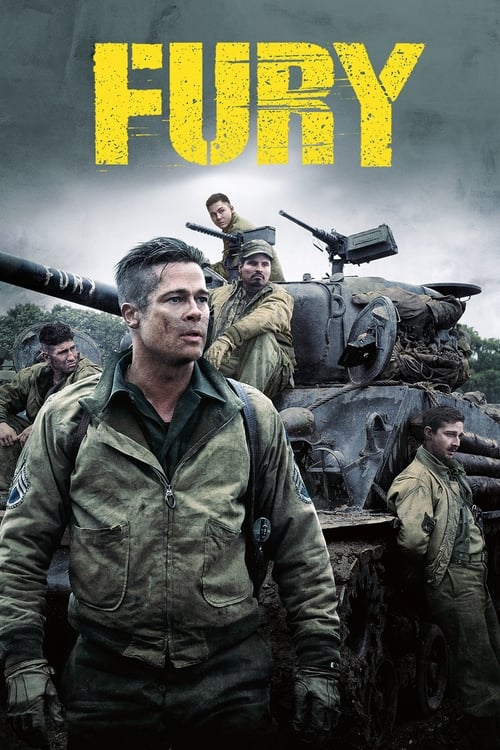
Fury
2014April, 1945. As the Allies make their final push in the European Theatre, a battle-hardened army sergeant named Wardaddy commands a Sherman tank and her five-man crew on a deadly mission behind enemy lines. Outnumbered and outgunned, and with a rookie soldier thrust into their platoon, Wardaddy and his men face overwhelming odds in their heroic attempts to strike at the heart of Nazi Germany.
In an ensemble defined by trauma, Bernthal’s feral, unsettling portrayal of 'Coon-Ass' captures the psychological decay of prolonged warfare. He leans into the character’s repulsive edges, cementing his reputation as an actor who refuses to prioritize likability over visceral truth.
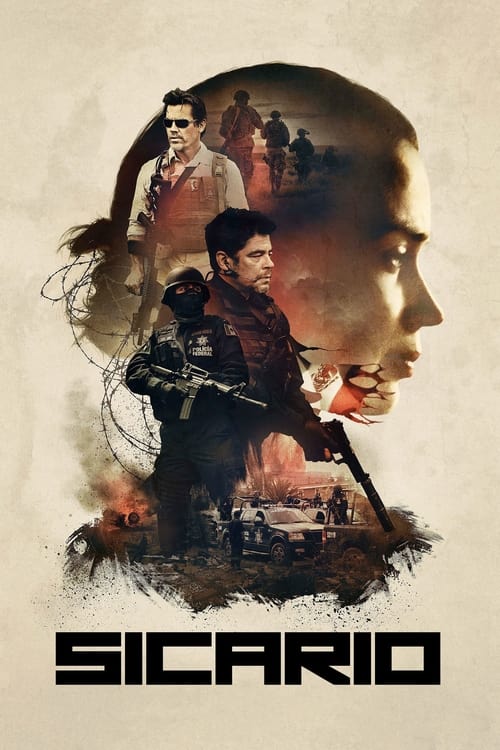
Sicario
2015An idealistic FBI agent is enlisted by a government task force to aid in the escalating war against drugs at the border area between the U.S. and Mexico.
Bernthal excels as a deceptive catalyst for tension, utilizing his physicality to oscillate between flirtatious charm and sudden, shocking lethality. This performance serves as a sharp reminder of his capacity to modulate threat levels within a high-stakes thriller framework.
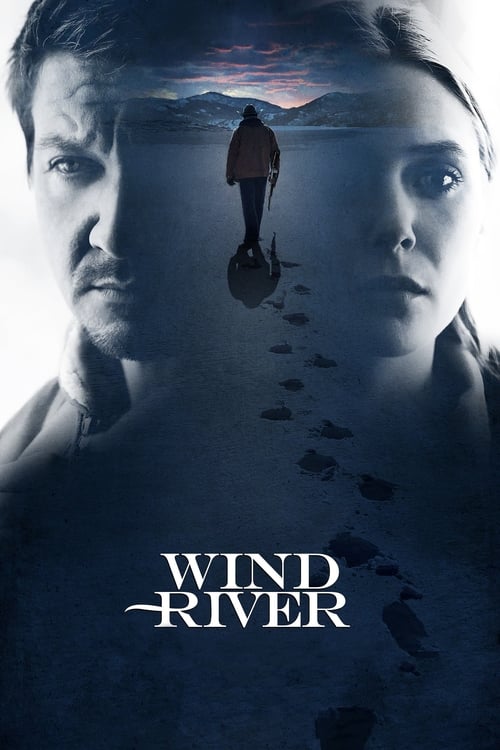
Wind River
2017An FBI agent teams with the town's veteran game tracker to investigate a murder that occurred on a Native American reservation.
Despite limited screen time, Bernthal’s presence lingers over the entire narrative, providing the film with its most tender and devastating emotional core. He manages to convey a lifetime of protective love and tragic vulnerability in a single, haunting flashback sequence.

King Richard
2021The story of how Richard Williams served as a coach to his daughters Venus and Serena, who will soon become two of the most legendary tennis players in history.
Disappearing behind a mustache and a relentless optimism, Bernthal provides the essential empathetic counterweight to the central family’s intensity. His Rick Macci is a refreshingly ego-free turn that highlights his ability to humanize the often-grating world of professional coaching.
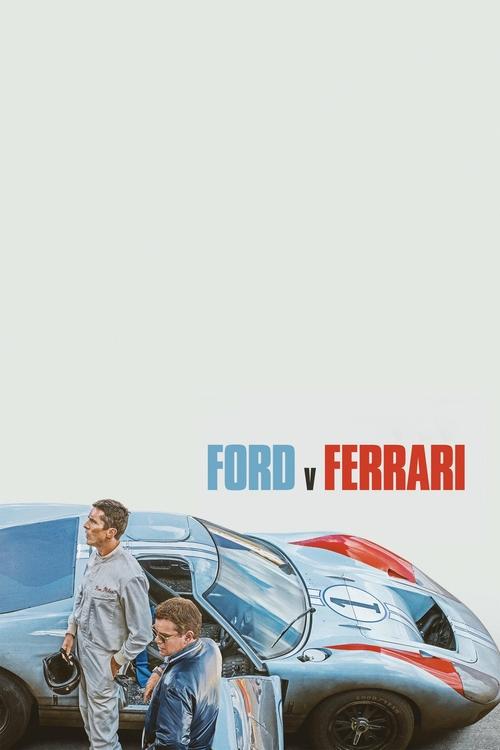
Ford v Ferrari
2019American car designer Carroll Shelby and the British-born driver Ken Miles work together to battle corporate interference, the laws of physics, and their own personal demons to build a revolutionary race car for Ford Motor Company and take on the dominating race cars of Enzo Ferrari at the 24 Hours of Le Mans in France in 1966.
Trading his usual grit for corporate calculation, Bernthal’s Lee Iacocca is a masterclass in understated charisma and strategic navigation. He brilliantly portrays the friction between suit-wearing bureaucracy and the visceral soul of racing, marking a sophisticated pivot in his filmography.
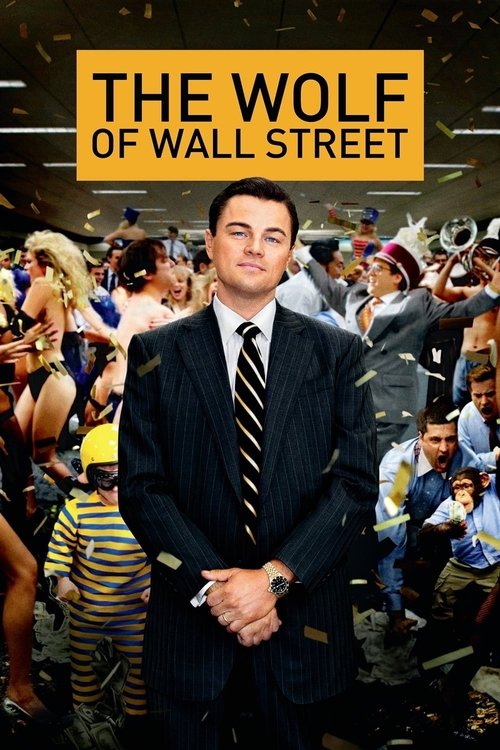
A New York stockbroker refuses to cooperate in a large securities fraud case involving corruption on Wall Street, corporate banking world and mob infiltration. Based on Jordan Belfort's autobiography.
Bernthal weaponizes a thick Queens accent and a volatile blue-collar intensity to steal scenes from a roster of heavyweights. His portrayal of Brad Bodnick serves as the film’s grounded, menacing backbone, proving he could anchor prestige cinema with infectious, street-level energy.
Frequently Asked Questions
Everything you need to know about this list and SnakeDrafts
- Jon Bernthal's role in "Fury" exemplifies his skill in portraying gritty, blue-collar characters, highlighted by his intense performance as a WWII tank gunner. This role taps into the raw and physical authenticity he is known for, deeply resonating with audiences.
- Bernthal masterfully transitions across genres, from intense action in "Sicario" to heartfelt drama in "King Richard" and dark comedy in "Me and Earl and the Dying Girl." His performances prove his adaptability while maintaining a compelling presence in every role.
- Bernthal's most acclaimed films often delve into themes such as survival, moral complexity, and redemption, as seen in "Shot Caller" and "Wind River." These movies highlight his talent for embodying flawed, intense characters facing challenging circumstances.
- "Ford v Ferrari" uniquely combines thrilling action sequences with a historical narrative, where Bernthal delivers a memorable supporting performance against the backdrop of the 1960s racing rivalry. This film highlights both his dramatic and physical acting strengths.
- In "The Accountant," Bernthal stands out in a crime thriller setting, showcasing his ability to craft tension and intrigue alongside a strong ensemble cast. His role adds significant depth and intensity to the narrative.
- Bernthal's role in "The Wolf of Wall Street" is marked by his dynamic and intense portrayal within a high-energy, satirical take on financial excess. His screen presence adds grit and authenticity to this Martin Scorsese-directed hit.
- Yes, Jon Bernthal has appeared in family-friendly films such as "Night at the Museum: Battle of the Smithsonian," where he embraces a lighter, adventurous role, demonstrating his range as an actor beyond intense and dramatic characters.