The Best Tobias Menzies Movies Ranked by Premiere Performances
From Period Dramas to Action Blockbusters
Explore the best film performances by Tobias Menzies, featuring his most impactful roles in cinema history, from Bond villains to period epics.
About Tobias Menzies
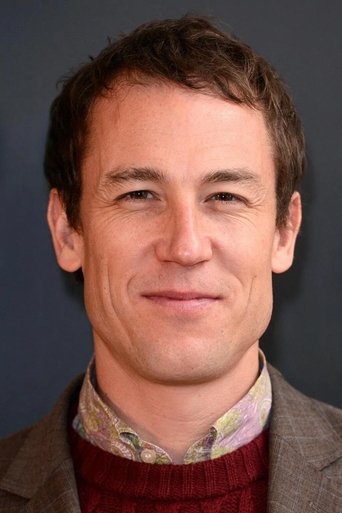
In the landscape of modern British acting, few figures occupy the space between icy calculation and shattering vulnerability quite like Tobias Menzies. He possesses a face built for the intricacies of status, capable of projecting a centuries-old pedigree or the quiet desperation of a man falling apart in a well-tailored suit. While some actors clamor for the spotlight, he has built a formidable reputation by mastering the art of the internal monologue, often communicating more through a tightened jaw or a flickering eyelid than most performers can manage with a five-minute soliloquy.
His career functions as a masterclass in the slow burn. Early glimpses of his range surfaced in projects like the sweeping period drama Persuasion and the hauntingly brief but impactful Atonement, where he navigated the rigid social hierarchies of the past with an innate understanding of British restraint. Even in massive spectacles like Casino Royale, he brought a grounded reality to the high-stakes world of espionage, proving that no role was too small for his particular brand of intellectual precision. This ability to anchor a scene made him a favorite for directors seeking a reliable gravity, whether he was navigating the claustrophobic tension of the submarine thriller Black Sea or the whimsical Victorian medical comedy Hysteria.
What truly draws audiences to his work is the sense that his characters are always thinking. He avoids the easy beats of melodrama, opting instead for a cerebral complexity that feels startlingly human. In the Nicole Holofcener comedy You Hurt My Feelings, he pivoted away from the aristocratic steel of his television work to play a therapist grappling with a crisis of confidence. It was a revelation in relatability, showcasing a softer, more neurotic edge that reminded viewers he is just as effective in a messy Brooklyn apartment as he is in a palace. This versatility ensures that his upcoming projects, such as the high-octane racing drama F1 and the psychological intrigue of The Other Place, are met with genuine anticipation. Producers know that his presence adds a layer of prestige and psychological depth that few others can replicate.
Beneath the technical brilliance lies an actor who is unafraid to be unlikable, which paradoxically makes him magnetic. Whether he is inhabiting the bruised ego of a discarded lover in Pierrepoint: The Last Hangman or exploring the gothic shadows of Carmilla, he finds the connective tissue between the character and the audience. He never asks for our pity, yet he frequently earns our empathy by revealing the cracks in a person's armor. As he moves from the intimate Chekhovian beats of The Duel to the grand tragedy of King Lear, he continues to refine a legacy built on nuance rather than noise. In a digital age of over-performance, his penchant for silence and subtext feels like a radical act of storytelling. He remains the thinking person's actor, a performer who understands that the most interesting things often happen in the quiet moments between the lines.

The Other Place
2025Two sisters reunite on the anniversary of the death of their father. Their uncle has remodelled their family home, in an attempt at a fresh start. But one sister’s sudden reappearance threatens to shatter this fragile idyll as she demands justice for the pain she carries.Amid the debris and the new extension, guilt, grief and greed battle it out in the family’s competing dreams of their future. When we are faced with the suffering of others, even those closest to us, can we look away?
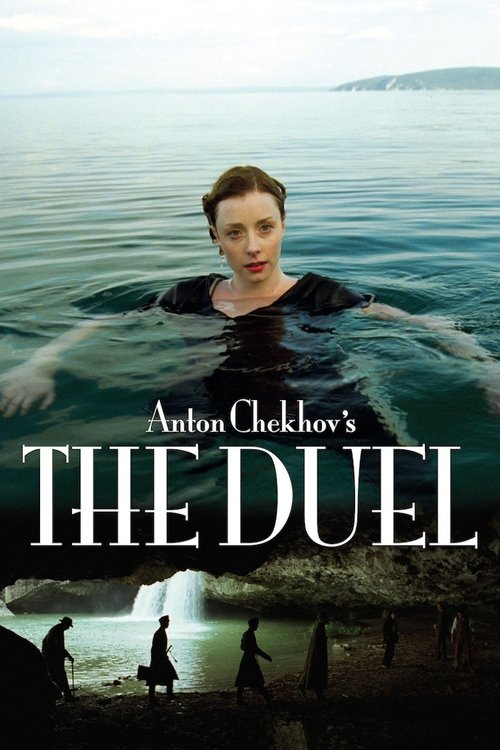
Anton Chekhov's The Duel
2010Set in a seaside resort in the Caucasus, the story centers on n'er do well, Laevsky and his illicit relationship with his mistress Nadya. Laevsky has convinced Nadya to leave her husband for him, but now wants to abandon her.
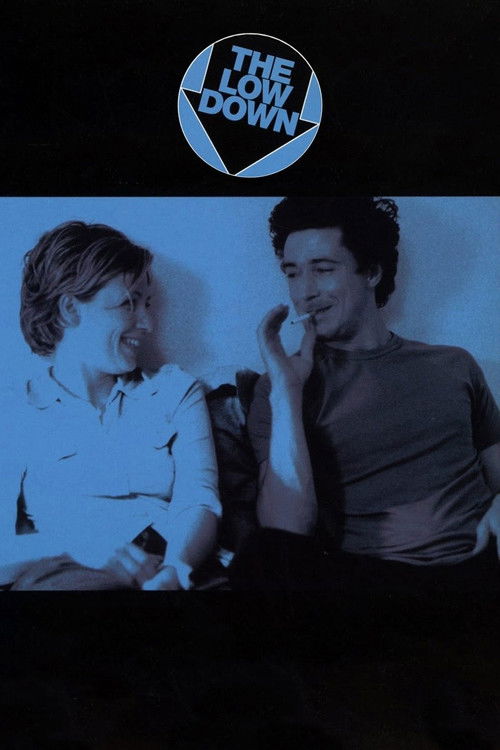
The Low Down
2001Frank is a restless young man in his late twenties whose life revolves around his friends and his work. When he becomes involved with Ruby, her optimistic and fresh approach to life and its problems begins to have a dramatic effect on him.

Carmilla
2020In 19th-century Styria, isolated teen Lara's quiet life is upended by the arrival of mysterious, beautiful Carmilla, a female vampire with whom she develops an intense, homoerotic bond. As Lara's life slowly drains, themes of forbidden desire, identity, and the supernatural are explored, culminating in Lara's discovery of Carmilla's vampiric nature and a confrontation with her ancient lineage.
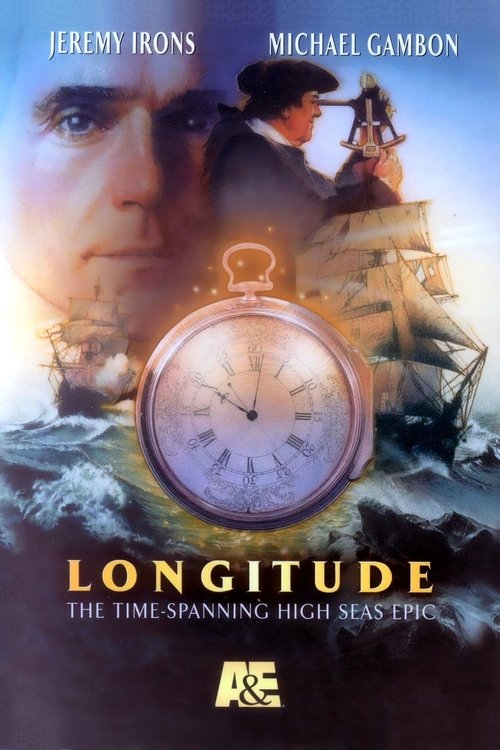
Longitude
2000Parallel stories: 18th century Harrison builds the marine chronometer for safe navigation at sea; 20th century Gould is obsessed with restoring it.
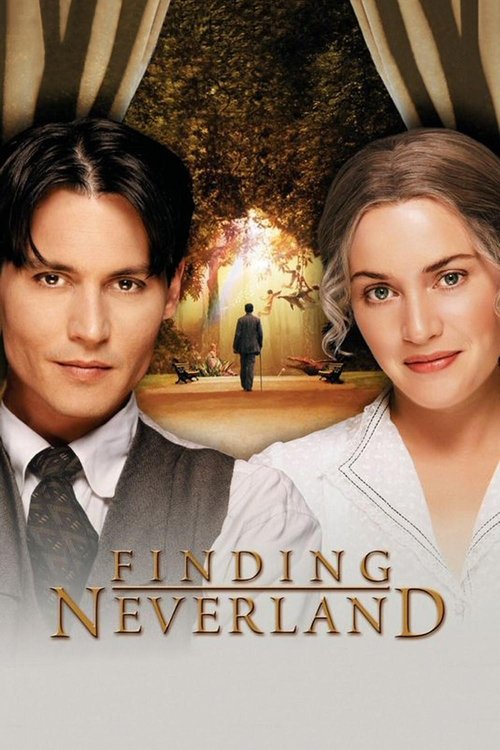
During a writing slump, playwright J.M. Barrie meets a widow and her four children, all young boys—who soon become an important part of Barrie’s life and the inspiration that lead him to create his masterpiece. Peter Pan.
In this early credit, Menzies offers a fleeting but disciplined presence that helped establish his reliability within prestige period pieces. It serves as an archival look at his transition from theater to film, showcasing the understated poise that would eventually become his trademark.
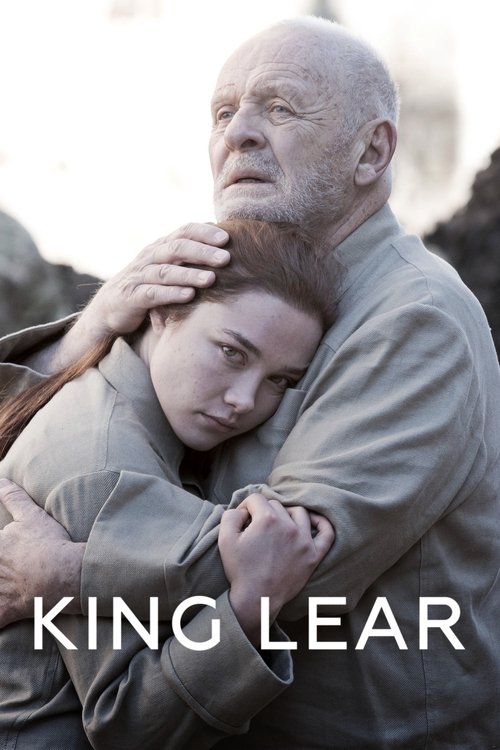
King Lear
2018An aging King invites disaster, when he abdicates to his corrupt, toadying daughters, and rejects his loving and honest one.
Taking on Cornwall, Menzies taps into a darker, more visceral energy that stands up to the heavyweights of the British stage. This Shakespearean turn reinforces his status as a premier dramatic technician capable of navigating the most violent and demanding classical texts.
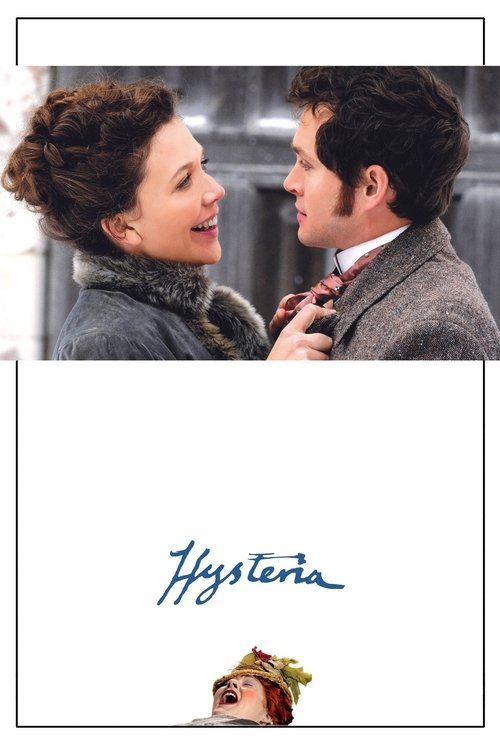
Hysteria
2011Two doctors in Victorian England use manual stimulation of female genitalia to cure their patients' ills, leading to the invention of the vibrator.
Menzies finds the perfect frequency for this Victorian farce, playing into the absurdity of the era's medical anxieties with a dry, knowing wit. It is a rare opportunity to see him navigate a lighter tonal landscape while maintaining his characteristic intellectual edge.
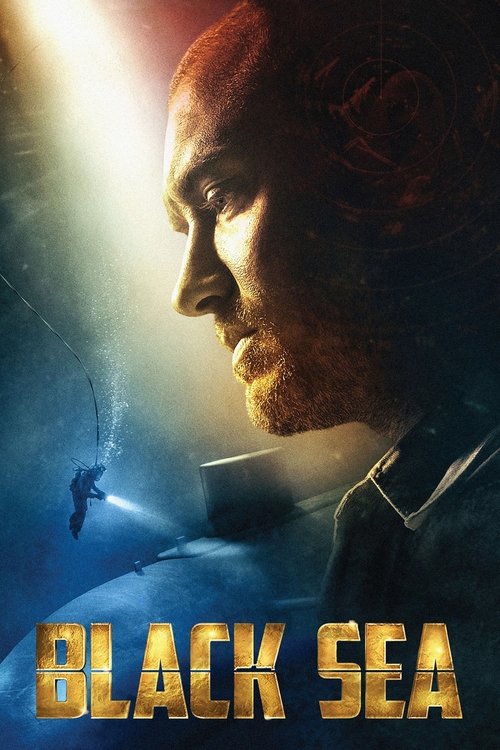
Black Sea
2014A rogue submarine captain pulls together a misfit crew to go after a sunken treasure rumored to be lost in the depths of the Black Sea. As greed and desperation take control on-board their claustrophobic vessel, the increasing uncertainty of the mission causes the men to turn on each other to fight for their own survival.
Trapped in the claustrophobic confines of a submarine, Menzies delivers a gritty, high tension turn that strips away his usual refinement. This performance is key for demonstrating his ability to thrive in blue collar, pressure cooker environments far removed from his aristocratic typecasting.
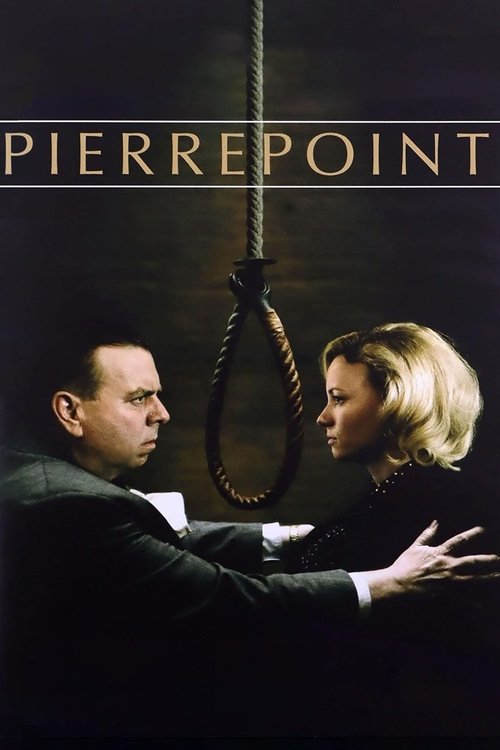
Pierrepoint: The Last Hangman
2005Following in his father's footsteps, Albert Pierrepoint becomes one of Britain's most prolific executioners, hiding his identity as a grocery deliveryman. But when his ambition to be the best inadvertently exposes his gruesome secret, he becomes a minor celebrity & faces a public outcry against the practice of hanging. Based on true events.
In this bleakly efficient drama, Menzies operates with a stark realism that complements the film's unflinching look at capital punishment. His participation highlights an early career commitment to demanding, peripheral roles that flesh out the moral complexities of the story.
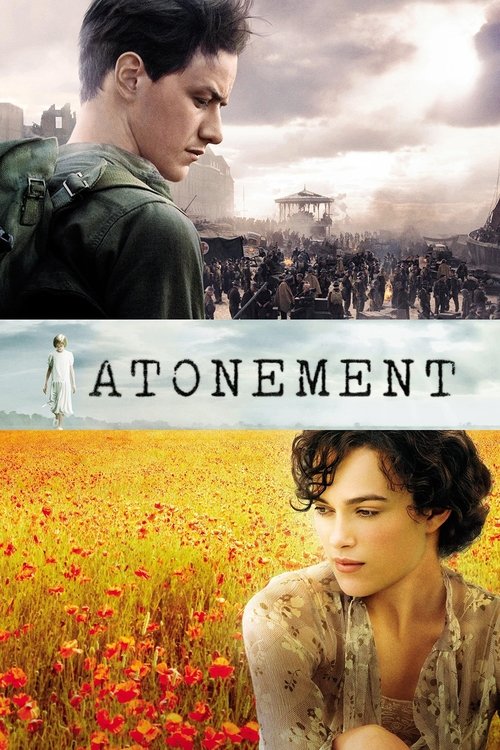
Atonement
2007A young girl irrevocably changes the course of several lives when she accuses her older sister's lover of a crime he did not commit.
Though his screen time as a naval officer is brief, Menzies provides a necessary glimpse into the rigid institutional world that swallows the protagonists. It is a vital exercise in economy, proving he can establish a character's history and social standing through posture and tone alone.
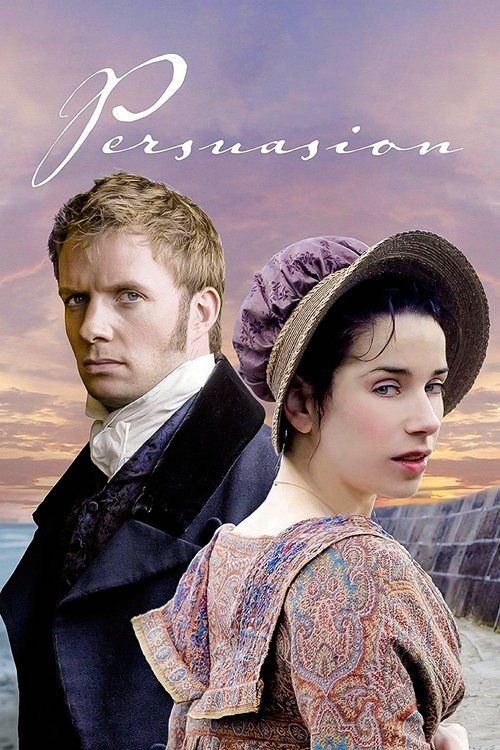
Persuasion
2007Anne Elliot was once in love with Frederick Wentworth, a commander in the Royal Navy who was rejected by her snobby parents eight years ago. When the family hits hard times and are forced to rent out their mansion to his brother-in-law, Frederick returns as a captain - but will he remember Anne?
His portrayal of William Elliot is a sharp study in polished duplicity, capturing the specific social calculations required for a Jane Austen antagonist. Menzies excels here by leaning into a charming superficiality that highlights his versatility within the period drama genre.
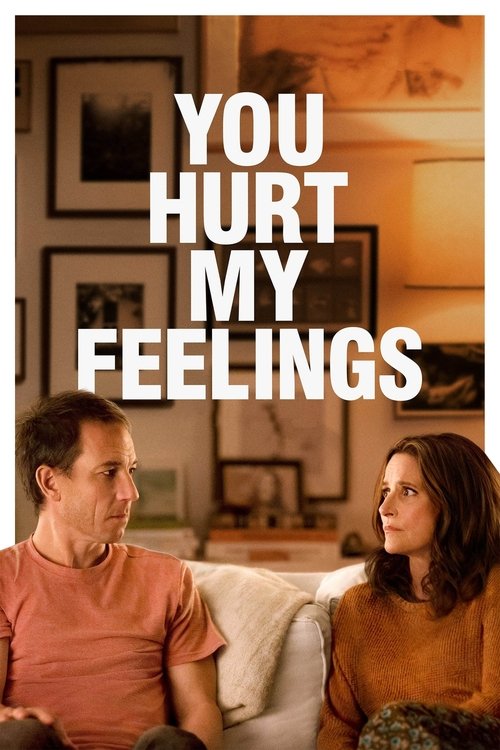
You Hurt My Feelings
2023A novelist's longstanding marriage is suddenly upended when she overhears her husband giving his honest reaction to her latest book.
Menzies pivots beautifully into a vulnerable, neurotic register as a therapist grappling with a crisis of confidence. This role serves as a crucial showcase for his comedic timing and his capacity for depicting the quiet, ego bruising indignities of middle age.

F1
2025Racing legend Sonny Hayes is coaxed out of retirement to lead a struggling Formula 1 team—and mentor a young hotshot driver—while chasing one more chance at glory.
Stepping into the high octane world of elite racing, Menzies utilizes his signature gravitas to anchor the film's corporate and technical tensions. It marks a significant shift into contemporary blockbuster territory where his sophisticated presence adds a layer of prestige to the spectacle.
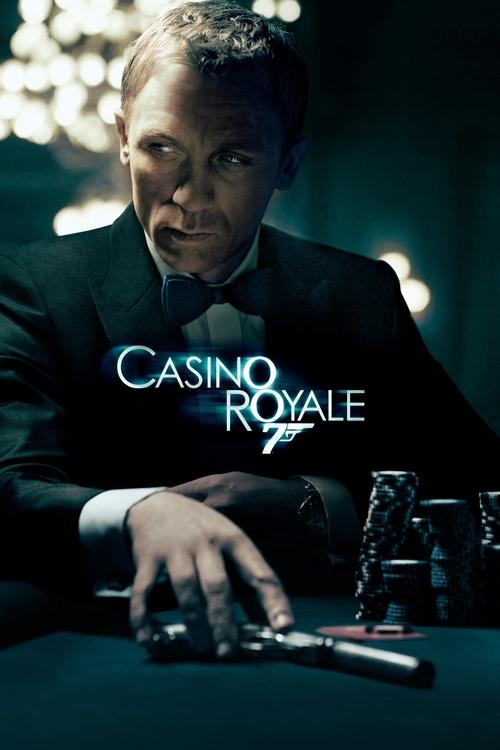
Casino Royale
2006Le Chiffre, a banker to the world's terrorists, is scheduled to participate in a high-stakes poker game in Montenegro, where he intends to use his winnings to establish his financial grip on the terrorist market. M sends Bond—on his maiden mission as a 00 Agent—to attend this game and prevent Le Chiffre from winning. With the help of Vesper Lynd and Felix Leiter, Bond enters the most important poker game in his already dangerous career.
As the icy Villiers, Menzies offers a masterclass in bureaucratic composure that provides the essential tether for the rebooted Bond's initial chaos. This early career milestone proved his innate ability to command attention within high stakes ensembles without ever raising his voice.
Frequently Asked Questions
Everything you need to know about this list and SnakeDrafts
- Tobias Menzies' portrayal of the Bond villain in Casino Royale (2006) is ranked top for its intense charisma and the perfect blend of menace and sophistication. This role showcased his ability to dominate the screen in a high-stakes action thriller.
- In F1 (2025), directed by Joseph Kosinski, Menzies delivers a gripping performance that balances action with deep emotional stakes. This film highlights his versatility by immersing him in a high-octane drama that contrasts with his character-driven roles.
- You Hurt My Feelings (2023) shows a softer, more nuanced side of Tobias Menzies, blending comedy and romance with drama. His performance here is celebrated for its vulnerability and understated emotional depth, marking a departure from his traditionally intense characters.
- Many of Menzies' best performances involve complex characters navigating emotional or moral dilemmas, as seen in Atonement (2007) and Persuasion (2007). His roles often explore themes of vulnerability beneath a composed exterior, contributing to his nuanced portrayals in period dramas and thrillers alike.
- Pierrepoint: The Last Hangman (2005) is included because Tobias Menzies delivers a powerful historical portrayal that emphasizes the psychological intensity of his character. The film's focus on moral ambiguity and inner conflict fits well with Menzies' strengths in playing layered characters.
- This list primarily focuses on his most impactful and critically recognized performances, so lesser-known indie films or minor roles are understandably excluded. However, the inclusion of titles like Carmilla (2020) and The Other Place (2025) reflects the diversity of his recent work, despite some popular TV roles being left out.
- Menzies excels in period dramas such as Persuasion (2007) and Atonement (2007), where his ability to convey restrained emotion and intricate social tension is paramount. These films underscore his skill in embodying historical characters with authenticity and depth.
- In Black Sea (2014), Menzies takes on a rugged adventure thriller role that contrasts with his typically refined characters. This performance demonstrates his capacity to adapt to intense, high-pressure environments, adding a gritty edge to his filmography.