The Definitive Andrew Scott Movie Ranking
From Moriarty to Modern Masterpieces
Explore the finest cinematic performances of Andrew Scott, featuring acclaimed dramas, intense thrillers, and award-winning blockbusters.
About Andrew Scott
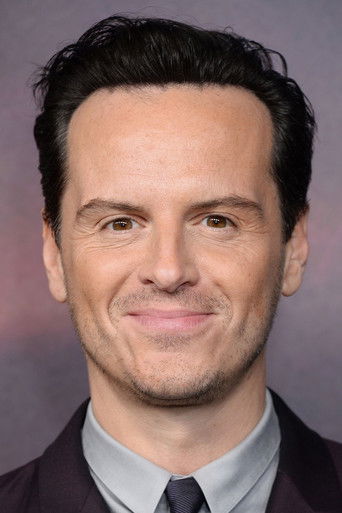
There is a specific brand of electricity that Andrew Scott brings to a frame, a sort of vibrating intelligence that suggests he is always three steps ahead of the audience and perhaps one step ahead of himself. For years, the Dublin born actor was the industry best kept secret, a stage titan who could command the Old Vic with a whisper. But modern pop culture eventually caught up to his mercurial talent, discovering a performer who bridges the gap between terrifying volatility and heartbreaking vulnerability. He possesses a face built for the close up, capable of shifting from a predatory grin to a look of profound loneliness in the time it takes to blink.
While he first flickered on the global radar with a brief, early turn in Saving Private Ryan and later grounded historical dramas like Longitude, it was his ability to reinvent archetypes that solidified his reputation. He took the concept of the villain and turned it into high art. Even in massive franchises like Spectre, he brought a sleek, bureaucratic menace that felt distinctively contemporary. Yet, labeling him solely as a heavy ignores the soulful interiority that defines his best work. In the joyful, defiant Pride, he found the quiet dignity of a man reconnecting with his roots, while Handsome Devil allowed him to portray a mentor with a world weary grace.
The magic of his career lies in his refusal to be pinned down by genre. He can pivot from the mud caked cynicism of 1917 to the whimsical, comedic fatherhood of Catherine Called Birdy without losing an ounce of his groundedness. This versatility is not just about range; it is about an insistence on finding the humanity in every character, no matter how flawed. Whether he is navigating the high stakes diplomacy of Oslo or existing as a disembodied voice in the minimalist tension of Locke, there is an unmistakable intimacy to his presence. He invites the viewer into his thought process, making every internal realization feel like an event.
Nowhere was this more evident than in his transcendent turn in All of Us Strangers. As a man grappling with grief and the ghostly remnants of his past, he delivered a performance of such raw, aching tenderness that it felt like a career summation. It was a reminder that beneath the technical precision lies an actor of immense emotional bravery. He understands that audiences do not just want to watch a story; they want to feel the weight of a life being lived. That connection is why he has become a foundational figure in contemporary cinema. He does not just play a role. He haunts the screen, leaving a lingering resonance that stays with the viewer long after the credits have faded into the dark. In an era of polished, predictable stars, he remains delightfully unpredictable, a master of the quiet revelation.
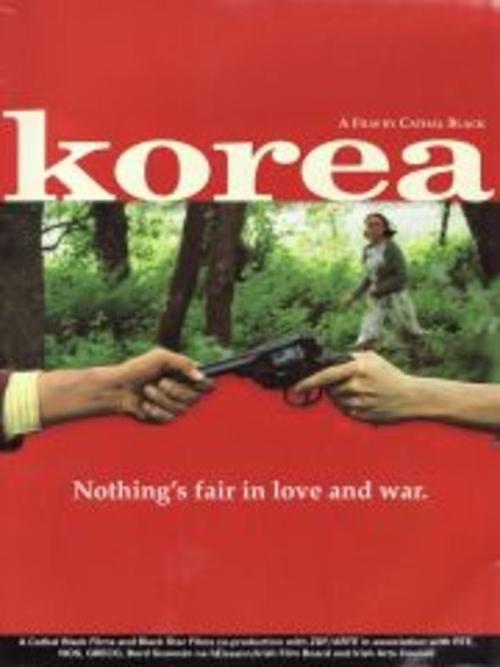
Korea
1996Set in 1950s rural Ireland, this is a powerful story of the relationship between father and so. Amid emigration and war, John Doyle’s feud with Ben Moran resurfaces after Ben’s son dies in Korea. As John's son Eamon falls for Una Moran, old hatreds threaten young love in a tragic, modern Romeo and Juliet tale.
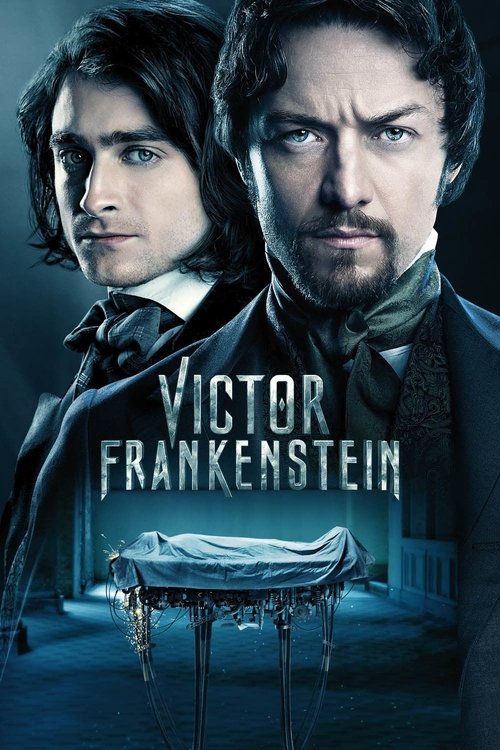
Victor Frankenstein
2015Eccentric scientist Victor Von Frankenstein creates a grotesque creature in an unorthodox scientific experiment.
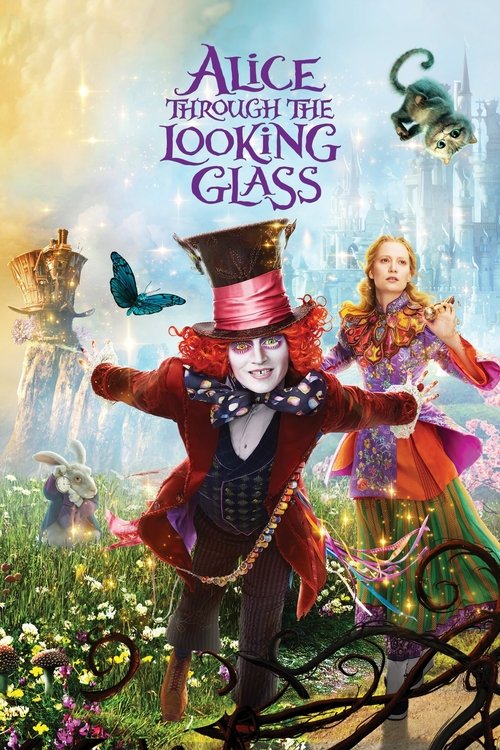
Alice Through the Looking Glass
2016Alice Kingsleigh returns to Underland and faces a new adventure in saving the Mad Hatter.
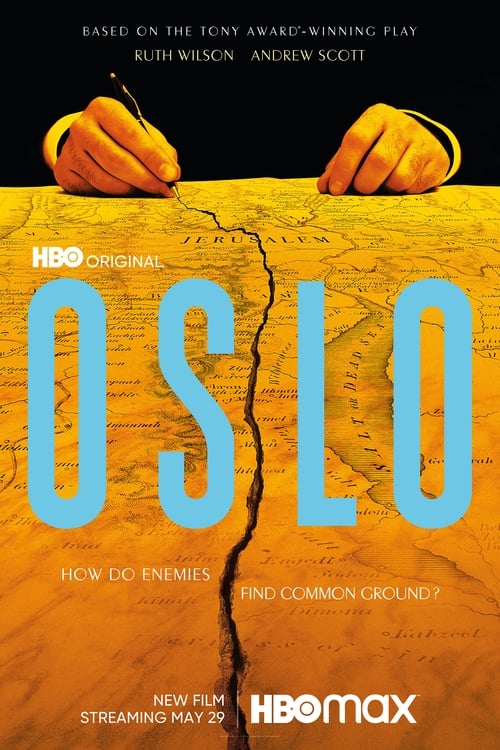
Oslo
2021The true story of negotiations between implacable enemies — the secret back-channel talks, unlikely friendships and quiet heroics of a small but committed group of Israelis, Palestinians and one Norwegian couple that led to the 1993 Oslo Peace Accords.
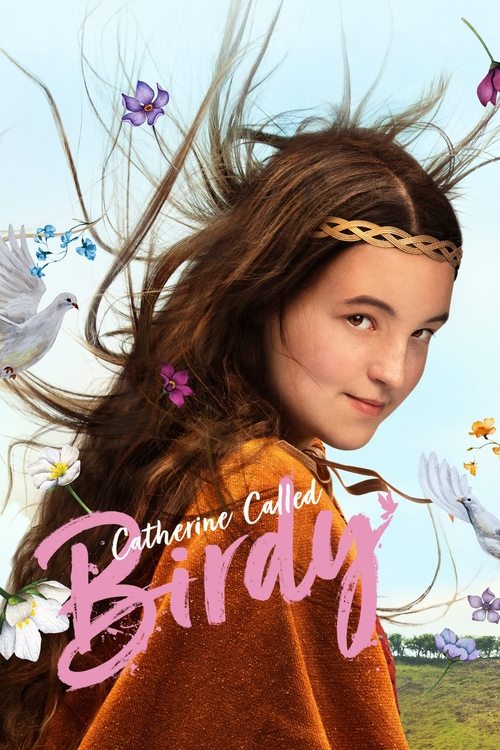
Catherine Called Birdy
2022A teenage girl in Medieval England navigates life and tries to avoid the arranged marriages her father maps out for her.
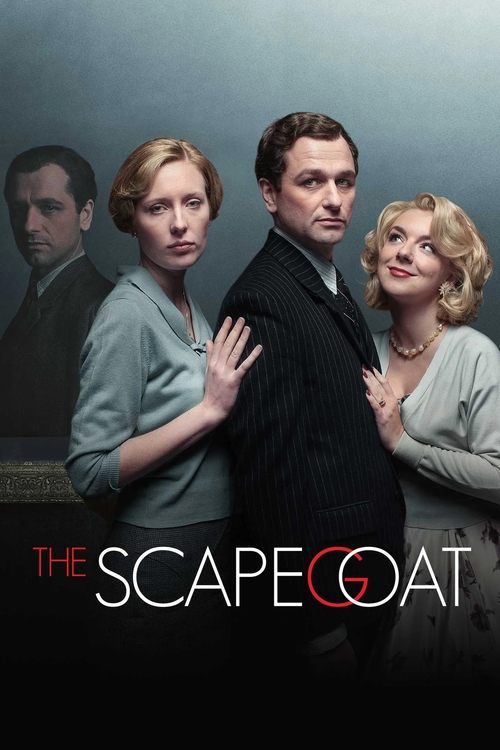
The Scapegoat
2012In 1952, as England prepares for the coronation, two very different men have one thing in common—a face.
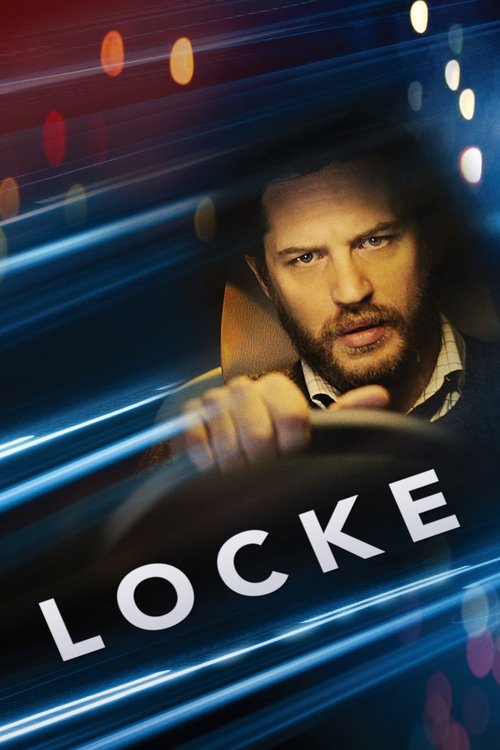
Locke
2014Ivan Locke has worked hard to craft a good life for himself. Tonight, that life will collapse around him. On the eve of the biggest challenge of his career, Ivan receives a phone call that sets in motion a series of events that will unravel his family, job, and soul.
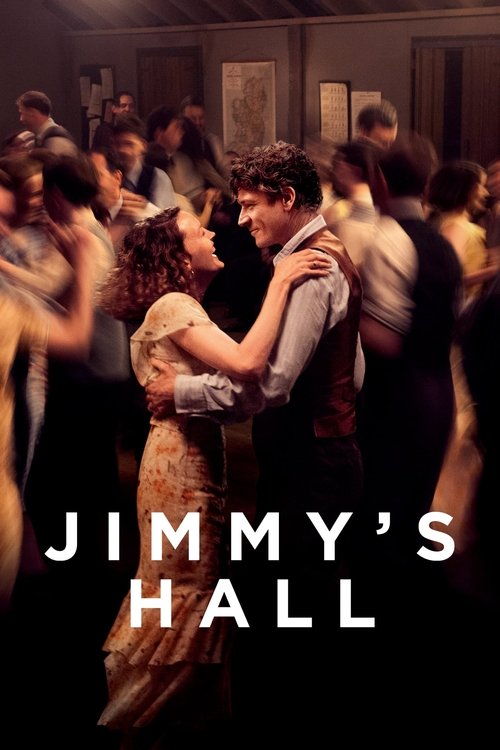
Jimmy's Hall
2014Jimmy Gralton returns from New York and reopens his beloved community hall, only to meet opposition from the local parish.
Scott captures the rigid internal conflict of a village priest with a performance that avoids the trap of simple villainy. He adds layers of theological and social complexity to the film, making the ideological clashes feel deeply personal.
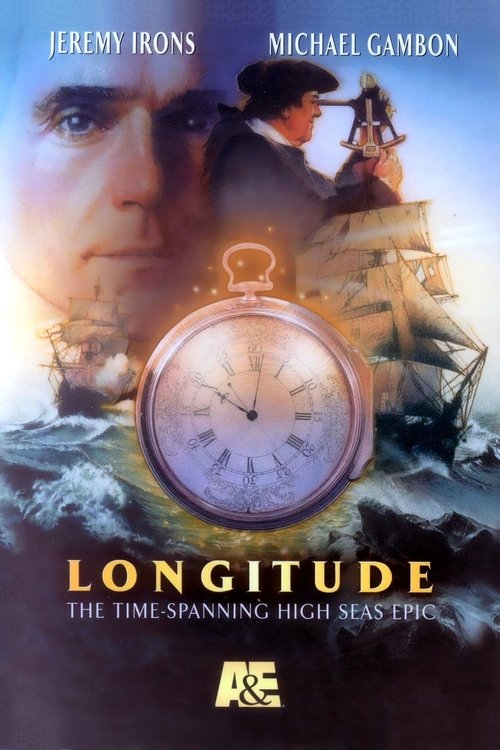
Longitude
2000Parallel stories: 18th century Harrison builds the marine chronometer for safe navigation at sea; 20th century Gould is obsessed with restoring it.
Playing a young apprentice in this prestige period drama, Scott demonstrates a burgeoning talent for internalizing complex character motivations. This early role highlights his innate ability to hold his own alongside established titans of British acting.
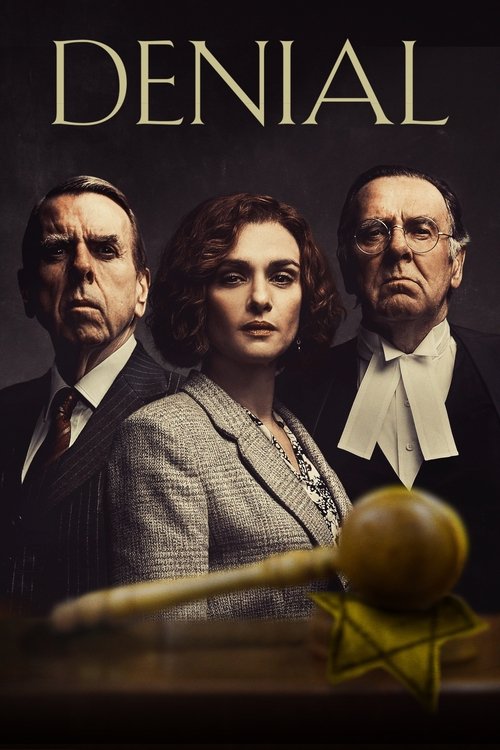
Denial
2016Acclaimed writer and historian Deborah E. Lipstadt must battle for historical truth to prove the Holocaust actually occurred when David Irving, a renowned denier, sues her for libel.
As part of a high stakes legal team, Scott operates with a crisp, intellectual urgency that keeps the courtroom drama kinetically charged. He excels at portraying the strategic brilliance and professional rigor required for such a pressurized historical dramatization.

This Beautiful Fantastic
2016Set against the backdrop of a beautiful garden in the heart of London, this contemporary fairy tale revolves around the unlikely friendship between a reclusive young woman and a cantankerous old widower. Bella Brown is a beautifully quirky young woman who dreams of writing and illustrating a successful children’s book. After she is forced by her landlord to deal with her neglected garden or face eviction, she meets her match, nemesis, and unlikely mentor in Alfie Stephenson, a grumpy, loveless, old man who lives next door who happens to be an amazing horticulturalist.
In this modern fairy tale, Scott displays a surprising flair for whimsical charm and deadpan physical comedy. It is a refreshing departure that showcases his versatility beyond the brooding or intense roles that often define his filmography.
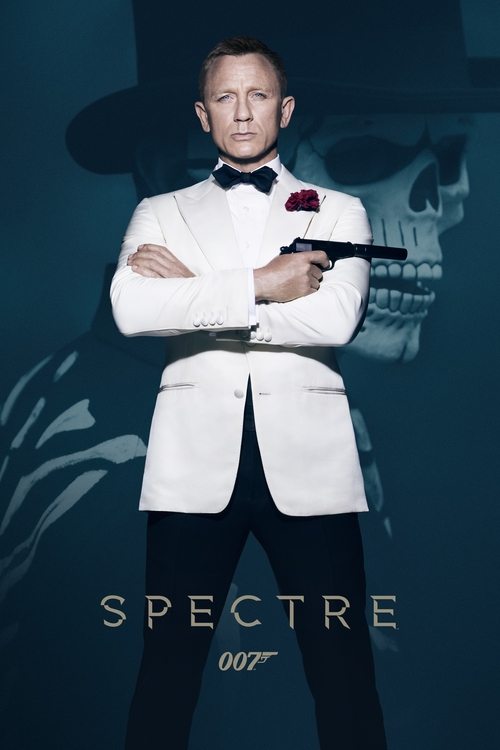
Spectre
2015A cryptic message from Bond’s past sends him on a trail to uncover a sinister organization. While M battles political forces to keep the secret service alive, Bond peels back the layers of deceit to reveal the terrible truth behind SPECTRE.
Taking a turn into clinical antagonism, Scott plays a modern bureaucratic threat with a sharp, chilling efficiency. He provides a sleek contrast to the traditional Bond villain archetype by portraying the cold banality of surveillance era power.
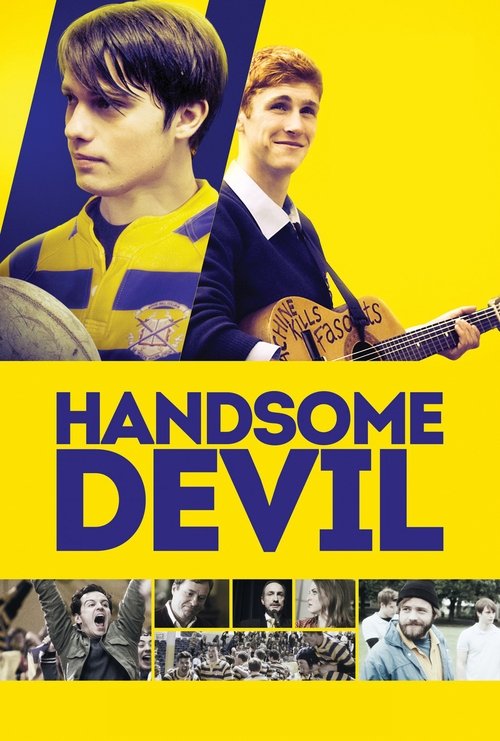
Handsome Devil
2017A music-mad 16-year-old outcast at a rugby-mad boarding school forms an unlikely friendship with his dashing new roommate.
Scott brings a soulful, weary wisdom to the role of a disillusioned teacher, steering the film away from conventional coming of age tropes. He crafts a nuanced mentor figure who feels lived in and authentic rather than a mere plot device.
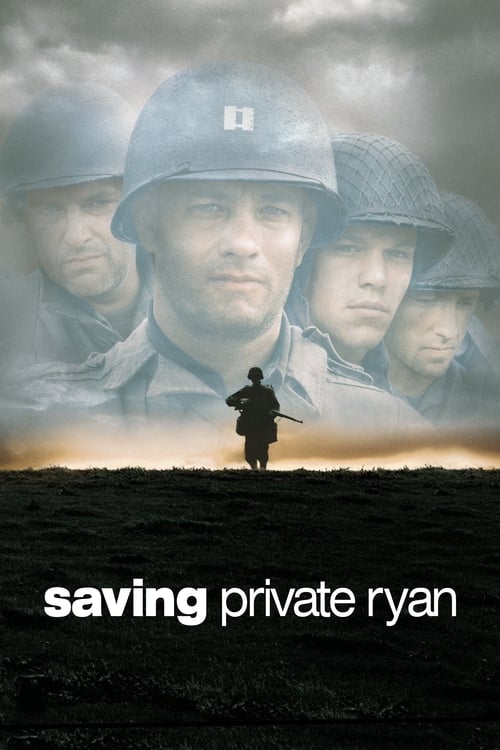
As U.S. troops storm the beaches of Normandy, three brothers lie dead on the battlefield, with a fourth trapped behind enemy lines. Ranger captain John Miller and seven men are tasked with penetrating German-held territory and bringing the boy home.
Though he appears only briefly in the chaos of the opening sequence, this early career credit offers a fascinating glimpse of Scott's screen presence within a massive Hollywood epic. It marks an essential stepping stone that signaled his move from the stage toward international cinematic recognition.
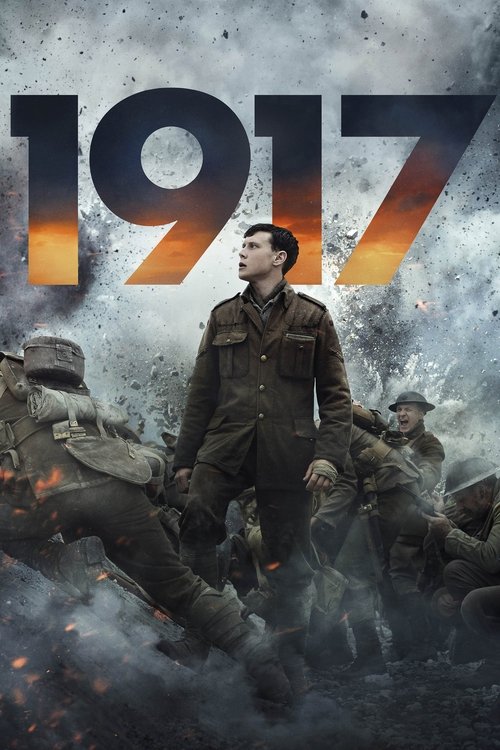
1917
2019At the height of the First World War, two young British soldiers must cross enemy territory and deliver a message that will stop a deadly attack on hundreds of soldiers.
Contributing a weary, cynical edge to this relentless technical marvel, Scott makes a massive impact within a fleeting frame. His brief presence provides a vital jolt of disillusioned humanity amidst the clockwork precision of the film's high stakes choreography.
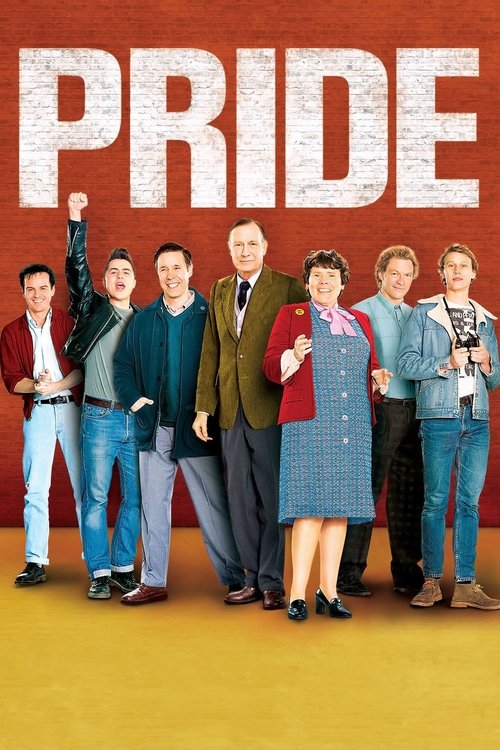
Pride
2014In 1984, a group of LGBT activists decide to raise money to support the National Union of Mineworkers during their lengthy strike. There is only one problem: the Union seems embarrassed to receive their support.
In a crowded ensemble of powerhouse performers, Scott provides the film's quietest and most devastating arc as a man reconnecting with a painful past. It is a subtle, grounded turn that serves as the moral and emotional anchor for the entire narrative.
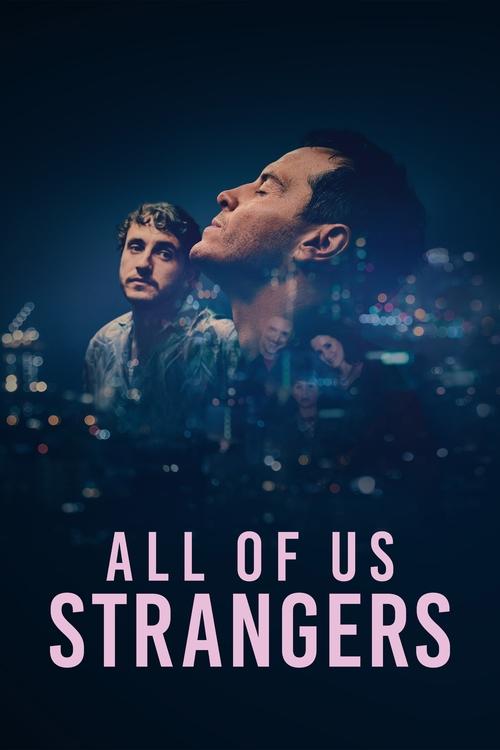
All of Us Strangers
2023One night in his near-empty tower block in contemporary London, Adam has a chance encounter with a mysterious neighbor Harry, which punctures the rhythm of his everyday life.
Scott anchors this metaphysical masterpiece with a raw, vibrating vulnerability that finally cements him as one of the most significant leading men of his generation. His ability to navigate the porous boundaries between grief and longing transforms the film into a profound masterclass in understated emotional precision.
Frequently Asked Questions
Everything you need to know about this list and SnakeDrafts
- Andrew Scott excels in a diverse range of roles, from intense dramas like "Pride" to thrilling blockbusters such as "Spectre." His ability to portray both volatile and tender characters highlights his versatility across genres including romance, fantasy, and historical dramas.
- "All of Us Strangers" is a standout film that beautifully combines romance, drama, and fantasy, showcasing Andrew Scott’s nuanced performance in an emotionally complex narrative directed by Andrew Haigh.
- Andrew Scott’s extensive stage experience has honed his commanding presence and emotional depth, evident in his compelling performances in films like "Pride" and "1917," where his ability to convey subtle psychological complexity enriches the cinematic experience.
- Yes, several historical films featuring Andrew Scott are part of the ranking, including "1917," "Denial," and "Longitude." These movies demonstrate his skill in portraying nuanced figures within significant historical contexts.
- Andrew Scott displays his comedic talents in films like "Pride" and "Handsome Devil," where his blend of wit and emotional insight allows him to navigate humor while still delivering impactful dramatic moments.
- Yes, Andrew Scott appears in the blockbuster film "Spectre," part of the James Bond franchise, where he adds a memorable intensity as a key antagonist, highlighting his capacity for thrilling, action-oriented roles.
- Andrew Scott’s roles in TV movies such as "Longitude" and "Oslo" have broadened his appeal by bringing his nuanced acting to smaller screens, earning critical acclaim for his ability to convey complex historical and emotional narratives in these formats.